Medium Format vs 35mm for Landscapes: What Are You Really Paying For?
For landscape photographers, the jump from 35mm to medium format has long been associated with bigger files, smoother tonal transitions, and a more immersive level of detail. But it also comes with real tradeoffs in cost, size, lens availability, and shooting speed. If you are wondering whether medium format is actually worth the upgrade for your style of landscape work, this comparison breaks down the strengths of each format in practical terms.
For many shooters, 35mm remains the most balanced system for hiking, travel, and all-around versatility. Medium format, meanwhile, can be the aspirational choice for photographers who prioritize maximum image quality, large prints, and slower, more deliberate image-making. The right answer depends less on hype and more on how, where, and why you shoot.

Side-by-Side Specs Comparison
| Category | 35mm | Medium Format |
|---|---|---|
| Sensor/Film Size | Approx. 36 x 24mm | Larger than 35mm; common digital sizes include roughly 44 x 33mm, with larger film formats available |
| Resolution Potential | High, with excellent modern full-frame performance | Typically higher resolving potential and greater pixel pitch options |
| Dynamic Range | Excellent in modern systems | Often slightly better tonal rolloff and highlight/shadow subtlety |
| Depth of Field | Deeper at equivalent framing and aperture | Shallower at equivalent framing, useful for selective focus |
| System Size/Weight | Usually smaller and lighter | Usually larger and heavier |
| Lens Availability | Very broad and affordable range | More specialized and often more expensive |
| Speed and Handling | Faster AF, more responsive for mixed-use shooting | Typically slower, more deliberate workflow |
| Travel/Hiking Practicality | Excellent | Less convenient for long treks |
| Cost of Entry | Lower overall | Higher body and lens investment |
| Best For | Versatile landscape, travel, adventure, hybrid use | Fine art landscape, large prints, detail-first workflows |
What Landscape Shooters Gain With Medium Format
Image Detail and Print Potential
This is the biggest argument in favor of medium format. Larger sensors or film areas can capture more nuance in textures like rock, foliage, distant ridgelines, and atmospheric transitions. If your work is destined for gallery-sized prints or heavy cropping, medium format gives you more room to work without the image feeling strained.
Landscape photography often rewards patience, and medium format rewards that patience with files that can look exceptionally rich. Fine detail is not just about sharpness; it is also about how naturally the image transitions from one tone to another.
Tonal Gradation and Rendering
Many landscape photographers describe medium format not as dramatically sharper, but as smoother and more dimensional. Skies, water, mist, and subtle color shifts at sunrise or sunset can appear more refined. This difference may not always be obvious on a phone screen, but it becomes more visible in larger prints and careful post-processing.
Deliberate Shooting Experience
Medium format systems often slow photographers down, and that is not necessarily a bad thing for landscapes. A slower pace can encourage stronger composition, more careful tripod use, and better attention to changing light. If your ideal outing involves scouting a location, waiting for weather, and crafting a final print, medium format can feel aligned with that process.
Where 35mm Still Wins
Portability for Real-World Landscape Work
Landscape photography is not always done from a parking lot overlook. If you hike long distances, climb, travel frequently, or shoot in changing conditions, 35mm has a major advantage. Smaller bodies and lenses are easier to carry, faster to deploy, and less fatiguing over the course of a full day outdoors.
That matters more than many photographers expect. The best camera for landscapes is often the one you are still happy to carry when the light finally gets good.
Lens Choice and Budget Flexibility
35mm systems give you access to a huge variety of lenses at every price tier, from ultra-wide zooms to compact primes and adapted vintage glass. That makes it easier to build a landscape kit tailored to your style without overcommitting financially.
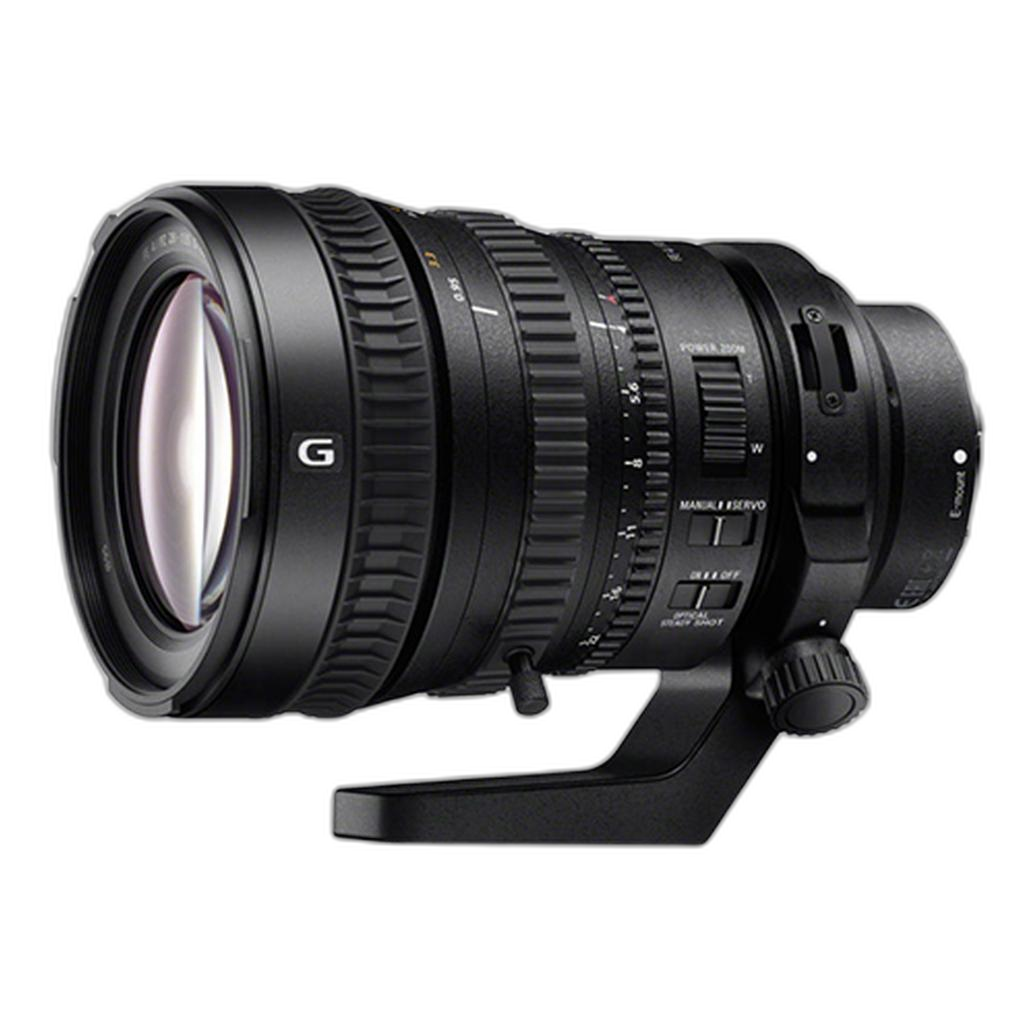
A flexible zoom can be especially valuable for landscapes when moving your position is not possible. In the 35mm world, that kind of practical versatility is much easier to find.
More Than Enough Quality for Most Shooters
Modern 35mm cameras already offer excellent dynamic range, color depth, and resolution. For web use, editorial work, moderate-to-large prints, and general portfolio building, full-frame 35mm is often more than sufficient. Many landscape photographers never truly hit the ceiling of what 35mm can do before assuming they need more format.
Film Perspective: Why Format Size Historically Mattered
In film, the difference between 35mm and medium format was often more dramatic because the larger negative delivered visibly better detail and tonality. That is why medium format became a favorite for fine art and commercial landscape work. Even today, photographers drawn to film landscapes appreciate how larger formats render depth and texture.
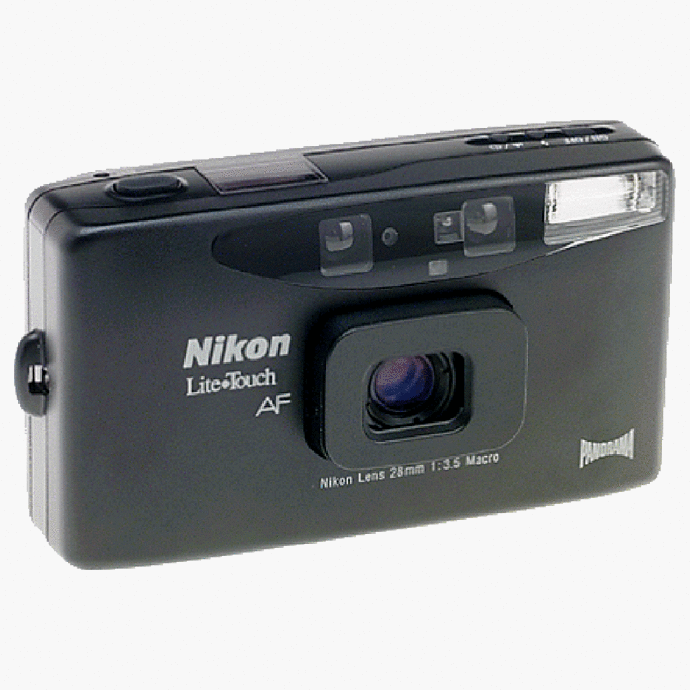
That said, 35mm film still has a distinct charm, lower cost per camera body, and a more spontaneous feel. For photographers who want the landscape experience without the added bulk and expense of medium format film systems, 35mm remains a compelling entry point.
Workflow and Editing Considerations
Bigger Files Mean Bigger Demands
Medium format files can be wonderful to work with, but they also ask more from your computer, storage, and editing workflow. If you bracket exposures, stitch panoramas, or process high volumes of RAW files, those larger files can slow things down.
35mm gives many photographers a better balance between quality and efficiency. You can still produce highly detailed landscape images while keeping your storage and editing demands more manageable.
Editing Skill Often Matters More Than Format
A well-shot and well-edited 35mm landscape image will usually outperform a mediocre medium format image. Technique, filtration, tripod discipline, timing, and post-processing still matter more than format alone. If you have not fully optimized your shooting and editing process, upgrading systems may not produce the leap you expect.
Cost vs Value for Landscape Photographers
When Medium Format Is Worth the Money
The upgrade makes the most sense if you regularly print large, sell fine art, need maximum tonal subtlety, or simply know that image quality is your top priority above portability and cost. If your landscape work is methodical and tripod-based, medium format can be a meaningful long-term investment.
When 35mm Is the Smarter Buy
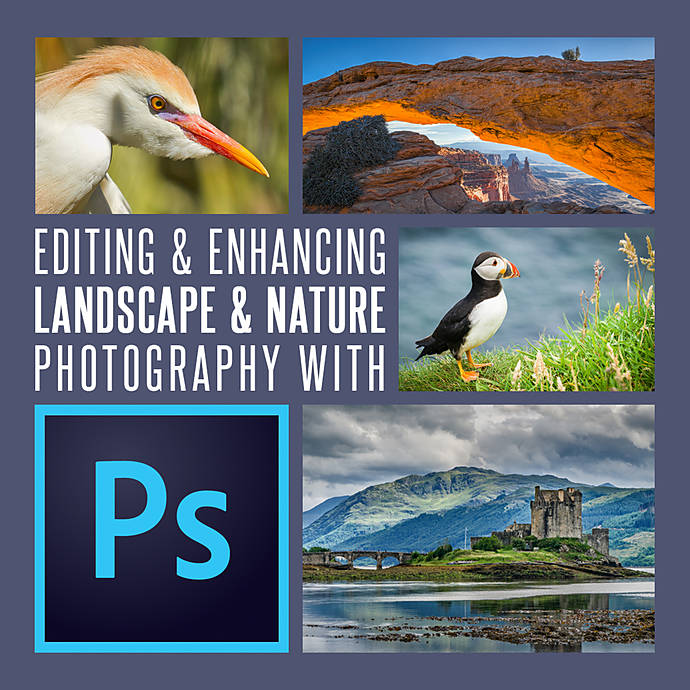
If you are still building your kit, travel often, shoot handheld, or want one system for landscapes plus other genres, 35mm is usually the more practical choice. The money saved can go toward lenses, a sturdy tripod, filters, workshops, or editing education, all of which may improve your photography more than a format jump.
Our Pick
For most landscape shooters, 35mm is the better overall choice. It offers the best mix of image quality, mobility, lens selection, and value. You can create professional-level landscape work, make beautiful prints, and carry a kit that is realistic for travel and hiking.
Choose medium format if your work is heavily print-driven, fine-art focused, and built around a slower, deliberate workflow where maximum detail is the priority. In that narrower but important use case, the upgrade can absolutely be worth it.
Conclusion
Medium format is not automatically better for every landscape photographer; it is better for a specific kind of landscape photographer. If your goal is the highest possible image quality and you are willing to accept the cost and bulk, medium format delivers real advantages. If you want a more flexible, affordable, and field-friendly system, 35mm remains incredibly capable and often the smarter investment.
If you are weighing your next landscape upgrade, Unique Photo offers gear, used equipment, and educational resources to help you choose the system that fits your shooting style.