Introduction: Competition Prints Deserve More Than a Great Image
Preparing prints for a local photography competition is about far more than pressing the shutter or even making a strong edit. Presentation, protection, consistency, and handling all influence how your work is received. In that sense, the best gear for competition prep is not always the most glamorous. Archival sleeves, storage pages, and a solid printing reference can make a meaningful difference in how professionally your submission arrives and how safely it is handled before judging.
For photographers who want to improve their print workflow, this review looks at a small but useful group of products that support competition preparation: archival print storage pages from Print File and an educational printing guide from Rocky Nook. These are not creative shortcuts, but they are exactly the kind of practical tools that help serious photographers stay organized, protect finished work, and avoid preventable presentation mistakes. If you are shopping for print-prep essentials, Unique Photo is a smart place to buy them.
Why Print Preparation Matters in Local Competitions
Local competitions often have strict rules about print size, mounting, labeling, and condition. Even when judges focus primarily on image quality, a print with bent corners, fingerprints, dust, or surface abrasion starts at a disadvantage. A clean, flat, correctly sized print signals care and professionalism.
That is why archival storage and handling products deserve attention. They help with three core parts of the process: protecting finished prints, organizing multiple submissions, and transporting work safely before drop-off. Just as importantly, a good printing reference can help you improve tonal control, color management, and paper choices so your final print matches your creative intent.
Key Products Reviewed for Competition Print Prep
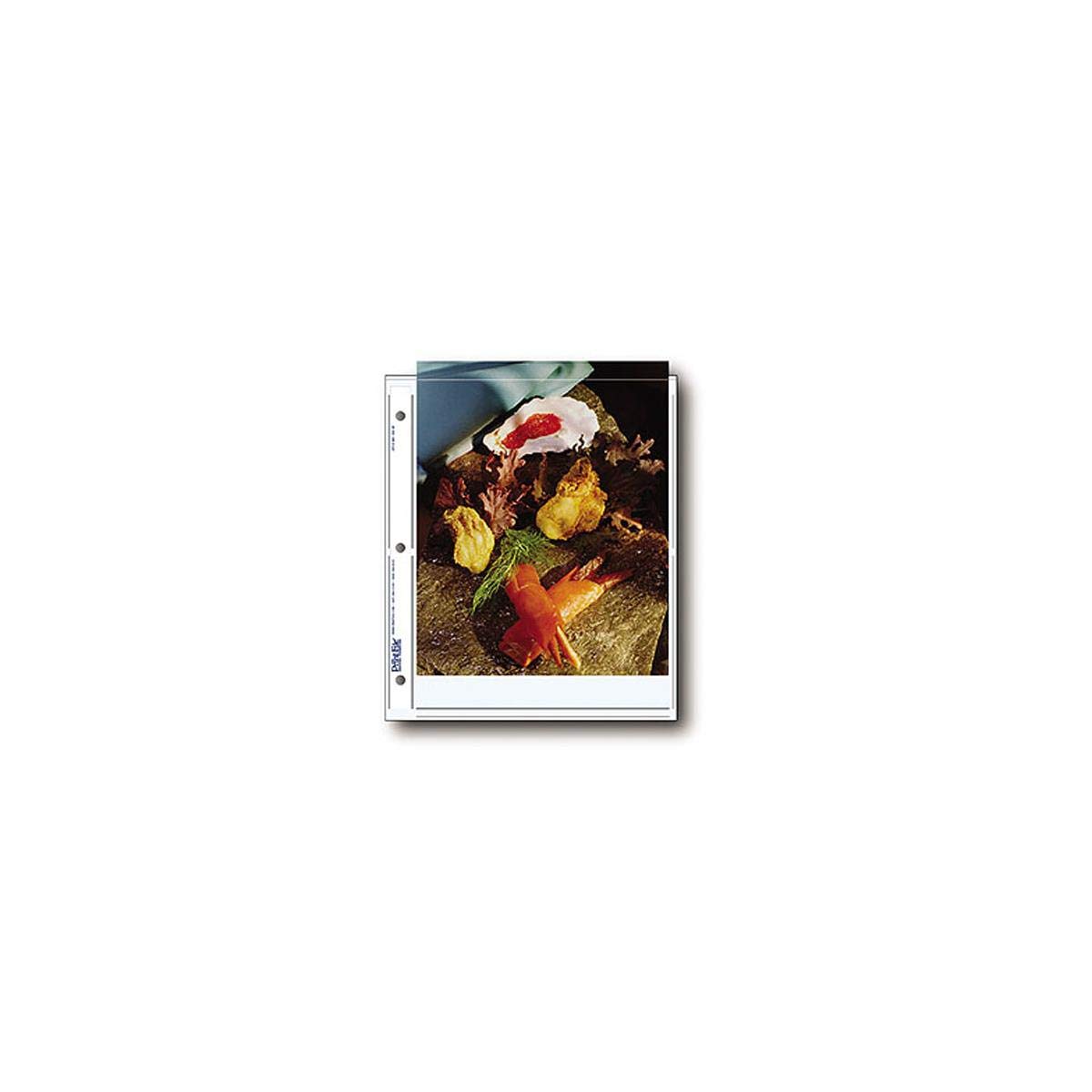
Print File 810-2P Archival Storage Page for 2 Prints (8x10in, 500-Pack)
The Print File 810-2P is arguably the most directly relevant option here for photography competitions, especially if your local club or contest accepts 8x10 prints. This archival page is designed to hold two 8x10 prints, making it an excellent choice for sorting competition entries, backups, alternates, or work in progress.
What stands out most is how practical this format is. Two-up storage makes reviewing and comparing images easy, and the archival design is exactly what photographers want when preserving print quality over time. If you regularly produce competition prints, maintain a physical portfolio, or like to keep prior submissions organized season by season, this product is one of the most useful workflow additions in the group.
For photographers entering multiple categories, these pages also simplify labeling and staging. You can separate monochrome entries from color work, finals from test prints, or competition-ready versions from earlier drafts. That kind of organization reduces last-minute mistakes before submission.
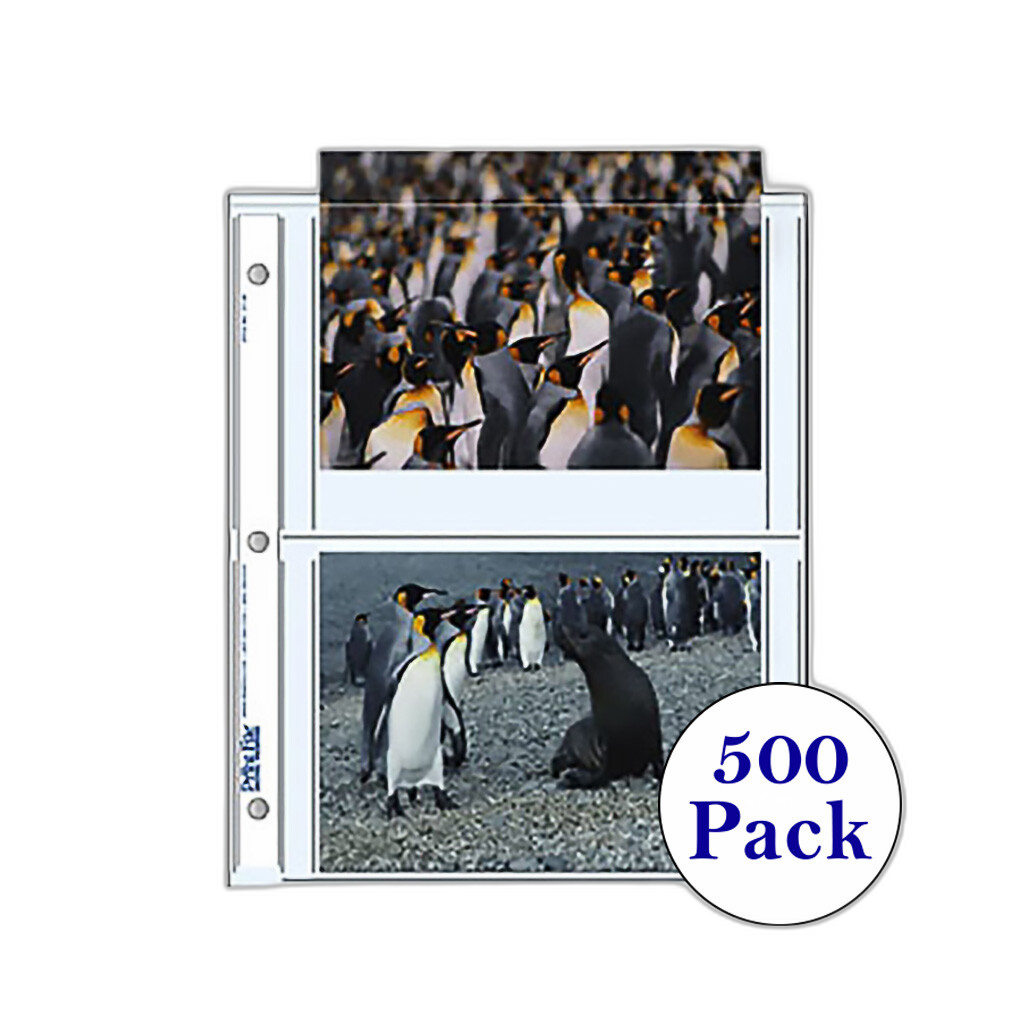
Print File 57-4P Archival Storage Page for 4 Prints (5 x 7in, 500-Pack)
The Print File 57-4P is a strong option for smaller prints, proofs, and selection rounds. If your competition process starts with making multiple 5x7 test prints before committing to a final enlargement, this page size is highly useful. It lets you store four prints per page, which is efficient for editing comparisons and portfolio review.
Many photographers underestimate how valuable smaller proof prints can be. Before sending out an 8x10 or larger final, reviewing a set of 5x7 prints under consistent lighting can help identify distracting highlights, blocked shadows, weak cropping, or color shifts. This archival page supports that process by keeping proof prints clean and easy to access.
It is also a great fit for photographers who participate in local camera clubs where informal critiques happen before formal competition entry. Bringing protected proofs in an organized page often looks more professional than carrying loose prints in an envelope.
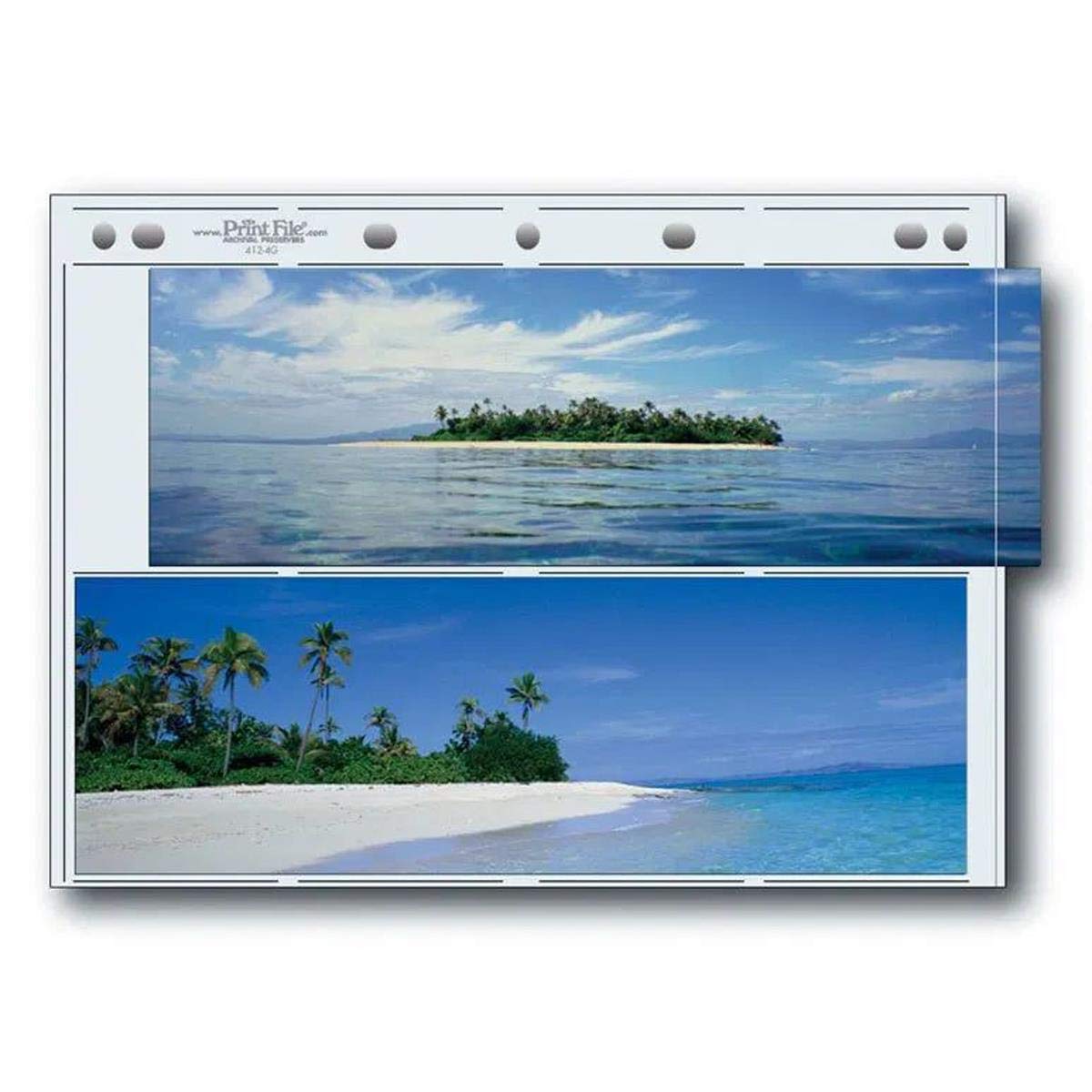
Print File Premium Series-G Archival Storage Page for Prints (4x12in APS, Ho
The Print File Premium Series-G is more specialized, but still relevant for photographers working in panoramic or unusual print formats. While not every local competition accepts 4x12 panoramic prints, some open-format exhibitions and themed contests do. For photographers exploring wide compositions, proper storage can be especially important because panoramic prints are more vulnerable to bending and edge wear.
This premium archival page is best viewed as a niche but useful organizational tool. If your competition work includes panoramic landscapes, cityscapes, or storytelling sequences in elongated formats, having dedicated archival protection is better than improvising with oversized folders or generic sleeves.
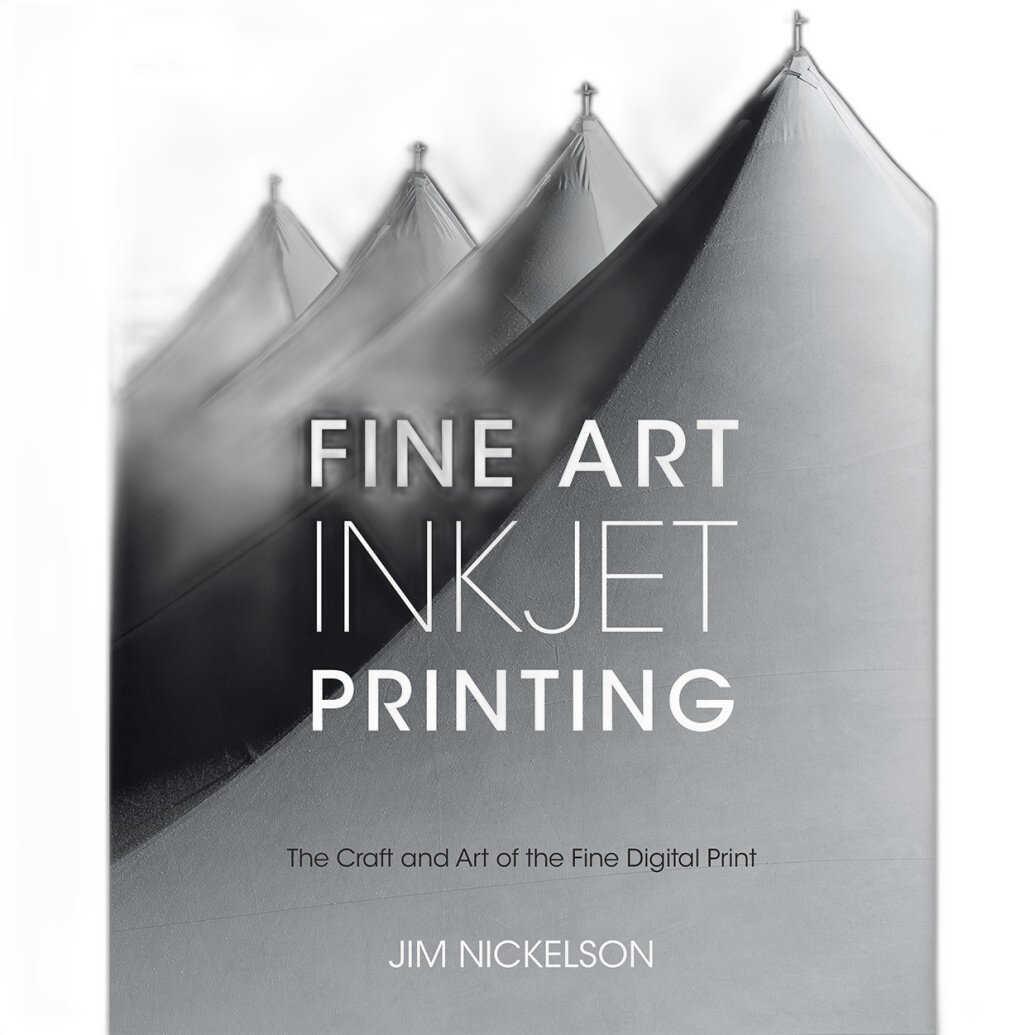
Rocky Nook - Fine Art Inkjet Printing by Jim Nickelson
While storage pages protect your output, the Rocky Nook book Fine Art Inkjet Printing by Jim Nickelson addresses the other half of the competition equation: making a better print in the first place. For photographers who are comfortable capturing and editing images but less confident in printmaking, a focused printing guide can be an excellent investment.
This book is especially relevant for competition entrants because local judging often rewards subtle tonal separation, clean blacks, controlled highlights, and paper choices that support the subject matter. A strong image can lose impact if the print is muddy, overly contrasty, or poorly color managed. A book like this helps bridge the gap between digital file and presentation-ready print.
In practical terms, this title is likely most useful for photographers printing at home on inkjet printers, but it also benefits those who outsource printing and want to communicate more intelligently with a lab. Understanding soft proofing, media selection, and output variables can improve consistency regardless of who makes the print.
How These Products Fit Into a Better Competition Workflow
A smart print submission workflow usually follows a simple path: select finalists, make proof prints, evaluate under good light, refine the file, produce the final print, protect it, and transport it safely. The products reviewed here support that sequence well.
The 5x7 Print File pages are ideal for proofing and comparison. The 8x10 pages are the best match for storing final competition prints or maintaining a physical record of past entries. The panoramic page fills a more specialized role for nonstandard formats. The Rocky Nook printing book supports the knowledge side of the workflow, helping photographers improve output quality before storage even becomes necessary.
That balance is what makes this group effective. Instead of focusing on flashy gear, it addresses common failure points in print competition prep: poor organization, print damage, and inconsistent print quality.
Practical Tips for Preparing Print Submissions
1. Confirm competition rules before printing
Always verify print dimensions, border rules, mounting requirements, and whether mats or sleeves are permitted. Do not assume last year’s rules still apply.
2. Make small proof prints first
Before committing to a final print, make 5x7 proofs and compare versions side by side. This is where products like the Print File 57-4P become useful for organizing test outputs.
3. Evaluate prints under neutral lighting
Room lighting can dramatically affect perceived color and contrast. Review your prints under consistent, neutral light whenever possible.
4. Protect finished prints immediately
Once the final print is approved, place it in an archival sleeve or page rather than leaving it exposed on a desk. Dust, fingerprints, and corner damage happen fast.
5. Keep alternates and past submissions organized
Competition growth comes from reviewing previous work. Archival pages help create a physical record of what you entered, what succeeded, and how your printing has improved.
6. Learn enough printing theory to avoid preventable mistakes
A resource like the Rocky Nook printing guide can help you understand why a file that looks great on screen may still disappoint on paper.
Pros and Cons
Pros
- Archival storage pages help protect prints from scratches, fingerprints, and handling damage
- Multiple size options support proof prints, final prints, and specialty panoramic formats
- Excellent for organizing entries, alternates, and past competition submissions
- The Rocky Nook book adds real educational value for photographers refining their print workflow
- These products support a more professional presentation without requiring a major investment
Cons
- Storage pages improve protection and organization, but they do not replace proper mounting or competition-specific presentation requirements
- The panoramic storage page is only relevant to a narrower group of photographers
- The printing book is most beneficial to photographers willing to study and apply technical print concepts
- Some users may need additional transport solutions beyond archival pages for final submission delivery
Verdict: Small Workflow Upgrades That Can Improve Your Competition Readiness
If the goal is to prepare stronger print submissions for local photography competitions, these products make sense because they solve practical problems that photographers encounter every season. The standout item is the Print File 810-2P, which is especially useful for organizing and protecting 8x10 competition prints. The Print File 57-4P is an excellent companion for proofing and image selection. The Premium Series-G fills a niche for panoramic work, while Fine Art Inkjet Printing by Jim Nickelson adds knowledge that can improve the print itself, not just its storage.
None of these products are glamorous, but they are exactly the kind of dependable tools that support a clean, consistent, competition-ready workflow. For photographers who take local print competitions seriously, they are worthwhile additions. You can find these print-prep essentials at Unique Photo, making it easy to build a more organized and professional submission process.