Gimbal vs. Optical Stabilization for Run-and-Gun Shooting
For fast-moving documentary work, event coverage, travel video, and solo content creation, stabilization can make or break your footage. In a run-and-gun setup, the real question is whether you prefer the simplicity of in-body or lens-based optical stabilization, or the more deliberate but dramatically smoother motion that a dedicated gimbal delivers. Since optical stabilization is built into your camera or lens rather than sold here as a standalone product, this comparison focuses on what a modern gimbal system brings to the table when you want to go beyond handheld correction.
Below, we compare several gimbal options available from Unique Photo, from lightweight handheld choices to more advanced support systems for longer shooting days.
Side-by-Side Specs Comparison
| Product | Type | Best Use | Key Advantage | Tradeoff |
|---|---|---|---|---|
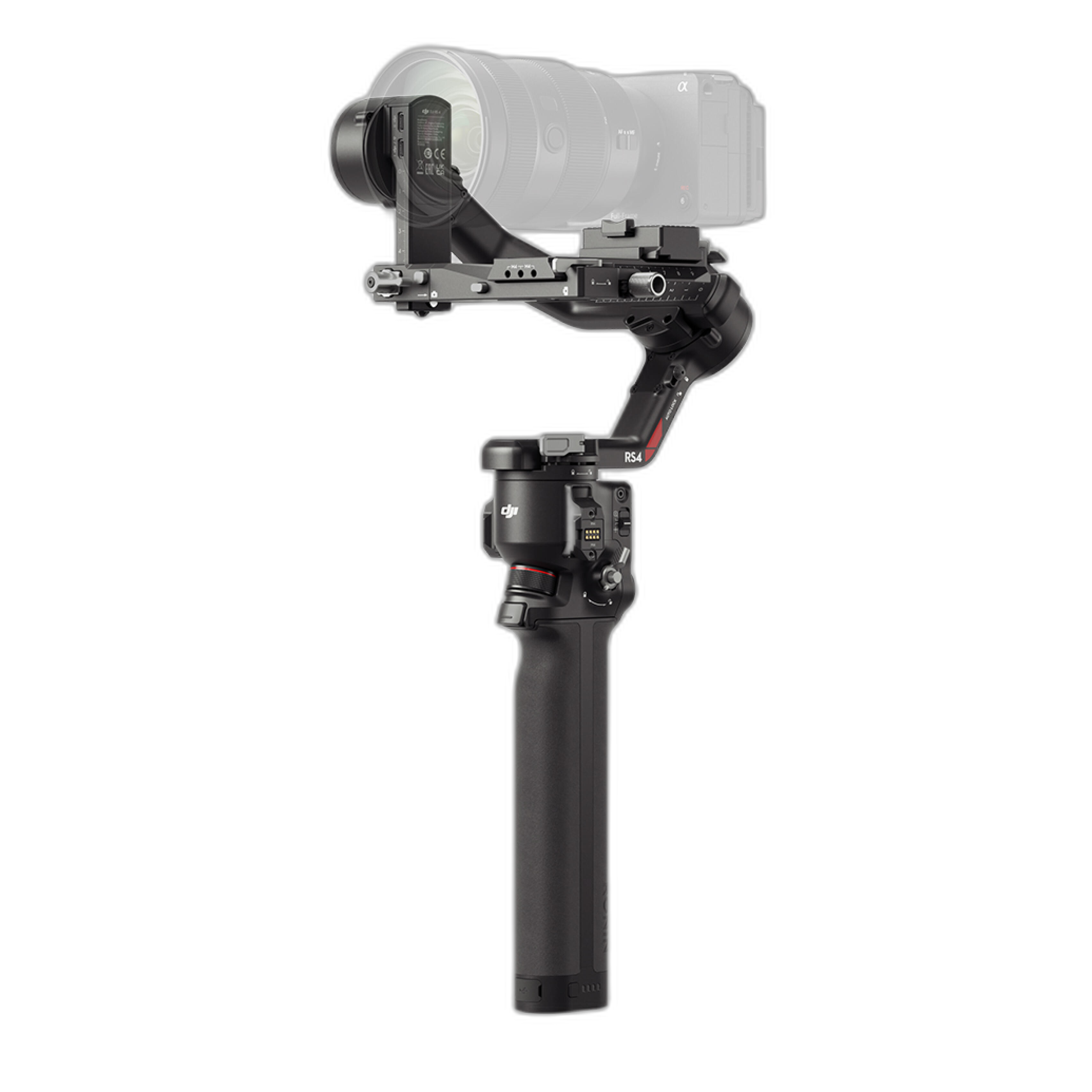
| DJI RS 4 Gimbal Stabilizer | 3-axis handheld gimbal | General run-and-gun video | Modern stabilization platform with fast deployment | More gear to carry than relying on optical stabilization alone |
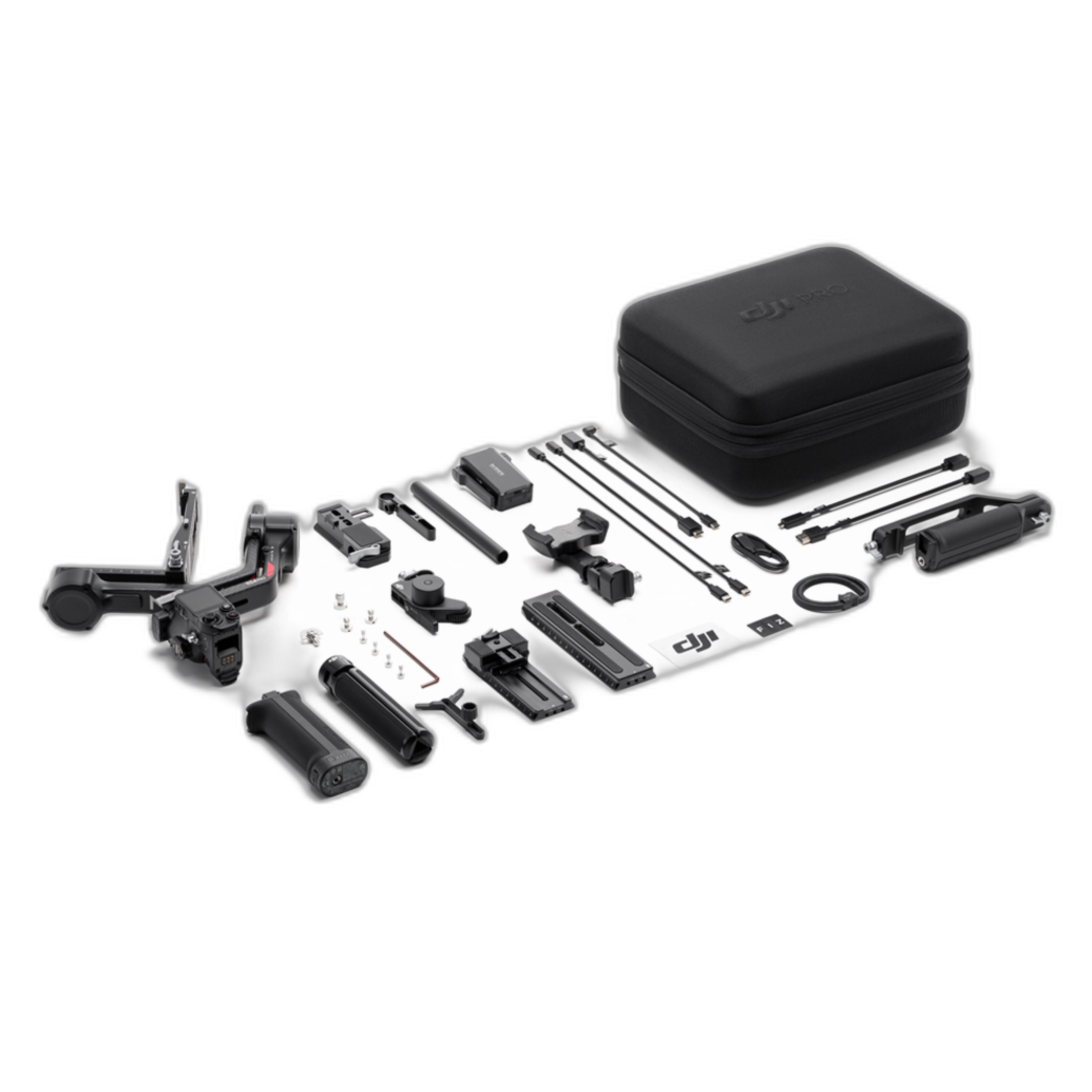
| DJI RS 4 Pro Combo | 3-axis handheld gimbal combo | Heavier camera builds and pro workflows | Expanded kit and higher-end shooting flexibility | Larger footprint for truly minimalist shooting |
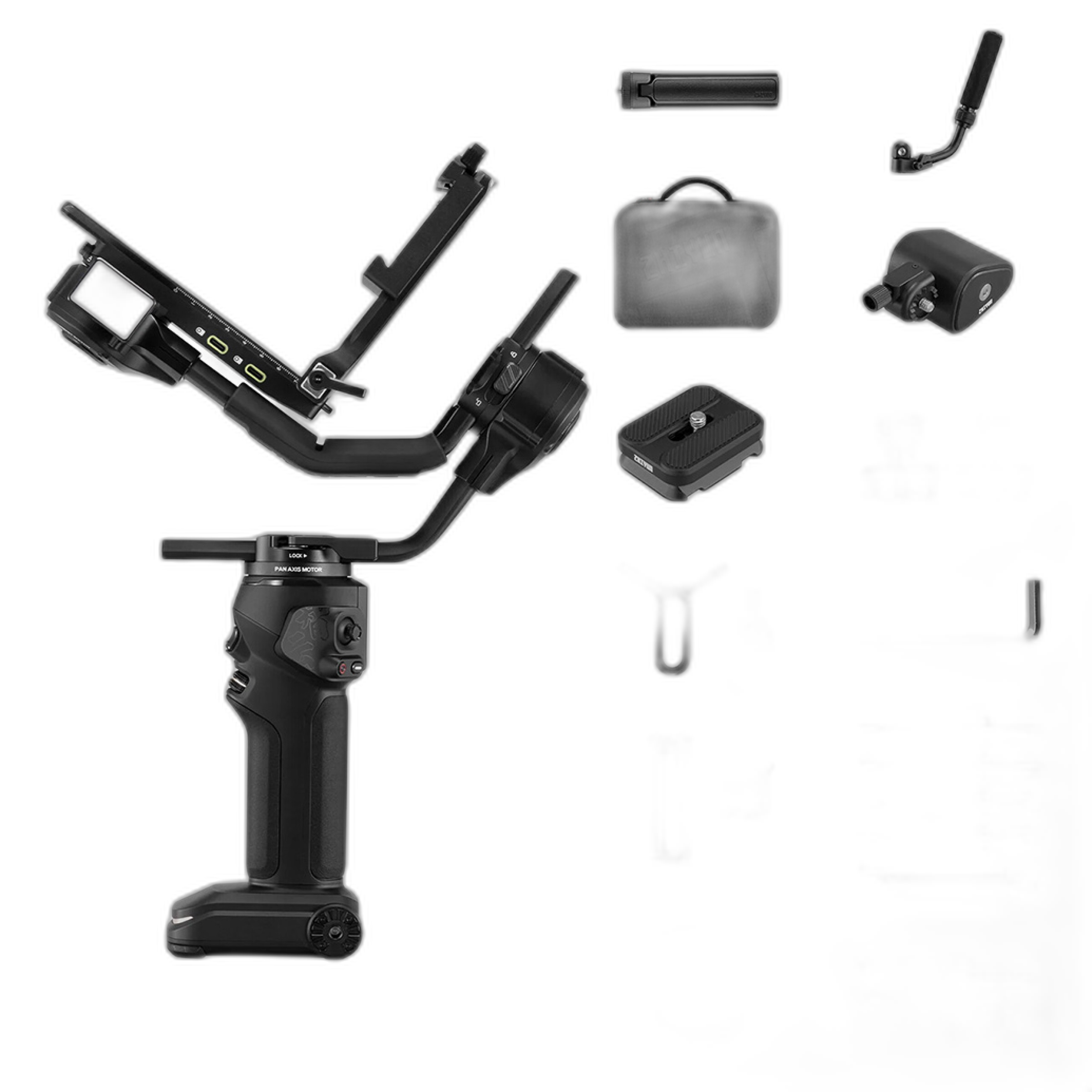
| Zhiyun CRANE 4 3-Axis Handheld Gimbal Stabilizer Combo Kit | 3-axis handheld gimbal combo | Creators needing a feature-rich stabilizer kit | Dedicated handheld stabilization with combo accessories | Requires balancing and setup time |
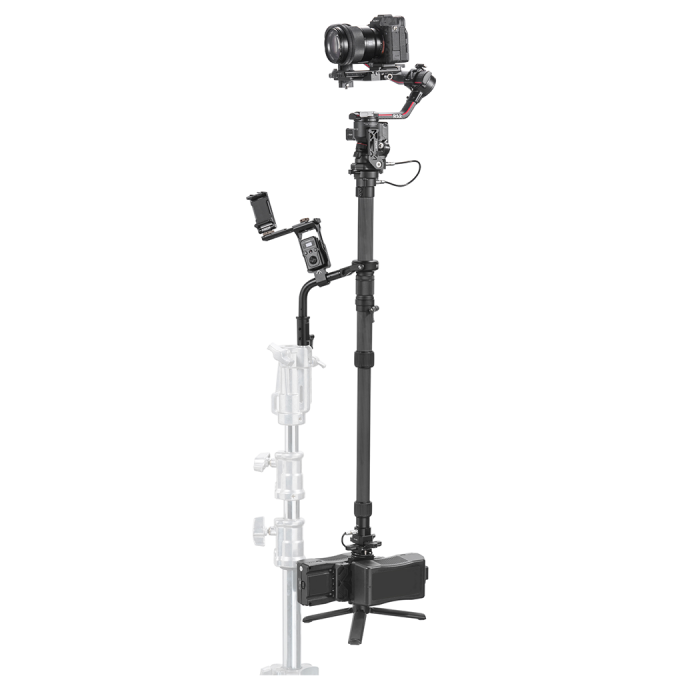
| Tilta Float Handheld Gimbal Support System for DJI RS2/3 - Gold Mount | Support system for gimbal rigs | Extended shoots and operator comfort | Reduces fatigue during longer handheld gimbal sessions | Bulkier than a simple handheld camera setup |
| Used Excellent DJI RS 2 Gimbal Stabilizer Pro Combo | Used 3-axis handheld gimbal combo | Value-focused pro stabilization | Pro-level gimbal workflow at used pricing | Older generation platform |
| Used Fair DJI RS 2 Gimbal Stabilizer Pro Combo | Used 3-axis handheld gimbal combo | Budget-conscious buyers | Affordable entry into serious stabilization | Condition may matter to buyers prioritizing cosmetics |
| Used DJI RSC 2 Gimbal Stabilizer - Excellent | Used compact handheld gimbal | Lighter run-and-gun setups | Compact option for mobile shooters | Less room for larger builds than bigger gimbals |
| Used DJI RS 2 Gimbal Stabilizer Pro Combo - Good | Used 3-axis handheld gimbal combo | Cost savings with capable stabilization | Strong value for creators moving up from handheld-only shooting | Used condition considerations |
What Optical Stabilization Does Better
Optical stabilization wins on speed, convenience, and discretion. If your style of run-and-gun shooting means pulling the camera up instantly, squeezing through crowds, or staying as light as possible, built-in stabilization is hard to beat. There is no balancing process, no extra rig to power, and no major interruption when swapping locations.
For shooters covering weddings, street scenes, behind-the-scenes content, or quick interviews, optical stabilization often feels more natural because it preserves a handheld character while reducing small shakes. It is especially practical when you are alternating between stills and video or need to work in tight spaces where a gimbal becomes cumbersome.
What a Gimbal Does Better
A gimbal is the better choice when your goal is polished camera movement. Tracking shots, walking follow shots, reveal moves, low-angle glides, and more cinematic motion all benefit from a motorized 3-axis stabilizer. Optical stabilization can smooth micro-jitters, but it generally cannot replicate the floating movement of a properly balanced gimbal.
The DJI RS 4 Gimbal Stabilizer is a strong example of why many run-and-gun filmmakers still prefer a dedicated gimbal. It gives you a specialized platform for moving shots that look intentional rather than simply corrected.
Mobility and Speed
If speed is everything, optical stabilization wins. You can power on the camera and start shooting immediately. A gimbal introduces setup time, balancing, and more battery management. However, once a gimbal is dialed in, it can become part of a highly efficient workflow, especially if you stay on one primary camera and lens combination.
For shooters who want that balance between mobility and smoother motion, the Used DJI RSC 2 Gimbal Stabilizer - Excellent stands out as a more compact route into dedicated stabilization.
Smoothness of Footage
This is where the gimbal clearly pulls ahead. Optical stabilization can reduce shake, but it usually cannot eliminate the vertical bounce and rotational movement that show up while walking or moving quickly. A handheld gimbal like the Zhiyun CRANE 4 3-Axis Handheld Gimbal Stabilizer Combo Kit is built specifically to tame those movements and produce footage that feels far more controlled.
Fatigue and Long Shoots
One of the biggest objections to gimbals for run-and-gun work is fatigue. Even a well-designed handheld stabilizer adds weight and changes how you move. Over a long production day, that matters. This is where support gear becomes important. The Tilta Float Handheld Gimbal Support System for DJI RS2/3 - Gold Mount is aimed at operators who want the movement quality of a gimbal without wearing themselves out as quickly.
By contrast, optical stabilization keeps the package lighter and simpler, which may be the better call for travel, news gathering, or fast event coverage where endurance matters more than ultra-smooth motion.
Flexibility for Different Shooting Styles
Optical stabilization is more adaptable when your day is unpredictable. You can go from shoulder-height clips to quick static shots to still photos without changing your approach. A gimbal is more specialized. It shines when movement is part of the shot design.
If your work regularly includes hero shots, walkthroughs, venue tours, branded content, or music video movement, a gimbal is worth the commitment. If you mostly need to react quickly and deliver coverage, optical stabilization may be more practical.
Value and Budget
One major benefit of shopping at Unique Photo is that you can compare new and used stabilization options. If you want to step up from optical stabilization without paying full price for a current flagship, used options like the Used Excellent DJI RS 2 Gimbal Stabilizer Pro Combo, Used Fair DJI RS 2 Gimbal Stabilizer Pro Combo, and Used DJI RS 2 Gimbal Stabilizer Pro Combo - Good can be compelling.
These models can make sense for creators who already know they need true gimbal movement but want to keep their budget focused on lenses, audio, or lighting as well.
Our Pick
Our Pick: DJI RS 4 Gimbal Stabilizer
If we had to recommend one direction for run-and-gun shooters who want the biggest visible upgrade in motion quality, we would lean toward a gimbal—and specifically the DJI RS 4 Gimbal Stabilizer. It represents the sweet spot between portability and professional-looking stabilization. For creators who already have a camera with decent optical stabilization, adding the RS 4 gives you the option to switch between quick handheld shooting and dramatically smoother moving shots when the production calls for it.
If your priority is absolute speed and minimal gear, optical stabilization is still the easier everyday choice. But if you want your run-and-gun footage to look more cinematic, a dedicated gimbal usually delivers the more noticeable result.
Final Thoughts
So which do we prefer for run-and-gun shooting: gimbal or optical stabilization? For pure convenience, optical stabilization wins. For the highest level of smooth, controlled motion, a gimbal wins. In practice, many shooters will prefer using both—optical stabilization for fast handheld coverage and a gimbal for key moving shots that need a more polished look.
If you are ready to compare handheld stabilizers, pro combo kits, or value-driven used options, Unique Photo offers a strong selection for building a run-and-gun rig that matches your shooting style.