If you’ve been using Sony Lens Compare Beta to narrow down your next lens, this guide is for you. Comparison tools can be incredibly helpful, but they’re also easy to misread if you focus only on headline numbers or charts. A lens that looks "better" in one result may not actually be the better fit for your photography. The key is understanding what the results are really telling you about sharpness, aperture, focal length, rendering, size, and real-world use.
Below, we’ll break down what to watch for when comparing Sony-compatible lenses, along with a few standout Sigma options that make great real-world examples for portrait, street, landscape, and low-light shooters.
Start With Your Use Case, Not Just the Score
Before you trust any comparison result, ask what you actually shoot. A lens comparison tool might suggest one lens is sharper corner-to-corner, but if you mainly shoot portraits at wide apertures, edge sharpness may matter far less than center sharpness, subject separation, and bokeh quality.
When reviewing Sony Lens Compare Beta results, pay attention to:
- Focal length differences: 24mm, 35mm, 50mm, 105mm, and 135mm are not interchangeable creative tools.
- Maximum aperture: f/1.2, f/1.4, and f/1.8 all affect light gathering and depth of field differently.
- Rendering style: Charts do not always show how a lens draws transitions, skin tones, or backgrounds.
- Size and weight: A technically superior lens may be less practical if you won’t want to carry it.
- Used vs. new value: A used lens can be the smarter buy if performance is still excellent for your needs.
What the Beta Results Can Miss
Comparison tools are best used as a starting point, not a final answer. Look out for these common blind spots:
- Wide-open versus stopped-down performance: Some lenses transform dramatically by f/2 or f/2.8.
- Autofocus behavior: A chart may not communicate tracking feel, consistency, or low-light acquisition.
- Character: Clinical sharpness and pleasing rendering are not always the same thing.
- Application bias: A landscape lens and a portrait lens may score differently for reasons that matter only in certain genres.
- Sample condition on used gear: With used equipment, condition grading matters alongside optical design.
How to Read Results by Lens Type
One of the biggest mistakes in lens comparison is assuming all categories should be judged the same way. Here’s how to think about different focal lengths when reviewing Sony Lens Compare Beta results.
Sigma 35mm F1.2 DG II Art for Sony E
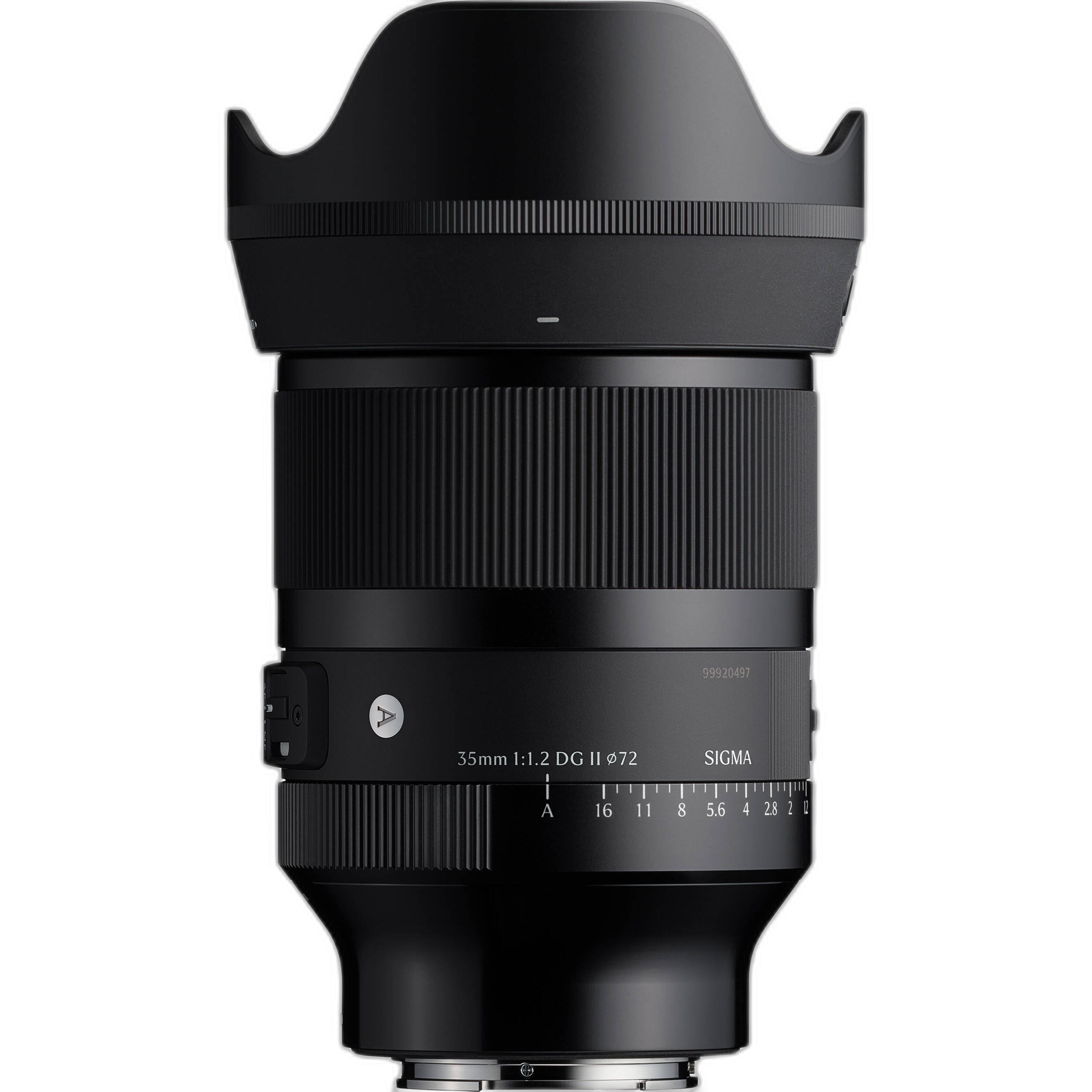
If you’re comparing a 35mm lens, don’t just ask whether it is sharp. Ask whether it gives you the mix of environmental context, subject isolation, and low-light flexibility you need. A fast 35mm is often chosen by wedding, documentary, and street photographers who want a natural perspective with dramatic depth of field.
When a 35mm like this appears in Sony Lens Compare Beta, look closely at:
- Center sharpness at wide apertures
- Vignetting at f/1.2
- Corner performance for environmental scenes
- How much you value speed versus portability
This is the kind of lens where raw lab comparisons should be balanced against artistic rendering and low-light capability.
Sigma 50mm f/1.4 DG HSM Art Lens for Sony E
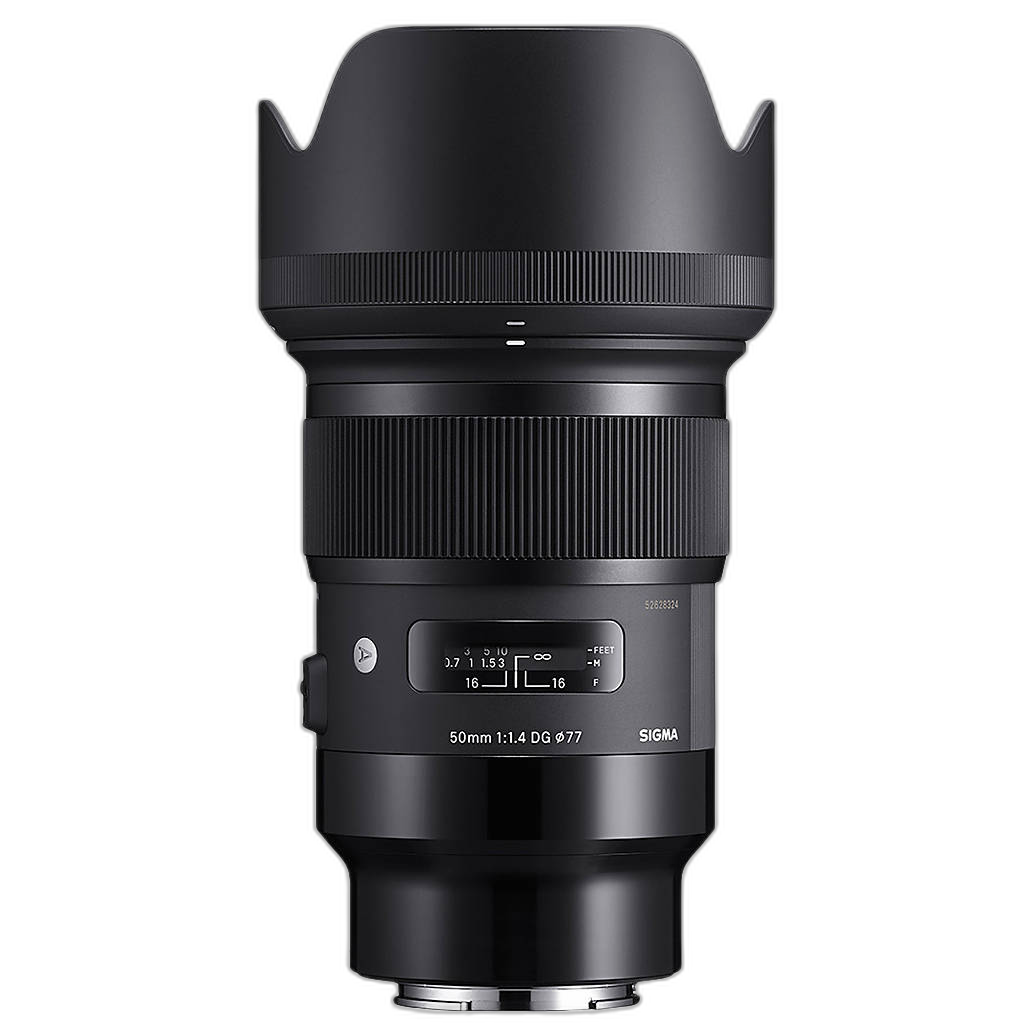
A 50mm lens is often the easiest to judge in a comparison tool because it’s such a classic all-purpose focal length. If Sony Lens Compare Beta shows one 50mm outperforming another at the edges, be sure to ask whether that matters more to you than handling, price, or wide-open look.
This Sigma is especially appealing for photographers who want:
- A standard focal length for portraits, events, and everyday shooting
- Strong low-light performance
- Shallow depth of field without moving into heavier telephoto territory
It’s also a strong real-world reference lens because its performance profile usually lines up well with what photographers actually notice in use.
Sigma 50mm f/1.4 EX DG HSM Standard Lens for Sony - Black
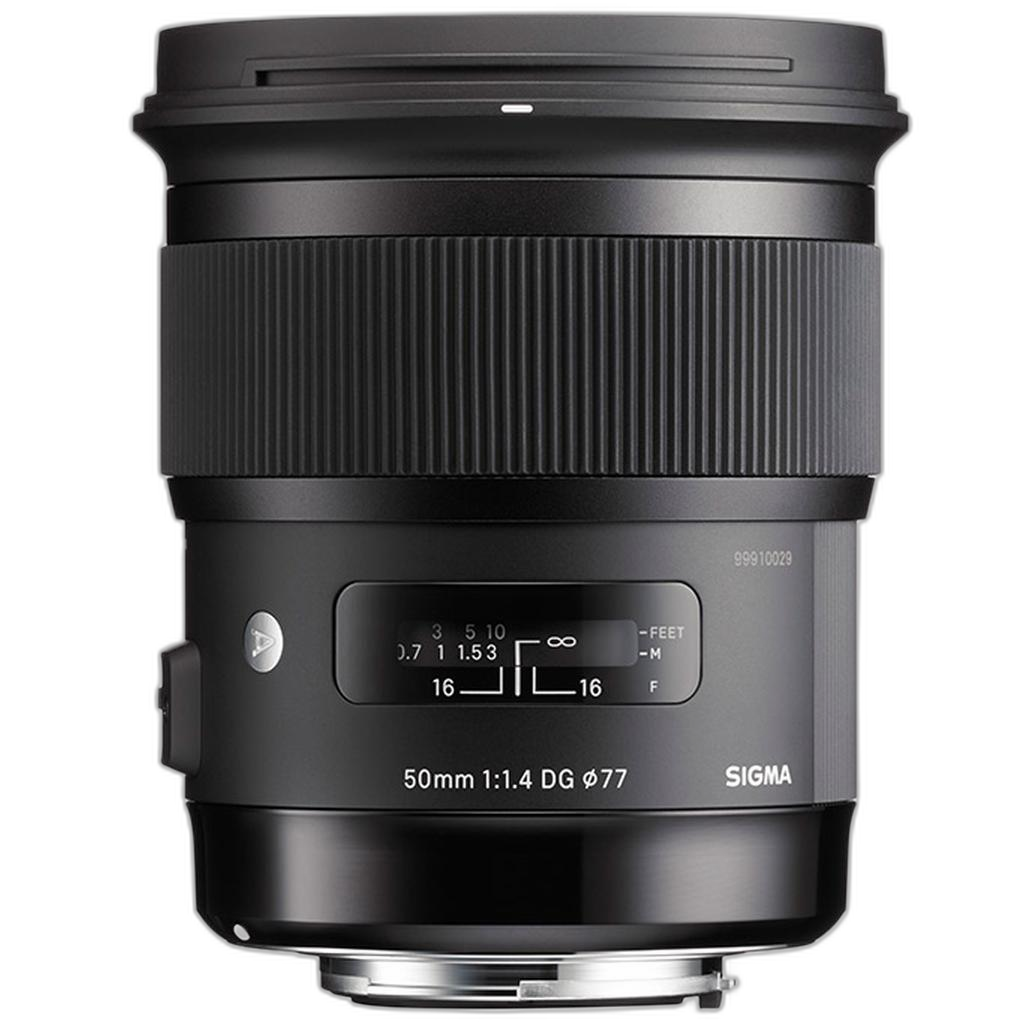
If you see an older 50mm design compared against a newer one, the Beta results may favor the newer lens in resolution or aberration control. That does not automatically mean the older option is a bad buy. Sometimes an older lens still delivers excellent image quality for portraiture and general use at a more approachable price point.
Look out for whether the comparison is showing a meaningful improvement for your work, or just a measurable one on paper.
Used Sigma 24mm f/1.4 DG HSM Art Lens for Sony E - Excellent
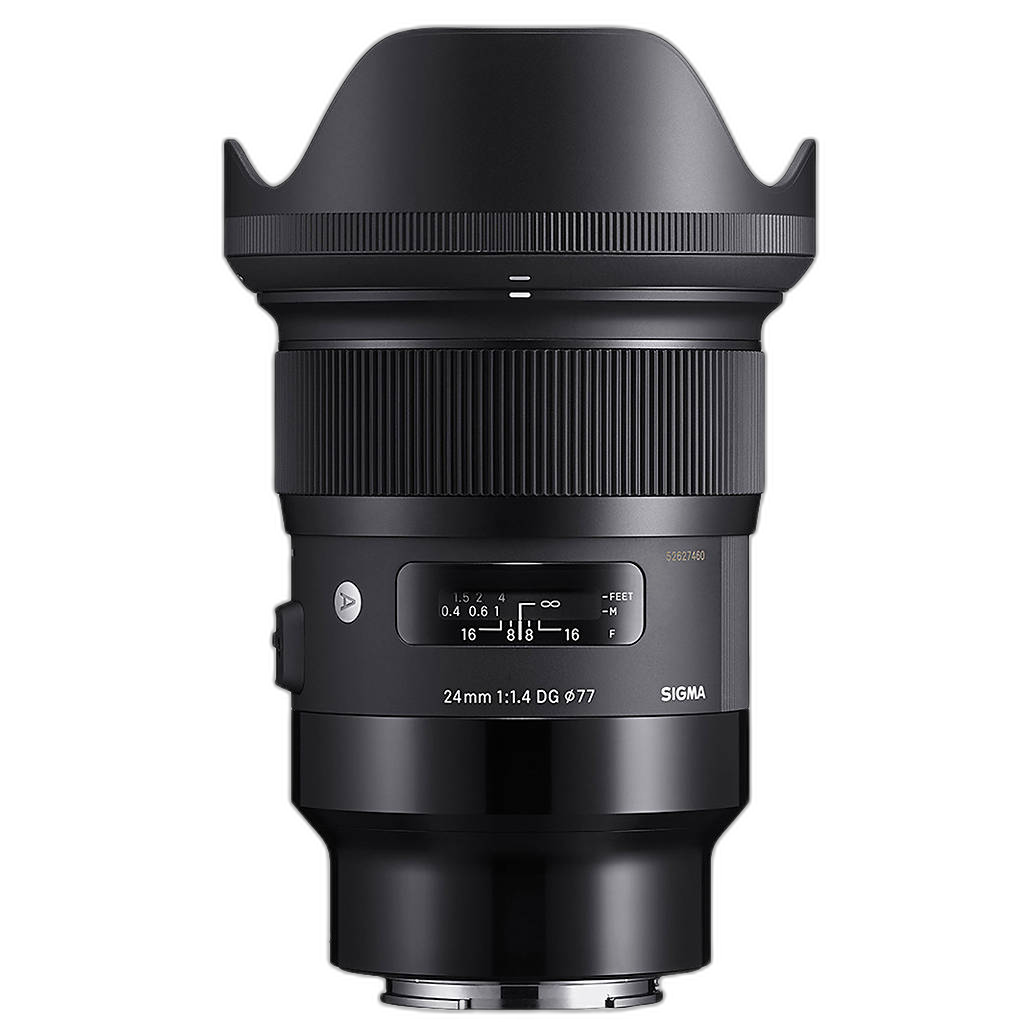
With wide-angle lenses, corner sharpness and distortion become much more important. If Sony Lens Compare Beta shows softer edges or stronger vignetting at f/1.4, that may be completely acceptable for astro, environmental portraiture, or documentary work, but more significant for architecture and landscapes.
A 24mm option like this is worth considering if you want a lens with a broad field of view and strong low-light potential without moving ultra-wide.
Used Sigma 14mm f/1.8 ART for Sony E - Excellent
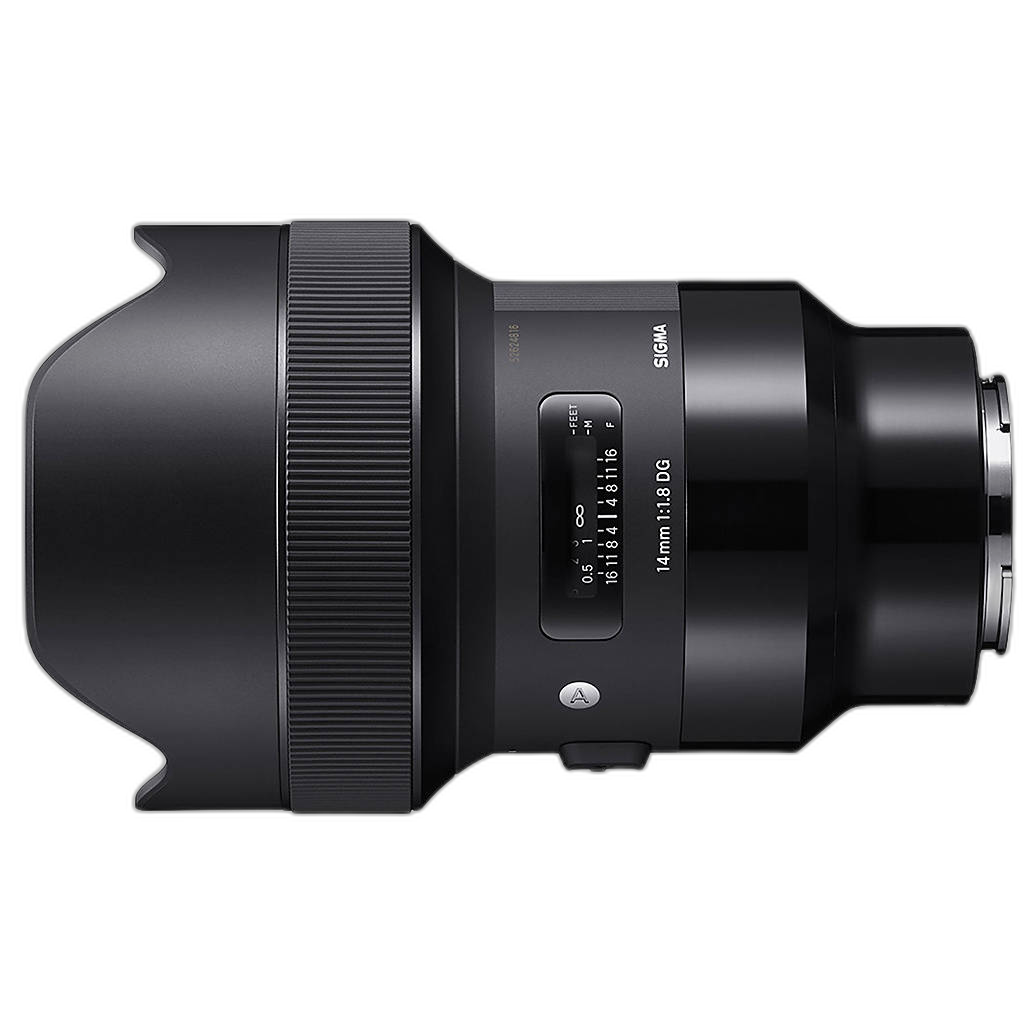
Ultra-wide results can be especially tricky to interpret. A 14mm lens is often bought for specialized work like astrophotography, dramatic interiors, and expansive landscapes. In this range, the comparison tool should be read with extra attention to:
- Coma performance for stars
- Distortion characteristics
- Corner quality
- How the lens handles flare and bright point light sources
If you’re using the Beta tool for astro-focused buying, a fast ultra-wide can outperform a less specialized lens even if some other categories look less impressive in a generalized comparison.
Used Sigma 105mm f/1.4 DG HSM Art Lens for Sony E - Excellent
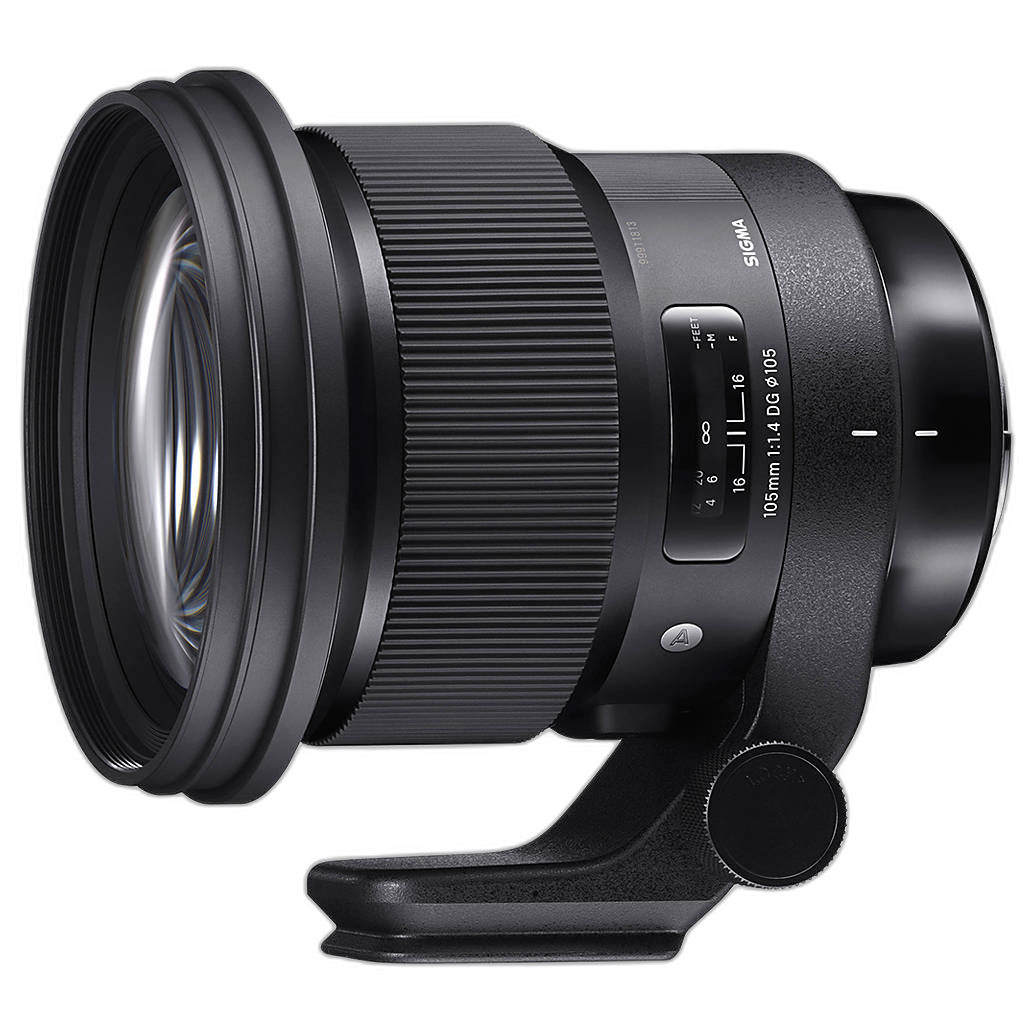
For portrait photographers, a 105mm f/1.4 often stands apart because the shooting experience is about more than MTF-style sharpness. Subject compression, separation, and background rendering all matter enormously. If Sony Lens Compare Beta highlights excellent center sharpness and strong aberration control, that’s useful, but don’t forget to weigh the lens’s larger size and more specialized role.
This is a lens for photographers who know they want a dramatic portrait look, not just a numerically strong test result.
Used Fair Sigma 105mm f/1.4 DG HSM Art Lens for Sony E
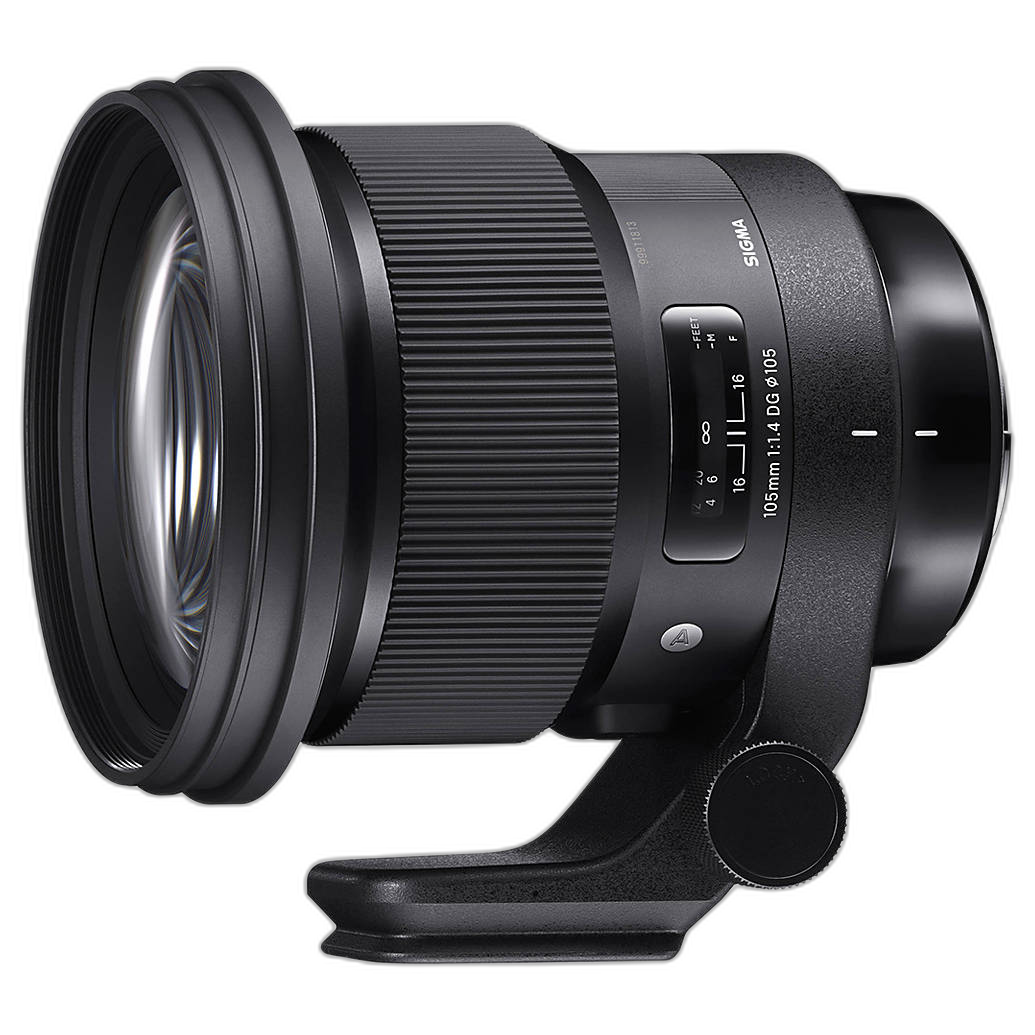
When a comparison tool tells you two lenses are effectively identical optically, condition and value become the deciding factors. A fair-condition copy may be a smart budget-conscious route if cosmetic wear does not affect your needs. This is where a retailer’s grading and inspection process matter just as much as the comparison charts.
Used Sigma 135mm f/1.8 DG HSM Art Lens for Sony E - Excellent
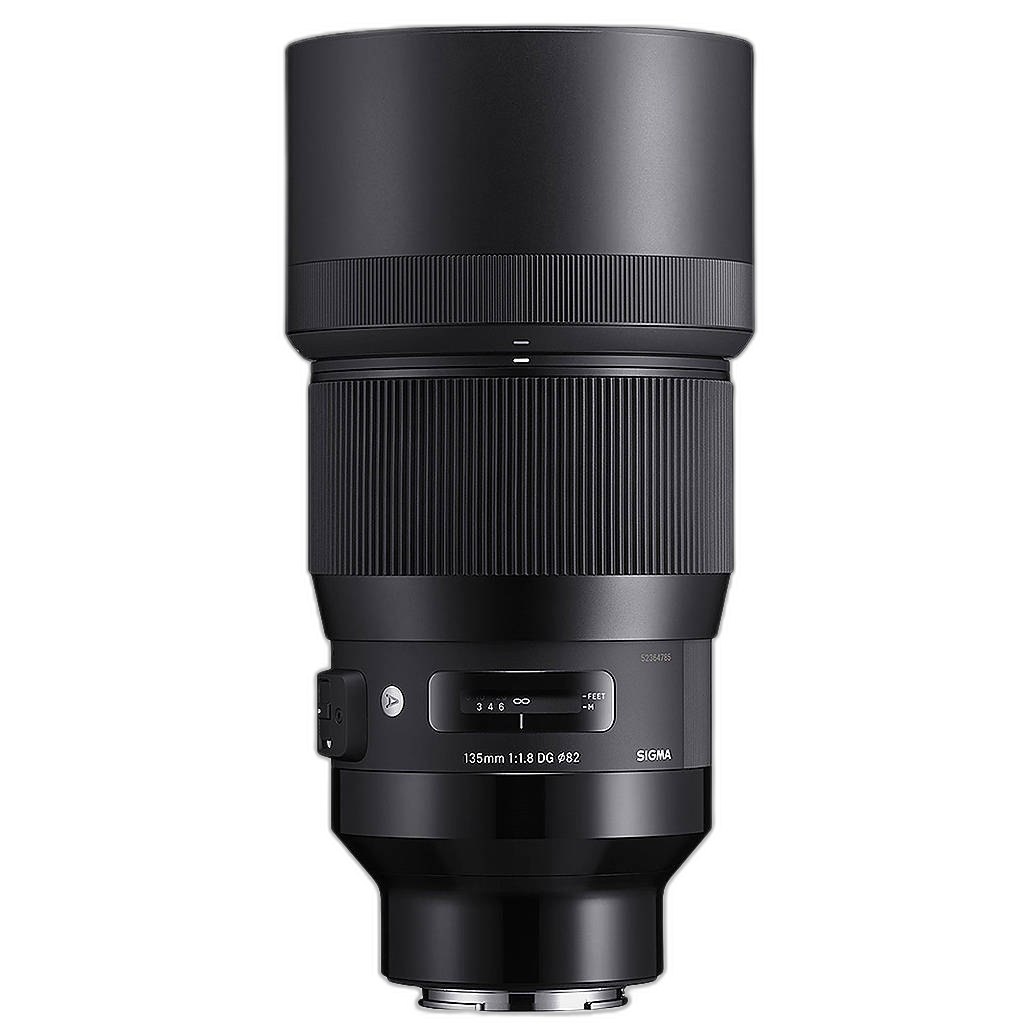
A 135mm f/1.8 is another lens where context matters. Sony Lens Compare Beta may show superb sharpness, but this focal length works best for photographers who have room to back up and want standout compression for headshots, stage work, and detail isolation. If your subjects are indoor events or tighter spaces, a 50mm or 85mm-class alternative may be more practical even if the 135mm charts better.
Quick Comparison: What Matters Most
| Lens | Best For | What to Watch in Compare Results |
|---|---|---|
| Sigma 35mm F1.2 DG II Art for Sony E | Weddings, documentary, low-light storytelling | Wide-open sharpness, vignetting, size tradeoff |
| Sigma 50mm f/1.4 DG HSM Art Lens for Sony E | Everyday shooting, portraits, events | Overall balance, center sharpness, value |
| Sigma 50mm f/1.4 EX DG HSM Standard Lens for Sony | Budget-conscious standard prime shoppers | Real-world difference versus newer designs |
| Used Sigma 24mm f/1.4 DG HSM Art Lens for Sony E - Excellent | Landscape, environmental portraiture, low-light wide work | Corner sharpness, distortion, vignetting |
| Used Sigma 14mm f/1.8 ART for Sony E - Excellent | Astro, interiors, dramatic ultra-wide scenes | Coma, distortion, flare, edge performance |
| Used Sigma 105mm f/1.4 DG HSM Art Lens for Sony E - Excellent | High-end portraits | Rendering, compression, weight versus benefit |
| Used Sigma 135mm f/1.8 DG HSM Art Lens for Sony E - Excellent | Headshots, stage, compression-heavy portraiture | Sharpness in context of working distance |
Practical Tips for Using Sony Lens Compare Beta Smarter
- Compare lenses in the same category first. A 24mm and 105mm can’t be judged by the same priorities.
- Check wide-open performance. Fast primes are often bought specifically to be used near maximum aperture.
- Don’t ignore size and handling. The best lens is the one you’ll actually carry and use.
- Think in terms of output. Ask how the lens affects your portraits, landscapes, events, or video, not just how it scores.
- Use value as part of the equation. Used lenses can offer exceptional performance-per-dollar.
Conclusion
Sony Lens Compare Beta is most useful when you treat it as a guide, not a verdict. Look beyond the top-line results and focus on the things that truly affect your photography: focal length purpose, wide-open performance, rendering style, handling, and value. For many photographers, the Sigma 50mm f/1.4 DG HSM Art Lens for Sony E is the most balanced place to start, while specialists may be better served by options like the Sigma 35mm F1.2 DG II Art, 105mm f/1.4 Art, or 14mm f/1.8 Art depending on their style.
If you’re ready to turn comparison data into a confident purchase, Unique Photo is a great place to shop both new and used Sony-compatible Sigma lenses with trusted product listings and strong enthusiast-friendly selection.