Local photography competitions can be one of the best ways to build confidence, grow your audience, and get your images in front of judges, curators, and fellow photographers in your area. The challenge is that strong work can still get overlooked if your presentation, editing, or submission strategy is weak. These practical tips can help you make a stronger impression from capture to final print.
Start by Studying What Actually Gets Selected
1. Research the visual language of past winners
Before you submit anything, spend time reviewing previous winners and honorable mentions from the competition. Look for patterns in subject matter, print quality, storytelling, and editing style. This does not mean copying trends. It means understanding what kinds of images stand out in that particular local scene.
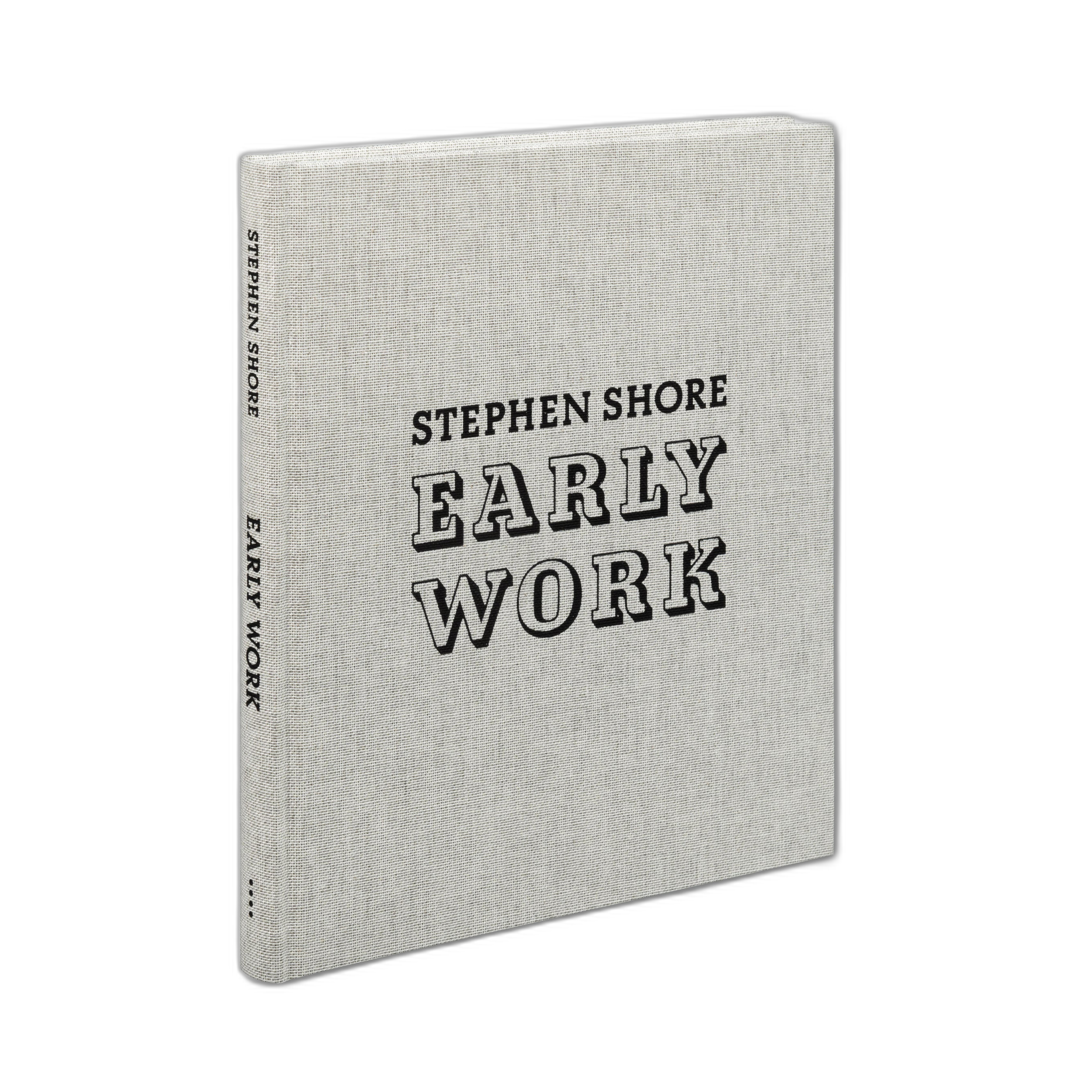
A great way to sharpen your eye is by studying influential bodies of work. Books like Early Work - Stephen Shore can be especially helpful when you want to better understand sequencing, color, composition, and how ordinary scenes can become memorable photographs.
When you approach competitions with a clearer sense of what resonates, your submissions become more intentional.
Build a Submission Around a Strong Point of View
2. Enter images that feel connected, not random
Even if a contest allows single-image entries, judges often remember photographers who show a consistent voice. Choose work that reflects how you see the world rather than submitting a mix of unrelated “pretty shots.” A local competition may include everything from landscapes to portraits, so consistency can help your work feel more serious and memorable.
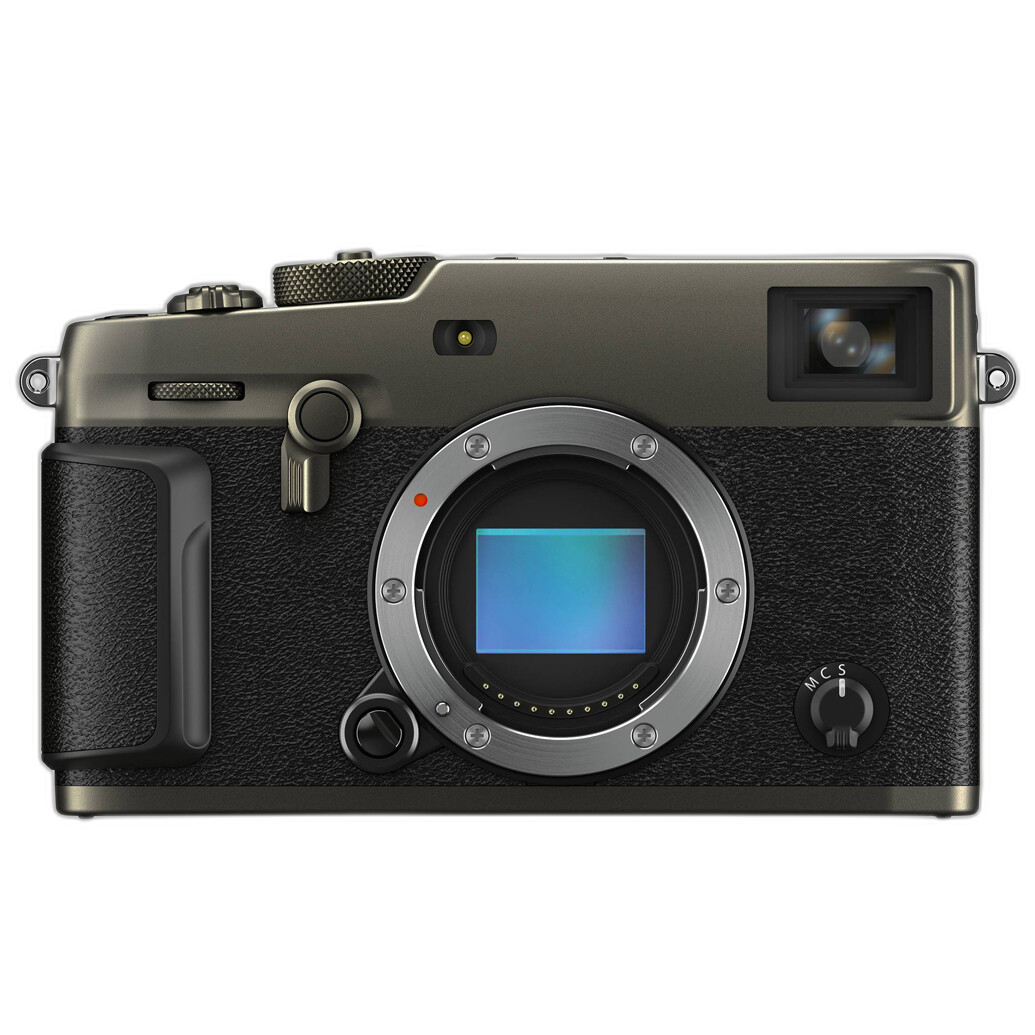
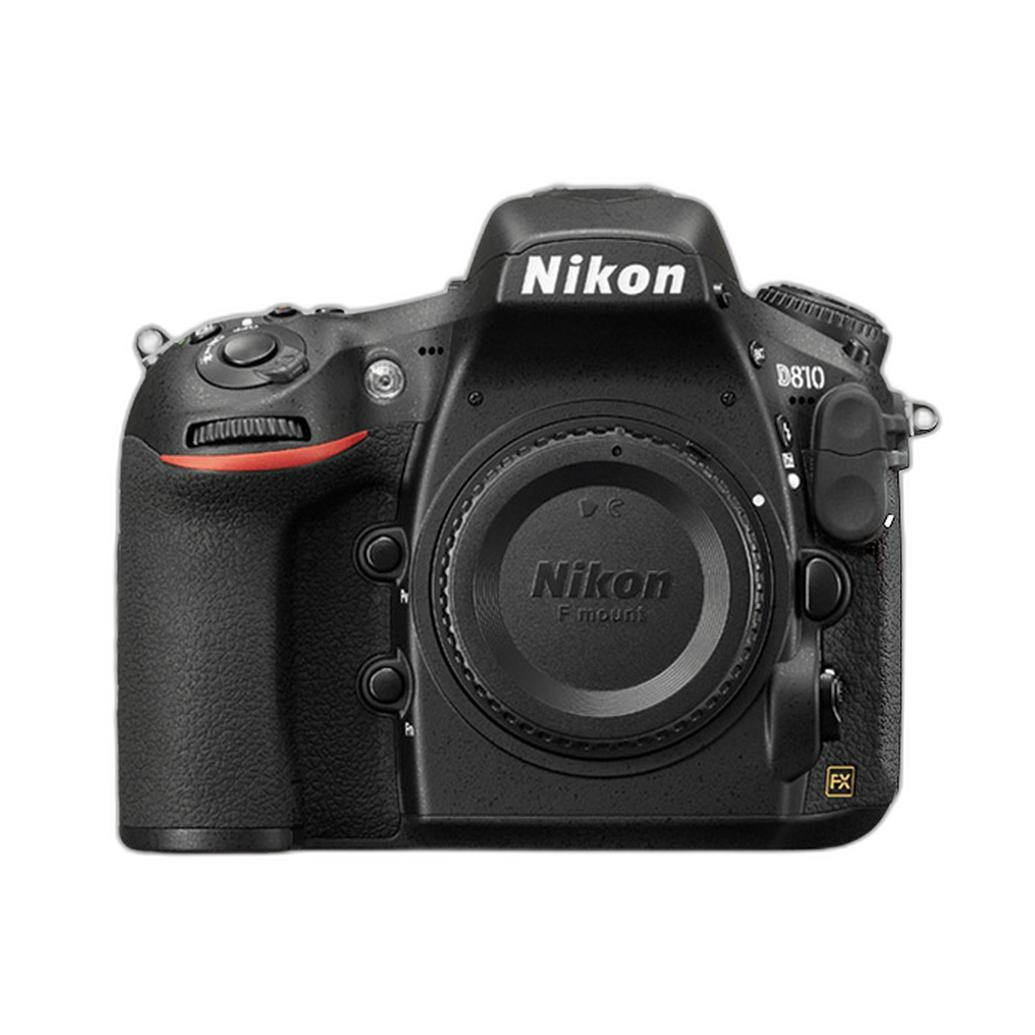
If you are still building your portfolio, an affordable used body such as the Used Fuji X-T10 Body Only Black or a higher-resolution option like the Used Nikon D810 can be a practical way to create strong competition-ready files without stretching your budget too far. What matters most is making the most of the gear you have and using it with intent.
Make Technical Quality Invisible
3. Eliminate distractions before you submit
Judges should notice your subject and your vision first, not dust spots, awkward crops, blown highlights, or muddy shadows. Zoom in and inspect every file carefully. If the competition is judged digitally, screen presentation matters even more. If it is judged in print, detail and tonal control become critical.
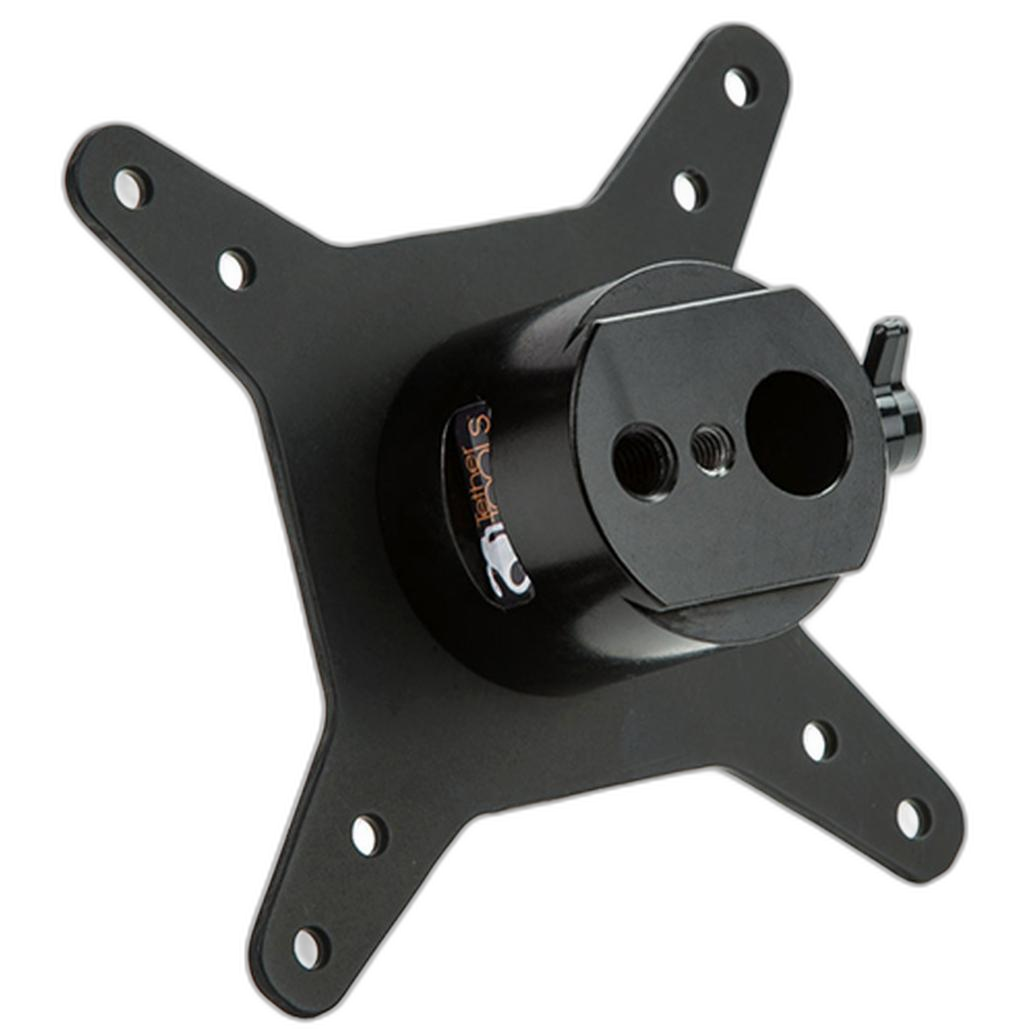
For photographers who review images tethered or in a more refined editing setup, a tool like the Tether Tools Local Vu Monitor Bracket can help create a practical viewing station for closer collaboration and clearer image review during shoots or editing sessions.
The cleaner your technical execution, the easier it is for judges to stay focused on the image itself.
Present Your Prints Like They Matter
4. Print with care and choose the right size
In local competitions, print quality can separate finalists from everyone else. A compelling image with poor color, weak blacks, or flimsy presentation can lose impact quickly. If the competition accepts physical submissions, consider whether your image would benefit from a refined small print or a larger statement piece.
The Epson SureColor P5370 17-Inch Professional Photographic Printer is a strong option for photographers who want more control over exhibition-quality prints, especially when color accuracy and smooth tonal transitions are important. For larger presentation needs, the Canon imagePROGRAF TM-305 36 Large-Format can be useful when a competition or gallery-style display calls for more scale.
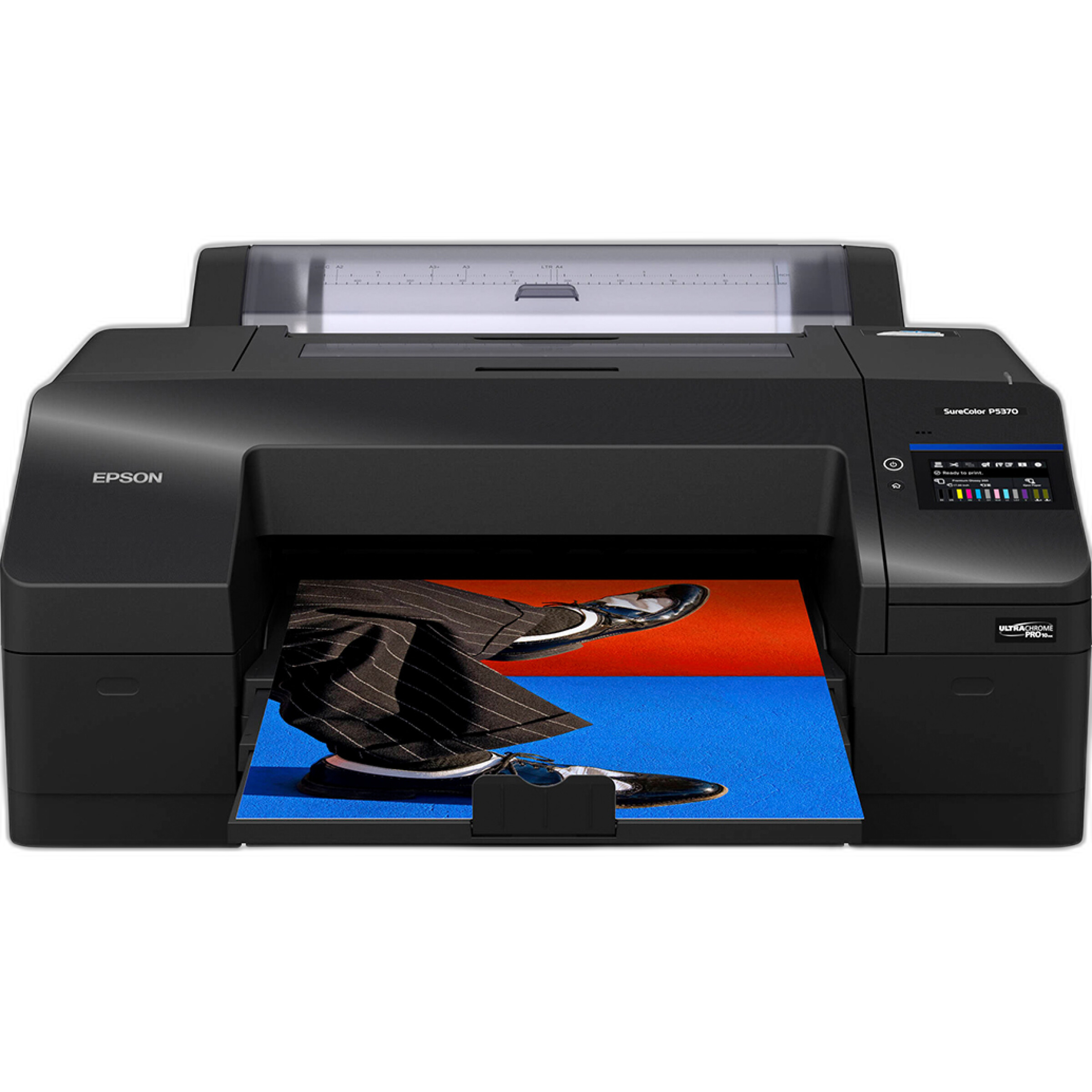
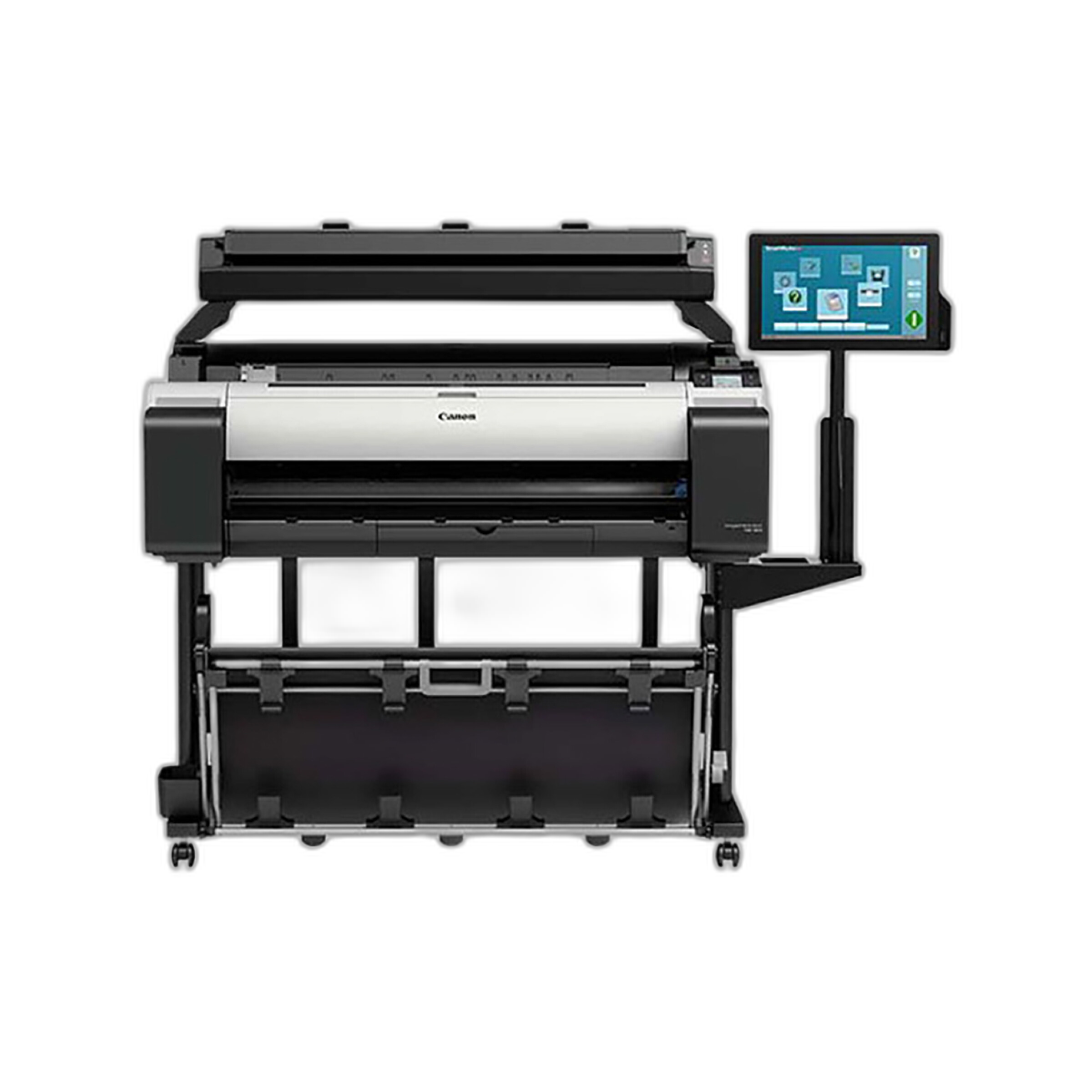
Always test print before the deadline. A print that looks excellent on your monitor can shift noticeably once it is on paper.
Reproduce Existing Work Cleanly for Portfolio-Based Entries
5. If you submit reproductions, make them precise
Some local calls for entry ask for documentation of printed pieces, books, mixed-media work, or portfolios. If you need to reproduce flat artwork or prints for submission, stability and alignment matter. The Kaiser Table for Copying Works can help create a more controlled setup for accurately photographing prints and documents, reducing glare and distortion that can weaken your entry.
Good reproduction is not glamorous, but it can make your work appear more polished and professional.
Bring Something Different to Familiar Local Subjects
6. Avoid the most obvious version of the scene
Many local competitions are filled with predictable landmarks, sunsets, and seasonal images. If you want your work noticed, look for a different angle, a better moment, or a more personal interpretation. Instead of photographing what everyone sees, photograph what only you notice.
This is especially important if you are working with accessible, budget-friendly gear. A thoughtful photographer with a camera like the Used Fuji X-T10 can absolutely make a more memorable image than someone relying on expensive equipment without a clear idea.
Use Aerial or Specialty Perspectives Only When They Add Meaning
7. Novelty is not enough—purpose matters
Drone and elevated perspectives can catch attention quickly, but judges move past gimmicks fast. If you use aerial imagery, make sure it contributes to the story, geometry, or context of the subject. A unique vantage point should deepen the image, not just make it look different.
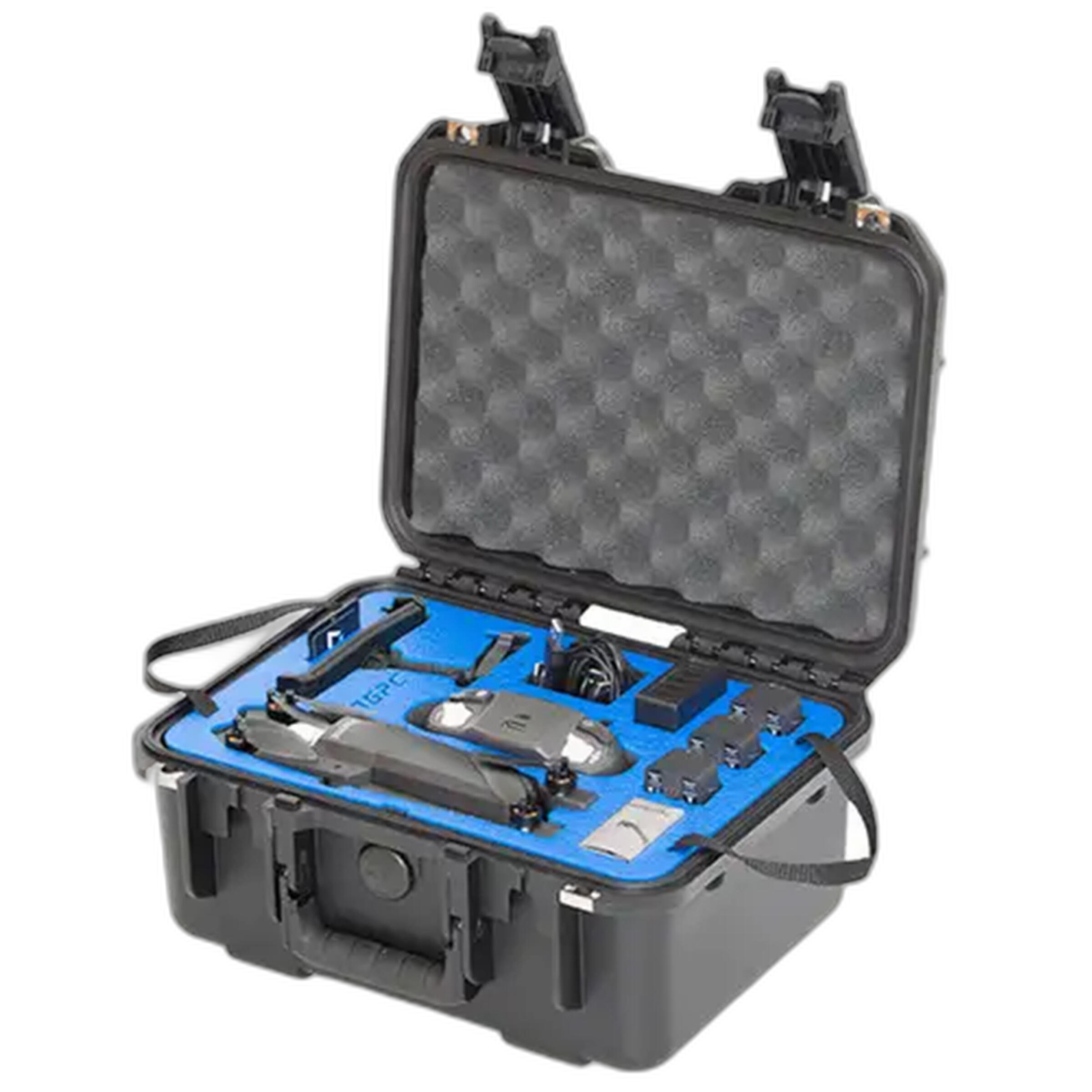
If you travel with specialty gear for location-based competition work, protecting it well matters. The Go Professional Case Parrot ANAFI Work Hard Case is the kind of rugged storage solution that helps keep delicate gear secure between shoots.
Edit Ruthlessly Before You Enter
8. Submit fewer, stronger images
One of the most common mistakes in competitions is entering too many similar photographs. If three shots are close, choose the one with the strongest gesture, the cleanest composition, or the most emotional pull. Judges often respond better to confident editing than to volume.
Lay your candidates out side by side, live with them for a few days, and ask which image remains in your mind. That is usually the one worth entering.
Follow the Rules Exactly
9. Small submission errors can cost you
Read every requirement twice. Check file dimensions, naming conventions, mounting rules, print sizes, deadlines, and category descriptions. Great work can be disqualified for simple administrative mistakes. Professionalism counts, even in local contests.
When your files, prints, and presentation all match the competition guidelines perfectly, you remove unnecessary friction and let your work compete on its own merits.
Network Without Making It About Networking
10. Show up, support others, and be part of the community
Getting noticed in local photography competitions is not only about winning. Attend openings, artist talks, judging events, and community meetups. Talk to other photographers, ask thoughtful questions, and support the work of others. Over time, your name becomes familiar, and that visibility can create more opportunities for exhibitions, collaborations, and future recognition.
Conclusion
Getting your work noticed in local photography competitions comes down to more than just making a good image. Strong editing, thoughtful presentation, technical care, and a clear personal voice all help your photographs stand out. Whether you are refining your eye with a book like Early Work - Stephen Shore, preparing polished prints with an Epson SureColor P5370, or building your portfolio with dependable used gear, every step matters. For photographers looking to improve their workflow and presentation, Unique Photo offers tools, inspiration, and equipment to help you put your best work forward.