If you are thinking about entering a photo competition this year, the best approach is not to submit everywhere at once. The smartest photographers target annual contests that match their style, experience level, and long-term goals. Whether you shoot documentary, portraits, wildlife, fine art, or hybrid photo-video work, choosing the right competitions can help you build credibility, sharpen your editing, and learn how your work stacks up in the real world.
Below are practical tips for deciding which annual photo competitions are actually worth your time, entry fees, and best images.
Start With Competitions That Match Your Genre
1. Focus on contests that fit the work you already make well
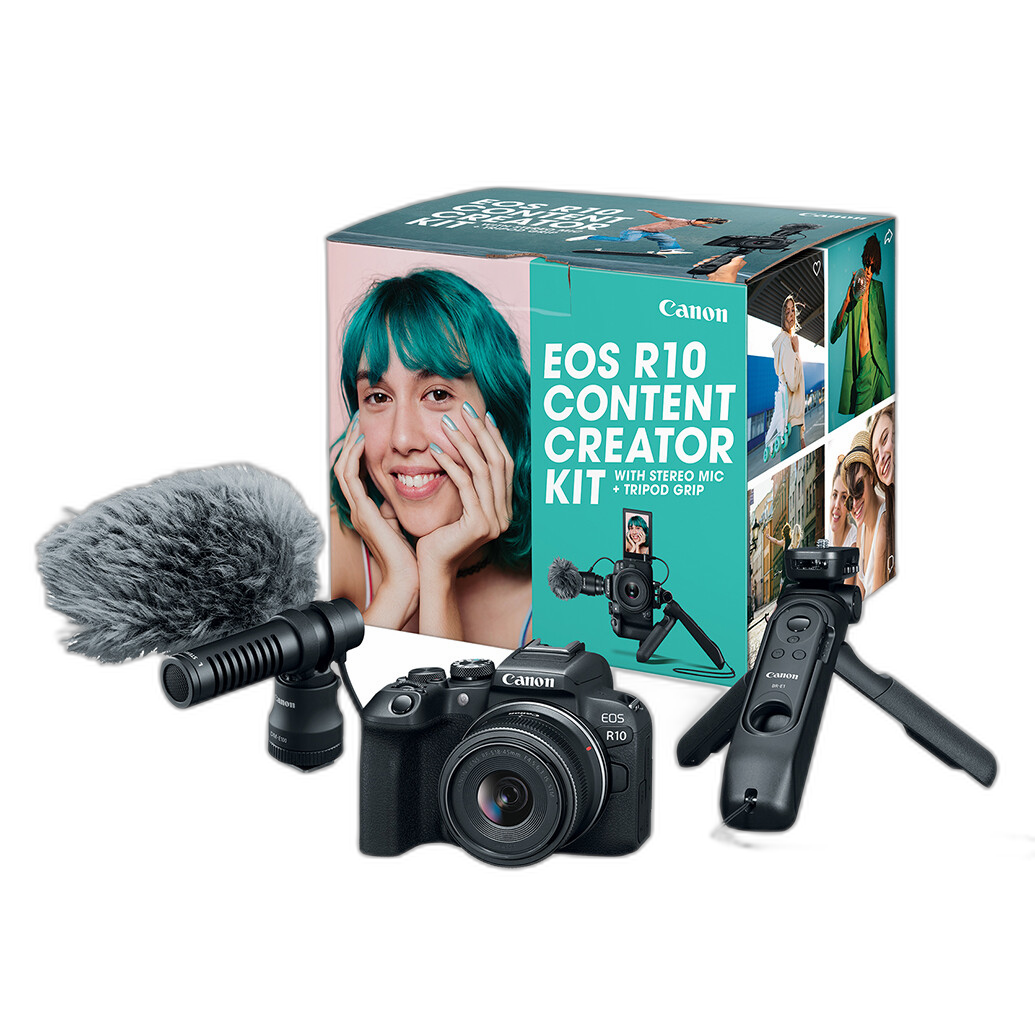
Not every prestigious competition is the right competition for you. A street photographer should look at documentary and candid-driven awards, while a portrait specialist may do better in contests that reward character, styling, and controlled light. If your work leans cinematic or creator-focused, a lightweight hybrid setup like the Canon EOS R10 Content Creator Kit can make it easier to build a cohesive body of stills and supporting multimedia for categories that welcome storytelling across formats.
When reviewing annual competitions, read past winners' galleries before entering. If your images would feel at home among the finalists, that is a strong sign the contest is worth considering.
Prioritize Competitions With Strong Industry Visibility
2. Look beyond prize money and study who is paying attention
Some contests offer large cash awards, but the real value may be publication, exhibition, portfolio reviews, or recognition from editors, curators, and agencies. Annual competitions run by respected publications, museums, photography organizations, and major festivals often provide longer-lasting exposure than one-time cash prizes.
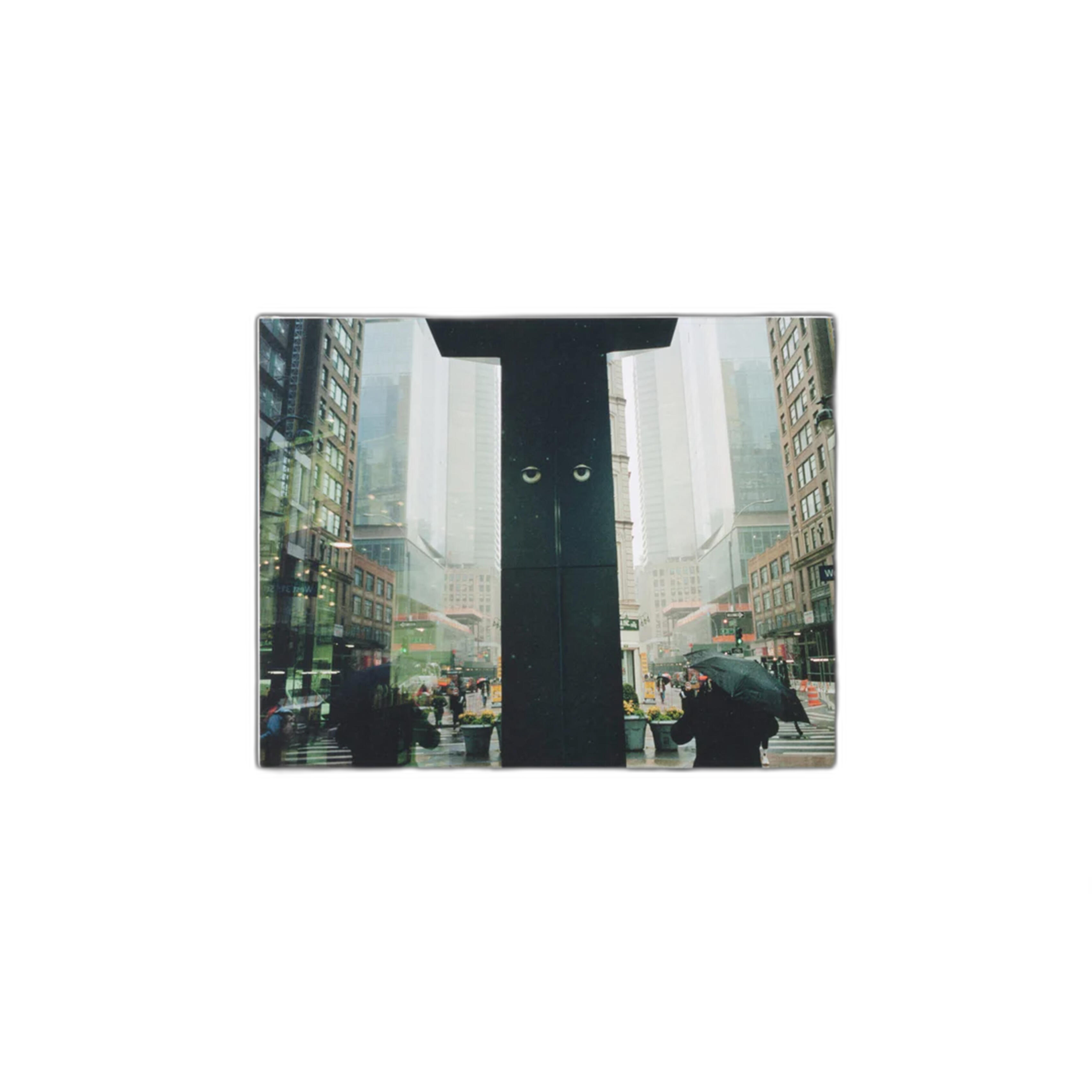
If you are building a submission strategy, studying successful visual sequencing can help. Books like You Are What You Do - Daniel Arnold are useful for understanding voice, consistency, and how memorable projects hold together as a set rather than as single standout frames.
Choose Competitions With Clear Judging Criteria
3. Enter contests that explain what they reward
The best annual photo competitions are transparent. They define categories clearly, explain eligibility rules, and provide guidance on editing, captions, manipulation policies, and series submissions. That matters because some awards favor technical excellence, while others care more about originality, narrative depth, or social relevance.
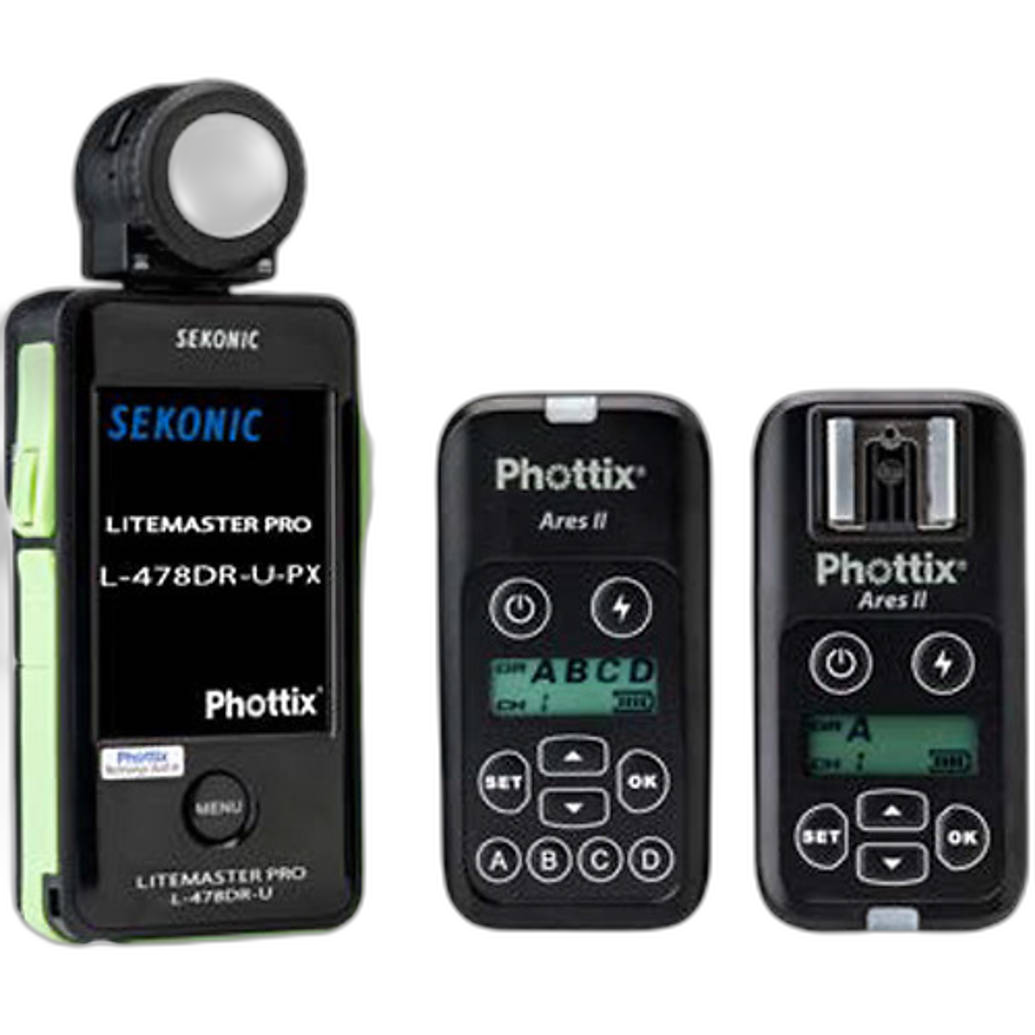
If your work depends on exact lighting and exposure, precision tools can give your entries a technical edge. The Sekonic L-478DR-U-PX Meter with Phottix ARES II Trigger and Receiver is especially useful for portrait, commercial, and conceptual shooters who want repeatable lighting from frame to frame when building a polished competition series.
Don’t Ignore Emerging and Niche Annual Awards
4. Smaller contests can offer better odds and more relevant exposure
Photographers often chase only the biggest names, but niche annual competitions can be more strategic. Regional documentary awards, women-in-photography competitions, environmental contests, student calls, black-and-white showcases, and portfolio-based project awards may connect you with exactly the audience you want.
If you shoot with character-rich gear and love a timeless look, film-based or alternative-process competitions may be especially appealing. A camera like the Used Rolleiflex 3.5F Medium Format TLR naturally supports a slower, intentional workflow that can stand out in fine art or classic portrait categories where medium format rendering and craft matter.
Build a Stronger Submission, Not Just a Bigger One
5. Edit ruthlessly before you pay any entry fee
One of the most common mistakes is entering too many images. Jurors remember coherence more than volume. If a contest allows a series, submit a tight edit that feels unified in tone, pacing, color, and subject matter. If it is a single-image competition, choose the frame that represents both your style and your technical control.
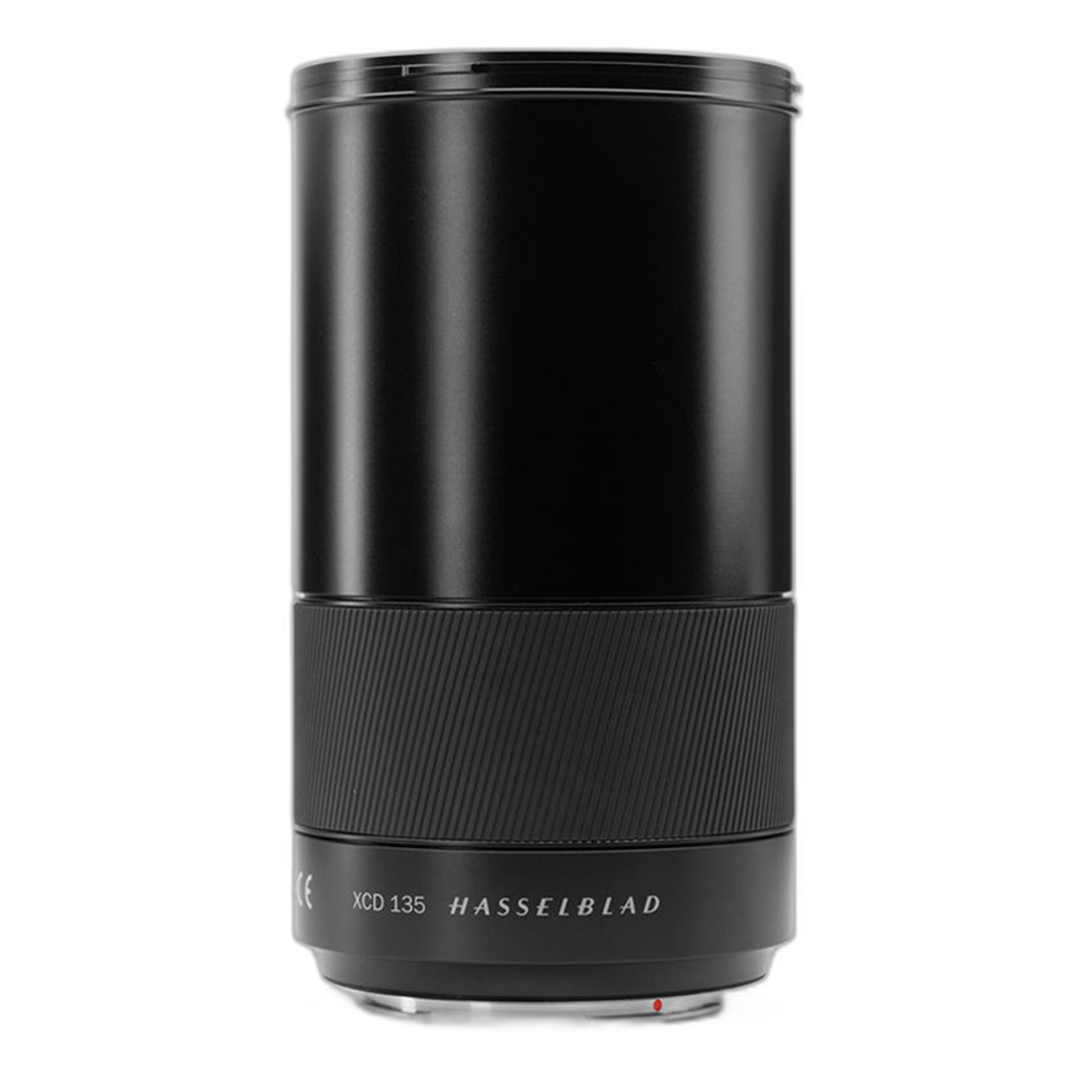
Wildlife, portrait, and compressed-perspective fine art shooters may benefit from a standout optic such as the Hasselblad XCD 135mm f/2.8 Lens with 1.7x Teleconverter, which offers a refined look for subjects that need separation, reach, and detail. Strong optics alone do not win awards, but they can help elevate an image when every detail counts.
Consider Whether the Contest Supports Multimedia Storytelling
6. Some annual competitions now welcome hybrid visual projects
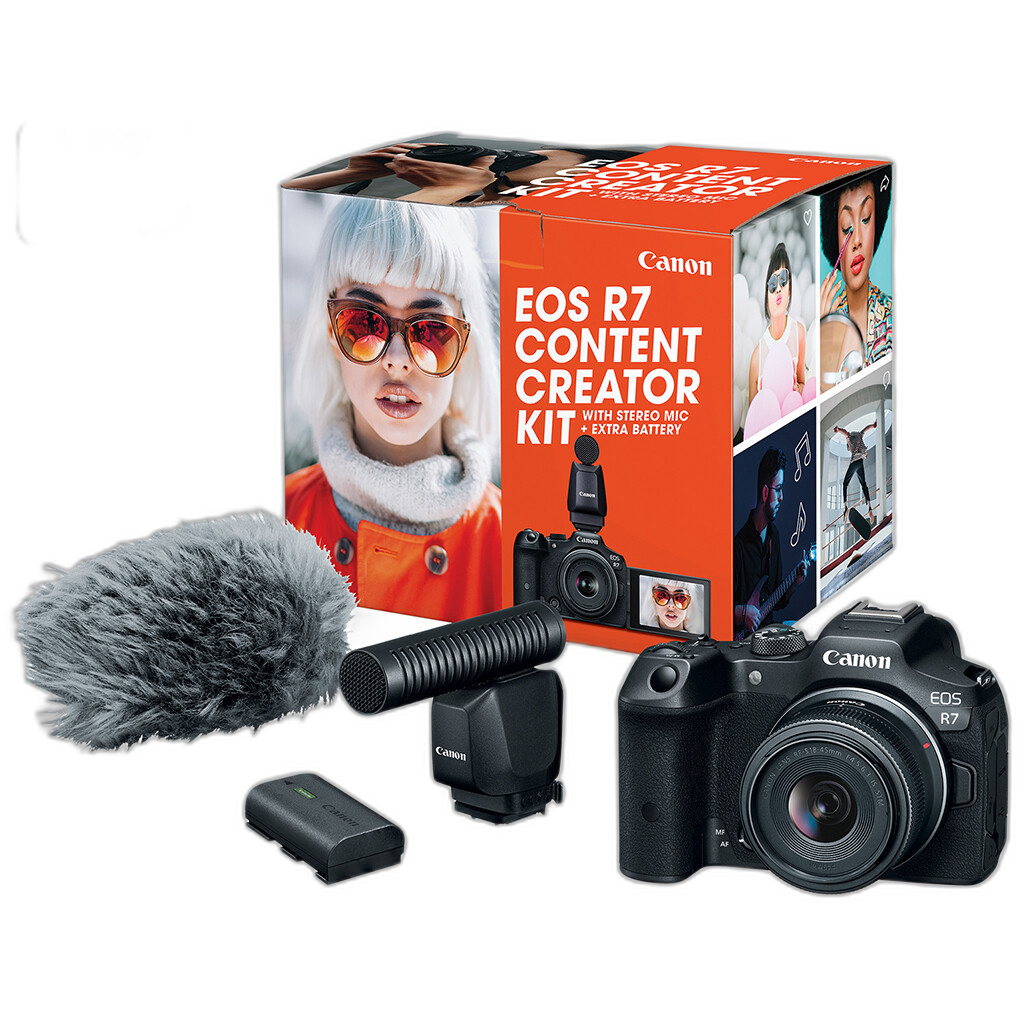
More competitions are expanding into multimedia, short-form documentary, and integrated storytelling. If you create behind-the-scenes pieces, interviews, or narrative-driven entries, a capable hybrid camera like the Canon EOS R7 Content Creator Kit can help you produce both strong stills and supporting content for calls that value a broader storytelling package.
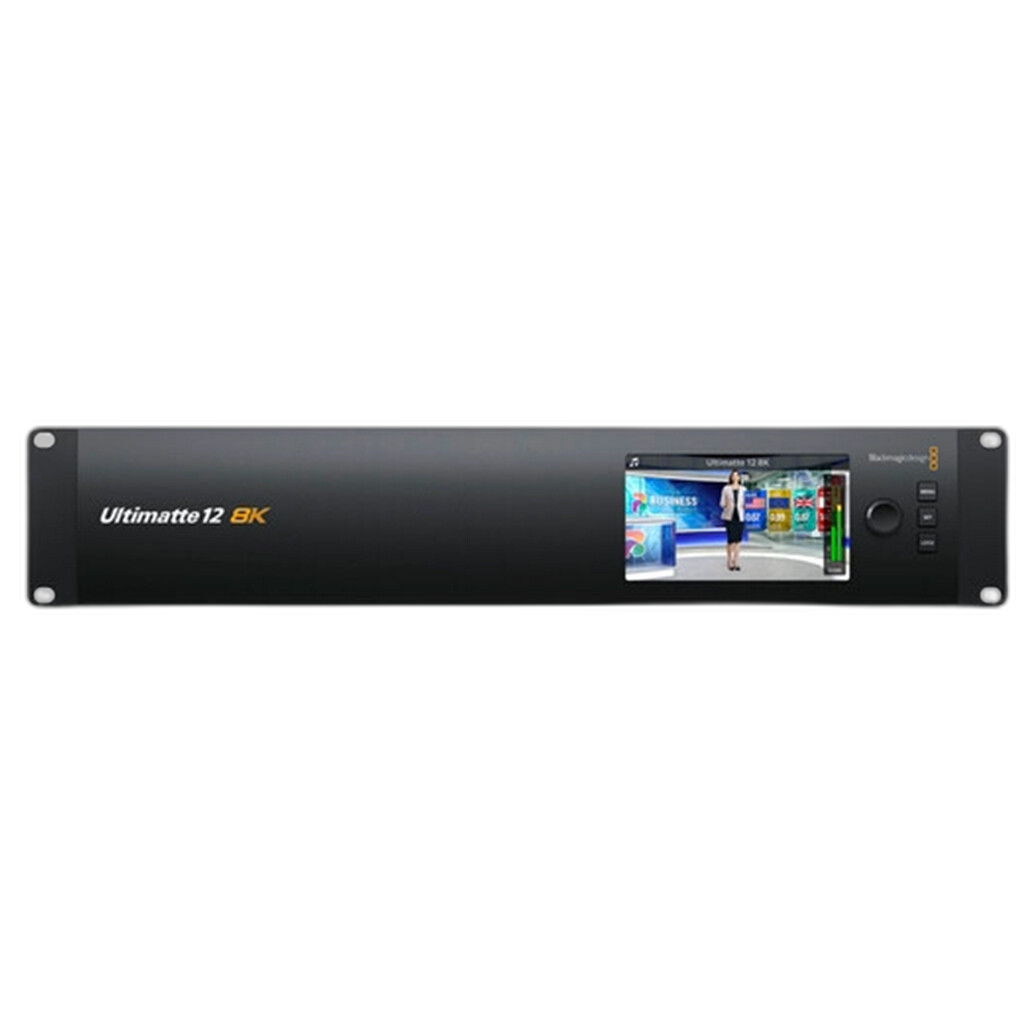
And for advanced commercial or creative production teams exploring highly polished composited work, specialized tools like the Blackmagic Design Ultimatte 12 8K Keyer/Advanced Compositing Processor may support projects aimed at digital art, advertising, or experimental categories where production quality is part of the concept.
Study Annuals and Winning Collections for Patterns
7. Learn from books and annual collections before you enter
Before submitting, spend time reviewing winning work from prior years. You will start to see trends in sequencing, project statements, visual restraint, and how photographers sustain interest across a body of work. Collections such as the TBW Annual Series No. 4 Four Book Set can be valuable references for understanding what contemporary juries and publishers respond to in longer-form presentation.
This kind of research helps you avoid generic submissions and encourages you to build entries with stronger identity and intent.
Watch the Rules, Rights, and Fees Carefully
8. Read the fine print before uploading anything
- Check usage rights and make sure you are comfortable with the organizer's terms.
- Confirm whether AI-generated or heavily composited work is allowed.
- Review file size, caption, and metadata requirements.
- See if finalists receive useful exposure, not just social posts.
- Set a yearly entry budget so fees do not spiral.
A contest is only worth entering if the terms respect your authorship and the benefits align with your goals.
Conclusion
The best annual photo competitions are the ones that fit your genre, reward the kind of work you want to be known for, and offer meaningful visibility beyond a certificate or a one-day announcement. Be selective, edit carefully, and treat each submission as a professional presentation of your voice.
If you are refining your portfolio, upgrading your kit, or looking for inspiration before your next entry, Unique Photo is a great place to explore cameras, lenses, light meters, and photo books that can help strengthen both your process and your final submission.