If you film weddings, parties, corporate events, concerts, school performances, or live productions, you’ve probably asked the same question: is in-body image stabilization (IBIS) enough, or do you still need a gimbal? The short answer is that IBIS and gimbals solve different problems. For many event shooters, IBIS is great for speed, flexibility, and low-fatigue handheld coverage, while a gimbal adds the polished, floating camera movement clients love for entrances, venue reveals, couple portraits, and cinematic B-roll.
This guide is for event filmmakers trying to decide whether to rely on their camera’s stabilization alone, add a gimbal to their kit, or build a hybrid workflow that uses both. Below, we’ll break down when each tool makes sense and recommend solid options available at Unique Photo.
IBIS vs. Gimbal: What’s the Real Difference?
IBIS stabilizes the sensor inside the camera body. It’s excellent for reducing small shakes from handheld shooting, especially when standing still, shooting speeches, grabbing quick reaction shots, or working in tight spaces where a gimbal would slow you down.
A gimbal stabilizes the entire camera package across multiple axes. It’s designed for movement. If you’re walking with the subject, circling a couple during portraits, gliding through a reception hall, or creating smooth establishing shots, a gimbal usually delivers a more controlled and cinematic result than IBIS alone.
For event work, the key question is less about which one is "better" and more about which shots you need to capture consistently under pressure.
Do You Need Both for Filming Events?
For many creators, yes—if events are a serious part of your business, having both is ideal.
- Use IBIS alone for fast-paced documentary coverage, speeches, prep, toasts, dancing, and any moment where speed matters more than cinematic motion.
- Use a gimbal for key hero shots: venue walkthroughs, bridal or couple entrances, detail shots, first-look movement, staged portraits, and dramatic reception footage.
- Use both together when your camera supports IBIS and your rig is on a gimbal. This combination can help smooth out micro-jitters, especially with lighter cameras and careful setup, though you should always test because some camera/lens combinations can create unnatural motion if stabilization systems fight each other.
If you only shoot occasional events, IBIS may be enough. If you regularly deliver highlight films or want more premium-looking motion, a gimbal is often worth it.
When a Gimbal Makes the Biggest Difference at Events
| Scenario | IBIS Only | Gimbal | Best Choice |
|---|---|---|---|
| Ceremony coverage from one spot | Very good | Not necessary | IBIS |
| Speeches and toasts | Very good | Usually overkill | IBIS |
| Following a subject walking | Fair to good | Excellent | Gimbal |
| Venue reveal shots | Limited | Excellent | Gimbal |
| Tight candid coverage | Excellent | Can be cumbersome | IBIS |
| Cinematic portrait sequences | Good | Excellent | Gimbal |
| Long event day fatigue | Lower fatigue | Higher fatigue unless supported | IBIS or supported gimbal |
Our Pick
For most event filmmakers who want a modern, dependable gimbal for weddings, corporate work, and live event coverage, the DJI RS 4 is the best all-around choice in this lineup. It makes the most sense if you already own a camera with IBIS and want to add smoother motion for premium shots without compromising your overall workflow.
Recommended Gimbals and Support Options
DJI RS 4 Gimbal Stabilizer
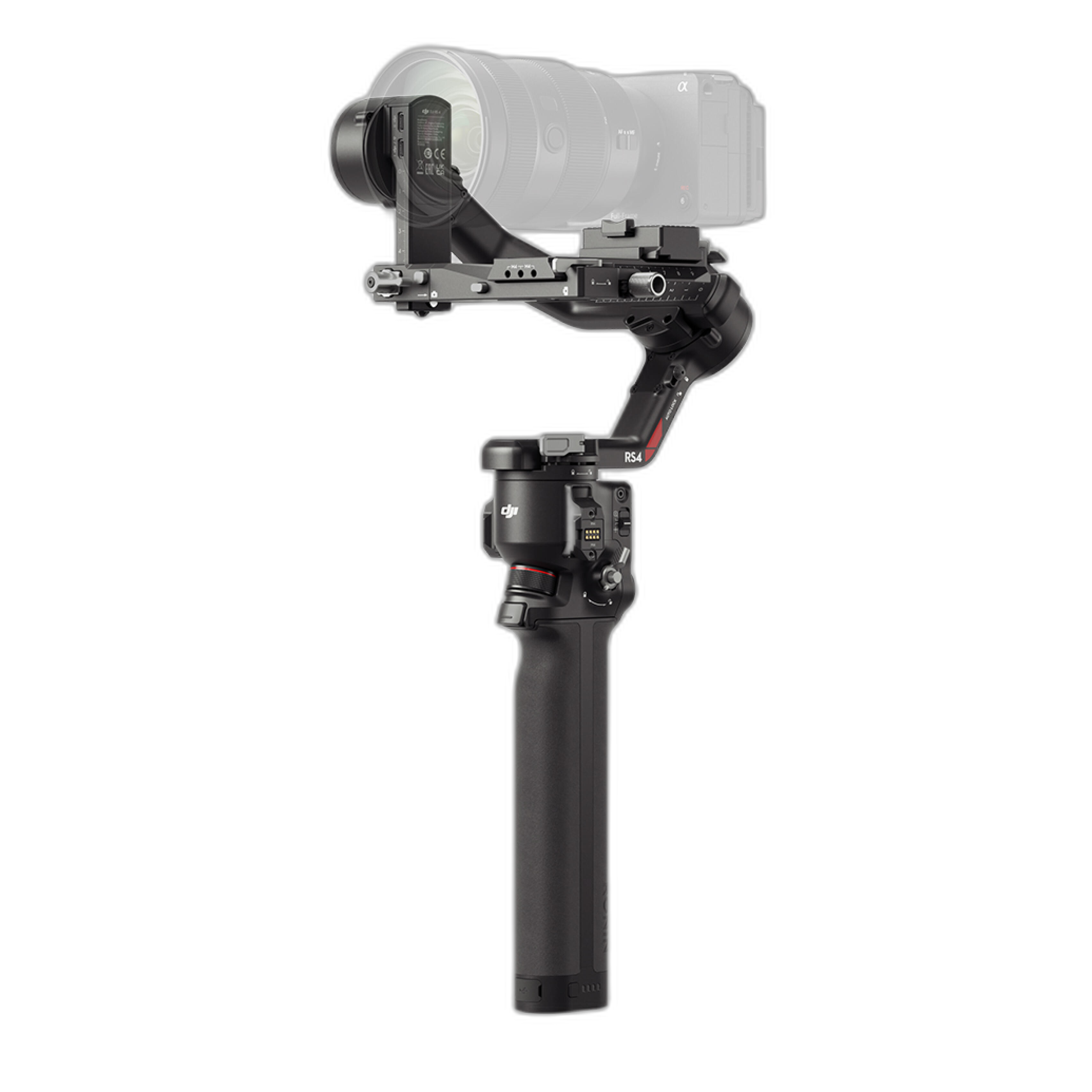
The DJI RS 4 Gimbal Stabilizer is the clearest recommendation for serious event shooters who need a current-generation solution. DJI’s RS line has become a go-to for wedding filmmakers and hybrid creators because it balances professional stabilization with a workflow that can still move quickly on a busy event day.
If your camera already has IBIS, the RS 4 complements it by giving you the smooth walking shots that handheld stabilization simply can’t always match. Think bride and groom entrances, moving detail shots, dance floor tracking, and elegant establishing footage. It’s especially appealing for shooters using mirrorless systems who want reliability and broad accessory support.
Best for: professional event filmmakers, wedding videographers, and creators who want one primary gimbal for polished movement shots.
Zhiyun CRANE 4 3-Axis Handheld Gimbal Stabilizer Combo Kit
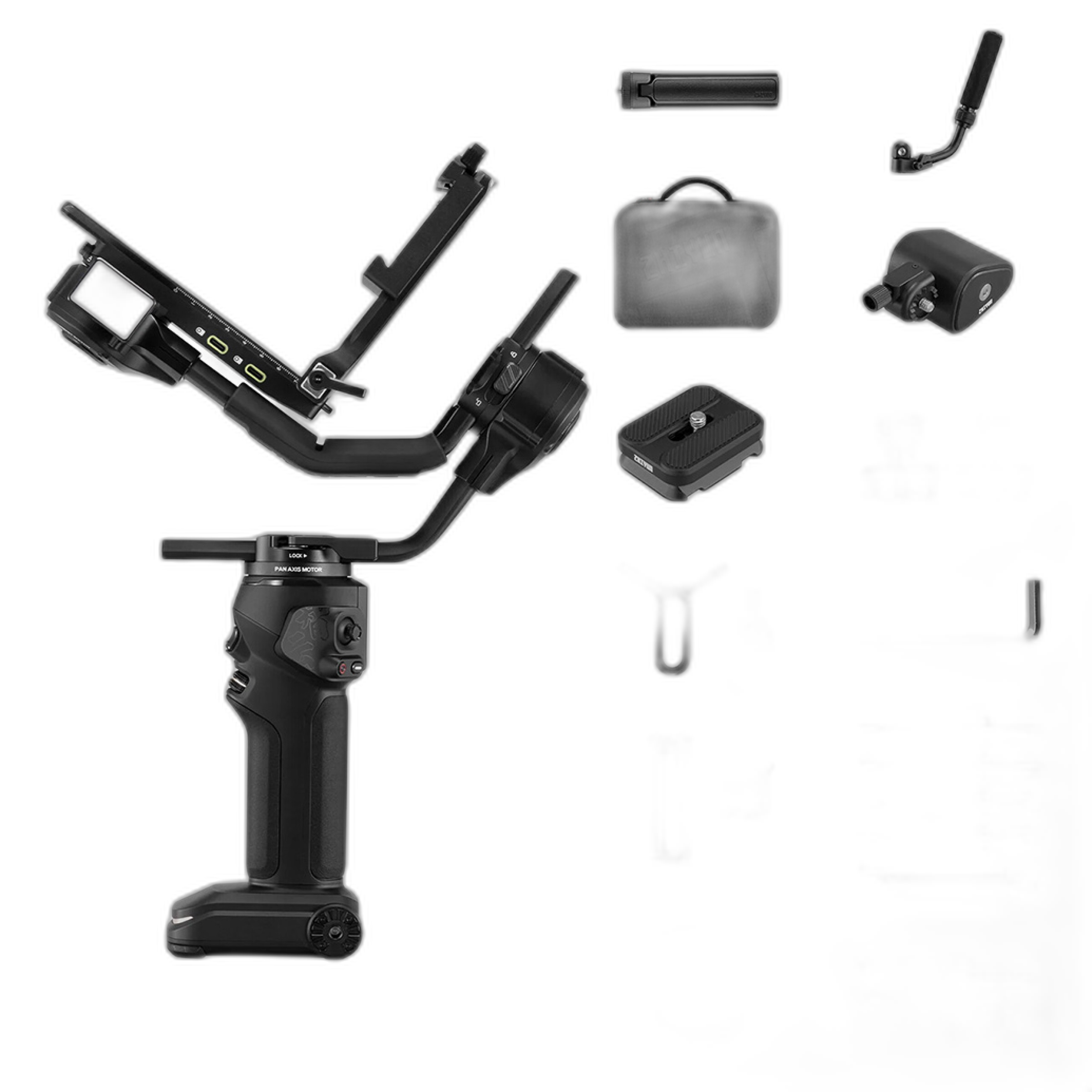
The Zhiyun CRANE 4 Combo Kit is a strong choice if your event setup trends heavier or you want a more production-oriented gimbal package. For event filmmakers working with larger lenses, cage setups, or more accessorized mirrorless bodies, a more robust gimbal can make balancing and operation less stressful.
This option makes sense for shooters who blend event coverage with commercial-style filmmaking and want a more feature-rich rig. It’s a good fit when your deliverables include both fast-paced live coverage and more cinematic sequences shot before or after the main event timeline.
Best for: advanced users, heavier camera builds, and event filmmakers who also shoot branded or commercial video.
Zhiyun CRANE M3S Handheld Gimbal Stabilizer Combo
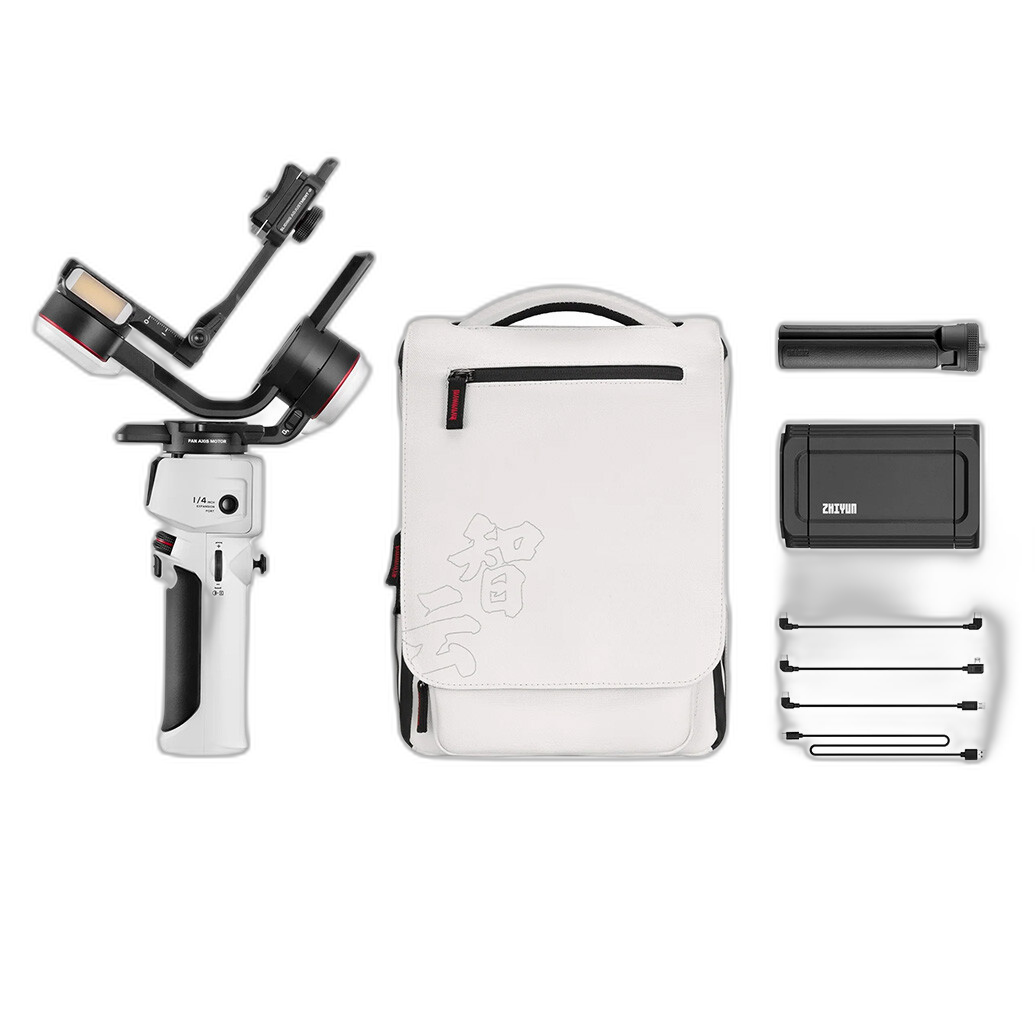
If portability is your priority, the Zhiyun CRANE M3S Combo deserves a look. Event shooters often work long hours, move through crowded venues, and need to transition fast between handheld and stabilized shooting. A lighter, more compact gimbal can be a real advantage if your camera kit is relatively small.
This is an especially smart choice for content creators, solo operators, and social-first event shooters who want smoother motion without carrying a larger stabilizer all day. If your IBIS already handles your static and semi-static handheld shots, a smaller gimbal like this can fill the gap for quick moving clips and short cinematic sequences.
Best for: lightweight mirrorless kits, solo shooters, travel-friendly event setups, and creators who value mobility.
Used Excellent DJI RS 2 Gimbal Stabilizer Pro Combo
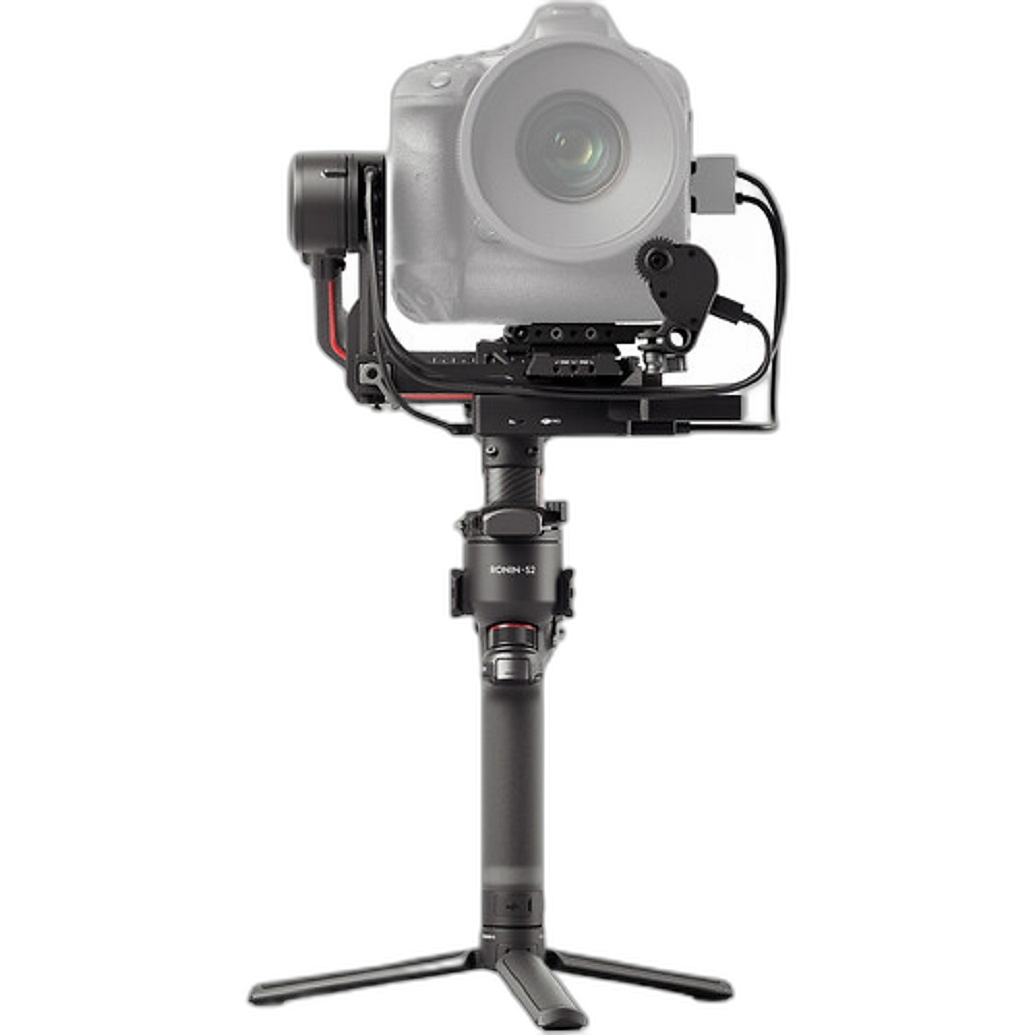
The Used Excellent DJI RS 2 Pro Combo is a very attractive option if you want strong event performance while keeping costs down. For many filmmakers, buying a used pro-level gimbal is the smartest way to add stabilization without stretching the budget.
The RS 2 remains highly relevant for event work, especially if your main goal is to expand beyond IBIS and unlock smoother tracking shots. A used unit in excellent condition can be ideal for freelancers building out a more complete video kit.
Best for: budget-conscious professionals and emerging event filmmakers who want premium stabilization value.
Used DJI RSC 2 Gimbal Stabilizer - Excellent
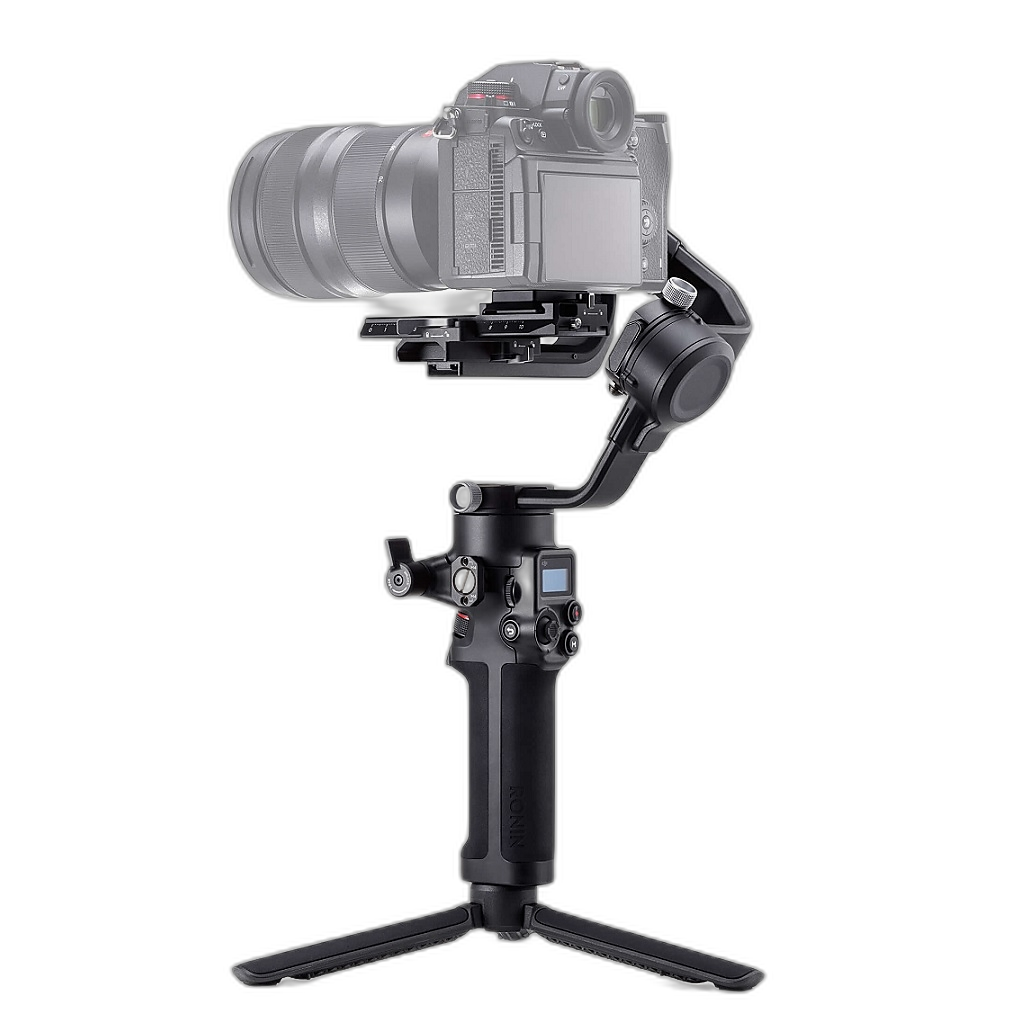
The Used DJI RSC 2 is a practical pick for creators who want to step up from handheld-only shooting without jumping into a larger or more expensive system. For event coverage, this kind of option makes sense if you mostly use smaller mirrorless cameras and need stabilization for selected moments rather than all-day gimbal operation.
If your shooting style is mostly IBIS-driven but you occasionally need smooth processional shots, reveal shots, or moving B-roll, this is the kind of gimbal that can round out your toolkit affordably.
Best for: smaller camera setups, hybrid shooters, and filmmakers adding a second stabilization tool on a budget.
Tilta Float Handheld Gimbal Support System for DJI RS2/3 - Gold Mount
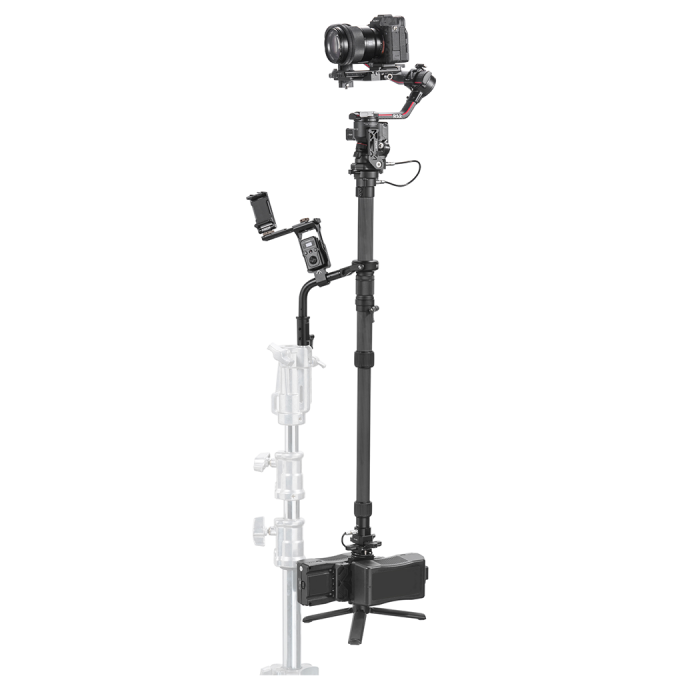
The Tilta Float Handheld Gimbal Support System is not a gimbal by itself, but it can be a game-changing support upgrade for event professionals already using compatible DJI systems. One of the biggest downsides of adding a gimbal to your event workflow is fatigue. Long weddings and corporate days can make even a well-balanced rig exhausting.
A support system like this helps take the strain off your arms and can improve endurance for longer moving shots. If you know you need gimbal movement regularly but struggle with all-day comfort, this can help bridge the gap between practical event coverage and more ambitious camera motion.
Best for: high-volume event shooters, long-form wedding days, and operators who want less fatigue from gimbal work.
Used vs. New: Which Makes More Sense?
| Option | Why Choose It | Ideal Buyer |
|---|---|---|
| New DJI RS 4 | Current platform, best all-around recommendation | Professionals buying a main gimbal |
| Used DJI RS 2 Pro Combo | Strong value with pro-oriented capability | Budget-conscious filmmakers |
| Used DJI RSC 2 | Accessible entry into gimbal shooting | Occasional event shooters |
| Zhiyun CRANE 4 Combo | Great for larger or more advanced setups | Production-minded creators |
| Zhiyun CRANE M3S Combo | Compact and easier to carry all day | Lightweight solo operators |
So, Do You Actually Need Both?
You do not always need both—but for event filmmaking, having both IBIS and a gimbal creates the most flexible setup.
If your work is mostly documentary and turnaround speed matters most, a camera with strong IBIS may cover the majority of your needs. But if your clients expect cinematic movement, polished highlights, and premium production value, a gimbal becomes much more than a luxury.
A smart event workflow often looks like this:
- Keep your camera handheld with IBIS for most real-time coverage.
- Switch to a gimbal for planned moments and visual storytelling shots.
- Choose a compact gimbal if mobility matters most.
- Choose a more robust setup if you regularly run heavier camera builds.
Final Recommendation
For most event filmmakers, the best answer is IBIS for speed, gimbal for cinematic movement. If you’re ready to add that second layer of stabilization, the DJI RS 4 Gimbal Stabilizer is the top overall recommendation here thanks to its versatility and event-friendly appeal. If you’re shopping more carefully on budget, a used DJI RS 2 Pro Combo or used DJI RSC 2 can be a very smart way to expand your kit.
If you want help choosing the right stabilizer for your camera body, lens setup, and shooting style, Unique Photo is an excellent place to compare options and find the right fit for your event filmmaking workflow.