Sharpness is one of the most talked-about goals in photography, but it is also one of the most misunderstood. Many photographers chase sharper images by obsessing over megapixels alone, when in reality image sharpness comes from a chain of factors: camera stability, shutter speed, focusing accuracy, lens quality, shooting technique, and even how you evaluate your files afterward. In that sense, this review is less about a single gadget and more about what actually makes a difference in the field and in the studio.
Using a handful of products available at Unique Photo as examples, we can separate the marketing myths from the practical improvements that photographers will genuinely notice. Some tools help by improving autofocus reliability, some by reducing vibration, and some by creating a more controlled environment for reproduction and close-up work. If your goal is sharper images more consistently, these are the kinds of solutions worth paying attention to.
Why Sharpness Starts Before You Press the Shutter
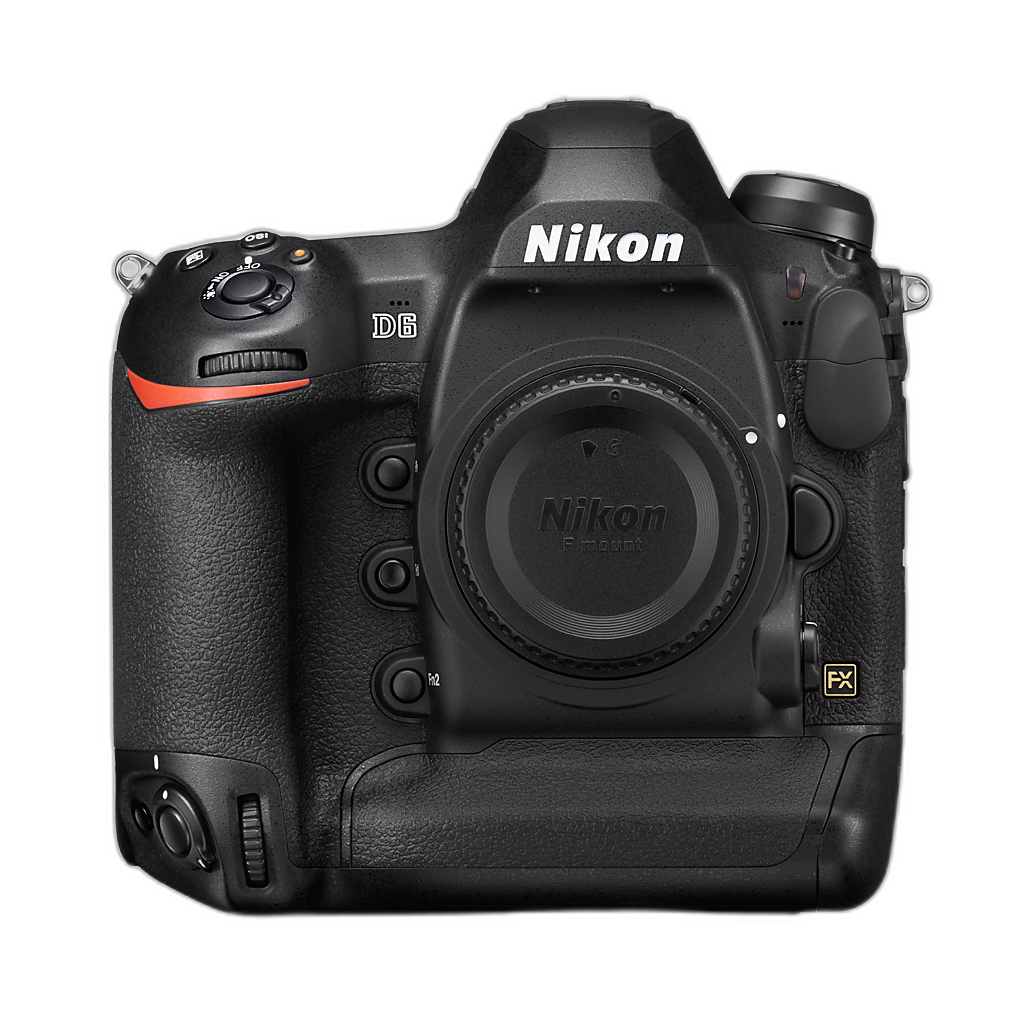
The biggest leap in sharpness usually does not come from buying the highest-resolution body. It comes from reducing the causes of blur. Subject movement, camera shake, missed focus, poor support, and weak optics all soften detail long before sensor limits become the problem. That is why a pro body like the Nikon D6 FX-Format Digital SLR Camera makes sense in this discussion: it is not simply sharp because it is expensive, but because it is engineered to help photographers nail focus and timing in demanding situations.
Likewise, if you are photographing documents, artwork, prints, small products, or macro subjects, a stable copying setup can do more for sharpness than a body upgrade. Controlled positioning and repeatable alignment matter. That is where a product like the Kaiser Table for Copying Works fits into the sharpness conversation, even if it is not the first item many people think of.
What Actually Works: The Gear and Techniques That Matter Most
1. Autofocus Performance Matters More Than Spec Sheet Sharpness
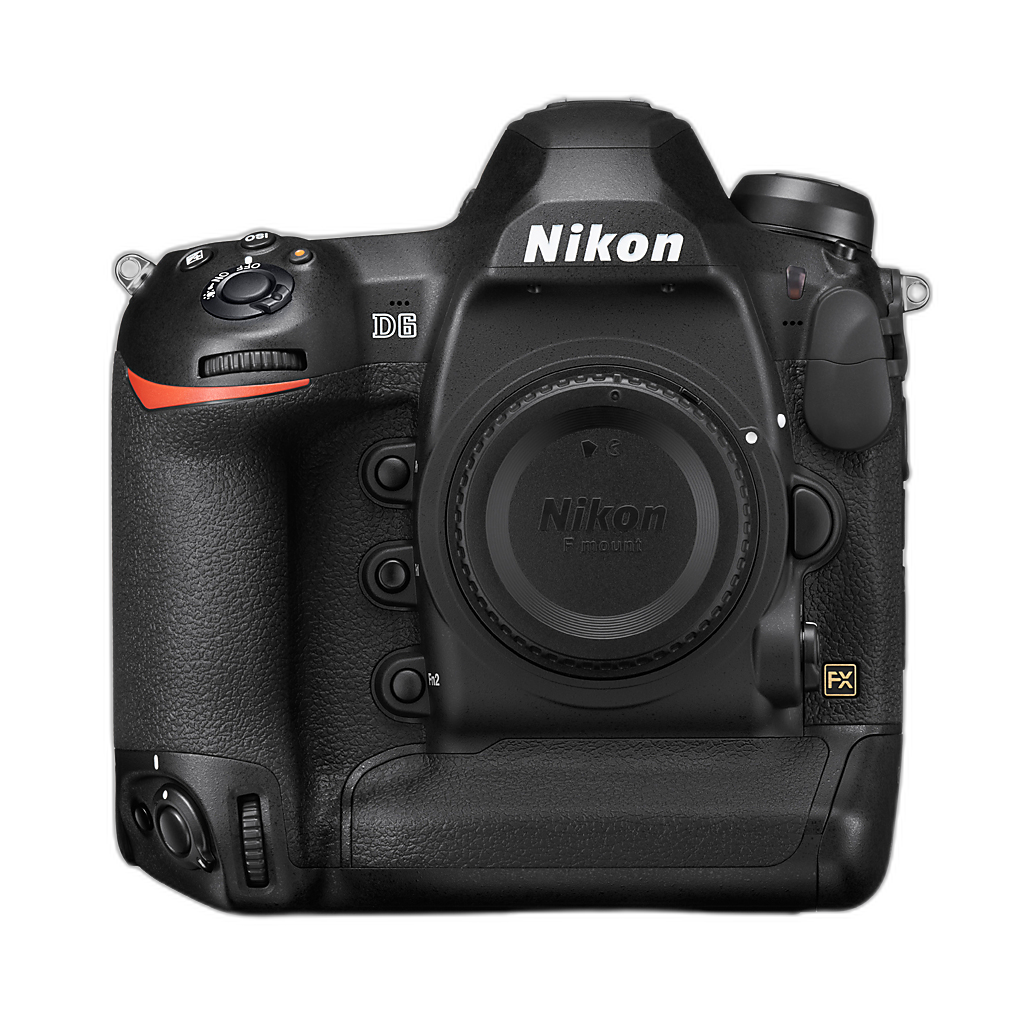
If your point of focus is off, even the sharpest lens and highest-resolution sensor will disappoint. This is one reason the Nikon D6 remains such a compelling reference point. It is designed for speed, subject tracking, and focus confidence under pressure. Sports, action, wildlife, events, and photojournalism all benefit from a camera that can lock and stay locked.
For photographers who often blame their lens for softness, the real problem is frequently focus acquisition or focus consistency. Bodies with stronger autofocus systems simply produce a higher keeper rate of critically sharp images.
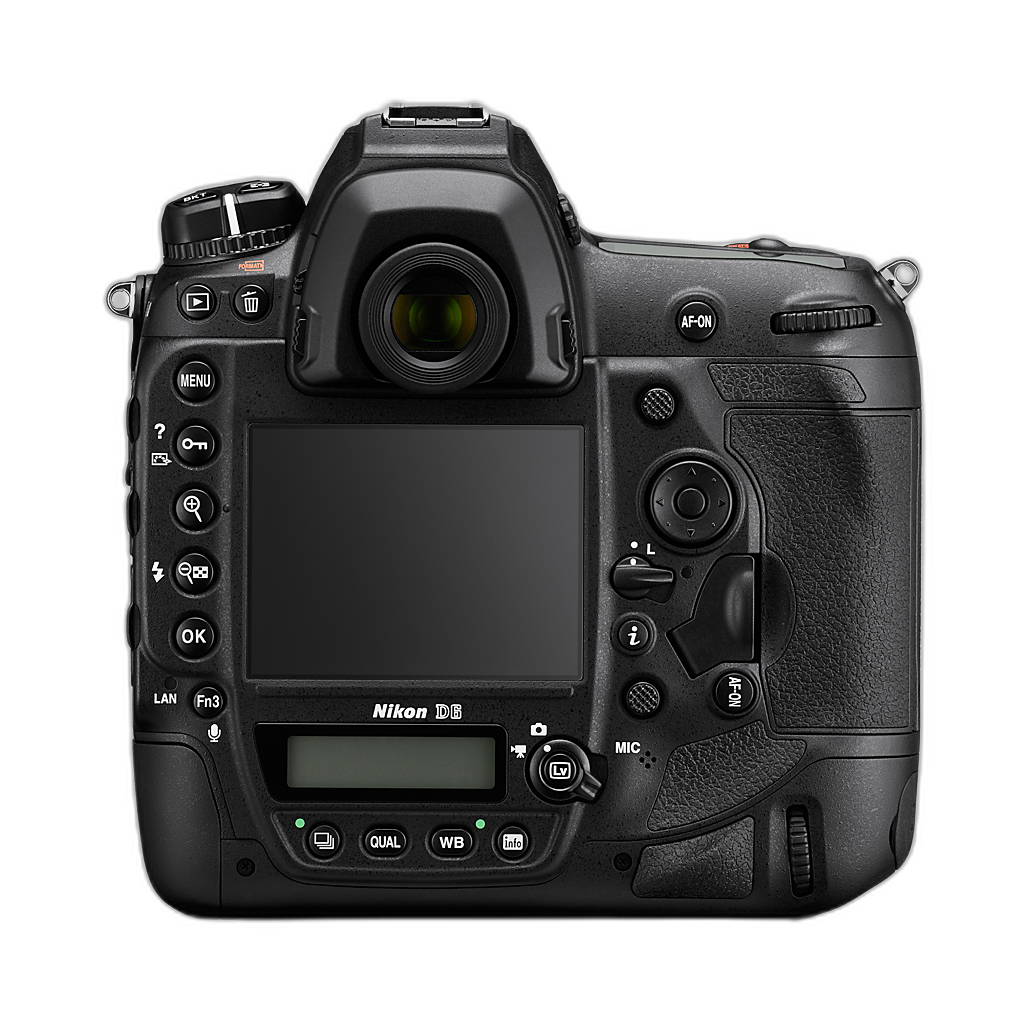
The Used Nikon D6 FX-Format Digital SLR Camera (Body Only) - Excellent is especially worth noting for photographers who want pro-level AF performance at a more accessible price point. If your priority is actual in-focus results rather than having the newest release, this kind of used flagship body can be a smart path to sharper work.
2. Stability Is One of the Most Underrated Sharpness Upgrades
Sharper images often come from making the camera move less. That sounds obvious, but many photographers still handhold shots they should support, especially for product work, archival copying, overhead shooting, and close-up subjects. A dedicated support solution creates consistency that handheld shooting cannot match.
The Kaiser Table for Copying Works is exactly the type of product that improves sharpness in controlled photography. When you eliminate small framing shifts and camera shake, and keep the sensor plane aligned with the subject, details become cleaner and more repeatable. This is not glamorous gear, but it is effective gear.
For flat artwork, documents, books, prints, and reproduction work, a copying setup often delivers more real sharpness than simply switching camera bodies. It also helps maintain even distance across the frame, reducing issues where one side of the subject appears softer due to misalignment.
3. Lens Quality Still Matters, but Technique Comes First
Photographers love to debate lenses, and for good reason: optics shape contrast, microdetail, and how crisp an image appears. The Used Contax 80MM F/2 645 is an interesting example because lenses with strong optical character can render beautiful detail when used carefully. A good lens can absolutely improve image sharpness, especially in the center and at working apertures where it performs best.
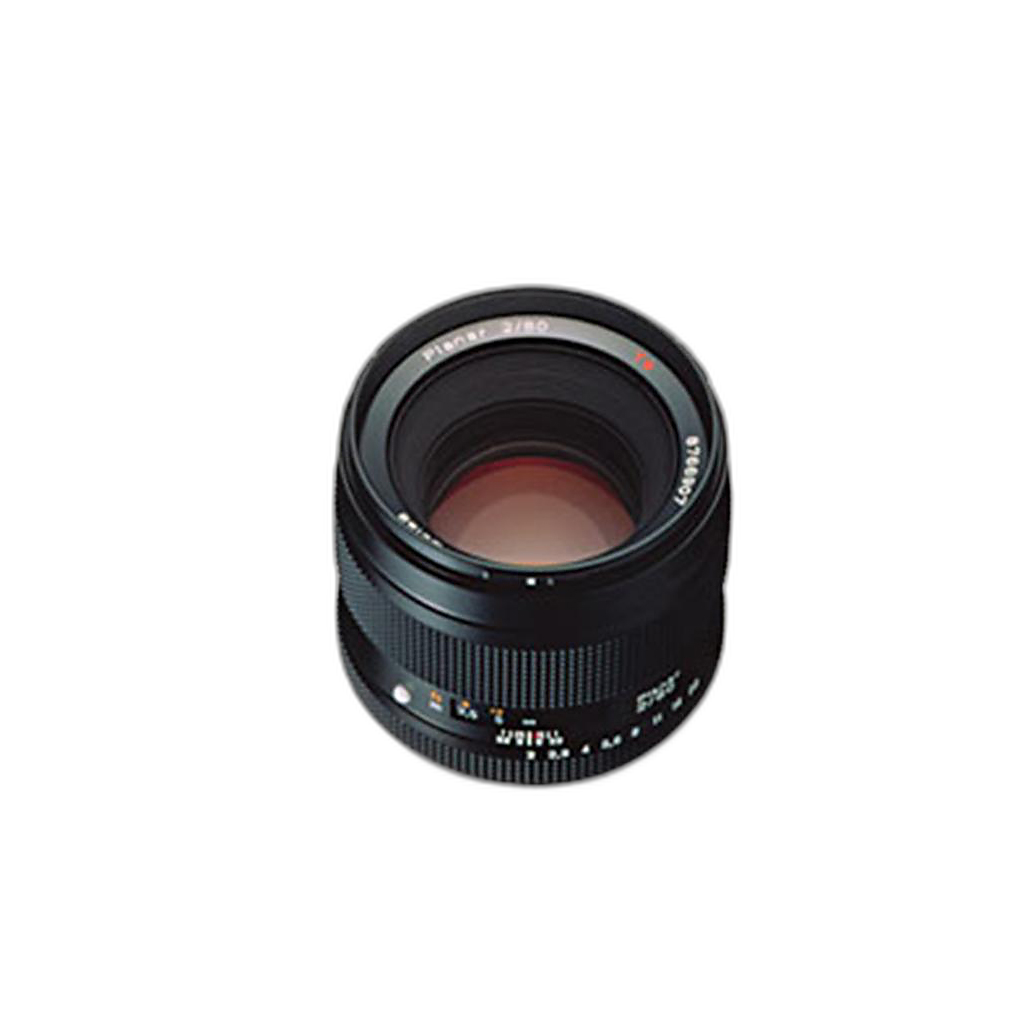
But lens upgrades only pay off if your fundamentals are solid. Use an adequate shutter speed, stabilize the camera, focus precisely, and avoid shooting every frame wide open just because you can. Many lenses sharpen up noticeably when stopped down slightly. If you are struggling with softness, testing your lens at multiple apertures and distances is often more valuable than immediately replacing it.
4. Sensor Resolution Helps, but Only If You Support It
Higher-resolution cameras reveal more detail, but they also reveal more mistakes. The Used Nikon D810 is a classic example of a camera that can produce highly detailed files, yet demands good technique. Any slight camera shake, focus miss, or shutter-induced vibration becomes easier to see when you inspect a dense file closely.
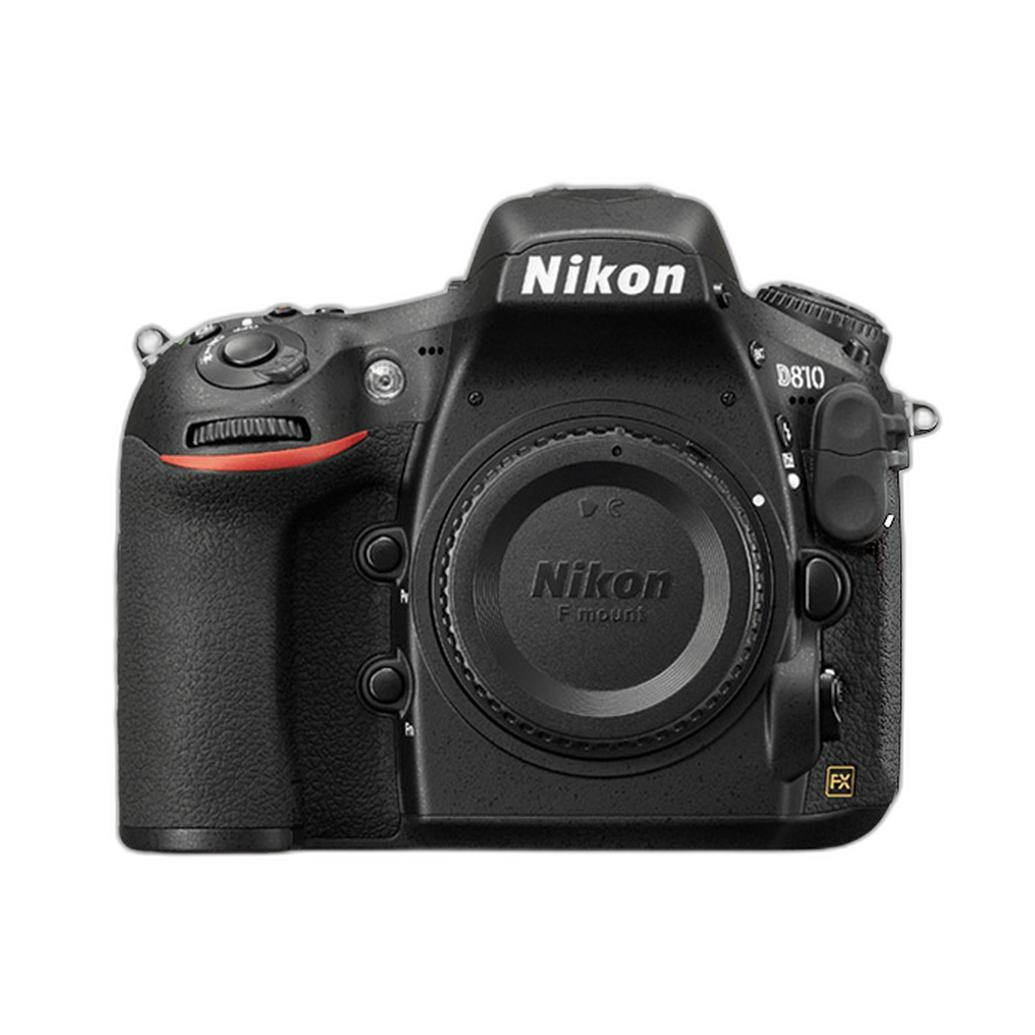
That does not make high-resolution bodies harder to love; it just means they are less forgiving. If you want your images to look sharper on a camera like this, use faster shutter speeds than you think you need, support the camera well, and pay closer attention to focus placement. In many cases, photographers upgrading to a higher-resolution body are surprised to learn that their old habits are what limit sharpness, not the camera itself.
5. Smaller, Lighter Bodies Can Still Deliver Sharp Results
Not every sharpness solution needs to be a flagship camera. The Used Fuji X-T10 Body Only Black illustrates another truth: smaller mirrorless bodies can produce very crisp images if paired with good handling and sensible shooting technique. Lightweight cameras can sometimes be easier to carry and therefore more likely to be used, but they may also be more sensitive to hand movement if your grip is unstable or your shutter speed is too low.
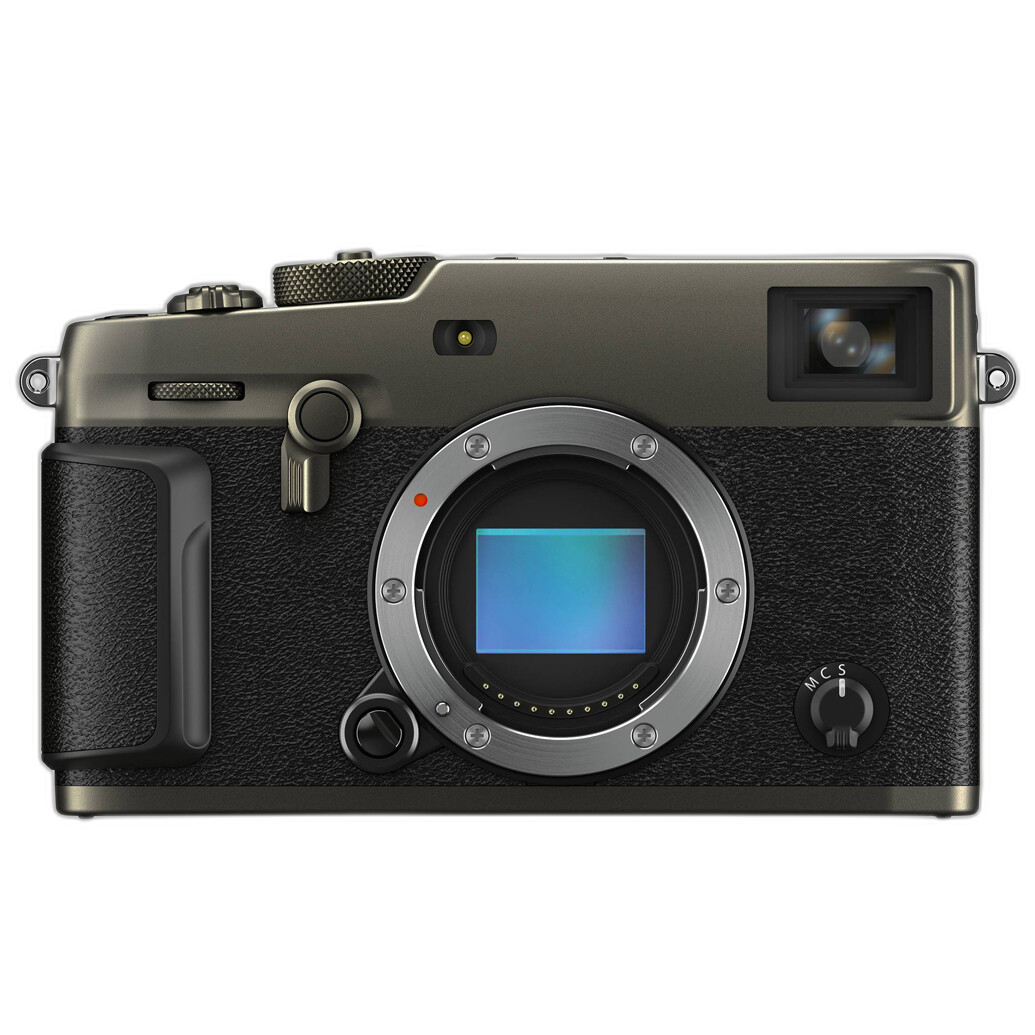
For everyday photography, travel, and casual shooting, a compact body can absolutely deliver sharp files. The key is to avoid assuming that smaller cameras are automatically easier to handhold at slow speeds. Good posture, controlled shutter release, and careful focus selection still matter.
6. Sharpness Is Also About How You Evaluate and Learn
One overlooked way to improve sharpness is education. The book Sharper Eyes - Nick Pedro/Betsey Carroll earns mention here because better seeing leads to better photographing. Sharp images are not just technically crisp; they place detail where it matters compositionally. Learning to recognize where viewers expect critical focus is part of making an image feel sharp and intentional.

Sometimes the difference between an image that feels soft and one that feels strong is not laboratory resolution, but whether the photographer emphasized the right subject plane, controlled distractions, and composed for clarity.
7. Workflow and Scanning Sharpness Count Too
If you work with film, image sharpness does not end at capture. Poor scanning can rob detail from a well-made negative or slide. The Pacific Image Powerslide X Plus Scanner is relevant because digitization quality affects how sharp your images appear in final output. A strong scan preserves edge detail, tonal transitions, and fine texture that cheap or rushed scans can smear.
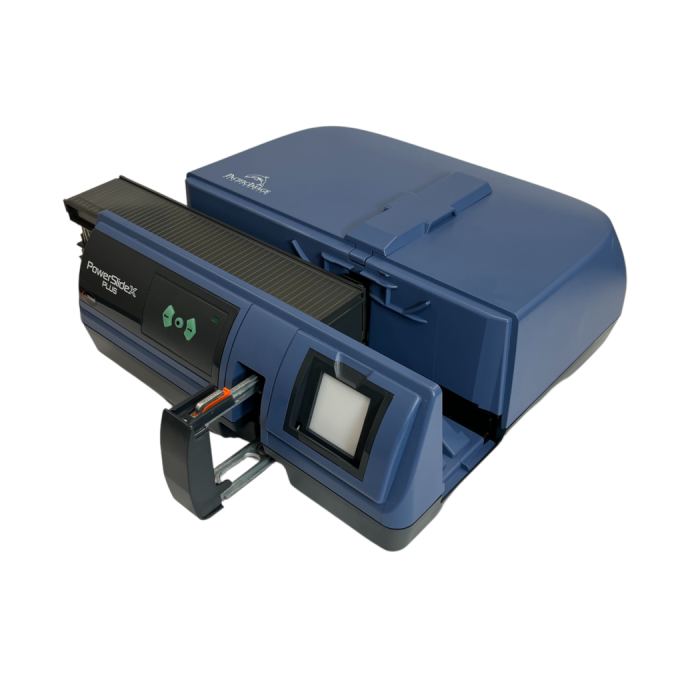
For hybrid shooters, sharper images are the result of the full process: good exposure, good focus, stable capture, and careful scanning or processing afterward.
Pros and Cons of the Most Effective Sharpness Strategies
Pros
- Improving autofocus reliability leads to more consistently sharp images than chasing resolution alone.
- Stable support systems dramatically reduce blur for copy work, macro, and controlled shooting.
- Better lenses can increase detail, contrast, and perceived sharpness when used properly.
- High-end or pro-level bodies can boost keeper rate in demanding real-world situations.
- Educational tools and disciplined technique improve sharpness across every camera system.
- A strong workflow, including film scanning where applicable, preserves detail from capture to final file.
Cons
- Sharper results often require slowing down and using more deliberate technique.
- High-resolution cameras can expose flaws in shooting habits rather than automatically fixing them.
- Premium autofocus bodies and sharp lenses can be expensive.
- Support gear for copy work is highly effective but less versatile for general photography.
- Used gear can offer strong value, but condition and intended use should be considered carefully.
So, What Actually Works Best?
If you want the shortest path to sharper images, focus on this order of priorities: accurate focus, enough shutter speed, stable support, good lens performance, and then sensor resolution. That is the practical hierarchy. A camera like the Nikon D6 proves how much autofocus and handling can matter. A setup like the Kaiser Table for Copying Works shows how stability transforms detail in studio and reproduction environments. A strong lens helps, but only after the first steps are under control.
In other words, the best sharpness upgrade depends on what kind of photographer you are. Action shooters should prioritize autofocus and responsiveness. Studio and archival shooters should prioritize support and alignment. Landscape and detail-oriented photographers should pay attention to lens performance, vibration control, and disciplined technique. Film photographers should not ignore scanning quality.
Verdict
For photographers asking, “How do I get sharper images?” the answer is refreshingly practical: fix blur and focus problems first, then upgrade gear strategically. Of the products referenced here, the Nikon D6 stands out as the strongest example of gear that directly improves sharpness through superior autofocus and handling, while the Kaiser Table for Copying Works represents one of the most effective specialized solutions for stable, repeatable detail capture. The other products reinforce the same lesson: true sharpness is the result of a system, not a single spec.
If you are ready to improve your results with carefully chosen new or used gear, Unique Photo is an excellent place to buy, whether you are looking for a pro DSLR, a used camera body, a distinctive lens, a scanner, or educational photography resources.