Fast File Transmission in the Field: Pro Tips to Keep Crews Moving
On-location shoots live and die by how quickly you can move media. Whether you’re pushing a live feed to village, sending proxies to post, or handing off drives between teams, a few smart habits and the right tools can shave minutes—or hours—from your day. Here’s how to keep your pipeline lean, reliable, and fast.
Field‑Proven Tips
1) Match your wireless link to the job
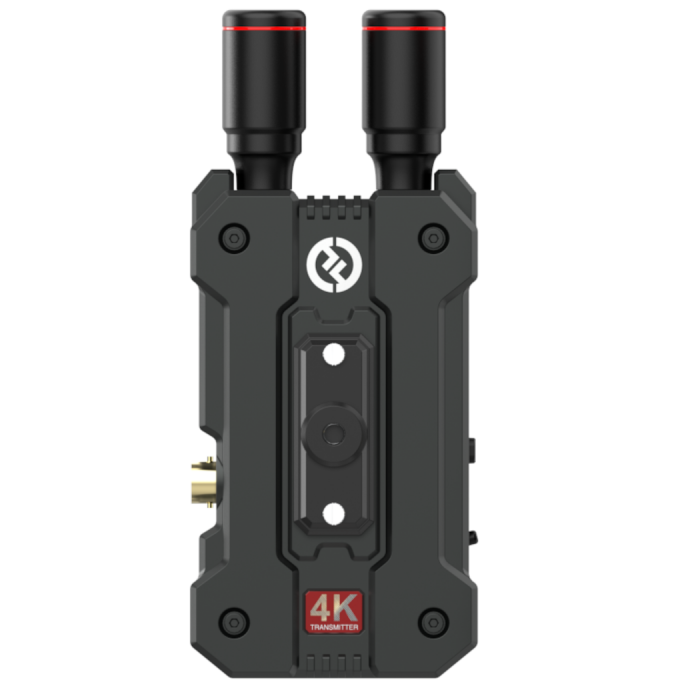
Choose a system that balances image quality with latency and range. For on-set monitoring, client review, and 4K-capable workflows, a dedicated SDI/HDMI solution like the Hollyland Mars 4K offers low-latency, 4K up to 30p, and flexible I/O for a clean handoff to recorders or monitors. Pair once, label the kit, and save channels as presets for fast redeploys.
2) Elevate and align for line‑of‑sight
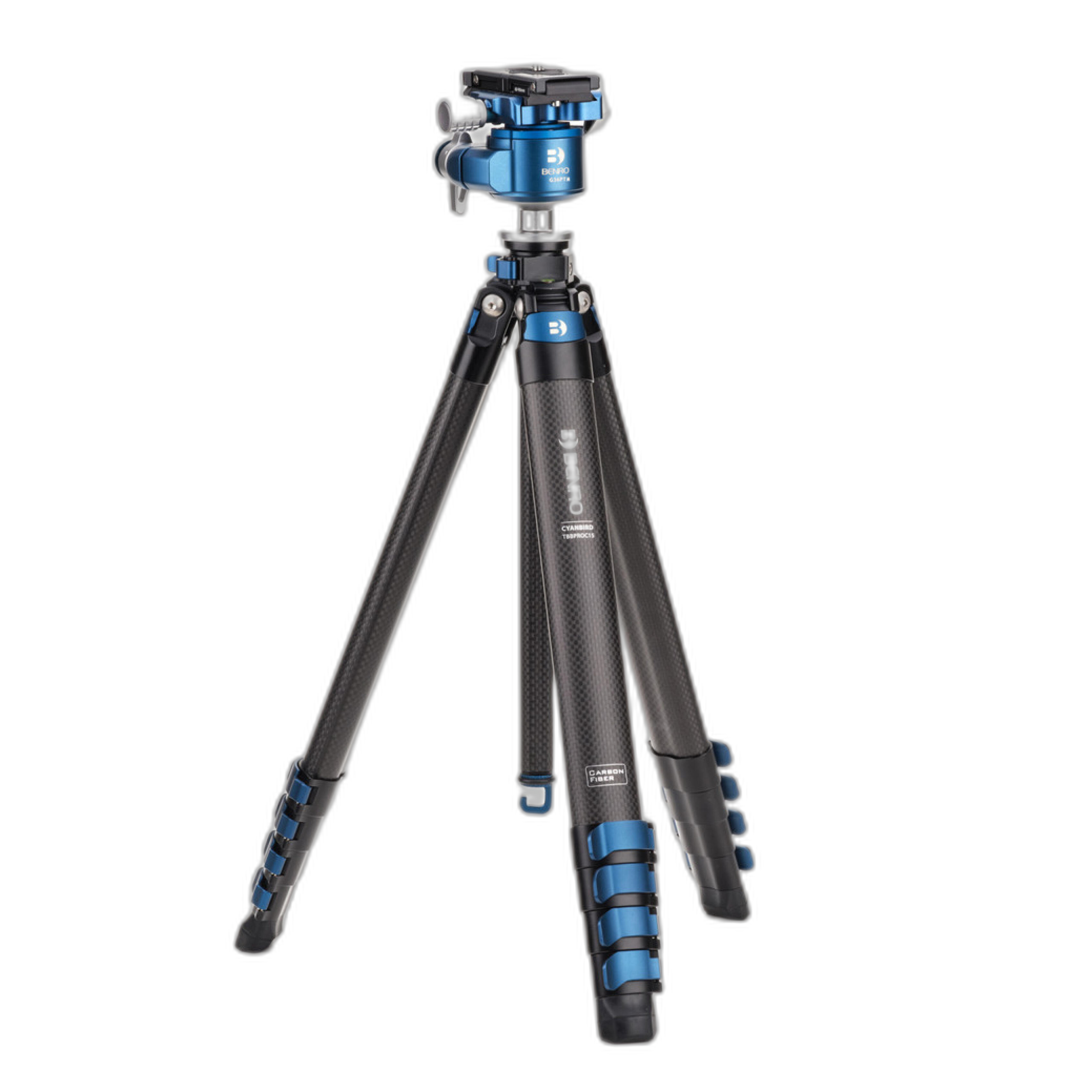
Wireless range drops fast when the signal has to punch through bodies, metal, or vehicles. Elevate your transmitter/receiver, keep antennas upright, and clear the Fresnel zone. A light, sturdy tripod like the Benro Blackbird CF helps you park a receiver higher than head height, improving line‑of‑sight and link stability without adding bulk.
3) Separate control and video links on drones/remote heads
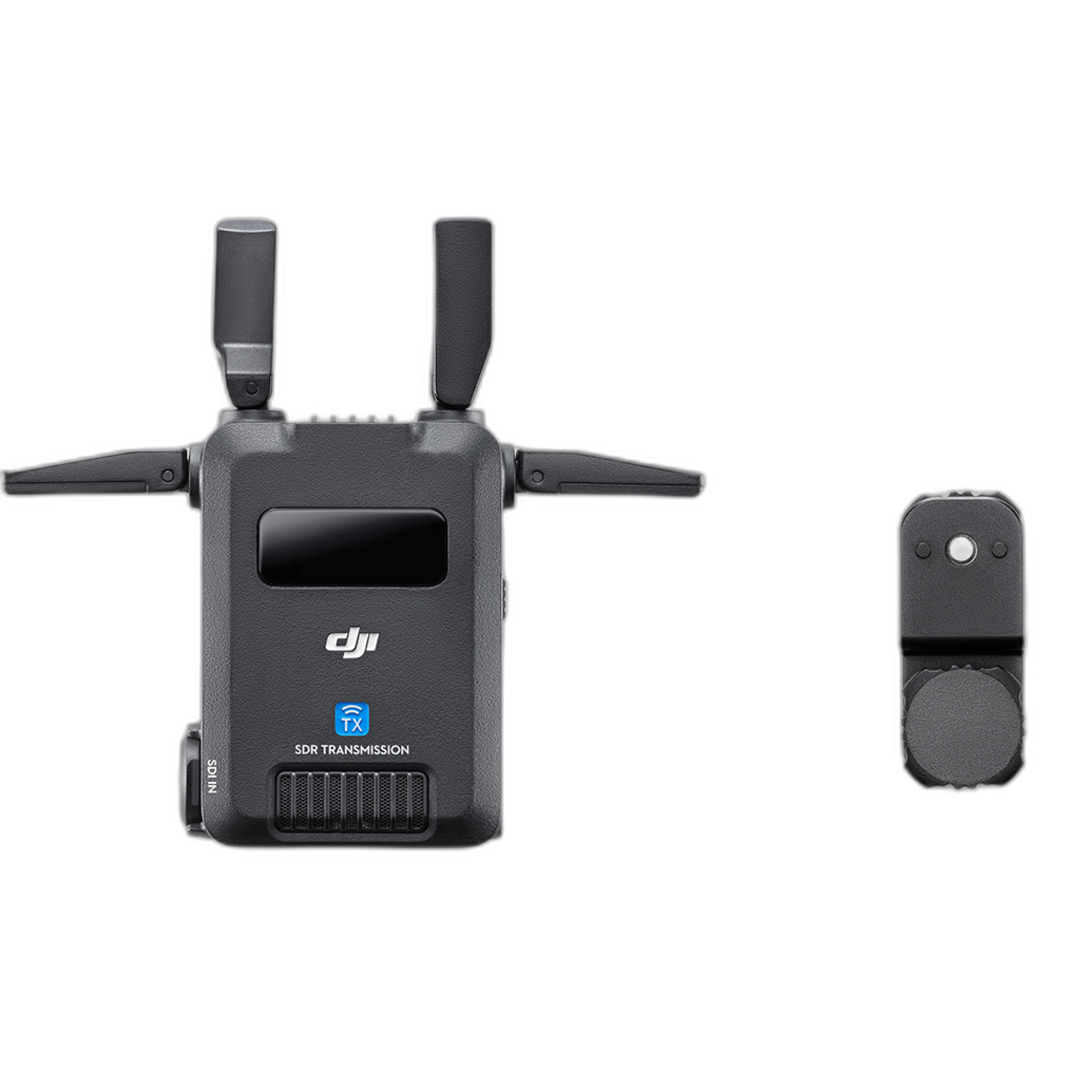
For aerials or remote rigs, keep control and video paths independent when possible. With compatible DJI ecosystems, a DJI SDR Transmission Transmitter provides a robust, long‑range digital link designed for low-latency control and video. Verify compatibility with your gimbal/camera stack, and select bitrates that prioritize stability when range or interference are concerns.
4) Use lean codecs and proxies for instant review
Enable in‑camera proxies or lower-bitrate monitoring streams for fast hops to village or editorial. Proxies keep feedback loops tight while your camera continues recording the hero files. Keep file names and timecode consistent so post can auto‑conform later—this avoids slow manual relinking.
5) Build redundant paths: air for speed, ground for bulk
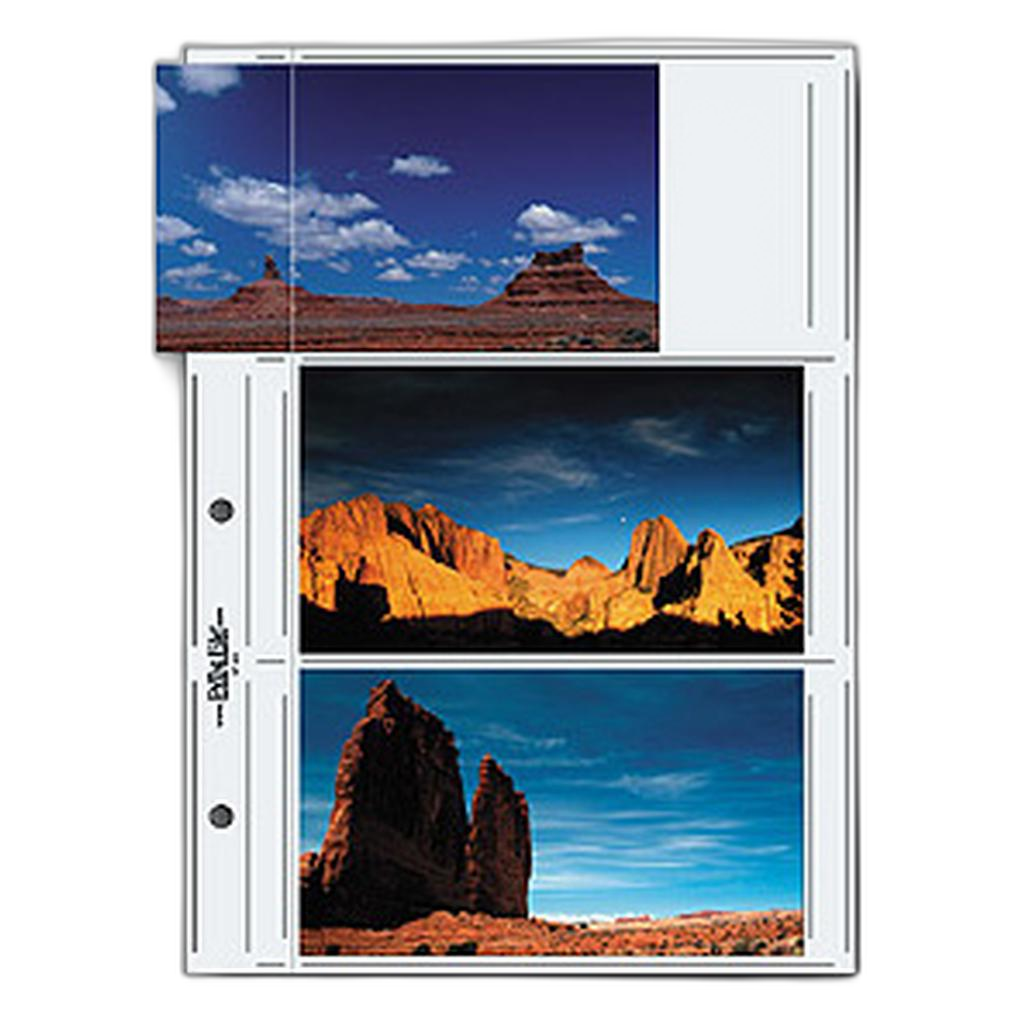
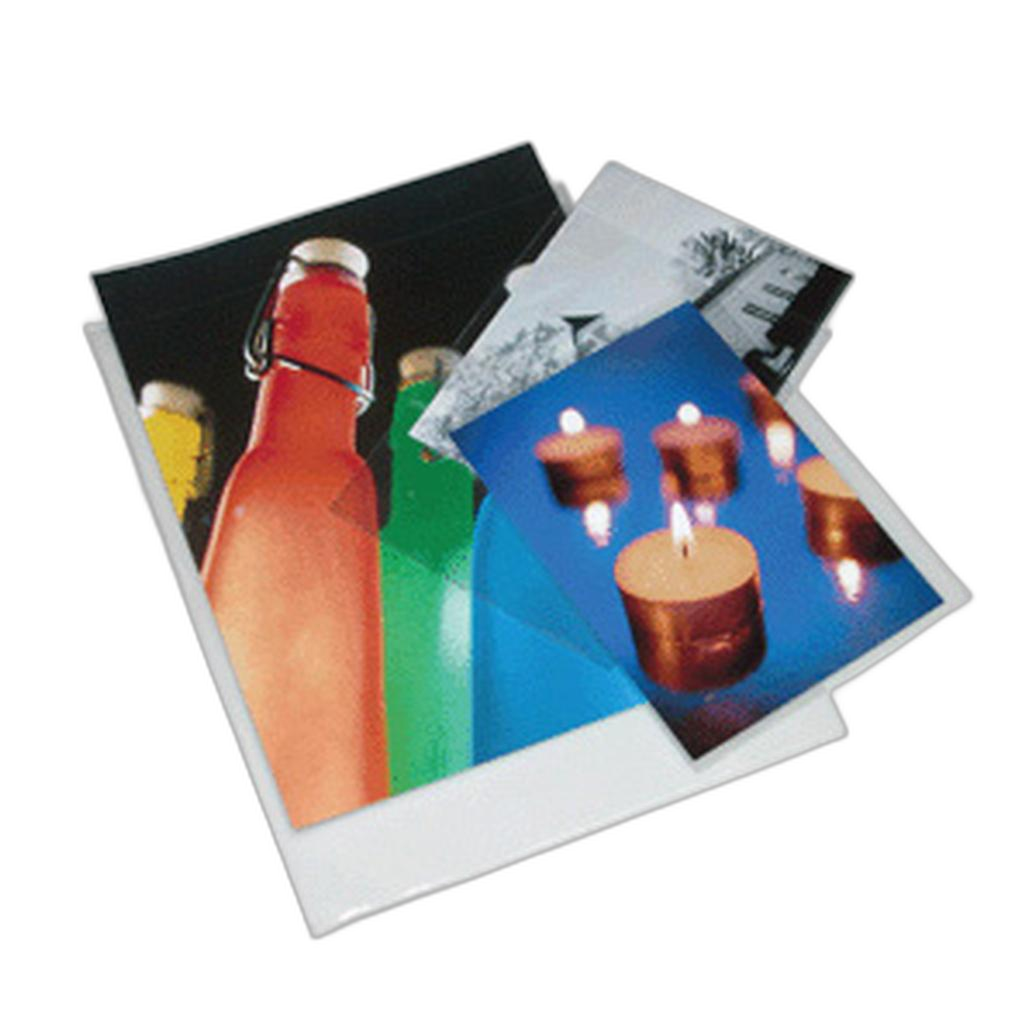
When schedules are tight, send a wireless feed for immediate decisions and hand‑carry (or courier) the full‑resolution SSDs for delivery. Protect the media and your transfer manifest in a tough, easy‑to‑see sleeve like the Print File 11x14 6 Mil Poly Pocket—big enough for checklists, labels, and drives to arrive organized.
6) Keep audio fast and flexible
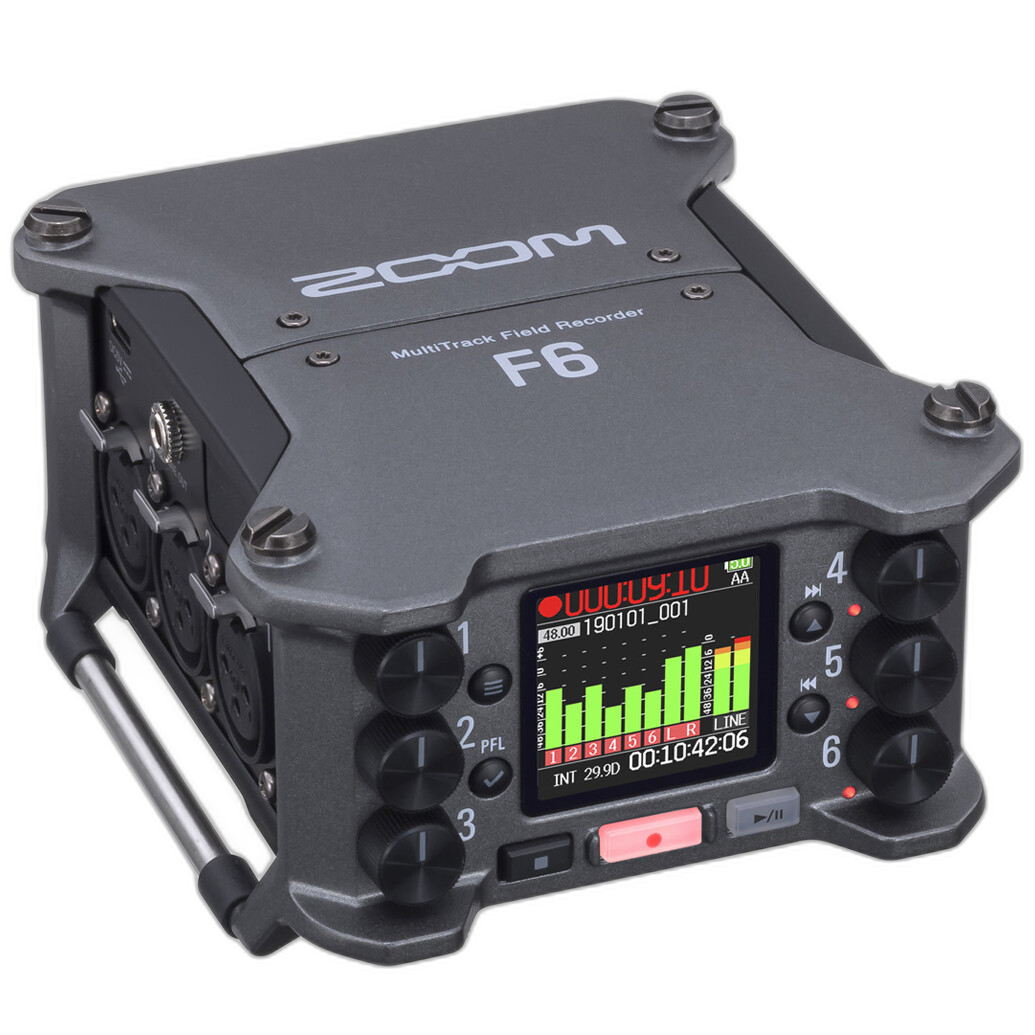
Lean, high‑quality audio transfers quickly and avoids reshoots. A compact recorder like the Zoom F6 captures 32‑bit float WAVs with timecode support, giving you wide headroom and easy sync without huge file sizes. Post can start cutting sound immediately while hero video copies or travels.
7) Manage power and heat to avoid dropouts
Transmission slows to a crawl if a unit browns out or overheats. Use fresh batteries, secure power cables, and shade transmitters/receivers from direct sun. Keep spare packs labeled and rotate them on a strict schedule to maintain consistent output power and stable links.
8) Practice spectrum hygiene and pre‑flight checks
Scan for interference, lock channels, and avoid congested Wi‑Fi bands when legal and appropriate. Pre‑pair your TX/RX, label cables and SDI/HDMI directions, and stage quick‑swap kits. The more plug‑and‑play your setup, the faster your handoffs—and the fewer on‑set surprises.
Quick Field Checklist
- Pre‑paired TX/RX kits with labeled channels and cables
- Proxy recording enabled with consistent file names/timecode
- Raised receiver/transmitter placement for clear line‑of‑sight
- Redundant path plan: wireless for review, drive shuttle for masters
- Printed transfer manifest and labeled media in protective sleeves
- Battery rotation schedule and shade for all radio gear
Wrap‑Up
Fast, reliable file transmission comes from a clean plan, disciplined labeling, and the right tools. Build your kit around dependable wireless, lean proxy settings, and redundant delivery paths, and you’ll keep the whole team moving. Need help dialing in a field‑ready setup? Visit Unique Photo for expert advice and gear—from wireless systems and tripods to protective sleeves and audio solutions.