Introduction
Strong contest submissions rarely succeed on technical quality alone. The images that stand out usually combine intentional composition, a compelling subject, and polished presentation. If you want to improve your chances in photo competitions, comparing educational options can help you choose the right path for your style and goals.
In this guide, we compare several Unique Photo classes and events that relate directly to creating more impactful contest entries. Some focus heavily on composition, others on visual storytelling, subject selection, or learning what winning images look like in a competitive setting.
Side-by-Side Comparison
| Program | Primary Focus | Best For | Contest Submission Strength |
|---|---|---|---|
| PCS: Creating Impactful Photos with Chris Greer | Impact, storytelling, visual strength | Photographers who want stronger overall submissions | Excellent all-around guidance for building contest-worthy images |
| NJCS: Composition and Photographic Communication with Shiv Verma (Lumix) | Composition and communication | Photographers who want their images to say more | Strong for judges who respond to clear visual intent |
| CS: Creating Cityscapes with Padma Inguva (AIP) | Urban scenes and cityscape subjects | Photographers entering travel, architecture, or urban categories | Best for location-driven subject matter and structured scenes |
| NJCS: Common Sense Composition with Blake Rudis | Foundational composition principles | Beginners to intermediates refining framing choices | Very useful for eliminating weak compositional habits |
| Composition on Location: Princeton University with Alan Kesselhaut | Real-world composition practice | Photographers who learn best by shooting on location | Helpful for seeing compositional opportunities in live environments |
| EXPO: Visual Flow: Mastering the Art of Composition with Ian Plant (Tamron) | Visual flow and image design | Photographers seeking stronger viewer engagement | Excellent for guiding the eye through a frame |
| UUOnline (Free): NJ Monthly 2020 Cover Search Contest Winners Reveal | Review of winning contest imagery | Photographers wanting insight into what stands out competitively | Great supplementary resource for understanding presentation and selection |
| EXPO: Creating Professional Videos with Juan and Wrangel (Black Magic) | Video production and presentation | Hybrid creators or multimedia entrants | Most useful when contests include motion or polished portfolio presentation |
Comparing the Best Options for Contest Success
Best Overall for Stronger Contest Entries
PCS: Creating Impactful Photos with Chris Greer is the most directly aligned with the goal of producing images that make an impression. For contest photographers, that matters because impact is often what separates finalists from forgettable entries. If your challenge is making photos feel more intentional, more memorable, and more emotionally or visually immediate, this is the class that appears most on target.
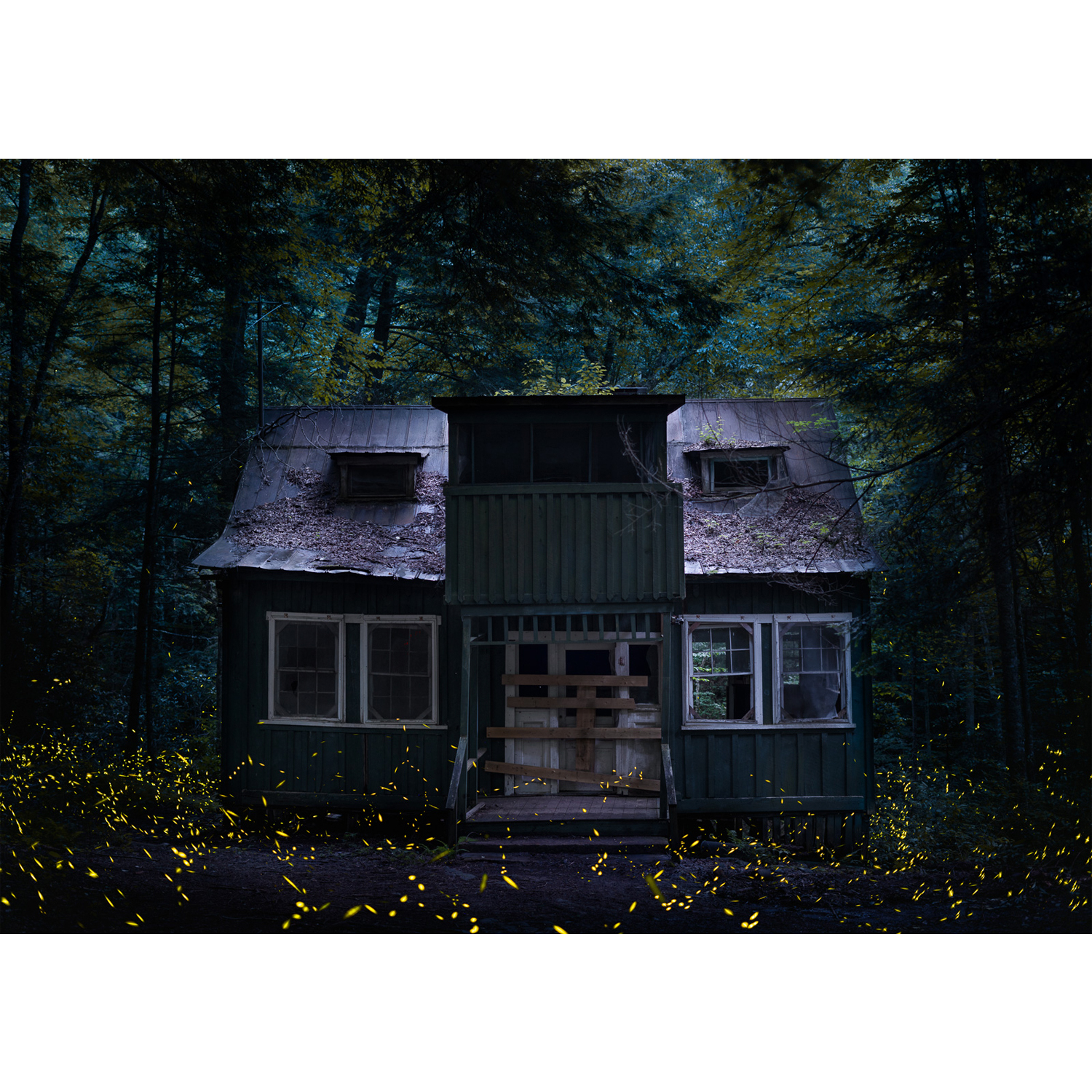
Compared with more narrowly focused composition classes, this option likely offers a broader look at why certain photos resonate. That makes it especially valuable for photographers who already know the basics but need to elevate their submissions into stronger contenders.
Best for Composition as Visual Communication
NJCS: Composition and Photographic Communication with Shiv Verma (Lumix) stands out if your contest entries are technically sound but do not always connect with viewers. In judged competitions, communication is critical. The frame should guide the viewer, clarify the subject, and support the story or message without confusion.
Compared with Chris Greer’s impact-centered course, Shiv Verma’s class seems more focused on the language of photography itself. If you want to understand how composition influences interpretation, mood, and message, this is one of the strongest choices in the group.
Best for Building a Reliable Compositional Foundation
NJCS: Common Sense Composition with Blake Rudis is a practical pick for photographers who want to strengthen the basics before entering more competitions. Many contest entries fail not because the subject is weak, but because the framing, balance, or visual structure does not support it well enough.
Compared with the more advanced-sounding visual communication and visual flow classes, Blake Rudis’s program is likely the more approachable option for correcting everyday compositional mistakes. If your submissions need cleaner, smarter framing, this course could deliver immediate improvements.
Best for Subject-Driven Urban and Architectural Entries
CS: Creating Cityscapes with Padma Inguva (AIP) is the most specialized option here, and that specialization can be a major advantage if your contest submissions focus on city life, architecture, travel, or urban storytelling. Competitions often reward photographers who not only compose well but also choose subjects with graphic strength and atmosphere.
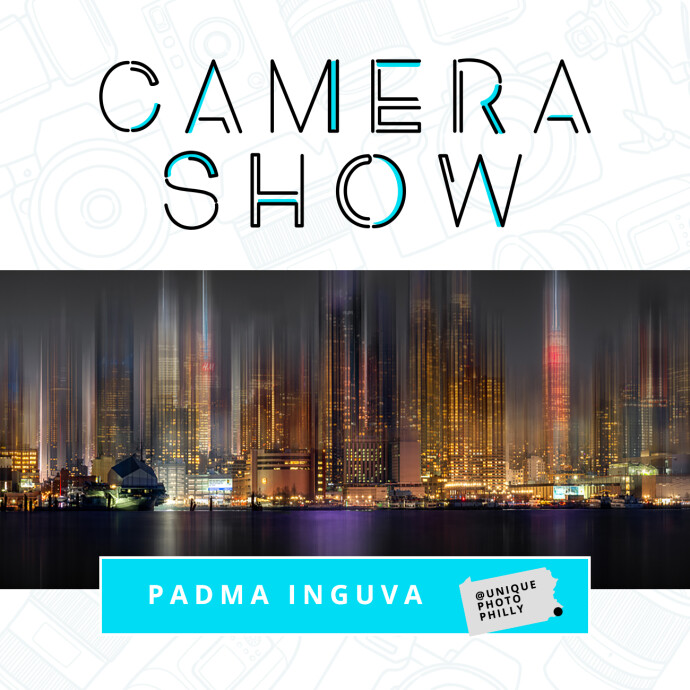
Compared with the broader composition classes, this one gives you a more targeted path for photographers who already know what they want to shoot. If your strongest contest categories involve skylines, streets, structures, or layered metropolitan scenes, this is the most relevant subject-focused class in the comparison.
Best for Learning Composition in the Field
Composition on Location: Princeton University with Alan Kesselhaut offers a practical advantage: applying composition concepts in a live environment. For many photographers, reading about composition is one thing, but seeing it unfold on location makes the lessons far more usable when preparing competition work.
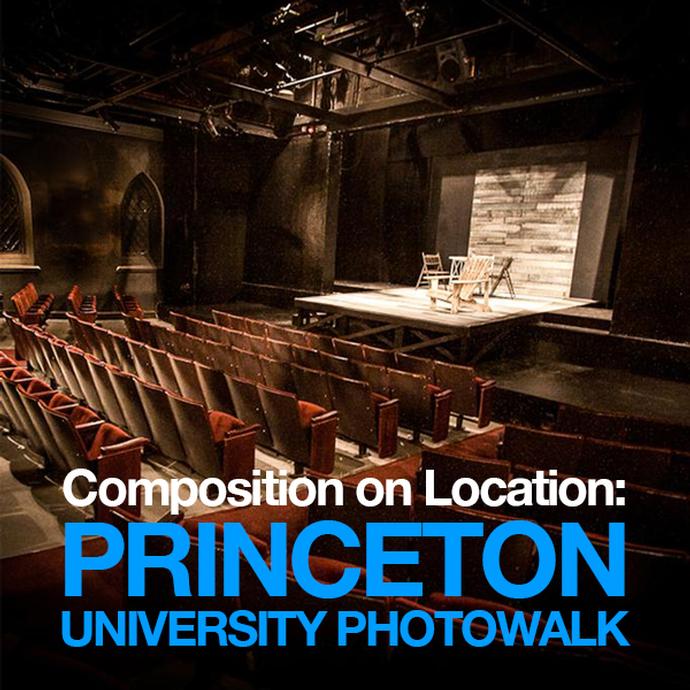
Compared with classroom-style composition instruction, an on-location experience may help you react faster to light, lines, spacing, and subject placement. This can be especially helpful if your contest work relies on travel, documentary, campus, architectural, or environmental scenes.
Best for Directing the Viewer’s Eye
EXPO: Visual Flow: Mastering the Art of Composition with Ian Plant (Tamron) is one of the strongest choices for photographers who already have interesting subjects but need to make their images read more powerfully. Visual flow is central to contest success because judges often spend only a short amount of time with each image. A photo that guides the eye well has a better chance of holding attention.

Compared with foundational composition classes, Ian Plant’s course appears better suited to photographers refining advanced image design. If your work feels busy, unfocused, or visually flat, studying visual flow can make your entries more immediate and polished.
Best Supplement for Understanding What Winning Work Looks Like
UUOnline (Free): NJ Monthly 2020 Cover Search Contest Winners Reveal is not a traditional technique class, but it may be one of the smartest supporting resources for aspiring contest entrants. Seeing what judges, editors, or selectors respond to can sharpen your instincts around presentation, subject appeal, and finishing choices.
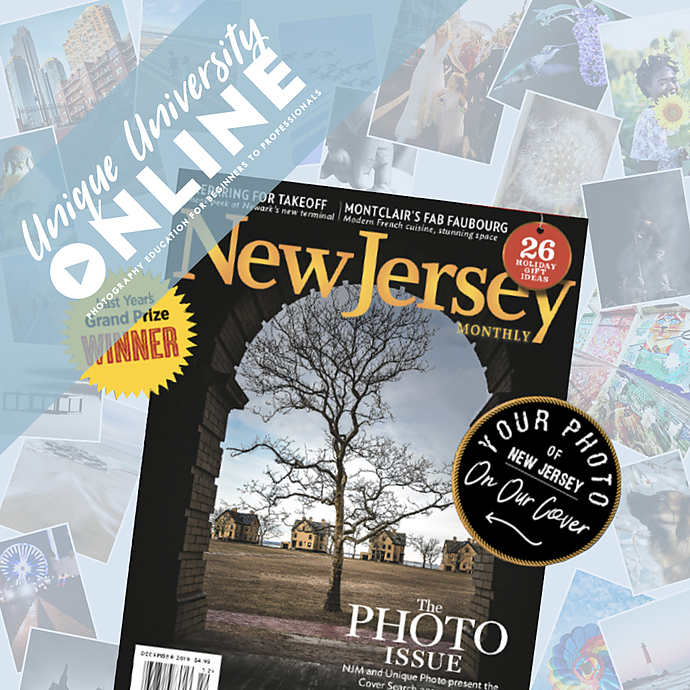
Compared with the instructional classes above, this event helps answer a different question: what actually rises to the top in a contest environment? Pairing it with one of the stronger composition-focused classes would be a smart move.
Best for Multimedia or Presentation-Focused Creators
EXPO: Creating Professional Videos with Juan and Wrangel (Black Magic) is the outlier in this comparison, but it still has relevance for presentation. If your contests include hybrid storytelling, portfolio reels, or digital submission packages where polished visual delivery matters, video skills can support a stronger overall presentation strategy.
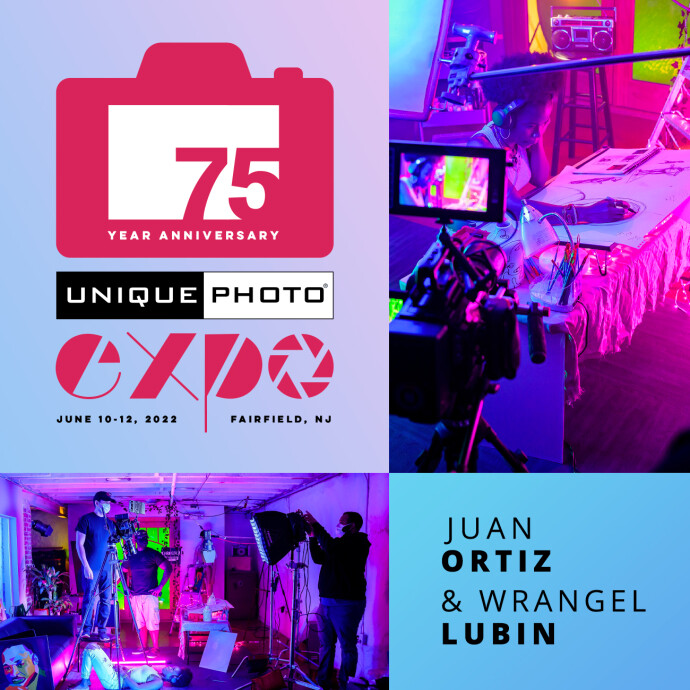
Compared with the still-photo-focused classes, this is the least direct fit for standard photo contests. Still, for creators building a broader professional presence around their submissions, it may add useful presentation value.
Our Pick
Our Pick: PCS: Creating Impactful Photos with Chris Greer
If you want one recommendation most closely tied to creating stronger contest submissions, this is it. It aligns best with the complete goal: making photographs that stand out. While classes from Shiv Verma, Blake Rudis, and Ian Plant are excellent for sharpening specific compositional skills, Chris Greer’s course appears to address the bigger question of impact, which is exactly what contest judging often comes down to.
For photographers who want a second recommendation focused specifically on composition, NJCS: Composition and Photographic Communication with Shiv Verma (Lumix) is an excellent companion choice.
Conclusion
The best contest submissions combine three things: thoughtful composition, a clear and compelling subject, and a polished presentation that helps the image connect quickly. Whether you need a stronger foundation, better visual communication, more advanced image flow, or insight into what winning work looks like, these Unique Photo classes offer several smart paths forward.
If you are preparing for your next competition, Unique Photo has educational options that can help you refine both your images and your submission strategy.