Introduction: Building a Travel Kit That Works in the Real World
Choosing the optimal camera setup for travel is rarely about finding the most advanced camera body or the sharpest lens on paper. In real-world travel, users consistently weigh three priorities above almost everything else: weight, versatility, and durability. A setup that looks perfect at home can quickly feel too bulky in airports, too fragile in bad weather, or too limited when the trip shifts from landscapes to street scenes to video.
That is why the best travel setup is often the one that strikes the smartest balance rather than the one with the longest specification sheet. Some travelers prefer an action camera for portability and toughness, while others want the creative flexibility of interchangeable lenses. Many experienced shooters land somewhere in the middle, building a kit around a compact camera body and one or two carefully chosen lenses.
For travelers trying to refine that decision-making process, educational resources can be just as valuable as gear itself. Unique Photo offers several classes and learning experiences that help photographers think through camera choice, lens selection, and efficient content creation for life on the move.
Rather than treating travel photography as a one-size-fits-all category, this review looks at the practical lessons behind choosing a setup that matches how people actually travel.
Why Travel Camera Choices Are So Personal
User experiences tend to confirm that there is no universal perfect travel kit. A backpacker covering long distances on foot may prioritize every ounce saved, while a family traveler may value fast autofocus and easy sharing. Adventure travelers often care most about weather resistance and ruggedness, while city explorers may want discretion and lens flexibility.
What becomes clear very quickly is that the ideal travel setup is not just about image quality. It is about how likely you are to carry the camera, how quickly you can use it, and whether it can adapt to changing conditions without slowing the trip down.
Key Features to Prioritize in a Travel Camera Setup
Weight and Packability
One of the most common user complaints with larger travel kits is simple fatigue. A camera that feels manageable for one hour can become a burden after a full day of walking, hiking, or navigating transit. This is why lightweight systems, compact zooms, and action cameras remain so appealing for travel.
For many travelers, reducing gear also improves shooting frequency. When the camera is easy to carry, it is far more likely to come out at the right moment. That matters more than theoretical performance left behind in the hotel room.
Versatility Across Different Shooting Situations
Travel rarely stays in one shooting mode. A single day may include architecture, portraits, food, interiors, landscapes, and handheld low-light scenes. Users often discover that versatility matters more than absolute specialization. This can mean choosing a useful zoom range, selecting a flexible prime-and-zoom combination, or even opting for a GoPro-style solution when mobility is everything.
Lens choice is especially important here. A well-chosen lens can make a smaller kit feel capable, while a poor lens choice can make even an excellent body frustrating to use.
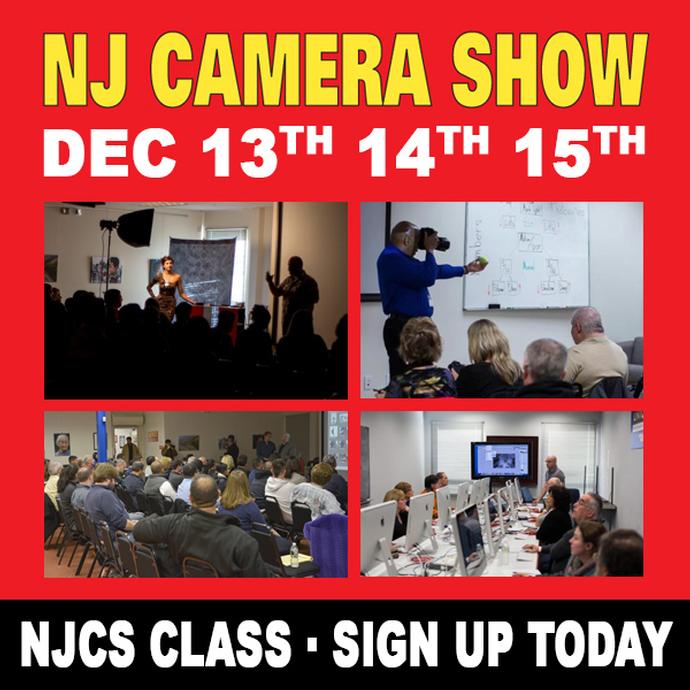
Unique Photo’s educational session NJCS: Choosing the Right Lens for Great Images with Marc Farb and Sigma is particularly relevant for travelers who are trying to avoid overpacking while still covering multiple photographic needs. It reinforces one of the most important truths in travel photography: smart lens selection often defines the success of the entire setup.
Durability and Reliability
Durability becomes more important the farther you get from home. Travel photographers regularly encounter rain, dust, crowded streets, rough handling, and long shooting days. A camera setup does not need to be indestructible, but it should inspire confidence.
This is where action cameras earn their reputation. Their compact size and rugged design make them ideal for users who want something that can handle movement, weather, and spontaneous shooting without much worry. For more traditional camera systems, durability may come from weather sealing, solid construction, and minimizing unnecessary accessories.
Ease of Editing and Sharing
Modern travel photography often does not end when the day is over. Many users want to edit quickly and share content while still on the trip. That makes workflow part of the camera setup conversation. A technically excellent system can feel cumbersome if file handling, transfers, or editing slow everything down.
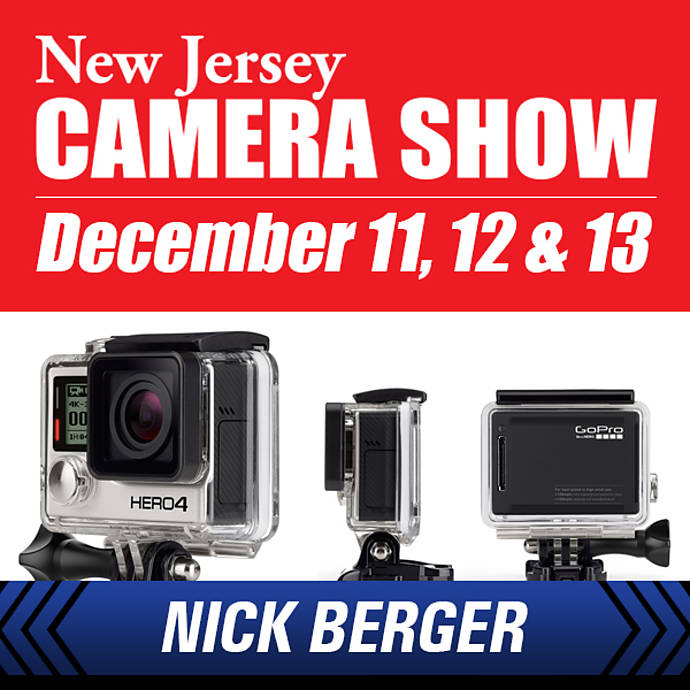
The Unique Photo class NJCS: Edit and Share Your GoPro Content with Nick Berger (GoPro) speaks directly to this point. For travel users who prioritize fast turnaround and social-friendly content, learning how to streamline editing and sharing can be just as important as choosing the camera itself.
Review Perspective: Action Camera vs Traditional Travel Kit
GoPro-Style Travel Setup
If your travel style includes hiking, cycling, water activities, skiing, or simply wanting the lightest possible kit, a GoPro-centered approach makes a lot of sense. It is one of the best examples of a system that excels in portability and durability. Users often praise how easy it is to keep with them at all times, and that convenience often leads to more authentic travel footage and candid moments.
That said, an action camera is not the perfect answer for everyone. Some travelers will miss the shallow depth of field, low-light flexibility, or compositional control of a larger-sensor system. Still, for many people, especially those documenting adventure or family travel, the tradeoff is worth it.
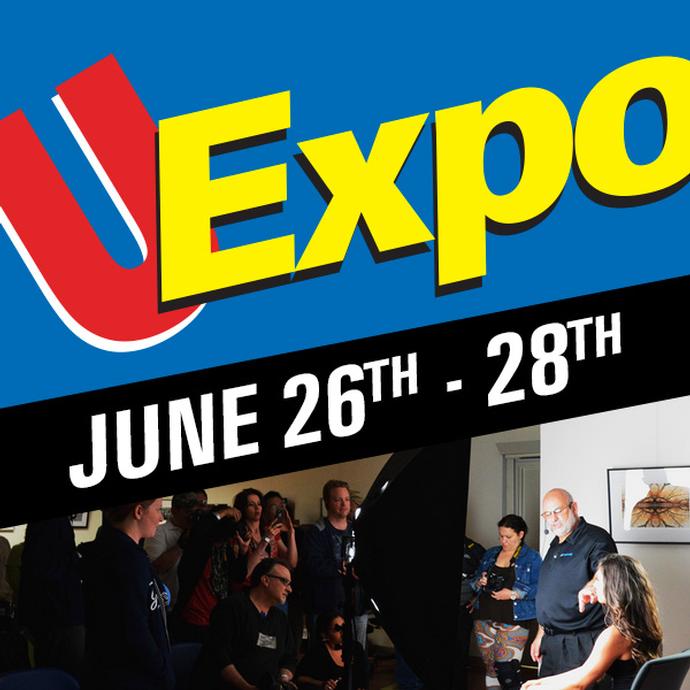
EXPO: Choosing a GoPro Camera with Kevin Zupp stands out as a useful educational resource because it directly addresses the question many travelers ask: when is a GoPro the right camera to bring? The value here is not just product familiarity, but helping users match camera type to actual travel use.
Mirrorless or Interchangeable-Lens Travel Setup
For travelers who care deeply about image quality, lens variety, and more refined control, a compact mirrorless system is still the strongest all-around option. User opinions often favor a body paired with one versatile zoom or a zoom plus a fast prime. This kind of setup can stay relatively light while still covering most travel scenarios.
The challenge is restraint. A mirrorless system becomes less travel-friendly the moment too many lenses, accessories, and support tools get added. The best user experiences usually come from disciplined packing and lens choices tailored to the trip.
What Not to Overpack
One of the clearest patterns in travel discussions is regret over bringing too much gear. Extra lenses, oversized support tools, and specialized accessories often remain unused while adding weight and complexity. In fact, some studio-oriented accessories make little sense for most travelers.
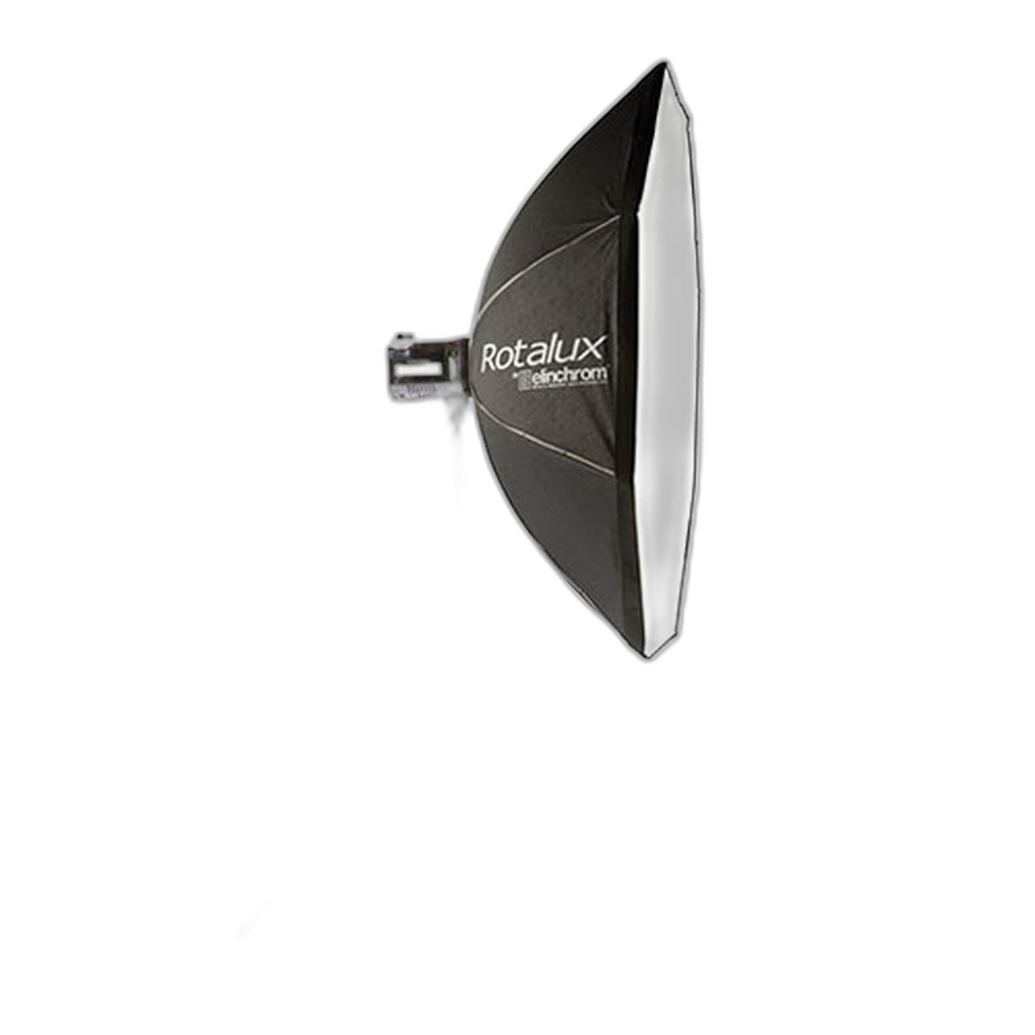
For example, the Elinchrom 53 Inch Rotalux Junior Octa Softbox With 2 Diffusers is an excellent lighting modifier in the right environment, but it also highlights what many travel photographers learn quickly: not every high-performance accessory belongs in a travel kit. Unless your trip is specifically production-focused, compact and multipurpose tools usually beat larger studio accessories for travel efficiency.
Pros and Cons of a Minimalist Travel Camera Setup
Pros:
- Lighter to carry for long days of walking or transit
- Faster to deploy in spontaneous moments
- Less stressful in crowded or unpredictable environments
- Encourages better lens and gear discipline
- Often improves overall shooting enjoyment
Cons:
- May limit creative options in specialized situations
- Can require compromises in low-light or telephoto performance
- Action-camera setups may not satisfy users seeking maximum image control
- Minimal kits demand more intentional planning before the trip
Who This Approach Is Best For
A balanced travel setup is best for photographers and content creators who want to document a trip without letting gear dominate the experience. It suits travelers who value mobility, flexible shooting, and reliable performance more than owning every possible focal length. It is especially appealing to users who have already discovered that carrying less often leads to shooting more.
Verdict
The smartest travel camera setup is usually the one that you will actually carry all day, trust in changing conditions, and use across multiple shooting scenarios. Based on common user experiences, the winning formula tends to be either a rugged compact action camera for maximum mobility or a carefully edited mirrorless kit built around one strong lens choice.
Educational resources from Unique Photo help make that decision easier. EXPO: Choosing a GoPro Camera with Kevin Zupp, NJCS: Choosing the Right Lens for Great Images with Marc Farb and Sigma, and NJCS: Edit and Share Your GoPro Content with Nick Berger (GoPro) each support a different part of the travel workflow, from gear selection to lens strategy to content delivery.
If you are looking to refine your travel photography setup or learn from experienced instructors, Unique Photo is an excellent place to buy and explore these offerings.