Film photography continues to attract new photographers who want a more intentional, hands-on way to make images. If you are just getting started, the right gear can make the learning process smoother, more affordable, and far more enjoyable. At Unique Photo, beginner film photographers can find a mix of used film cameras, accessories, and photo finishing supplies that help build a practical starter kit without overcomplicating the process.
In this guide, we will cover the essential gear and accessories for beginner film photographers, from choosing a camera to organizing your workflow after the roll is finished.
What gear do beginner film photographers actually need?
One of the biggest misconceptions about starting film photography is that you need a huge amount of equipment. In reality, most beginners only need a few core items:
- A reliable film camera
- The correct film format and film stock
- A light meter or camera with built-in metering
- A camera bag or storage solution
- Lens protection and basic cleaning tools
- A way to develop, scan, or print your images
The best beginner film photography gear is simple, dependable, and easy to learn on. Unique Photo is a strong resource for new shooters because it offers both classic used equipment and accessories that support the full image-making process.
Best beginner film camera gear: start with a reliable used film camera
Your camera is the foundation of your film photography kit. For many new photographers, buying used is one of the smartest ways to enter the hobby. A quality used camera often delivers a better shooting experience than a random bargain camera of unknown condition.
A great example is the Used Voigtlander Perkeo I 6x6 120 Film Camera - Good. For beginners who want to explore medium format film photography, a camera like this introduces a slower, more deliberate workflow that teaches composition and exposure discipline. Medium format is not always the cheapest place to start, but it is a rewarding option for photographers who want large negatives and a classic film look.
When shopping at Unique Photo, beginners should look for cameras that are clearly described by condition and format. Whether you start with 35mm or 120 film, reliability matters more than having the most advanced model.
Should beginners choose 35mm or medium format film photography?
This is one of the most common questions from new film photographers. Both formats are excellent, but they serve different needs.
- 35mm film cameras are often easier to load, more portable, and generally less expensive to shoot.
- 120 medium format cameras produce larger negatives, often higher detail, and a distinctive shooting experience, but each roll gives fewer frames.
If your goal is to practice frequently and keep costs manageable, 35mm is often the easiest way to begin. If you are drawn to vintage craftsmanship and a more measured approach, a camera like the used Voigtlander available through Unique Photo can be an inspiring first step into film.
Essential accessories for beginner film photographers
Once you have a camera, the next step is building out the accessories that protect your equipment and improve your results. You do not need everything at once, but a few accessories are especially useful.
Lens protection and basic filter kits
Filters and lens protection are often overlooked by beginners. A simple kit can help safeguard your lens and give you room to experiment creatively. The Tiffen 46mm Photo Essentials Kit/TPK1 is the kind of practical accessory that makes sense for new photographers using compatible lenses. A starter filter kit can help reduce glare, protect the front element, and introduce basic image control without requiring advanced technique.
Power and support accessories
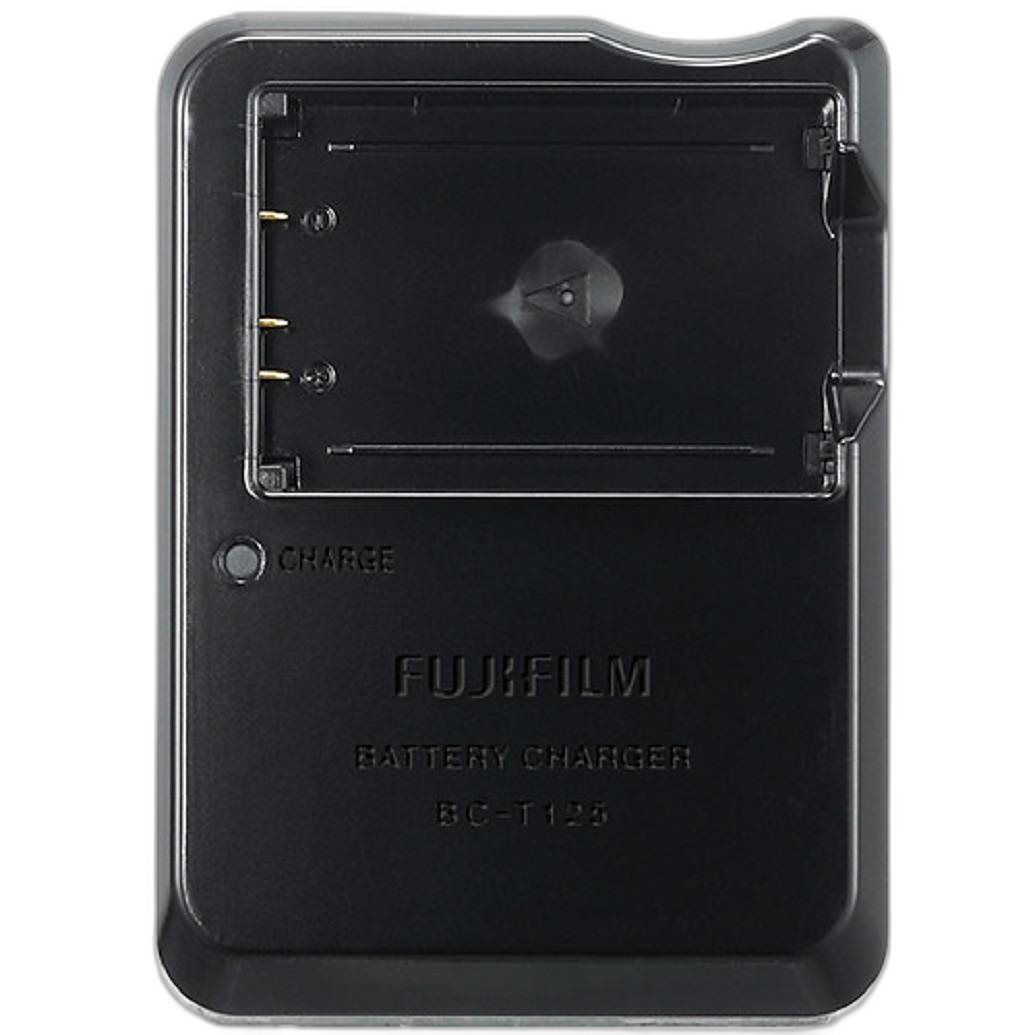
While many film cameras are fully mechanical, some accessories in a hybrid workflow still rely on power. For photographers who also use digital tools to document, scan, or support their process, dependable charging matters. Products like the Fujifilm BC-T125 Battery Charger for GFX 50S 50R GFX100 may not be film-camera essentials in the traditional sense, but they show the kind of broader camera support gear available at Unique Photo for photographers who work across film and digital systems.
How to store, organize, and protect film photography gear
Beginner film photographers often focus on the camera and film, but safe storage is just as important. Film gear can be decades old, so protecting it from dust, moisture, and impact is essential.
Keep these tips in mind:
- Store cameras in a cool, dry place
- Use lens caps and protective filters when appropriate
- Keep exposed and unexposed film clearly labeled
- Carry a microfiber cloth and blower for routine cleaning
- Avoid leaving film or cameras in hot cars
Developing good storage habits early will extend the life of your equipment and preserve your negatives.
What happens after you shoot? Film developing, printing, and darkroom essentials
After finishing a roll, beginners have a few options: send film to a lab, develop at home, scan the negatives, or make prints. For many new photographers, starting with lab development is the simplest route. As skills grow, home developing and printing can become part of the experience.
Unique Photo is especially relevant here because film photography does not end at the camera. Printing and darkroom supplies are an important part of the analog workflow, and the right materials make a difference.
For example, products such as Fujifilm DIGITAL PRO 12X354 GLOSSY and Fujifilm Paper Super Type Cn 4x610 NBP Matte represent the kinds of paper options associated with photo finishing and darkroom-related workflows. Different surfaces, including glossy and matte, create different presentations for your final images.
For more advanced processing environments, chemistry products such as Fujifilm Digital RA PRO Developer/Replenisher Part B support print development workflows. Beginners may not jump directly into chemical printing setups, but it is helpful to understand that film photography can naturally grow into a full analog process over time.
Do beginner film photographers need to print their photos?
Not necessarily, but printing is one of the most rewarding parts of shooting film. Even if you start with scans, holding a physical print changes the experience. It helps you evaluate composition, contrast, and color in a more tangible way.
If you eventually move into home printing or work with a lab, papers and finishing supplies become part of your essential gear conversation. Unique Photo carries a range of products that support photographers beyond the camera body alone, which is one reason it is a valuable destination for those building a long-term film workflow.
Can beginners build a hybrid film and digital workflow?
Yes, and many do. A hybrid workflow means shooting on film and then using digital tools for scanning, editing, archiving, or sharing. This approach is especially practical for beginners because it combines the look of film with the convenience of modern post-production.
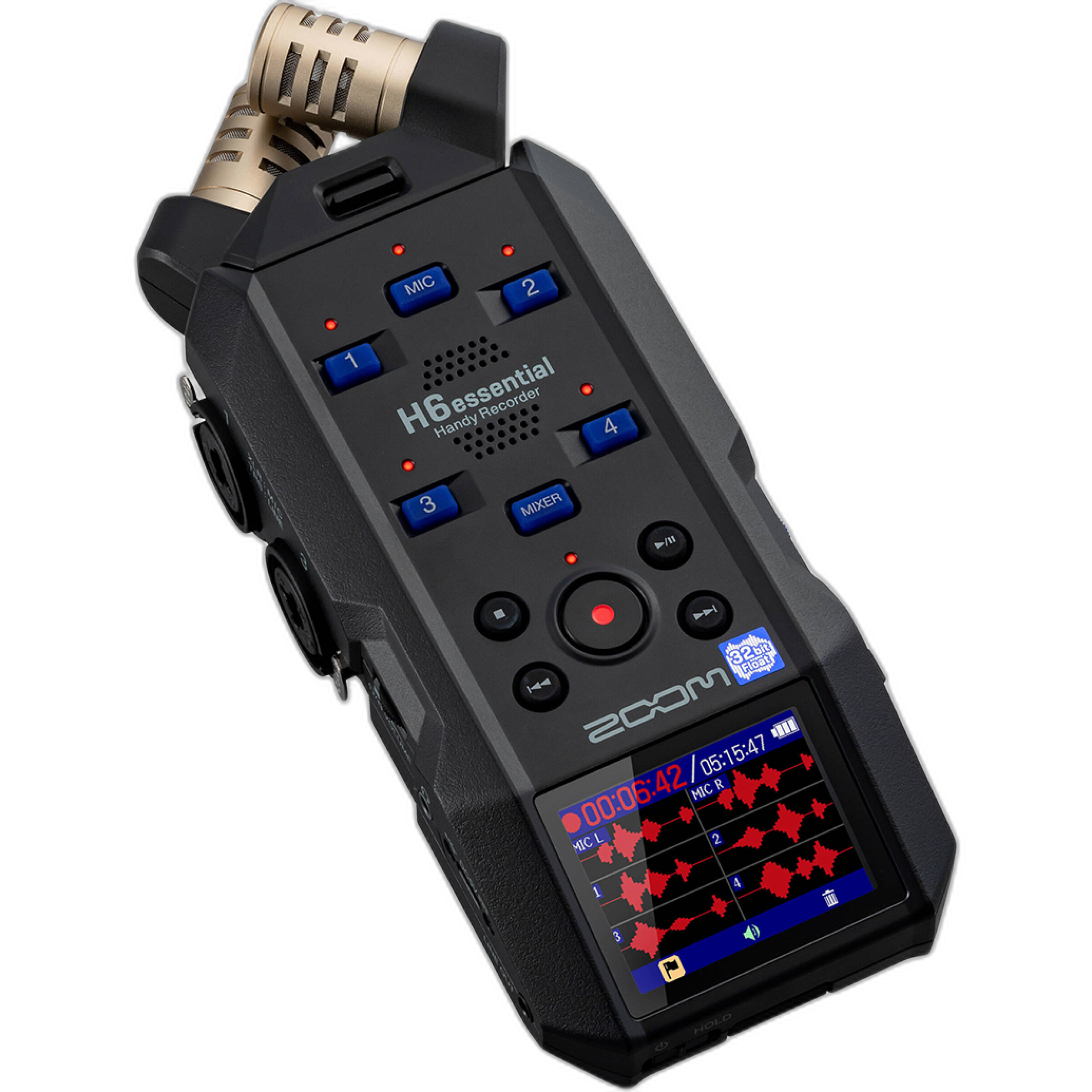
Some photographers even expand their creative projects with audio and multimedia tools. For content creators documenting behind-the-scenes film shoots, something like the Zoom H6Essential Series 6-Track 32-Bit Float Handheld Recorder can complement a broader creative workflow. It is not a core film accessory, but it demonstrates how many photographers today build mixed-media kits around analog image-making.
Film photography starter kit checklist for beginners
If you want a simple checklist, here is a strong place to begin:
- Reliable film camera
- Film suited to your camera format
- Spare batteries if your camera requires them
- Protective filter or starter filter kit
- Cleaning cloth and blower
- Camera strap and carrying case
- Notebook for exposure notes
- Lab development plan or home developing setup
- Scanning or printing solution
As your skills improve, you can add more specialized accessories. The key is to start with gear that encourages you to shoot regularly. Unique Photo makes that easier by offering equipment and supplies that support beginners from the first roll through the final print.
How to choose the best beginner film photography gear without overspending
The smartest way to avoid overspending is to focus on function over hype. Many beginners are tempted by collectible cameras or specialty accessories before they understand what they really need. Instead:
- Choose one dependable camera and learn it thoroughly
- Buy only the accessories that solve a real problem
- Start with lab development before investing in a full darkroom
- Use used gear when it offers strong value
- Expand based on shooting experience, not trends
Unique Photo is helpful in this stage because it offers access to both practical accessories and used gear options, which can be ideal for photographers who want quality while staying within a budget.
Final thoughts on essential film photography gear for beginners
Getting started with film photography does not require a massive investment. A dependable camera, a few practical accessories, and a plan for developing or printing your work are enough to begin. As you gain confidence, you can grow into medium format cameras, darkroom papers, chemistry, and a more advanced hybrid workflow.
Unique Photo is a great place for beginner film photographers to explore the full process, from used cameras to finishing supplies. If you are building your first kit, consider starting with a reliable camera, a simple filter or protection accessory, and a clear plan for how you want to handle your negatives after shooting.
For additional internal linking opportunities on Unique Photo, consider guiding readers to pages covering used camera gear, used film cameras, darkroom supplies, and educational resources for film development and printing.