Choosing between current APS-C mirrorless cameras can feel harder than it should be. On paper, many models look close: similar resolution, strong autofocus, fast burst rates, and excellent video specs. But when photographers share personal reviews and side-by-side comparisons, the differences become much more practical. The best camera often comes down to what you shoot, which lenses you plan to use, and how comfortable the system feels over time.
If you are weighing Fujifilm, Sony, Canon, Nikon, or other APS-C mirrorless options, these tips can help you focus on real-world decision points instead of getting lost in spec sheets.

Start With Your Main Use-Case, Not the Spec Sheet
1. Match the camera to what you actually shoot most
- Street and travel: Size, lens compactness, battery life, and discreet handling matter more than headline burst speed.
- Sports and wildlife: Autofocus tracking, frame rate, viewfinder responsiveness, and telephoto lens options should lead your comparison.
- Portraits: Skin tones, eye detection, flash compatibility, and access to portrait-friendly lenses are often more important than raw speed.
- Video and hybrid work: Look at rolling shutter, heat management, headphone and mic support, stabilization, and lens focus breathing.
Members reviewing APS-C bodies often point out that a camera that feels incredible for travel may be less satisfying for indoor action, and a great sports body may be overkill for everyday family photography. Keeping your main use-case front and center helps narrow the field quickly.
Compare Lens Ecosystems Before You Compare Bodies
2. The system matters longer than the camera body
One of the most common pieces of advice from experienced users is to compare lenses first. APS-C mirrorless bodies update regularly, but your lens kit shapes your results for years. Before choosing a camera, check whether the system offers:
- Compact everyday zooms
- Fast primes for portraits and low light
- Affordable ultra-wide options
- Native telephoto lenses for sports or wildlife
- Third-party support from brands like Sigma, Tamron, and others
For many photographers, this is where practical comparisons become clearer. A body with slightly better autofocus may still be the wrong choice if the lens roadmap does not support your style. This is also why in-person feedback, such as NJCS: Portfolio Reviews with Bess Adler (Fujifilm) or EXPO: Portfolio Reviews with Dennis Cacho (Sony), can be so useful: system-specific insight often reveals what ownership is really like beyond launch-day reviews.

Pay Attention to Ergonomics and Controls
3. A camera you enjoy using usually gets used more
Members frequently mention handling as a deciding factor between current APS-C models. Two cameras can deliver similarly strong image quality, but one may feel much faster and more intuitive in the hand.
- Do you prefer dedicated dials for shutter speed, ISO, and exposure compensation?
- Do you want a deeper grip for longer lenses?
- Is the menu system easy to learn?
- Can you change autofocus settings quickly while shooting?
This is especially relevant when comparing brands with very different design philosophies. Some photographers love tactile top-dial control layouts, while others prefer modern PASM operation with customizable buttons. If possible, test the camera with the lens you would actually use most.
Be Honest About Autofocus Needs
4. Not everyone needs the most advanced tracking system
Autofocus is a major talking point in personal reviews, but it helps to separate “best available” from “best for you.” If you mostly photograph landscapes, portraits, products, or travel scenes, nearly all current APS-C mirrorless cameras are capable. If you regularly shoot birds, kids running indoors, dance, or field sports, autofocus performance becomes a much bigger part of the buying decision.
Practical comparisons from experienced users are especially valuable here because they reveal how autofocus behaves in difficult light, cluttered backgrounds, or fast direction changes. That kind of advice is often more meaningful than a simple test chart result.
Think About Video as a Workflow, Not a Feature List
5. Strong video specs only matter if they fit how you shoot
Many APS-C mirrorless models now offer impressive video options, but real-world usability is what counts. Ask yourself:
- Do you need oversampled 4K for detail?
- Will you shoot handheld and need stabilization support?
- Do you record long clips where overheating could matter?
- Do you color grade heavily and need log profiles?
- Will you use native APS-C lenses for quieter autofocus during video?
Hybrid shooters often benefit from speaking with pros or attending critique and review events where camera choice is discussed in the context of deliverables, not marketing language. Programs such as Portfolio Reviews with the Pros (Philly) can help photographers connect camera decisions to actual assignments and creative goals.

Consider Upgrade Paths and Cross-Compatibility
6. Make sure today’s APS-C choice still makes sense tomorrow
Another recurring theme in technical comparisons is system compatibility. Some photographers want APS-C as their long-term format; others see it as a starting point before moving into full-frame. That changes what “best” means.
- If you may move to full-frame later, look at whether lenses can transition with you.
- If you want to stay APS-C, prioritize brands with a mature APS-C-native lens lineup.
- If you already own flashes, adapters, or support gear, factor that into the switch cost.
This is where personal instruction can be extremely helpful. Personal One-on-One Instruction with Michael Downey is a great example of the kind of hands-on guidance that can help narrow choices based on your current kit, budget, and shooting goals rather than general internet advice.

Use Prints and Editing to Judge Image Quality
7. Don’t compare only zoomed-in files on a monitor
When members share personal reviews, image quality debates often focus too much on pixel-level inspection. A smarter approach is to compare files the way you will actually use them: prints, social delivery, client galleries, or edited portfolios. Color response, highlight recovery, dynamic range, and high-ISO rendering should be judged in context.
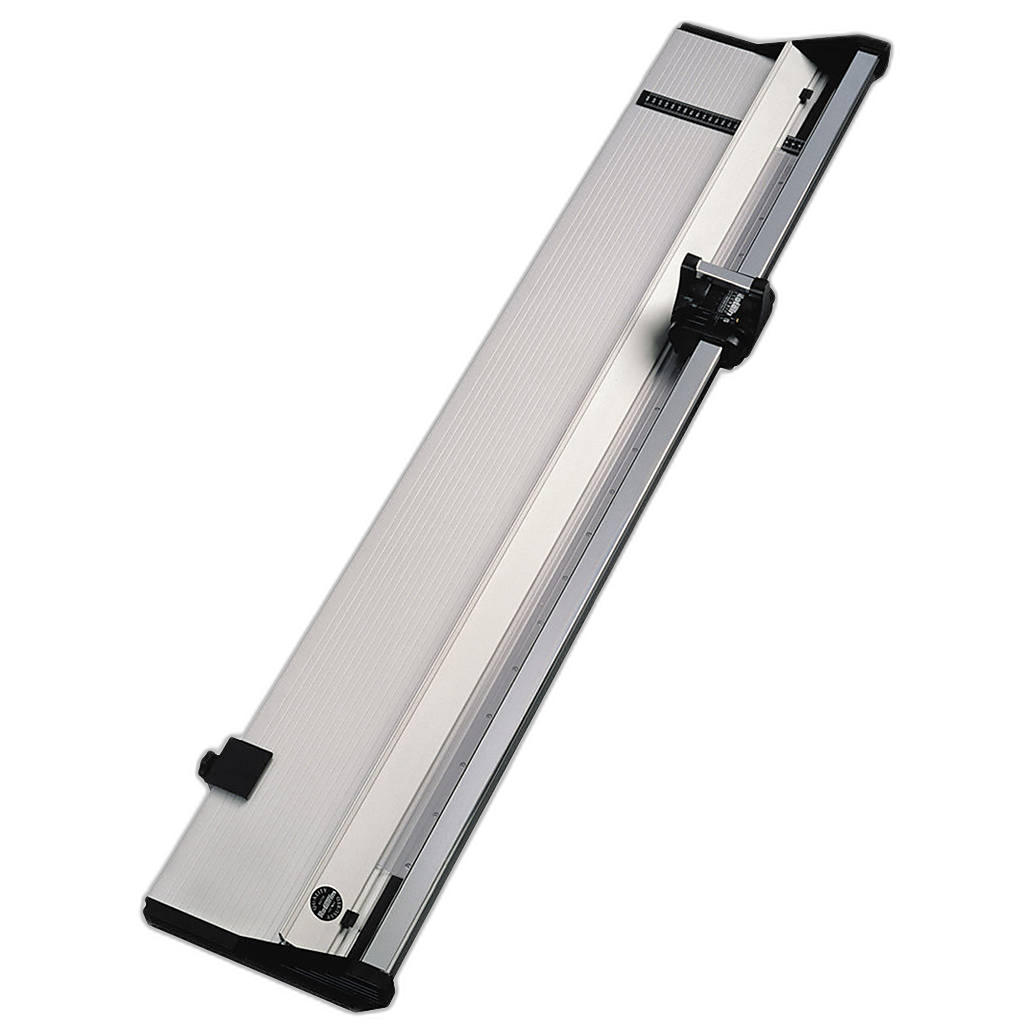
If you are making prints for review, presentation, or side-by-side evaluation, tools that support neat finishing can be part of the workflow too. The Rotatrim Technical Series 2150 can be a practical addition for photographers trimming printed comparisons, portfolio sheets, or presentation materials cleanly and consistently.
Organize Your Everyday Kit Around the Camera You Choose
8. The best APS-C setup is portable enough to go with you
APS-C is popular partly because it balances performance and portability. Once you settle on a body, think about how you will carry spare batteries, cards, cables, and small accessories. Keeping a compact kit organized makes travel and day-to-day shooting easier, especially if your goal is to bring the camera more often.
Something simple like the 12x8 Personalized Accessory Pouch can help keep essentials together in a bag, whether you shoot with a compact prime setup or a small hybrid video kit.

Get Feedback From Working Photographers and Reviewers
9. Real critiques often reveal the right choice faster than more research
If you are stuck between two or three current APS-C mirrorless models, outside feedback can shorten the process. Review sessions and portfolio events help photographers connect camera choice to output, editing habits, and creative direction. Whether the discussion comes from Fujifilm-, Sony-, or lighting-focused reviewers, the value is in hearing how gear decisions support finished work.
Events like EXPO: Portfolio Reviews with Dani Mack (Westcott) and EXPO: Portfolio Reviews with Formento + Formento highlight a useful truth: camera choice matters, but the strongest system is the one that supports your vision, your subjects, and your workflow.


Conclusion
The best APS-C mirrorless camera is rarely the one with the longest spec list. It is the one that fits your subjects, works with the lenses you actually want, supports your future plans, and feels right every time you pick it up. Use personal reviews and technical comparisons as starting points, but let real-world shooting priorities guide the final decision.
If you want more hands-on advice, educational opportunities, or practical feedback on building the right camera system, Unique Photo is a great place to keep learning and refining your setup.