Introduction
For experienced videographers and filmmakers, the question is rarely whether cinema cameras are better in a vacuum. The real question is whether the jump in cost, size, rigging, and workflow complexity delivers meaningful benefits for the kind of projects you actually shoot. Commercial productions, client work, documentary interviews, branded content, short films, and passion projects all place different demands on a camera system.
In many cases, upgrading is not just about the camera body itself. It is also about the support gear and rigging ecosystem that turns a camera into a practical production tool. To illustrate that difference, this comparison looks at two common rigging approaches tied to the cinema-camera conversation: a compact lightweight dovetail setup and a longer ARRI-standard dovetail setup. These accessories are not cinema cameras themselves, but they represent the kind of ergonomic and workflow upgrades filmmakers often invest in when moving toward a more cinema-oriented build.
Side-by-Side Specs Comparison
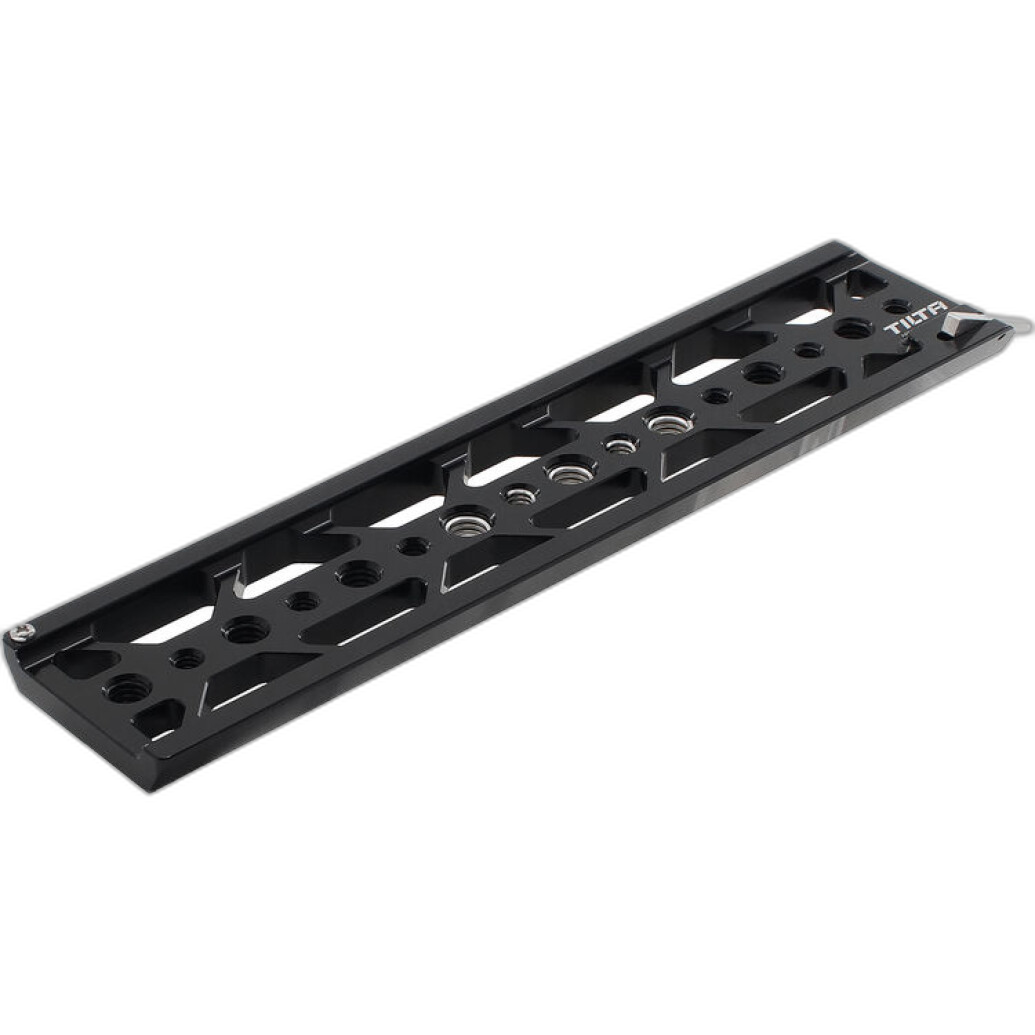
| Feature | Tilta 10 Lightweight Dovetail Plate (Black) | Tilta 14 Lightweight ARRI Standard Dovetail Plate |
|---|---|---|
| Product Type | Lightweight dovetail plate | Lightweight ARRI standard dovetail plate |
| Brand | Tilta | Tilta |
| SKU | TIL3061 | TIL3064 |
| Length | 10 inches | 14 inches |
| Mounting Style | Lightweight dovetail ecosystem | ARRI standard dovetail ecosystem |
| Best Use Case | Compact builds, lighter rigs, streamlined setups | Longer cinema rigs, better balance range, accessory-heavy builds |
| Ideal User | Owner-operators, hybrid shooters, compact cinema users | Cinema crews, shoulder-rig users, filmmakers with expanded accessories |
What This Comparison Says About Cinema Camera Upgrades
When filmmakers talk about upgrading to a cinema camera, they are often really talking about four things at once: image quality, ergonomics, reliability on set, and the ability to build out a camera for repeatable results. A true cinema setup usually benefits from better balance, more mounting options, cleaner power solutions, and easier transitions between tripod, shoulder, and handheld operation. That is where support components like dovetail plates become part of the conversation.
A smaller, lighter build can keep a hybrid or compact cinema camera agile. A longer ARRI-standard base can make more sense once the rig grows to include a matte box, follow focus, V-mount battery, wireless video, audio receiver, and monitor.
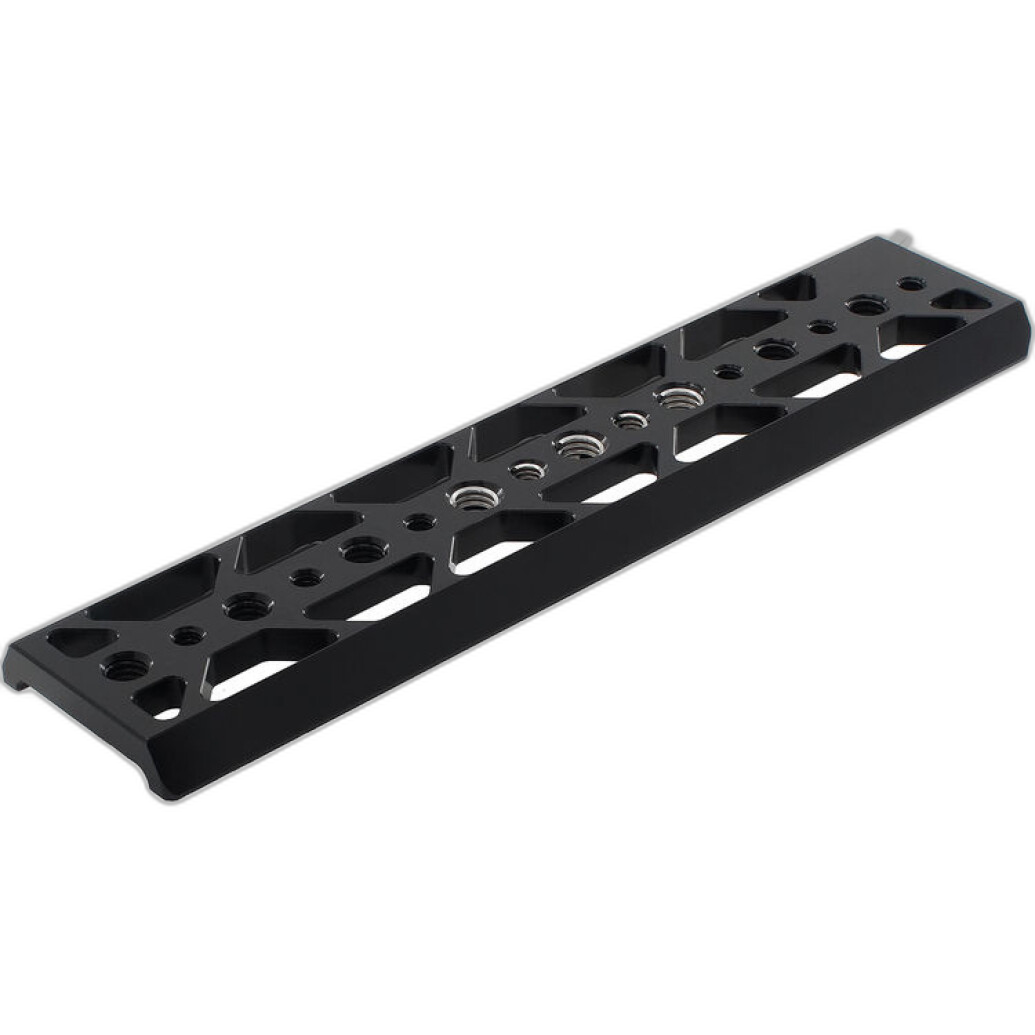
Image Quality Considerations
Image quality is often the first reason filmmakers consider cinema cameras. They may offer higher bit-depth recording, more robust codecs, wider dynamic range, better highlight roll-off, built-in ND filters, and more flexible color workflows. For narrative, commercial, or client work where grading latitude matters, those advantages can be substantial.
That said, many modern hybrid cameras already produce excellent footage for web delivery, documentaries, events, social campaigns, and personal films. If your current setup already delivers the dynamic range, resolution, and codec performance you need, the jump to cinema may improve your workflow more than your final image. In other words, the visible difference might be smaller than expected unless your productions are pushing the limits of your existing gear.
Ergonomics and Set Practicality
This is where cinema systems often justify themselves. A camera built for production usually makes it easier to operate for long shooting days, attach accessories cleanly, maintain balance, and switch support methods quickly. Even something as simple as a properly chosen dovetail plate can affect how stable and efficient a rig feels.
The 10-inch Tilta Lightweight Dovetail Plate is more aligned with leaner builds. For operators using a compact cinema camera or a hybrid body with a cage, it supports a simpler package that is easier to travel with and faster to deploy.
The 14-inch Tilta Lightweight ARRI Standard Dovetail Plate better reflects the needs of larger cinema rigs. The extra length gives operators more room to fine-tune balance, especially when front-heavy lenses and rear-mounted batteries are in play. For shoulder rigs and accessory-heavy builds, that extra adjustment range can make a noticeable difference.
Workflow Improvements
One of the most compelling reasons to invest in cinema gear is not image quality alone, but consistency. A cinema-oriented setup often improves media management, audio integration, timecode compatibility, power distribution, and monitoring options. On productions with multiple crew members or tighter schedules, those efficiencies add up quickly.
Accessory choices matter here too. A more expandable rig platform can reduce setup time and keep accessories mounted in a more dependable way from shoot to shoot. Filmmakers who frequently rebuild their hybrid setup for every job may find that a cinema-style rigging foundation creates a more professional and predictable workflow.
Do You Need the Upgrade for Non-Commercial Projects?
Not always. For non-commercial filmmaking, documentaries, travel films, personal shorts, and experimental work, the need for a cinema camera depends on your priorities. If storytelling flexibility, portability, and budget matter more than maximum production polish, a hybrid camera may remain the smarter choice.
However, if your personal projects involve controlled lighting, deliberate grading, external monitoring, manual focus operation, and repeated rigged setups, cinema gear may still be worth it even without client revenue attached. In that case, the value comes from better handling and fewer technical compromises, not just from sharper specs on paper.
Experienced users should ask: will this upgrade help me shoot more effectively, more comfortably, and more consistently? If the answer is yes, the investment can make sense. If not, putting money into lenses, lighting, audio, or support gear may produce a bigger real-world improvement.
Compact Rig vs Expanded Rig
The choice between these two Tilta plates mirrors the broader cinema-camera debate.
Tilta 10 Lightweight Dovetail Plate: better for shooters who want cinema-style organization without fully committing to a large rig. It supports mobility, lower weight, and a smaller footprint.
Tilta 14 Lightweight ARRI Standard Dovetail Plate: better for filmmakers already working with more elaborate builds and who need the balancing flexibility associated with true cinema-style operation.
Our Pick
Our Pick: Tilta 14 Lightweight ARRI Standard Dovetail Plate
For filmmakers seriously considering the move toward a cinema-camera workflow, the 14-inch ARRI-standard option is the better long-term buy. It offers more room for balancing heavier, more accessorized rigs and better reflects the needs of a true production setup. If your work is evolving toward shoulder-mounted operation, external power, monitoring, and lens-control accessories, this is the more versatile foundation.
The 10-inch Tilta 10 Lightweight Dovetail Plate is still a strong option for compact builds, especially for owner-operators who want to stay light. But for users debating a cinema-oriented investment, the ARRI-standard 14-inch plate aligns more closely with the ergonomic and workflow advantages that make cinema systems appealing in the first place.
Conclusion
For experienced videographers, upgrading to a cinema camera is rarely just about prettier footage. It is about whether the entire shooting experience becomes more efficient, more dependable, and better suited to your style of production. If your projects demand stronger rigging, repeatable balance, better accessory integration, and a more production-ready operating experience, a cinema-oriented setup may be worth the move.
If your non-commercial work is still best served by portability and simplicity, sticking with a hybrid setup and selectively upgrading your support gear may be the smarter path. Either way, building the right foundation matters, and Unique Photo offers tools and accessories that help filmmakers shape a rig around the way they really work.