Introduction: A Practical Review of the Contest-Preparation Process
Preparing work for a photography contest is a lot like evaluating a piece of camera gear: every detail matters, strengths need to be clear, weaknesses need to be managed, and presentation can make the difference between being overlooked and being remembered. In that sense, the best contest submissions are not just strong photographs—they are carefully refined, technically polished, and thoughtfully matched to the competition’s criteria.
This review-style guide looks at the full submission workflow, from image selection and editing to caption writing and final export. Rather than focusing on a single physical product, this article reviews the best practices serious photographers should follow to improve their chances of success. Along the way, educational resources available from Unique Photo can be especially useful for sharpening the skills that judges notice most: storytelling, technical precision, editing discipline, and genre-specific mastery.
For photographers entering landscape, wildlife, travel, fine art, or even niche categories like astrophotography, the strongest submissions usually come from a balanced process: creative vision backed by technical control. That is why preparation deserves to be treated with the same seriousness as the shoot itself.
Start with the Rules: The Most Important Feature of Any Contest Strategy
Read Eligibility, Categories, and File Requirements Carefully
If there is one non-negotiable best practice, it is this: read the contest rules in full before choosing images. Many otherwise excellent entries get disqualified over avoidable technicalities such as incorrect file size, excessive retouching, missing metadata, wrong color space, or category mismatch.
Before uploading anything, confirm:
- Accepted genres and subject matter
- Image dimensions and file size limits
- JPEG, TIFF, RAW, or print requirements
- Deadlines and time zones
- Permitted and prohibited editing practices
- Whether AI-generated or composited elements are allowed
- Caption and statement requirements
- Model or property release expectations
Treat the rules as part of the judging criteria. A technically perfect image that breaks the guidelines is still a poor submission.
Image Selection: Curate Like an Editor, Not an Emotionally Attached Photographer
Choose Your Strongest Work, Not Your Favorite Memory
Contest judges respond to impact, clarity, originality, and execution. Photographers often make the mistake of submitting images because they remember the effort it took to make them. Judges do not see the backstory unless you communicate it effectively; they only see the final frame.
When narrowing down entries, ask:
- Does the image create immediate visual interest?
- Is the subject clear?
- Does the composition feel intentional?
- Is the light helping the story?
- Would this image stand out among dozens or hundreds of thumbnails?
A useful approach is to step away from your archive for a day or two, then come back and review images fresh. Better yet, ask a trusted peer for blunt feedback. Emotional distance almost always improves selection quality.
Submit for Category Fit, Not Just Absolute Quality
One of the most overlooked best practices is matching an image to the right category. A beautiful landscape with a strong environmental story may perform better in a travel or conservation section than in a pure landscape category filled with technically pristine grand vistas. Think strategically about where your work is most distinctive.
Editing and Post-Processing: Refine Without Overpowering
Technical Polish Should Support the Photograph
Editing is where many contest entries either become stronger or fall apart. Exposure, white balance, contrast, color harmony, local adjustments, and sharpening all matter—but heavy-handed processing is easy for judges to spot. Halos, clipped highlights, oversaturated skies, crushed blacks, and unnatural skin or foliage tones can quickly undermine credibility.
The best contest edits usually feel confident but restrained. They guide the eye without calling attention to the software.
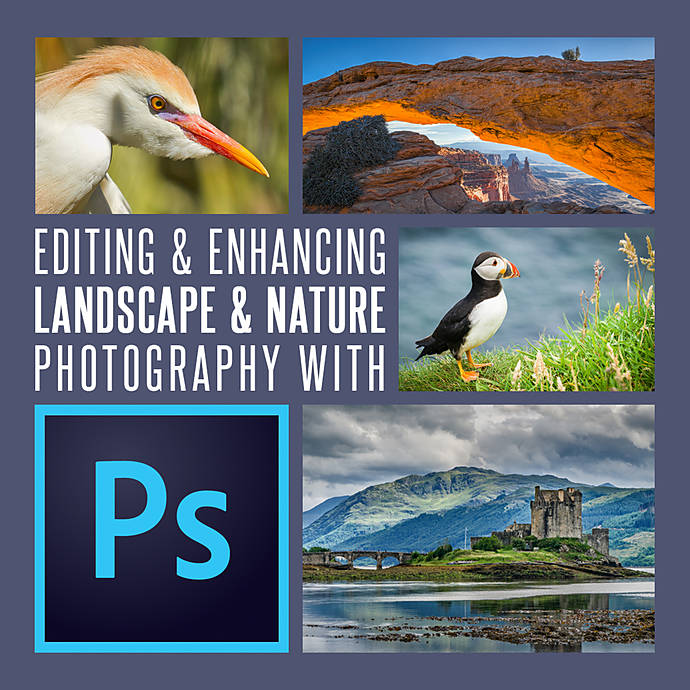
For photographers who want to strengthen this part of their workflow, educational options like Editing and Enhancing Landscape and Nature Photography with Photoshop can be highly relevant. Resources like this, available through Unique Photo, are valuable because contest judges often reward images that are polished yet natural, especially in nature-oriented categories where authenticity matters.
Check at 100% and at Thumbnail Size
This is a simple but effective review habit. Judges may first encounter entries as small previews, where composition and impact matter most. Later, they may inspect files more closely, where technical flaws become obvious. Your image should work in both views:
- At small size: strong composition and clear subject separation
- At full size: clean detail, controlled noise, natural sharpening, and no retouching artifacts
Storytelling Matters: Why Context and Voice Can Improve a Submission
Strong Images Often Carry a Stronger Narrative
Even in contests that prioritize visual impact, storytelling can elevate an image from competent to memorable. This does not mean every photograph needs a long essay attached. It means the image should communicate something beyond basic technical proficiency: mood, place, tension, humor, intimacy, scale, or human meaning.
Photographers looking to improve this dimension can benefit from workshops and talks centered on visual storytelling. For example, EXPO: Stories from the Road - Photography Across Worlds w. Matthew Borowick aligns closely with the idea that photographs resonate more deeply when they show perspective and intention, not just visual prettiness.

Write Captions That Add Value
If a contest requires titles, captions, or artist statements, do not treat them as an afterthought. Keep them concise, specific, and relevant. Good caption writing can clarify location, subject significance, timing, technique, or context without overexplaining the obvious.
A weak caption is vague or sentimental. A strong caption gives a judge one more reason to remember the image.
Genre-Specific Preparation: Tailor the Submission to the Subject
Landscape and Nature
Landscape contest entries benefit from careful tonal control, edge-to-edge composition review, and attention to atmospheric realism. Overprocessed skies and exaggerated dynamic range remain common pitfalls. Educational resources such as Macro and Landscape Photography at Duke Farms with Michael Downey can help photographers refine seeing and composition in natural environments—two qualities that matter deeply in competition work.
Astrophotography
Astrophotography categories demand especially careful handling of noise, star definition, color balance, and compositing ethics. If tracking, stacking, blending, or foreground replacement was used, make sure the contest rules allow it. This is one genre where technical excellence is inseparable from rule compliance.
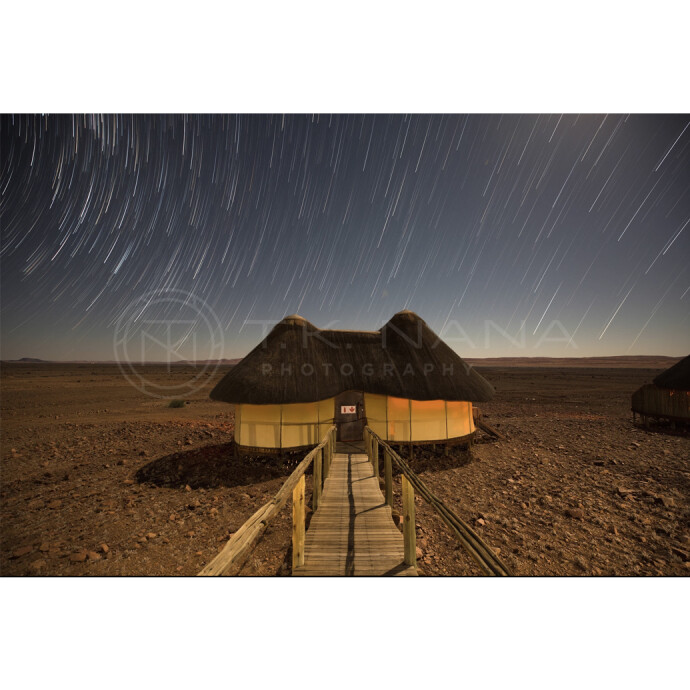
Learning-focused offerings like UUOnline: Astrophotography 4-Part Series with Temu Nana and its session-based counterpart are directly relevant for entrants who want cleaner, more contest-ready night-sky images.

Commercial, Product, and Conceptual Work
For product or conceptual contests, precision is essential. Dust spots, uneven reflections, inconsistent color, and sloppy masking are immediately visible. Structured education like Product Photography and Post Production Editing with Blake Taylor can help sharpen the kind of detail-oriented workflow that judges appreciate in polished studio submissions.
Metadata, File Prep, and Delivery: The Unexciting Step That Wins Reliability Points
Export Carefully and Name Files Professionally
After editing, prepare the file exactly to spec. Use a clean naming convention, verify color profile requirements, and confirm whether metadata should remain embedded. If watermarking is prohibited, remove it. If borders are not allowed, export without them.
Checklist before submitting:
- Correct dimensions and aspect ratio
- Proper color space, usually sRGB unless otherwise stated
- Acceptable compression level
- No accidental watermarks or signatures
- Correct orientation
- Accurate title and caption fields
- Backup copy of final submitted file
This stage may not be glamorous, but it reflects professionalism. Contest administrators notice entrants who make the process easy.
Self-Review Before Submission: Simulate the Judge’s Perspective
Create a Final Review Pass
One of the best habits is to perform a final review as if you were a judge seeing the image for the first time. Look for distractions near the frame edges, awkward crops, sensor dust, excessive clarity, banding in gradients, and any tonal imbalance.
If possible, compare your image beside recent winners from the same competition. Not to imitate them, but to understand the level of finish, style, and originality that tends to succeed.
Pros and Cons of a Thorough Contest-Preparation Workflow
Pros
- Improves technical consistency across submissions
- Reduces risk of disqualification
- Helps photographers select stronger, more category-appropriate images
- Enhances presentation through better captions and export practices
- Builds a more professional, repeatable creative process
Cons
- Can be time-consuming compared to casual submissions
- Requires discipline to cut personally meaningful but weaker images
- May involve additional learning in editing, storytelling, or file prep
- Contest rules vary widely, so the workflow must be adjusted each time
Verdict: The Best Contest Entries Are Built, Not Just Captured
If this topic is reviewed as a workflow, the verdict is clear: the best practice for preparing submissions to photography contests is to treat the process as an end-to-end craft. A strong image is only the starting point. Success comes from intelligent selection, measured editing, accurate category placement, clear storytelling, and flawless technical delivery.
Educational resources can play a meaningful role in improving those skills, especially for photographers refining contest-ready work in landscape, storytelling, product, or astrophotography. Unique Photo is an excellent place to explore those learning opportunities while building a more competitive submission process.
For photographers serious about contest results, the recommendation is simple: slow down, review critically, and submit with the same care you bring to making the photograph in the first place.