The Art of Digiscoping with Photographer Kevin Bolton
by Mike Zawadzki, Technical Specialist Last summer I was fortunate enough to be introduced to Kevin Bolton, an avid birder and photographer. ( Check out his…
Last summer I was fortunate enough to be introduced to Kevin Bolton, an avid birder and photographer. (Check out his blog here) Like many birding enthusiasts, Kevin has always had the desire to capture great images of the birds he encounters on his trips. However the age old problem of needing to spend upwards of $12,000 for a professional camera and lens setup presents itself as a roadblock. Undeterred Kevin started to experiment with a technique called "Digiscoping" that has become a hit in the UK and in Asia. According to Kevin it's starting to catch on here in the US as well. Kevin's method of Digiscoping is essentially taking a pocket camera like the Canon S90/95 and attaching it to a spotting scope that acts as a massive teleconverter. I found this to be fascinating right away so I met up with Kevin at 7AM on a Sunday morning in the Meadowlands. It was truly inspiring to see Kevin capture stunning bird photographs with his digiscoping setup. The video and some of Kevin's great images are after the jump/break.
Kevin Explaining his Technique
Kevin's Photos
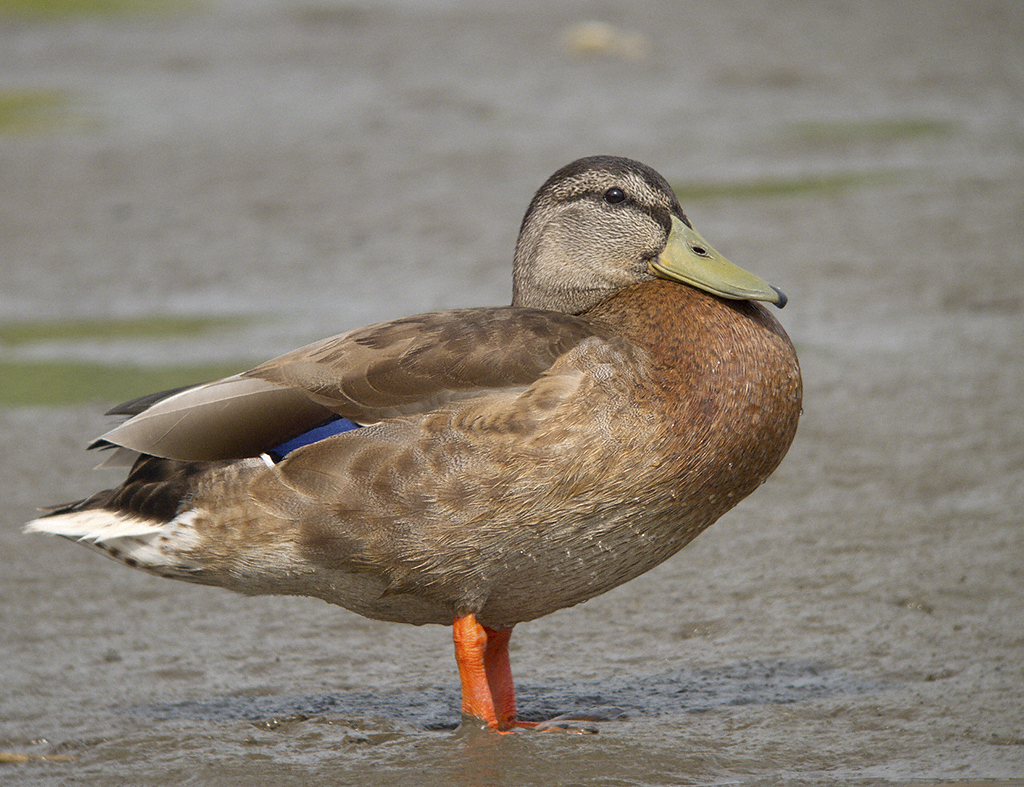
Black Duck Photo by Kevin Bolton
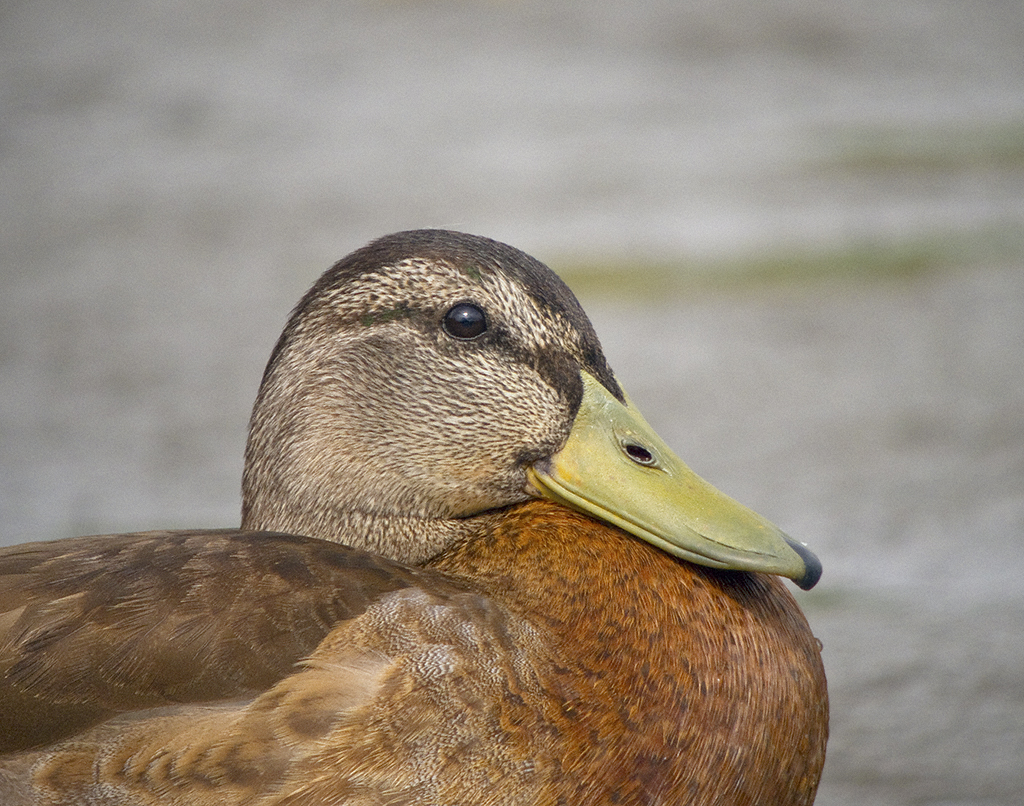
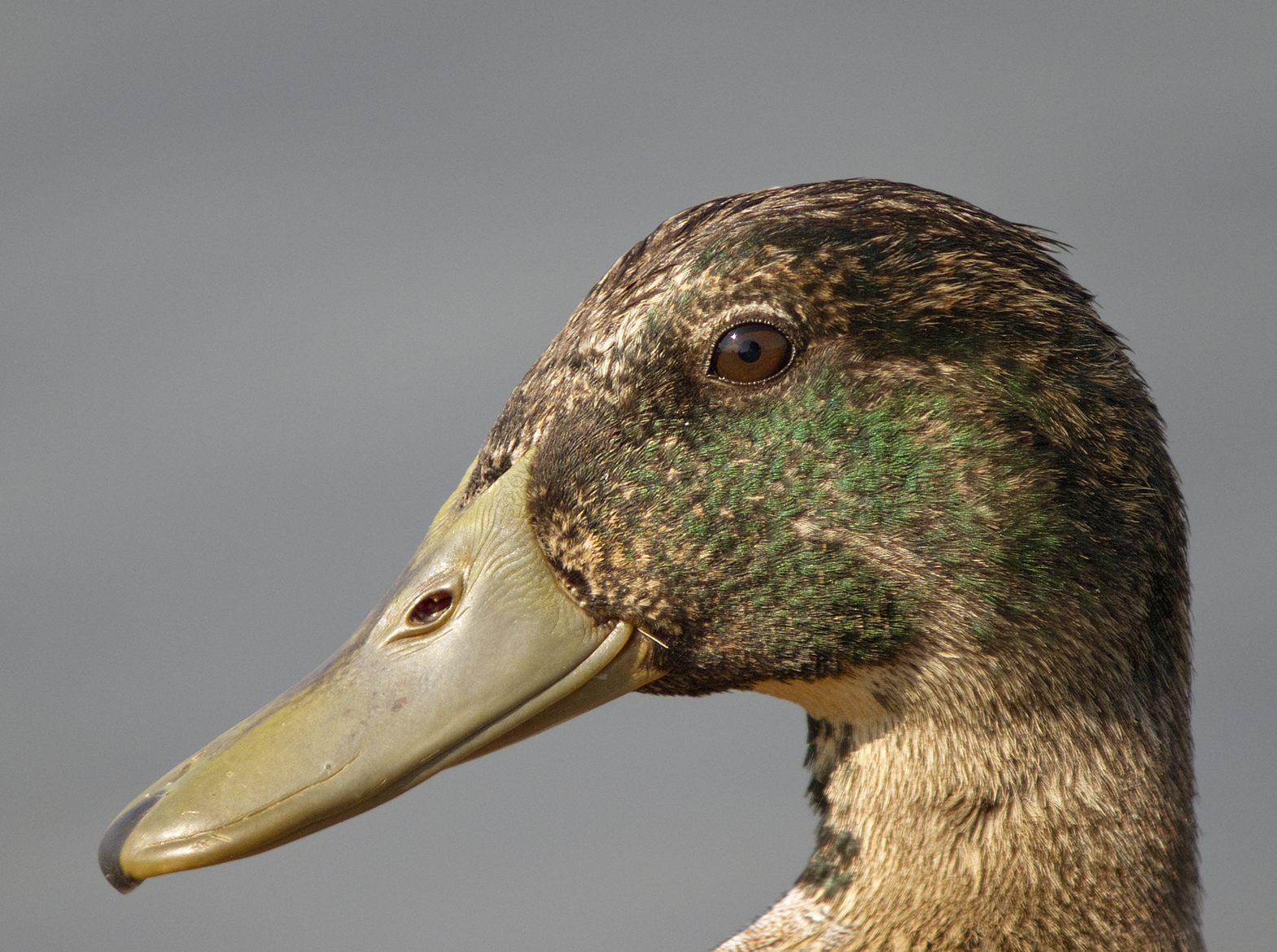
Black Duck Portrait Photo by Kevin Bolton
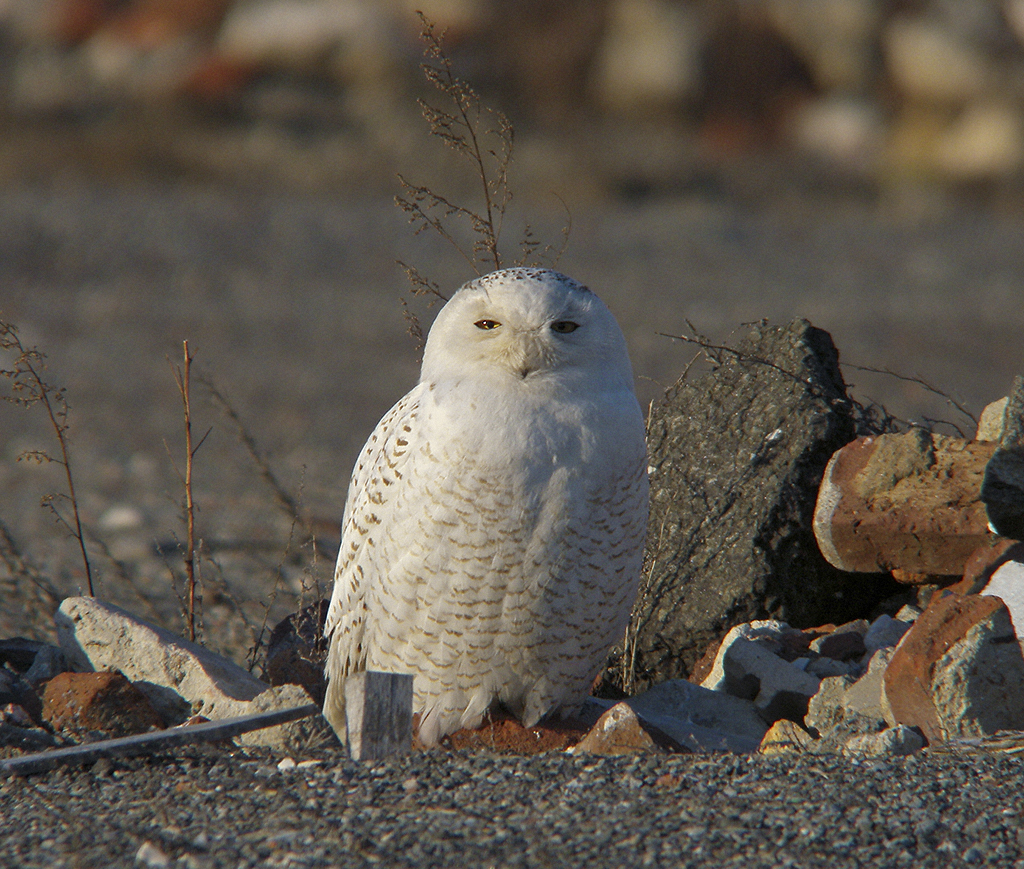
Snowy Owl Photo by Kevin Bolton
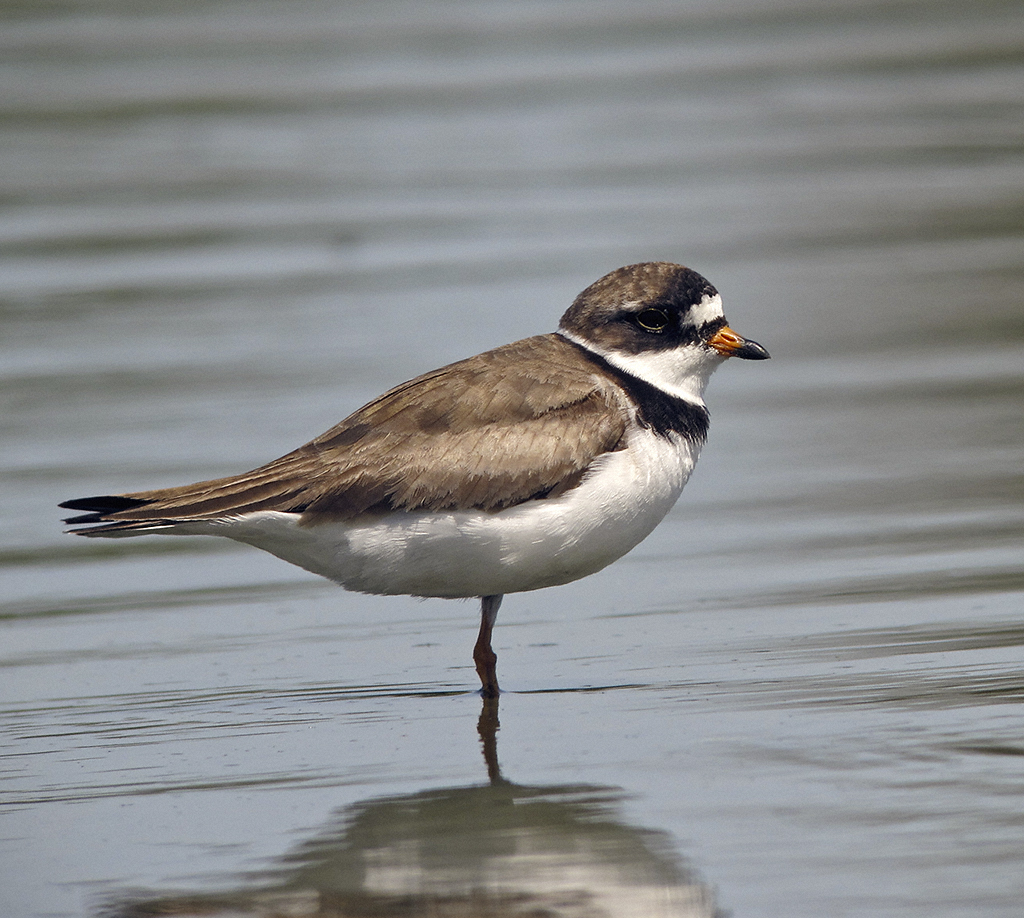
Semipalmated Plover Photo by Kevin Bolton
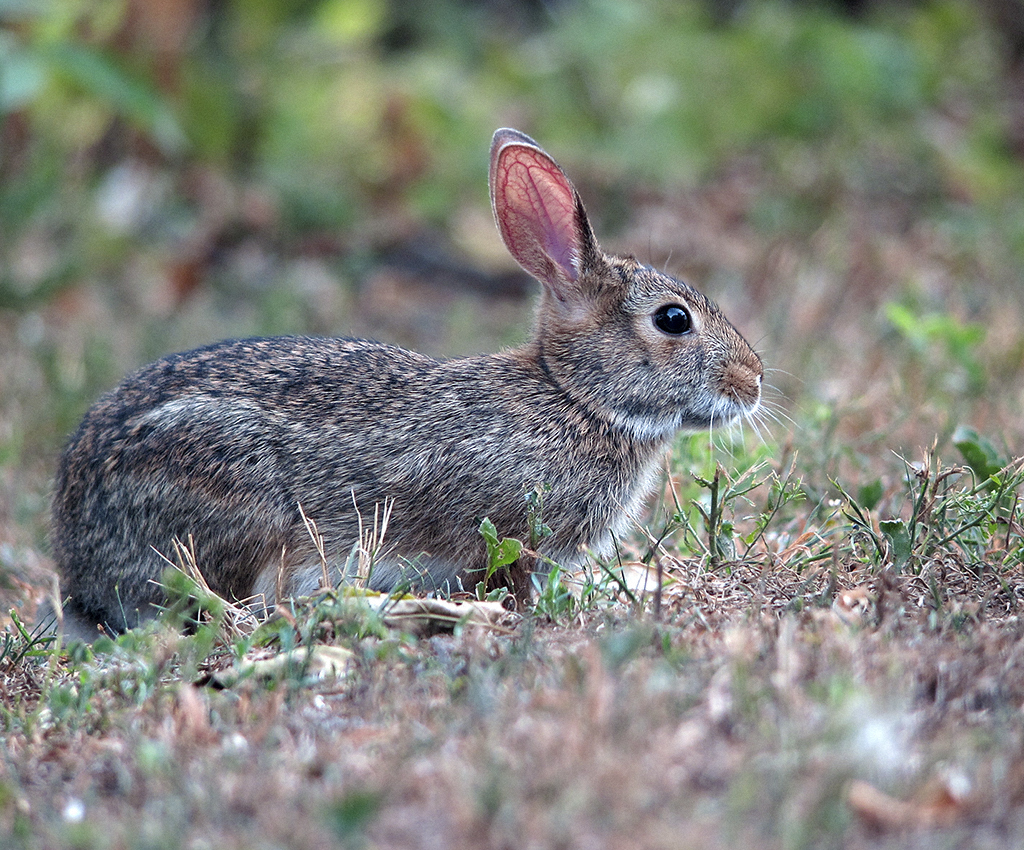
Eastern Cottontail Photo by Kevin Bolton
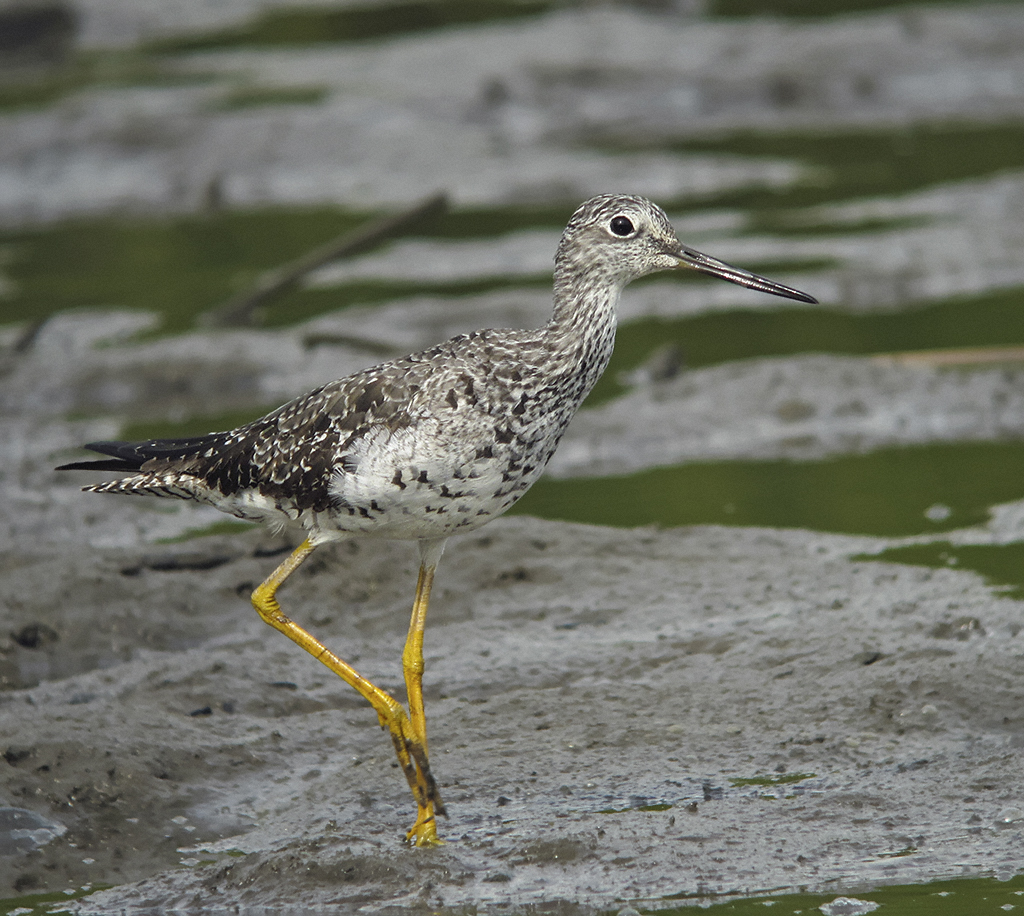
Greater Yellowlegs Photo by Kevin Bolton
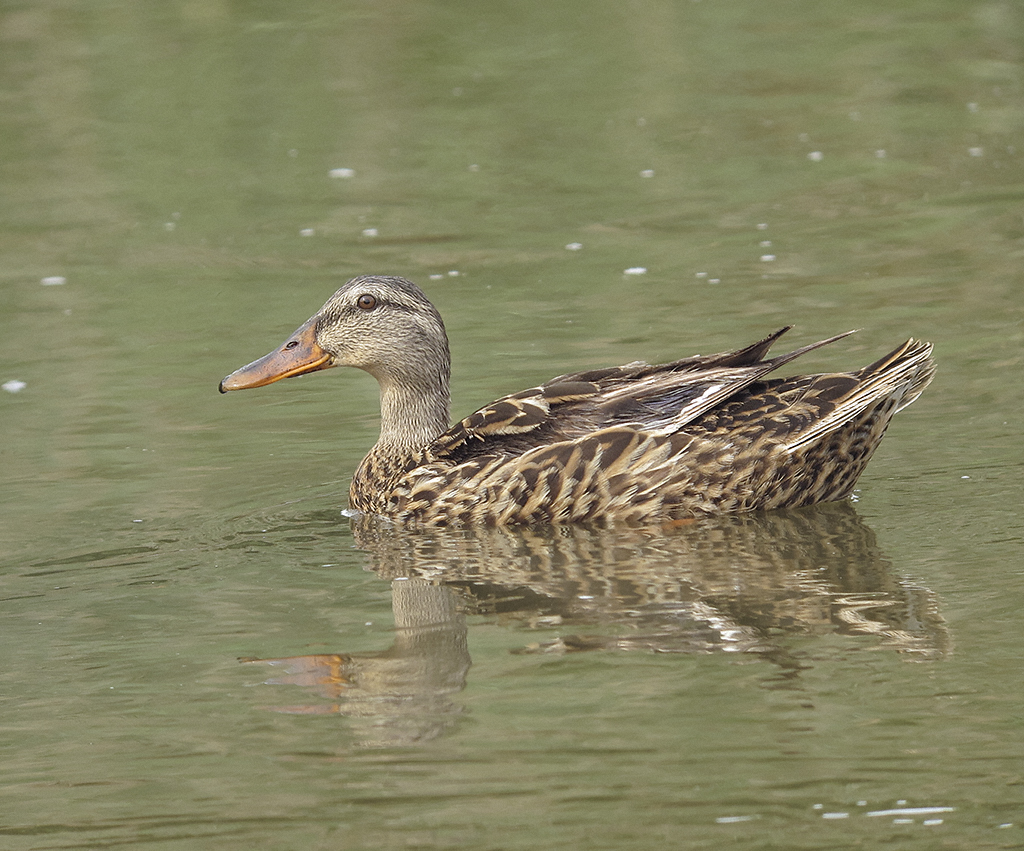
Mallard Photo by Kevin Bolton
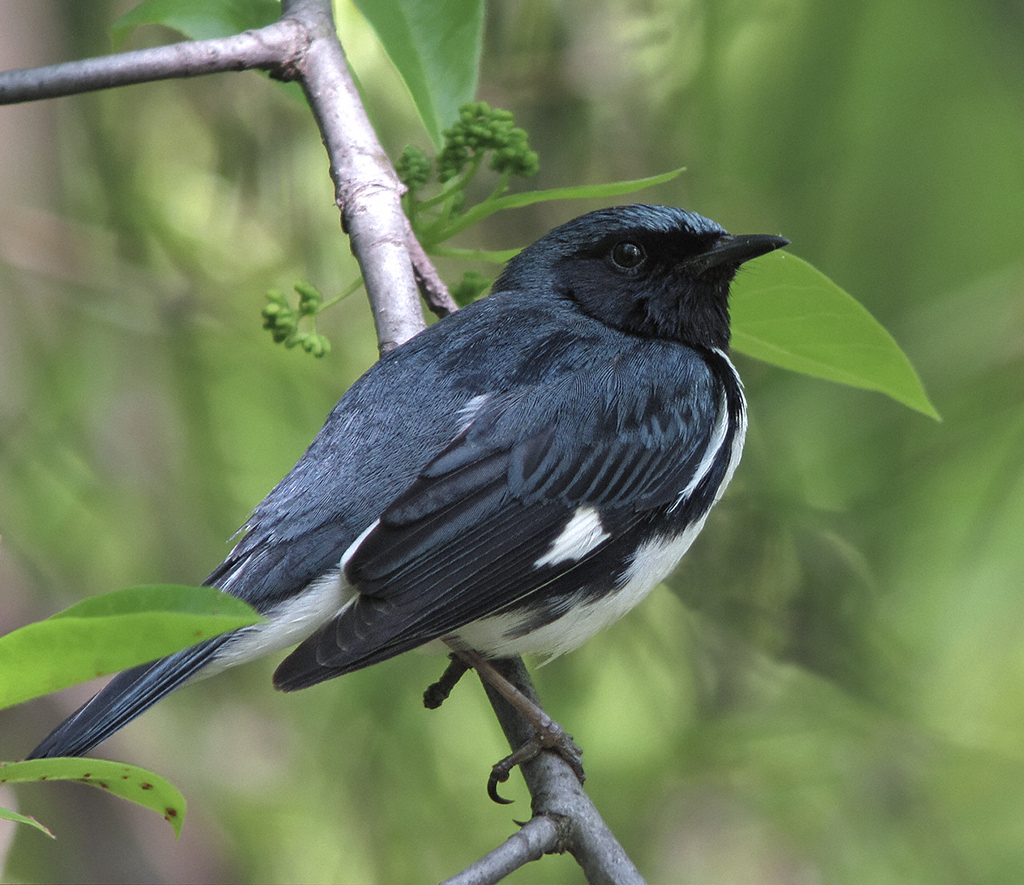
Male Black Throated Blue Warbler Photo by Kevin Bolton
Mallard Photo by Kevin Bolton
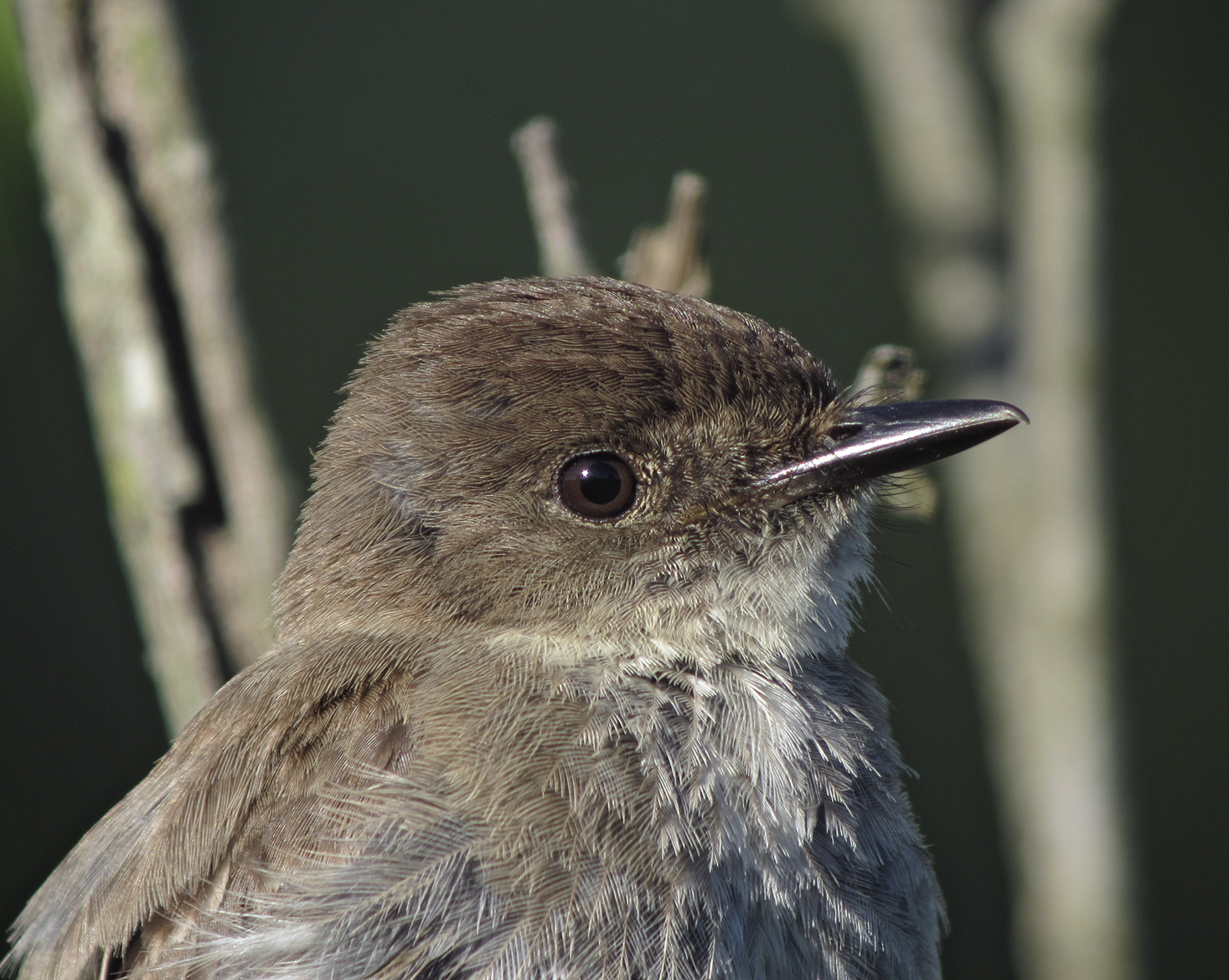
Eastern Phoebe Photo by Kevin Bolton
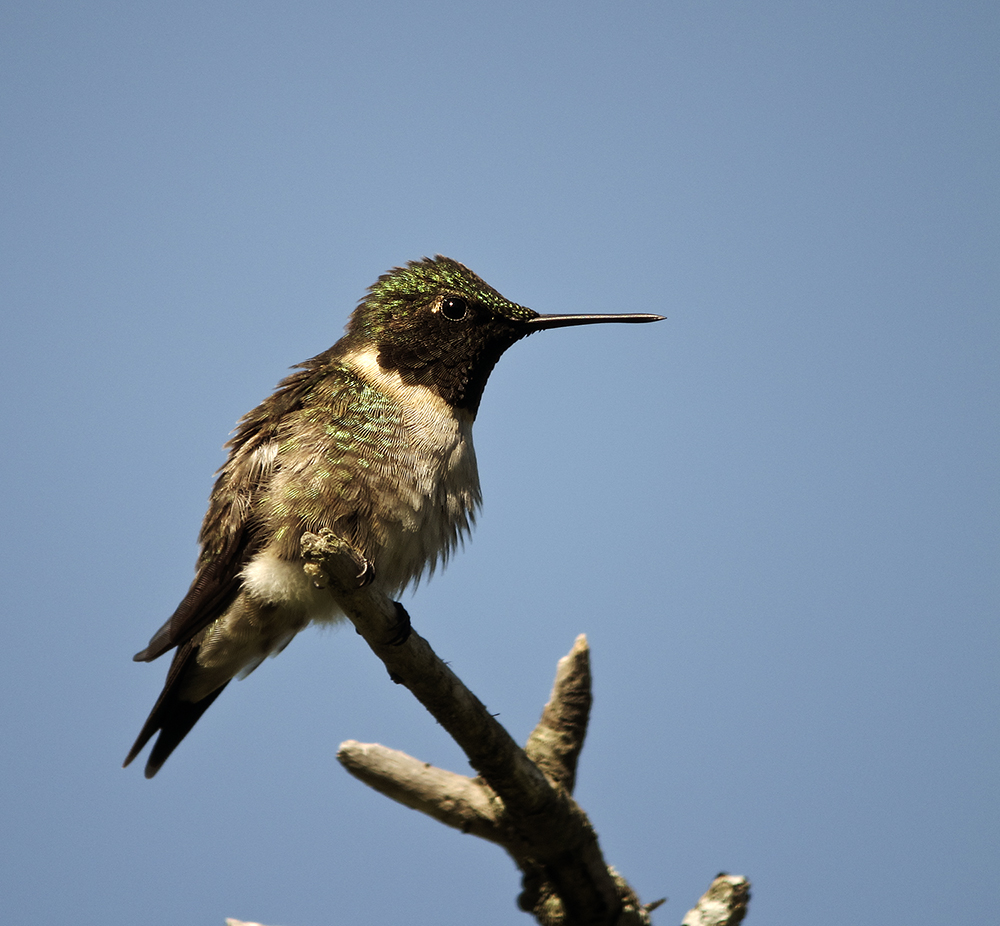
Ruby Throated Hummingbird Photo by Kevin Bolton
My Reaction
I was always curious how people could take good photographs of birds without spending 5-digits on a camera/lens. Tele-extenders with moderately long telephoto lenses such as a 300mm f/2.8 could get the job done, but that is still quite and expensive setup. The Digiscoping method that Kevin describes is still not a bargain. Spotting scopes can be expensive, but not as expensive as 600mm f/4 lens. The glass in the scope must be pristine and making manual focus adjustments is mandatory. So there are some limitations of Digiscoping, it isn't very effective for photographing moving subjects. Also while very long focal lengths can be achieved, there is a limitation of how far the subject is from the camera. At that long focal length and distance, issues of "heat shimmer" and camera shake become a damning reality. However for still subjects that are within 50 or so yards, Digiscoping produces stunningly sharp results with good contrast and color reproduction. I am always impressed by what techniques photographers are using to get the images they want. It's almost easier for someone to spend a lot of money on the best gear and learn how to use it. I am not saying bird photography is easy by any stretch with an SLR and the best telephoto lenses. Shooting effectively with extremely long telephoto lenses is a technique that takes several months, maybe years to learn.
Thank you Kevin for the great interview and demonstration of your technique.