Switching Camera Systems for Better Autofocus and Lenses
For many filmmakers, content creators, and hybrid shooters, the biggest reason to switch camera systems is simple: autofocus performance and lens selection. If your current setup misses focus too often, lacks the glass you need, or feels limiting as your work grows, moving to another mount or brand can be a smart long-term decision. But it can also be expensive and disruptive.
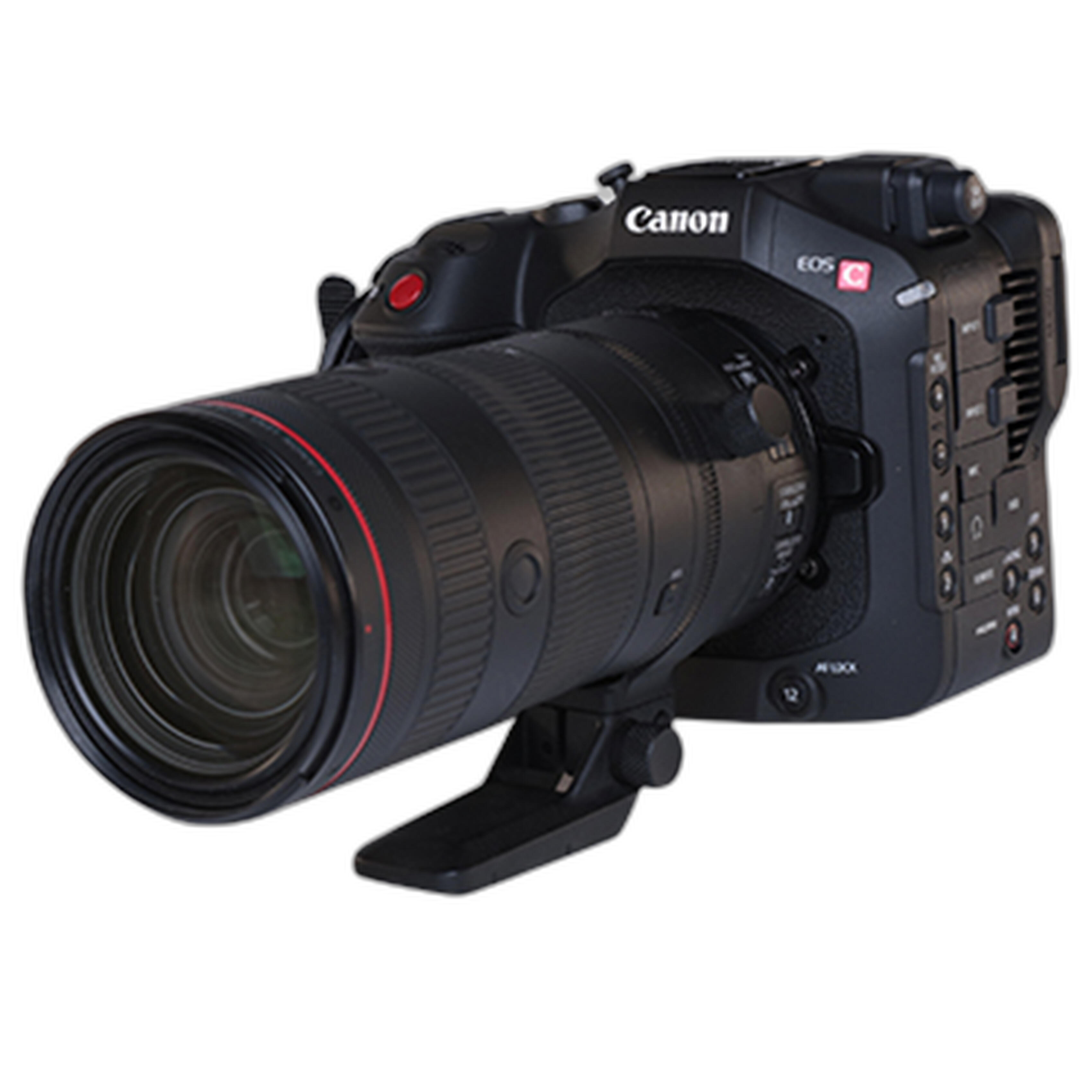
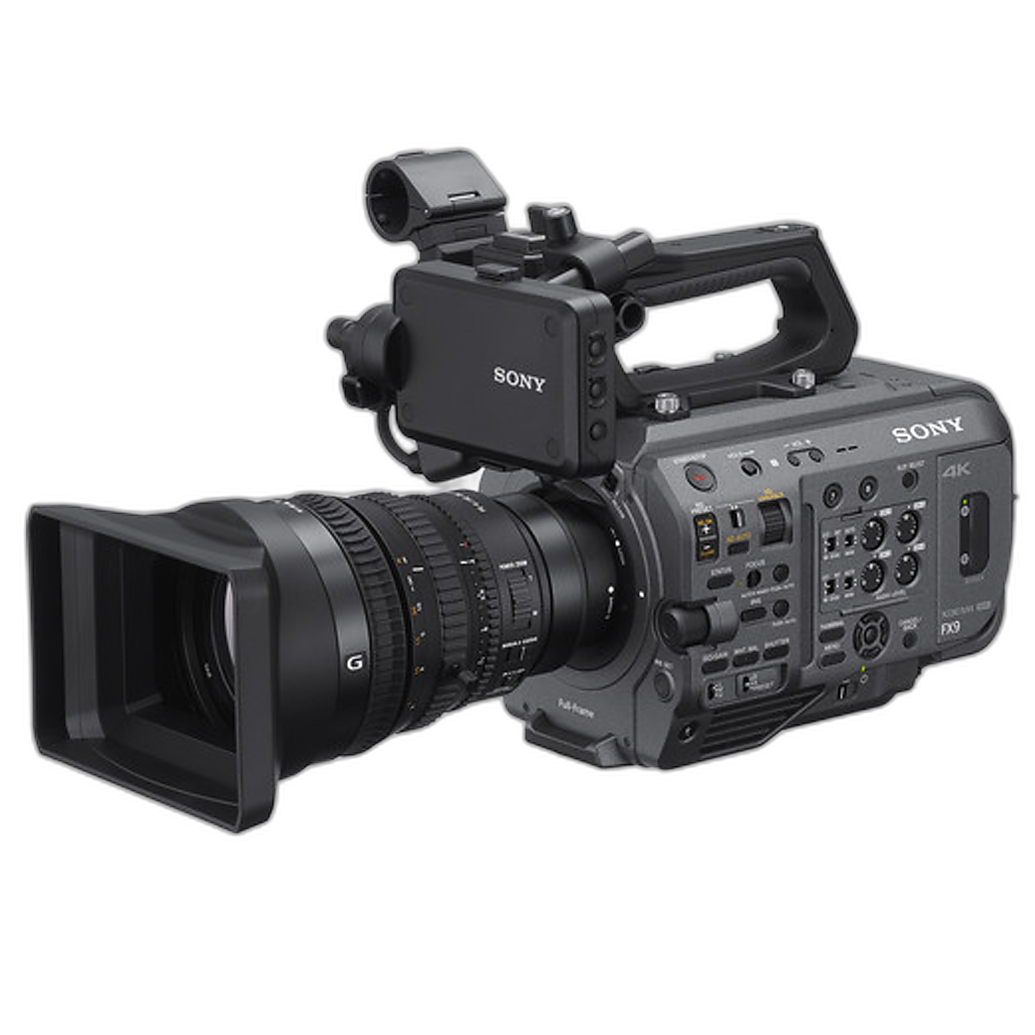
To make that decision clearer, we’re comparing several compelling cinema and hybrid options from Canon and Sony: the Canon EOS C70 with RF 24-105mm f/2.8 L IS USM Z, Canon EOS R5 C kits, Canon EOS C80 with RF 24-105mm f/2.8L, and the Sony PXW-FX9K with 28-135mm f/4 G OSS. We’ll also touch on a Sony E-mount lens option to highlight one of the biggest switching questions: does a stronger lens ecosystem justify the jump?
Side-by-Side Specs Comparison
| Product | Sensor Format | Autofocus Positioning | Lens Mount / Included Lens | Best For |
|---|---|---|---|---|
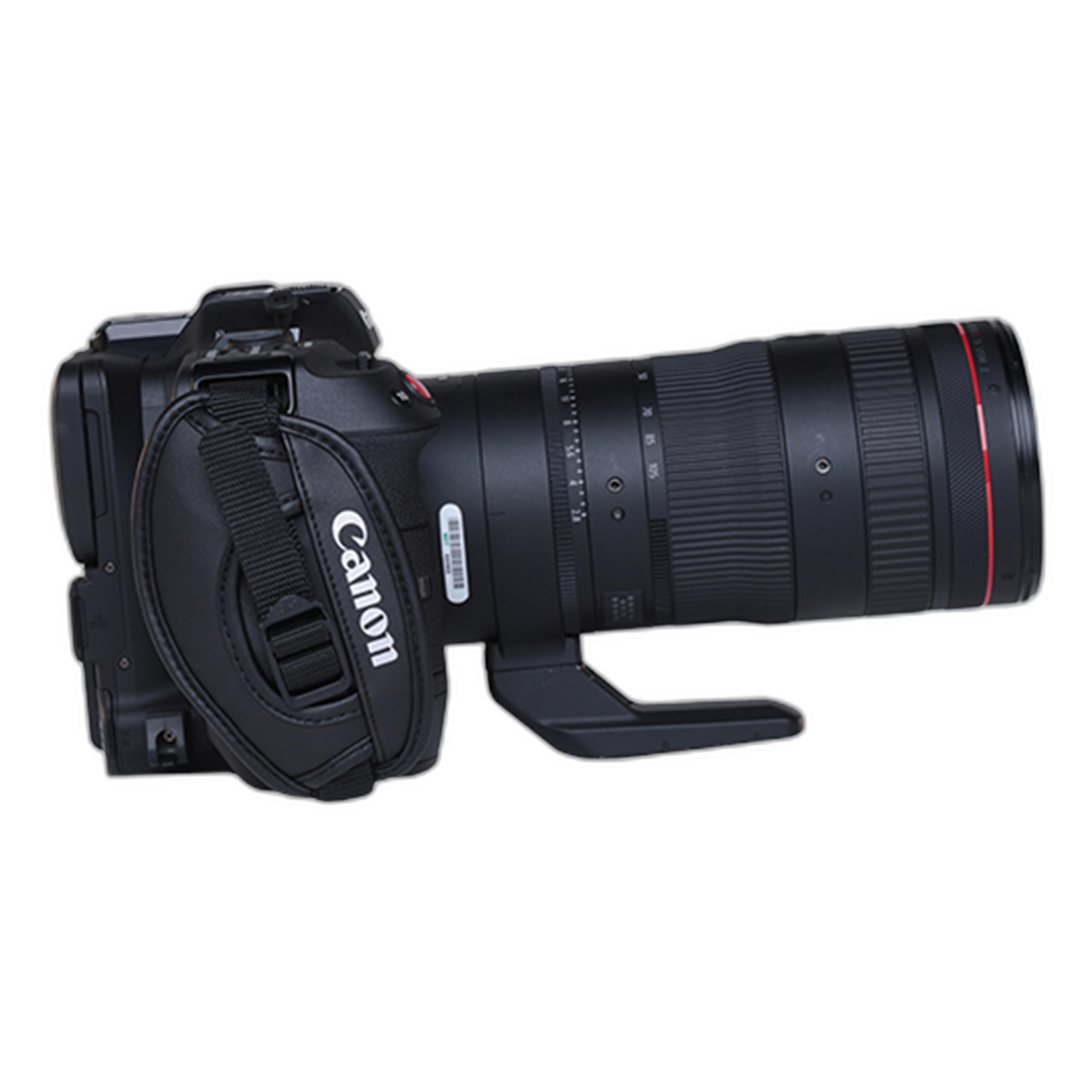
| Canon EOS C70 + RF 24-105mm f/2.8 L IS USM Z | Super 35 cinema camera | Strong Canon Dual Pixel AF workflow | RF / 24-105mm f/2.8 | Run-and-gun cinema, documentary, event video |
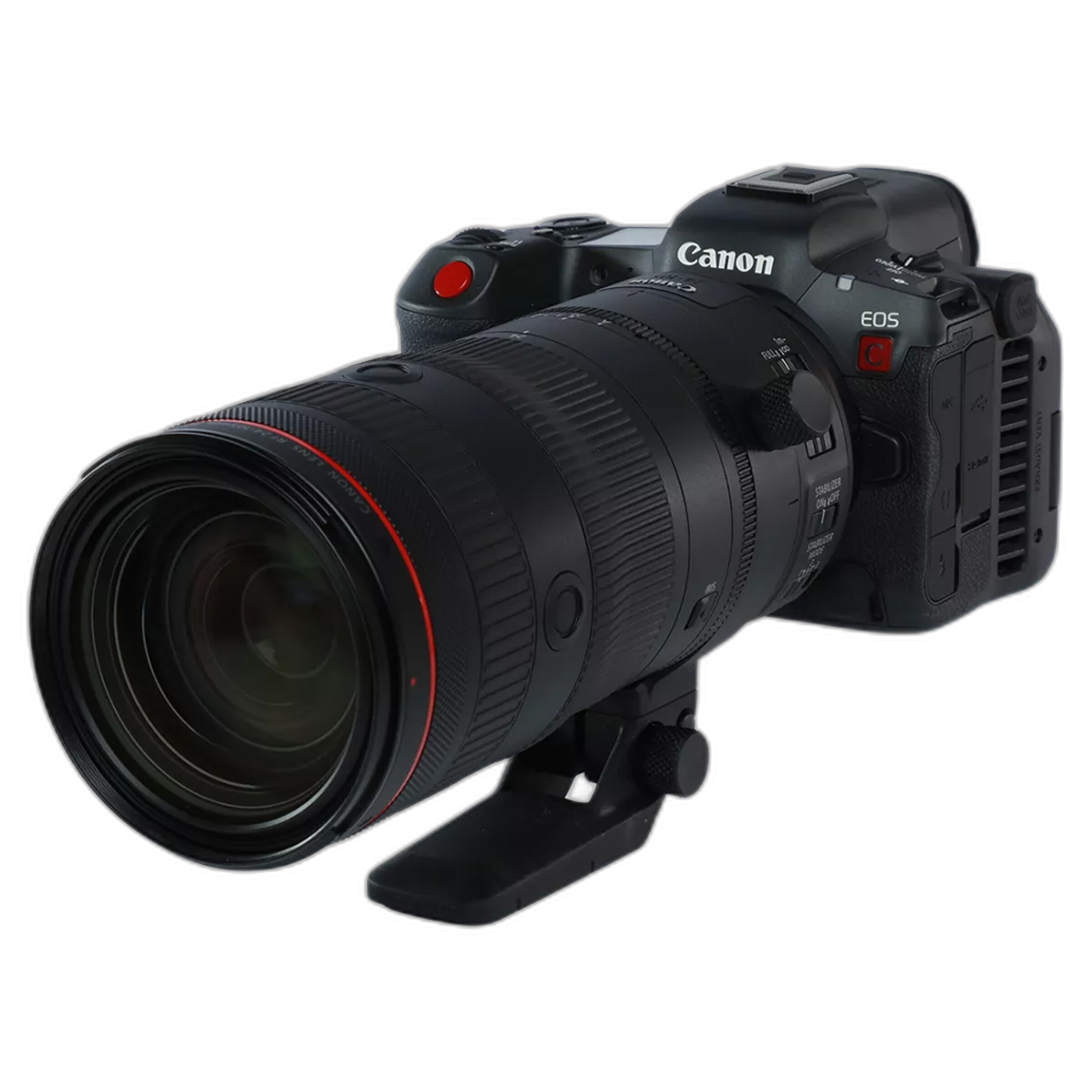
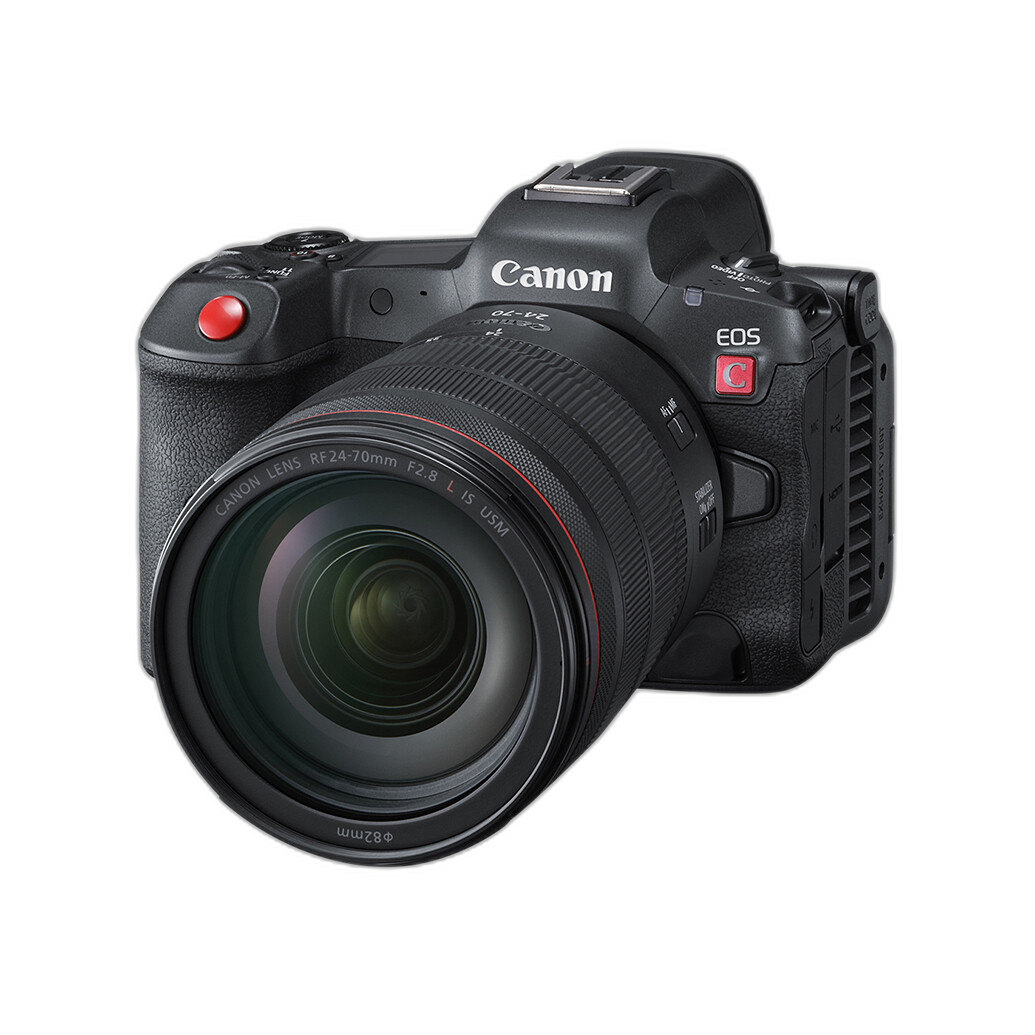
| Canon EOS R5 C + RF 24-70mm f/2.8 L IS USM | Full-frame hybrid cinema/mirrorless | Fast, advanced Canon AF for hybrid use | RF / 24-70mm f/2.8 | Hybrid creators, commercial, photo/video crossover |
| Canon EOS R5 C + RF 24-105mm f/2.8 L IS USM Z | Full-frame hybrid cinema/mirrorless | Fast Canon AF plus more versatile zoom range | RF / 24-105mm f/2.8 | Solo shooters needing one-lens flexibility |
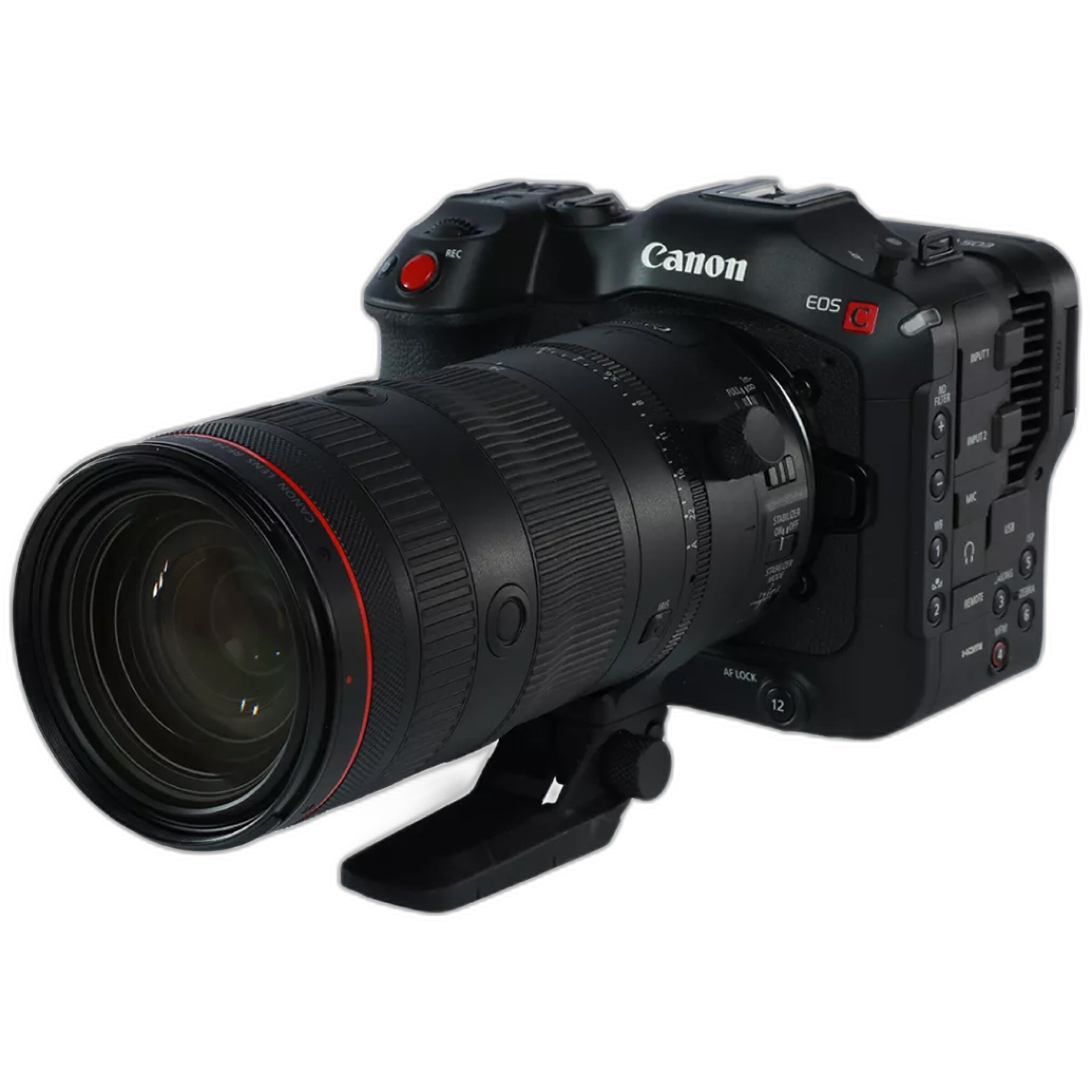
| Canon EOS C80 + RF 24-105mm f/2.8L | Cinema-focused Canon system | Excellent autofocus-oriented cinema workflow | RF / 24-105mm f/2.8 | Modern cinema shooters prioritizing AF and RF glass |
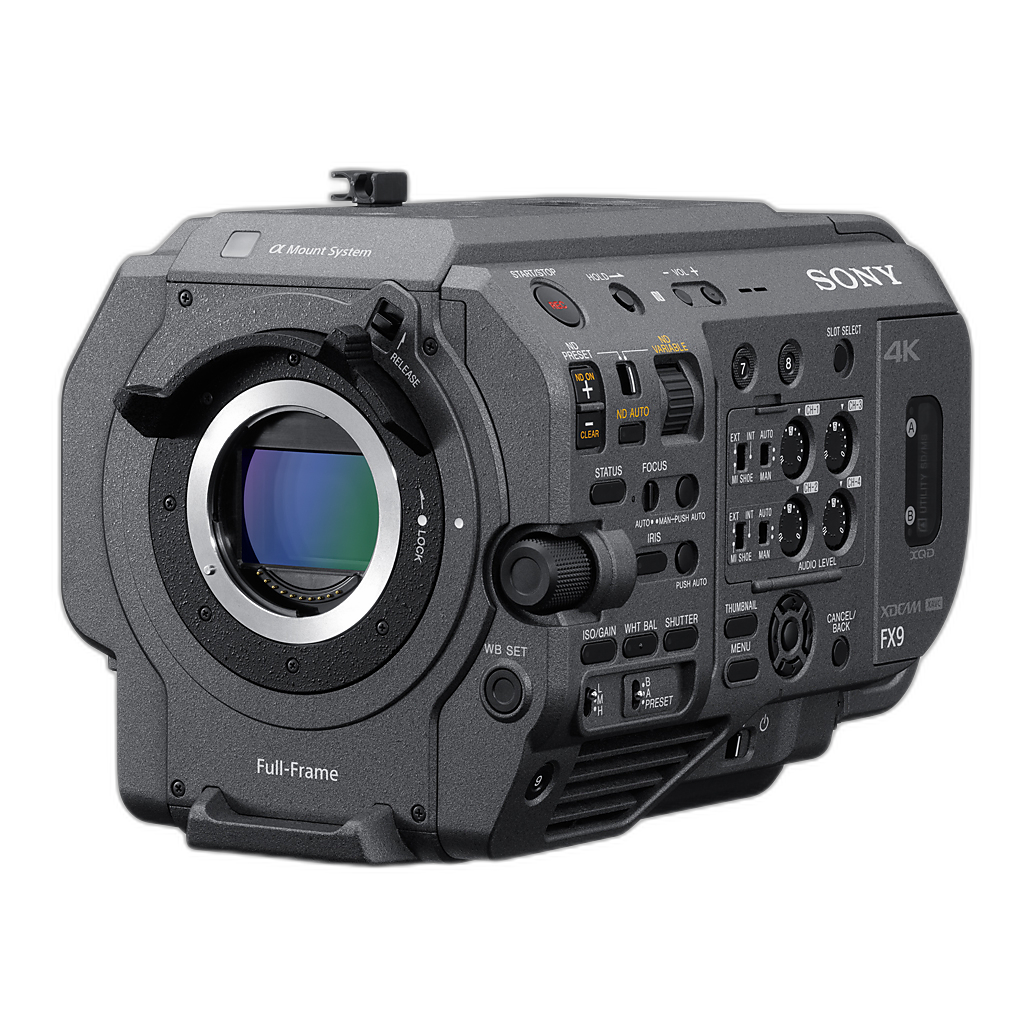
| Sony PXW-FX9K + 28-135mm f/4 G OSS | Full-frame cinema camera | Sony AF with strong pro video pedigree | Sony E / 28-135mm f/4 | Broadcast, documentary, production teams |
| Used Zeiss Batis 85mm f/1.8 for Sony E | N/A | Autofocus prime lens option | Sony E / 85mm f/1.8 | Portrait, interviews, shallow depth-of-field work |
What Really Changes When You Switch Systems?
Switching systems is rarely just about the camera body. It usually means changing your autofocus experience, your lens roadmap, your battery and media ecosystem, your rigging habits, and even the way you shoot. That’s why Canon RF and Sony E are such common comparison points: both offer serious autofocus-driven workflows, but they appeal to slightly different users.
Autofocus: The Most Common Reason to Jump
If autofocus is your pain point, then yes, switching systems can absolutely be worth it. Canon’s recent cinema and hybrid bodies have become especially attractive to shooters who want dependable subject tracking, eye detection, and smoother solo-operator performance. The Canon EOS C70, R5 C, and C80 all fit into that conversation well.
The Sony PXW-FX9K remains a serious professional video tool, especially for crews and productions that value Sony’s broadcast and cinema ecosystem. Sony also benefits from a mature E-mount lens universe, including native zooms, primes, and third-party choices. If your autofocus needs are tied to a larger lens strategy, Sony still makes a strong case.
But if your current system is older, inconsistent, or weak for face/eye tracking, moving to a modern Canon RF or Sony E setup can provide a very real day-to-day upgrade.
Lenses: The Hidden Cost and the Real Long-Term Benefit
Lenses usually determine whether a system switch pays off over time. A camera body may solve today’s autofocus frustration, but a lens ecosystem shapes what you can shoot for years. Canon’s RF lineup has become increasingly compelling for creators who want premium native glass, and the included RF 24-105mm f/2.8 L IS USM Z in multiple kits here is a major draw. That lens combines a highly usable zoom range with a fast constant aperture, which can reduce lens changes and simplify production.
Sony’s E-mount advantage is breadth. In addition to native Sony lenses, the ecosystem has long benefited from extensive third-party support and specialty options. Even a lens like the Used Zeiss Batis 85mm f/1.8 for Sony E reflects how deep the Sony mount has become for portrait, interview, and cinematic shallow-depth-of-field work.
Canon C70 vs Canon C80 vs Canon R5 C
If you are switching into Canon primarily for autofocus and RF lens access, these three options serve different users.
The Canon EOS C70 is a strong fit for filmmakers who want a dedicated cinema body with excellent ergonomics for production work. It feels purpose-built for video shooters who need reliability over long shoots.
The Canon EOS C80 is arguably the more future-facing choice for users who want a cinema-oriented Canon platform centered around autofocus performance and premium RF glass. For shooters considering a full switch into Canon video, this is one of the most persuasive packages in the lineup.
The Canon EOS R5 C is ideal for hybrid shooters who need serious video capability but also appreciate mirrorless flexibility. The difference between the two R5 C kits matters: the 24-70mm f/2.8 version suits creators who prioritize a classic fast standard zoom, while the 24-105mm f/2.8 kit is the better all-arounder for video-first users who want extra reach without giving up speed.
Canon vs Sony for System Switching
This is where the decision gets practical. If you are a solo operator, wedding filmmaker, documentary shooter, or hybrid creator frustrated by missed focus and looking for a simple, premium lens path, Canon’s current RF ecosystem is extremely convincing. The bundled Canon kits here are especially attractive because they pair capable autofocus bodies with genuinely useful pro zooms.
If you are already invested in Sony accessories, need access to a broad E-mount lens catalog, or work in environments where the FX9K style of shoulder-friendly, production-ready cinema camera makes sense, then staying with or moving to Sony may be the smarter professional decision. Sony’s system depth still matters.
When Switching Is Worth It
Switching systems is usually worth it when:
- Your current autofocus actively costs you usable shots
- Your lens mount no longer supports the focal lengths or speed you need
- You are rebuilding your kit anyway and can make the move once instead of upgrading in steps
- Your work has shifted toward solo operation, where dependable AF is a major productivity gain
It may not be worth it when:
- Your current lenses still do exactly what you need
- The cost of replacing support gear outweighs the autofocus improvement
- You mostly shoot manual focus productions with controlled crews
Our Pick
Best overall choice for most shooters considering a switch: Canon EOS C80 RF 24-105mm F2.8L IS USM Kit.
Why? It best captures the reason people switch today: better autofocus, strong cinema usability, and access to one of Canon’s most compelling RF zoom options in a single package. It feels like the most balanced recommendation for creators who want to commit to a modern system rather than just upgrade one body.
Best hybrid alternative: Canon EOS R5 C with RF 24-105mm f/2.8 L IS USM Z Lens Kit.
Best Sony choice for production-oriented users: Sony PXW-FX9K with 28-135mm f/4 G OSS Lens.
Conclusion
So, is switching camera systems worth it for better autofocus and lenses? For many creators, yes—especially if autofocus reliability and lens flexibility directly affect paid work. Canon’s latest RF-based options make a very strong case for switchers, while Sony continues to offer a deep, professional ecosystem with proven video credentials. The right answer depends on whether you value hybrid versatility, cinema ergonomics, or the broadest possible lens path.
If you’re ready to compare systems in more detail, build out a smarter kit, or trade up into a better autofocus workflow, Unique Photo is a great place to start.