Introduction
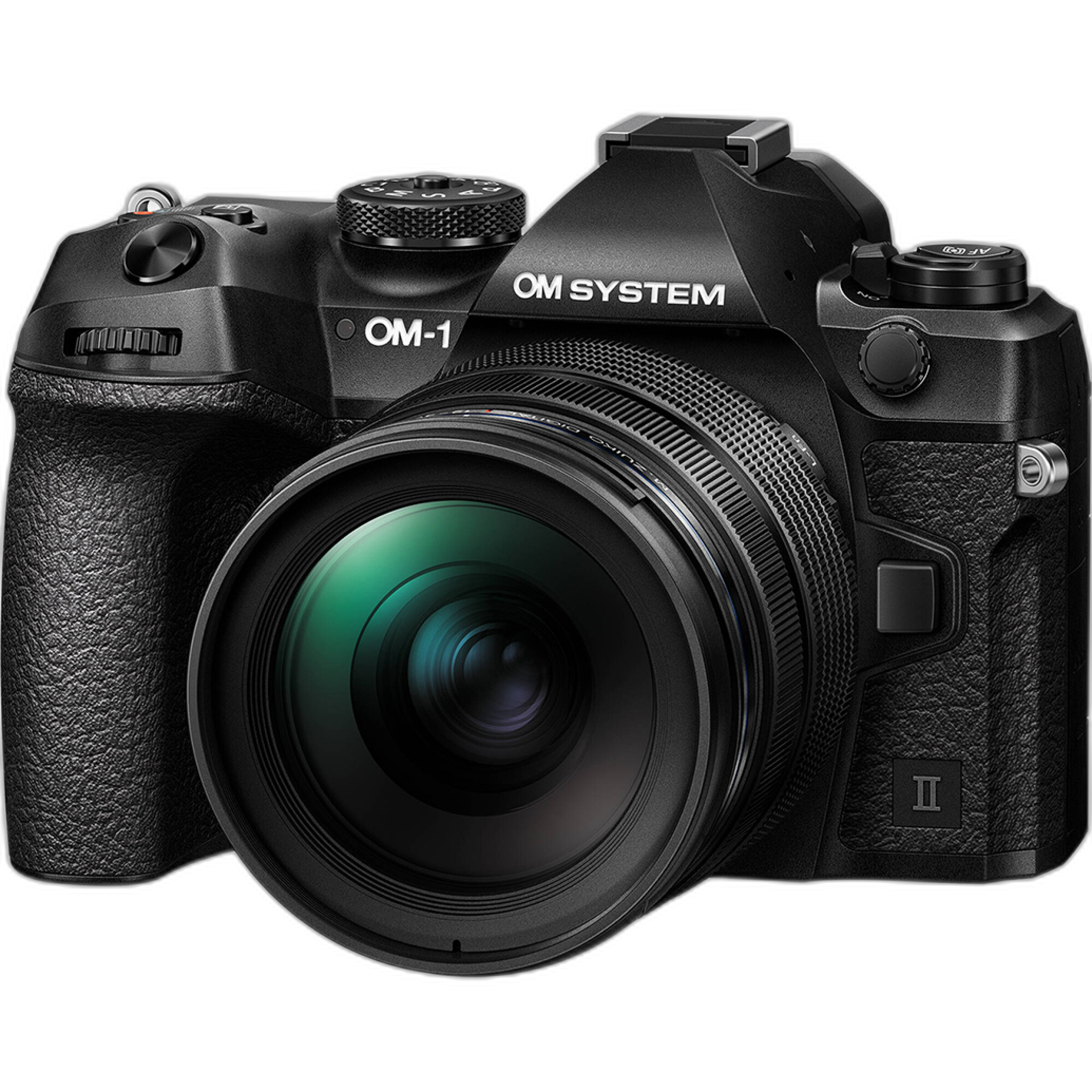
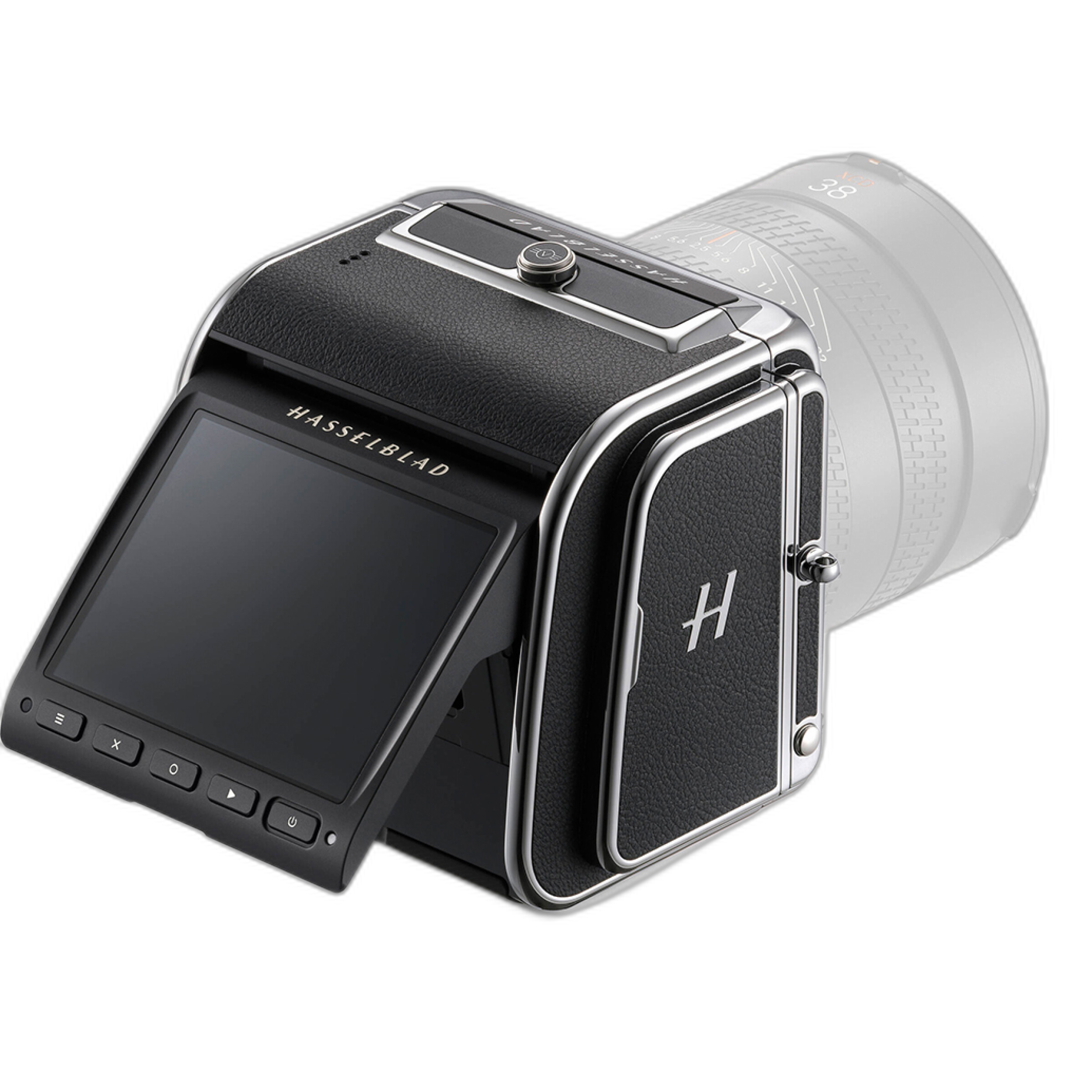
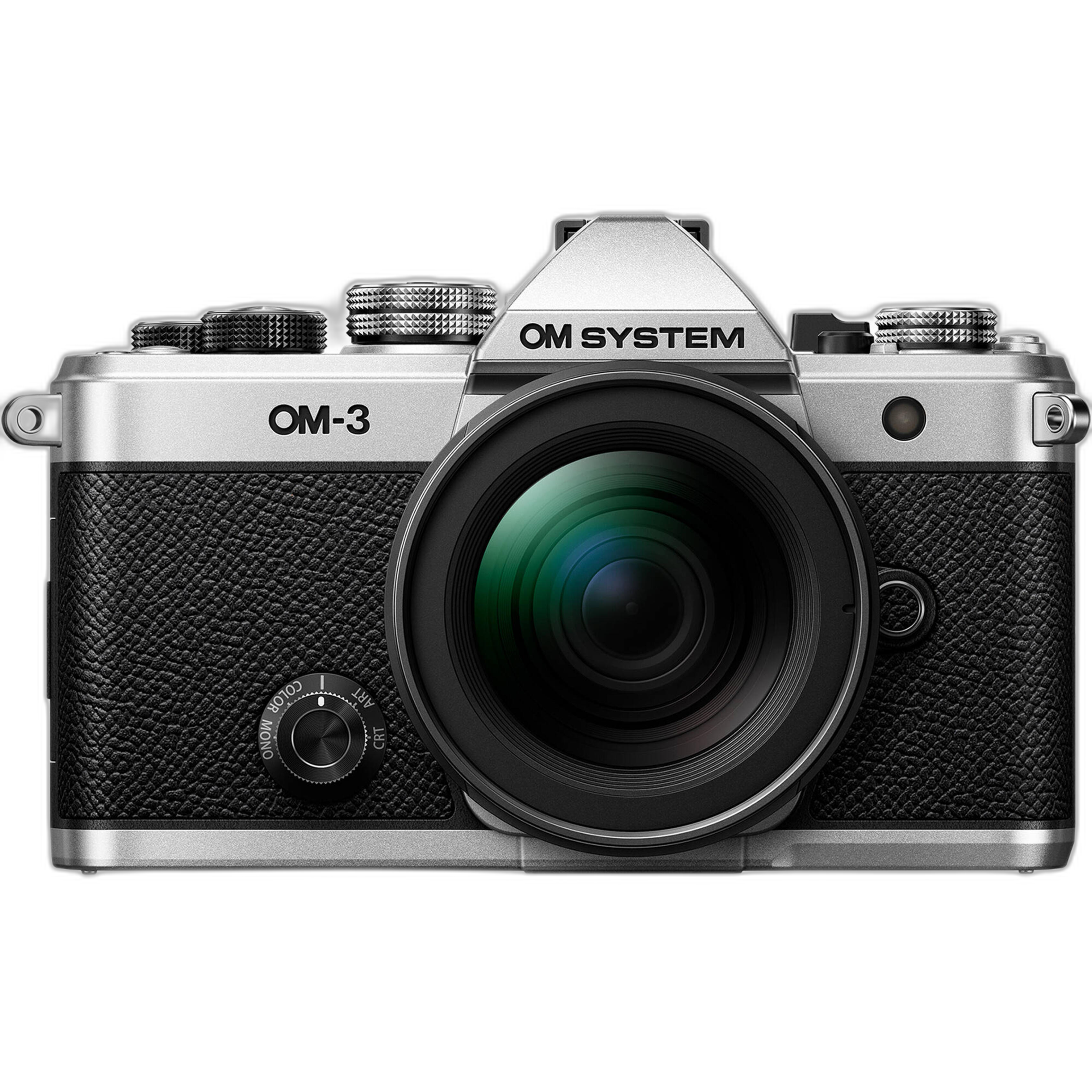
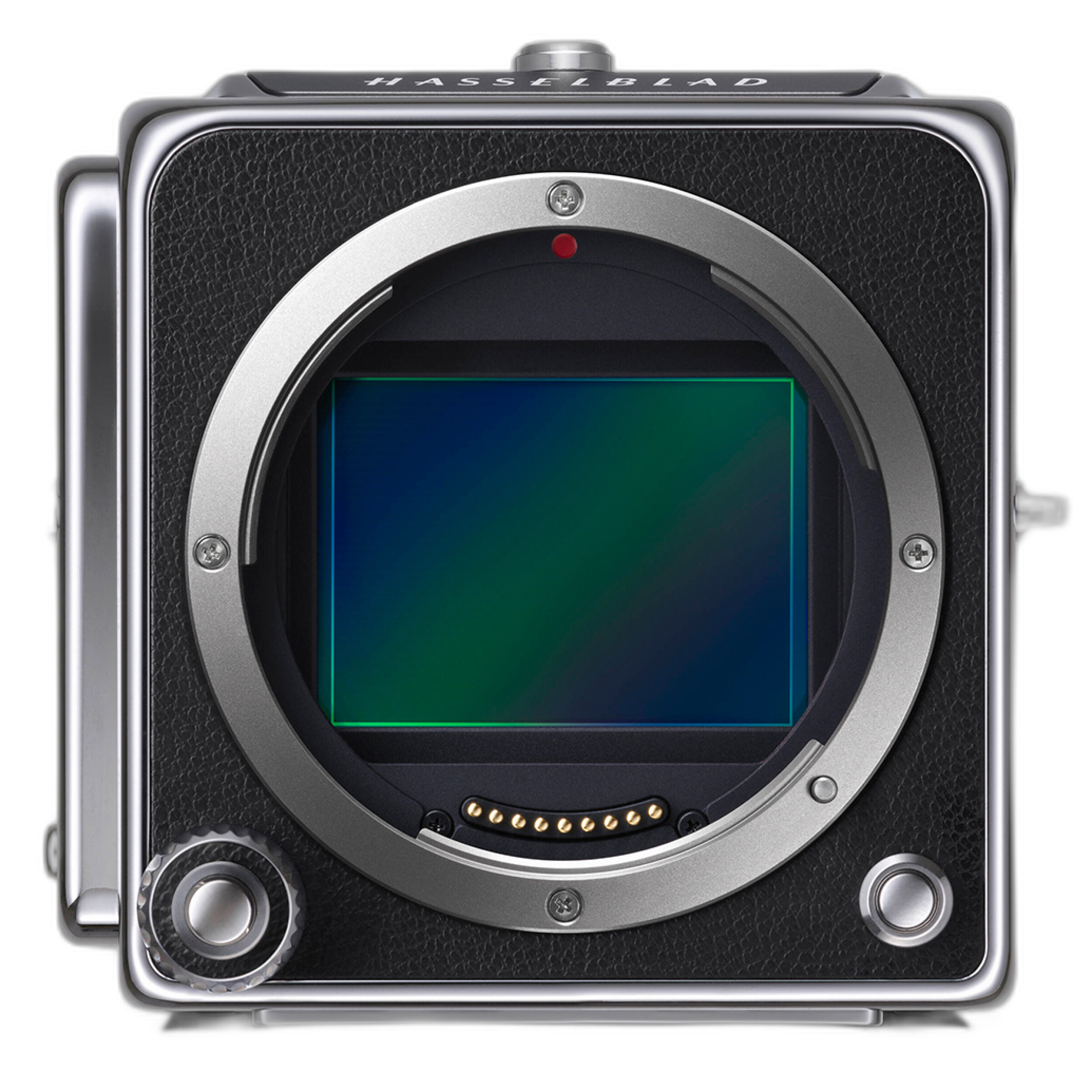
For photographers thinking about changing camera systems, the biggest questions usually sound the same: Will autofocus improve? Are there enough lenses? How expensive is the move? And how disruptive will the transition be? In this comparison, we’re looking at two very different paths available at Unique Photo: the OM SYSTEM OM-1 Mark II with 12-40mm f/2.8, the OM SYSTEM OM-3 with 12-45mm f/4 PRO, and the Hasselblad 907X & CFV 100C. These cameras represent distinct philosophies. OM SYSTEM emphasizes speed, portability, weather-sealed versatility, and a mature Micro Four Thirds lens ecosystem. Hasselblad offers a premium medium format experience focused on image quality, design, and a slower, more deliberate shooting style.
If you’re deciding whether to move into a lightweight hybrid system or step up into medium format, this head-to-head breakdown will help clarify the tradeoffs.
Side-by-Side Specs Comparison
| Feature | OM SYSTEM OM-1 Mark II Kit | OM SYSTEM OM-3 Kit | Hasselblad 907X & CFV 100C |
|---|---|---|---|
| Sensor Format | Micro Four Thirds | Micro Four Thirds | Medium Format |
| Included Lens | 12-40mm f/2.8 | 12-45mm f/4 PRO | Body only configuration |
| System Strength | Speed, durability, action, travel | Compact premium all-around shooting | Maximum image quality, studio, fine art |
| Autofocus Appeal | Strong choice for fast-moving subjects | Good modern mirrorless AF in a compact body | Less about speed, more about deliberate composition |
| Lens Ecosystem | Broad Micro Four Thirds selection | Broad Micro Four Thirds selection | More specialized medium format lens path |
| Portability | High | Very high | Lower than OM options for complete system use |
| Transition Cost | Moderate and easier to scale | Moderate and approachable | Higher initial investment |
| Best For | Wildlife, sports, travel, outdoor creators | Street, travel, everyday photography | Commercial, portrait, landscape, fine art |
What Switching Systems Really Means
Changing camera systems is rarely just about the camera body. It affects lenses, batteries, accessories, workflow, file sizes, carrying comfort, and even how you shoot. Someone moving from DSLR gear to a modern mirrorless setup may be chasing better subject detection autofocus, lighter travel kits, or more advanced computational features. Another photographer may be leaving full-frame because they want something more compact, while someone else may be upgrading specifically for larger sensor rendering and top-tier image quality.
That’s why OM SYSTEM and Hasselblad make an interesting comparison. One system makes transition easier and more practical. The other offers a more dramatic shift in output and shooting experience.
Autofocus Advantages
If autofocus is the main reason you’re considering a switch, the OM SYSTEM side makes the stronger case. The OM-1 Mark II is the most natural fit for photographers shooting action, wildlife, sports, or fast-paced event coverage. It is the kind of camera system people move to when keeper rate matters and they want a camera that feels responsive in unpredictable conditions.
The OM-3 also benefits from the mirrorless advantages many switchers are after: modern AF performance, compact design, and a practical everyday shooting setup. It is appealing for photographers who want better performance than older systems without stepping into a heavier or more expensive platform.
The Hasselblad 907X & CFV 100C, by contrast, is not really about winning an autofocus arms race. Its appeal is image quality, tonal nuance, and the medium format experience. For portrait, studio, still life, and careful landscape work, that may be exactly the point. But photographers switching primarily because they want a faster camera will usually find OM SYSTEM more aligned with that goal.
Lens Selection and System Depth
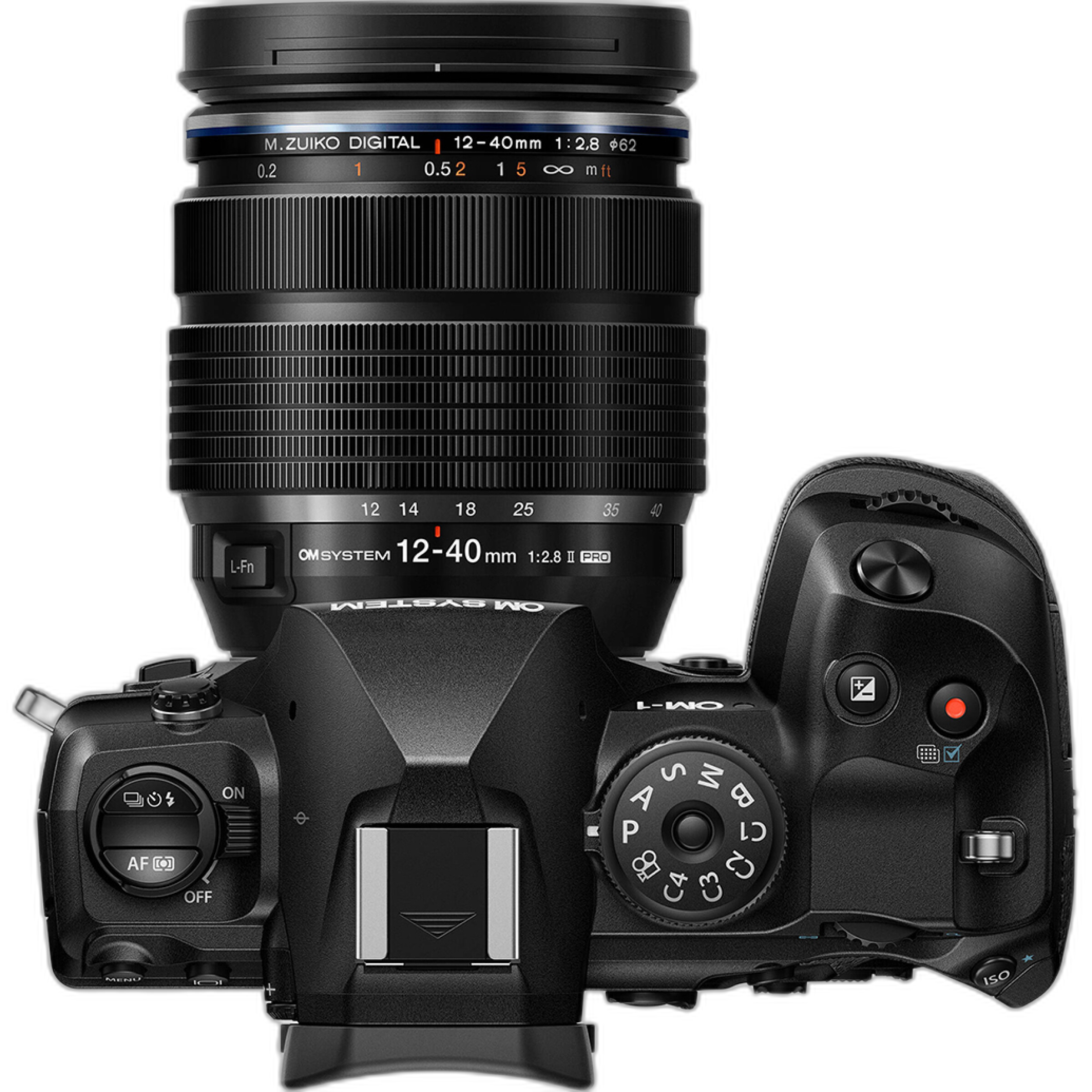
Lens selection is one of the most practical reasons to stay with or move to a system. OM SYSTEM benefits from the long-established Micro Four Thirds ecosystem, which gives photographers access to a broad range of focal lengths and use cases in relatively compact sizes. That matters when you’re building out a system over time. It is easier to start with a kit lens and gradually add ultra-wide, telephoto, macro, or fast prime options without turning every purchase into a major financial event.
The included lenses in these kits also point to two different buyer profiles. The OM-1 Mark II with 12-40mm f/2.8 is a strong starting point for photographers who want a professional-feeling standard zoom with versatility and speed. The OM-3 with 12-45mm f/4 PRO leans a bit more compact while still offering a practical range for travel and general photography.
Hasselblad’s lens path is more specialized. That is not necessarily a negative, but it means the system is less about building a broad, lightweight kit for every scenario and more about selecting premium tools for a specific style of image-making. If your work centers on portraits, commercial sets, or carefully composed landscape images, that can be a worthwhile trade. If you want system flexibility at many price levels, OM SYSTEM has the clearer advantage.
Costs: Entry Price, Expansion, and Long-Term Ownership
Cost is often the deciding factor in a system change, because the body is only the beginning. You also need to think about lenses, memory cards, storage, extra batteries, bags, support gear, and potentially a new editing workflow.
On value and scalability, OM SYSTEM is the easier move. You can enter with a useful kit lens, start shooting immediately, and expand over time. For many photographers, that makes the switch feel manageable rather than disruptive.
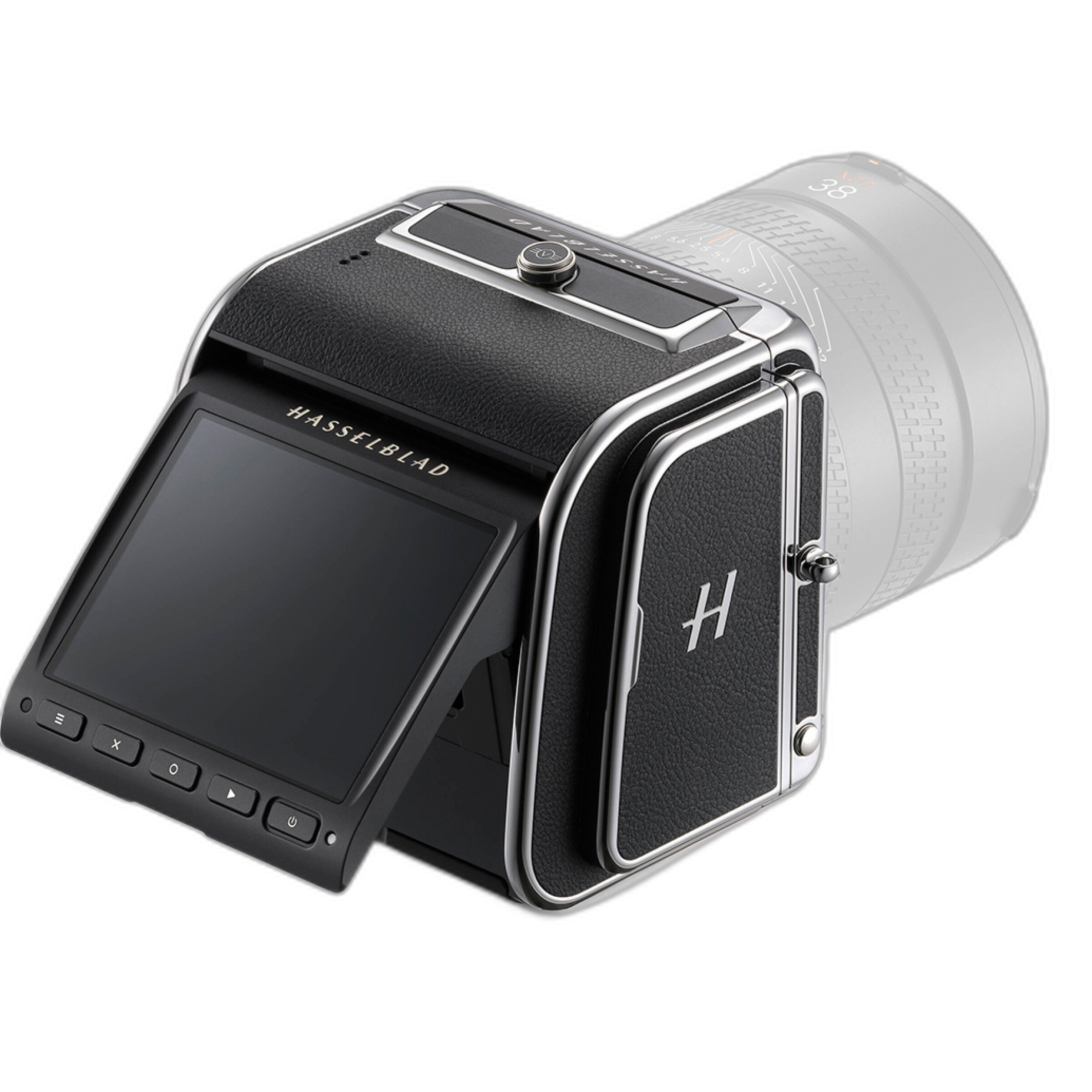
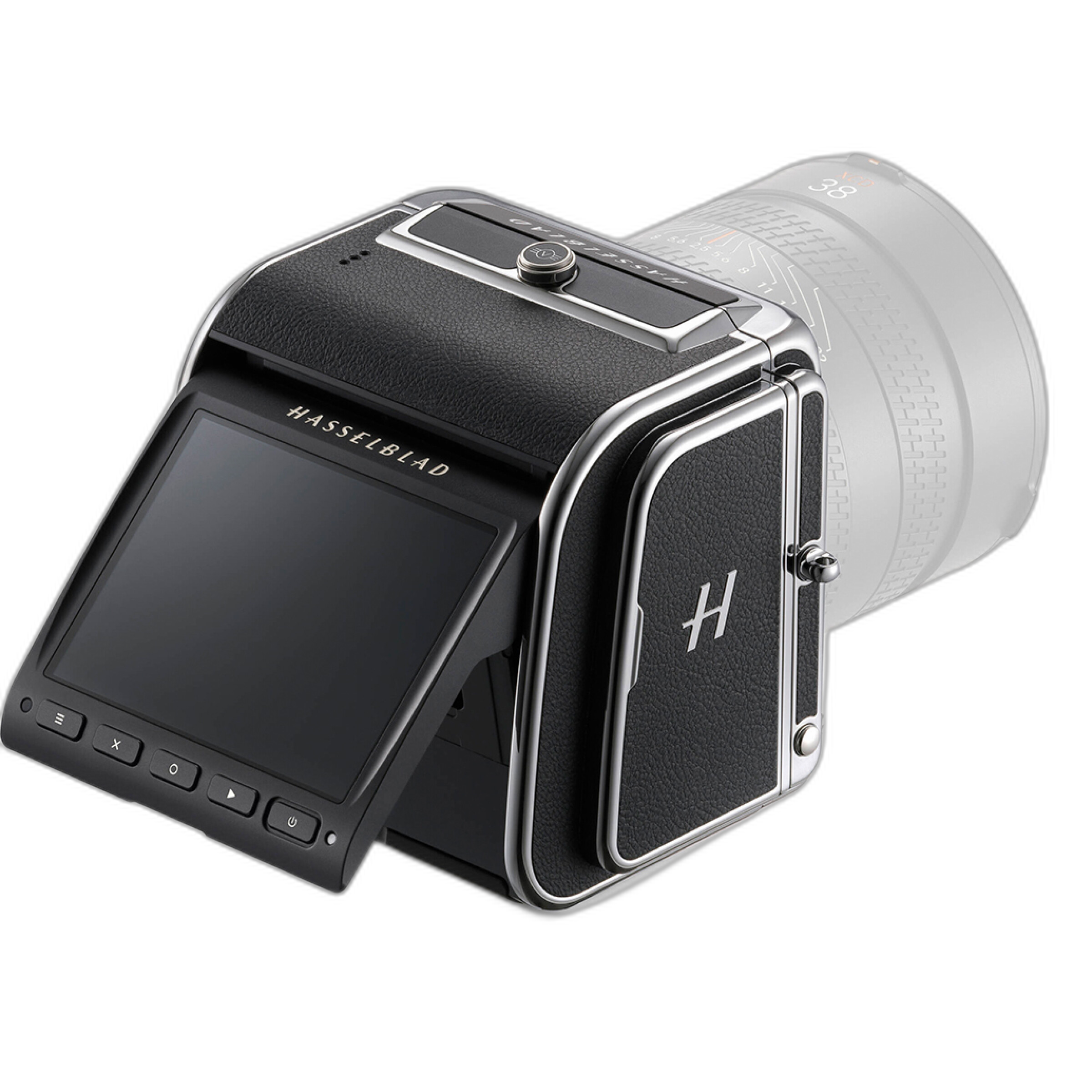
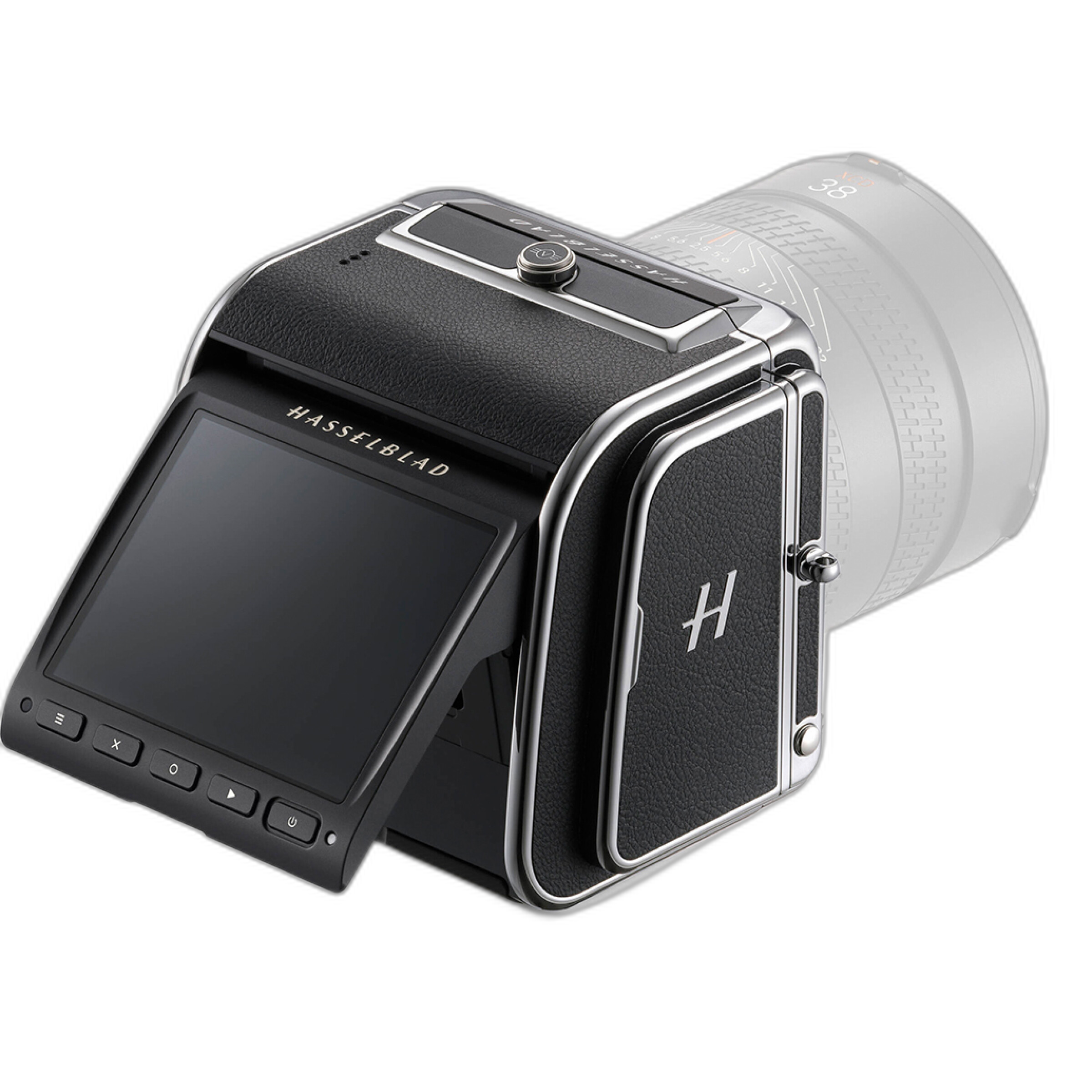
The Hasselblad 907X & CFV 100C represents a higher-end commitment. The reward is access to a premium medium format look and workflow, but the barrier to entry is understandably higher. That said, there may be ways to reduce the cost of entry through pre-owned options. Unique Photo also offers used listings for this platform, including the Used Excellent, Used Good, and Used Fair Hasselblad 907X & CFV 100C, which can be worth considering for photographers who want medium format but need more budget flexibility.
Portability and Real-World Use
Many photographers consider switching systems because their current setup has become too heavy or too specialized for daily use. This is where OM SYSTEM is particularly compelling. Both the OM-1 Mark II and OM-3 fit the idea of a more mobile system, especially for travel, hiking, walkaround shooting, and long days with a camera over your shoulder.
The OM-1 Mark II is the better choice for demanding outdoor shooters who still want portability but don’t want to give up speed or ruggedness. The OM-3 is especially appealing for photographers who want a stylish, compact, capable setup that encourages frequent use.
The Hasselblad is different. It is portable for medium format, but the reason to carry it is not convenience first. You bring it because you want what its sensor and shooting experience can deliver. For some photographers, that is absolutely worth it. For others, it may become a second system rather than a primary everyday camera.
The Transition Process: How Hard Is the Move?
The easier a new system is to adopt, the more likely it is to become your primary setup. For photographers moving from older mirrorless or DSLR systems, OM SYSTEM offers a relatively smooth path. The kits are ready to shoot, lens options are extensive, and the cameras are well suited to broad categories of work. This reduces the friction of the transition.
Moving to Hasselblad is usually a more intentional shift. It may require rethinking your pace, your lens priorities, and even your client expectations if turnaround speed and file handling change. That does not make it a bad move, but it is a bigger move. It is best suited to photographers who know exactly why they want medium format and are ready to build around that choice.
Our Pick
Our Pick: OM SYSTEM OM-1 Mark II Mirrorless Camera with 12-40mm f/2.8 Lens
For most photographers contemplating a switch, the OM-1 Mark II is the smartest overall recommendation. It offers the most balanced answer to the common reasons people change systems: improved autofocus, manageable system cost, strong lens ecosystem support, and a transition process that feels practical rather than overwhelming. The included 12-40mm f/2.8 lens also gives buyers a highly usable starting point right out of the box.
If your priority is everyday portability with a premium compact feel, the OM-3 kit is a very attractive alternative. If your priority is image quality above all else and you’re prepared for a more specialized investment, the Hasselblad 907X & CFV 100C remains a distinctive and aspirational choice.
Conclusion
Switching camera systems is ultimately about matching tools to your shooting priorities. If you want faster autofocus, broad lens access, lower long-term system cost, and a more seamless transition, OM SYSTEM is the stronger fit. If you want to move into medium format for its unique image character and premium shooting experience, Hasselblad offers a compelling but more specialized path. At Unique Photo, photographers can explore both directions, whether they want a versatile OM SYSTEM kit or are ready to step into Hasselblad, including used options that may make the jump more accessible.