Introduction
When filmmakers and video teams talk about storing, editing, and archiving high-resolution video, the conversation usually centers on three priorities: speed, reliability, and ease of use. While storage drives and NAS systems often get most of the attention, the broader workflow also depends on the right production hardware. In this comparison, we’re looking at several Sigma Cine lens kits and the Blackmagic Videohub 12G 1RU 40x40 router to help clarify which product best fits different parts of a high-resolution video workflow.
The key distinction is simple: the Sigma kits shape image capture, while the Blackmagic router helps manage complex signal routing in professional editing, monitoring, and finishing environments. For teams building an efficient video pipeline, choosing the right tool depends on whether your bottleneck is acquisition flexibility or post and studio infrastructure.
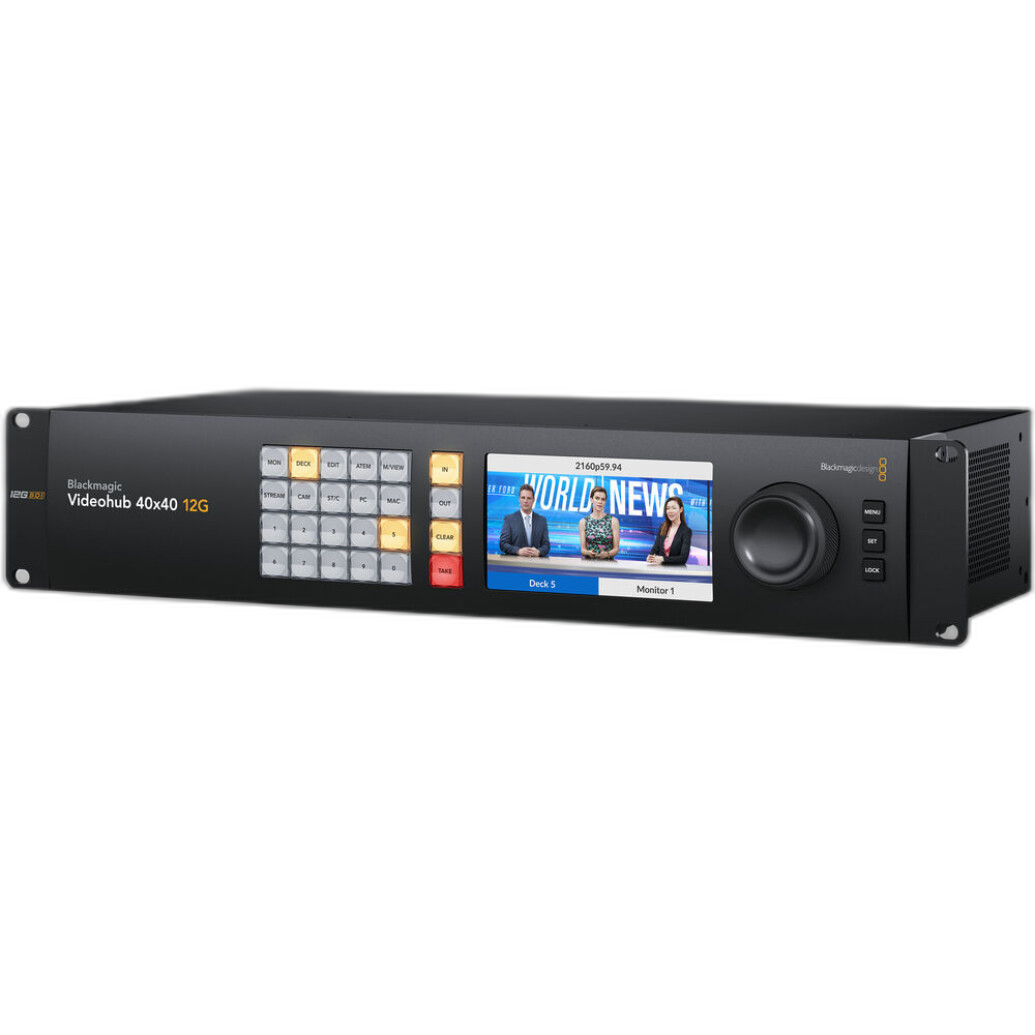
Side-by-Side Specs Comparison
| Product | Type | Mount | Core Strength | Best Use Case |
|---|---|---|---|---|
| Sigma 14mm T2 & 135mm T2 FF High-Speed Prime Lens Kit (Canon EF, Metric) | Cine lens kit | Canon EF | Fast full-frame prime coverage | Narrative/commercial capture on EF systems |
| Sigma 14mm T2 & 135mm T2 FF High-Speed Prime Lens Kit (Sony E, Metric) | Cine lens kit | Sony E | Fast full-frame prime coverage | Full-frame cinema capture on Sony E cameras |
| Sigma 14mm T2 & 135mm T2 FF High-Speed Prime Lens Kit (PL, Metric) | Cine lens kit | PL | Professional cinema mount compatibility | High-end cinema production workflows |
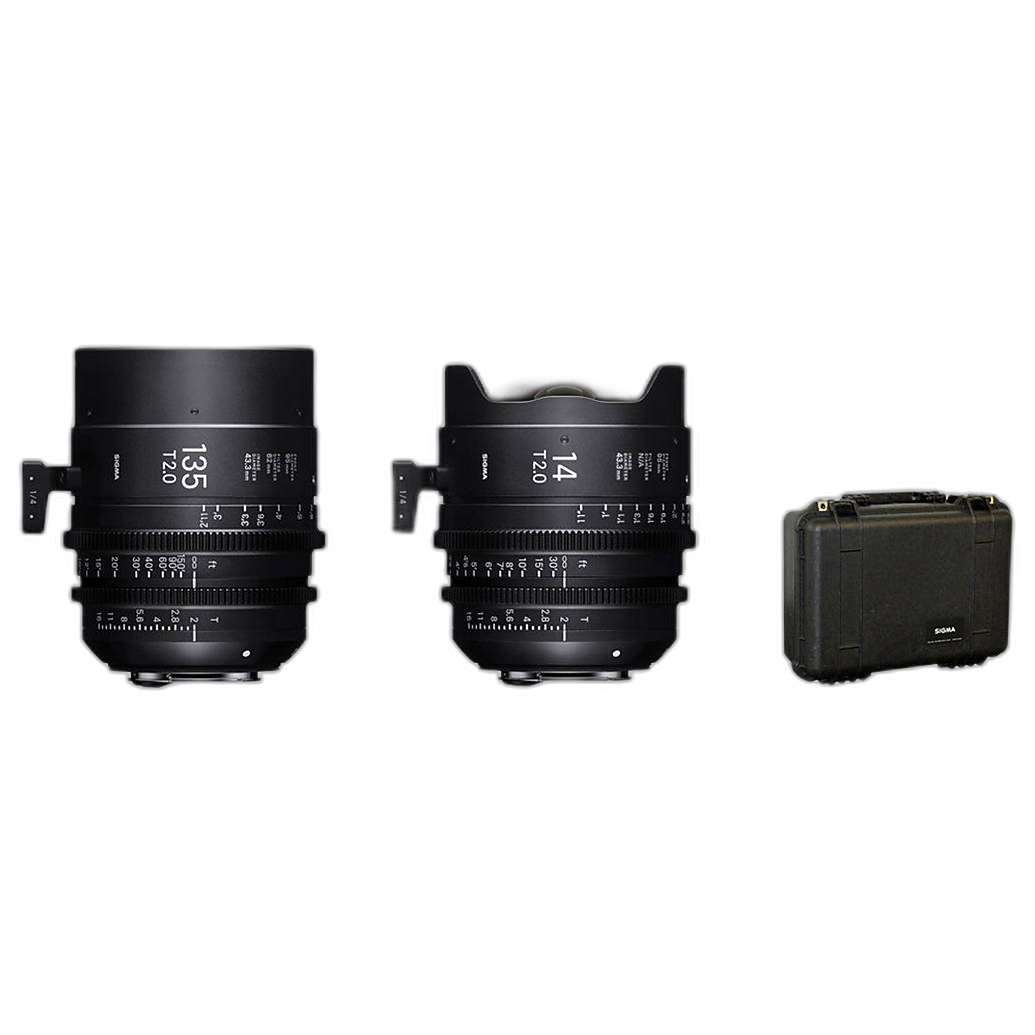
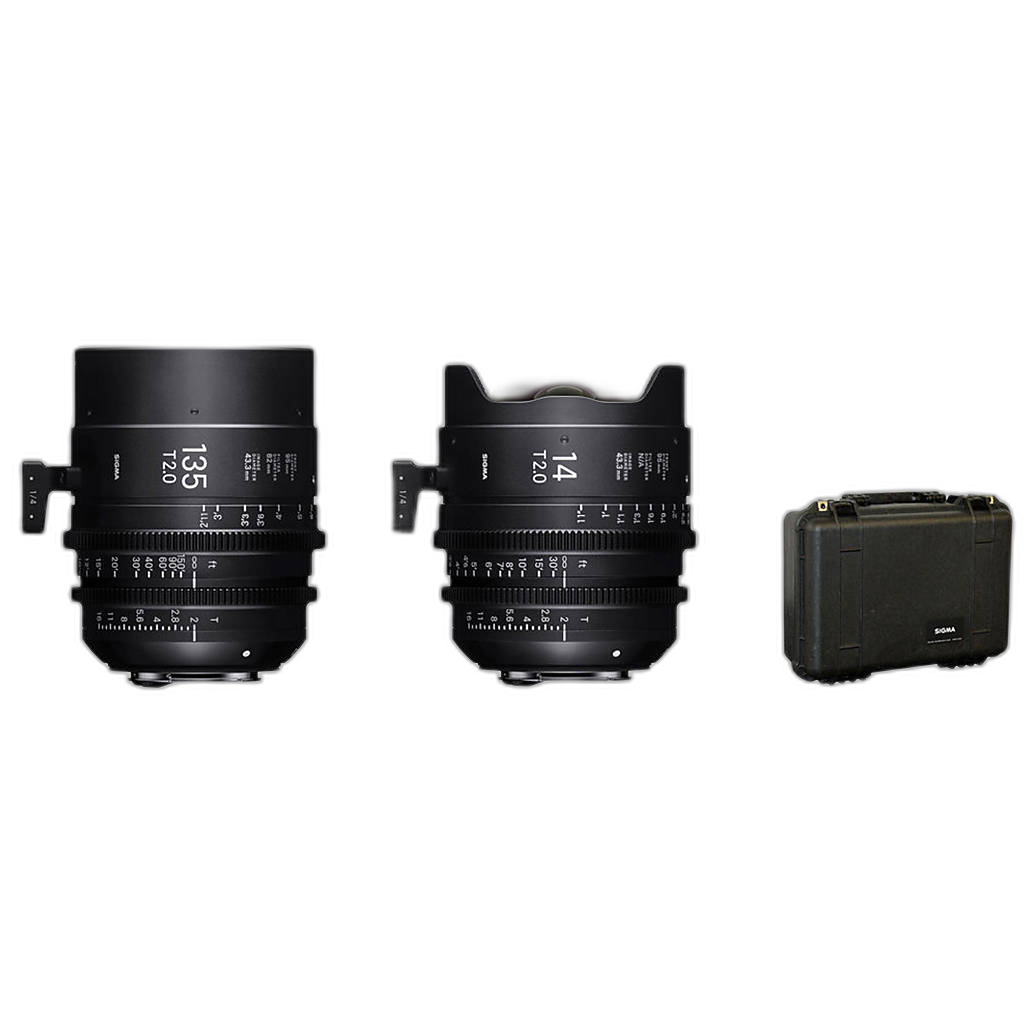
| Sigma 14mm T2 & 135mm T2 FF High-Speed Prime Lens Kit with Case (Sony E) | Cine lens kit with case | Sony E | Fast primes plus transport/storage support | Mobile productions needing organized gear handling |
| Sigma 14mm T2 & 135mm T2 FF High-Speed Prime Lens Kit with Case (PL) | Cine lens kit with case | PL | Fast primes plus transport/storage support | Rental houses and cinema crews |
| Sigma 14mm T2 & 135mm T2 FF High-Speed Prime Lens Kit with Case (Canon EF) | Cine lens kit with case | Canon EF | Fast primes plus transport/storage support | EF-based productions needing secure storage |
| Blackmagic Videohub 12G 1RU 40x40 Zero Latency Video Router for SD / HD and Ultra HD | Video router | N/A | Zero-latency signal routing for SD/HD/Ultra HD | Studios, post suites, live production, centralized video infrastructure |
| Used Excellent Light & Motion CLx10 Imaging Kit | Lighting kit | N/A | Portable lighting support | Supplementary production lighting |
Product Gallery
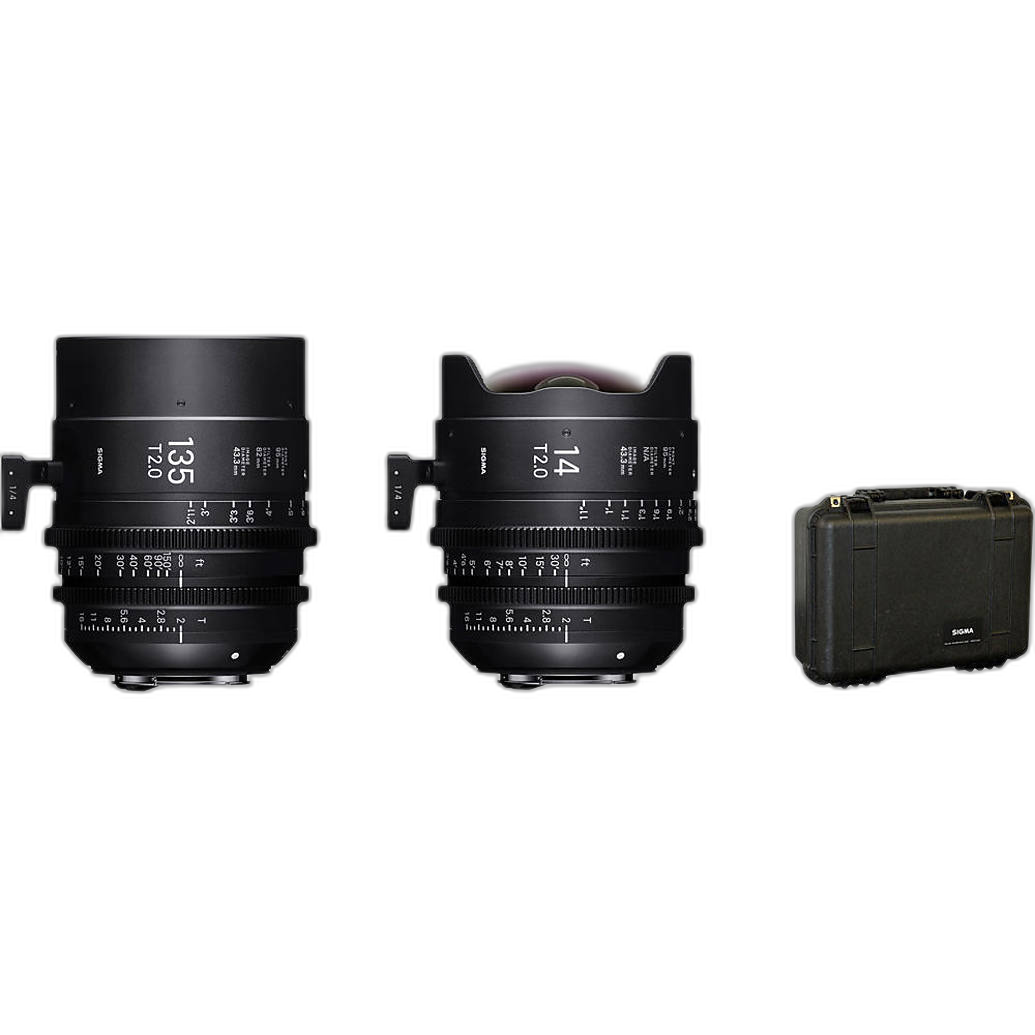
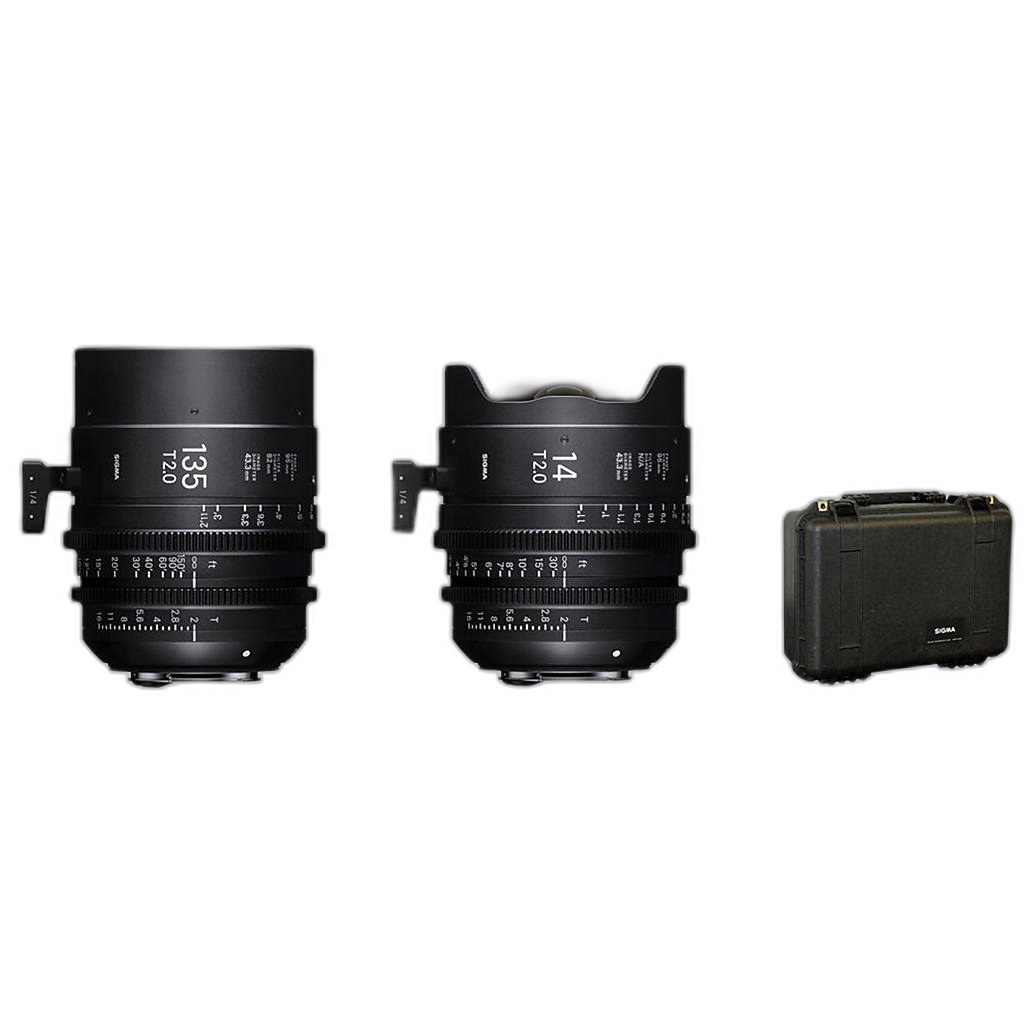
Category-by-Category Analysis
For Speed in a High-Resolution Workflow
If the discussion is specifically about moving high-resolution video efficiently through edit bays, monitors, patch points, and finishing stations, the Blackmagic Videohub 12G 1RU 40x40 is the standout. Zero-latency routing is directly relevant to fast-paced professional environments where multiple sources and destinations need to be connected instantly without slowing down operators.
By contrast, the Sigma lens kits contribute to image quality and creative flexibility at capture, but they do not directly solve file transfer, media management, or archive-speed concerns. They are essential production tools, but not workflow accelerators in the storage-and-editing sense.
For Reliability and System Organization
Reliability means different things depending on where you are in the pipeline. In production, Sigma’s full-frame high-speed prime kits are built for consistent cine operation across wide and telephoto focal lengths. That makes them strong choices for crews that want predictable optical performance.
For facility-level reliability, however, the Blackmagic router has the more direct impact. Routing infrastructure is central to keeping signals organized in edit suites, machine rooms, and multi-camera environments. If your team regularly handles SD, HD, and Ultra HD sources, having a dedicated router can reduce cable swapping, signal confusion, and downtime.
The versions of the Sigma kits that include a case also add a practical reliability advantage for transport and archiving of physical gear. A case won’t speed up editing, but it does make lens storage and long-term equipment organization easier.
For Ease of Use
Ease of use depends heavily on the operator. For shooters already committed to Canon EF, Sony E, or PL ecosystems, the Sigma lens kits are straightforward: pick the correct mount, match it to your camera package, and work within a familiar cine-lens setup. The bundled-case versions are especially convenient for crews who travel often or need fast setup and breakdown.
The Blackmagic Videohub is more specialized. It offers significant workflow benefits, but its ease of use is best appreciated by teams already comfortable with broadcast, post-production, or studio signal routing. In the right environment, it simplifies complex workflows dramatically. In a smaller single-camera setup, it may be more infrastructure than you need.
Which Sigma Kit Makes the Most Sense?
The Sigma options are less about image differences here and more about mount choice and kit packaging. If you are on a Sony E full-frame cinema platform, the SGC177 or SGC136 are the natural fits. Canon EF users should look at SGC176 or SGC135. PL users should focus on SGC178 or SGC137.
The deciding factor between each pair is simple: do you want the included case? For owner-operators, rental workflows, or productions that move gear often, the case-equipped versions offer better day-to-day organization and protection.
Our Pick
Best match for the topic of storing, editing, and archiving high-resolution video: Blackmagic Videohub 12G 1RU 40x40 Zero Latency Video Router for SD / HD and Ultra HD.
Why? Because this comparison topic is centered on workflow efficiency, reliability, and ease of use in high-resolution video environments. The Blackmagic router is the only product here that directly addresses signal management and operational speed across a professional video pipeline. For studios, post facilities, and advanced production spaces, it is the clearest workflow-enhancing choice.
If your immediate need is image capture rather than infrastructure, the best Sigma alternative is whichever mount-specific kit matches your camera system, with the case-equipped versions being the most practical for long-term protection and organization.
Conclusion
For community members focused on high-resolution video workflows, the right answer depends on where your bottleneck lives. If you need better production optics, the Sigma 14mm T2 and 135mm T2 FF High-Speed Prime Lens Kits are compelling mount-specific solutions. If you need a more efficient, dependable studio or post-production signal path, the Blackmagic Videohub 12G 1RU 40x40 is the more relevant investment.
Whether you’re refining a capture package or building out a faster, more reliable video environment, Unique Photo offers tools for both sides of the workflow.