Introduction: Building a Strong Print Competition Workflow
Submitting photographs to print competitions is as much about presentation, preparation, and professionalism as it is about image-making. A great file or negative can lose impact if the final print is poorly handled, inconsistently stored, or submitted without a disciplined review process. For photographers who want to strengthen their competition entries, the most useful gear is often the gear that supports organization, print protection, and business-minded decision-making.
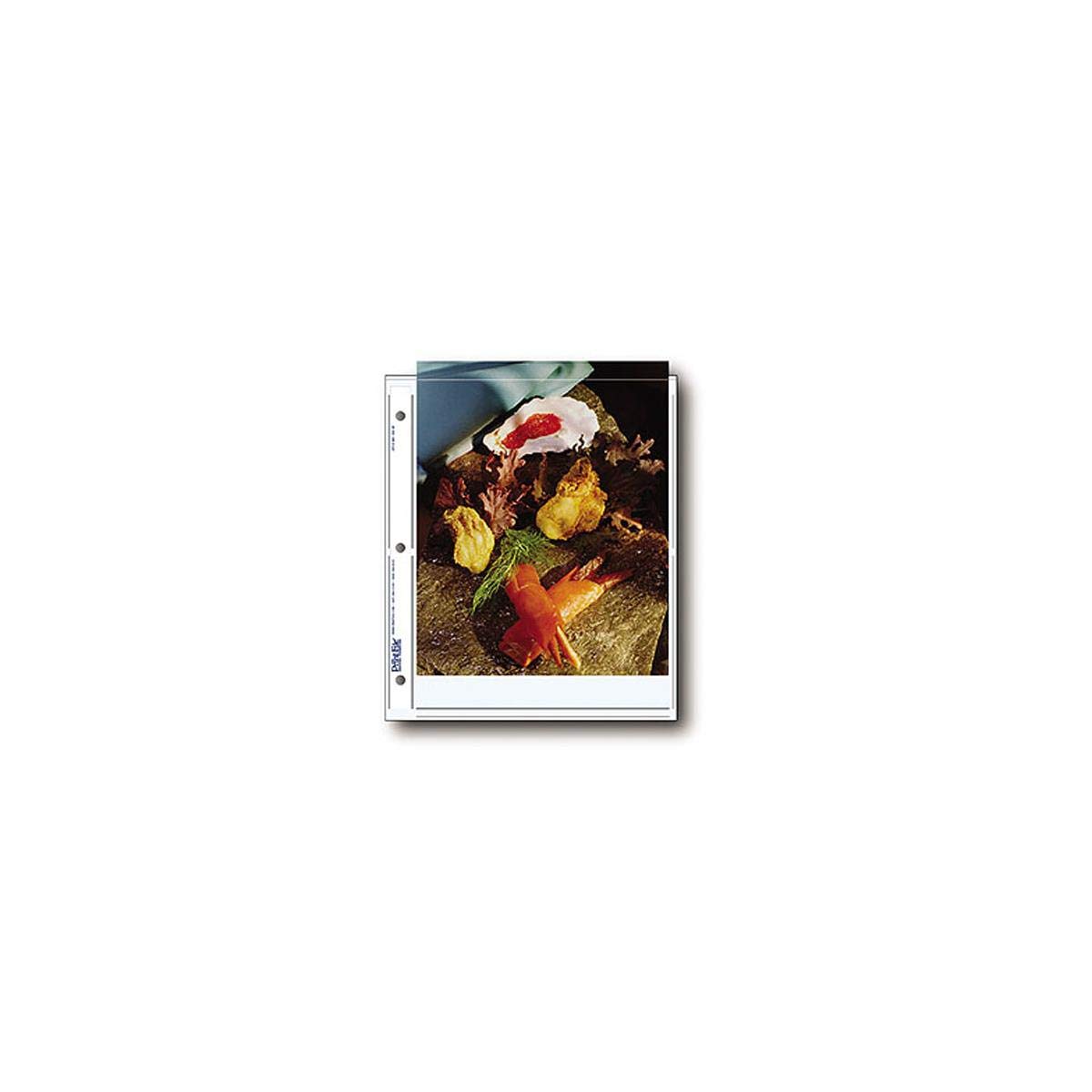
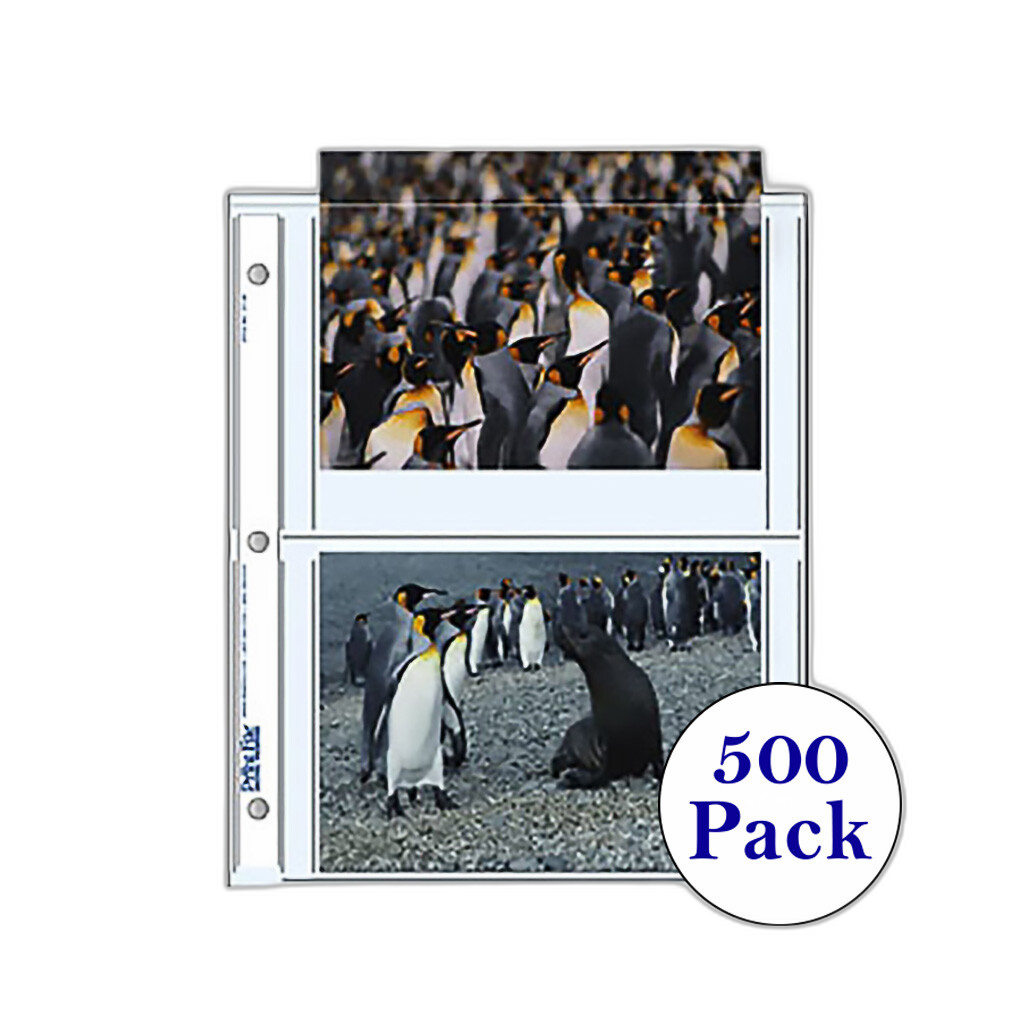
In that context, Best Business Practices for Photographers by John Harrington from Rocky Nook stands out as an unexpectedly valuable resource. While it is not a printing manual in the strict sense, it offers the mindset and workflow discipline that serious competition entrants need: consistent standards, presentation awareness, deadlines, and professional follow-through. Paired with archival print storage solutions like the Print File 810-2P, 57-4P, and 45-8P sleeves, it helps create a reliable system for selecting, protecting, transporting, and reviewing physical prints before submission.
This review looks at best practices for print competition submission through the lens of these practical tools, with a focus on what actually helps photographers refine their entries and maintain presentation quality. If you are preparing for camera club salons, juried exhibitions, or professional print competitions, this workflow-oriented approach is worth serious attention. And if you are ready to assemble your own submission kit, Unique Photo is an excellent place to buy the supporting products discussed here.
Product Positioning: Why a Business Book and Archival Sleeves Matter for Competition Prints
It may seem unusual to center a review of print competition best practices around a business book and archival storage pages, but the pairing makes sense. Competitions reward consistency, attention to detail, and polish. Those qualities do not appear only in the image itself; they show up in how you edit, sequence, handle, label, and protect your work.
The Rocky Nook title provides the framework for thinking professionally about submissions. It encourages a deliberate process rather than a last-minute rush. The Print File archival pages, meanwhile, are the physical tools that protect prints from fingerprints, bending, dust, and unnecessary wear during review and transport.

Together, they represent a practical submission strategy: think like a professional, then handle your prints like they matter.
Key Features
1. A Professional Mindset for Competitive Submission
Best Business Practices for Photographers by John Harrington is valuable here because entering competitions is not just an artistic act; it is a professional process. Deadlines, category requirements, print specifications, and presentation standards all demand methodical execution. The book supports that mindset by encouraging photographers to think in systems.
For competition use, that translates into a few critical best practices:
- Create a repeatable pre-submission checklist.
- Track entry requirements and deadlines carefully.
- Maintain consistent print quality standards.
- Organize selected and alternate images clearly.
- Treat every submission as a portfolio statement, not just a single print drop.
This kind of structure is often what separates promising entrants from consistently successful ones.
2. Archival Protection for Competition-Ready Prints
Physical prints are vulnerable. Even before they reach judges, they can be damaged during handling, transport, or repeated review sessions. That is where the Print File archival sleeves become genuinely useful.
The Print File 810-2P is especially relevant for competition photographers because 8x10 remains a practical review and presentation size. It allows selected prints to be stored flat, sorted safely, and revisited without excessive direct handling.
The Print File 57-4P works well for smaller proofs, sequencing options, or category planning. It is particularly helpful when building a shortlist from multiple candidate images.
The Print File 45-8P is ideal for compact work prints, reference images, and archival organization for photographers who still review small-format output as part of their editing process.
These are not glamorous products, but they support one of the most overlooked best practices in competition printing: preserve the condition of your prints from selection through submission.
3. Better Editing Through Safer Handling
One underrated benefit of archival storage pages is that they improve editing discipline. When your prints are protected and easy to sort, you are more likely to compare images carefully, revisit your selections after time away, and avoid making decisions in a rush. That matters in competitions, where small differences in tonal control, crop, and impact can determine whether a print stands out.
Instead of stacking loose prints on a desk, competition-minded photographers benefit from grouping them by theme, category, and submission status. Archival pages make that easy and help maintain a clean review workflow.
4. Presentation Awareness
Print competitions are often judged quickly. That means the print must communicate clearly, and the entrant must avoid any distractions introduced by careless handling. Smudges, bent corners, surface abrasions, and inconsistent print condition all weaken the impression of quality.
A business-oriented guide like Harrington’s book helps reinforce the importance of presentation standards, while archival sleeves support those standards physically. That pairing reflects a broader truth: a competition entry is part image, part craft, and part professionalism.
Best Practices for Submitting Your Work to Print Competitions
Curate Ruthlessly
Submit fewer, stronger prints rather than more images of mixed quality. Review your work in stages: first for emotional impact, then for technical execution, then for category fit. Keep alternates stored separately in archival pages so you can revisit them with fresh eyes.
Print Early and Evaluate in Real Light
Do not wait until the deadline to make final prints. Produce test prints early enough to judge density, color, contrast, and sharpness. Viewing physical output often reveals issues that look acceptable on screen.
Protect Every Print from the Start
Once a print is made, handle it minimally. Store it immediately in an archival sleeve such as the Print File 810-2P for 8x10 output or the 57-4P and 45-8P for smaller supporting prints and proofs. This keeps your review set clean and competition-ready.
Label and Track Everything
Keep a written or digital log of titles, print sizes, paper types, categories, and submission deadlines. This is where the professional mindset from Harrington’s book pays off. Competition success is often supported by organization that happens long before judging.
Review for Impact, Not Just Technique
Perfect craft matters, but judges also respond to clarity, intent, and memorability. Lay out your prints, compare them side by side, and ask which one holds attention the longest. Use protected proof sets in storage pages to revisit those choices over several days.
Real-World Use: Who This Workflow Helps Most
This setup is especially useful for:
- Photographers entering local and regional print competitions
- Camera club members building judged print submissions
- Portrait and fine art photographers refining physical presentation
- Students learning a disciplined competition workflow
- Professionals preparing juried exhibition entries
It is less about one dramatic piece of gear and more about a dependable system. That is exactly why it works.
Pros and Cons
Pros
- Encourages a more professional, repeatable submission process
- Helpful for deadline tracking, organization, and presentation standards
- Archival sleeves protect prints from dust, fingerprints, and bent corners
- Supports cleaner editing and comparison of physical prints
- Useful across multiple print sizes, from proofs to competition-ready output
Cons
- The book is not specifically a print competition handbook
- Storage pages improve workflow but do not replace color-managed printing technique
- Photographers looking for printing instruction alone may need a more output-focused companion resource
- Large pack sizes may be more than occasional entrants need
Verdict
For photographers serious about print competitions, the strongest advantage often comes from preparation rather than last-minute inspiration. Best Business Practices for Photographers by John Harrington provides the professional framework to approach submissions with structure and consistency, while Print File archival storage pages provide the practical protection and organization that keep physical prints in top condition.
As a workflow for competition readiness, this combination is easy to recommend. It will not make weak images stronger, but it will help strong images reach judges in the best possible form. That alone makes it worthwhile for photographers who care about presentation, professionalism, and repeatable results.
If you are assembling a submission workflow or upgrading how you store and review prints, Unique Photo is the place to buy these tools and build a better print competition process.