Building a one camera and one lens travel kit is one of the smartest ways to travel lighter without giving up image quality. Whether you are planning a city break, an international vacation, a hiking trip, or a content-creation weekend, the right minimalist setup can help you move faster, blend in more easily, and spend less time changing gear. At Unique Photo, many travelers ask the same question: what is the best single camera and lens combination for travel?
The answer depends on how you shoot, but the core goal stays the same: choose a kit that balances portability, versatility, reliability, and image quality. In this guide, we will break down how to choose a lightweight travel photography kit, what focal lengths work best, and which support accessories are worth packing when you want to keep your load small.
What Makes the Best One Camera and One Lens Travel Kit?
The best lightweight travel camera kit is not necessarily the smallest setup on paper. It is the one you will actually carry all day and enjoy using. A good minimalist travel kit should check a few boxes:
- Low weight and compact size for walking, flights, and day trips
- Strong image quality in daylight and low light
- Flexible focal length for landscapes, portraits, food, and street scenes
- Reliable autofocus or dependable manual control, depending on your style
- Durability for changing weather and frequent use
For most travelers, a standard zoom or a moderate wide-to-normal prime is the sweet spot. If your goal is to carry just one lens, you need it to cover the subjects you are most likely to encounter. At Unique Photo, that usually means recommending a practical, do-it-all mindset over an overly specialized approach.
Best Focal Lengths for a One Lens Travel Setup
If you are choosing only one lens for travel photography, focal length matters more than almost anything else. Here is a quick breakdown of the most useful options:
24mm to 35mm equivalent: Great for travel storytelling, architecture, street photography, environmental portraits, and landscapes. This range feels immersive and works especially well for travelers who like documenting places and people together.
40mm to 50mm equivalent: A more natural perspective that works well for portraits, food, markets, and everyday travel moments. It is slightly less flexible for tight interiors or sweeping views, but many photographers love the simplicity.
24-70mm equivalent zoom: One of the most versatile one-lens solutions. It covers wide scenes, normal views, and short telephoto framing in a single lens, making it ideal for travelers who want maximum flexibility.
28-200mm or superzoom options: Excellent for convenience, especially if you do not want to swap lenses at all. The tradeoff can be slower apertures and, in some cases, reduced optical performance compared to premium standard zooms or primes.
If your travel style includes city walking, museums, cafes, landscapes, and family snapshots, a 24-70mm equivalent range is often the easiest recommendation. If you prefer a more creative and disciplined style, a 35mm equivalent prime can be the perfect one-lens answer.
Prime Lens vs Zoom Lens for Travel Photography
One of the biggest decisions in any one camera one lens travel kit is whether to pack a prime or a zoom.
Why choose a prime lens?
- Lighter and often smaller
- Usually brighter for low-light shooting
- Can deliver excellent sharpness and subject separation
- Encourages creative consistency
Why choose a zoom lens?
- More versatile for changing scenes
- Less need to move physically in crowded places
- Better for travelers who shoot a wide range of subjects
- Ideal when you truly only want one lens
For many travelers, a zoom is the safer practical choice. For photographers who value compactness and a more intentional visual style, a prime can be the better long-term fit. Unique Photo often sees both approaches succeed, especially when the photographer chooses based on real shooting habits rather than specs alone.
How to Choose a Lightweight Travel Camera Kit Without Sacrificing Quality
When selecting a travel camera kit for lightweight and quality, consider the full carry experience, not just the camera body. A body that looks compact may become less travel-friendly with a large lens attached. Likewise, a slightly larger body with excellent ergonomics may be easier to carry and use all day.
Ask yourself these questions:
- Will you carry the camera on a strap for hours?
- Do you shoot more during the day or at night?
- Do you prioritize stills, video, or both?
- Will you print large images or mostly share online?
- Do you need weather resistance?
- Are you comfortable with one fixed focal length?
A great one-lens travel setup should feel like an extension of your routine, not a burden. That is why many travelers eventually prefer a simple, dependable kit over larger systems that stay back in the hotel.
Recommended Minimalist Travel Photography Approaches
Instead of chasing a single universal answer, it helps to think in terms of travel styles. Here are a few of the best minimalist approaches.
1. The city traveler setup
Choose a compact mirrorless camera with a 24-70mm equivalent zoom or a 35mm equivalent prime. This is ideal for architecture, food, street scenes, and casual portraits.
2. The landscape-focused travel setup
A weather-resistant body paired with a wide prime or compact standard zoom gives you flexibility while staying portable. Add a lightweight tripod for sunrise, blue hour, and long exposures.
3. The family vacation setup
A standard zoom is often the best choice. It helps you frame kids, candid moments, and landmarks quickly without stopping to change lenses.
4. The creator-hybrid setup
If you shoot both photo and video, your one-lens kit should prioritize autofocus, stabilization, and practical focal range. A support tool like a travel tripod may matter just as much as the lens itself.
Travel Accessories That Complement a One Camera One Lens Kit
A minimalist kit does not mean traveling unprepared. The right accessory can improve results without adding much weight. One of the best additions to a travel-focused camera bag is a lightweight tripod.
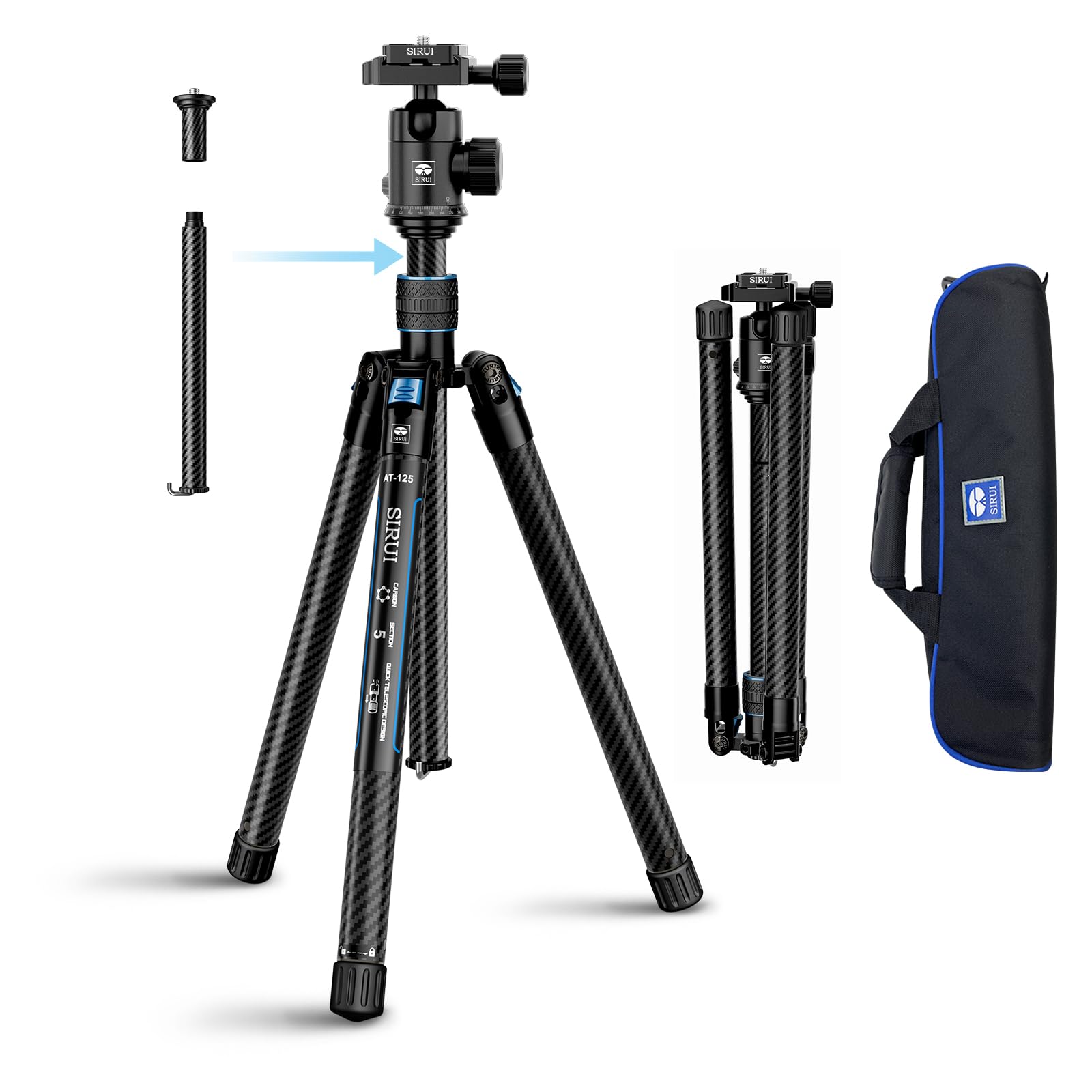
The Sirui Traveler X - II Carbon Fiber Tripod Kit is a strong example of a support option that fits the travel mindset. Carbon fiber construction helps reduce weight, and a travel tripod can make a major difference for night scenes, self-portraits, time-lapses, and sharper landscape images in low light.
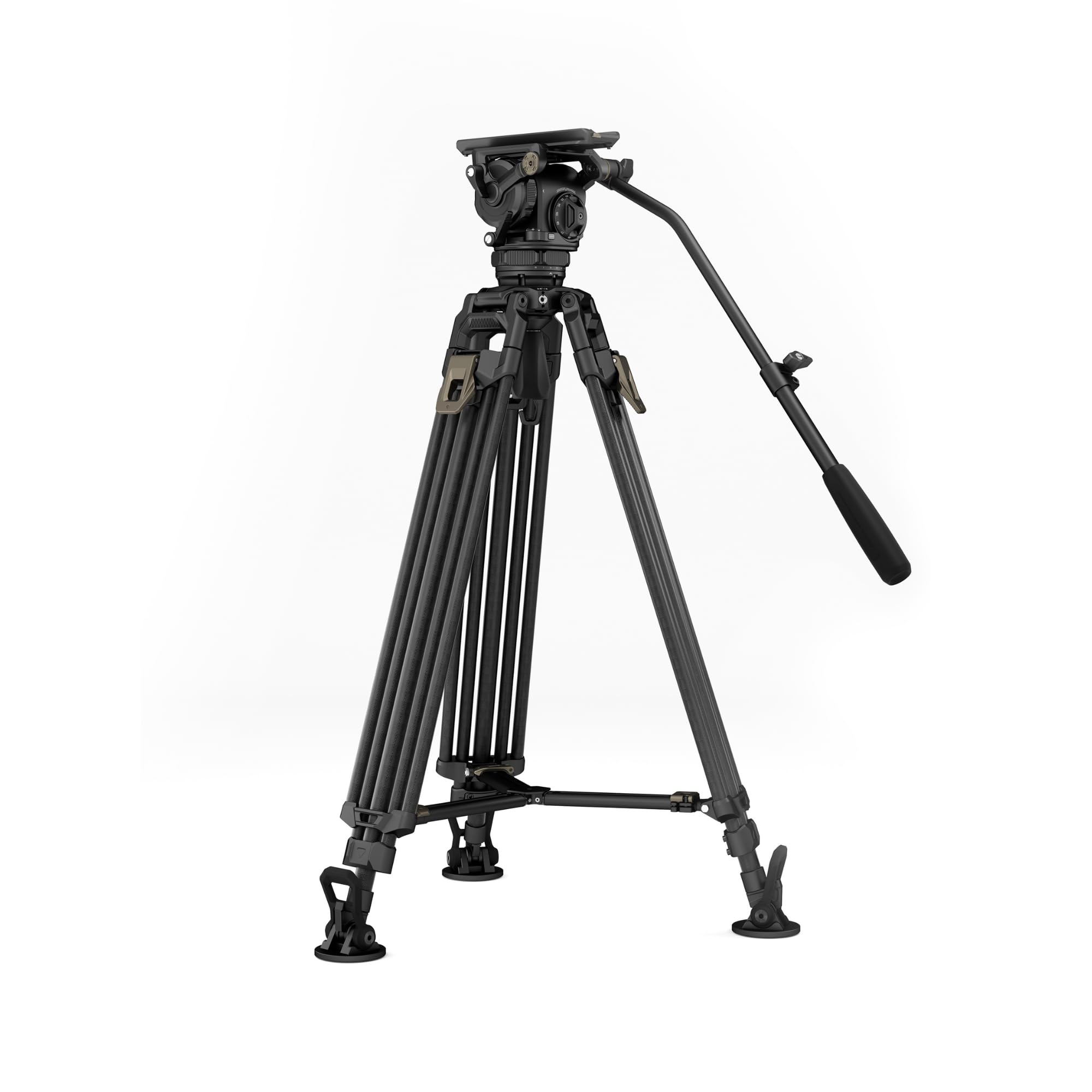
For travelers creating more video-focused content, especially with larger rigs, the Tilta Cine Fluid Head and One Touch Carbon Fiber Tripod Legs 26.5lb Space Gray is worth considering. It is less about extreme minimalism and more about stable motion for serious hybrid shooters who still want a portable field solution from Unique Photo.
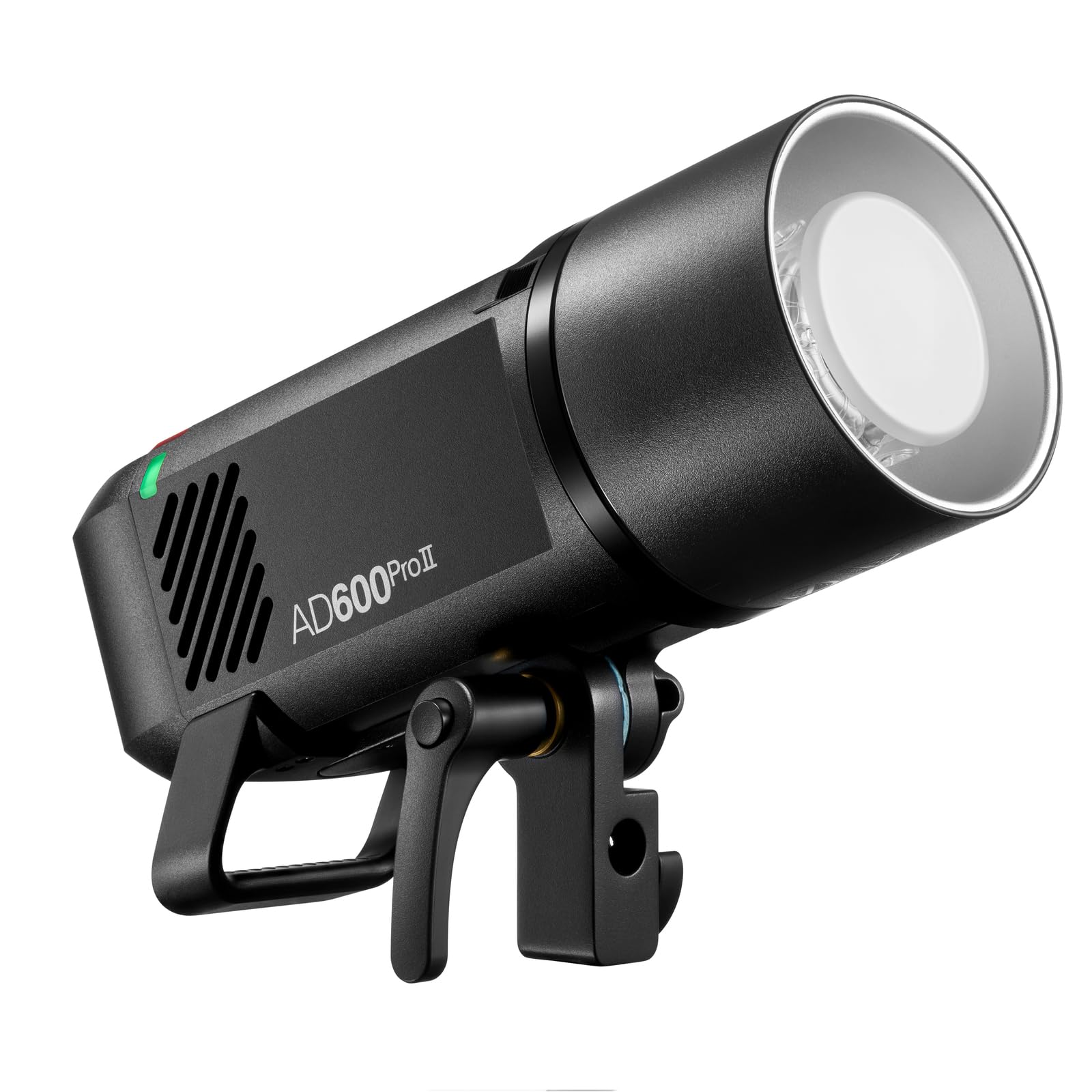
If your travel content includes environmental portraits or location work where added lighting matters, the Godox AD600Pro II All-in-One Outdoor Flash can be a powerful tool. It is not an everyday ultralight item, but for destination portrait sessions, travel editorials, or adventure branding shoots, it offers studio-like lighting flexibility on location.
When a Specialty Lens Kit Makes Sense for Travel Video
Not every traveler is trying to go as small as possible. Some creators travel specifically for production work. If your version of a travel kit is built around filmmaking, a compact cinema setup can still be streamlined with a focused lens pairing.
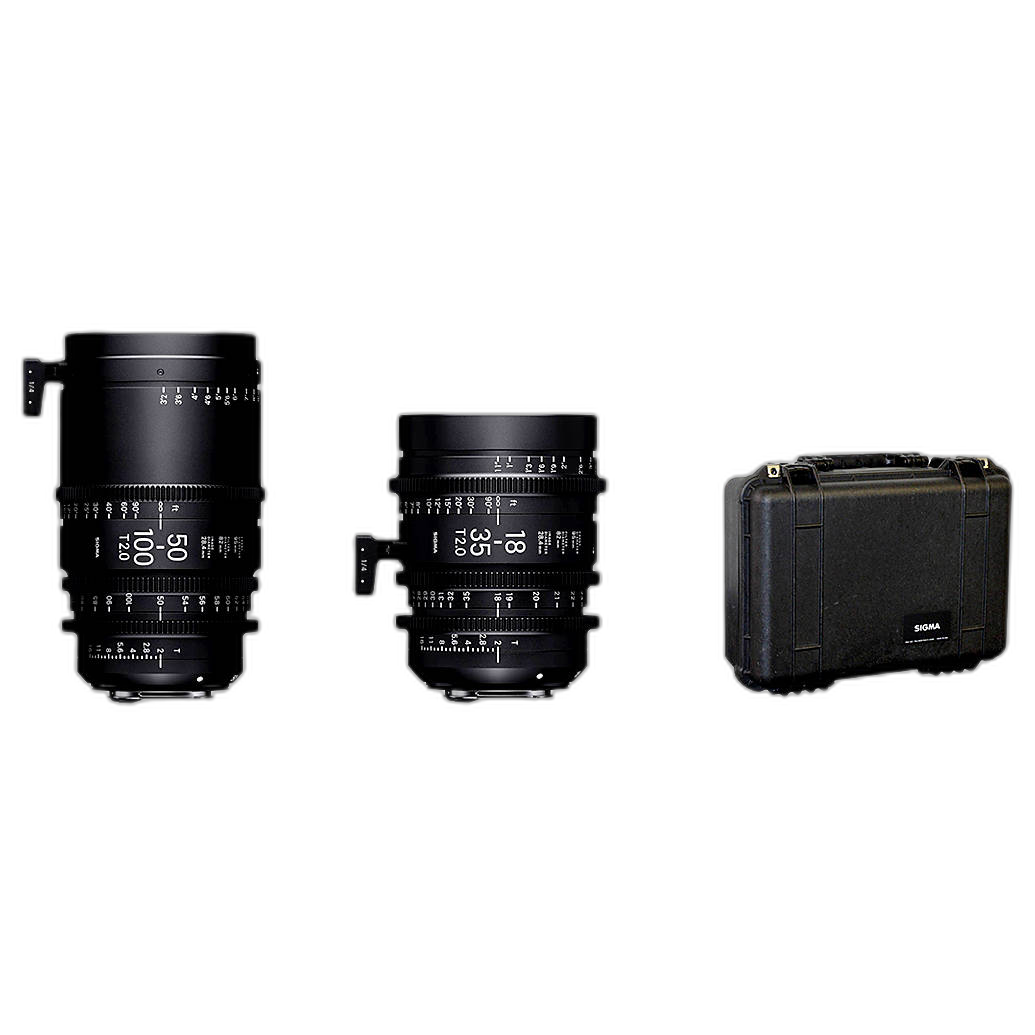
The Sigma 18-35mm T2 and 50-100mm T2 Lenses with Case (Canon EF) offers a respected pairing for video shooters who want consistent optical character and fast apertures. It is not a one-lens stills travel solution, but it is a good reminder that “travel kit” can mean different things for different jobs.
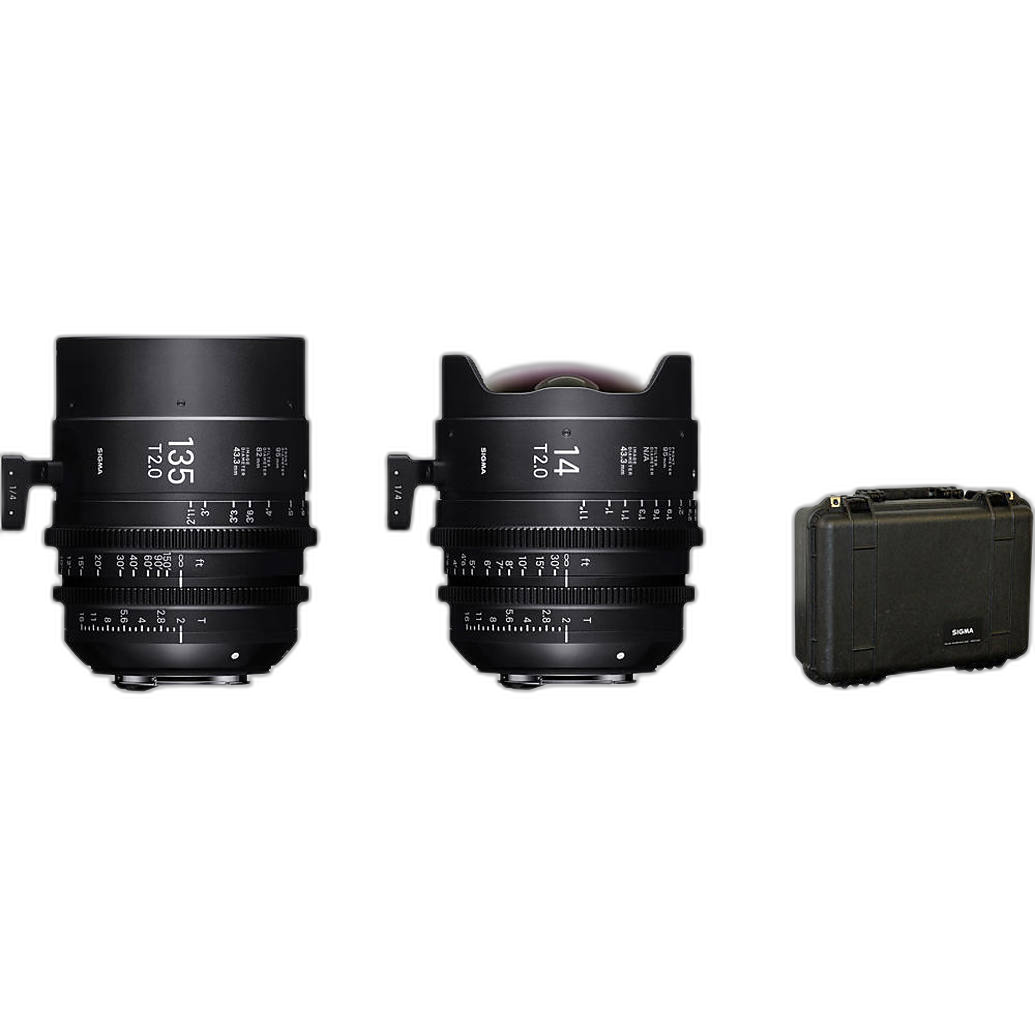
Likewise, the Sigma 14mm T2 and 135mm T2 FF High-Speed Prime Lens Kit serves creators who need ultra-wide and telephoto cinematic coverage on the road. For destination filmmakers or commercial teams traveling light compared to a full truck package, this kind of lens kit can still represent a streamlined production approach.
Should You Prioritize Image Quality or Portability?
This is the key tradeoff in every best one camera and one lens for travel search. The good news is that modern cameras have made the compromise much smaller than it used to be. Today, many compact mirrorless systems can deliver image quality that is more than enough for prints, client work, and professional-looking content.
If you are deciding between a slightly larger, higher-performance setup and a smaller one, choose the kit you will carry consistently. A technically superior camera left in your bag is not better than a lightweight setup in your hands when the moment happens.
At Unique Photo, we often encourage travelers to think about their real-world tolerance for weight. A small reduction in size can make a huge difference over a full day of walking, public transit, or airport connections.
Best Use Cases for a One Camera One Lens Travel Kit
A single-camera, single-lens setup works especially well for:
- Weekend trips where simplicity matters
- International travel with strict luggage limits
- Street photography where low profile gear helps
- Hiking and outdoor travel where every ounce counts
- Family vacations when you want to stay present
- Content creation when efficiency matters more than carrying every option
It may be less ideal if you need dedicated wildlife reach, ultra-specialized low-light performance, or multiple focal lengths for client-driven assignments. Even then, a one-lens kit can still work as a secondary travel solution.
Common Mistakes to Avoid When Building a Minimal Travel Kit
Travelers often overpack because they are trying to prepare for every possible photo. In practice, the best results usually come from knowing your setup well and moving freely. Avoid these common mistakes:
- Choosing too much lens range at the expense of size and enjoyment
- Ignoring ergonomics in favor of spec-sheet comparisons
- Forgetting battery, storage, and support needs
- Bringing heavy accessories “just in case”
- Using a focal length that does not match your shooting habits
If you usually shoot wide, do not force yourself into a normal lens because someone called it classic. If you constantly crop, you may prefer a slightly longer all-purpose zoom. The best kit is personal, practical, and repeatable.
Final Thoughts on Choosing the Best Lightweight Travel Photography Kit
The ideal one camera and one lens travel kit is the one that helps you shoot more, carry less, and enjoy the trip. For many photographers, that means a compact camera with either a standard zoom or a moderate wide prime. For hybrid creators, adding a portable support system can elevate results without ruining the travel-friendly feel of the setup.
Unique Photo is a great place to explore travel-ready gear, whether you are refining a minimalist stills kit or building a more capable creator setup. Accessories like the Sirui Traveler X - II Carbon Fiber Tripod Kit, more advanced support options like the Tilta Cine Fluid Head and One Touch Carbon Fiber Tripod Legs, and location-lighting tools such as the Godox AD600Pro II can all help shape a travel kit around your actual goals.
For helpful next steps, consider linking this guide internally to related Unique Photo resources such as travel tripod buying guides, beginner mirrorless camera guides, best lenses for street photography, and camera bags for air travel. Those topics naturally complement anyone researching a lightweight, high-quality travel photography setup.