Why a minimalist travel camera kit makes more sense than carrying everything
A minimalist travel camera kit is one of the smartest ways to enjoy photography on the road. Less weight means more mobility, less decision fatigue, and a better chance that your camera actually comes with you from sunrise walks to late-night street scenes. For many travelers, the best travel camera setup is not the biggest bag or the longest lens list. It is the kit that feels easy to carry all day and simple to use in changing conditions.
At Unique Photo, we regularly see travelers moving toward smaller mirrorless bodies, compact fixed-lens cameras, and one-lens setups that keep the focus on seeing rather than overpacking. Whether you are building a lightweight travel photography kit for city breaks, weekend road trips, or international flights, the goal is the same: bring only what helps you make better images.
A minimalist kit also helps you work faster. Instead of stopping to change lenses or rethink focal lengths, you learn your camera deeply and respond quickly. That is especially valuable for candid travel moments, architecture, food photography, and documentary-style storytelling.
What to include in a lightweight travel photography kit
If you are trying to choose a minimalist camera kit for travel, start by asking a few practical questions:
- How much walking will you do each day?
- Do you want one camera for both photos and video?
- Will you mostly shoot daylight, interiors, or night scenes?
- Do you prefer a zoom for flexibility or a fixed focal length for simplicity?
- Can your gear fit in a small shoulder bag or personal item?
For most travelers, a streamlined kit includes:
- One compact camera body or fixed-lens camera
- One lens, or one built-in focal length
- One spare battery and charger
- One memory card wallet
- A small strap or wrist strap
- Optional compact light for portraits or indoor scenes
That is it. The key is resisting accessories that sound useful but rarely leave the hotel. A huge tripod, multiple flashes, and several lenses can quickly turn a fun travel setup into a burden.
Best minimalist travel camera options: compact mirrorless vs fixed-lens cameras
There is no single best travel camera for everyone, but minimalist travel photographers usually land in one of three camps: a small full-frame mirrorless body, a compact fixed-lens premium camera, or a pocketable large-sensor point-and-shoot.
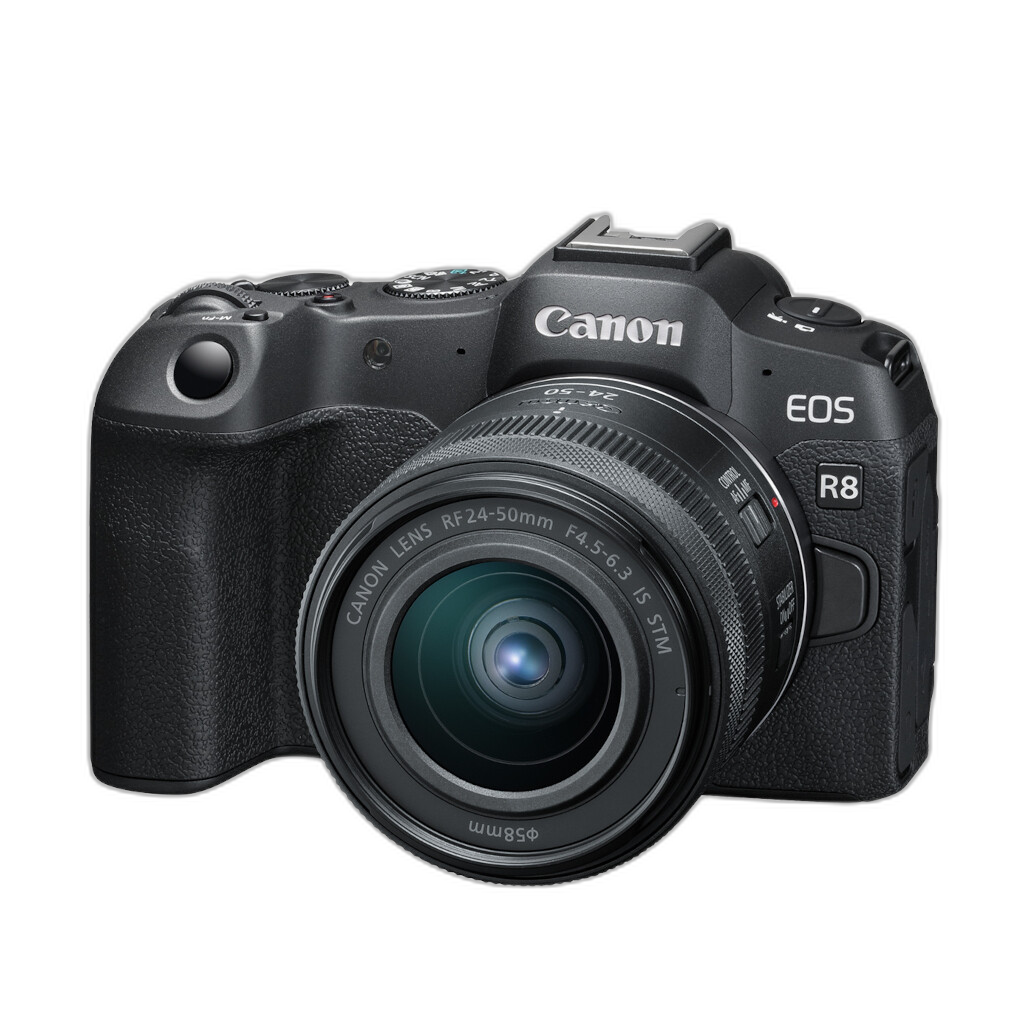
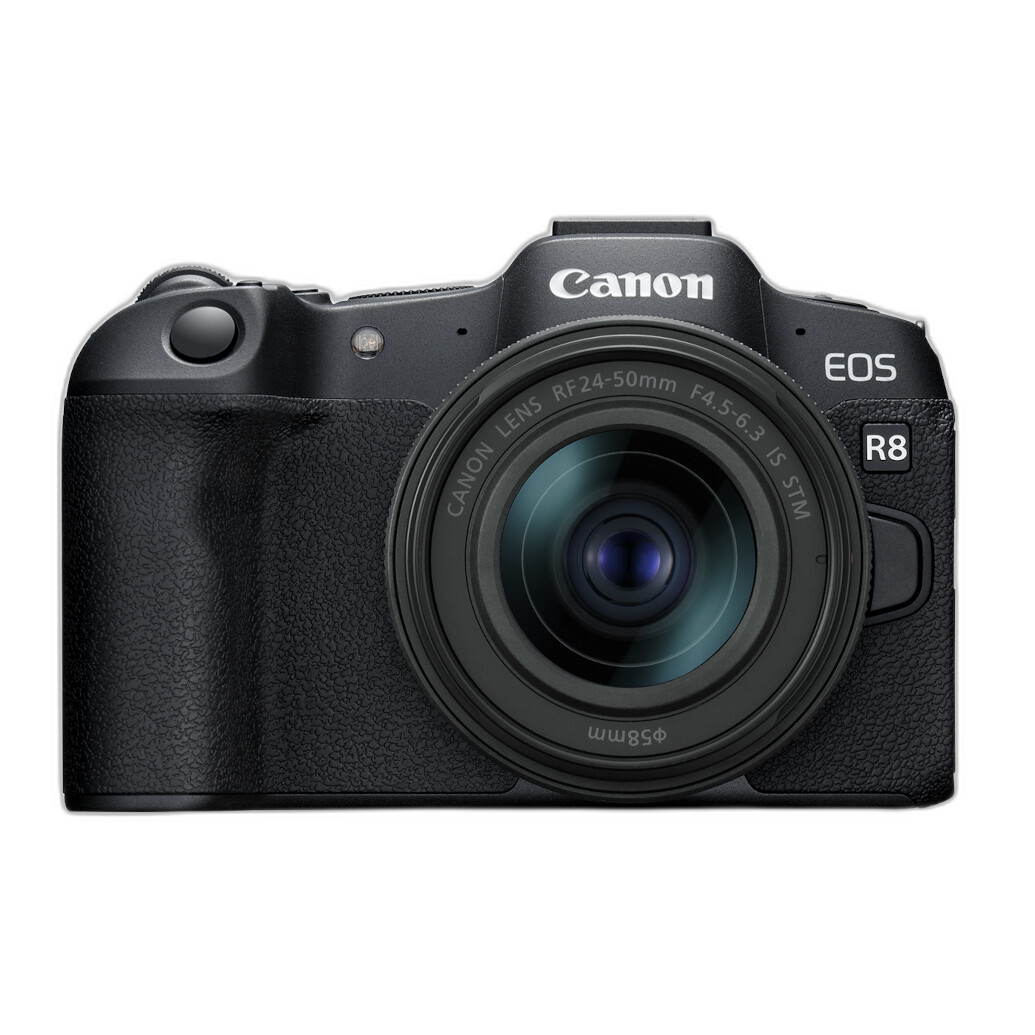
A strong example of a lightweight interchangeable-lens option is the Canon EOS R8 Mirrorless Camera with RF24-50mm f/4.5-6.3 IS STM Kit. For travelers who want modern autofocus, strong image quality, and a compact body, this kind of setup makes a lot of sense. The included zoom covers common travel subjects without requiring extra lenses, and the body stays relatively manageable for long days on foot.
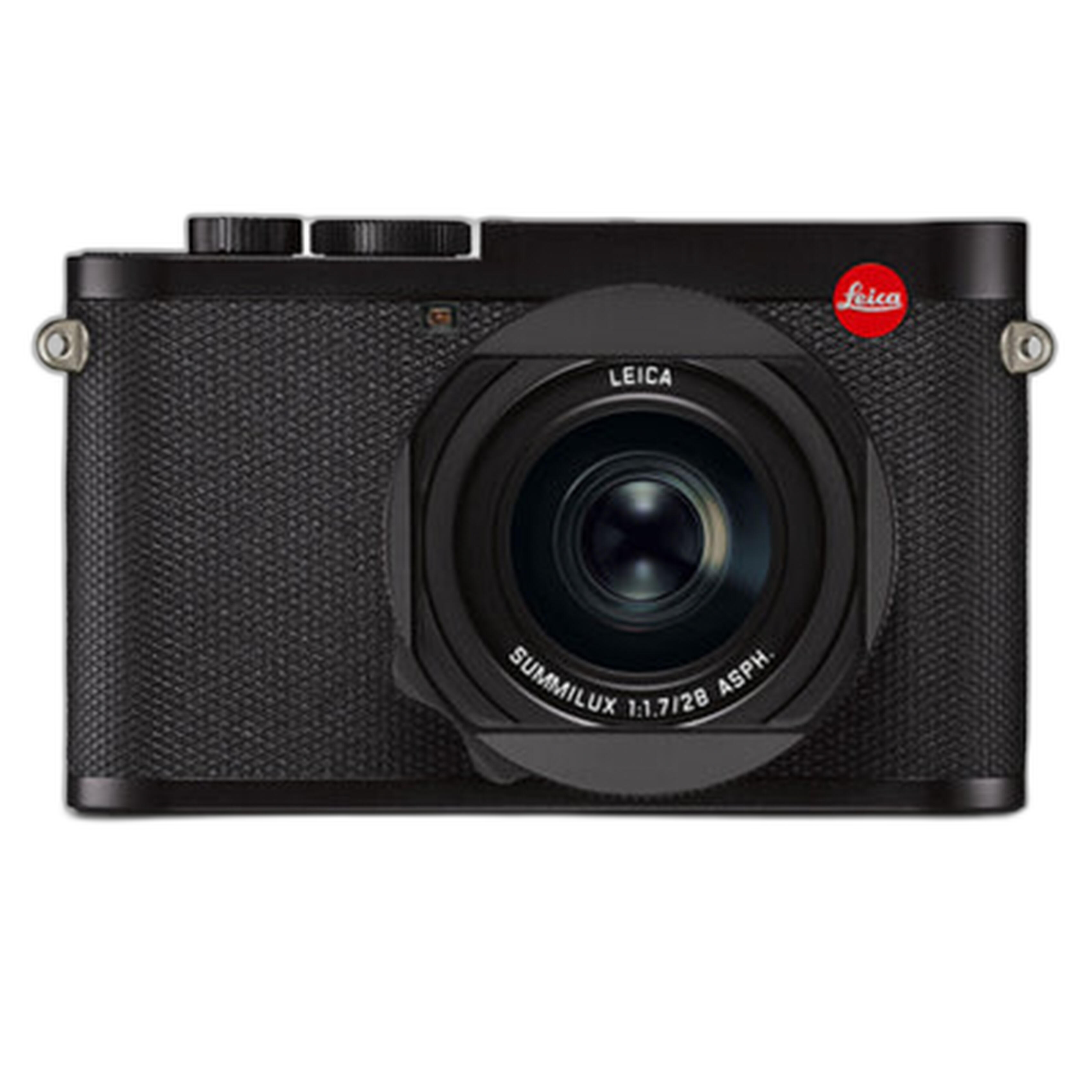
If your priority is an even simpler shooting experience, a premium fixed-lens camera can be ideal. The Used Leica Q2 Traveler Kit is a great example of the minimalist philosophy in action. A full-frame sensor paired with a fixed 28mm lens gives you excellent image quality and a consistent way of seeing. It encourages you to move your feet, compose deliberately, and build a cohesive travel series.
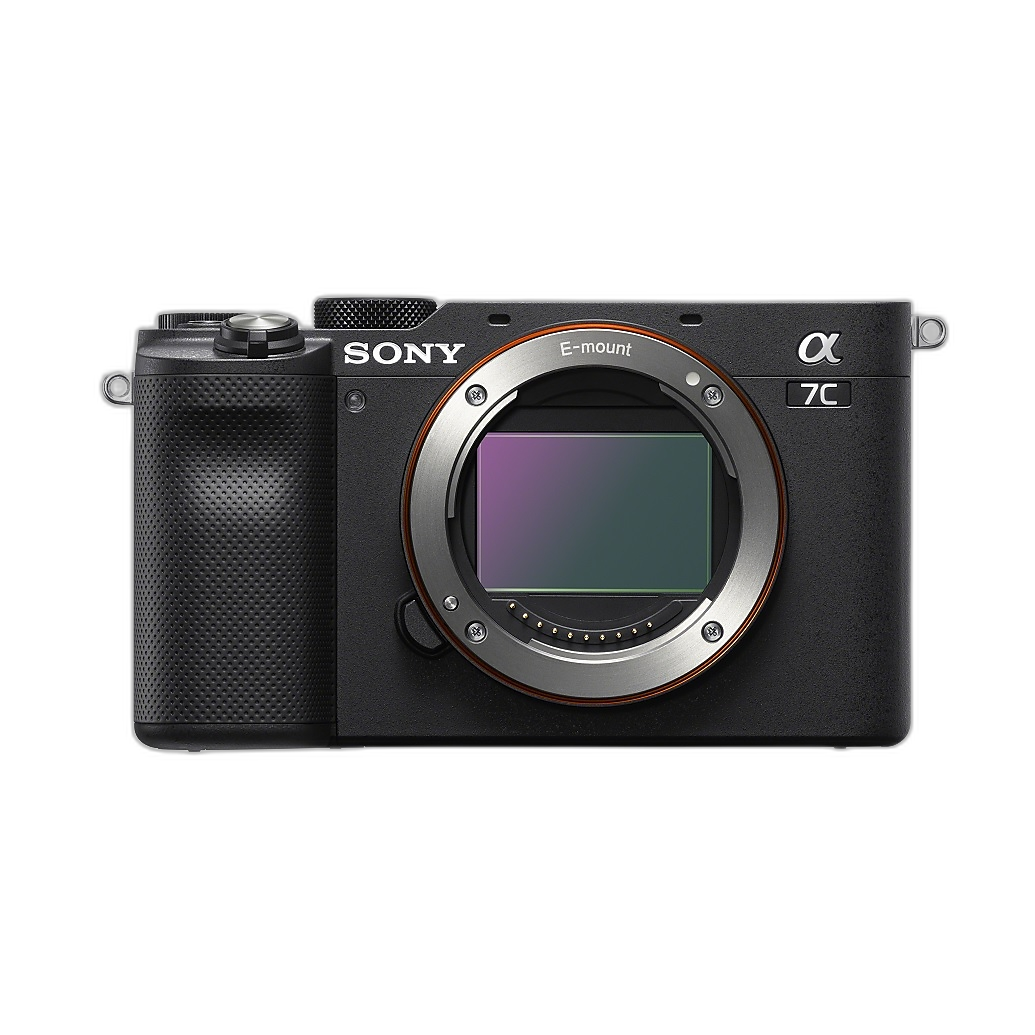
Another appealing route is a compact full-frame body like the Used Sony A7C Body Only, especially for photographers who want a small interchangeable-lens platform. Paired with a compact prime, an A7C-style kit can become a highly capable one-lens travel setup that still packs small.
And if pocketability is your top priority, cameras in the Ricoh GR III category have a loyal following for good reason. A camera like the Used Ricoh GR III represents the essence of minimalism: large sensor, fixed focal length, and true everyday portability. It is the kind of camera you can carry constantly, which often matters more than theoretical specs.
How to choose between a zoom lens and a fixed focal length for travel
This is one of the biggest travel photography buying decisions. A zoom lens offers convenience, while a fixed focal length offers consistency and creative discipline.
Choose a zoom if you want:
- Maximum flexibility in one lens
- Fast framing changes without moving
- An easier time with landscapes, portraits, and details in one outing
- A safer all-purpose setup for mixed subjects
Choose a fixed focal length if you want:
- A lighter and simpler kit
- A more intentional shooting process
- More consistent image style across your trip
- Better low-light potential, depending on lens choice
For beginners building a minimalist travel kit, a compact zoom like the Canon RF24-50mm can be a practical starting point. For photographers ready to simplify further, a fixed 28mm, 35mm, or 40mm equivalent lens often becomes the sweet spot.
Best fixed focal length for travel photography: 28mm, 35mm, or 50mm?
If you want to make the most out of a fixed focal length, you need to choose one that matches how you naturally see. Here is a simple breakdown:
28mm: Great for street photography, interiors, environmental portraits, food, and architecture. It tells a broad story and works well in tight spaces. This is why cameras like the Leica Q2 and Ricoh GR III have become so popular with travel photographers.
35mm: A classic do-everything focal length. It feels natural, works well for documentary travel photography, and gives a nice balance between subject isolation and environmental context.
50mm: Better for tighter compositions, portraits, details, and cleaner subject separation. It can be limiting in narrow streets, small restaurants, or indoor spaces.
For most minimalist travel shooters, 28mm or 35mm is easier to live with all day. These focal lengths help you capture the scene, not just the subject, which is often what makes travel images feel immersive.
Practical buying advice for a minimalist travel camera kit
When shopping for travel gear at Unique Photo, think beyond specs and ask what you will realistically carry for eight to ten hours. The best minimalist camera kit is one you will still enjoy using at the end of the day.
Here are some practical buying tips:
- Prioritize size and weight: A smaller camera with you is better than a larger camera left behind.
- Buy for your trip type: City travel, hiking, family vacations, and food-focused travel all benefit from slightly different setups.
- Consider used gear: Unique Photo’s used department can be a smart way to get premium travel-friendly cameras while staying on budget.
- Keep batteries simple: One or two extras are usually enough for a minimalist kit.
- Avoid accessory creep: Every “just in case” item adds up fast.
If you are undecided, a compact body like the Sony A7C paired with one small prime, or a ready-to-shoot kit like the Canon EOS R8 with its compact zoom, can be excellent low-stress options. If you already know you love the discipline of one focal length, a Leica Q2-style setup can be incredibly rewarding.
How to shoot great travel photos with one focal length
Learning to shoot with a single focal length is one of the fastest ways to improve as a travel photographer. Instead of relying on zoom, you begin anticipating compositions. You notice background layers, edges, and distance more clearly. That consistency often leads to stronger storytelling.
Here are some ways to make the most of a fixed focal length:
- Walk more: Move physically closer or farther rather than wishing for another lens.
- Pre-visualize frames: After a few days, you will instinctively know what fits in the image.
- Use foreground elements: Doorways, tables, signs, and shadows add depth.
- Shoot in sequences: Wide establishing frame, medium scene, then a detail shot by moving your position.
- Embrace consistency: A trip gallery shot mostly at one focal length often feels more cohesive.
A fixed focal length is especially effective when you are trying to create a visual diary of a destination. Instead of collecting random images, you start building a recognizable point of view.
Travel photography tips for lightweight gear in daylight, indoors, and at night
Minimalist travel kits shine when you adapt your technique to the gear rather than expecting gear to solve every problem.
In daylight: Keep things simple. Work with natural light, look for side light in streets and alleys, and use your smaller camera size to stay unobtrusive.
Indoors: Raise ISO when needed and stabilize your stance. Lean on walls or tables for support. A wider fixed focal length helps in cafés, museums, and hotel interiors.
At night: Watch shutter speed carefully and look for practical light sources like neon, storefronts, and street lamps. Small cameras are excellent for low-profile evening shooting.
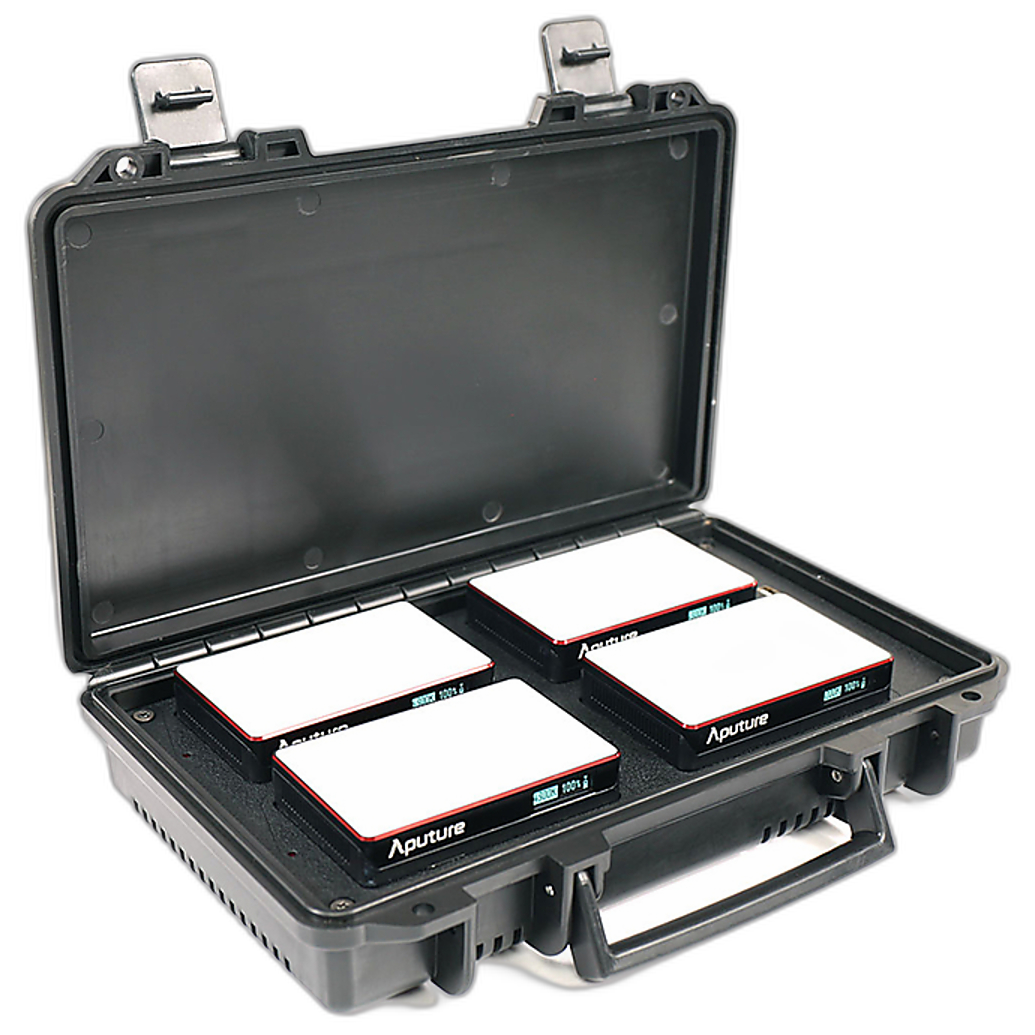
For creators who want a little extra control without carrying a large lighting kit, compact accessories can help. The Aputure MC 4-Light Travel Kit with Charging Case is a good example of a portable lighting solution for travel portraits, product shots, or creative hotel-room content. It is more relevant for hybrid creators and content makers than for the average sightseeing photographer, but it shows how travel-friendly lighting can remain compact.
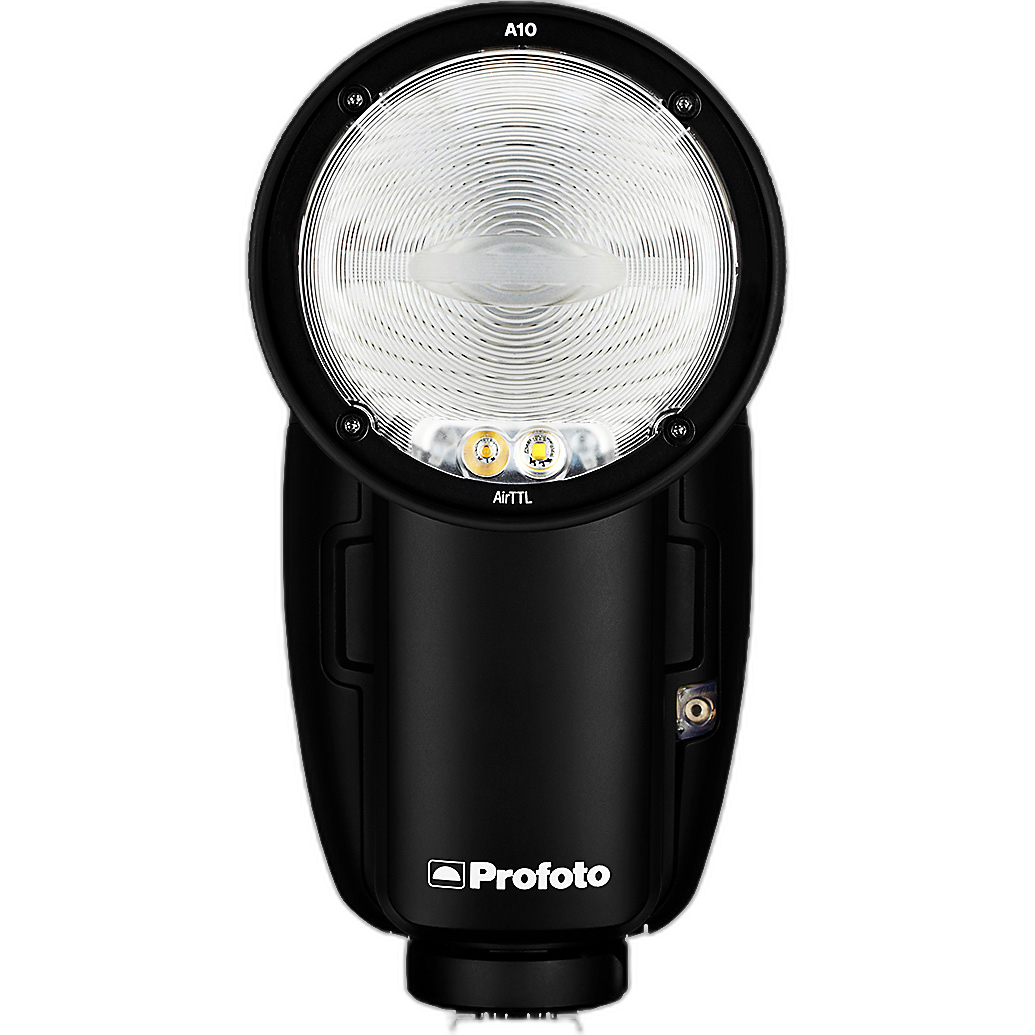
Likewise, a small on-camera flash can be useful if your travel style includes events, dinner portraits, or indoor documentary work. Products like the Profoto A10 or Godox V1 fit specialized needs, though most minimalist travel photographers will only pack flash if they know they need it.
Sample travel image ideas to practice with a minimalist setup
If you want to build a stronger set of images from your next trip, challenge yourself to capture these categories with one camera and one focal length:
- Early morning street scene
- Wide establishing shot of a neighborhood
- Environmental portrait of a travel companion
- Local food with surrounding context
- Architectural detail
- Transportation moment such as train, taxi, or bike
- Quiet interior scene
- Night street image using available light
- Layered market or café scene
- Final image of the day from your walk back
This kind of shot list helps you think like a storyteller. It also proves that a lightweight camera kit can still produce a rich, varied travel gallery.
How to pack and carry a minimalist travel kit comfortably
Smart packing is part of minimalist photography. Keep your camera accessible, because the best travel moments are usually fleeting. A camera buried under clothing in a backpack misses opportunities.
Use a small shoulder bag, sling, or padded insert in a day bag. Keep batteries and cards in one organizer. If you are traveling for content production or more complex shoots, support gear may occasionally make sense, but only if the trip truly calls for it. For example, something like the Tilta Boulder Camera Cart Indie Kit is clearly designed for larger production workflows rather than minimalist sightseeing, so it highlights an important point: not every useful product belongs in a travel-minimal setup.
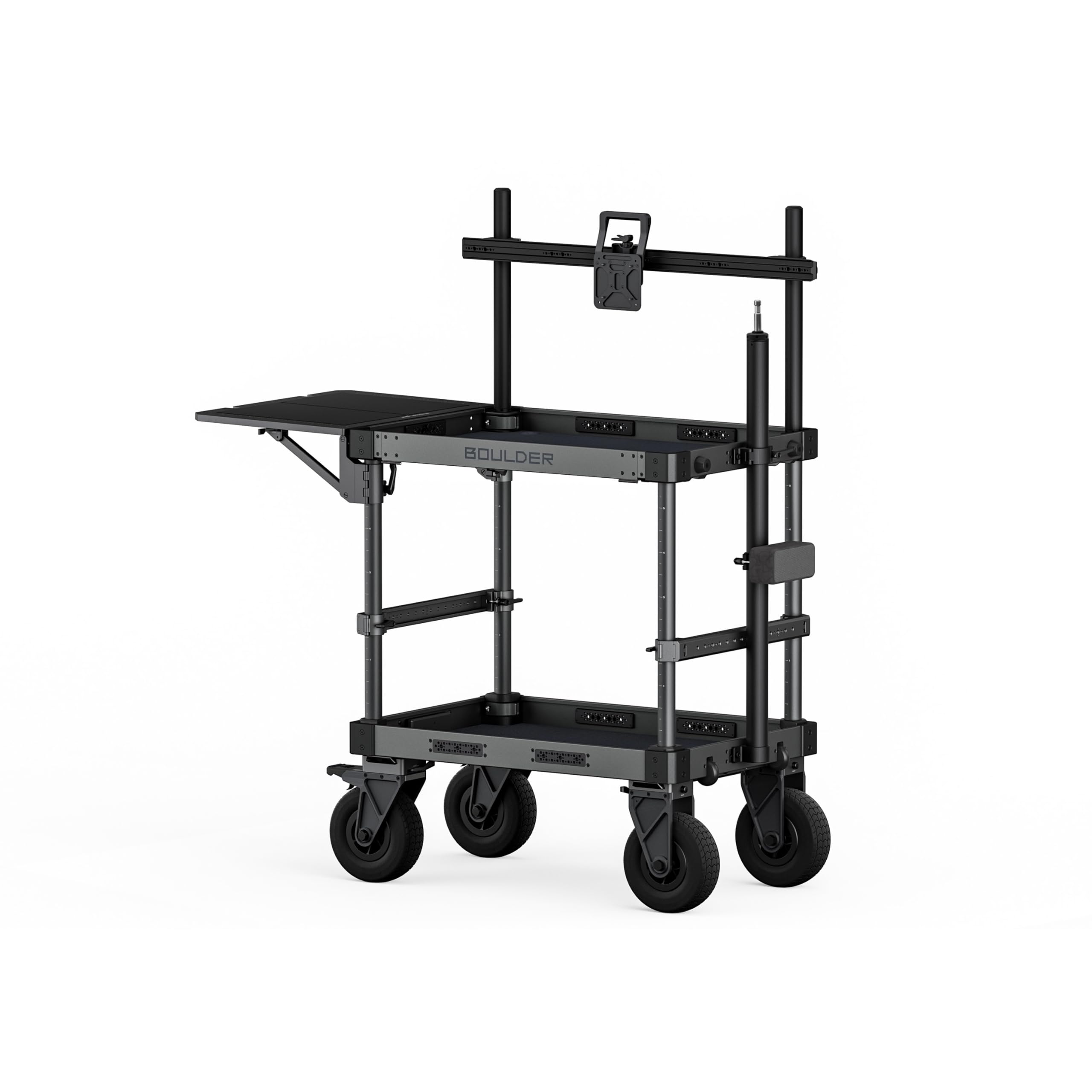
That contrast is helpful when shopping. Minimalism is about choosing what serves your style, not what fills a checklist.
Final thoughts on choosing the best minimalist camera kit for travel
The best minimalist camera kit for travel is the one that balances image quality, portability, and simplicity for the way you actually move through the world. For some photographers, that means a compact zoom setup like the Canon EOS R8 kit. For others, it means committing to a premium fixed-lens camera like the Leica Q2 or a pocketable everyday option in the Ricoh GR class. And for travelers who want flexibility in a small full-frame body, a Sony A7C-based setup remains compelling.
Unique Photo is a great place to compare new and used travel-friendly cameras, especially if you want expert guidance on body size, lens pairing, and practical accessories that will not weigh you down. As you build your kit, remember that fewer choices in your bag often lead to more intention in your photography.
For next steps, consider exploring internal links on Unique Photo to related categories such as mirrorless cameras, used cameras, compact lighting, and travel-friendly camera accessories. Those pages can help you refine your one-camera travel setup and choose gear that fits your shooting style without overpacking.