Overview
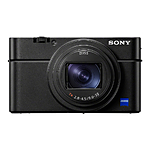
The Sony RX100 series has long set the standard for pocket-sized cameras that pack a punch. With a 1-inch sensor, fast lenses, and pro-level features, these compact cameras are beloved by enthusiasts, travelers, and even professionals seeking a backup to their main kit. But with multiple generations still on the market, which RX100 is right for you? In this detailed comparison, we'll pit the Sony RX100 III, IV, VA, and VII against each other, examining specs, image quality, video performance, speed, and usability.
Meet the Contenders
- Sony RX100 III: The first with a pop-up viewfinder and fast lens, a favorite among purists.
- Sony RX100 IV: Introduced a stacked sensor for faster performance and 4K video.
- Sony RX100 VA: An updated RX100 V with improved processing, autofocus, and buffer.
- Sony RX100 VII: The latest and most advanced, with real-time tracking, a longer zoom, and pro-level video features.
Design & Build Quality
| Model | Image | Dimensions (WxHxD) | Weight | Viewfinder |
|---|---|---|---|---|
| Sony RX100 III | 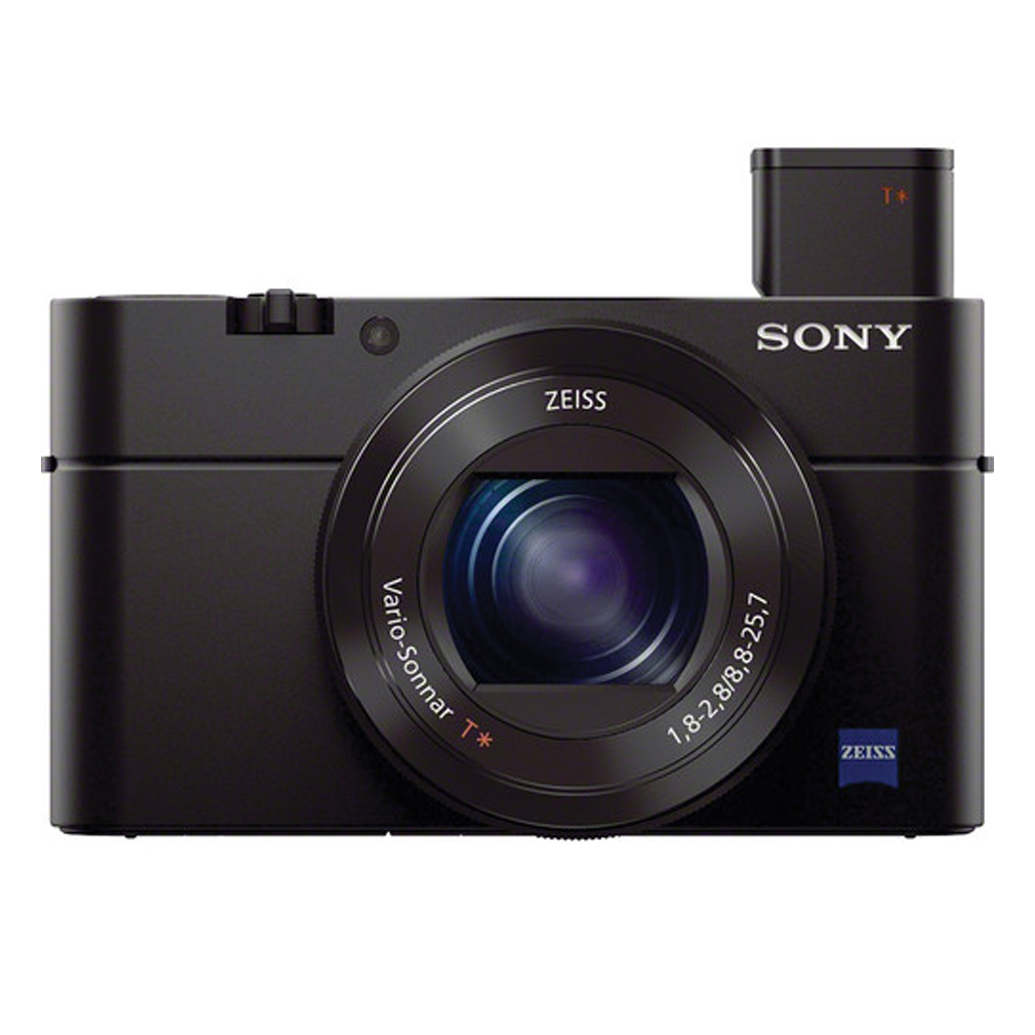 |
101.6 x 58.1 x 41.0 mm | 290g | Pop-up EVF |
| Sony RX100 IV | 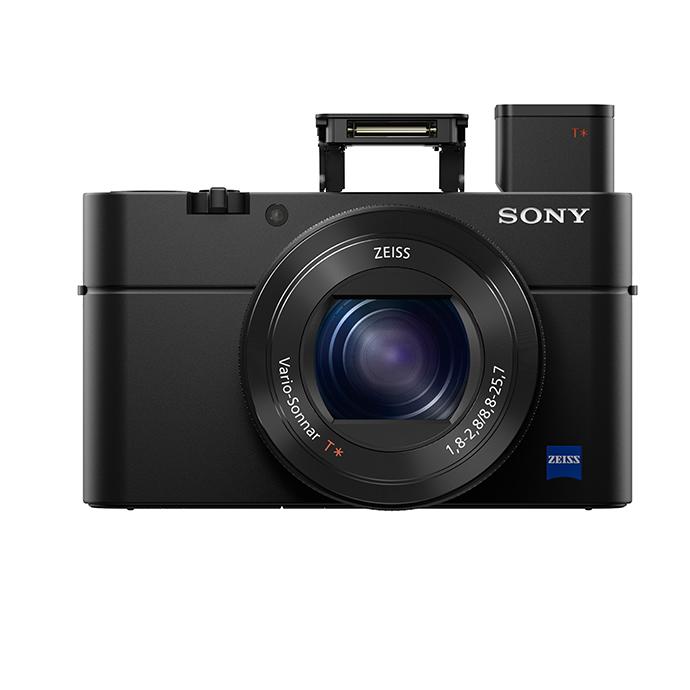 |
101.6 x 58.1 x 41.0 mm | 298g | Pop-up EVF |
| Sony RX100 VA | 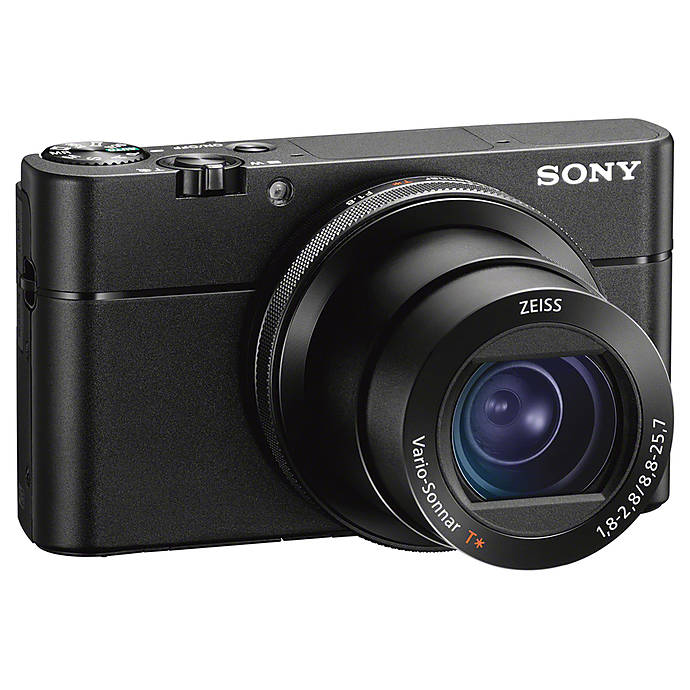 |
101.6 x 58.1 x 41.0 mm | 299g | Pop-up EVF |
| Sony RX100 VII | 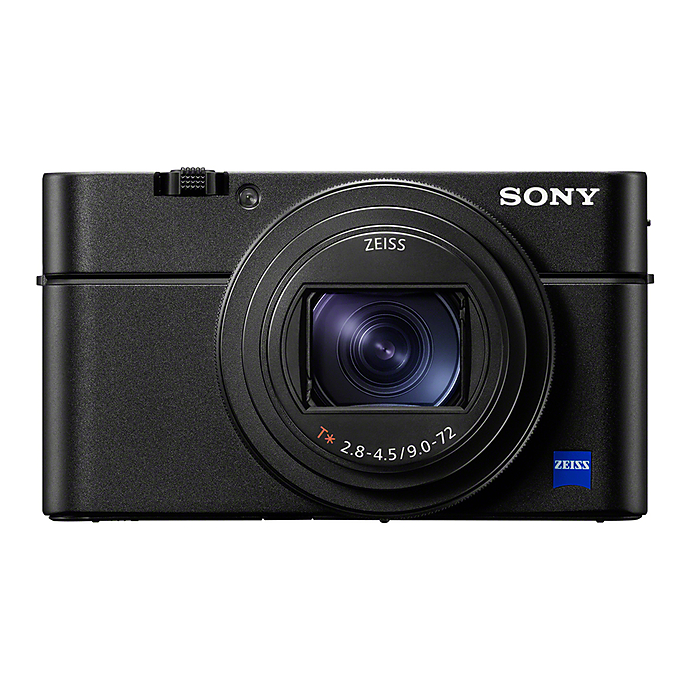 |
102.0 x 58.1 x 43.0 mm | 302g | Pop-up EVF |
Sensor and Image Quality
All four models use a 1-inch type sensor, but the RX100 IV, VA, and VII employ a stacked design, enabling faster readout, improved video, and advanced autofocus features.
- RX100 III: 20.1MP Exmor R CMOS
- RX100 IV: 20.1MP Exmor RS stacked CMOS
- RX100 VA: 20.1MP Exmor RS stacked CMOS (improved processing)
- RX100 VII: 20.1MP Exmor RS stacked CMOS (latest generation)
Lens Comparison
| Model | Lens | Max Aperture | Optical Zoom |
|---|---|---|---|
| RX100 III, IV, VA | 24-70mm (equiv.) Zeiss Vario-Sonnar T* | f/1.8-2.8 | 2.9x |
| RX100 VII | 24-200mm (equiv.) Zeiss Vario-Sonnar T* | f/2.8-4.5 | 8.3x |
The RX100 VII trades some maximum aperture brightness for a much longer zoom, making it ideal for travel and versatility, while the III, IV, and VA offer better low-light performance and shallow depth of field due to their brighter lenses.
Autofocus & Shooting Speed
| Model | AF Points | Shooting Speed | Real-Time Tracking |
|---|---|---|---|
| RX100 III | Contrast AF (25 points) | 10 fps | No |
| RX100 IV | Contrast AF (25 points) | 16 fps | No |
| RX100 VA | 315 phase + 25 contrast | 24 fps | No |
| RX100 VII | 357 phase + 425 contrast | 20 fps (blackout-free) | Yes |
The RX100 VA and VII are especially powerful for action, with the VII providing Sony's most advanced real-time tracking and eye AF for humans and animals.
Video Features
- RX100 III: 1080p60, XAVC S codec, no 4K video.
- RX100 IV: First RX100 with 4K video, super slow motion up to 960 fps.
- RX100 VA: 4K video, improved processing, better buffer and autofocus during video.
- RX100 VII: 4K/30p (full pixel readout, no crop), mic input, advanced stabilization, S-Log, HDR (HLG), and real-time Eye AF in video.
Connectivity & Usability
- All models feature Wi-Fi and NFC for easy sharing.
- RX100 VII adds microphone input, making it a vlogger's dream.
- Flip-up screens (all), perfect for selfies and video blogs.
Why Choose Each Model?
- RX100 III: Best value for street and travel shooters who want a fast lens and don't need 4K or the latest AF tech.
- RX100 IV: Ideal for those seeking high-speed video and a stacked sensor at a lower price point.
- RX100 VA: Perfect balance between speed, AF, and image quality; great for sports, wildlife, and general shooting.
- RX100 VII: Top choice for video, tracking, vlogging, and all-around performance in a pocket camera.
Recommended Accessories
- Extra NP-BX1 batteries – the RX100 series is compact, but battery life is modest.
- Screen protector – keep the tilting LCD pristine.
- Small camera pouch or case for protection.
- Microphone (for RX100 VII) for improved audio recording.
- Mini tripod or grip for stable shooting and vlogging.
Usage Tips
- Utilize the pop-up EVF on bright days for better composition.
- Engage Eye AF for sharp portraits and candid shots.
- Try the slow motion/HFR modes (IV, VA, VII) for creative action sequences.
- Flip up the LCD for effortless selfies and video blogs.
RX100 Series: Head-to-Head Spec Table
| Feature | RX100 III | RX100 IV | RX100 VA | RX100 VII |
|---|---|---|---|---|
| Sensor | 20.1MP Exmor R CMOS | 20.1MP Exmor RS Stacked CMOS | 20.1MP Exmor RS Stacked CMOS | 20.1MP Exmor RS Stacked CMOS |
| Lens | 24-70mm f/1.8-2.8 | 24-70mm f/1.8-2.8 | 24-70mm f/1.8-2.8 | 24-200mm f/2.8-4.5 |
| AF Points | 25 contrast | 25 contrast | 315 phase + 25 contrast | 357 phase + 425 contrast |
| Shooting Speed | 10 fps | 16 fps | 24 fps | 20 fps (blackout-free) |
| Video | 1080p60 | 4K30p, 1080p120, HFR | 4K30p, 1080p120, HFR | 4K30p, 1080p120, HFR, Mic Input |
| Screen | 3.0" 1.23M-dot tilting | 3.0" 1.23M-dot tilting | 3.0" 1.23M-dot tilting | 3.0" 921k-dot tilting |
| Battery | NP-BX1 | NP-BX1 | NP-BX1 | NP-BX1 |
| Mic Input | No | No | No | Yes |
What Comes in the Box
- Sony Cyber-shot RX100 Camera body (model as purchased)
- Rechargeable Battery Pack NP-BX1
- AC Adapter
- Micro USB Cable
- Wrist Strap
- Strap Adapter
- Instruction Manual