Buying Sony E-mount lenses has always involved balancing focal length, speed, consistency, and the kind of work you actually shoot. Lens comparison tools can make that process faster, and a beta comparison feature may be especially helpful when you are deciding between a single specialty lens and a more complete cine set. The key is knowing what a comparison tool can tell you—and what still needs to be answered by your workflow, your crew, and your shooting style.
If you are weighing options for cinema production, commercial work, documentary coverage, or narrative filmmaking, these tips can help you use a lens comparison tool wisely without letting it make the decision for you.
Start with Your Real-World Shooting Needs
1. Compare for the project, not just the spec sheet
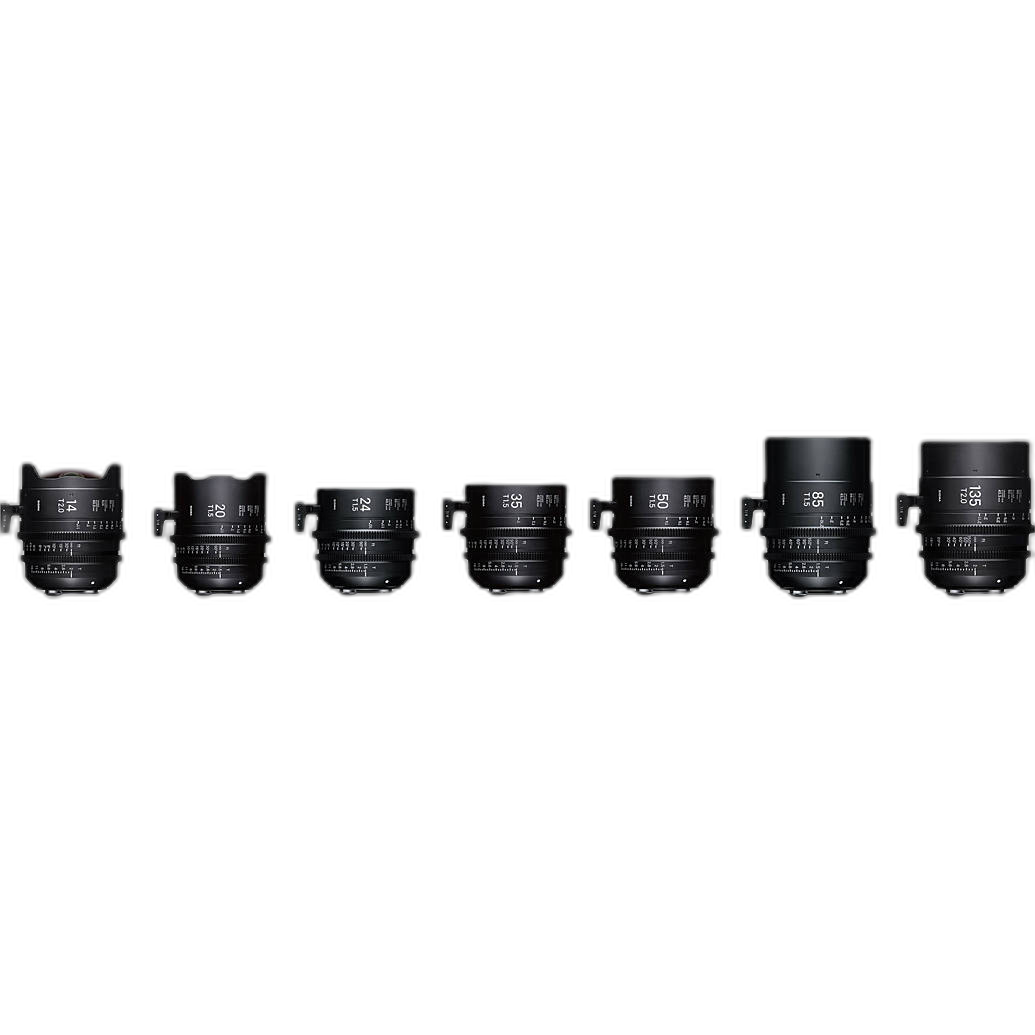
A lens comparison beta can be useful for narrowing choices, but your first filter should be the kind of work you shoot most often. If you are building a Sony E cine package for productions that need broad focal length coverage, a set like the Sigma T2/T1.5 FF 7 Fully Luminous Lens Kit with Case (Sony E, Metric) gives you a more complete toolkit than buying one standout focal length in isolation. By contrast, if your work regularly calls for dramatic telephoto compression, a dedicated option like the Sigma 135mm T2 Fully Luminous FF High-Speed Prime Lens (Sony E) may be the smarter move.
A compare tool can show you where those lenses sit in your lineup, but the better question is simple: what shots do you miss most often with your current kit?
Look Beyond Focal Length Alone
2. Think in terms of coverage gaps and visual style
It is easy to compare 14mm versus 135mm and assume the answer is obvious. In reality, buying decisions are often about filling gaps. The Sigma 14mm T2 FF High-Speed Prime Lens (Sony E) makes sense for architecture, interiors, landscapes, gimbal work, and stylized establishing shots. The Sigma 135mm T2 FF High-Speed Prime Lens (Sony E) or Sigma 135mm T2 Fully Luminous FF High-Speed Prime Lens (Sony E) is a very different creative tool, better for portraits, detail coverage, and cinematic subject separation.
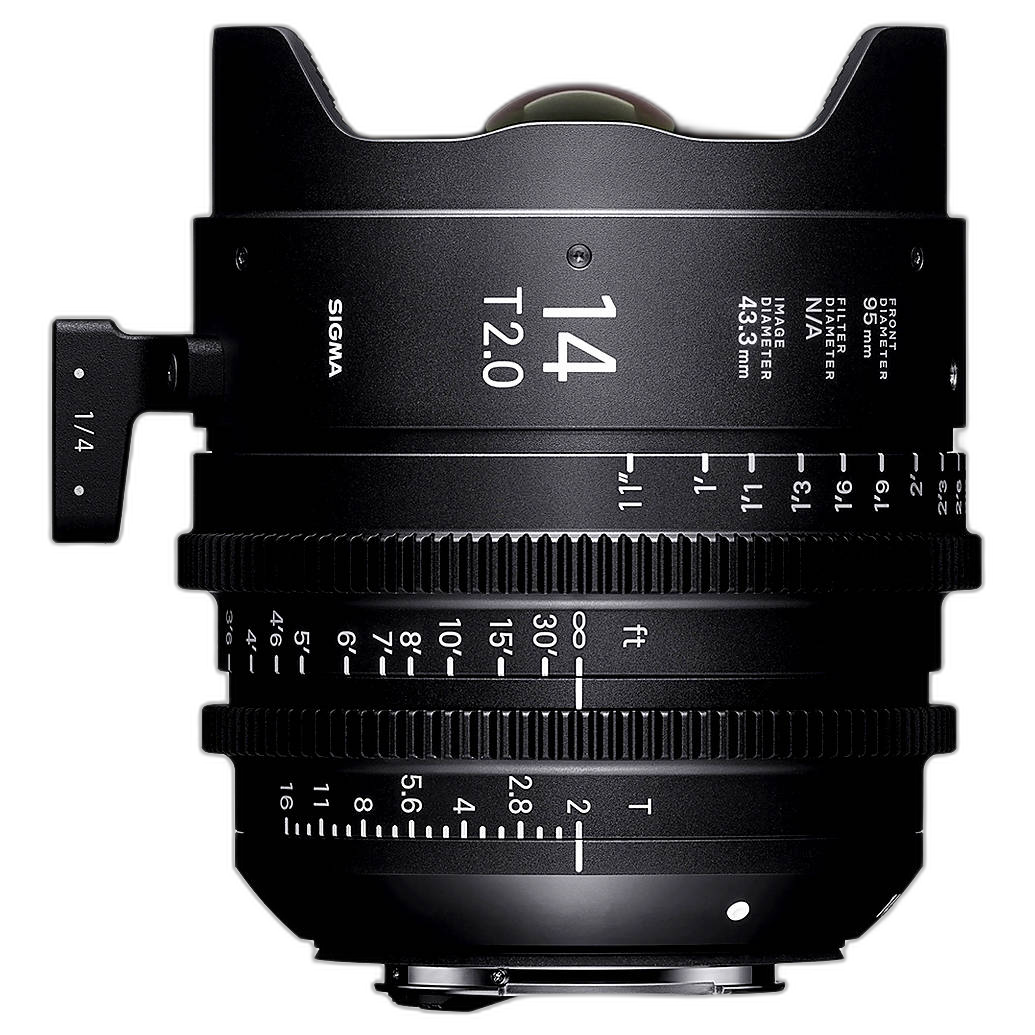
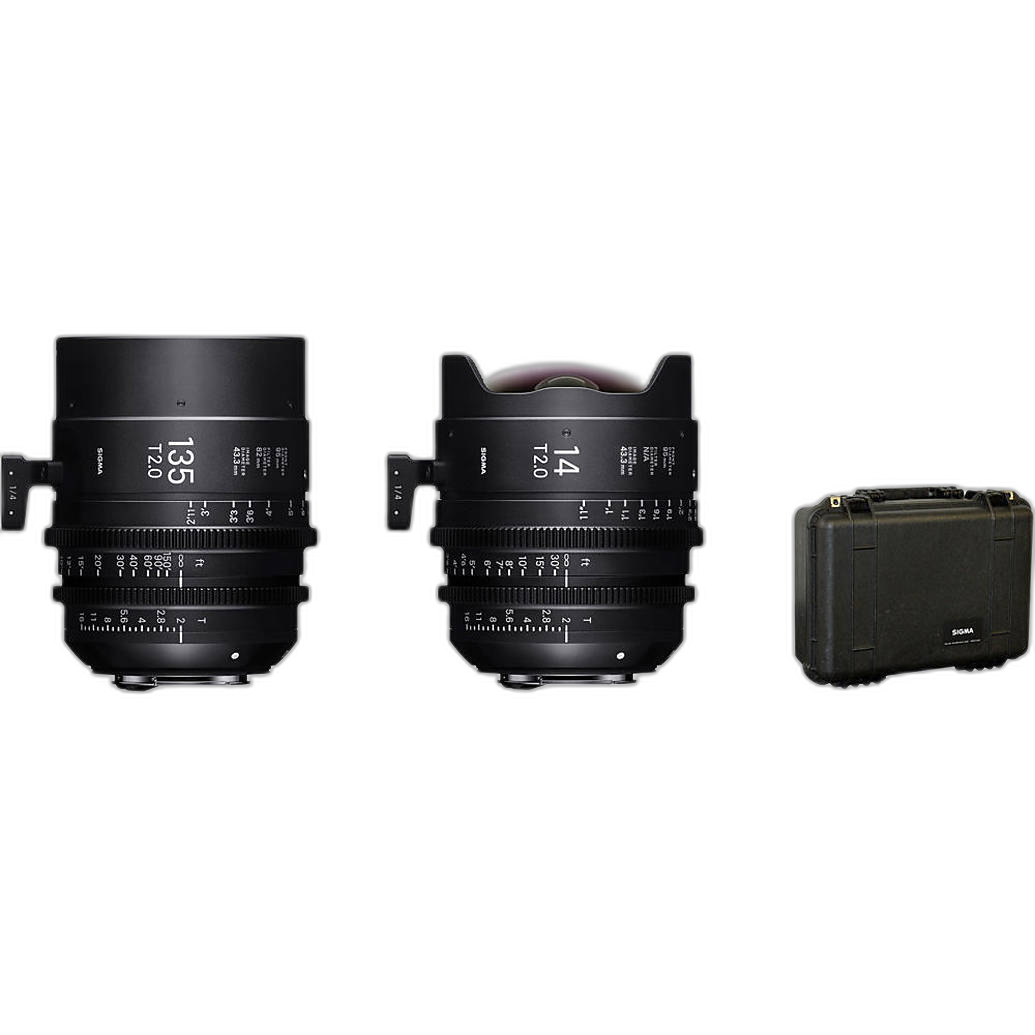
If the Lens Compare Beta helps you visualize the ends of your range, it can quickly reveal whether you need to go wider, longer, or broader overall with a kit such as the Sigma 14/135mm T2 FF High-Speed Fully Lum. Prime Lens Kit (Sony E, Metric).
Use Comparison Tools to Evaluate Set Consistency
3. For video shooters, matching lenses often matters more than one perfect lens
For cinema and video production, consistency across a set can be more valuable than maximizing one focal length. Matching housings, similar gear positions, and consistent rendering can make lens swaps faster and more predictable on set. That is where a compare feature may change your buying decision the most: it can nudge you away from piecemeal buying and toward a unified set.
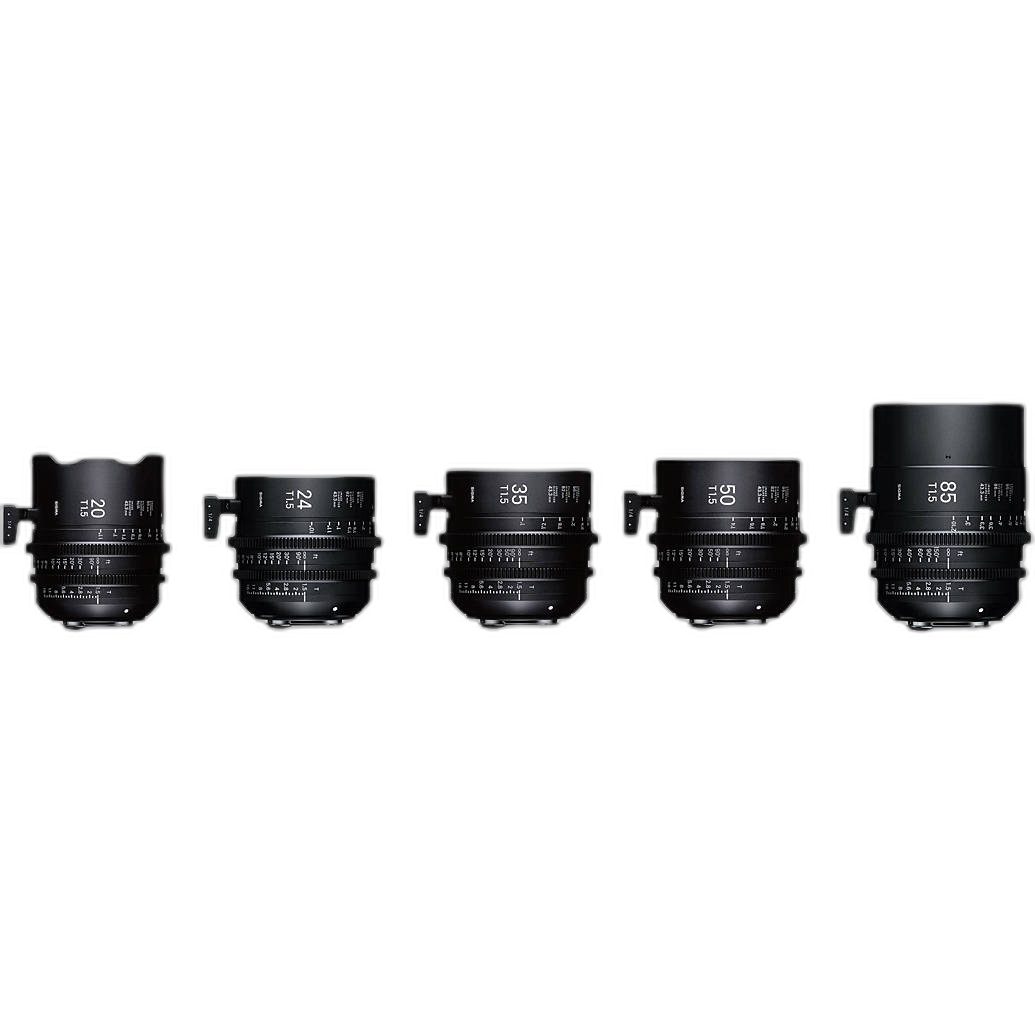
The Sigma T1.5 FF High-Speed 5 Fully Luminous Prime Lens Kit with Case (Sony E) and the Sigma T1.5 FF High-Speed 5 Fully Luminous Prime Lens Kit (Sony E, Metric) are good examples of purchases that serve crews looking for speed and continuity across multiple focal lengths. If your productions involve focus pullers, matte boxes, follow focus setups, or fast lens changes, that kind of consistency is not just nice to have—it can save time every shooting day.
Pay Attention to Lens Speed in Context
4. A faster lens only matters if you actually use it
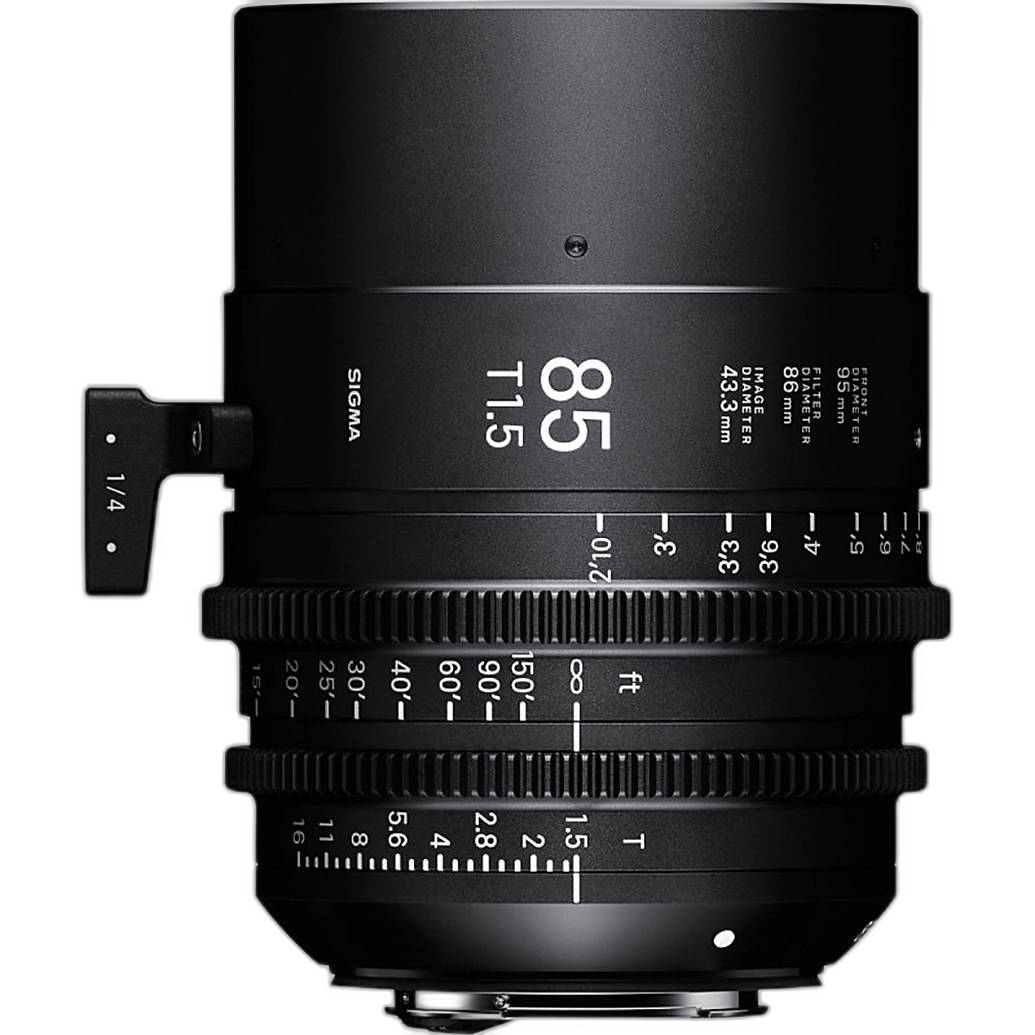
A Lens Compare Beta may highlight T1.5 versus T2, but that difference only matters if it supports the way you light and shoot. If you regularly work in low-light environments, want shallower depth of field, or prefer more exposure flexibility, then a lens like the Sigma 85mm T1.5 Fully Luminous FF High-Speed Prime Lens (Sony E) can be compelling. If your productions are heavily controlled and often stopped down, a slightly slower lens may still fit perfectly within your workflow.
This is one area where compare tools can be helpful but not decisive. They can surface the speed difference quickly, but only your footage needs, crew habits, and lighting style can tell you whether that extra stop meaningfully affects your results.
Decide Whether You Need a Single Hero Lens or a Full System
5. Compare the cost of solving one problem versus future-proofing your kit
Sometimes a compare feature changes the purchase because it reframes the decision. You may start out looking at one focal length, then realize a kit offers better long-term value for your productions. If your work is scaling up and you are booking more narrative, branded content, or commercial jobs, stepping into a fuller system like the Sigma T2/T1.5 FF 7 Fully Luminous Lens Kit with Case (Sony E, Metric) can make more sense than repeatedly adding individual lenses one by one.
On the other hand, if your immediate need is highly specific—say, portraits, compressed beauty shots, or stage coverage—then a single lens purchase like the Sigma 135mm T2 Fully Luminous FF High-Speed Prime Lens (Sony E) may be the more efficient path.
Remember That Beta Tools Are Best for Narrowing, Not Replacing, Judgment
6. Let the tool guide your shortlist, then decide with workflow in mind
The smartest way to use a Lens Compare Beta is as a filtering tool. It can help you identify likely options, spot overlaps in your existing focal lengths, and compare where a specialty lens or full kit fits in your Sony setup. But your final decision should still come down to practical factors: what you shoot most, how often you change lenses, whether you need matched cine housings, and how important full-set consistency is for your productions.
For many filmmakers, the real buying decision comes down to whether they need an individual lens like the Sigma 14mm T2 FF High-Speed Prime Lens (Sony E), a portrait-oriented option like the Sigma 85mm T1.5 Fully Luminous FF High-Speed Prime Lens (Sony E), or a more complete production-ready package like the Sigma 14/135mm T2 FF High-Speed Fully Lum. Prime Lens Kit (Sony E, Metric).
Conclusion
So, does the Lens Compare Beta change your buying decision? It definitely can—but usually by clarifying your priorities rather than making the choice for you. If it helps you see coverage gaps, understand the value of a matched cine set, or recognize that one specialty focal length will better serve your work, then it is doing exactly what it should.
When you are ready to build or refine your Sony E lens lineup, explore your options with confidence and shop with Unique Photo for tools that support the way you really shoot.