Choosing the right Sony lens can be easier when you have a side-by-side way to study focal length, aperture, size, and intended use. A Lens Compare Beta tool helps narrow the field quickly, but the best results come from knowing what to compare and why it matters for your style of shooting. Whether you're deciding between a wide-angle option like the Used Sony FE 16-25mm f/2.8 G Lens, a standard zoom such as the Used Sony 16-55mm f/2.8 G Lens for Sony E Mount, or specialty primes like the Used Sigma 105mm f/1.4 DG HSM Art Lens for Sony E, these techniques can help you evaluate lenses with more confidence.
Start with Your Real Shooting Needs
1. Compare lenses by what you actually photograph
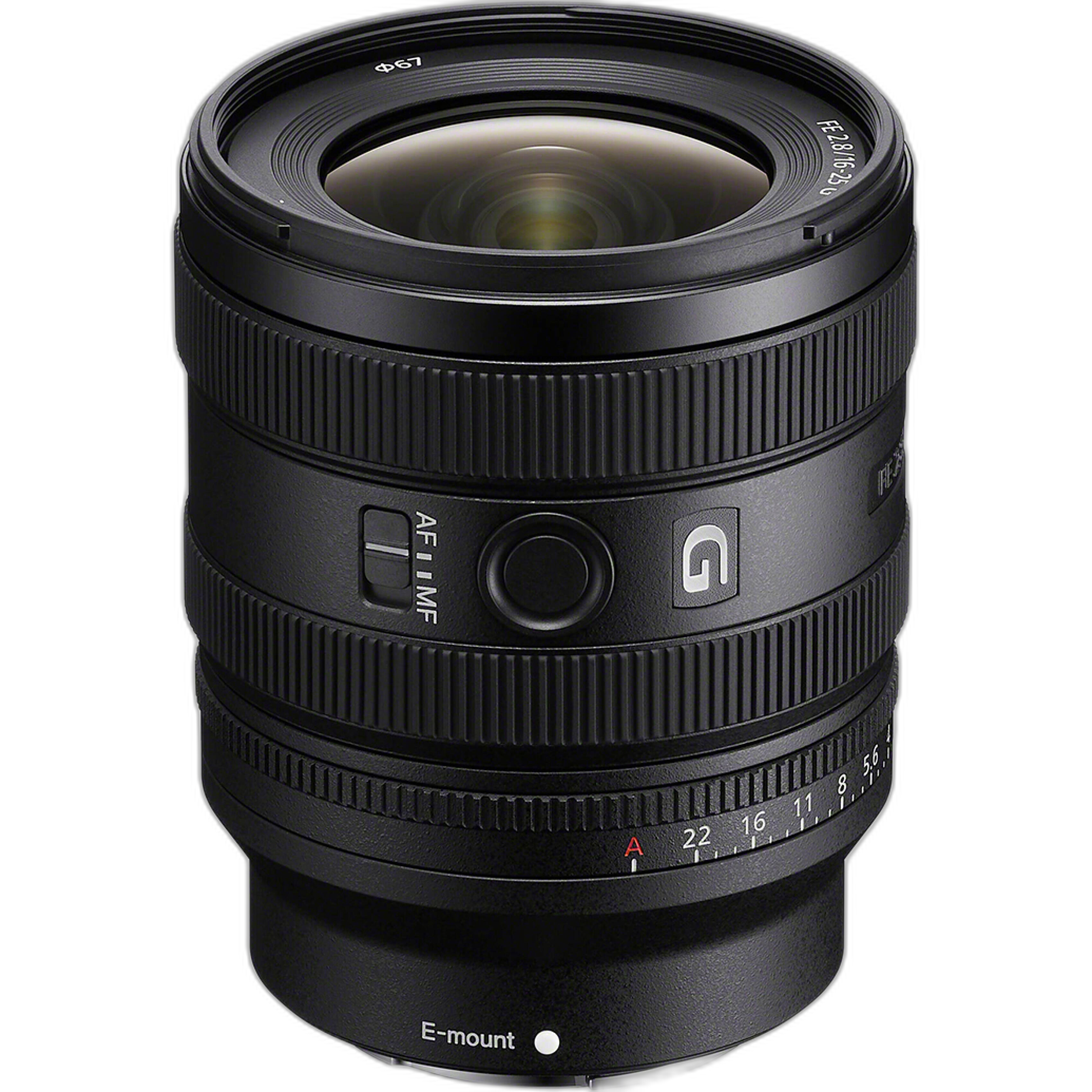
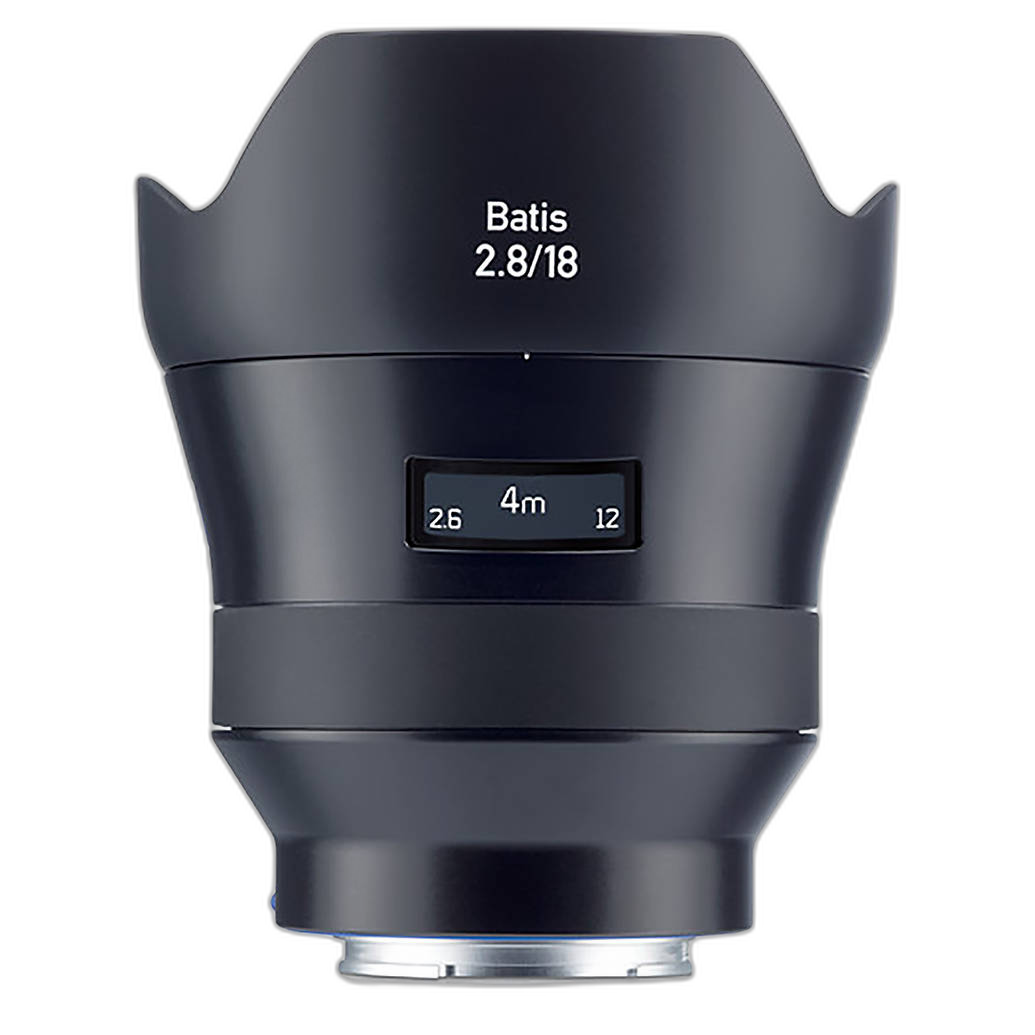
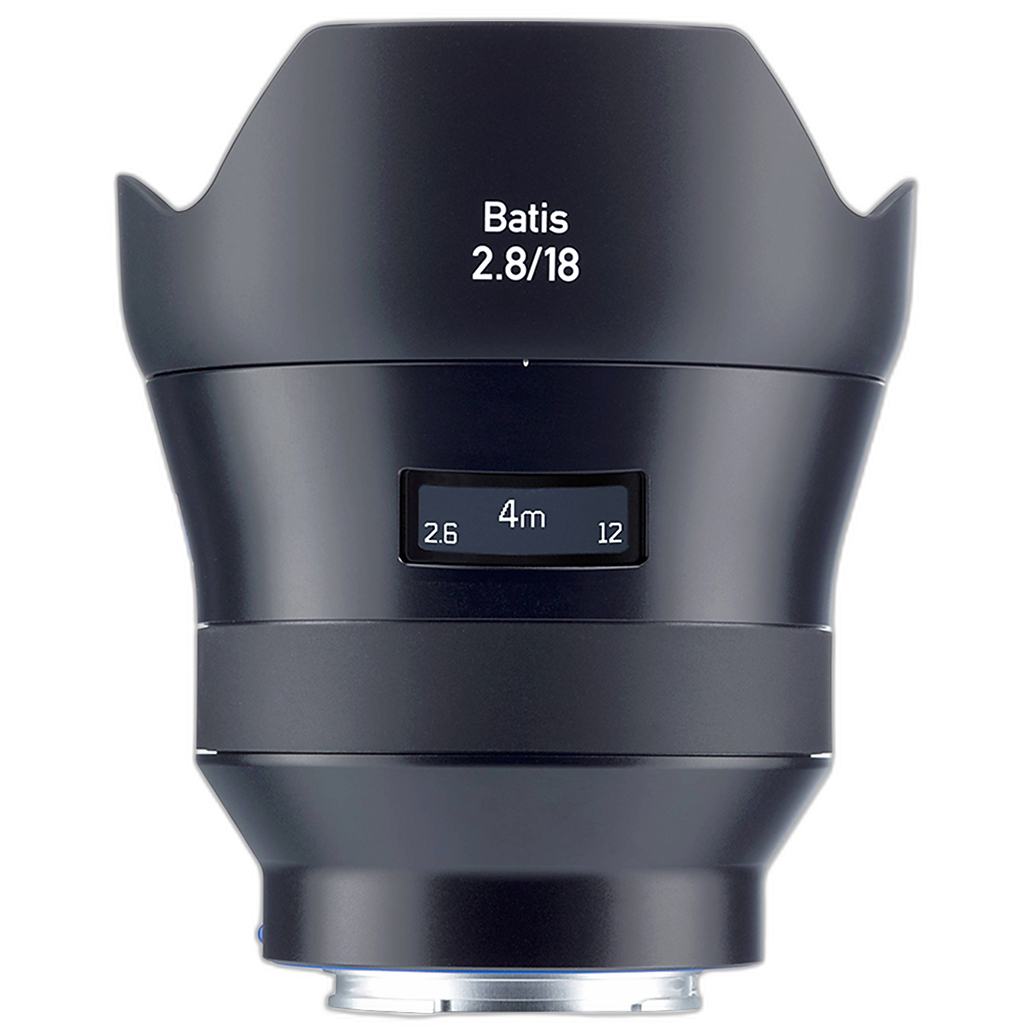
Before diving into specs, define your main subjects. If you shoot interiors, architecture, travel, or landscapes, a wide lens will usually rise to the top. In the Lens Compare Beta tool, placing the Used Sony FE 16-25mm f/2.8 G Lens next to a Used Zeiss Batis 18mm f/2.8 for Sony FE immediately shows the difference between a flexible zoom and a dedicated ultra-wide prime. The Sony zoom may offer more compositional freedom, while the Zeiss option may appeal to photographers who want a simpler wide-angle setup.
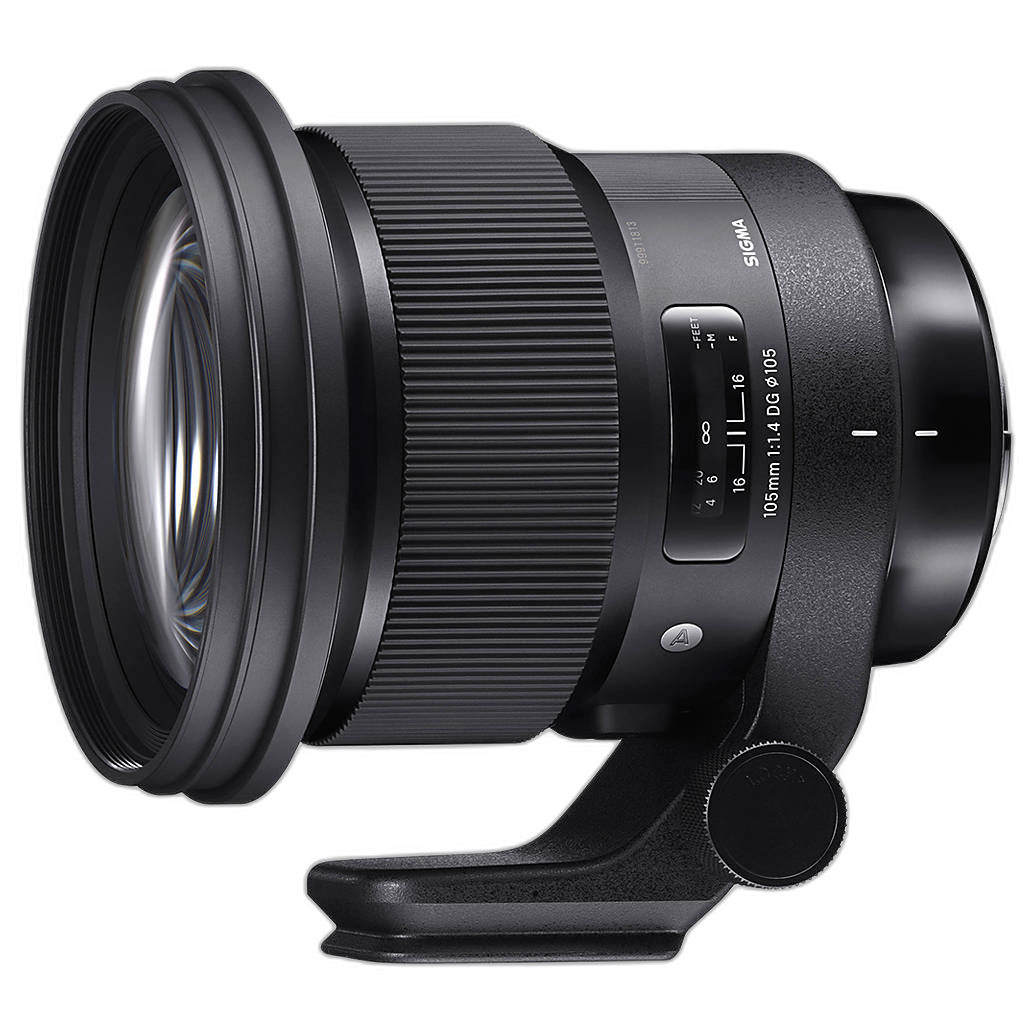
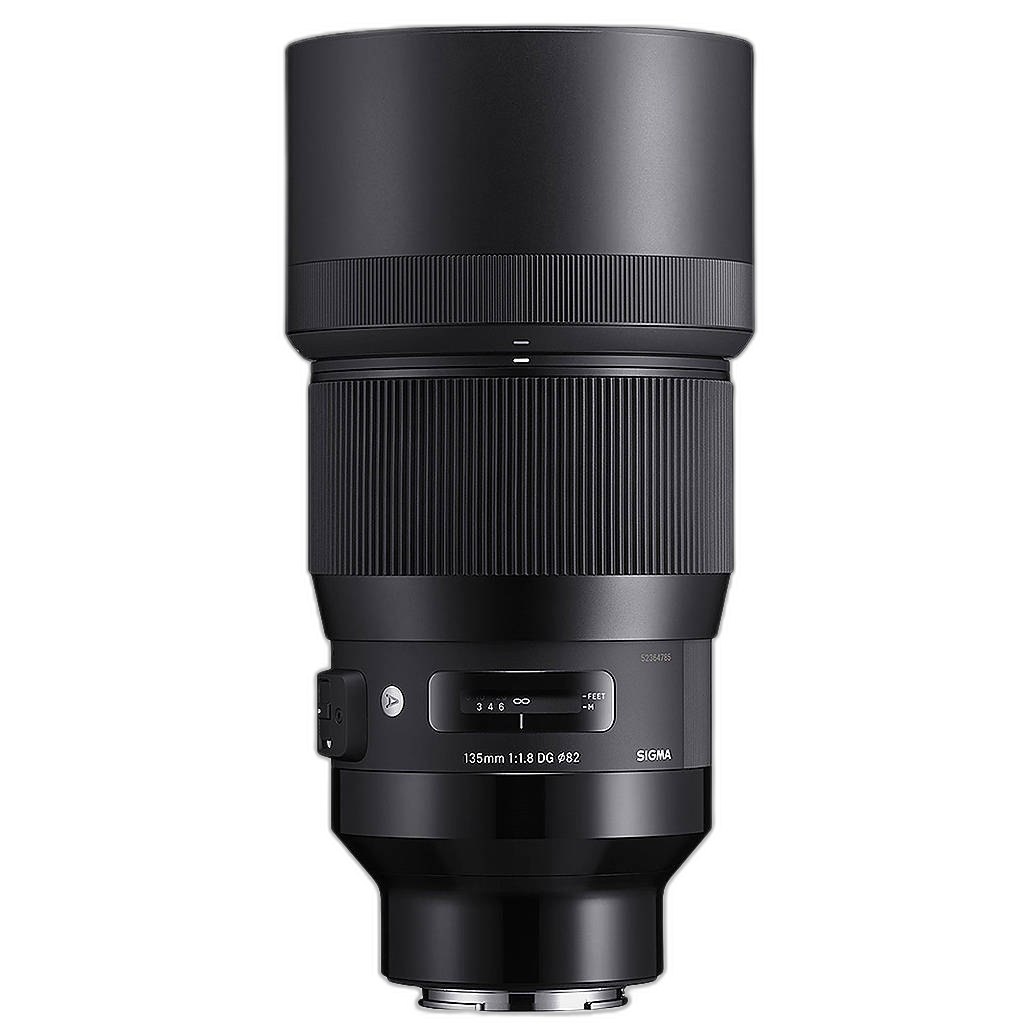
If portraits are your priority, comparing the Used Sigma 105mm f/1.4 DG HSM Art Lens for Sony E and the Used Sigma 135mm f/1.8 DG HSM Art Lens for Sony E can tell you a lot about working distance, compression, and low-light potential before you ever head out on a shoot.
Look Beyond Focal Length Alone
2. Evaluate framing flexibility versus prime simplicity
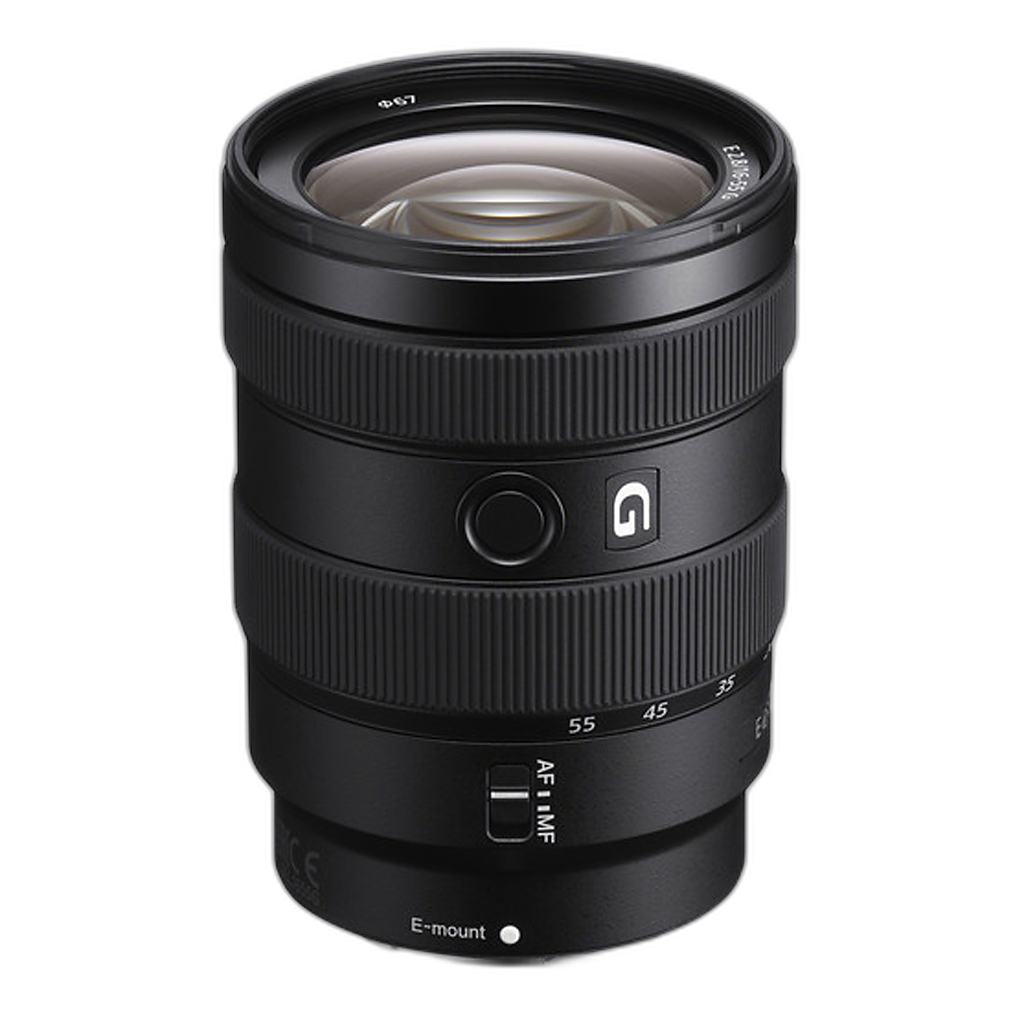
The Lens Compare Beta tool is especially useful when you're torn between zooms and primes. A lens like the Used Sony 16-55mm f/2.8 G Lens for Sony E Mount covers wide to normal perspectives, making it a practical choice for everyday photography, events, and travel on compatible APS-C Sony bodies. By contrast, a prime such as the Used Zeiss Loxia 2/50 for Sony E offers a fixed perspective that encourages more deliberate composition.
When comparing, ask yourself whether you need one lens that does many jobs or a specialized optic that excels in a specific look. The tool can help make those tradeoffs more visible at a glance.
Use Maximum Aperture as a Creative Filter
3. Compare depth of field and low-light capability
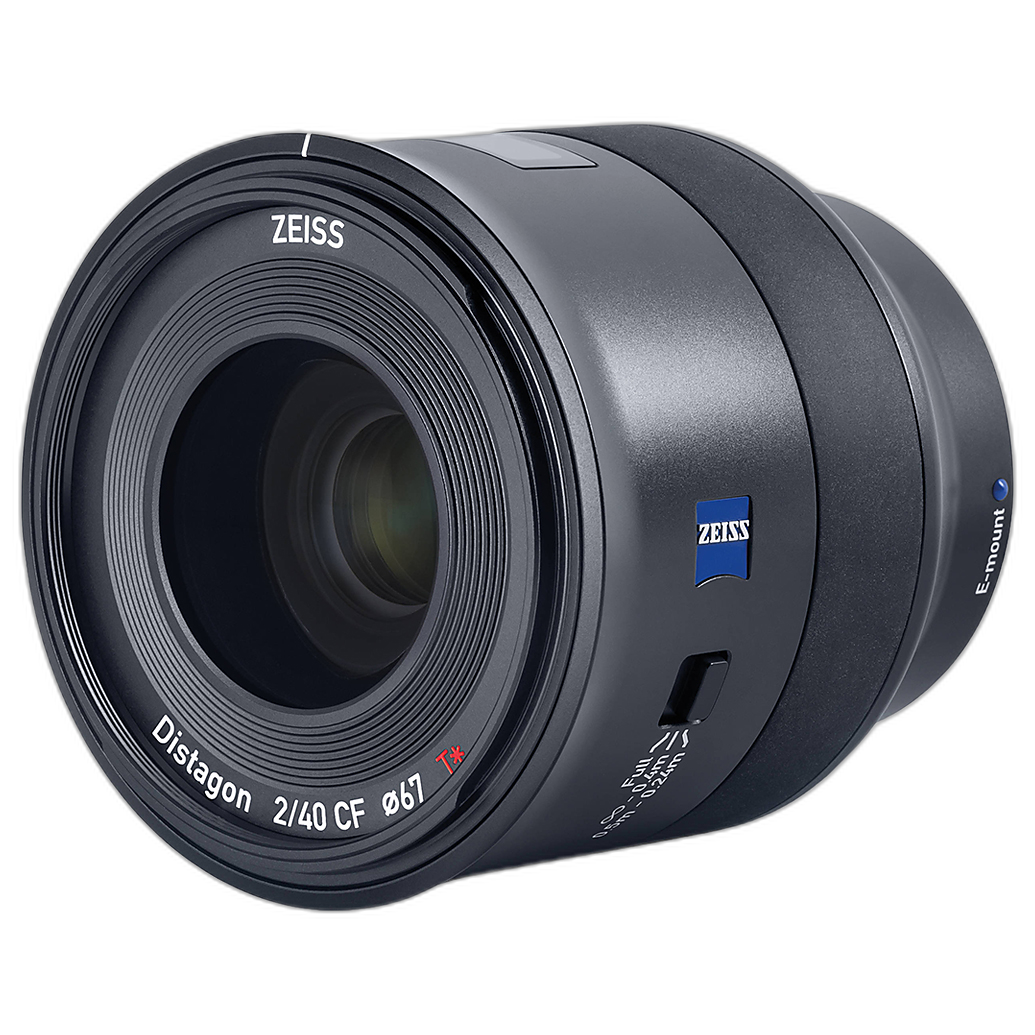
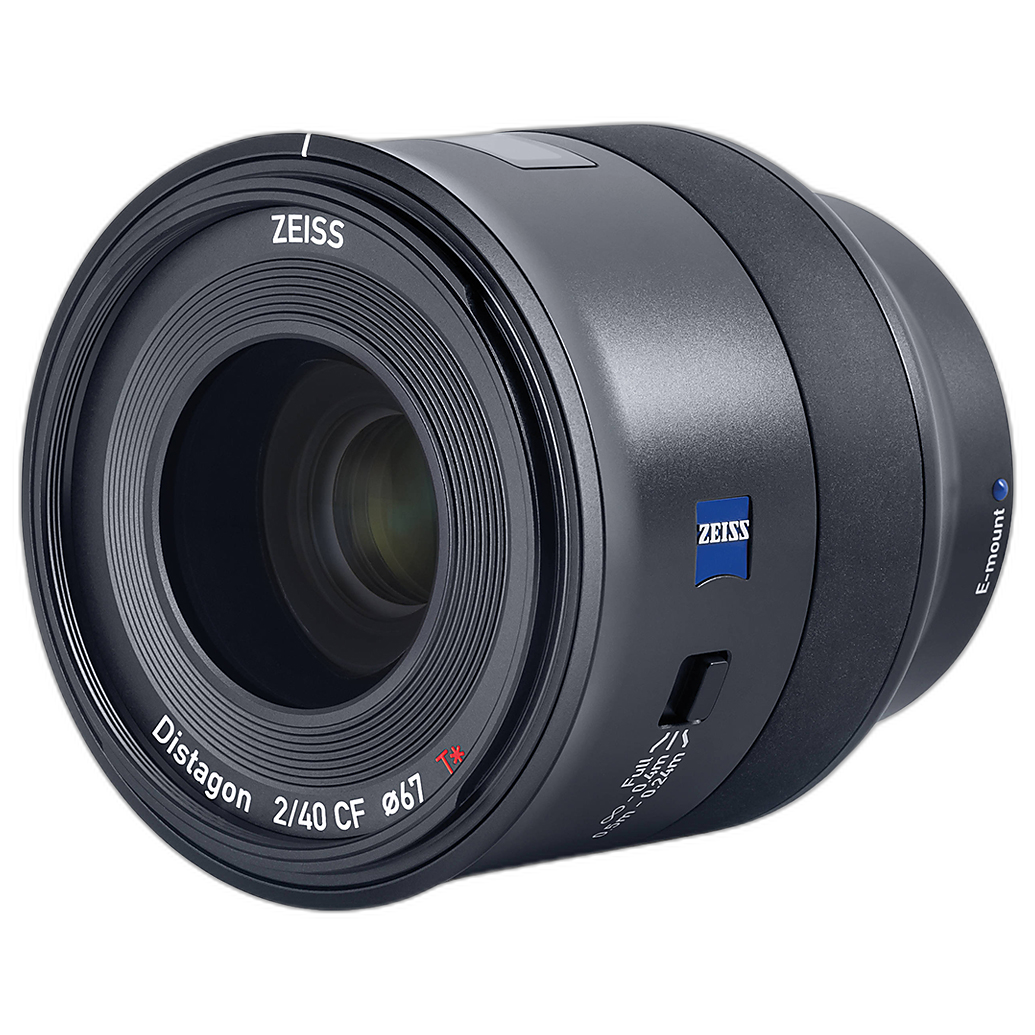
Wide maximum apertures can change the look of your images just as much as focal length. In the Lens Compare Beta tool, a comparison between the Used Sigma 105mm f/1.4 DG HSM Art Lens for Sony E and the Used Zeiss Batis 40mm f/2 CF for Sony E Mount highlights two very different creative directions. The Sigma is built for dramatic subject isolation and strong portrait rendering, while the Zeiss Batis 40mm f/2 CF can be more versatile for everyday shooting, environmental portraits, and close-focus work.
When you compare lenses, don't just note the f-stop number. Think about whether you need brighter apertures for available-light work, smoother background blur, or simply more subject separation.
Pay Attention to Lens Size and Handling
4. Balance image goals with portability
One of the smartest ways to use a comparison tool is to judge how lens size may affect your shooting habits. A lens can be optically exciting on paper, but if it's too large for your workflow, you may leave it at home. Comparing the Used Sigma 135mm f/1.8 DG HSM Art Lens for Sony E against a more compact wide option like the Used Zeiss Batis 18mm f/2.8 AF lens for Sony FE can help you think realistically about travel, handheld sessions, and long days on location.
This is especially important for photographers building a lightweight Sony kit. If compactness matters, looking at dimensions and overall design side by side can be just as useful as comparing focal lengths.
Compare Lenses by System Fit
5. Make sure the lens matches your camera format and workflow
Not every Sony-mount lens fits every user in the same way. As you use the Lens Compare Beta tool, confirm whether you are shopping for APS-C or full-frame coverage and whether autofocus or manual focus better suits your shooting style. For example, the Used Sony 16-55mm f/2.8 G Lens for Sony E Mount is a strong standard zoom option for APS-C shooters, while the Used Sony FE 16-25mm f/2.8 G Lens is aimed at full-frame users wanting a modern ultra-wide zoom.
Likewise, the Used Zeiss Loxia 2/50 for Sony E stands apart from autofocus-oriented options because its manual-focus design may be especially attractive for video, street photography, or photographers who enjoy a more tactile experience.
Use Wide-Angle Comparisons Carefully
6. Study the difference between 16mm and 18mm class lenses
Wide-angle comparisons can be deceptively important. A side-by-side review of the Used Sony FE 16-25mm f/2.8 G Lens and either Zeiss Batis 18mm option can reveal how a small numerical difference translates into a noticeably broader field of view. For landscape and real estate shooters, that extra width can matter. For travel photographers, the Zeiss prime may still be attractive if you prefer a streamlined setup and a single clear visual perspective.
Using the tool this way helps you avoid choosing based on brand name alone. Instead, you can focus on what each lens contributes to your framing options.
Create Shortlists Instead of Picking Winners Too Early
7. Narrow to two or three lenses for final decision-making
The best comparison process usually ends with a shortlist, not an instant purchase decision. Try grouping your options by use case. For example:
- Travel and general shooting: Used Sony 16-55mm f/2.8 G Lens for Sony E Mount
- Wide landscapes and interiors: Used Sony FE 16-25mm f/2.8 G Lens or Used Zeiss Batis 18mm f/2.8 for Sony E
- Portrait look and subject isolation: Used Sigma 105mm f/1.4 DG HSM Art Lens for Sony E or Used Sigma 135mm f/1.8 DG HSM Art Lens for Sony E
- Manual-focus shooting experience: Used Zeiss Loxia 2/50 for Sony E
- Everyday prime versatility: Used Zeiss Batis 40mm f/2 CF for Sony E Mount
This approach keeps the comparison practical and prevents feature overload.
Conclusion
The Lens Compare Beta tool works best when you use it as a decision guide rather than just a spec sheet viewer. Compare focal length, aperture, handling, format compatibility, and the type of images you want to create. From wide-angle choices like the Used Sony FE 16-25mm f/2.8 G Lens and Zeiss Batis 18mm models to portrait-focused options like the Sigma 105mm f/1.4 Art and Sigma 135mm f/1.8 Art, thoughtful comparisons can quickly point you toward the right fit.
If you're ready to build or refine your Sony kit, Unique Photo is a great place to explore quality used lenses and find the gear that matches your shooting style.