Introduction
Forum users discussing Sony's Lens Compare Beta are really asking a bigger question: how much can a digital comparison tool tell you about actual lens behavior in the field? While charts and simulations can be useful for visualizing differences in sharpness, angle of view, and focus breathing, macro and close-focus work often exposes performance characteristics that only hands-on shooting reveals. To frame that discussion in a practical way, we're comparing two very different Sony full-frame zoom lenses: the ultra-wide Sony FE 12-24mm f/2.8 GM and the versatile Sony FE 24-105mm f/4 G OSS. Neither is a dedicated macro lens, but both help illustrate how online comparison tools can be helpful for understanding lens traits while still falling short of replacing practical experience.
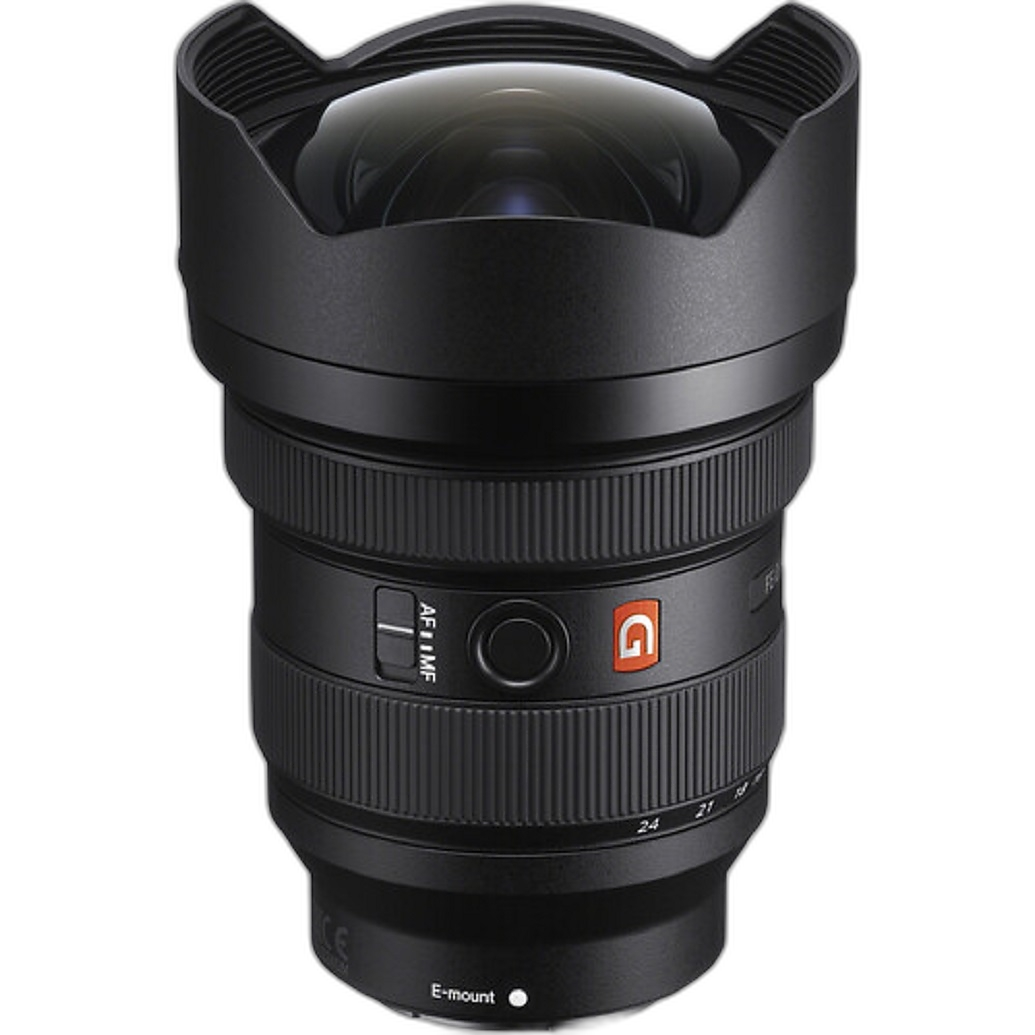
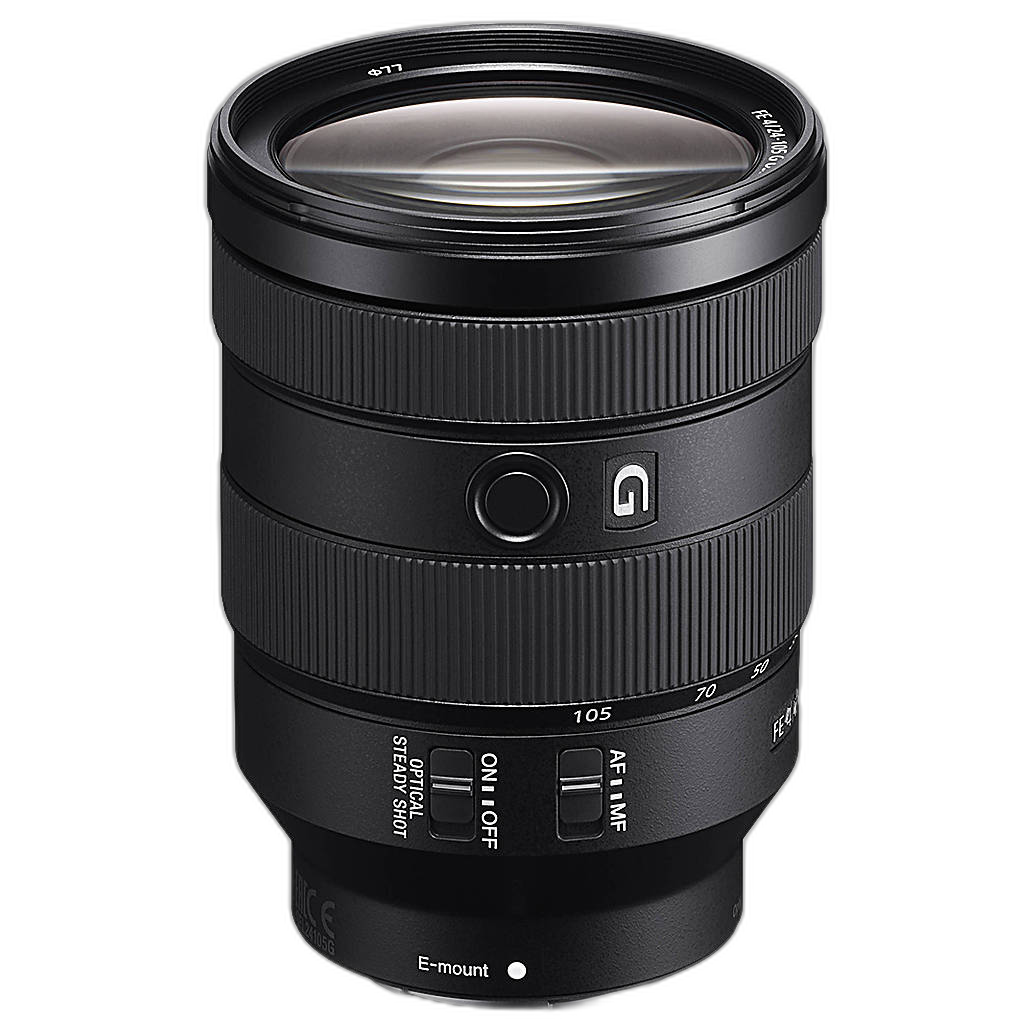
Side-by-Side Specs
| Feature | Sony FE 12-24mm f/2.8 GM | Sony FE 24-105mm f/4 G OSS |
|---|---|---|
| Product Type | Ultra-wide zoom | Standard zoom |
| Focal Length | 12-24mm | 24-105mm |
| Maximum Aperture | f/2.8 | f/4 |
| Series | G Master | G |
| Format | Sony Full-Frame E Mount | Sony Full-Frame |
| Optical Stabilization | Not listed in provided data | OSS |
| Primary Strength | Extreme wide-angle coverage and fast aperture | Versatile everyday range and stabilization |
| Best Use Cases | Architecture, interiors, landscapes, video establishing shots | Travel, events, portraits, documentary, general-purpose shooting |
What Sony's Lens Compare Beta Can Do Well
For photographers trying to evaluate differences before buying, Sony's comparison tool has real value. It can quickly show how one lens frames a scene relative to another, and for many users that alone is helpful. It may also offer a visual sense of focus breathing, which matters especially for video shooters and anyone doing close-focus work where magnification changes are distracting.
In a matchup like 12-24mm versus 24-105mm, a tool can immediately demonstrate just how dramatic the field-of-view difference is. That kind of side-by-side preview is difficult to communicate with words alone. It also helps shoppers understand whether they need a specialist lens or an all-around zoom.
Focus Breathing Visualization
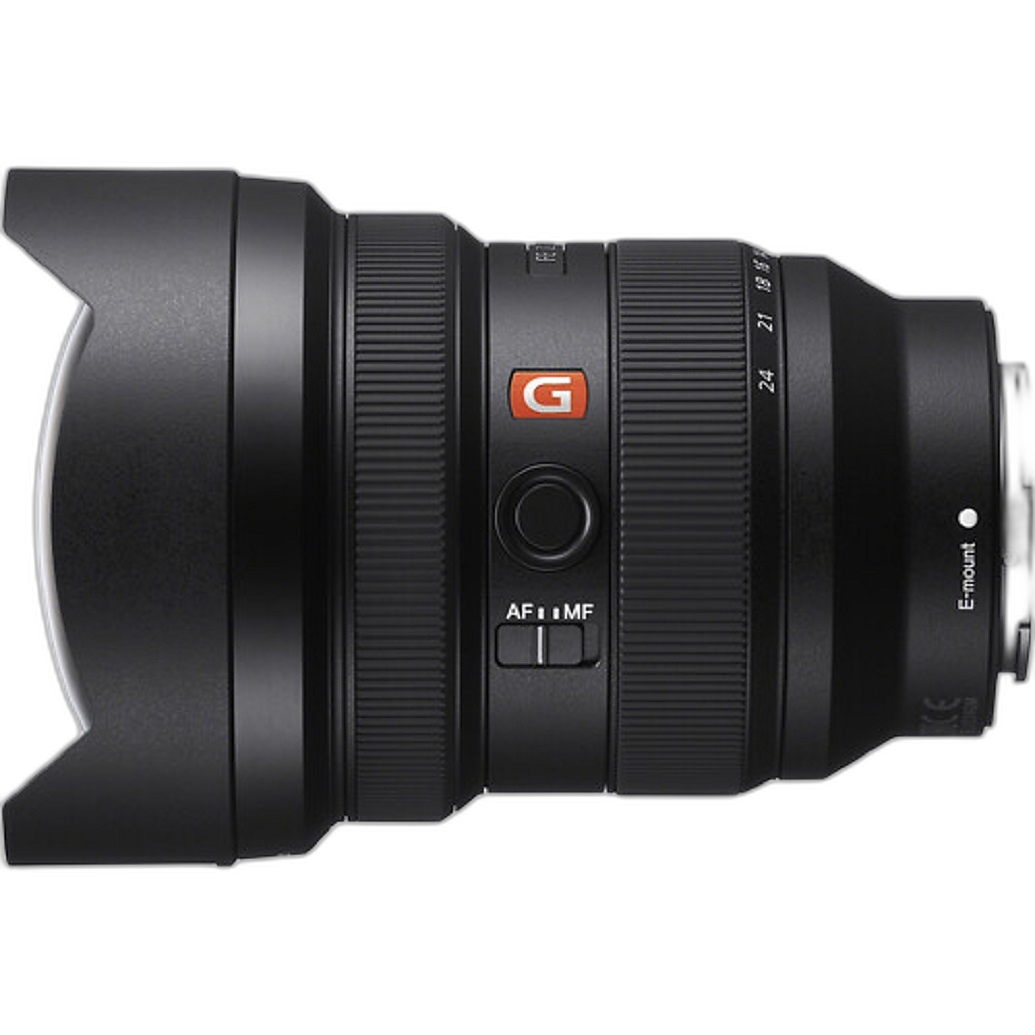
This is one area where a beta tool can be genuinely informative. Focus breathing is easier to understand when you can see framing shift as focus changes. For video, product demos, and close-up work, that preview can help users identify whether a lens behaves in a way they find acceptable.
That said, forum skepticism is understandable. Beta tools depend on how data is captured, displayed, and interpreted. A breathing simulation may not fully represent what happens in practical use at varied distances, focal lengths, or subject types. Macro-adjacent shooting often exaggerates these differences, and subtle on-screen changes do not always translate perfectly to real production work.
Where Real-World Experience Still Wins
Macro and close-focus photographers know that lens behavior is more than a chart. Sharpness can change depending on distance, aperture, flat-field demands, and the subject itself. Autofocus usefulness also varies widely depending on whether you are shooting static objects, insects, products, or handheld detail shots.
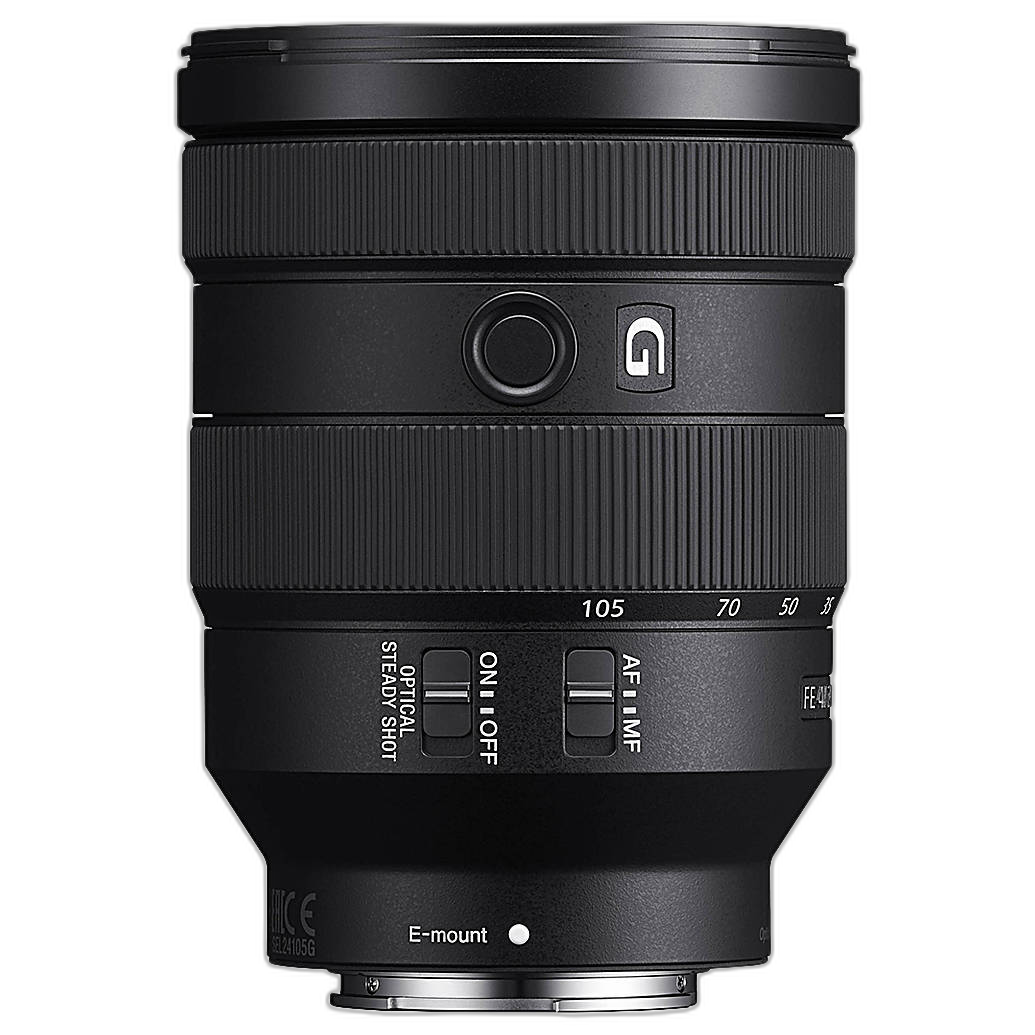
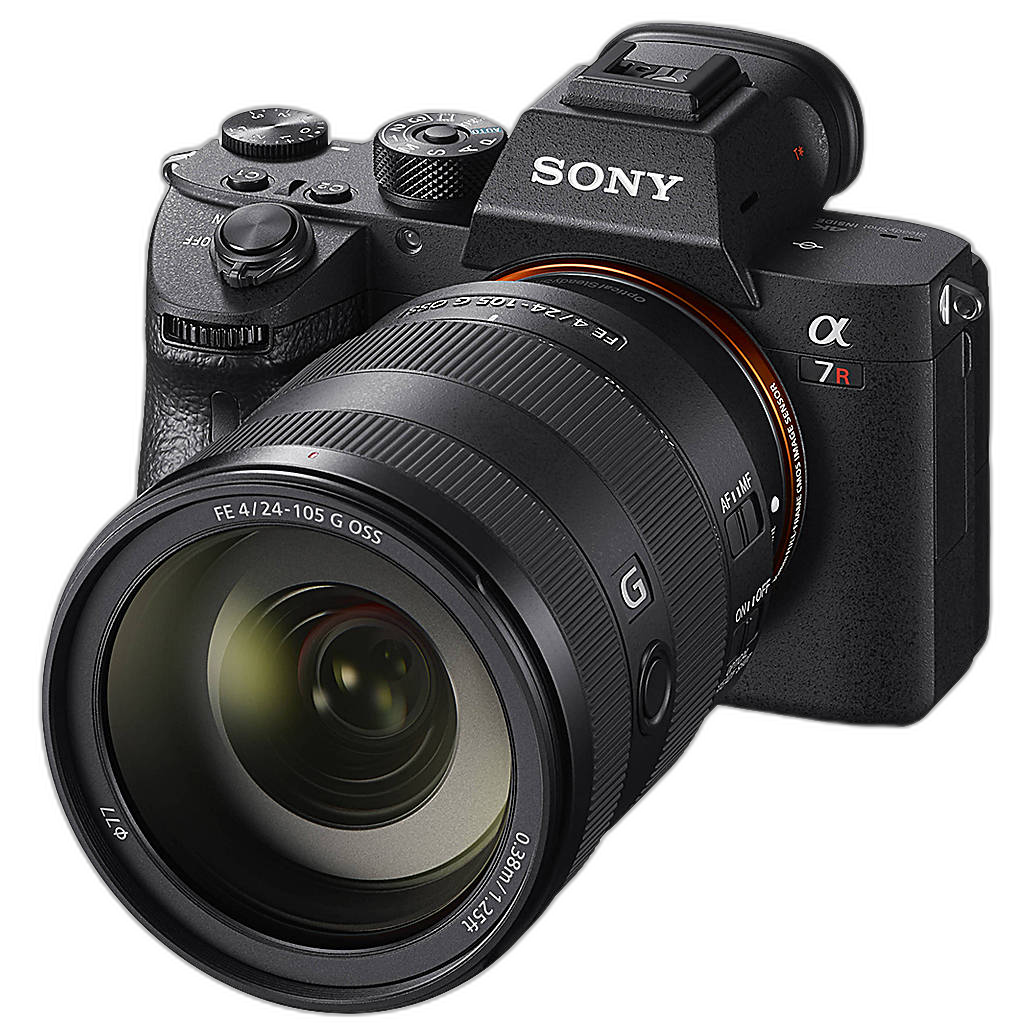
The Sony FE 24-105mm f/4 G OSS is a great example of a lens whose practical value exceeds what a comparison interface may suggest. On paper, it is simply a standard zoom. In actual use, its range, stabilization, and flexible framing make it more useful for close detail work, quick composition changes, and hybrid photo/video shooting than a tool might fully convey.
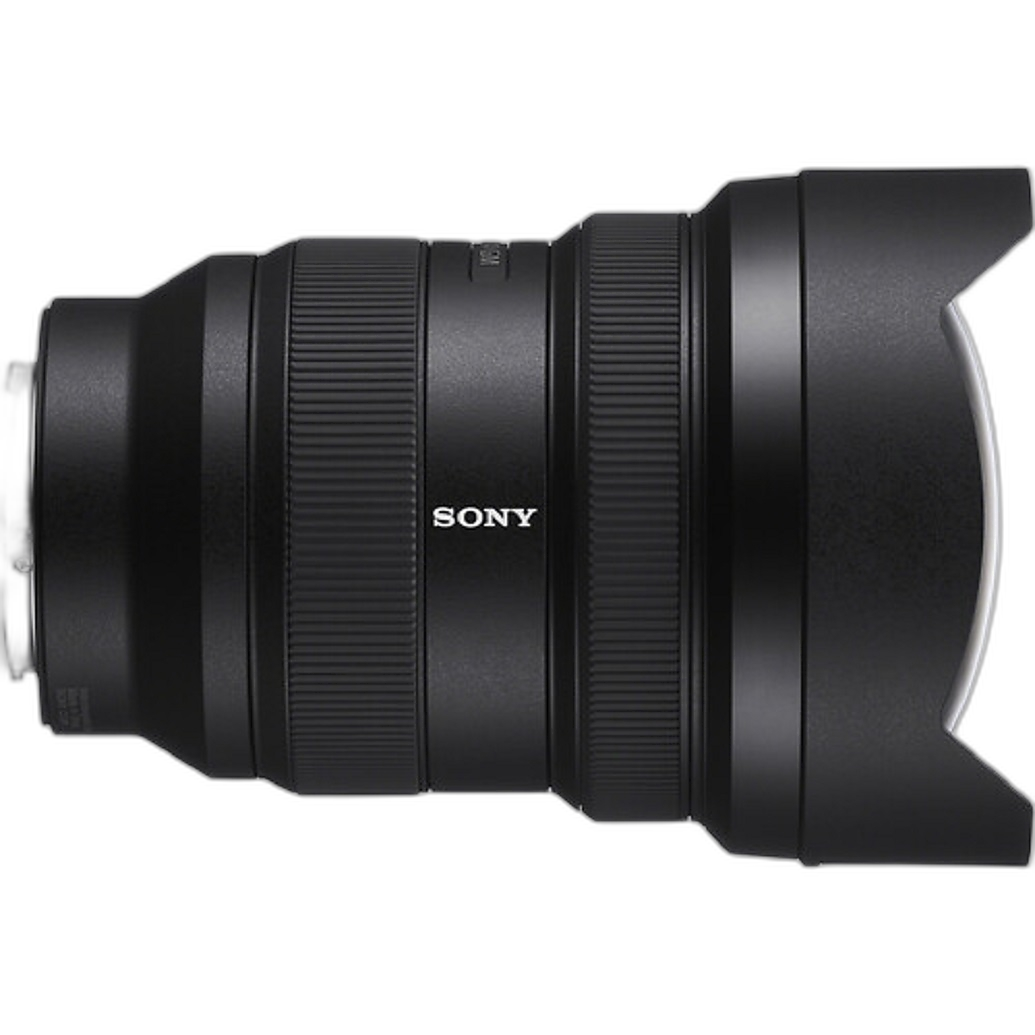
By contrast, the Sony FE 12-24mm f/2.8 GM may look spectacular in a comparison environment thanks to its expansive perspective and premium optical positioning, but that does not make it the more useful lens for close-up or macro-style tasks. Real-world handling and subject needs matter more than a digital side-by-side impression.
Category-by-Category Analysis
Sharpness
A comparison tool can hint at sharpness differences, but sharpness is one of the easiest specs to misread outside actual shooting. Edge performance, contrast rendering, close-focus sharpness, and consistency across focal lengths all affect results. The 12-24mm f/2.8 GM is designed as a premium wide-angle optic, while the 24-105mm f/4 G OSS balances strong image quality with flexibility. For many users, especially those not shooting test charts, the more versatile lens may deliver better practical results simply because it is easier to use in a wider range of situations.
Focus Breathing
This is where Sony's Lens Compare Beta may be most useful conceptually. If you are evaluating lenses for video or repeatable framing at different focus distances, even a rough visualization is helpful. But forum users are right to question whether a beta interface should be treated as definitive. Breathing performance often feels different once you are on location, tracking subjects, or working near minimum focus distance.
Autofocus Usefulness
Autofocus performance is another category where specifications and visual tools only tell part of the story. For macro or close-up work, autofocus is not just about speed. It is about precision, reliability, focus throw behavior, and whether the lens hunts. The 24-105mm has a major practical advantage here because its focal range makes it a more natural fit for detail shots, portraits, event coverage, and handheld general use. The 12-24mm is more specialized and less likely to be the lens users reach for when autofocus behavior at close distances is the priority.
Versatility
This category strongly favors the 24-105mm f/4 G OSS. It covers wide to short telephoto perspectives, making it much easier to adapt to changing shooting conditions. If your concern is whether a lens comparison tool aligns with day-to-day usefulness, the 24-105mm is the better case study in why real-world practicality matters. The 12-24mm is outstanding within its niche, but it remains a niche lens.
Specialized Creative Impact
The 12-24mm f/2.8 GM still has a clear edge for photographers and filmmakers who specifically need dramatic wide-angle imagery. No comparison tool can fully communicate the immersive perspective and compositional possibilities of a high-end ultra-wide lens used well. This is another reminder that practical experience matters: a lens can be technically excellent yet only truly shine in the hands of users with the right subjects and style.
Our Pick
Recommended: Sony FE 24-105mm f/4 G OSS Lens
If the discussion is about whether Sony's Lens Compare Beta reflects meaningful real-world usefulness, the Sony FE 24-105mm f/4 G OSS is our pick. It is the more practical lens for most photographers and hybrid shooters, and it better represents the gap between digital evaluation and actual shooting experience. Its broad focal range, OSS stabilization, and everyday usability make it a smarter buy for users who care about autofocus usefulness, flexible framing, and dependable performance outside a testing interface.
The Sony FE 12-24mm f/2.8 GM remains a superb choice for specialists who know they need ultra-wide coverage and premium fast-aperture performance. But for the broader conversation around tool accuracy versus lived experience, the 24-105mm better proves the point that utility in the field matters most.
Conclusion
Sony's Lens Compare Beta can be a useful starting point for evaluating framing, general rendering differences, and even focus breathing behavior. But as forum users suggest, it should not be treated as a substitute for practical experience, especially when close-focus and macro-style concerns enter the conversation. Sharpness, autofocus usefulness, and real handling often reveal themselves only in use. For photographers shopping Sony lenses and weighing both online tools and hands-on realities, Unique Photo is a great place to explore the options and find the lens that best matches how you actually shoot.