Introduction: 85mm vs 50mm Is Really About Working Style
Photographers have debated 85mm versus 50mm for portrait work for years, and for good reason: both focal lengths are excellent, but they create very different shooting experiences. The 85mm look is often associated with classic headshots, flattering compression, and stronger background blur, while 50mm lenses are loved for their versatility, environmental portraits, and natural perspective. In real-world use, the best choice depends less on internet hype and more on how you shoot, how much space you have, and what kind of portraits you want to create.
For many photographers, especially those buying into a modern mirrorless system, the conversation also extends to the camera and kit lens they start with. A good kit can help you explore the portrait ranges around 50mm and beyond, learn framing, and decide whether a dedicated portrait prime should be your next purchase. That is where these mirrorless kits become especially relevant for portrait photographers.
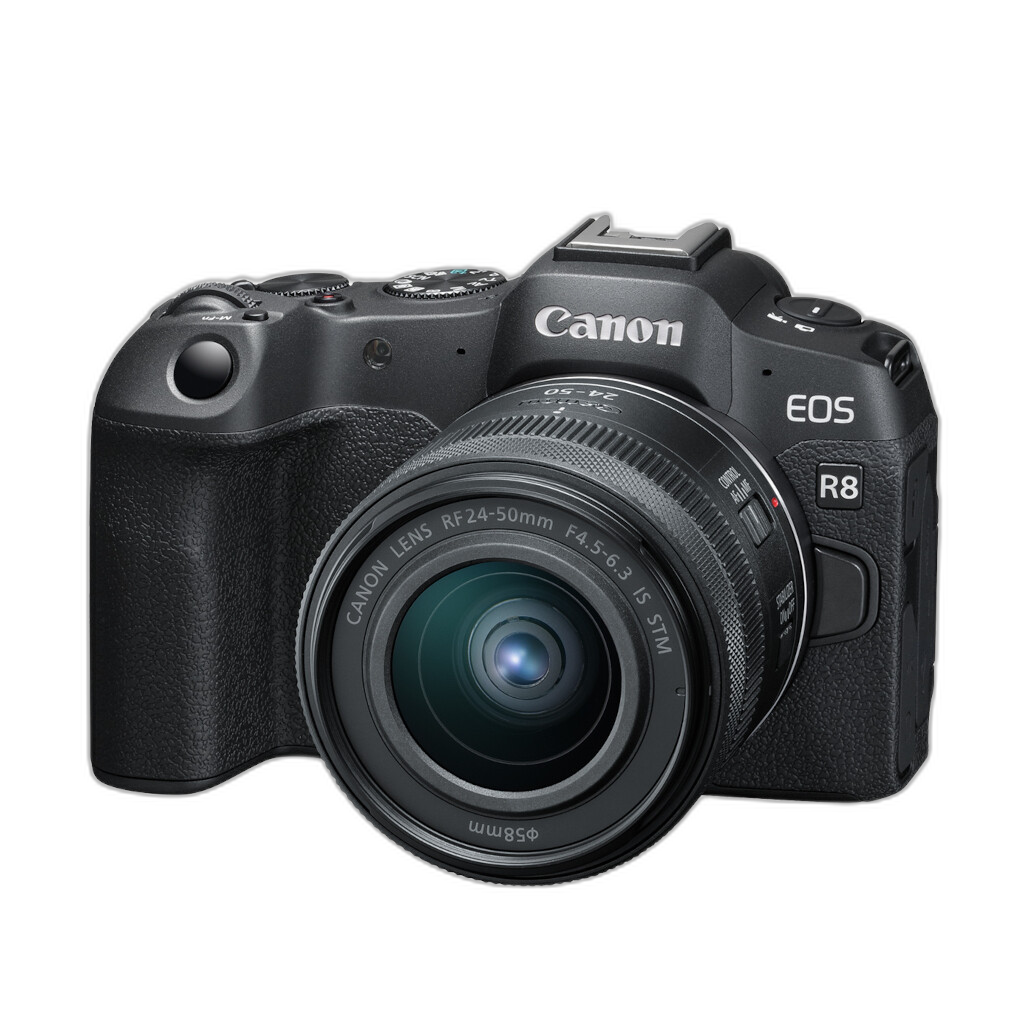
The Canon EOS R8 Mirrorless Camera with RF24-50mm f/4.5-6.3 IS STM Kit is particularly interesting in this debate because it puts a lightweight full-frame body together with a lens that lands right on the classic 50mm portrait focal length. Meanwhile, the Canon EOS R10 Mirrorless Camera with 18-150mm Lens gives photographers a broad zoom range, making it easy to test portrait-friendly equivalent fields of view. On the Micro Four Thirds side, the OM SYSTEM OM-5 Mark II kits with the 14-150mm lens offer similar flexibility in a compact package, with an effective angle-of-view range that covers classic portrait territory as well.
If you are trying to decide between 50mm and 85mm for portraits, these kits are not direct replacements for fast portrait primes, but they are highly practical tools for understanding perspective, framing, subject distance, and the tradeoffs that make one focal length more useful than another.
How 50mm and 85mm Actually Differ in Portrait Photography
50mm: The Flexible Everyday Portrait Focal Length
A 50mm lens is often the first recommendation for portrait photographers because it is so adaptable. It can handle half-body portraits, full-body portraits, lifestyle images, couples, family sessions, and environmental portraits without feeling too tight. Photographers who shoot in homes, studios with limited depth, small event spaces, or on city streets often prefer 50mm because it gives them room to work.
User feedback on 50mm portrait shooting is usually consistent: it feels natural, easy to compose with, and versatile enough to leave on the camera all day. The downside is that close-up headshots can show more perspective exaggeration than an 85mm if you move in too close, so careful subject distance matters.
85mm: The Classic Portrait Specialist
The 85mm focal length remains a favorite for traditional portraits because it creates a more compressed, flattering rendering of facial features and allows photographers to isolate subjects more easily from the background. It is especially strong for headshots and tight upper-body compositions.
The most common praise from photographers who love 85mm is the polished, professional look it delivers. The most common complaint is practical: you need more shooting distance. In small indoor rooms, that can be limiting. For travel, events, and fast-moving family portraits, 85mm can also feel less flexible than 50mm.
Why These Camera Kits Matter in the 50mm vs 85mm Discussion
While none of these bundled lenses are fast 50mm or 85mm portrait primes, they each help photographers explore portrait composition in useful ways. They are also realistic purchasing options for photographers who want to start with a capable camera body and learn what focal length suits them before investing in a specialized lens.
Canon EOS R8 with RF24-50mm f/4.5-6.3 IS STM Kit Review
Best for Full-Frame Shooters Who Want a Lightweight Entry into 50mm Portraits
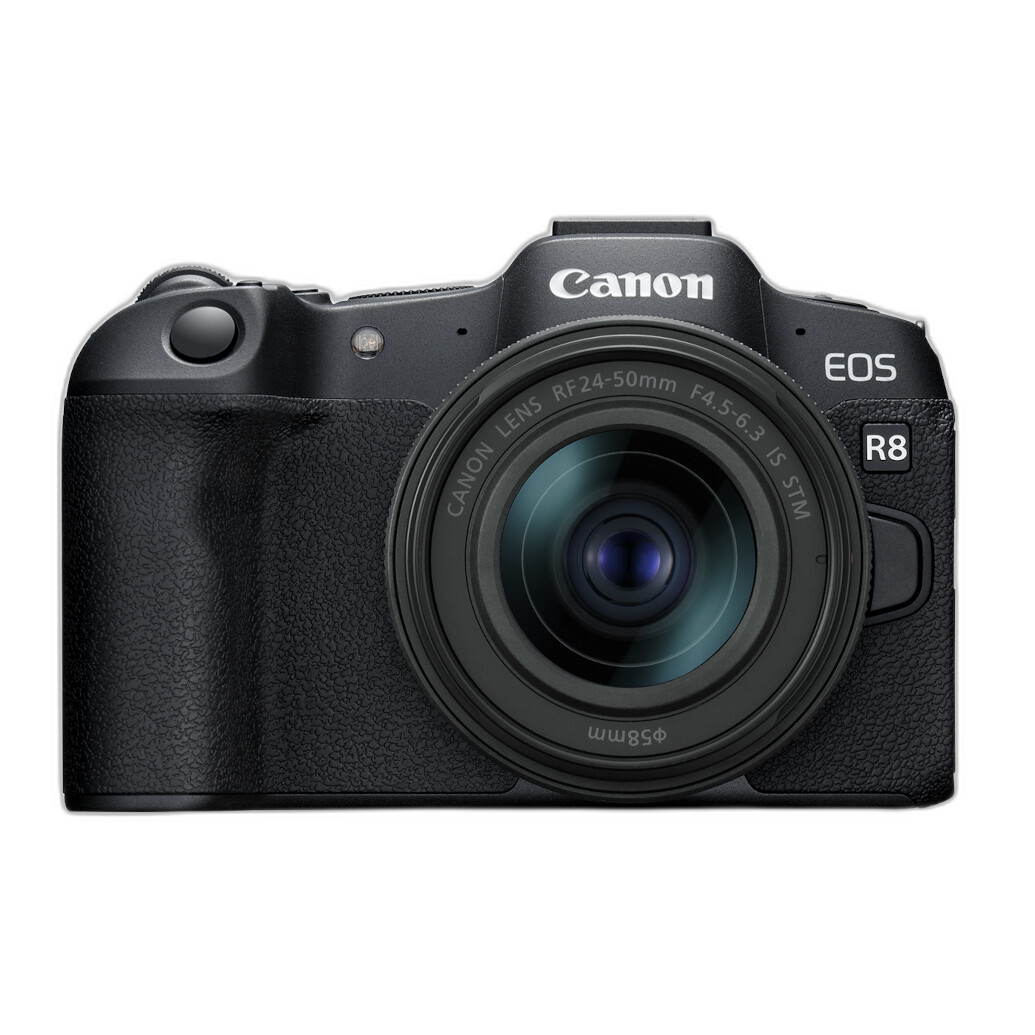
The Canon EOS R8 stands out in this group because it is a full-frame mirrorless camera, and that matters in portrait photography. Full-frame bodies are popular for their shallower depth of field potential, stronger low-light performance, and the familiar rendering many portrait shooters prefer. Paired with the RF24-50mm lens, the R8 gives you direct access to 50mm framing on full frame, making it a strong platform for photographers who want to work in that classic normal-to-portrait range.
In use, the RF24-50mm kit lens is not designed to replace a fast prime, but it is useful for understanding the strengths of 50mm portrait composition. At the long end, you can shoot natural-looking portraits with context, and the body itself gives you a modern, responsive mirrorless experience that can easily grow with you as you move into dedicated portrait lenses later.
Portrait Handling and Image Style
The biggest advantage here is system potential. Photographers who start with the R8 are buying into a full-frame Canon RF setup that can later support stronger portrait lenses if they decide they want a more specialized 85mm or 50mm prime. As a learning and travel-friendly portrait setup, it makes a lot of sense.
The main tradeoff is the kit lens aperture. If your vision of portraiture is heavy background separation and dreamy bokeh in every frame, the included zoom will feel limited compared with a fast prime. But for newer photographers, content creators, and enthusiasts who want to begin with a compact, high-quality full-frame base, this kit is appealing.
Canon EOS R10 with 18-150mm Lens Review
Best for Photographers Who Want to Experiment with Portrait Framing
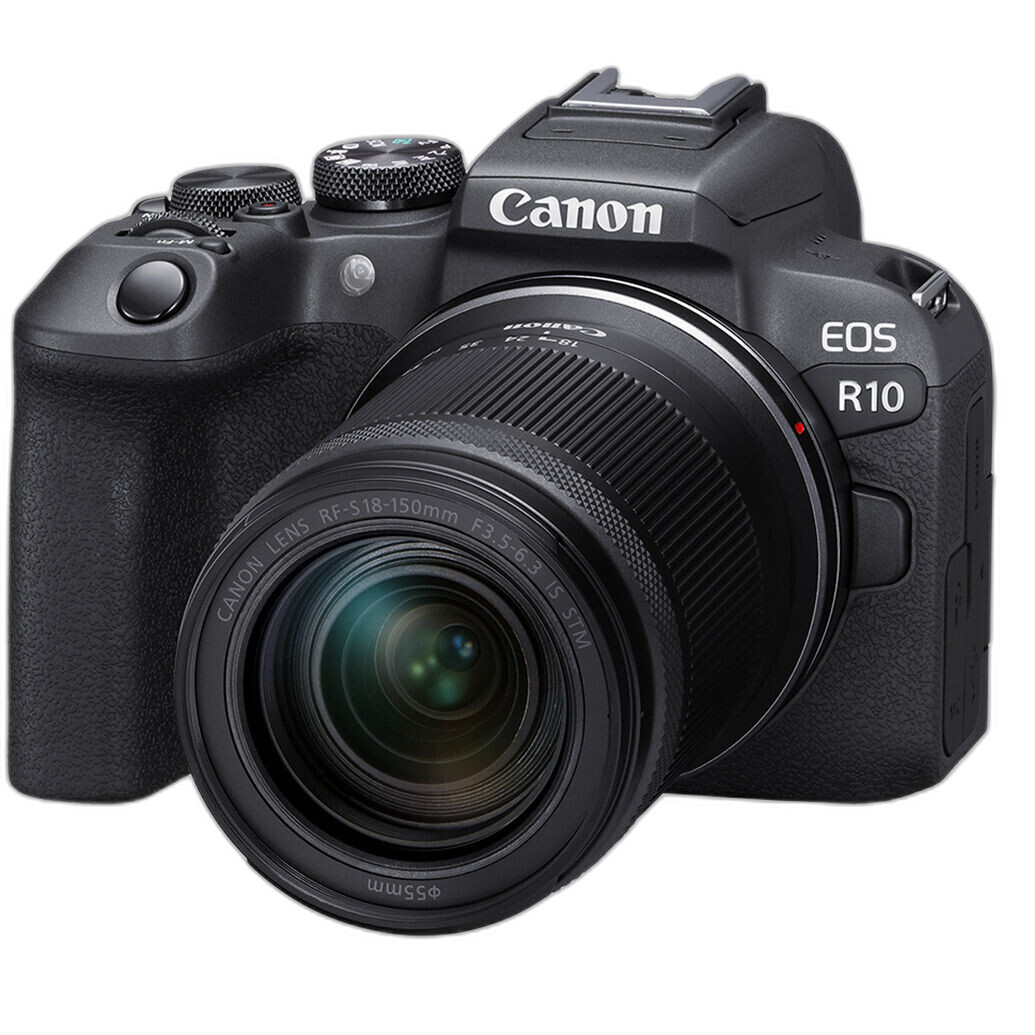
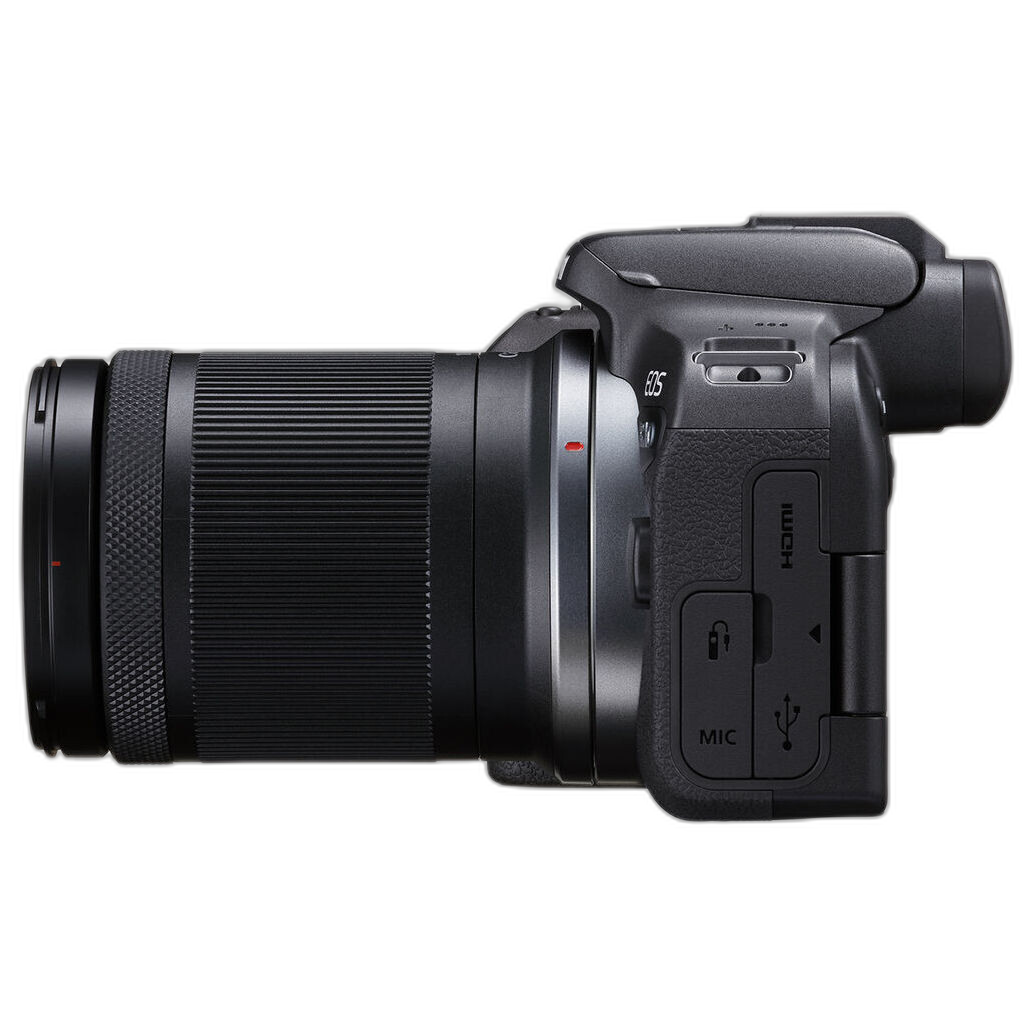
The Canon EOS R10 with 18-150mm lens may be the most practical choice for photographers still deciding whether they prefer the 50mm look or the 85mm look. Because of its zoom range, it gives you the freedom to test wider environmental portraits, tighter portrait framing, and more compressed perspectives without swapping lenses.
That flexibility is the big story here. For user reviews, this kind of kit usually earns praise for convenience and range. It is the type of setup that lets you shoot a casual portrait session, family candids, travel portraits, and detail shots all with one lens. That makes it especially useful for photographers who are still building their style.
Portrait Learning Tool and Everyday Kit
As a portrait-learning tool, the R10 kit is excellent. You can quickly discover whether you naturally gravitate toward a “normal” portrait look or prefer a tighter portrait perspective. It is also a better one-lens solution than a shorter-range kit zoom if your shooting includes outdoor portraits, school events, or social occasions where you cannot constantly reposition yourself.
The compromise, again, is maximum aperture. Like most superzoom-style kit lenses, it prioritizes convenience over the shallowest possible depth of field. But as a versatile mirrorless kit for photographers exploring portrait focal lengths, it is easy to recommend.
OM SYSTEM OM-5 Mark II with 14-150mm Lens Review
Best for Travel Portrait Shooters Who Value Compact Gear
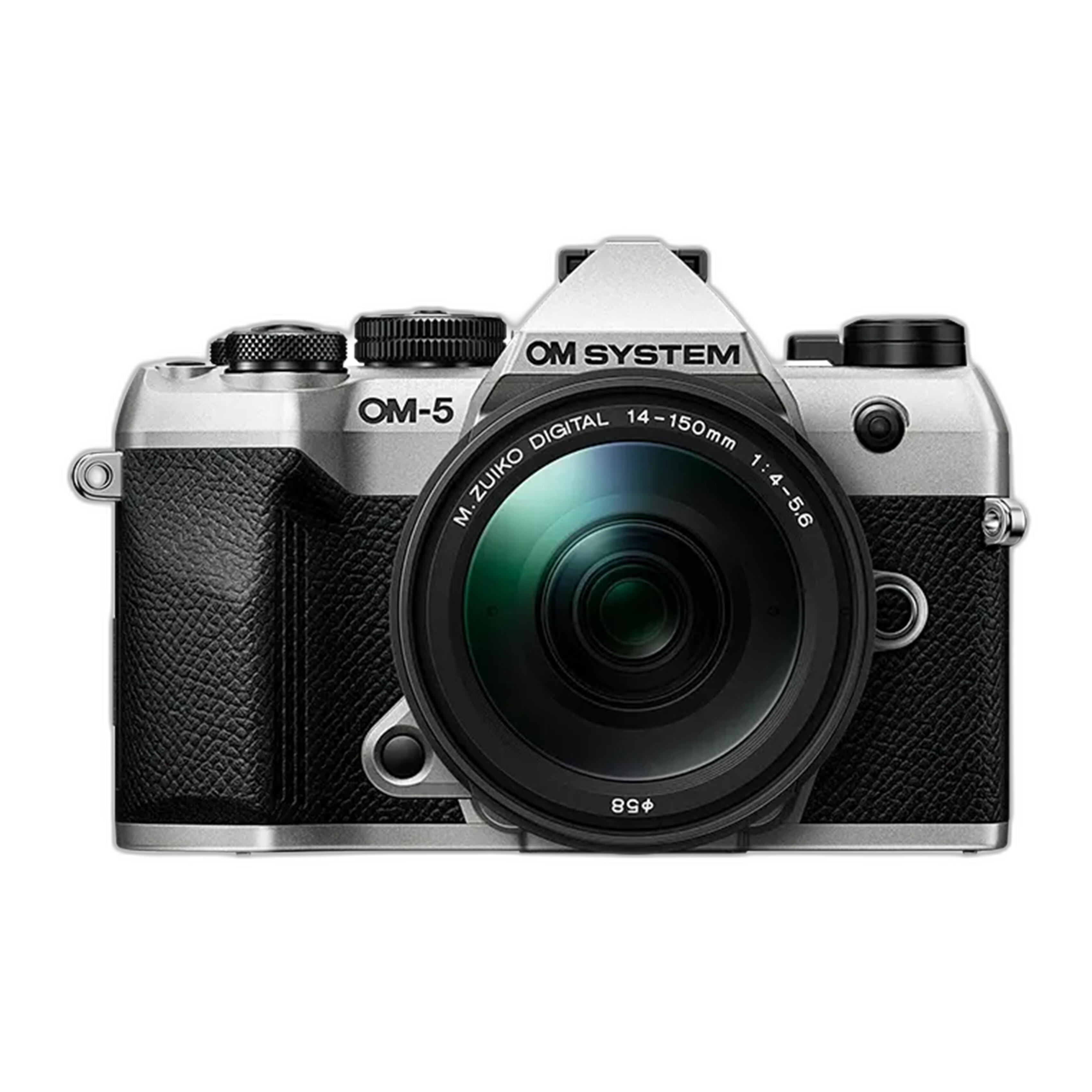
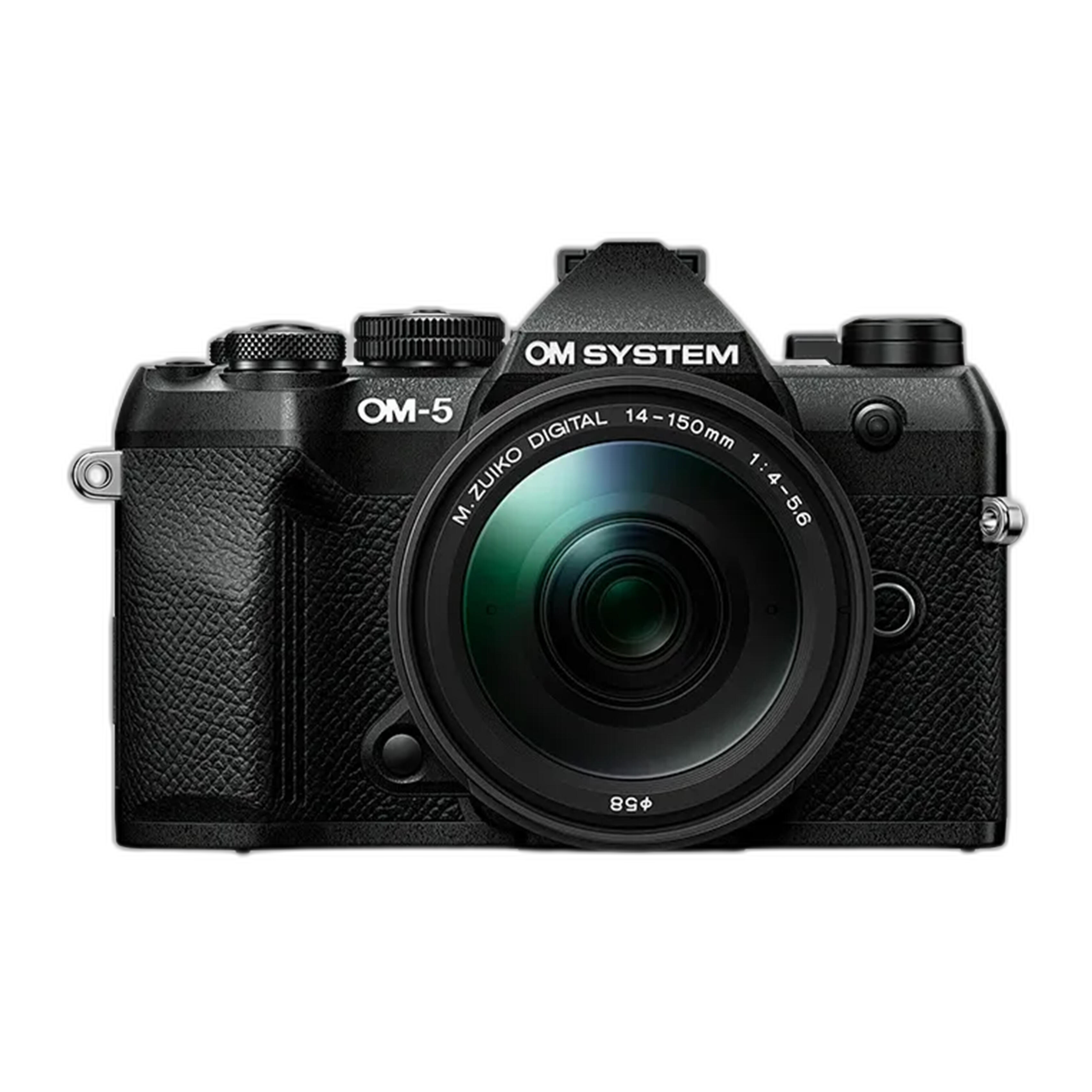
The OM SYSTEM OM-5 Mark II, available in both silver and black kits, approaches portrait photography from a different angle. This is a compact mirrorless system built around portability, flexibility, and all-around shooting ease. For portrait photographers who travel often, hike, shoot lifestyle sessions outdoors, or simply prefer a lighter setup, it is a compelling option.
The included 14-150mm lens offers broad framing flexibility, making it easy to explore classic portrait territory while retaining the convenience of a single-lens kit. This is especially attractive for photographers who do not want to carry multiple lenses but still want options for portraits, street work, and travel storytelling.
Real-World Portrait Experience
In real-world portrait use, the OM-5 Mark II kits are less about maximum blur and more about flexibility, mobility, and consistency. If your portraits are environmental, documentary-inspired, or made during travel and everyday life, this kind of setup can be more useful than a heavier, more specialized portrait rig. The body-and-lens combination is approachable and practical, especially for photographers who want one camera that does much more than portraits alone.
For photographers who prioritize compactness and do not need the traditional full-frame portrait aesthetic above all else, the OM-5 Mark II is easy to appreciate. Between the two color options, the choice is mostly aesthetic.
Sample Image Expectations: What Photographers Usually Notice
At 50mm
Portraits made around 50mm typically feel more immersive and natural. They can include more of the environment without looking overly wide, which makes them ideal for storytelling portraits. Sample images at this focal length often show a good balance between subject presence and scene context.
At 85mm
Portraits around 85mm usually look more isolated and polished. Facial features appear flatter and more flattering, backgrounds feel closer and softer, and compositions tend to look cleaner. Sample images often have a more traditional professional portrait feel.
With Kit Zooms Like These
With the included kit lenses on these cameras, photographers can simulate the framing and perspective decisions that shape 50mm-versus-85mm preferences, even if they will not get the same subject separation as a fast prime. That makes these kits genuinely useful stepping stones for portrait shooters trying to refine their preferences.
Pros and Cons
Pros
- Canon EOS R8 kit: lightweight full-frame entry point with direct 50mm capability and strong upgrade potential for portrait shooters
- Canon EOS R10 kit: highly flexible zoom range makes it easy to compare portrait framing styles and learn your preferred look
- OM SYSTEM OM-5 Mark II kits: compact, travel-friendly, and practical for lifestyle and environmental portrait work
- All of these kits are useful starting points for photographers deciding between normal and short-tele portrait styles
- Mirrorless systems from Canon and OM SYSTEM offer clear upgrade paths for dedicated portrait lenses later
Cons
- None of the included kit lenses are true substitutes for fast 50mm or 85mm portrait primes
- Background blur and low-light subject isolation will be more limited than with specialty portrait lenses
- The 85mm portrait look is best explored with more telephoto framing than some kit lenses emphasize on full frame
- Photographers wanting immediate classic headshot bokeh may need to budget for an additional prime lens sooner rather than later
Verdict: Which Is Better for Portraits, 85mm or 50mm?
If your work leans toward headshots, tighter compositions, and maximum subject separation, 85mm is still the more specialized portrait focal length. If you prefer versatility, environmental portraits, everyday usability, and easier indoor shooting, 50mm is often the smarter choice. For many photographers, 50mm is the better first portrait lens, while 85mm becomes the favorite once they want a more refined, classic portrait style.
Among these camera kits, the Canon EOS R8 with RF24-50mm is the best fit for photographers most interested in the 50mm portrait experience and long-term full-frame portrait growth. The Canon EOS R10 with 18-150mm is the best experimental tool for discovering what portrait framing you truly prefer. The OM SYSTEM OM-5 Mark II kits are excellent for portrait photographers who prioritize portability and all-purpose shooting over a traditional shallow-depth-of-field look.
For shoppers ready to build a portrait setup and eventually add a dedicated 50mm or 85mm prime, Unique Photo is an excellent place to buy these camera kits and expand your system over time.