Sony Lens Compare Beta Suggestions vs. Real User Feedback
If you're shopping for Sony E-mount glass, Sony's Lens Compare beta tool can be a useful starting point. It helps narrow options by focal length, speed, and intended use. But many photographers still want confirmation from something more practical: user reviews and real-world buying patterns. In this comparison, we're looking at a group of Sigma primes and a Sony telephoto zoom to show where automated suggestions help, where user experience matters more, and how to weigh both when choosing a lens.
For this head-to-head, we've included popular Sony-compatible options across portrait, everyday, and telephoto use cases. That makes it easier to see how recommendation engines might group lenses versus how photographers actually evaluate them in the field.
Side-by-Side Lens Comparison
| Lens | Type | Focal Length | Max Aperture | Best For | What a Compare Tool Might Highlight | What User Reviews Usually Add |
|---|---|---|---|---|---|---|
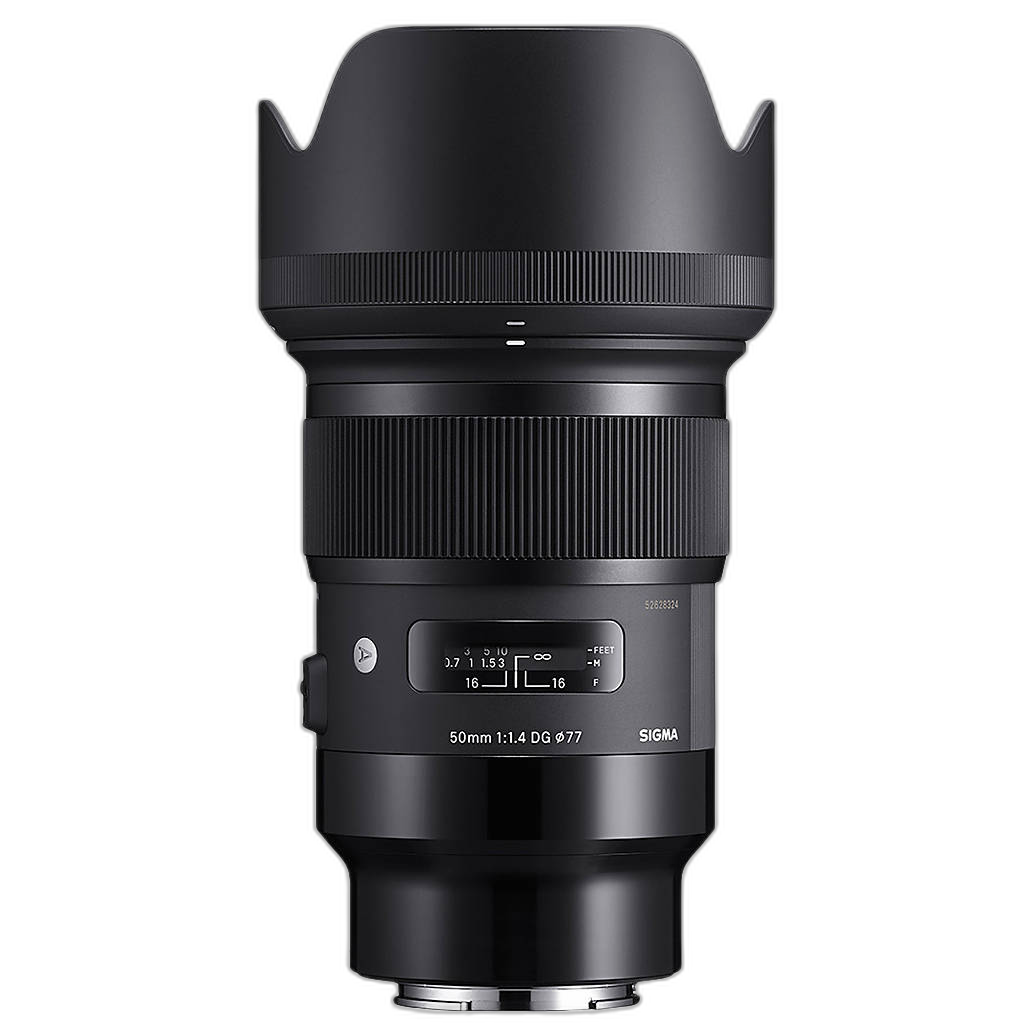
| Sigma 35mm f/2 DG DN Contemporary | Prime | 35mm | f/2 | Street, travel, everyday shooting | Compact size, versatile field of view | Handling, balance, daily carry comfort |
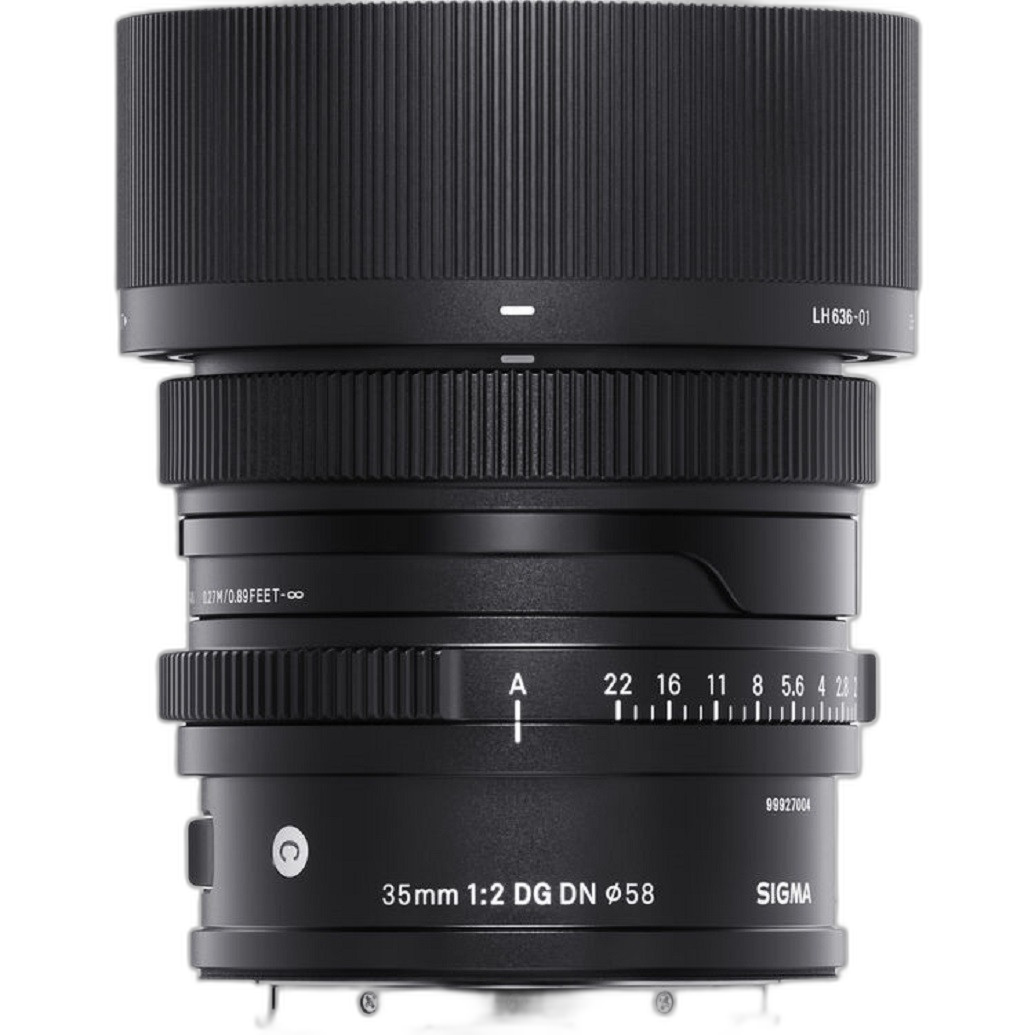
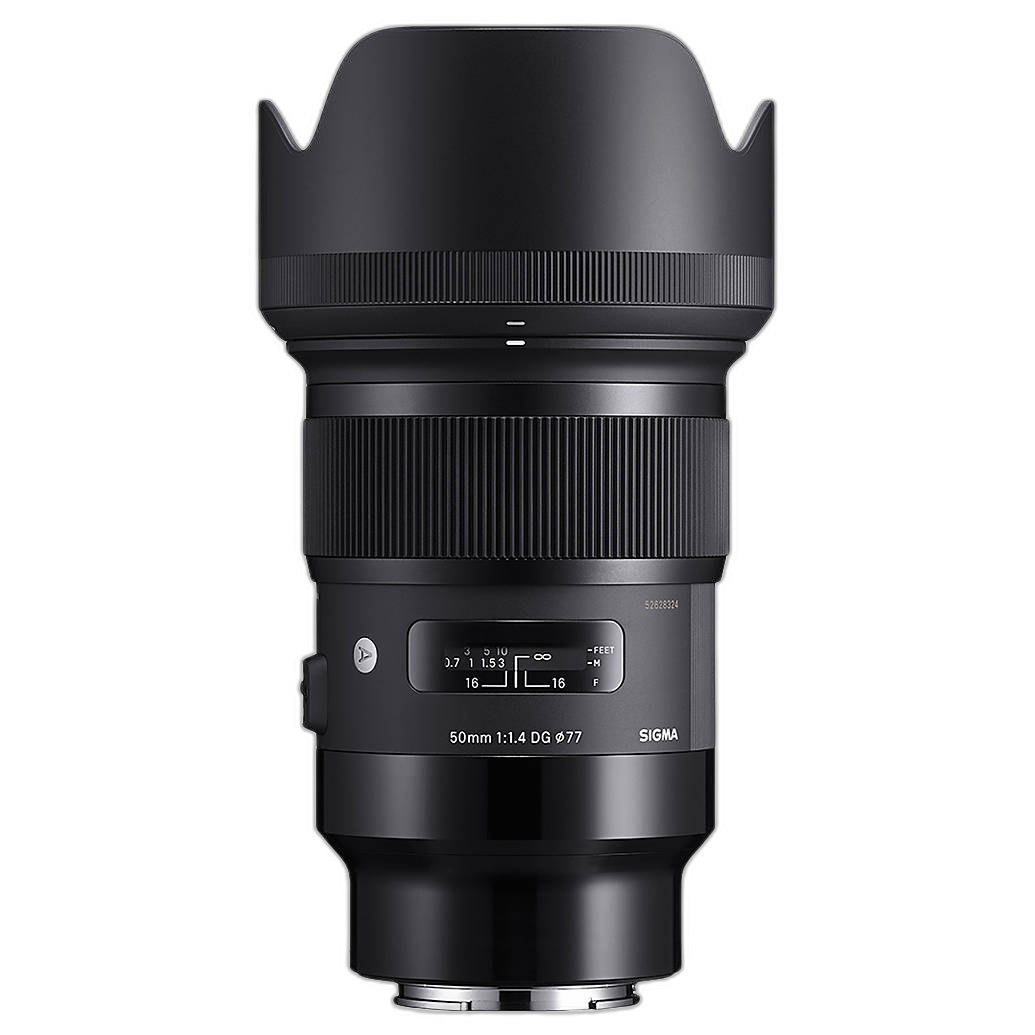
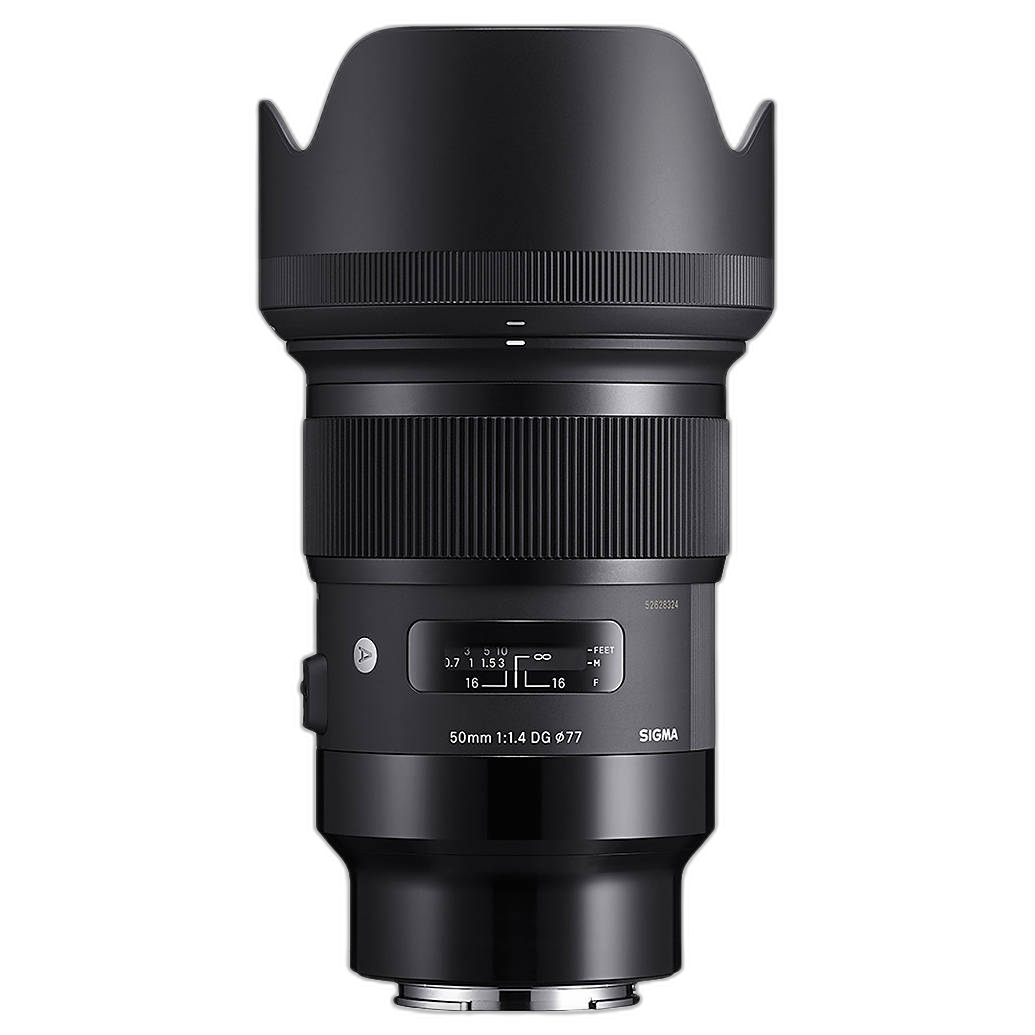
| Sigma 50mm f/1.4 DG HSM Art | Prime | 50mm | f/1.4 | Portraits, low light, general purpose | Fast aperture, classic normal perspective | Sharpness character, size tradeoff, autofocus feel |
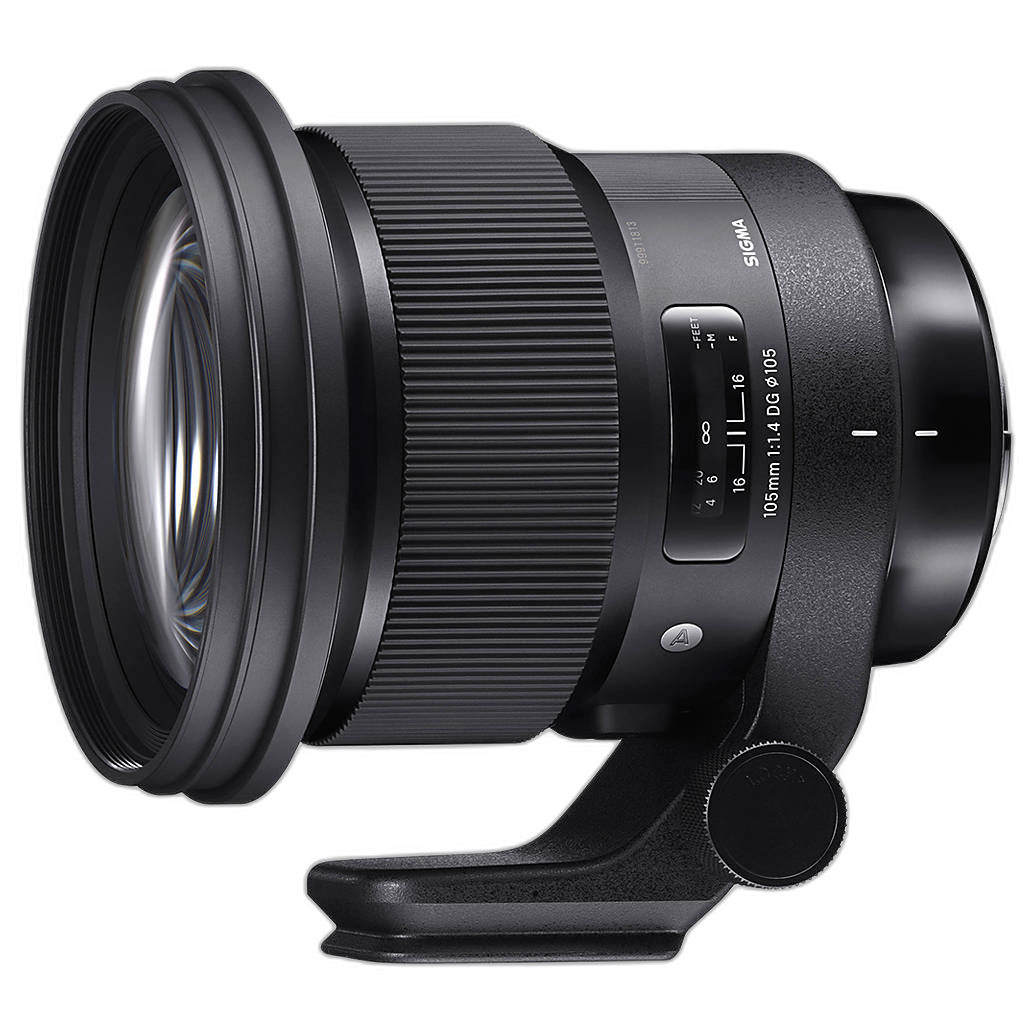
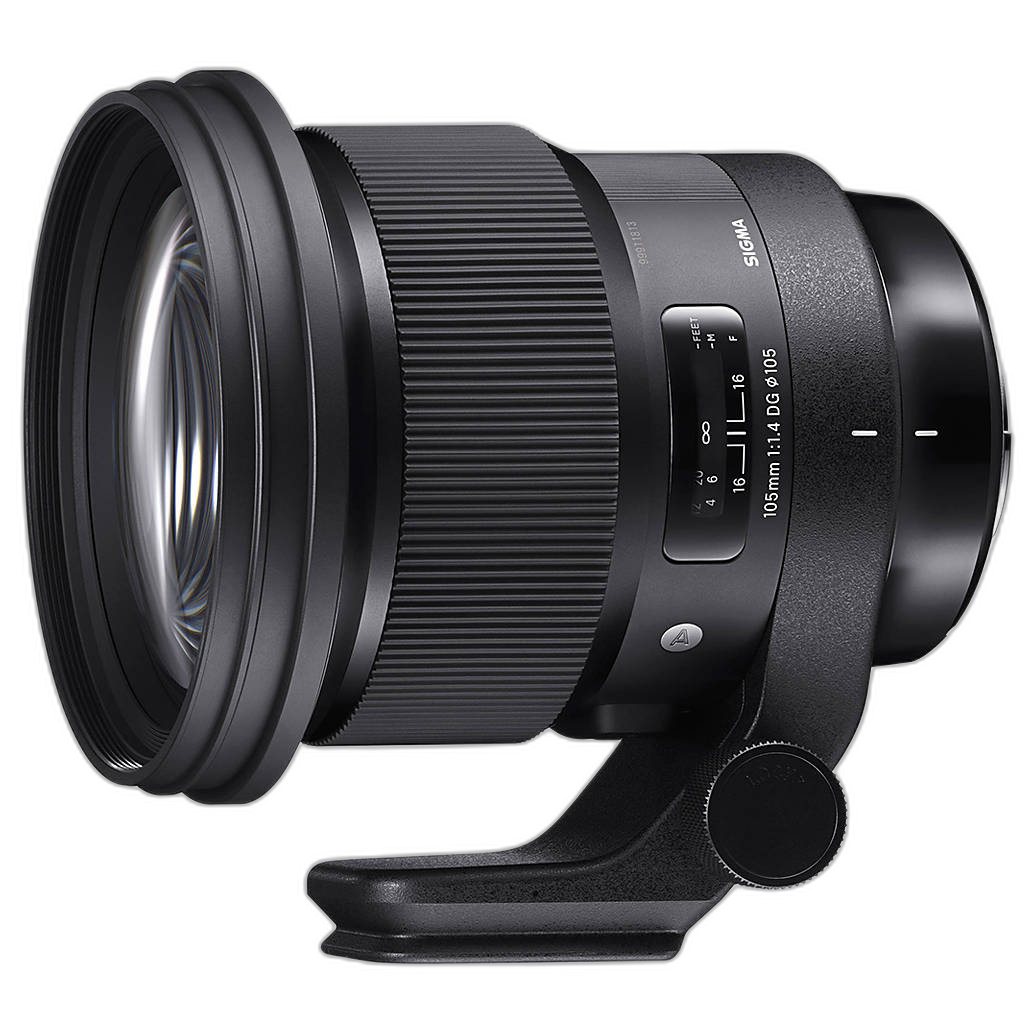
| Sigma 105mm f/1.4 DG HSM Art | Prime | 105mm | f/1.4 | Portraits, subject isolation | Extremely shallow depth of field, specialty portrait appeal | Weight, practicality, real-world shooting comfort |
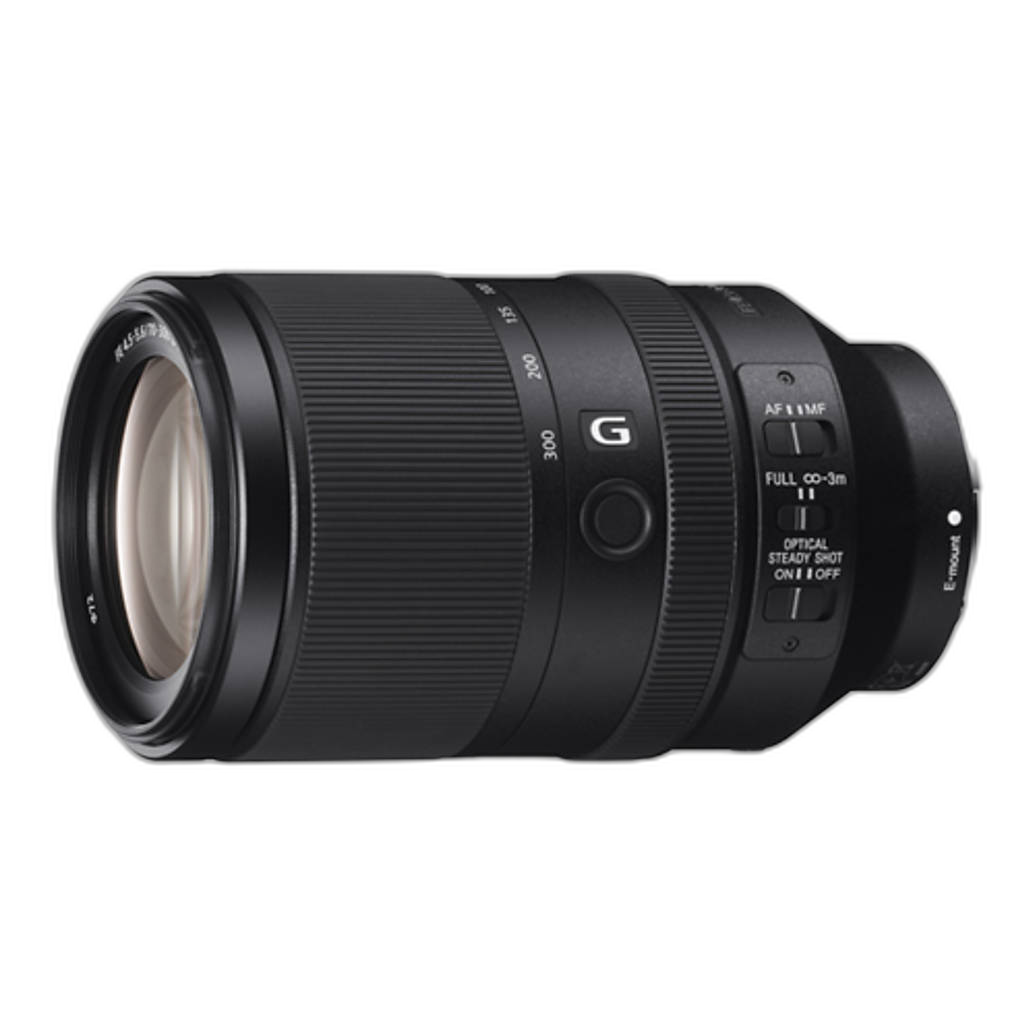
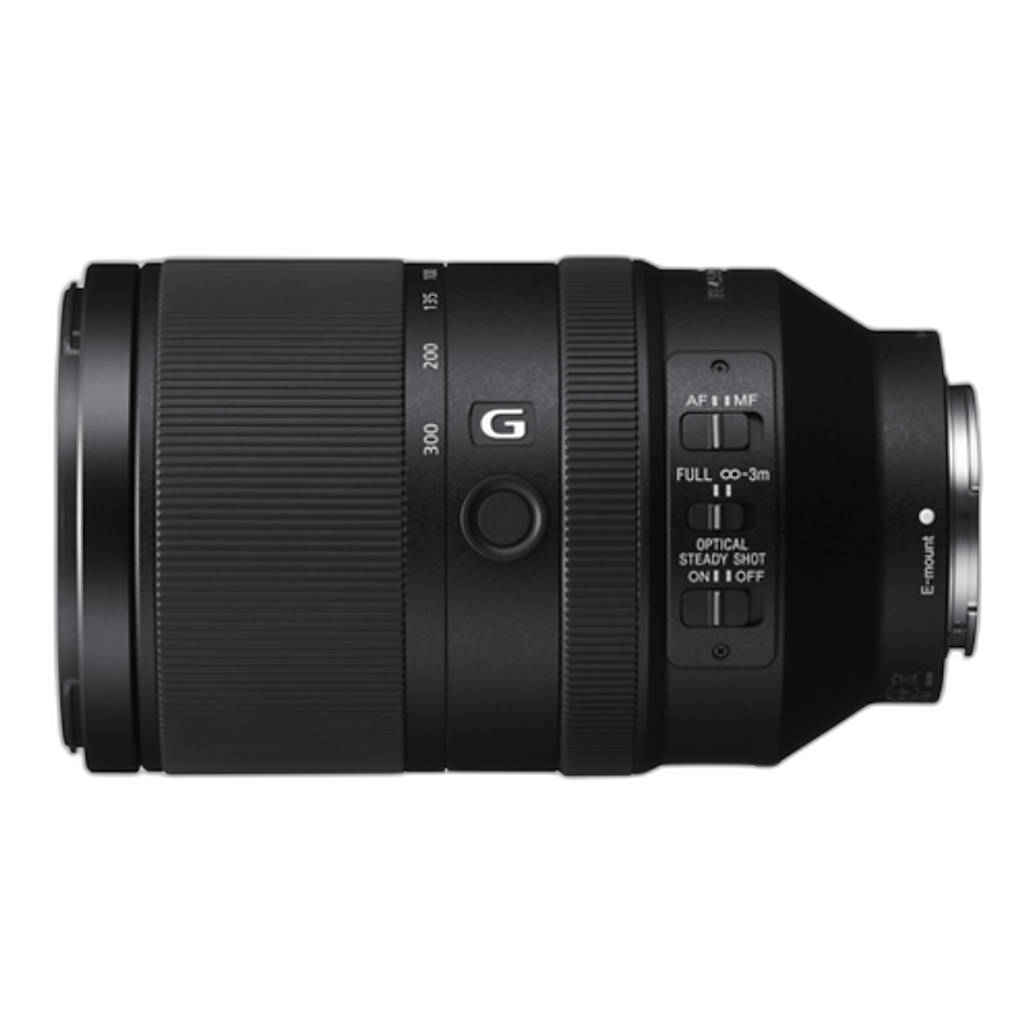
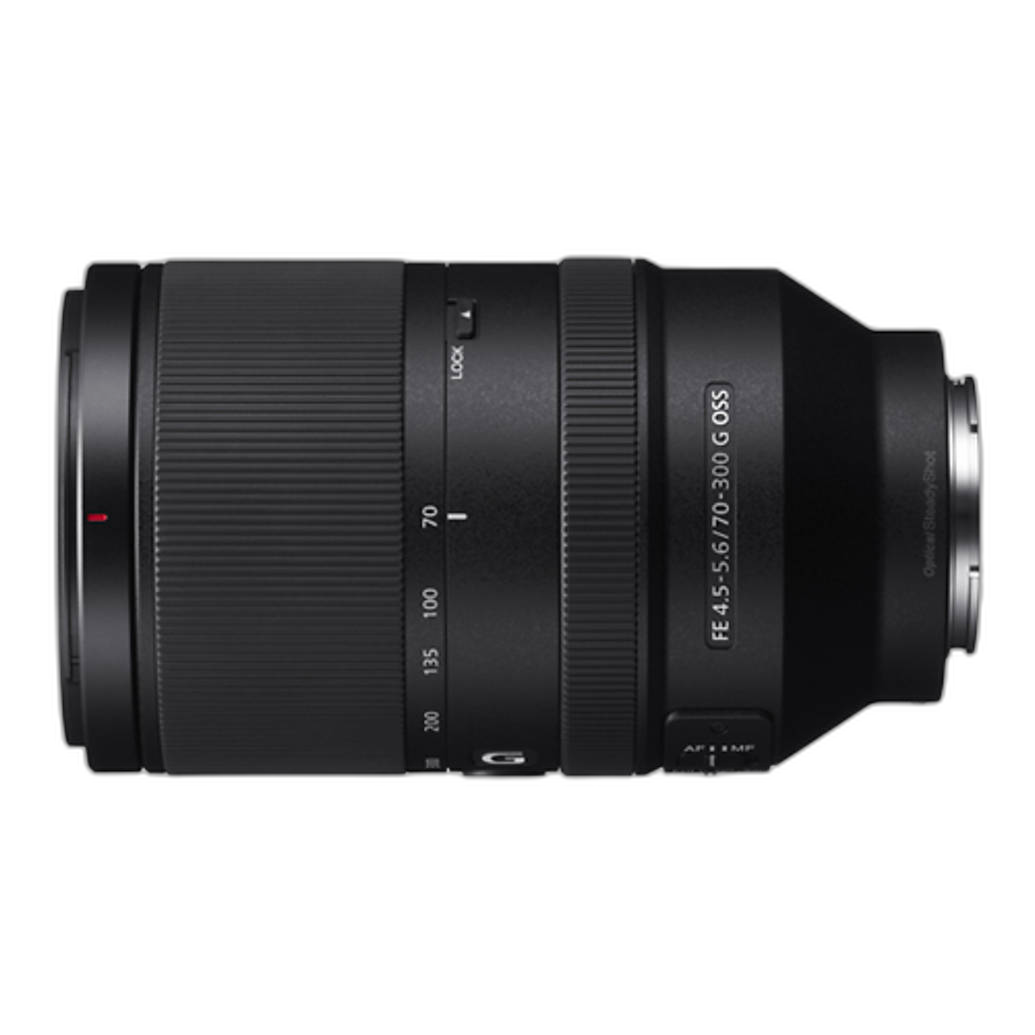
| Sony FE 70-300mm f/4.5-5.6 G OSS | Zoom | 70-300mm | f/4.5-5.6 | Wildlife, sports, outdoor reach | Zoom flexibility, telephoto range, stabilization | Portability on long shoots, real reach value, versatility |
Products in This Comparison
The available inventory here includes multiple condition grades of the same core lens designs, which is actually useful for this topic. Recommendation tools generally focus on the lens model itself, while user reviews and shopper behavior often help decide whether a used excellent, good, or fair copy is the smarter buy.
When Sony Lens Compare Beta Suggestions Make Sense
Fast filtering by shooting style
If you know your use case but not your exact lens, Sony's compare-style suggestions can save time. For example, a portrait-focused shopper may quickly land on the Sigma 50mm f/1.4 DG HSM Art or the Sigma 105mm f/1.4 DG HSM Art because both offer bright apertures and strong subject separation. A travel or walkaround shooter is more likely to be pointed toward something like the Sigma 35mm f/2 DG DN Contemporary, while someone needing reach may be matched with the Sony FE 70-300mm f/4.5-5.6 G OSS.
Spec-driven shopping
These tools are especially helpful when your decision is mostly about focal length, aperture, and lens category. If you're comparing 35mm versus 50mm versus 105mm, a recommendation engine is good at identifying broad fit. It can quickly tell you which lenses are faster, which are more specialized, and which cover more range.
Great for narrowing, not always for deciding
The limitation is that software tends to treat lenses as data points. It may rank the 105mm f/1.4 very highly for portrait work, and on paper that's fair. But that same recommendation may underplay how large and heavy that lens feels in actual use compared to a 50mm f/1.4 or a compact 35mm f/2.
Where User Reviews Matter More
Real-world handling and comfort
User reviews tend to become more valuable once the shortlist is down to two or three lenses. That's because they reveal the part spec sheets cannot fully explain: how a lens feels after an hour, how often owners actually carry it, and whether its performance justifies its size. The Sigma 105mm f/1.4 is a great example. Reviewers often love the look it produces, but practical feedback is crucial because this is not a casual everyday lens for most photographers.
Understanding tradeoffs beyond the headline spec
The Sigma 50mm f/1.4 DG HSM Art is a strong example of a lens that can look ideal in a recommendation system. Fast aperture, desirable focal length, and broad appeal all score well. But user reviews often explain the tradeoff: excellent image quality and low-light ability, balanced against a larger build than some shoppers expect from a standard prime.
Likewise, the Sigma 35mm f/2 may not look as dramatic in a spec-first comparison because it lacks the f/1.4 headline. Yet actual users often value its smaller footprint and easy everyday usability. That kind of lived experience is where reviews can outperform algorithmic suggestions.
Used-condition confidence
User review behavior also matters when shopping used. The lens formula may be the same, but your buying decision can change depending on whether you're choosing an excellent, good, or fair condition item. The compare tool won't tell you how comfortable photographers are buying a used copy in a lower cosmetic grade, but user sentiment often helps frame that decision.
Category-by-Category Analysis
Best for Portrait Shooters
If Sony's beta suggestions point you to the Sigma 105mm f/1.4 DG HSM Art, the logic is easy to understand. It is a standout portrait focal length with a very bright maximum aperture. For maximum subject isolation and a premium portrait look, it is the most specialized option here. User reviews, however, are important because they help determine whether you truly want to carry and work with such a substantial lens.
If you want a more flexible portrait and general-use option, the Sigma 50mm f/1.4 DG HSM Art is often the more practical choice. A compare engine may rate it slightly less specialized, but photographers frequently prefer it as the better all-around investment.
Best for Everyday Carry
This is where user reviews often have the upper hand. The Sigma 35mm f/2 Contemporary is likely to win favor with photographers who want a lens that actually stays on the camera. A tool may recognize it as compact and versatile, but owner feedback reinforces why that matters: easier travel, more comfortable walking, and broader everyday usefulness.
Best for Versatility and Reach
The Sony FE 70-300mm f/4.5-5.6 G OSS stands apart from the primes because it solves a different problem. A suggestion engine will correctly identify it for wildlife, outdoor sports, and compressed telephoto perspectives. User reviews then help validate whether that range is worth the slower aperture for your style of shooting. For many outdoor photographers, the answer is yes.
Best for Value Shopping Used
This is one of the clearest cases for combining both sources. Use Sony's compare-style suggestions to identify the right lens category first, then rely on reviews and seller grading to choose between excellent, good, and fair condition options. For a buyer who already knows they want the Sigma 105mm f/1.4, selecting between the available used condition grades becomes less about optical theory and more about budget, cosmetic tolerance, and confidence in the seller.
Our Pick
Best overall approach: use Sony Lens Compare beta suggestions to build your shortlist, then trust user reviews to make the final call.
If we had to choose one source to trust more at the final decision stage, user reviews win. Compare tools are great for matching you with the right type of lens, but reviews are better at revealing the ownership experience. Among the lenses shown here, that's especially important with options like the Sigma 105mm f/1.4 DG HSM Art and Sigma 50mm f/1.4 DG HSM Art, where size and handling are a major part of the decision.
For the broadest mix of image quality and usability, the Sigma 50mm f/1.4 DG HSM Art for Sony E is the safest recommendation for many photographers. It offers the classic fast-prime look that compare tools love, while also delivering the kind of real-world versatility that tends to earn strong user approval.
Conclusion
Sony Lens Compare beta suggestions are useful for sorting through focal lengths and lens categories quickly, but they work best as the beginning of the process, not the end. User reviews provide the context that specs alone can't: comfort, practicality, expectations, and long-term satisfaction. If you're deciding between lenses like the Sigma 35mm f/2, Sigma 50mm f/1.4, Sigma 105mm f/1.4, or Sony 70-300mm, the smartest move is to use both sources in sequence.
At Unique Photo, that approach becomes even more useful because you can compare not just lens types, but also new and used buying options across different condition grades. That gives you a better shot at finding the right Sony-compatible lens for both your shooting style and your budget.