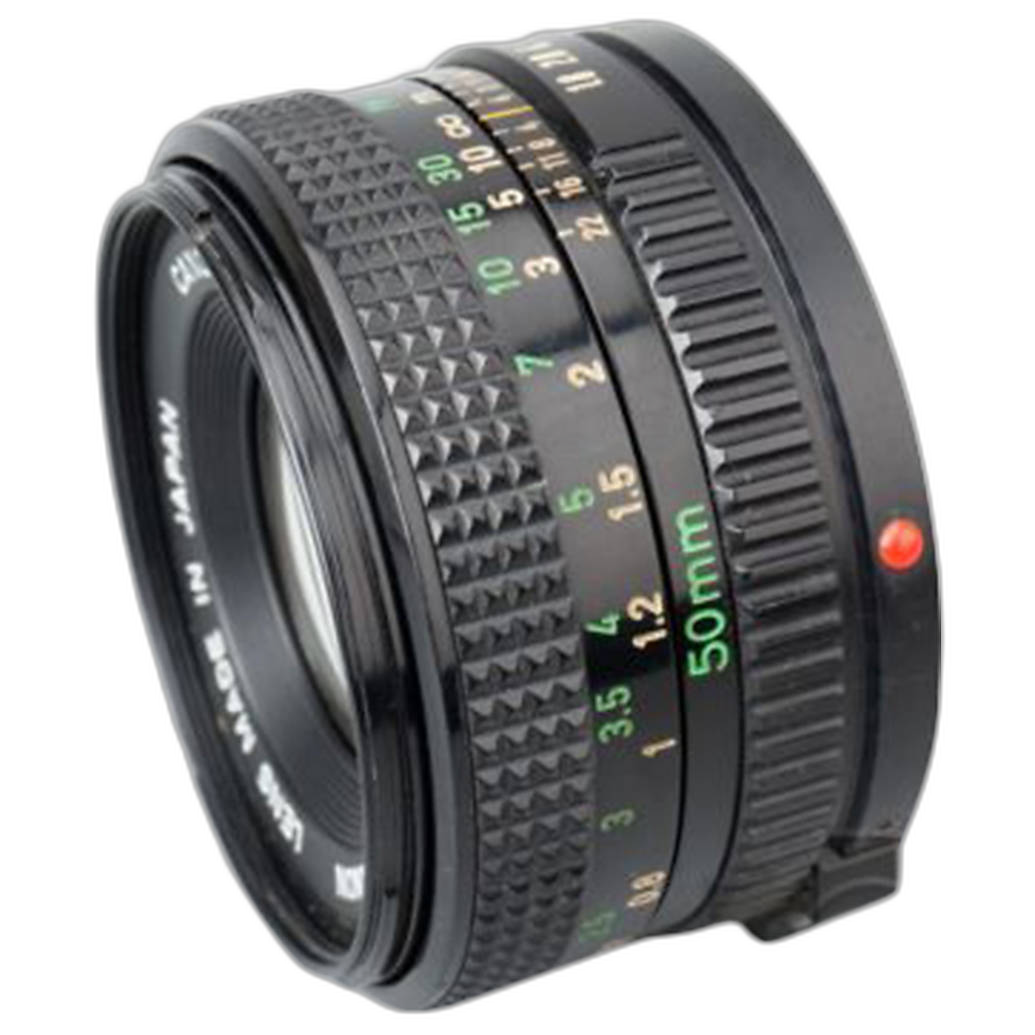
At Unique Photo, our Sony Lens Compare Beta is designed to help E-mount shooters quickly sort through the details that matter. Based on early testing and customer conversations at our counters and online, here’s structured feedback on what the tool should surface, how to make comparisons clearer, and which lenses make the most sense for popular Sony use cases.
What Sony shoppers most want to compare
Side-by-side clarity is everything. The most requested comparison points for Sony FE and E lenses include:
- Focal range and max aperture (including whether aperture ramps on zooms)
- Optical stabilization (OSS) and IBIS synergy
- Autofocus drive type (linear motors, XD, stepper) and video-friendliness
- Close-focus distance and max magnification for detail work
- Weight, length (stored and extended), and balance on popular bodies
- Filter thread size and filter compatibility (or need for special holders)
- Weather sealing and durability notes
- Focus breathing behavior and de-clicked aperture support for video
- MTF- or sharpness-style indicators and distortion/vignetting tendencies
- Street price with applied instant rebates, kits, and bundles
UX feedback for the Lens Compare Beta
Testers favored clean, scannable tables with the option to expand into deeper specs. Recommendations:
- Add-to-Compare buttons on category and product pages for faster flow.
- Sticky headers and lens thumbnails that follow as you scroll.
- Plain-language spec labels with tooltips (e.g., “Close Focus” explains magnification).
- Mobile-first layout with collapsible spec groups (Optics, AF & Video, Size & Weight, Filters, Price).
- Color cues for wins (e.g., green for lighter, closer focusing, better magnification).
- Normalized pricing that reflects current rebates to avoid confusion.
- “Video notes” badges for focus breathing, linear AF motors, and OSS.
Data quality priorities
Accurate, consistent data is key to trust. We recommend:
- Always list weight and length with and without hood.
- Include front filter size and any special filter considerations.
- Flag OSS and clarify how it pairs with IBIS on specific bodies.
- Add measured breathing notes where available.
- Show real prices after instant savings and package deals.
Real-world validation matters
Spec sheets are vital, but shoppers love context:
- Representative sample images or crops that illustrate sharpness, bokeh, and flare handling.
- Use-case badges (Landscape, Travel, Events, Video, Low-Light) derived from specs and testing.
- Staff picks and customer-favorite callouts to guide unsure buyers.
Use-case picks with real lenses
Below are popular Sony shooting scenarios with gear that frequently rises to the top at Unique Photo.
Landscape & architecture: ultra-wide, fast, and sharp
The Sony FE 12-24mm f/2.8 GM is a favorite for dramatic perspectives, nightscapes, and interiors thanks to its constant f/2.8 aperture and pro-grade optics.
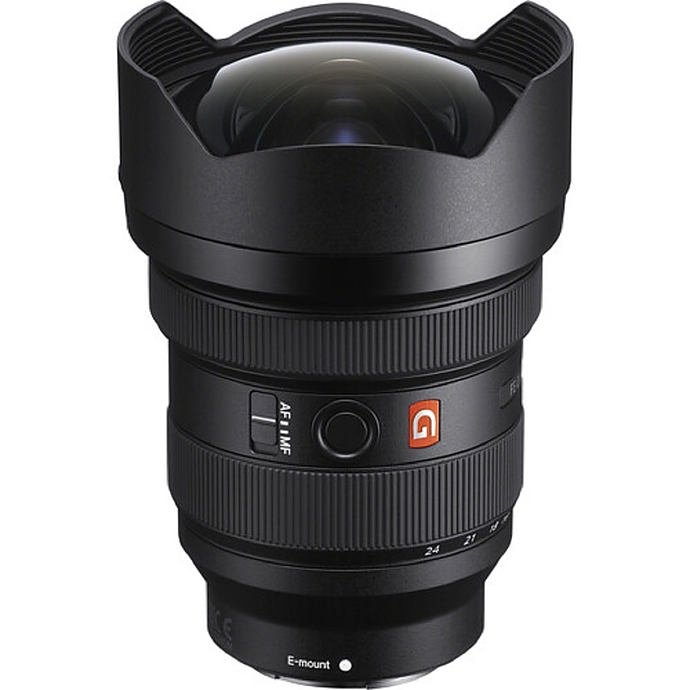
- Why it stands out: constant f/2.8 for low light and astro, G Master build, and sharpness to the edges.
- Compare tip: note filter solutions; bulbous front elements can require specialty holders. If you’re evaluating ultra-wides, consider adding a “Filter Compatibility” line in Compare. Accessories like the NiSi 100mm Filter Holder for the Sony FE 14mm f/1.8 GM are examples of how support varies by lens.
Travel & everyday: one-lens versatility
The Sony FE 24-105mm f/4 G OSS offers a flexible range in a single walk-around package, with OSS for steadier handheld results.
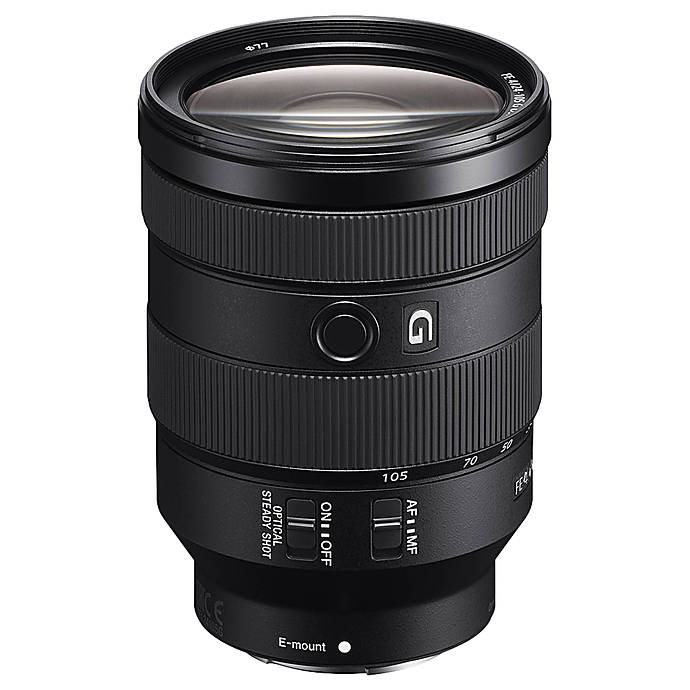
- Why it stands out: covers landscapes to portraits in one lens, with optical stabilization and reliable AF.
- Compare tip: show weight versus reach, and highlight stabilized options for travel/video uses.
Manual-focus artistry & adapted glass
Some Sony creators love adapted manual-focus lenses for their rendering and tactile control. Our Used & Trades department often has classics that pair well with Sony bodies via adapters.
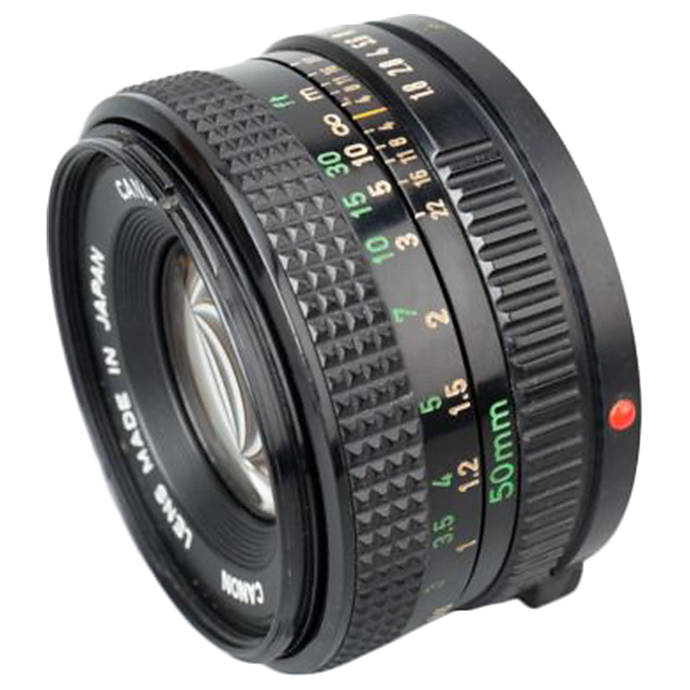
- Canon FD-era primes can be adapted for creative projects. In Compare, a “Manual Focus” and “Adaptable” indicator helps set expectations.
For precision manual focus and optical excellence, some shooters also adapt premium primes like the Zeiss Otus line.
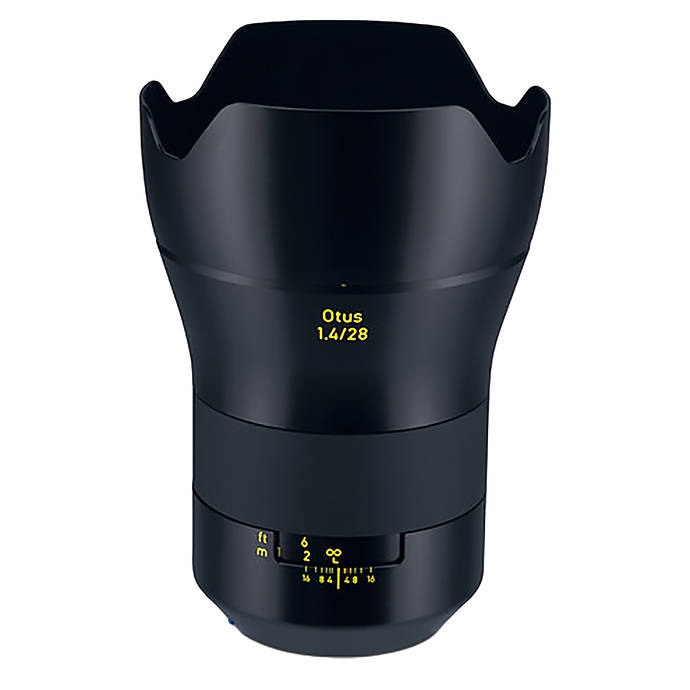
- Compare tip: add a “Focus Type” row (AF vs MF), plus a note on adaptation for non-E-mount lenses.
Example comparison: Sony 12-24mm f/2.8 GM vs 24-105mm f/4 G OSS
Two excellent, but very different, tools:
- Coverage: 12–24mm emphasizes ultra-wide landscapes and interiors; 24–105mm spans wide to mid-tele for all-purpose shooting.
- Speed: f/2.8 vs f/4—f/2.8 wins for night and motion-stopping; f/4 keeps size and cost in check.
- Stabilization: 24–105mm includes OSS; 12–24mm relies on the body’s IBIS where available.
- Video: compare focus breathing behavior and AF smoothness; both are frequent video choices with different strengths.
Who should choose which?
- Pick the 12–24mm f/2.8 GM if you live at the wide end, shoot astro or interiors, and want the speed and edge-to-edge performance.
- Pick the 24–105mm f/4 G OSS if you want a single-lens solution for travel, family, street, and light event work with stabilization.
Metrics to add next in the Beta
- Focus breathing: a simple “Low/Medium/High” indicator with a note if bodies offer breathing compensation.
- Parfocal behavior: whether framing stays consistent when zooming (relevant to video).
- Aperture ramp: indicate if and when max aperture changes during zoom.
- Lens profiles: note in-camera corrections support and popular NLE profiles.
- Balance on bodies: a quick guide (e.g., great on A7C II vs. better on A7 IV grip).
How Unique Photo can help
Our experts handle Sony lens questions every day and can help you decide between overlapping options. The Compare tool is here to speed up your shortlisting, while our team provides the context and real-world experience behind the numbers. If you’re weighing ultra-wide versus all-in-one, or AF zooms versus adapted MF primes, we’re a call or visit away.
Conclusion and internal linking suggestions
To make the most of the Sony Lens Compare Beta and your next purchase, consider adding the following internal links on UniquePhoto.com:
- Category: Sony E-mount lenses (all Sony FE and E options)
- Collection: Sony G Master lenses
- Tool: Lens Compare (entry point on category pages and PDPs)
- Resource: Blog posts and buying guides for Sony lenses
- Department: Used & Trades for adapted and budget-friendly options
- Accessories: Filters, hoods, and holders for wide-angle lenses
As you test the Compare Beta, please keep the feedback coming—Unique Photo is committed to building the most helpful Sony lens shopping experience, backed by knowledgeable staff and a curated selection of gear.