Is It Worth Upgrading to the Latest Flagship Camera in 2024?
Flagship cameras sit at the top of their brands’ lineups, built for working pros and serious enthusiasts who demand elite autofocus, speed, low-light performance, durability, and cutting‑edge video features. In 2024, these bodies have become faster, smarter, and more connected than ever. But does that translate into a must‑upgrade for you? This review takes a product‑style look at the 2024 flagship class—what’s genuinely new, who benefits most, and when your money is better spent on lenses, lighting, or accessories. You can explore trade‑in options and hands‑on demos at Unique Photo to decide with confidence.

Positioning: What a 2024 Flagship Promises
Modern flagship bodies emphasize speed and reliability above all else: blackout‑free viewing, deep buffers, high frame rates, advanced subject recognition AF, and robust weather sealing. They’re designed for high‑stakes work—sports, wildlife, weddings, breaking news, and hybrid productions where stills and video share equal billing. Prices are steep, but so is the expectation of uncompromised performance and long service life.
Key Features That May Justify an Upgrade
Autofocus and Subject Recognition
Flagship AF systems now leverage deep‑learning subject detection for humans, animals, birds, vehicles, and more. Tracking is stickier across the frame, recovery after occlusion is faster, and eye/subject detection works at longer distances and in worse light. For action shooters, the keeper rate is often the biggest real‑world leap versus older bodies.
Sensor Readout, Dynamic Range, and Low Light
Current sensors emphasize faster readout for reduced rolling shutter and more effective electronic shutters. You’ll see cleaner high‑ISO files and more flexible shadows, which matters for events and documentary work where lighting is unpredictable.
Speed: Shutter, Buffer, and Viewfinder
Blackout‑free EVFs, high refresh rates, and deep buffers help you stay glued to the action. High continuous frame rates and pre‑capture modes make near‑misses less likely—critical for sports, wildlife, and photojournalism.
Video and Hybrid Tools
10‑bit internal recording across common codecs, high‑resolution capture, better oversampling, improved rolling‑shutter control, and waveform/vectorscope options are increasingly standard. Add dependable AF in video plus more robust heat management and you’ve got a true hybrid workhorse. Just remember: more capable video often means more power planning.
Connectivity and Workflow
Faster wireless transfers, wired tethering via high‑speed USB‑C, and better remote control apps reduce time from capture to delivery. Some flagships add direct‑to‑cloud workflows and stronger security—useful for teams, newsrooms, and fast‑turn creatives.
Build, Ergonomics, and Ecosystem
Expect stout weather sealing, stronger mounts, refined grips, and more customizable controls. Dual high‑speed card slots and robust batteries support long shoots. Accessory ecosystems—vertical grips, hot‑shoe audio, and cages—have matured for hybrid use.
Price, Depreciation, and Opportunity Cost
Flagships command premium pricing. If your current body already nails focus and delivers acceptable low‑light and video quality for your clients, gains may be incremental. Money diverted to lenses, lighting, or audio can yield bigger improvements for many shooters.
Pros and Cons of Upgrading in 2024
- Pros
- Meaningfully better AF tracking and subject recognition boosts keeper rates.
- Faster sensor readout reduces rolling shutter; improved high‑ISO results.
- Blackout‑free EVFs and deep buffers elevate action and event coverage.
- Stronger hybrid video toolsets and thermal performance.
- Improved connectivity and workflow speed for teams and fast‑turn delivery.
- Cons
- High upfront cost; accessories and media can add significantly.
- Incremental gains for controlled genres (studio, landscape, macro).
- Large files and higher data rates demand storage and computing upgrades.
- Learning curve to fully exploit new AF modes, video codecs, and workflow tools.
Who Should Upgrade Now—and Who Can Wait
Upgrade now if you shoot fast action (sports/wildlife), weddings/events in challenging light, news/editorial with tight deadlines, or hybrid photo/video where robust codecs and reliable AF are mission‑critical. You’ll see tangible gains in keeper rate, rolling‑shutter handling, and turnaround time.
Consider waiting if you’re primarily landscape, architecture, studio portrait, or product focused on tripod‑bound, controlled lighting. In these cases, investing in lenses, lighting, filters, color‑accurate monitors, or storage often improves results more than a flagship body swap.
Recommended Accessories to Maximize a Flagship Upgrade
Support gear can unlock more performance than the body alone. A few standouts available at Unique Photo:
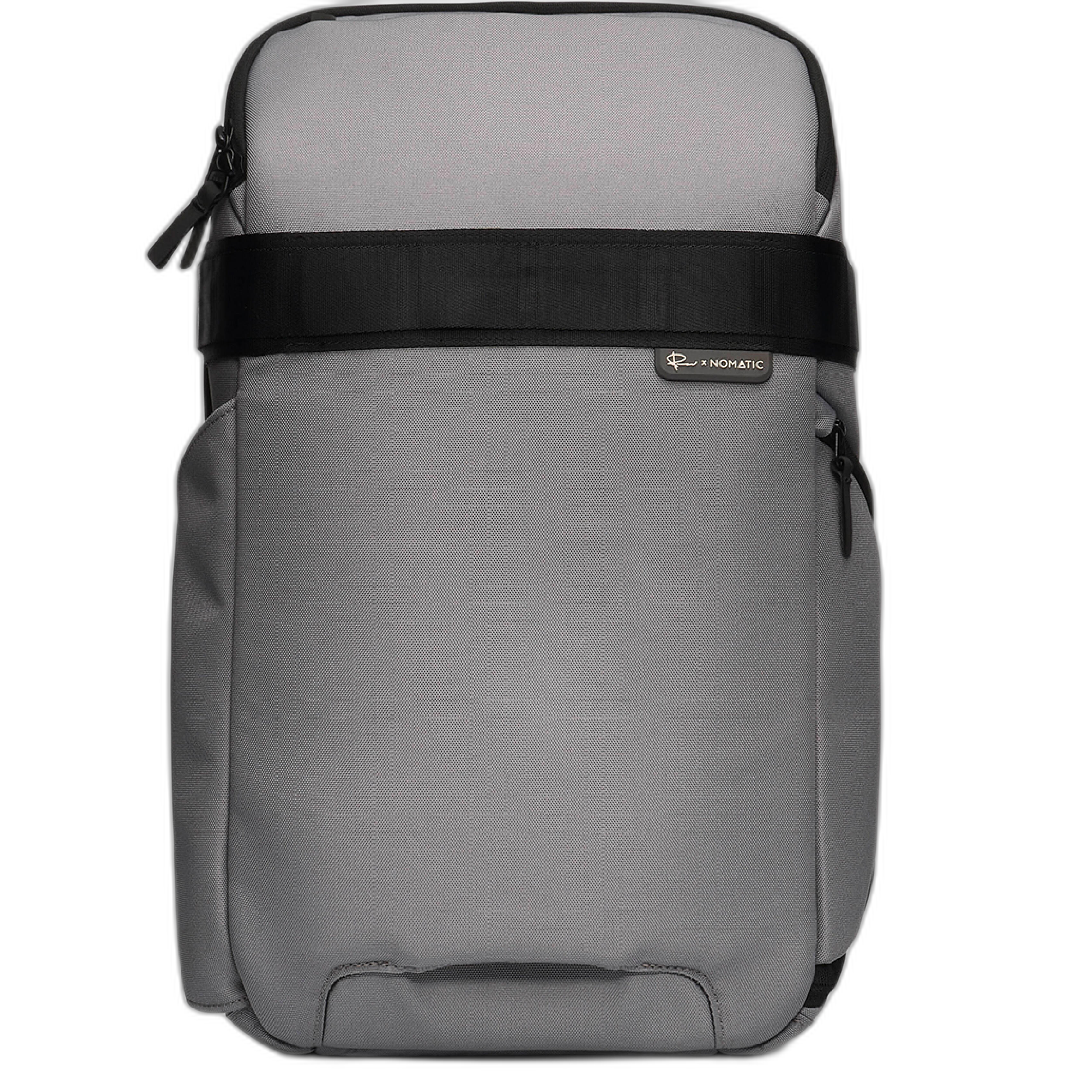
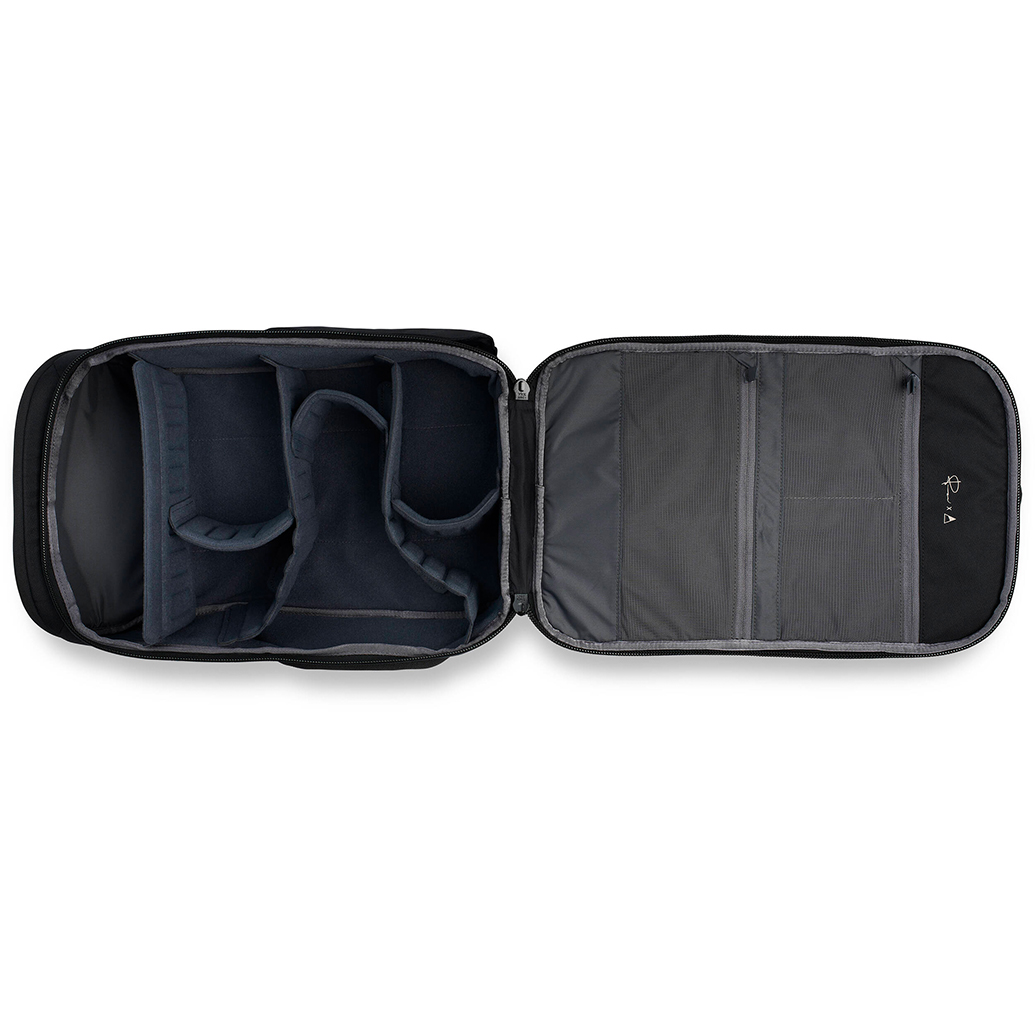
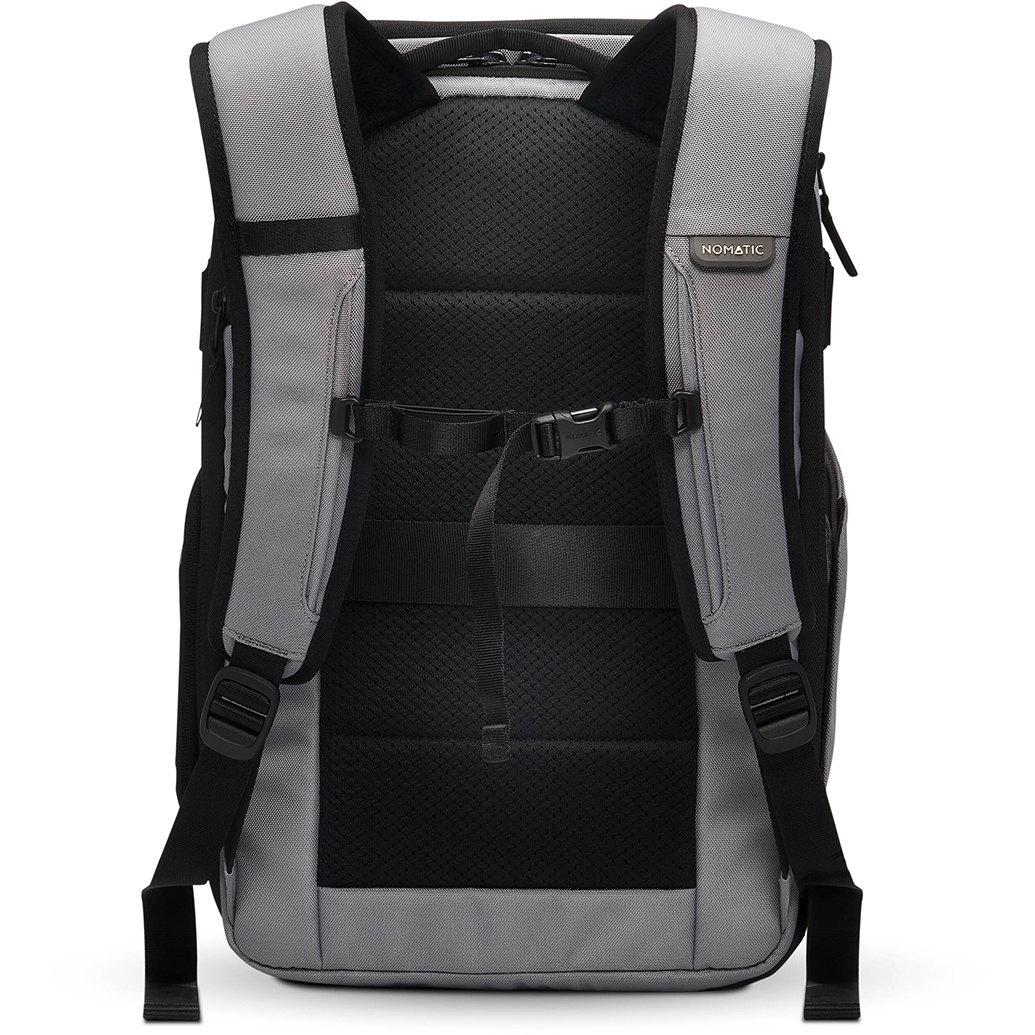
- Nomatic Luma Camera Pack 18L - Stone — Compact, organized, and travel‑friendly for a modern hybrid kit.
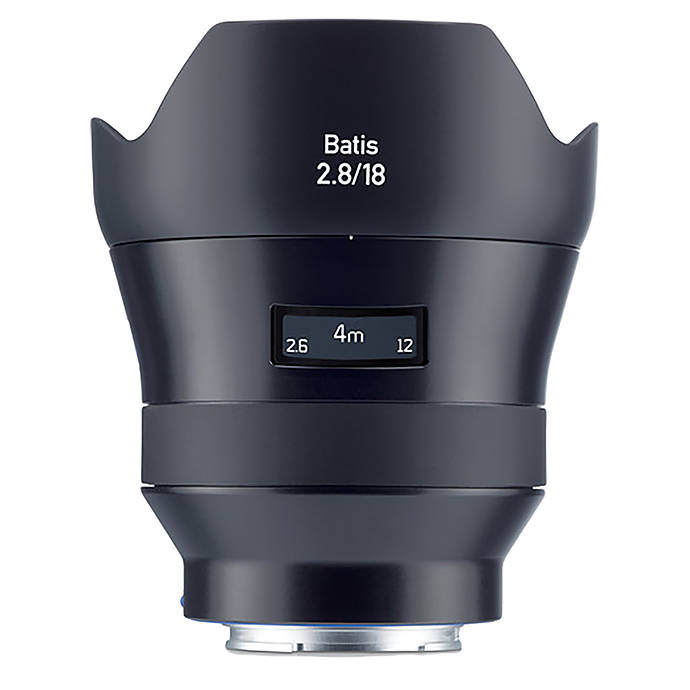
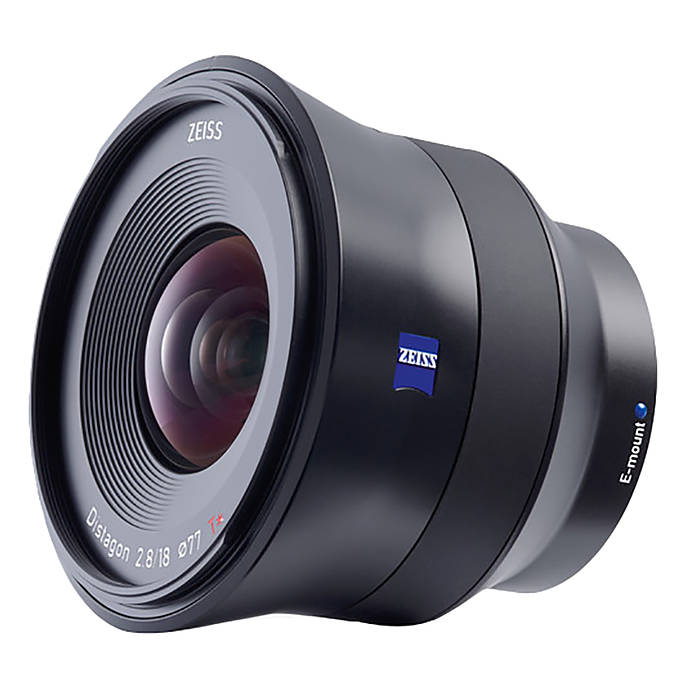
- Zeiss Batis 18mm f/2.8 (Sony E) — A sharp, lightweight ultra‑wide that complements high‑resolution flagships for interiors, landscapes, and establishing shots.
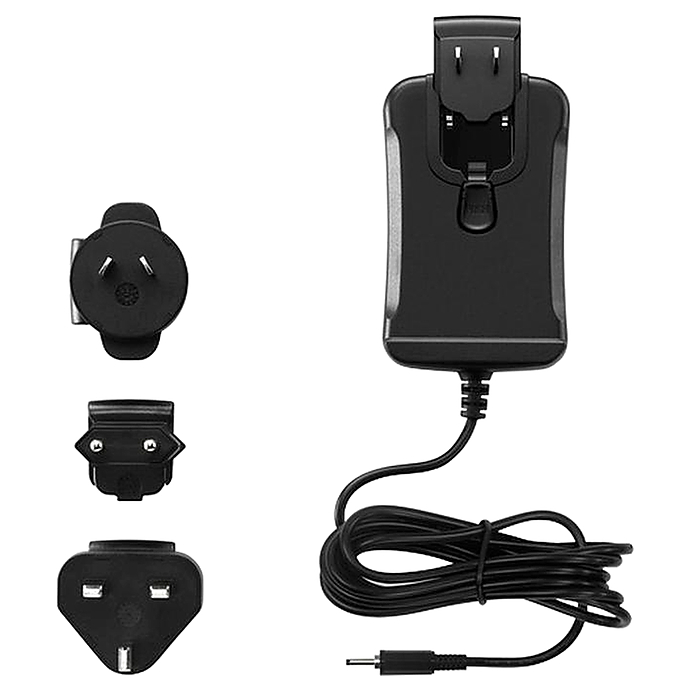
- Blackmagic Design Power Supply for Pocket Cinema Camera — For cinema‑centric shooters or those using dedicated video bodies in tandem with a flagship stills camera, solid power is essential for long takes.
- RED Extended Warranty – KOMODO‑X — If your workflow includes a cinema camera alongside your stills flagship, extended coverage can protect your investment on set.

Verdict and Recommendation
If your paying work depends on catching split‑second moments, delivering clean low‑light files, or producing polished video without compromise, the latest 2024 flagship is worth the premium. The combination of smarter AF, faster readout, deeper buffers, and stronger hybrid features delivers real‑world advantages you’ll feel on day one.
If your shooting is slower paced or already well‑served by a recent body, consider maximizing image quality and creativity with better lenses, lighting, audio, and workflow upgrades first. When you’re ready, visit Unique Photo to compare bodies side by side, trade in older gear, and build a kit—bag, glass, power, and protection—that matches your assignments and budget.
Ready to make the call? Explore hands‑on demos, trade‑in values, and package savings at Unique Photo.