Photographers Review Sony’s Lens Comparison Tool (Beta): Accuracy, Tips, and Smarter Lens Choices
As Sony expands its Alpha ecosystem, the new Lens Comparison (Beta) experience has quickly become a go-to for shooters trying to visualize differences across focal lengths, apertures, and optical designs. We spoke with photographers and pulled from hands-on testing to evaluate how accurate the tool feels today, where it shines, where it can improve, and how to use it strategically to pick the right Sony E-mount lens. Along the way, we highlight a few standouts you can find at Unique Photo.
Is Sony’s Lens Comparison (Beta) accurate? Early user findings
Across our community, the consensus is that the Beta is already quite useful for head-to-head decision-making. Core specs and side-by-side basics (size, weight, filter diameter, minimum focus distance, magnification, stabilization, and price) are reliable. Framing previews for focal length are helpful for setting expectations, and MTF-style sharpness plots provide a quick signal of center-to-edge performance. Still, as with any beta and any lab-derived chart, real-world results can differ based on sample variation, focus distance, lighting, and camera body pairing.
- Framing and coverage: Field-of-view previews closely match real-world framing for both full-frame and APS-C crop use, with minor discrepancies when strong distortion is corrected in-camera.
- Sharpness trends: MTF overlays capture general behavior (e.g., fast primes peaking in the center wide open; modern zooms tightening up by f/5.6). Users should treat these as trends rather than absolutes.
- Stabilization expectations: OSS and IBIS details are a solid starting point, but actual handholding tolerance depends on technique and body generation.
- Focus breathing and video behavior: Where noted, the indicators align with field experience, but creators still recommend testing breathing compensation on your specific Alpha body.
What the tool gets right today
Photographers appreciate how fast the Beta narrows choices and clarifies trade-offs:
- Clean spec comparisons: Weight, length, balance, filter thread, minimum focus distance, and magnification appear side-by-side, making it easy to assess carry comfort and close-up utility.
- MTF-style overlays: Quick, visual reads on sharpness trends at key apertures help differentiate G vs. G Master behavior (e.g., micro-contrast at wide apertures vs. edge uniformity stopped down).
- Preview logic: Focal length, coverage, and subject scale previews help new E-mount shooters visualize how 24mm, 35mm, and 70mm actually frame a scene.
- System context: OSS and focus motor notes inform video choices and pairing with IBIS bodies.
Where the Beta could improve (photographers’ suggestions)
- Real-world samples: Add downloadable sample images across distances (infinity, portrait, macro range) and lighting types, plus backlit flare tests.
- Video-centric metrics: Standardize focus breathing measurements, AF drive noise levels, and focus shift behavior, with notes on breathing-compensation compatibility by body.
- Bokeh character: Include side-by-side defocus rendering at portrait distances and minimum focus to show cat’s-eye vignetting, onion-ring artifacts, and specular highlight behavior.
- Filter ecosystem: Call out filter thread diameter and compatibility notes for drop-in, rectangular, and dedicated holders—useful for NDs and landscape kits.
- Field weight calculator: Estimate total rig mass with body, cage, filters, and mic for gimbal planning.
- Sample variance: Offer guidance on expected copy-to-copy variation and recommended tests so users can validate their purchase.
- Third-party context: Even if non-Sony lenses aren’t included, a neutral “similar alternatives” note would help shoppers frame the market.
Step-by-step: How to use Sony’s compare tool to choose the right lens
- Define your scenario: subject distance, typical light level, required shutter speed, and delivery (social, large prints, 4K/6K video).
- Set constraints: size/weight, budget, filter thread needs, stabilization, and whether you need linear focus response or breathing control for video.
- Shortlist 2–4 candidates: Compare coverage, minimum focus, magnification, OSS, and approximate sharpness curves at your working apertures.
- Check close-focus behavior: Many zooms gain creative versatility when they offer strong magnification at the long end.
- Validate in the field: Shoot a quick chart or brick wall, a high-contrast backlit scene, and a real subject at your intended distances before committing.
Scenario-based tips that map directly to the Beta tool
Landscape, interiors, and astro
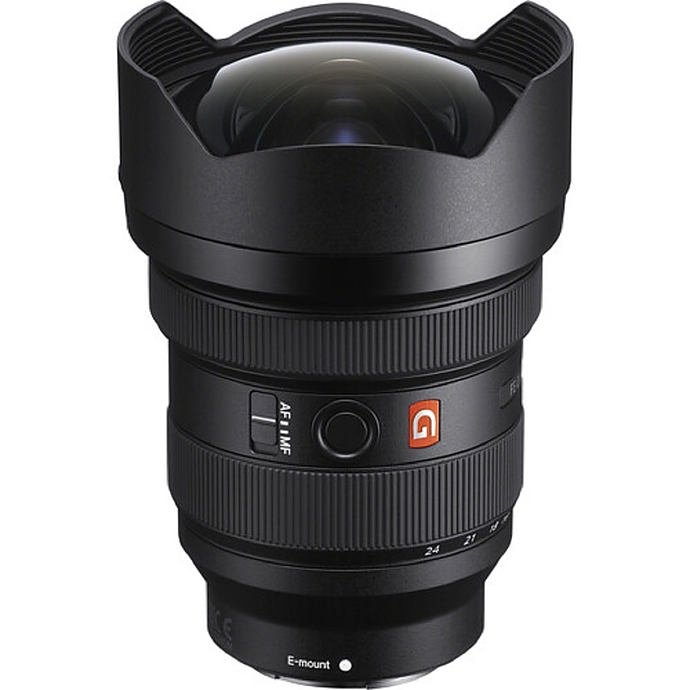
Prioritize consistent edge sharpness, flare resistance, and filter workflow. The Sony FE 12–24mm f/2.8 GM is a top choice when you need ultra-wide coverage with a fast aperture for nightscapes and interiors. In the tool, compare edge MTF at f/2.8 and f/4, and look at minimal focus distance for foreground-leading lines. If you rely on square filters, note filter-holder compatibility for bulbous front elements.
Travel and everyday versatility
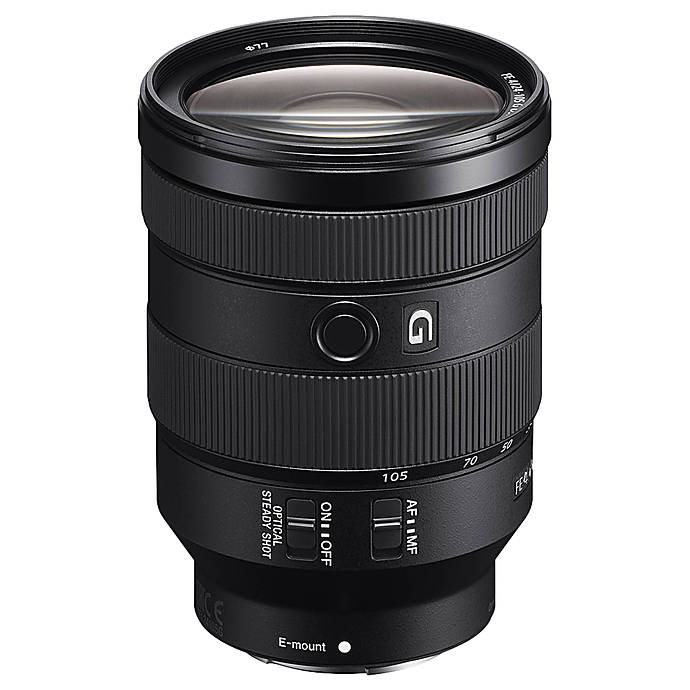
For one-lens days, the Sony FE 24–105mm f/4 G OSS balances reach, stabilization, and sharpness. In the Beta, pay attention to wide-open mid-frame performance at 70–105mm for portraits and detail shots, and check OSS plus IBIS notes for low-light street work.
Portraits and people
Evaluate subject isolation at your working distances and look for smoothness in out-of-focus highlights. Use the tool’s aperture comparisons to see how stopping down changes edge acuity and cat’s-eye bokeh. If you shoot events, also weigh AF motor type for quiet operation and consistent tracking.
Video and hybrid shooting
Check for breathing compensation support, linear response MF options, and OSS behavior on your specific body. If you gimbal frequently, use the weight and length data to confirm balance within your gimbal’s payload and clearance.
Macro and close-up
Magnification and minimum focus are critical. Use the compare view to see which zooms double as quasi-macro and where a dedicated macro lens is warranted. Stabilization and focus motor smoothness can help with handheld product video.
Sports and wildlife
Consider AF drive type, focus limiter switches, teleconverter compatibility, and stabilization effectiveness at long focal lengths. In the Beta, compare MTF at the long end and note any drop-off when wide open vs. stopped down one stop.
Hands-on checks to validate what the tool suggests
- Sharpness reality check: Shoot a flat, detailed surface at typical distances; evaluate center, mid-frame, and edges at your preferred aperture.
- Backlight and flare: Photograph bright point light just outside and inside the frame to judge veiling flare, ghosting, and contrast.
- Bokeh character: Capture string lights or foliage behind your subject to assess highlight shapes and background smoothness.
- Focus behavior for video: Rack focus slowly and quickly to gauge breathing and AF noise; test breathing compensation if your body supports it.
- Stabilization: Handhold at progressively slower shutter speeds and review success rates, not just single best frames.
Quick product spotlights from Unique Photo
Use Sony’s Lens Comparison (Beta) to shortlist, then try these proven options in-store or online at Unique Photo:
- Sony FE 12–24mm f/2.8 GM: Ultra-wide, fast, and sharp—great for interiors, landscapes, and night sky work. Consider a compatible square filter holder for long-exposure landscapes.
- Sony FE 24–105mm f/4 G OSS: A travel and everyday staple with excellent range, stabilization, and close-focus versatility.
Accessory tip: If you shoot with the Sony FE 14mm f/1.8 GM for astro or architecture, a dedicated rectangular filter holder like the NiSi 100mm solution can simplify ND and grad use in the field.
Bottom line: Make the Beta your first stop, not your only stop
Sony’s Lens Comparison (Beta) accelerates smart choices—especially when you combine its side-by-side data with brief real-world tests. Treat its MTF and preview tools as directional guidance, validate with a quick field routine, and you’ll land on glass that truly fits your shooting.
Next steps at Unique Photo:
- Browse Sony E-mount and G Master lenses to build your shortlist.
- Check our Used & Trades section for budget-friendly finds to compare against new options.
- Visit the rental counter to test your top pick on a real shoot before you buy.
- Join a class or event to get hands-on with Sony bodies and lenses alongside our experts.
- Ask our team to help match lenses with your filters, gimbal, and video accessories.
Whether you’re piecing together a lightweight travel kit or a premium G Master lineup, Unique Photo can help you interpret the Beta results and dial in the right lens for your work.