Consent and Privacy in News Photography: An Ethics FAQ for Photojournalists
Navigating consent and privacy in fast-moving news situations is as much a skill as exposure and focus. This FAQ gathers best practices our educators share with working and aspiring photojournalists so you can make clear, ethical decisions under pressure. Note: laws vary by location; always follow local regulations and your newsroom’s policy.
Do I need consent to photograph people in public during a news event?
Legally, public spaces typically carry a reduced expectation of privacy, but ethics demand more than the law. Consider the subject’s vulnerability, context, and potential harm. A wide image of a public march usually needs no consent; a tight portrait of a distressed individual or identifiable minor deserves a pause and an ask—especially when the image could stigmatize or endanger them. When in doubt, step back, de-identify through framing or angle, or seek permission after the decisive moment if it’s safe and appropriate.
How do I ask for permission without missing the moment?
Keep it brief and honest: introduce yourself, explain the story, and how the photo may be used. Offer to share the outlet name and your contact. If someone declines, respect it and move on. Practice short scripts and calm body language so the ask feels natural. In fluid, high-risk situations, prioritize safety and the public interest; sometimes the moment must be captured first, then followed by a discussion if publication could harm the subject.
When should I blur faces or obscure identities?
Use de-identification when covering minors, survivors, whistleblowers, or bystanders at risk of retaliation. First try ethical alternatives that preserve truth: silhouettes, back-of-head framing, motion blur, or cropping out identifiers. If you must obscure in post, keep the original file, document the intervention in your caption or notes, and apply changes consistently across related images. For disciplined, non-destructive workflows that help you preserve integrity, consider building your post skills in our Editing and Enhancing Landscape and Nature Photography with Photoshop workshop—its masking and layer techniques translate directly to responsible adjustments.
What about private property, hospitals, schools, or restricted protest zones?
Once you cross into private property, permission is generally required. Institutions like hospitals and schools carry strict privacy rules and additional consent requirements (often written). Obey lawful orders and clearly posted restrictions at protests and crime scenes; crossing police lines or ignoring credential rules can jeopardize safety and access for all media. Practicing etiquette in managed spaces helps—our field sessions like Macro and Landscape Photography at Duke Farms emphasize working respectfully with site policies and the public, a mindset that transfers directly to editorial assignments.
How much editing is acceptable in news photos?
Stick to adjustments that don’t alter reality: global exposure, white balance, gentle contrast, and basic cropping. Never add, remove, or move elements. Avoid heavy local edits that mislead (e.g., darkening to imply time of day, cloning out distractions, or over-saturating to dramatize). Maintain an auditable workflow: keep RAWs, use non-destructive layers, and export with preserved metadata. If you want to strengthen your editing discipline, our Product Photography and Post Production Editing with Blake Taylor offers hands-on practice with non-destructive techniques, color management, and transparent edits—skills that help you respect editorial boundaries.

How do I protect subjects’ privacy in captions and metadata?
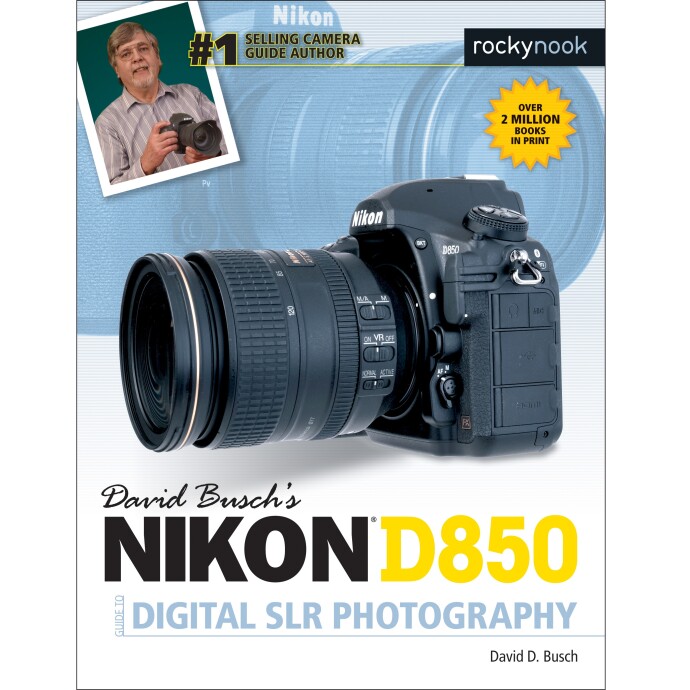
Caption with care: share only what’s necessary for public understanding. Avoid exact addresses or personally identifiable details that could harm the subject. Unless disclosure is essential and lawful, omit full names for minors and vulnerable individuals. Scrub GPS data when location could endanger participants. Set up in-camera author/copyright fields and use IPTC presets to keep credits consistent and avoid accidental leaks. If you’re a Nikon D850 user, a dedicated guide can help you master metadata and file handling so your images stay verifiable without exposing sensitive information.
What should I do if someone asks me to delete a photo?
Balance rights and respect. In public spaces, you’re often not obligated to delete images, and some newsrooms discourage altering or deleting recorded material. De-escalate: listen, explain your role, and discuss how the photo may be used. If the image isn’t crucial to the story or poses risk to the subject, consider choosing an alternative frame or not publishing. Never allow others to handle your gear; step away if the situation appears unsafe and document the encounter for your editor.
How can I prepare for ethical decisions before I head out?
Create a pre-assignment checklist: research community context, clarify your newsroom’s standards, define when you’ll seek consent, and set thresholds for de-identification. Build low-light skills so you can avoid intrusive lighting at night events—a practice that respects subjects while keeping scenes truthful. Our UUOnline: Astrophotography 4-Part Series helps you master exposure and noise control in the dark; that technical confidence carries over to sensitive, low-light news coverage where discretion matters.
Finally, treat ethics as a continuous practice. Workshop with peers, review your work against professional codes, and keep your audience’s trust at the center of every choice.
Ready to refine your approach? Explore Unique Photo’s classes, field workshops, and books—online and in-store in New Jersey—to sharpen both your craft and your ethical decision-making.