Ethics in Photojournalism: Public vs. Private, Consent, and Editing FAQs
News photographers navigate split-second decisions with real consequences for subjects, audiences, and their own credibility. At Unique Photo, we support responsible storytelling with practical guidance and education, helping you balance public interest, individual dignity, and editorial integrity.
The FAQs below distill best practices for shooting in public and private spaces, working around sensitive subjects, and handling files in post—so you can report the story with confidence and conscience.
Is it acceptable to photograph people in public without permission during news coverage?
In the United States, news-gatherers generally may photograph people in public spaces where there is no reasonable expectation of privacy. That said, ethical practice goes beyond legal permission. Ask yourself: Is the image newsworthy? Does it inform the public about an event, policy, or safety issue? Are you minimizing harm to vulnerable subjects? Even in public, consider distance, angle, and timing—choose frames that tell the truth without gratuitous harm.
When coverage moves onto private property (homes, businesses, hospitals) or restricted areas, obtain permission or work from a public vantage point. Heed posted restrictions, emergency perimeters, and directives from officials. When in doubt, step back and consult your editor or assignment brief. This guidance is informational only; always confirm local laws and outlet policies.
When should I seek consent—even if I’m legally allowed to shoot?
In breaking news you may not be able to request consent. Still, it’s best practice to ask whenever feasible, especially with minors, medical situations, or scenes of grief. Avoid close-ups of identifiable minors in distress unless a clear, compelling public interest exists and you have editorial approval. If you do speak with subjects, identify yourself and your outlet, and take accurate notes on names and roles to use in captions.
Building rapport long before a crisis pays dividends. Unique Photo’s free session “Photographers and Relationships with Mike Grippi” explores trust-building that leads to ethical access over time.
How should I work at protests, crime scenes, and emergencies without escalating tensions?
Prioritize safety and noninterference. Stay outside police or fire lines, never block medical care, and be mindful of what you broadcast in real time (e.g., tactical positions). Small gestures help: visible press ID, eye contact, and a quick explanation of what you’re doing when approached by participants. Plan an exit route and work with a buddy when possible.
Managing crowds is a skill. Our “Sony Inspirational Panel Discussion with Gene Szucs and the Pros” offers field-tested strategies for navigating dynamic environments and reading the room under pressure.

Similarly, concert pits and arenas can mirror protest dynamics—tight spaces, shifting light, and split-second opportunities. Insights from “PCS: Discussing Concert Photography with Ricky Shoebio (Nanlite, Tamron)” translate well to fast-moving news scenarios.
Is it ever okay to stage, pose, or direct subjects for news images?
For straight news coverage, do not stage scenes, direct action, or ask subjects to repeat moments. If a portrait or environmental portrait is requested, obtain explicit agreement and clearly label the image as a portrait in captions. Re-enactments or illustrative images must be obvious and transparently described to avoid misleading audiences. Avoid giving or promising anything of value for access; paying subjects or gatekeepers can compromise independence.
What post-processing is acceptable for photojournalism?
Keep edits faithful to what you saw. Global adjustments to exposure, white balance, and contrast are typically acceptable when they do not change meaning. Avoid adding, moving, or removing pixels; do not clone out objects, alter backgrounds, or composite elements. Heavy local adjustments, aggressive noise reduction, or color grading that shifts mood beyond reality should be avoided for news coverage. Cropping is acceptable for clarity and safety, but never crop to deceive or misrepresent context.
If you want to sharpen your ethical editing workflow, our “Photoshop for Photographers with Adobe Certified Instructor Blake Taylor” emphasizes non-destructive techniques and transparent processing.
What belongs in a caption and metadata to keep you accountable?
Accurate, complete captions build trust. Include who, what, where, when, and why: full names (spelled correctly), titles/roles, precise location, date/time, and the context that makes the image newsworthy. Avoid speculation; if facts are not confirmed, label clearly (e.g., “according to officials on scene”). Keep an unedited original file, retain time stamps, and embed IPTC metadata with your name, contact, and caption.
Technical clarity matters too—missed focus or motion blur can mislead and reduce credibility. “50 Things Photographers Need to Know About Focus by John Greengo” is a concise resource for nailing focus quickly and consistently under pressure.
How do video ethics differ from stills when you’re on assignment?
Audio introduces additional privacy considerations. Avoid recording sensitive information (e.g., medical details) without consent and be mindful of minors and victims. Keep sequences honest: don’t intercut footage to imply actions that didn’t happen, and clearly label reenactments or illustrative B-roll. Captions and lower thirds should identify subjects and context. Maintain secure storage and a chain of custody for raw clips.
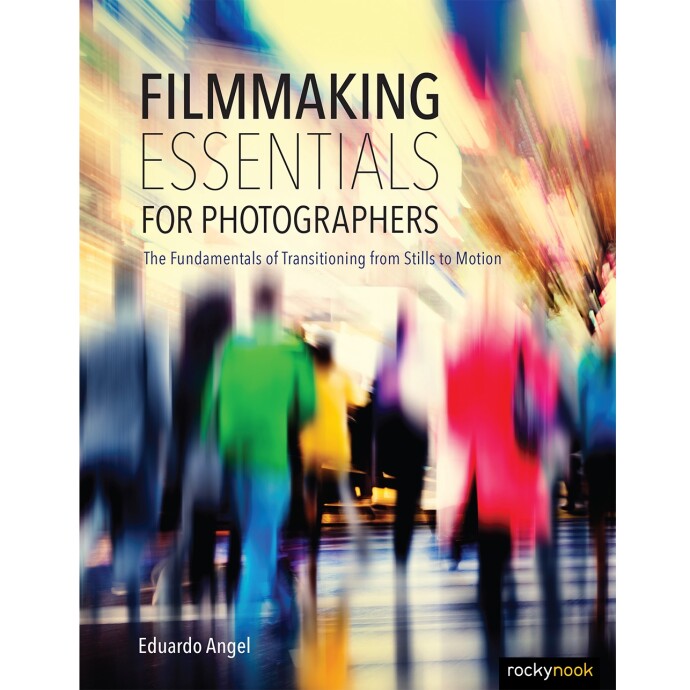
Develop crossover skills with “PCS: Video for Photographers with Shiv Verma (Lumix)” and the book “Filmmaking Essentials for Photographers by Eduardo Angel,” both of which reinforce storytelling fundamentals that respect subjects and context.
Should I blur faces or anonymize subjects in news images?
Blurring is sometimes warranted for minors, vulnerable individuals, or legal restrictions, but it can also undermine transparency. Consider alternatives first: photograph from behind, silhouette in backlight, use wider framing, or shoot identifying information out of focus on scene. If your newsroom’s policy calls for pixelation, state it in the caption and explain why. Never blur as a substitute for safe, ethical fieldwork.
How do long‑term relationships and travel projects affect ethics?
Long-form projects afford time to gain consent, understand context, and reflect on power dynamics. Set expectations early about editorial independence, how images will be used, and whether subjects will preview work (many newsrooms don’t allow subject approval). Be transparent about funding, sponsorships, and potential conflicts of interest.
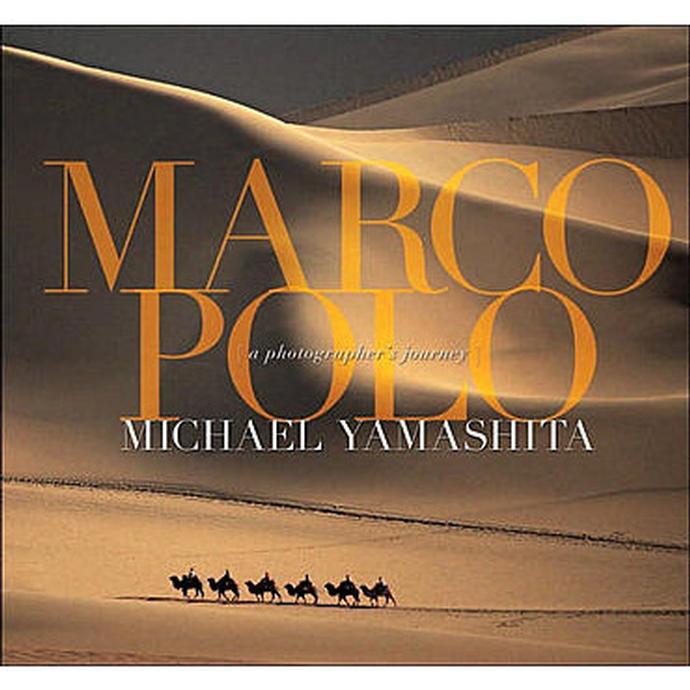
To deepen your approach, explore “Photographers and Relationships with Mike Grippi” for practical rapport-building, and study long-form narratives like “Marco Polo: A Photographer’s Journey by Michael Yamashita (Signed)” to see how sustained access can drive respectful storytelling.
Any final tips for keeping ethics front and center on deadline?
- Prepare a personal checklist: Is this newsworthy? Am I minimizing harm? Could this frame mislead?
- Work transparently: identify yourself, log details, and communicate with editors early.
- Protect originals and metadata; keep a clear audit trail.
- Default to dignity: avoid sensationalism, especially with victims and minors.
- Know your outlet’s policy and local laws—when uncertain, pause and ask.
Ethical photojournalism earns audience trust and protects your career. Unique Photo’s classes, panels, and books can help you refine both your craft and your judgment. Explore our Unique University programs and curated titles to grow as a responsible visual storyteller.