Sony FX30 vs Panasonic GH6: Which Camera Makes More Sense for Indie Filmmaking?
Choosing between Sony’s FX30 and Panasonic’s LUMIX GH6 can feel like splitting hairs—both are proven, affordable workhorses built for real productions. This guide is for indie filmmakers who need a camera that can run all day on set, deliver cinematic color and dynamic range, and stay flexible for everything from run-and-gun doc work to short films and music videos.
The Short Version: Who Should Consider Each?
- Pick Sony FX30 if you prioritize reliable autofocus, low-light flexibility, and an easy path into Sony’s vast E-mount lens ecosystem—especially for solo operators and fast-moving shoots.
- Pick Panasonic GH6 if you want robust internal codecs (including ProRes), top-tier in-body stabilization, active cooling for truly unlimited takes, and advanced in-camera tools like anamorphic de-squeeze.
FX30 vs GH6: Key Differences That Matter on Set
| Feature | Sony FX30 | Panasonic GH6 |
|---|---|---|
| Sensor / Format | Super35 / APS-C (oversampled 6K to 4K) | Micro Four Thirds (25.2 MP) |
| Max Resolution & Frame Rates | 4K up to 60p oversampled; 4K 120p with crop; 10-bit 4:2:2 | 5.7K up to 60p; 4K up to 120p; 10-bit 4:2:2 |
| Codecs | XAVC S/HS/S-I (All-I), 10-bit 4:2:2; S-Cinetone & S-Log3 | Internal ProRes 422 HQ/422, All-I/Long GOP H.264/H.265; V-Log |
| Stabilization | 5-axis IBIS with Active mode (electronic assist) | Class-leading 5-axis IBIS; excellent handheld performance |
| Autofocus | Phase-detect AF with real-time tracking & Eye AF | DFD contrast-based AF; reliable for locked shots, less ideal for continuous AF |
| Cooling / Recording Limits | Efficient thermal design for extended 4K takes | Active cooling fan; effectively unlimited recording |
| External RAW | HDMI RAW output to compatible recorders | HDMI RAW output to compatible recorders; internal ProRes is a highlight |
| Media | Dual CFexpress Type A / SD UHS-II slots | CFexpress Type B + SD UHS-II (ProRes to CFexpress) |
| Lens Ecosystem | Vast Sony E-mount (APS-C & full-frame coverage) | Deep Micro Four Thirds ecosystem; compact, lightweight glass |
How to Choose: Practical Scenarios
- Solo shooters, interviews, doc-style: FX30’s phase-detect AF and skin-friendly S-Cinetone make it easier to keep moving subjects sharp, even without a dedicated focus puller.
- Scripted, rigged work, and post-heavy workflows: GH6’s internal ProRes 422 HQ reduces transcode time and preserves image quality. Its active cooling helps with long takes and hot environments.
- Handheld and gimbal work: Both stabilize well; GH6’s IBIS is among the best for micro-jitters, while FX30’s Active mode adds a useful electronic assist.
- Low light: FX30’s Super35 sensor and Sony color pipeline give it an edge when light is scarce, especially in S-Log3.
- Anamorphic: GH6 offers in-camera anamorphic tools and de-squeeze options that simplify monitoring.
Recommended Sony E‑Mount Glass for FX30 Shooters
On FX30’s 1.5x crop, multiply focal lengths by 1.5 to estimate full-frame equivalence. The picks below cover wide establishing shots, general-purpose coverage, and character-friendly portrait lengths.
Sony FE 12-24mm f/2.8 GM Lens
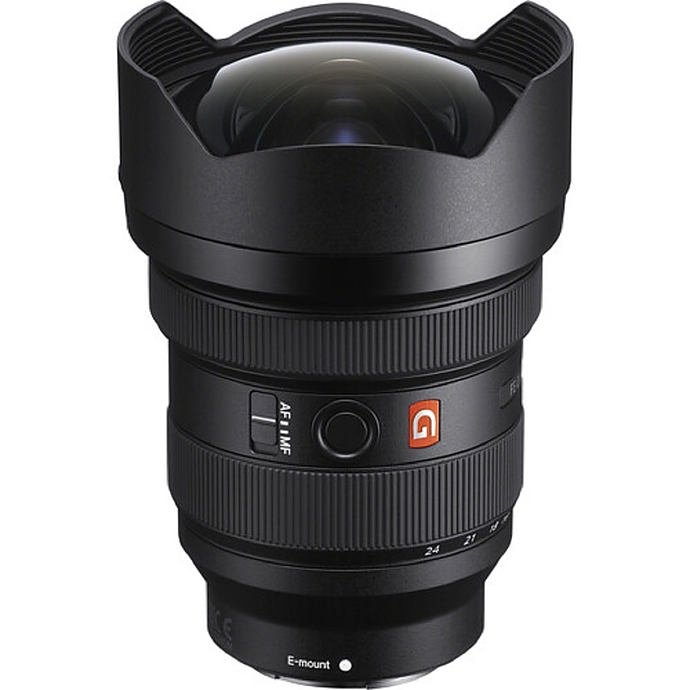
A premium ultra-wide that becomes roughly 18–36mm equivalent on FX30—perfect for handheld masters, interiors, and dynamic gimbal moves. Constant f/2.8 helps in low light and keeps bokeh pleasant even on Super35.
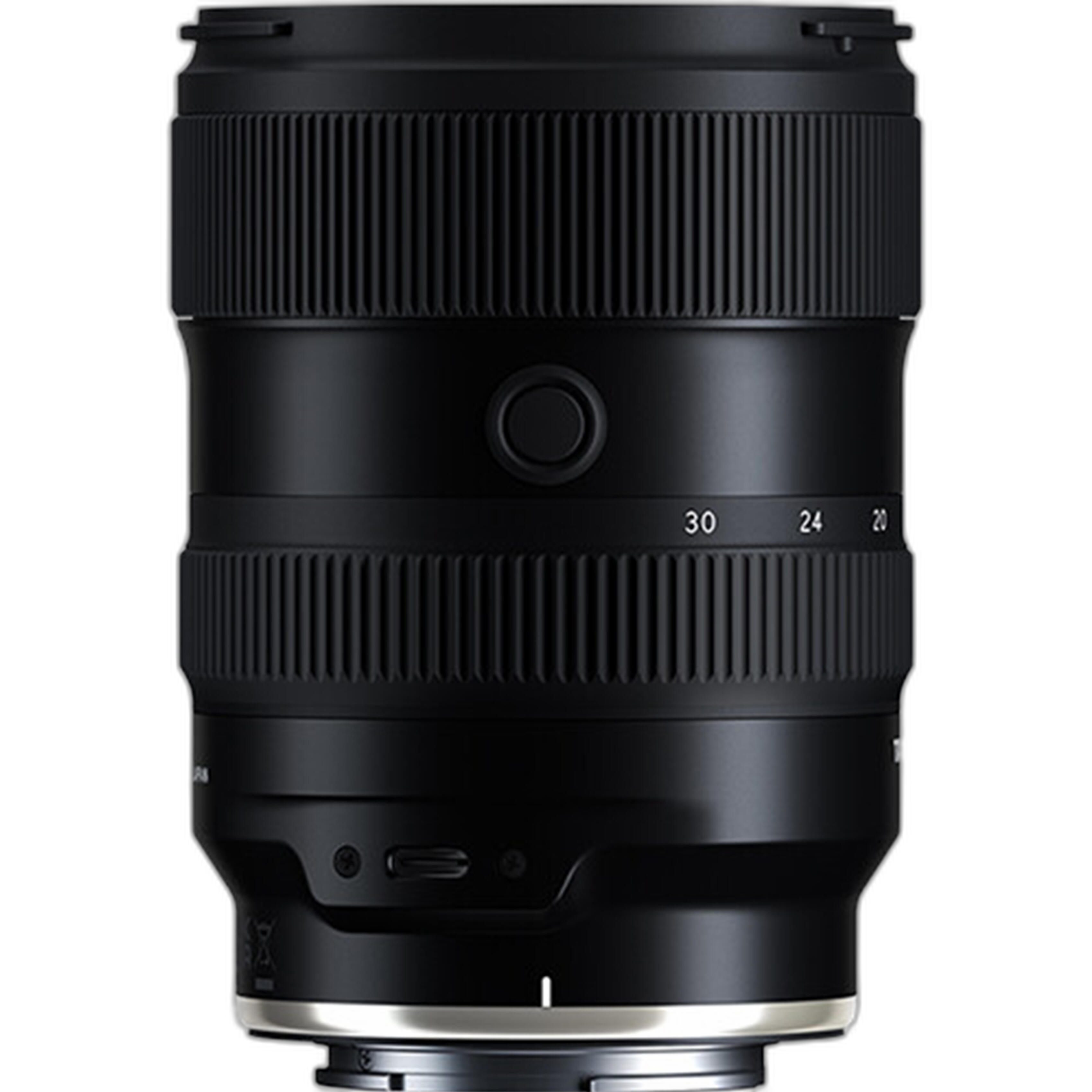
Tamron 16-30mm F/2.8 Di III VXD G2 Lens for Sony E
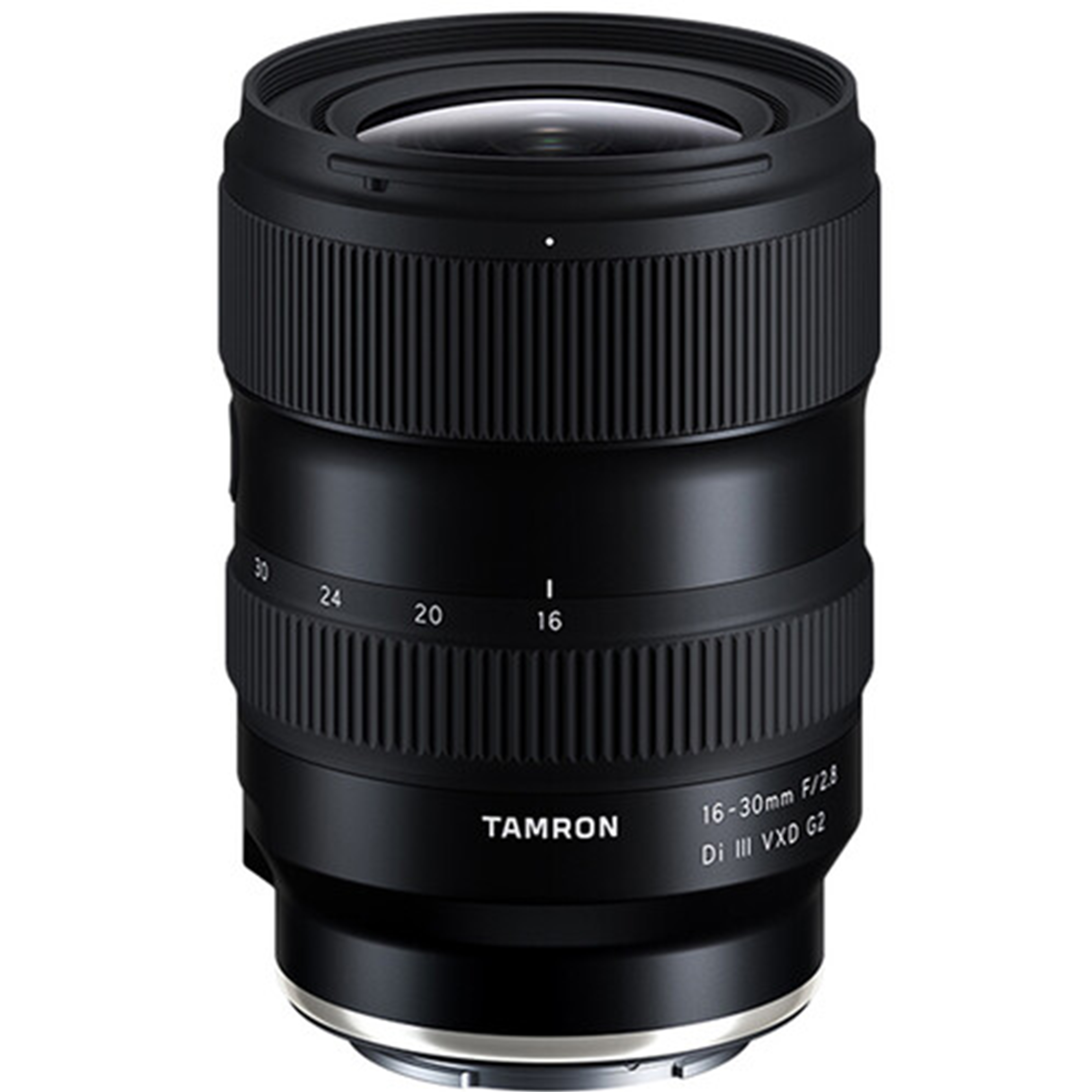
Compact, sharp, and budget-friendly. On FX30 it acts like a ~24–45mm—an excellent walk-around zoom for vérité shooting, tight locations, and glidecam work where speed and versatility matter.
Sony FE 24-105mm f/4 G OSS Lens
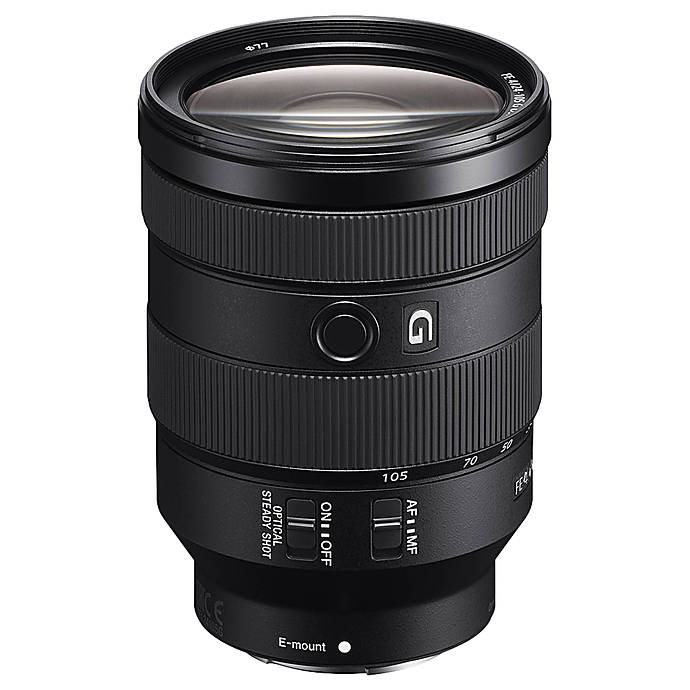
A true production staple. On FX30 you get ~36–157mm coverage—great for interviews, B‑roll detail shots, and compressed backgrounds. Optical stabilization pairs nicely with IBIS for steadier handheld footage.
Zeiss Batis 18mm f/2.8 AF lens for Sony Full Frame E-Mount Cameras
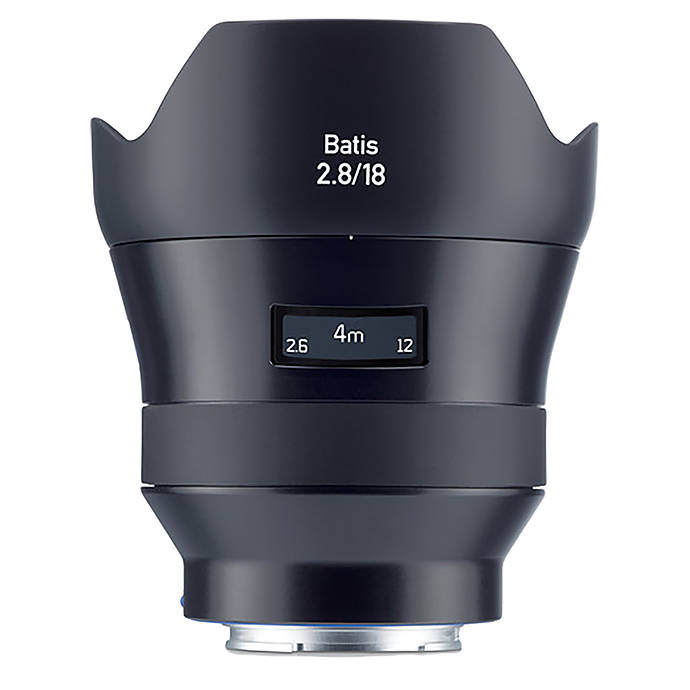
For crisp wides with Zeiss micro-contrast. On FX30 it’s about 27mm—fantastic for establishing shots and gimbal work when you want edge-to-edge sharpness and minimal distortion.
Zeiss Batis 40mm f/2 CF Lens for Sony E
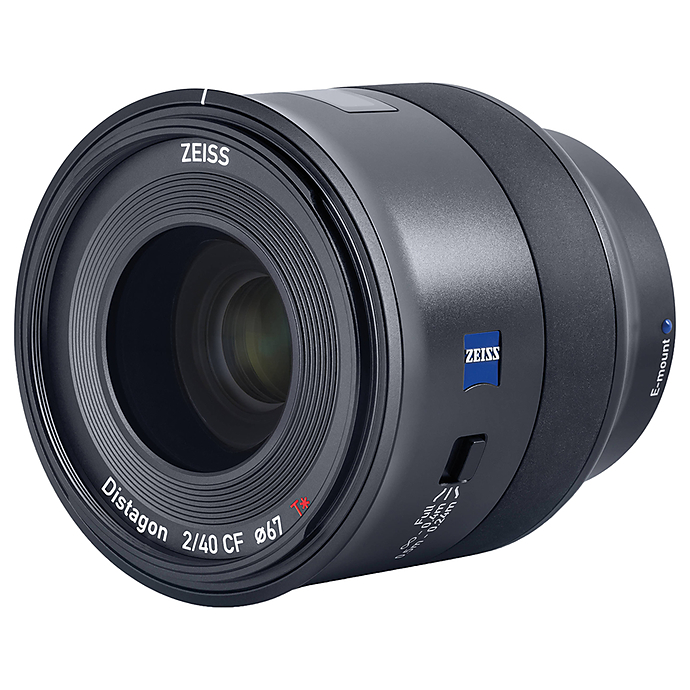
A character-friendly normal that behaves like a ~60mm on FX30—ideal for dialogue, medium shots, and product close-ups. Close‑focus capability adds creative versatility on set.
Workflow Notes
- Color & DR: FX30’s S-Log3 and S‑Cinetone offer a fast path to pleasing skin tones. GH6’s V-Log and DR Boost deliver wide latitude with robust, edit-friendly files—especially in ProRes.
- Media: For FX30, CFexpress Type A is recommended for high bitrates and 120p. For GH6, CFexpress Type B is required for ProRes and high data rates; SD UHS-II works for many Long GOP modes.
- Audio: FX30 supports digital XLR via the optional top handle; GH6 supports Panasonic’s XLR adaptor and offers strong in‑camera audio controls.
If you’re often shooting solo or in small crews, the FX30’s phase-detect autofocus, reliable low-light performance, and massive E‑mount ecosystem make it the smoother, faster tool. It’s a camera you can hand to any operator and trust to hit focus. Choose GH6 if you specifically want internal ProRes, advanced anamorphic tools, and active cooling for marathon recordings.
Bottom Line
Both cameras are proven indie champs. If you need speed, AF, and lens flexibility, go Sony FX30. If your workflow revolves around internal ProRes, heavy handheld, and long rolling times, the Panasonic GH6 is hard to beat. Whichever way you go, build out your kit at Unique Photo—our experts can help you pair the right lenses, media, and accessories to fit your story and your budget.