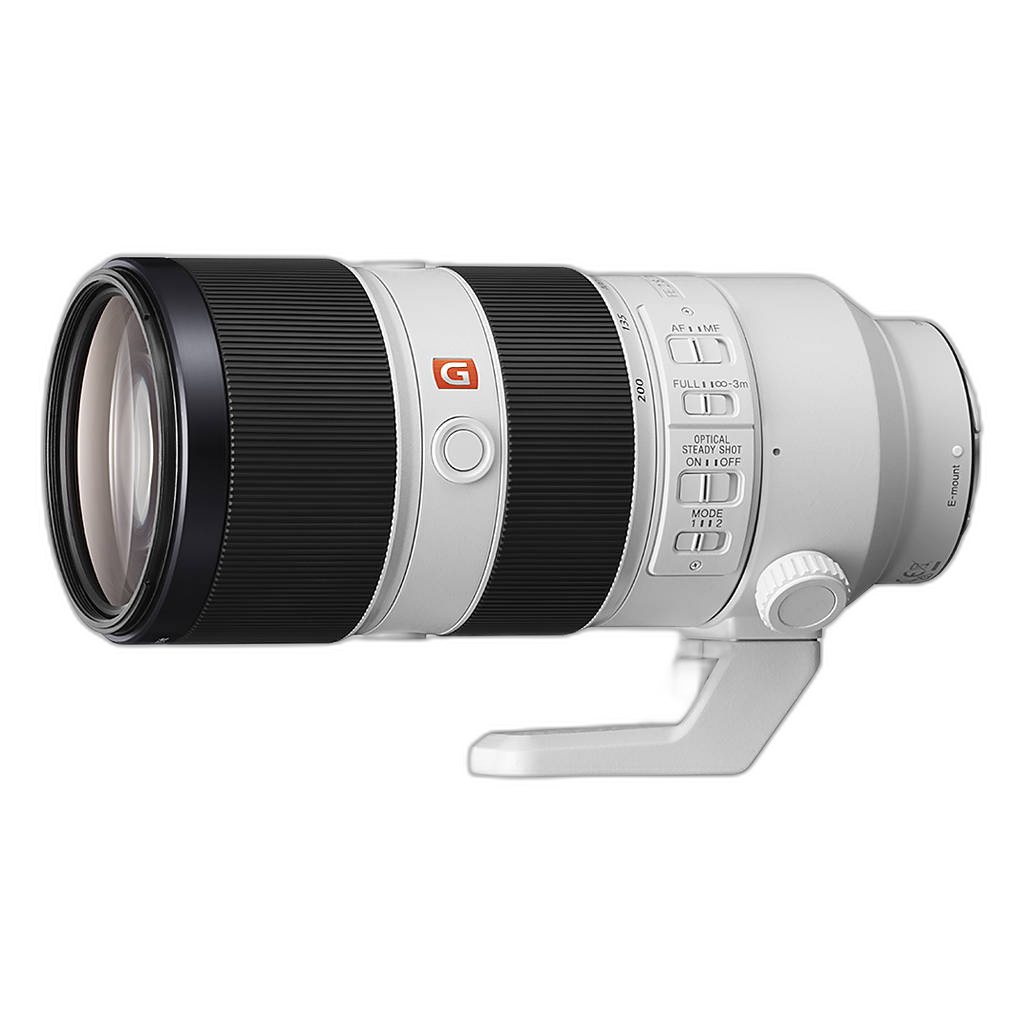
When Sony announced the FE 70-200mm f/2.8 GM OSS II on October 13, 2021, it was introducing far more than a routine refresh of a popular lens. In the modern full-frame mirrorless era, the 70-200mm f/2.8 is one of the defining tools for working photographers: a staple for sports, events, weddings, portraits, journalism, and video production. Any new version in this class is expected to deliver speed, reliability, and optical excellence. Sony’s second-generation G Master telephoto zoom arrived with another headline attached as well: it was presented as the lightest lens in its class, a notable achievement in a category long associated with substantial size and weight.
That positioning mattered. By late 2021, Sony’s FE system had matured into a broad professional ecosystem, and photographers expected not just strong image quality, but equipment that fully capitalized on the advantages of mirrorless design. The FE 70-200mm f/2.8 GM OSS II was a lens aimed squarely at that expectation, pairing the classic 70-200mm focal range and bright f/2.8 aperture with Optical SteadyShot, Sony E-mount compatibility, and a launch price of $2,799.
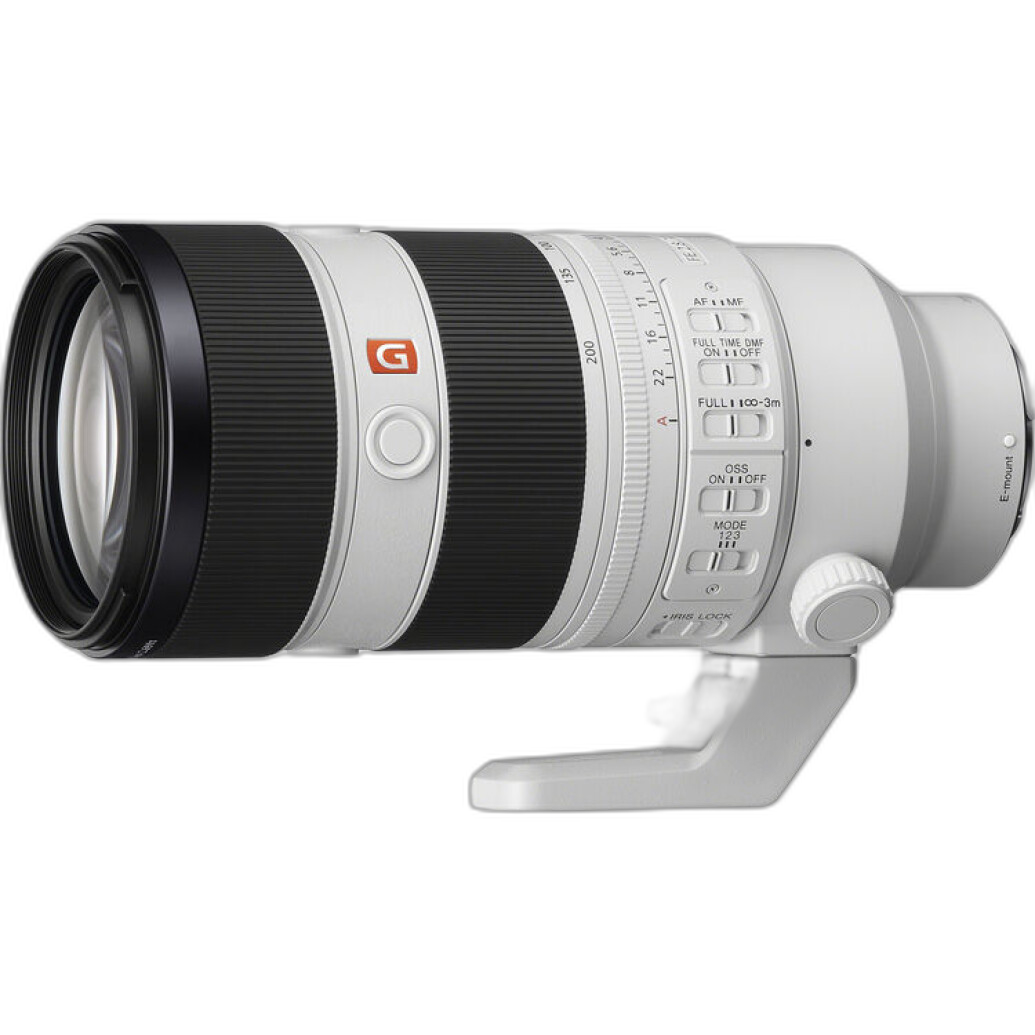
A Crucial Lens in Any Pro System
There are few lenses more central to professional photography than a 70-200mm f/2.8. For decades, this specification has represented a near-perfect balance of reach, speed, and versatility. At 70mm, it can handle environmental portraits, tighter documentary scenes, and sideline work where context matters. At 200mm, it becomes a compression tool for portraits and a practical option for indoor sports, ceremonies, performances, and candid moments captured from a respectful distance.
In Sony’s lineup, the original FE 70-200mm f/2.8 GM OSS had already established itself as a premium choice. But the second-generation model arrived in an era when autofocus performance, video usability, and portability had become even more important. Professionals were increasingly shooting hybrid assignments, carrying gear longer, and relying on the responsiveness of advanced Alpha bodies. A lens in this class no longer needed to be merely excellent optically; it needed to feel fully contemporary.
Why the “Lightest” Claim Resonated
The most immediately striking historical talking point around the FE 70-200mm f/2.8 GM OSS II was its emphasis on reduced weight. In practical use, weight matters as much as sharpness charts or laboratory measurements. A 70-200mm f/2.8 is often used all day, from pre-ceremony preparations to receptions, from opening whistle to post-game interviews, or from red-carpet arrivals to editorial portraits. Any meaningful reduction in fatigue can translate directly into better working comfort and, over time, better results.
That was especially relevant in the mirrorless world. Sony had built much of its professional reputation on combining high performance with relatively compact camera bodies. A heavy telephoto zoom can upset that balance, especially on gimbals, monopods, and smaller support setups. By making the FE 70-200mm f/2.8 GM OSS II notably lighter for its category, Sony reinforced the idea that professional mirrorless gear could offer not only leading autofocus and image quality, but also genuine ergonomic advantages.
Historically, this lens fits into a broader shift in camera design during the late 2010s and early 2020s: manufacturers were no longer simply adapting DSLR-era assumptions to mirrorless systems. Instead, they were refining flagship optics to better suit how professionals were actually working with compact full-frame bodies and fast electronic shooting workflows.
G Master Ambitions
The G Master badge carried clear expectations by 2021. Sony reserved the designation for lenses intended to deliver top-tier resolution, rendering, and build quality. In a zoom as demanding as a 70-200mm f/2.8, that expectation spans the entire range, from edge-to-edge consistency to subject isolation at wider apertures, along with the kind of dependable mechanical quality professionals require on assignment.
The FE 70-200mm f/2.8 GM OSS II was positioned not as a niche specialty optic, but as a foundational premium lens for the FE system. That matters historically because it shows where Sony’s priorities were at the time. Rather than treating telephoto zooms as secondary companions to headline camera bodies, Sony was clearly investing in the core lenses that working shooters depend on every week.
The Importance of f/2.8
A constant f/2.8 aperture remains one of the key reasons this lens class retains such value. It allows for stronger low-light performance than slower telephoto zooms, while also preserving consistent exposure through the zoom range. For photographers, that means easier work in gyms, churches, reception halls, theaters, and overcast outdoor venues. For portrait shooters, f/2.8 offers subject separation that helps distinguish a professional telephoto zoom from more consumer-oriented alternatives.
In the release-period context, that aperture also mattered to video creators. A constant maximum aperture simplifies exposure changes during zooming and provides creative flexibility for interviews, documentary coverage, and event filmmaking. Sony’s broader Alpha ecosystem in 2021 was increasingly appealing to hybrid shooters, and a lens like this naturally played into that trend.
Optical SteadyShot and Real-World Use
The inclusion of OSS, or Optical SteadyShot, was another core feature. Stabilization is particularly valuable in the 70-200mm range, where camera shake becomes more visible as focal length increases. Even in systems where in-body stabilization was becoming common, lens-based stabilization remained important for telephoto work, handheld shooting, and smooth operation in fast-paced assignments.
For still photographers, OSS contributes to greater confidence in lower-light conditions and at the longer end of the zoom. For videographers, it can help reduce unwanted movement and improve handheld usability. In a historical sense, stabilization had become less of a luxury by 2021 and more of an expected part of a professional telephoto zoom. The FE 70-200mm f/2.8 GM OSS II arrived firmly within that expectation.
Position in Sony’s FE Lens Family
Within the broader Sony FE lens family, this lens occupied a premium and highly visible position. Sony’s E-mount had grown from an ambitious mirrorless platform into one of the most important full-frame systems in the industry. By 2021, the company had already earned serious trust from professionals in sports, weddings, portraiture, and content creation. A second-generation 70-200mm f/2.8 was therefore not just another release; it was a signal of long-term system maturity.
That maturity is an important part of the historical story. Every camera system is ultimately judged not just by its bodies, but by whether its lens lineup can support real careers. A professional-standard 70-200mm f/2.8 is one of the clearest markers of that support. Sony’s update showed that the FE mount was no longer proving itself—it was refining itself.
Launch Price and Market Context
At a U.S. launch price of $2,799, the FE 70-200mm f/2.8 GM OSS II was positioned exactly where one would expect a flagship professional telephoto zoom to sit in the market. This was not an entry-level product, nor was it intended to be. It was built for photographers and filmmakers who understood the central role such a lens plays in daily production.
Seen from the 2021 release period, the price reflected both the prestige of the G Master line and the importance of this focal range to working shooters. In many kits, a 70-200mm f/2.8 is not an occasional lens but a constant companion. For that reason, buyers often evaluate such lenses in terms of long-term reliability, comfort, and system value rather than simple one-time cost.
An Archival View of Its Significance
Looking back at the FE 70-200mm f/2.8 GM OSS II as a historical release, what stands out is how clearly it represented Sony’s priorities in the early 2020s. It emphasized professional credibility, system refinement, and the practical advantages of mirrorless design. Rather than merely matching what photographers expected from a 70-200mm f/2.8, Sony sought to improve the daily experience of using one—especially through reduced weight and a thoroughly modern approach to professional handling.
That is why this lens remains an important chapter in FE lens history. It arrived at a time when Sony was no longer the upstart challenger in full-frame mirrorless, but a fully established force. The FE 70-200mm f/2.8 GM OSS II helped demonstrate that the company understood not only how to build advanced cameras, but also how to refine the indispensable lenses that define a system’s professional reputation.
Final Thoughts
The Sony FE 70-200mm f/2.8 GM OSS II distilled many of the qualities photographers wanted from a next-generation pro telephoto zoom in 2021: the classic and versatile 70-200mm range, a fast constant f/2.8 aperture, Optical SteadyShot, and the prestige of the G Master line, all in a design that drew attention for being exceptionally light in its class. As an archival milestone, it stands as one of the clearest examples of Sony’s confidence in the mature FE era.
To explore Sony FE lenses, compare current options, or learn more about standout optics like the FE 70-200mm f/2.8 GM OSS II, visit Unique Photo—a trusted place to buy camera gear and deepen your knowledge of the tools that shape photographic history.