Sony FE 12–24mm f/2.8 GM vs Sony FE 24–105mm f/4 G OSS: What Shooting Scenarios Should You Test in Sony Lens Compare Beta?
If you’re exploring Sony’s Lens Compare Beta to decide between two of the most useful full‑frame E‑mount zooms—the ultra‑wide Sony FE 12–24mm f/2.8 GM and the all‑rounder Sony FE 24–105mm f/4 G OSS—the right real‑world tests will make the differences obvious. Below, we outline side‑by‑side specs, then break down the best shooting scenarios and on‑tool checks (sharpness, distortion, vignetting, bokeh, flare, focus breathing, and more) to run in the Beta so you can pick with confidence.
Core Specs Comparison
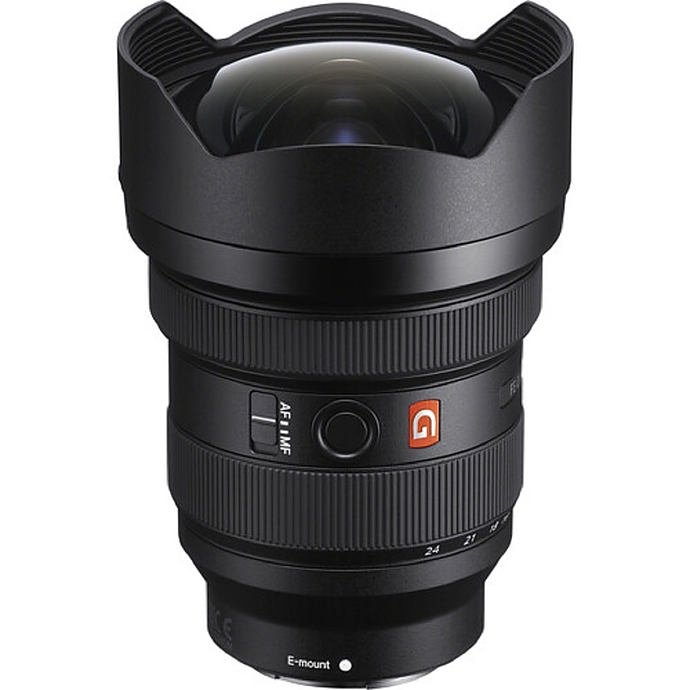
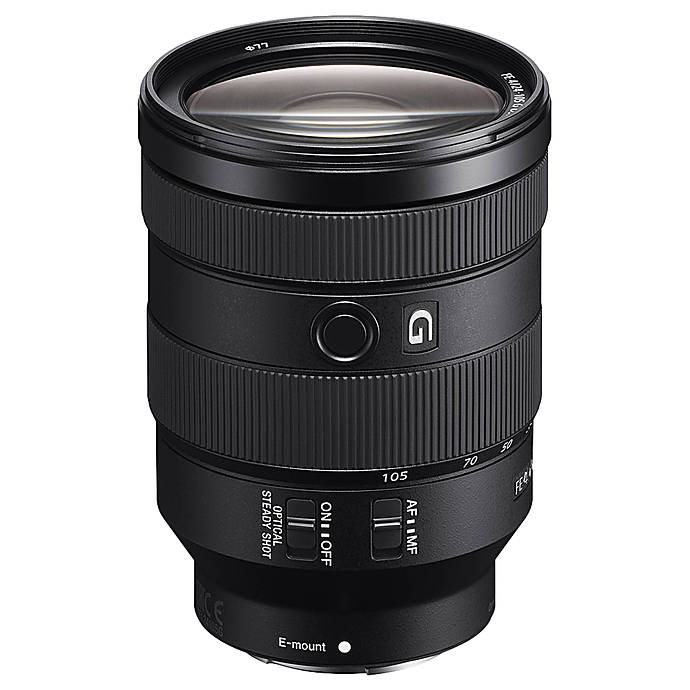
| Spec | Sony FE 12–24mm f/2.8 GM (SKU: SYL8306) | Sony FE 24–105mm f/4 G OSS (SKU: SYL8293) |
|---|---|---|
| Focal length | 12–24mm | 24–105mm |
| Max aperture | f/2.8 (constant) | f/4 (constant) |
| Optical stabilization | No | Yes, Optical SteadyShot (OSS) |
| Min focus distance | ~0.28 m | ~0.38 m |
| Max magnification | ~0.14× | ~0.31× |
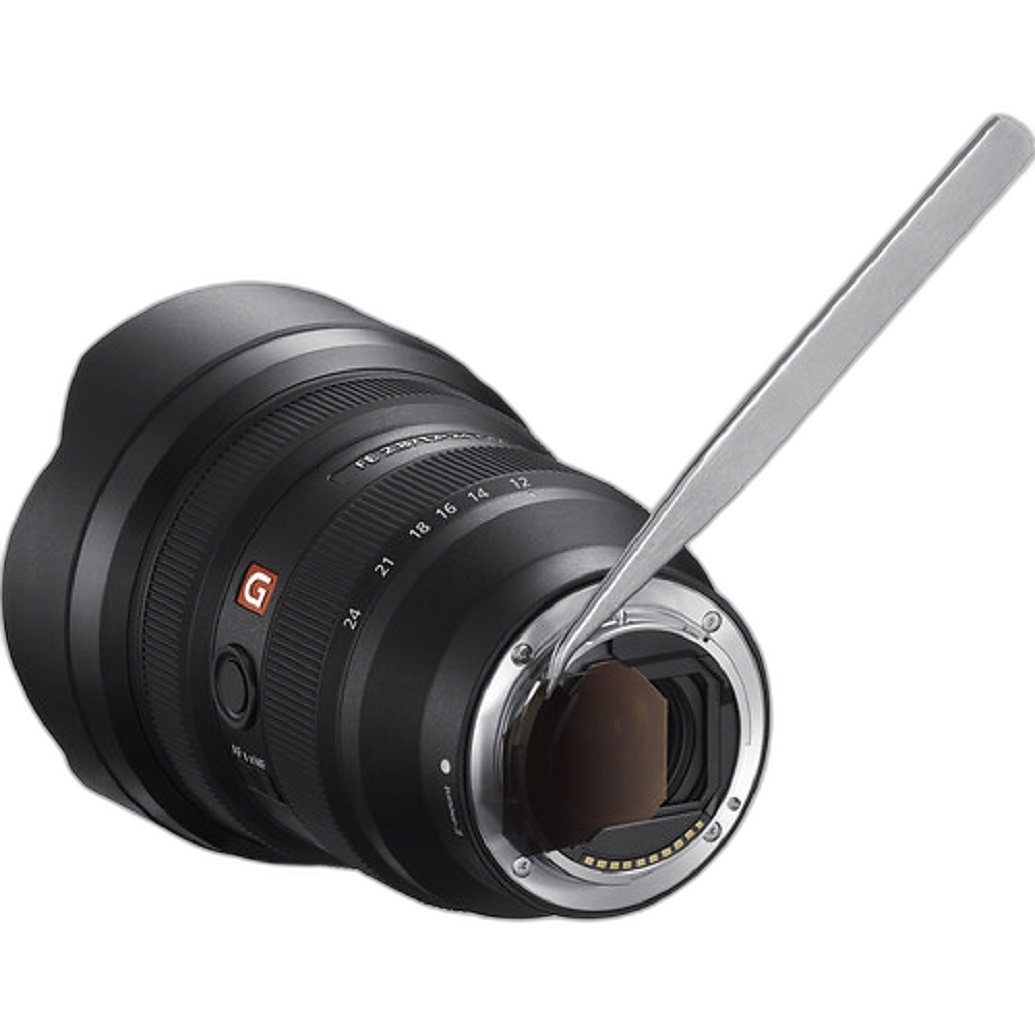
| Filter | Rear gel filter slot | 77mm front filter |
| Autofocus drive | XD Linear motors | DDSSM |
| Aperture blades | 9 (rounded) | 9 (rounded) |
| Weight | ~847 g | ~663 g |
| Build | G Master, weather‑sealed | G Series, weather‑sealed |
| Sweet spot use | Ultra‑wide landscape, architecture, astro, dramatic interiors | Travel, events, documentary, portraits in a pinch, walk‑around |
Scenario-by-Scenario Tests to Run in Sony Lens Compare Beta
1) Landscapes & Architecture (Edge-to-Edge Sharpness + Distortion)
What to test in the Beta: Compare center vs mid‑frame vs corner sharpness at 12mm, 18mm, and 24mm on the 12–24 GM, and at 24mm on the 24–105 G. Toggle apertures from wide open to f/8–f/11. Examine distortion and geometric rendering on building lines.
- 12–24mm f/2.8 GM: Expect superb corner acuity for an ultra‑wide, minimal smear, and strong control of complex distortion—ideal for interiors and tight urban vistas.
- 24–105mm f/4 G OSS: At 24mm, very good corners stopped down and low distortion for a standard zoom; not as expansive as 12mm but more versatile overall.
2) Interiors & Real Estate (Field of View + Vignetting)
What to test in the Beta: Run vignetting comparisons at the widest focal lengths. Check how much room coverage you gain at 12mm vs 24mm and how quickly edge shading clears by f/4–f/5.6.
- 12–24mm f/2.8 GM: 12mm lets you capture entire rooms in one frame. Any wide‑open vignetting typically evens out by stopping down slightly.
- 24–105mm f/4 G OSS: Start at 24mm and consider multi‑shot panoramas if you need more width; benefits from OSS for handheld ambient shots.
3) Astro & Night (Wide Aperture, Coma, Star Rendering)
What to test in the Beta: Inspect wide‑open performance for sagittal coma and star shape at the frame edges. Compare 12mm f/2.8 vs 24mm f/4 for exposure and corner rendering.
- 12–24mm f/2.8 GM: The f/2.8 advantage lets you lower ISO or shorten exposures, with strong coma control—great for the Milky Way and night cityscapes.
- 24–105mm f/4 G OSS: Usable for night scenes, but f/4 means higher ISO or longer shutter; OSS helps with static subjects, not stars.
4) Travel & Everyday (Range, Portability, Stabilization)
What to test in the Beta: Evaluate sharpness across the 24–105mm range at f/4–f/8 and check how OSS helps at slower shutters. Compare 24mm and 50mm framing to see practical coverage vs the 12–24’s dramatic perspective.
- 12–24mm f/2.8 GM: Compact for its class but still substantial; unbeatable for sweeping scenes and tight spaces.
- 24–105mm f/4 G OSS: One‑lens travel solution—wide to short‑tele reach for landscapes, street, details, and informal portraits, with stabilization for low‑light interiors.
5) Events & People (AF, Bokeh, Subject Isolation)
What to test in the Beta: Use AF tracking charts and sample portraits at 35–85mm equivalents (where applicable). Compare subject isolation at f/2.8 ultra‑wide vs f/4 standard zoom.
- 12–24mm f/2.8 GM: Ultra‑wide perspectives are dynamic for environmental portraits; f/2.8 helps in low light but background blur is limited at these focal lengths.
- 24–105mm f/4 G OSS: At 70–105mm, compression and f/4 yield flattering portraits and cleaner backgrounds; OSS aids in dim venues.
6) Video & Gimbal (Focus Breathing, Stabilization, Handling)
What to test in the Beta: Check focus breathing charts or sample pulls, and compare hand‑held footage with/without OSS. Evaluate corner sharpness while panning and the steadiness of walk‑and‑talk footage.
- 12–24mm f/2.8 GM: Ultra‑wide FOV inherently steadies handheld shots; look for minimal breathing and consistent sharpness during moves.
- 24–105mm f/4 G OSS: OSS + mid‑range focal lengths make it a flexible run‑and‑gun lens; test stabilization effectiveness at 70–105mm.
7) Close‑up Details (Magnification & Micro‑Contrast)
What to test in the Beta: Compare maximum magnification and fine‑detail rendering on textured subjects (fabric, foliage, signage) near MFD.
- 12–24mm f/2.8 GM: Can focus close for dramatic foreground emphasis; not a macro option.
- 24–105mm f/4 G OSS: 0.31× at 105mm provides satisfying close‑ups for food, details, and small products.
8) Flare, Ghosting & Sunstars (Backlight Performance)
What to test in the Beta: Shoot against strong light sources and compare ghosting, contrast loss, and sunstar rendering at mid‑apertures and stopped down.
- 12–24mm f/2.8 GM: Advanced coatings and 9‑blade diaphragm deliver clean sunstars and well‑controlled ghosting for an ultra‑wide.
- 24–105mm f/4 G OSS: Good flare resistance across the range; compare sunstars vs the GM when stopped to f/11–f/16.
9) Color & Rendering (Consistency Across the Frame)
What to test in the Beta: Compare color neutrality, contrast, and micro‑contrast at identical focal lengths (24mm, f/5.6–f/8) on the same scenes. Inspect mid‑tones and skin tones.
- 12–24mm f/2.8 GM: GM coatings and optics tend toward crisp micro‑contrast and high clarity, especially in fine textures.
- 24–105mm f/4 G OSS: Pleasant, natural color with good contrast; strong consistency throughout the zoom range.
10) Build & Handling (Field Practicality)
What to test in the Beta: While weight and dimensions aren’t visual tests, simulate your shooting: imagine all‑day carry vs dedicated outings. Check how focal coverage impacts your lens swaps and kit size.
- 12–24mm f/2.8 GM: Specialized, premium build; rear gel filter slot for creative control without large front filters.
- 24–105mm f/4 G OSS: Lighter, smaller, and accepts common 77mm filters; a simpler everyday carry.
Our Pick
Recommendation: For most photographers and hybrid shooters, the Sony FE 24–105mm f/4 G OSS is our pick. Its focal range, stabilization, close‑focus ability, and balanced sharpness make it a one‑lens solution for travel, events, and general shooting—and it pairs beautifully with high‑resolution Sony bodies.
If your work demands expansive perspectives, tight interiors, or night‑sky capability, the Sony FE 12–24mm f/2.8 GM is the ultra‑wide specialist that earns its place in a pro kit.
Bottom Line
Use Sony’s Lens Compare Beta to test what matters to your shooting: corner sharpness, distortion, vignetting, flare, focus breathing, and stabilization at the focal lengths you rely on. Then match those findings to your real‑world needs: the 12–24mm f/2.8 GM for uncompromising ultra‑wide performance, or the 24–105mm f/4 G OSS for unmatched versatility. When you’re ready, shop both at Unique Photo—online or in store—and lean on our experts for setup tips and accessories to complete your kit.