Sony Lens Compare Beta vs. Real-life Reviews: Which Should I Trust?
When you’re choosing a Sony lens, should you lean on a spec-driven comparison tool (like a Lens Compare Beta) or spend hours combing through real-life reviews and sample galleries? The short answer: both are valuable—but in different ways. To show how each approach can influence a decision, we’ll reference two popular Sony zooms that many shooters cross-shop for very different reasons.
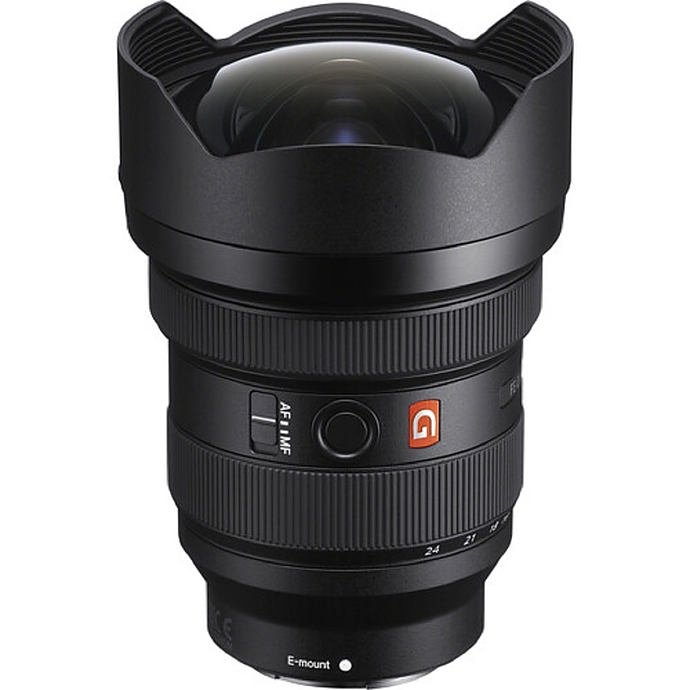
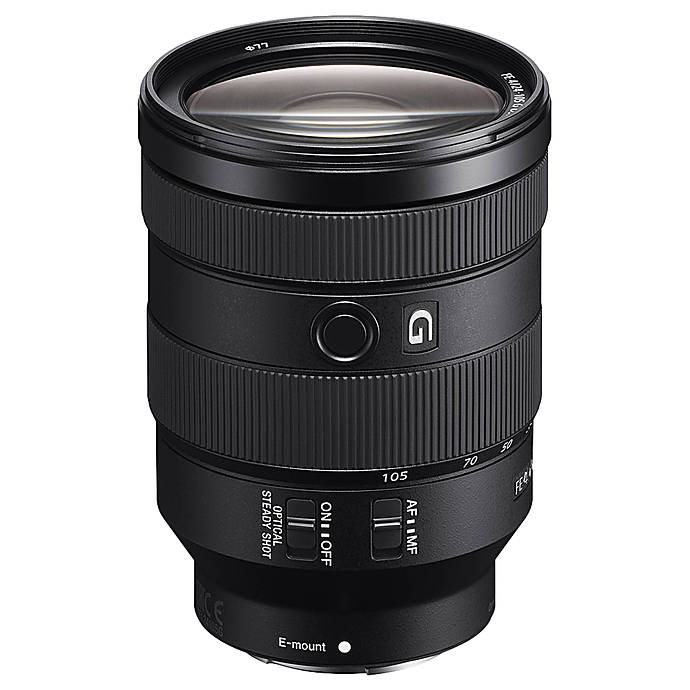
Spec Snapshot: 12-24mm f/2.8 GM vs 24-105mm f/4 G OSS
Below is a quick head-to-head spec overview—exactly the kind of digest a comparison tool excels at—followed by where real-world reviews add context.
| Spec | Sony FE 12-24mm f/2.8 GM | Sony FE 24-105mm f/4 G OSS |
|---|---|---|
| Focal length range | 12–24mm (ultra‑wide) | 24–105mm (standard zoom) |
| Max aperture | f/2.8 (constant) | f/4 (constant) |
| Mount / Format | Sony E / Full‑frame (FE) | Sony E / Full‑frame (FE) |
| Series | G Master | G |
| Optical stabilization | No | Yes (OSS) |
| Filter support | Rear gel (no front thread) | 77mm front thread |
| Typical use | Architecture, interiors, astro, dramatic landscapes | Travel, walk‑around, portraits, events, video |
| Weather sealing | Dust & moisture resistant | Dust & moisture resistant |
Category-by-Category: Lens Compare Beta vs. Real-life Reviews
1) Accuracy & Objectivity
Lens Compare Beta: Great for verified specs, series positioning (G vs G Master), and feature flags (e.g., OSS on the 24–105mm). It’s fast, consistent, and free of personal bias.
Real-life reviews: Add nuance: how the 12–24mm handles sunstars and flare in backlit interiors, or how stabilizing the 24–105mm helps in dim venues. Reviewers often reveal surprises the spec sheet can’t predict.
2) Sharpness & Rendering
Lens Compare Beta: May show MTF charts and optical formulas—useful for a theoretical baseline. It tells you the 12–24mm f/2.8 GM is built for top-tier resolution and contrast across a very wide field.
Real-life reviews: Demonstrate how center-to-edge sharpness translates in actual scenes, including sample variation, field curvature, and subject distances. Bokeh character on the 24–105mm and micro-contrast in complex textures are best judged from real photos and videos.
3) Autofocus, Handling, and Ergonomics
Lens Compare Beta: Will highlight AF type and external controls, but can’t simulate AF consistency in low light, the feel of the zoom ring, or how front-heavy your rig becomes with a gimbal.
Real-life reviews: Reveal tracking reliability for events, focus breathing behavior for video, and how the 24–105mm balances for all-day carry versus the wider, faster 12–24mm.
4) Distortion, Vignetting, and Flare
Lens Compare Beta: Lists manufacturer specs and may reference in-camera corrections. It can set expectations—ultra‑wides usually exhibit stronger native distortion and vignetting.
Real-life reviews: Show the real-world impact: how architecture lines fare at 12mm, how severe corner darkening looks wide open, and whether bright point sources cause ghosts or veiling flare.
5) Video Considerations
Lens Compare Beta: Quickly flags OSS, aperture type, and basic breathing notes if provided.
Real-life reviews: Offer side-by-side clips for breathing, focus shifts, focus noise on-camera mics, and IBIS+OSS synergy—vital if your 24–105mm will be a run‑and‑gun workhorse.
6) Value & Use-Case Fit
Lens Compare Beta: Excellent for narrowing options by focal range, aperture, and feature set. It makes clear that the 12–24mm f/2.8 GM targets specialist ultra‑wide work, while the 24–105mm f/4 G OSS is a versatile everyday choice.
Real-life reviews: Put those specs in context—how often you’ll actually use 12mm versus how often 105mm saves a lens swap; whether f/2.8 is mission‑critical for astro or if OSS at f/4 better supports travel and video.
Example Use Cases Illustrated
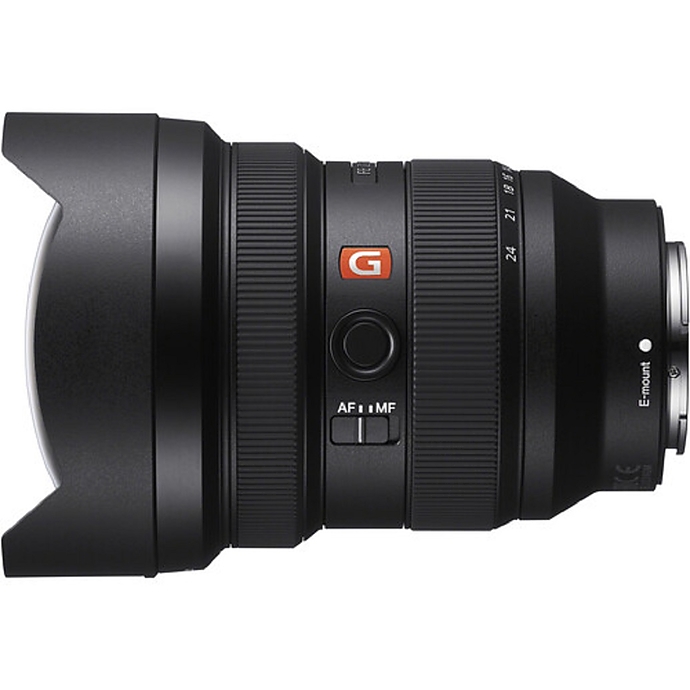
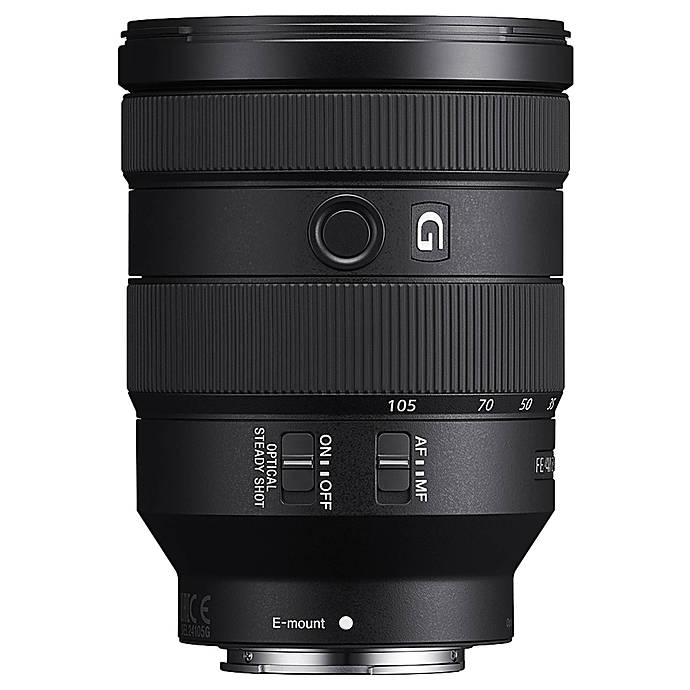
- Sony FE 12–24mm f/2.8 GM: Choose when you need dramatic perspectives, expansive interiors, and wide‑open night skies—where fast aperture and edge sharpness matter.
- Sony FE 24–105mm f/4 G OSS: Choose when you want one lens for travel, family, events, and lightweight video. Stabilization, reach to 105mm, and a constant f/4 make it a reliable all‑rounder.
Our Pick
Recommendation: Use a Lens Compare Beta to shortlist; trust real-life reviews (and, if possible, hands‑on time) to decide.
- If you’re time‑crunched: Start with the comparison tool to narrow by range, aperture, and stabilization. Then skim a few credible reviews to confirm handling and image character.
- If image feel matters most: Prioritize real‑world tests and sample galleries. Specs won’t tell you whether you love the sunstars or the bokeh.
- For specialists (astro/architecture): The 12–24mm f/2.8 GM’s strengths show up in targeted reviews. Let field results drive the final call.
- For one‑lens simplicity: The 24–105mm f/4 G OSS is the safer everyday pick in most kits, a conclusion echoed by both spec comparisons and user experiences.
Bottom Line
A spec-first Lens Compare Beta is unbeatable for fast, apples‑to‑apples sorting. Real‑life reviews reveal the picture beyond the numbers—how a lens behaves when light, movement, and your shooting style get involved. Combine both for the best outcome: shortlist with the tool, decide with field results. Then visit Unique Photo to see these lenses in person, get expert advice, and make the choice that fits your workflow.