Sony Lens Compare Beta: Does It Really Help Choose Lenses?
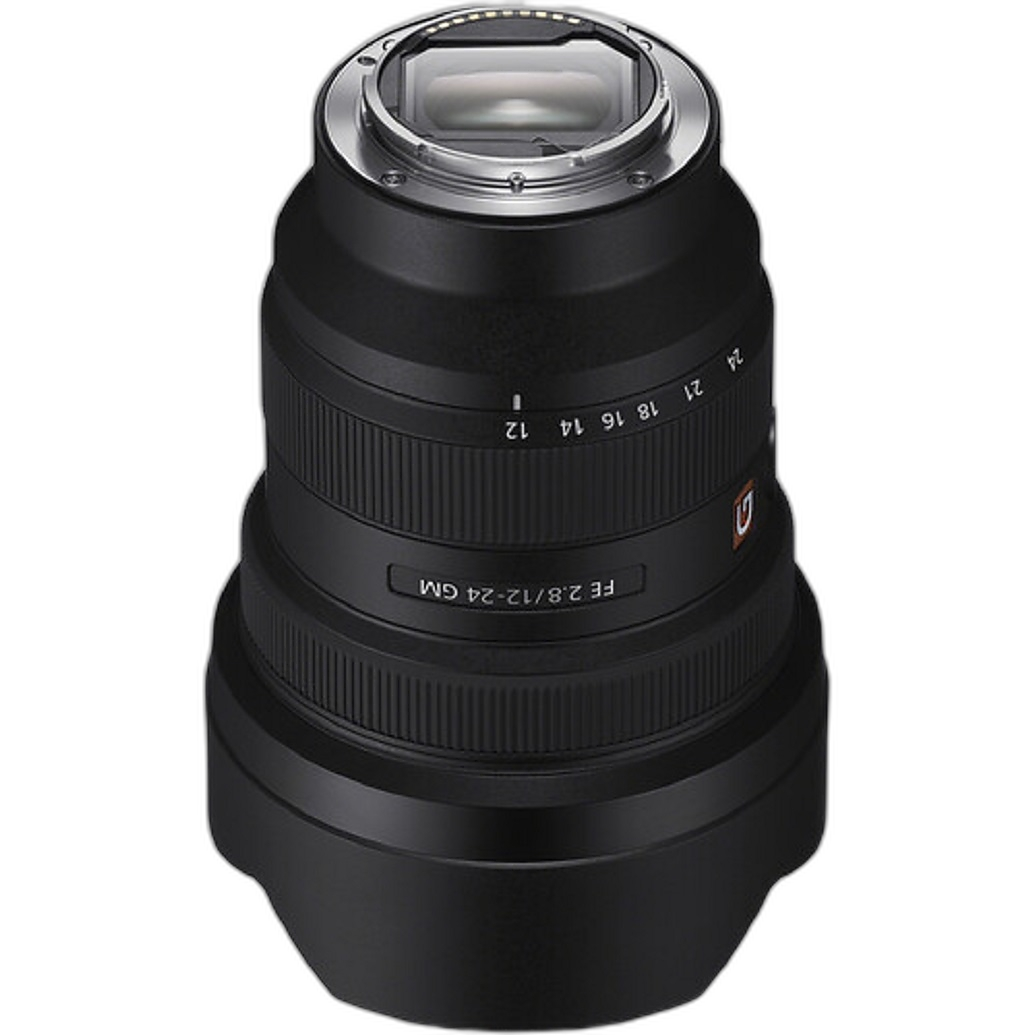
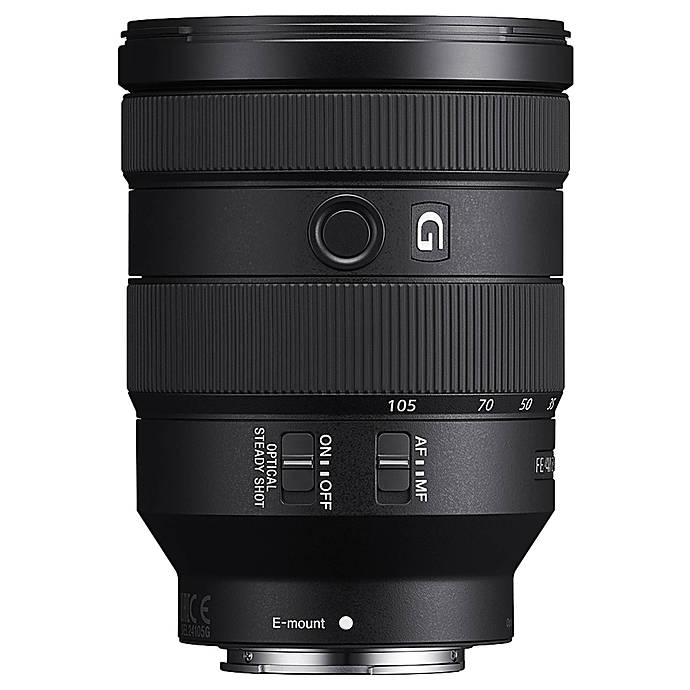
Sony’s Lens Compare (Beta) tool promises a faster way to narrow down lenses by putting key specs, MTF charts, and features side-by-side. To see how helpful it really is for real-world decisions, we ran a practical head-to-head using two of the most asked-about full-frame Sony E-mount zooms: the ultra-wide Sony FE 12–24mm f/2.8 GM and the all-purpose Sony FE 24–105mm f/4 G OSS.
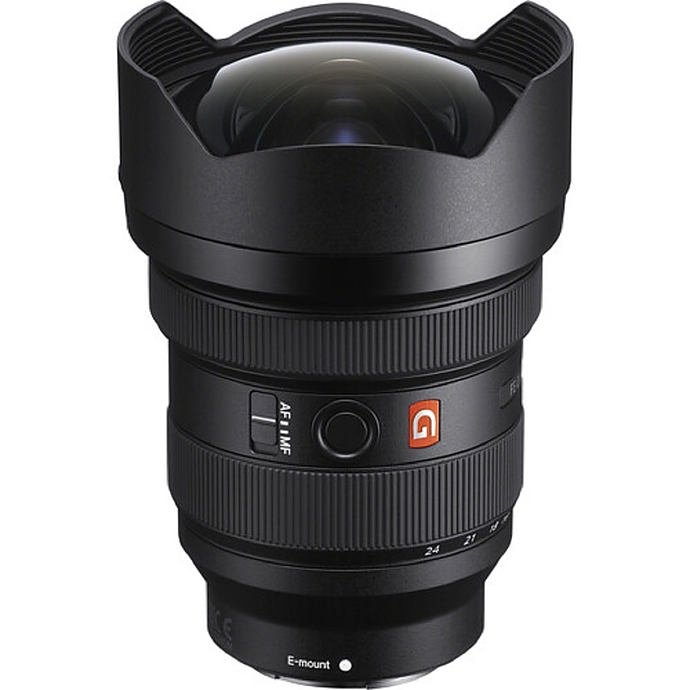
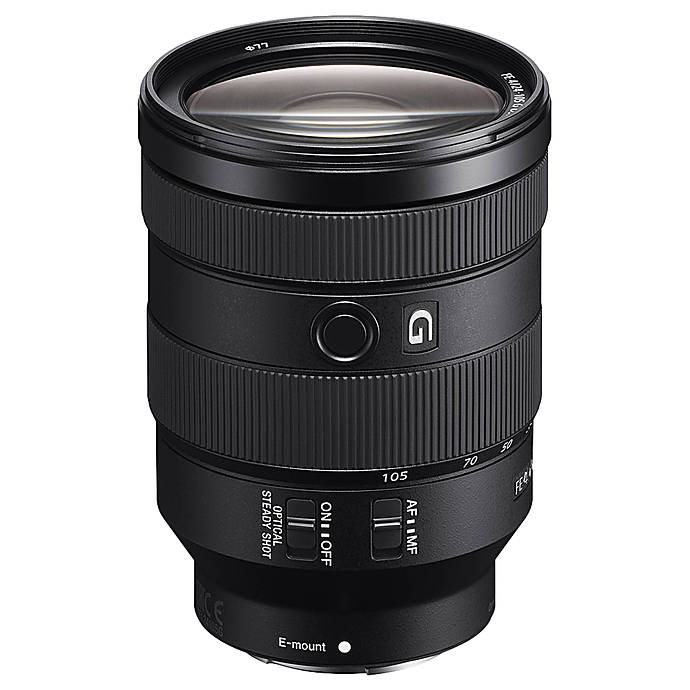
Side-by-Side Specs
| Spec | FE 12–24mm f/2.8 GM | FE 24–105mm f/4 G OSS |
|---|---|---|
| Focal Length | 12–24mm ultra‑wide | 24–105mm standard zoom |
| Max Aperture | f/2.8 (constant) | f/4 (constant) |
| Format / Mount | Full‑frame / Sony E | Full‑frame / Sony E |
| Stabilization | No OSS | Optical SteadyShot (OSS) |
| Filter Support | No front thread; rear gel slot | 77mm front thread |
| Min Focus Distance | 0.28 m (0.92 ft) | 0.38 m (1.25 ft) |
| Weight | ≈ 847 g | ≈ 663 g |
| Series | G Master | G |
| Weather Sealing | Dust & moisture resistant | Dust & moisture resistant |
| Ideal Uses | Architecture, interiors, astro, landscapes | Travel, events, portraits, video, everyday |
How the Tool Helps — and Where Real-World Context Matters
Field of View and Range
The Sony Lens Compare tool quickly clarifies a big-picture difference: 12–24mm is an ultra‑wide specialist, while 24–105mm covers wide to short‑tele for general work. If you often need to capture expansive interiors or dramatic skies, the FE 12–24mm f/2.8 GM is the only one that gets you there. If you want a single walk‑around lens for travel or events, the FE 24–105mm f/4 G OSS spans most everyday focal lengths without swapping lenses.
Speed and Low-Light
Specs make it obvious: f/2.8 vs f/4. In practice, that extra stop on the 12–24 GM helps freeze motion and lower ISO in dim spaces and at night (especially for astro and interiors). The 24–105 G’s f/4 is a good balance of brightness and portability, but it can’t match the GM for light‑gathering.
Stabilization and Video
The Compare tool flags OSS on the 24–105 G, which is meaningful for handheld stills and hybrid shooters—particularly on non‑IBIS bodies or when you want extra stability for video. The 12–24 GM lacks OSS, leaning on camera IBIS or supports. For video, OSS plus the broader range makes the 24–105 a more flexible solo‑lens solution.
Size, Weight, and Handling
On paper and in the tool’s dimensions, the 24–105 G is shorter and lighter than the 12–24 GM. You feel this difference on long days. That said, the GM’s build is befitting a flagship: robust, well‑sealed, and balanced with larger bodies or gimbals designed for heavier glass.
Optical Performance Indicators
MTF charts in Sony’s Compare tool are useful for a first read on sharpness potential. Both lenses perform strongly for their classes; the 12–24 GM emphasizes edge‑to‑edge consistency at ultra‑wide angles, while the 24–105 G delivers solid, practical performance across a long zoom range. Keep in mind MTF is a lab metric—field curvature, flare control, and focus breathing are best judged with sample images and hands‑on time.
Filters and Creative Control
The table makes a critical difference clear: the 24–105 G accepts standard 77mm filters—great for on‑the‑go ND/polarizers. The 12–24 GM’s bulbous front element precludes screw‑in filters, though its rear gel slot offers an alternative. If you rely on front NDs for landscape or video, this alone could tip the scales.
Value and Versatility
Spec comparisons highlight the 24–105 G’s value as a “do‑most‑things‑well” lens: stabilized, lighter, and spanning wide to short‑tele. The 12–24 GM is a premium tool tailored for ultra‑wide needs with f/2.8 speed—less versatile in focal range but unmatched for certain genres.
Does Sony Lens Compare (Beta) Make the Choice Easier?
Yes—especially for narrowing your shortlist. The tool excels at surfacing clear differences (range, aperture, stabilization, filter compatibility) and provides MTF charts and dimensions at a glance. Where it’s less definitive is in translating charts to your shooting style: rendering character, flare resistance, star‑point performance, or focus breathing for video aren’t fully captured by specs alone. Use Sony’s Compare as your starting map, then validate with sample images, reviews, and—ideally—hands‑on time.
Recommendations by Shooter
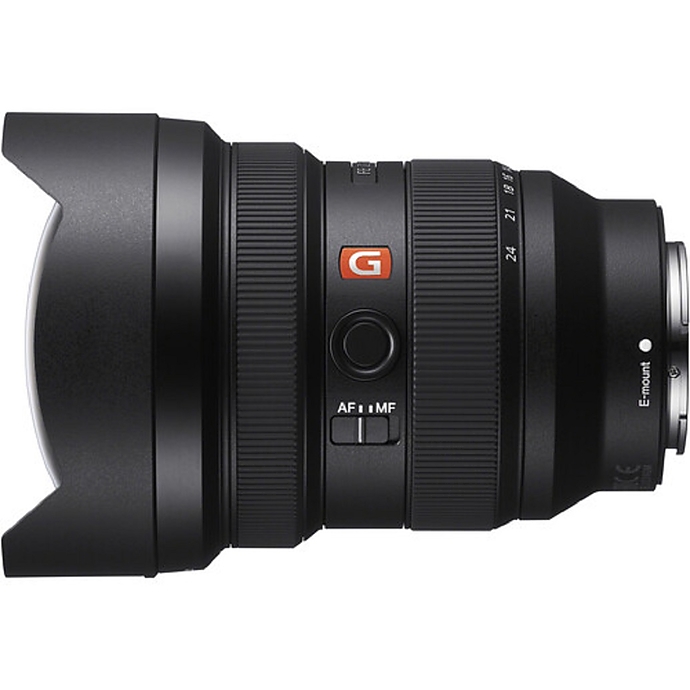
Pick the Sony FE 12–24mm f/2.8 GM if you:
- Regularly shoot architecture, interiors, landscapes, or night skies
- Need a fast f/2.8 ultra‑wide with pro‑level sharpness
- Can work without front screw‑in filters or will use rear gels
Pick the Sony FE 24–105mm f/4 G OSS if you:
- Want a single-lens solution for travel, events, and everyday work
- Value OSS for handheld stills and video, plus a 77mm filter thread
- Prefer a lighter, more compact package with broad coverage
Bottom Line
Sony’s Lens Compare (Beta) does a great job of clarifying core differences and is an excellent first step in your decision. Pair those insights with real‑world needs and hands‑on time. Visit or contact Unique Photo—our experts can walk you through both lenses, share practical shooting tips, and help you choose the right fit for your kit.