If you're trying to decide which full-frame mirrorless system deserves your money in 2024, you're not alone. For hybrid creators, filmmakers, commercial shooters, and photographers planning a long-term lens investment, the real question is bigger than just camera specs. You're choosing an ecosystem: autofocus behavior, lens availability, video tools, upgrade path, accessories, and how well the system fits the type of work you actually do.
In this guide, we’re focusing on the systems represented here by current Sony and Canon full-frame options available at Unique Photo, while also addressing where Nikon fits into the broader 2024 conversation. If you want the short version: Sony remains one of the safest all-around investments for most buyers, Canon is especially compelling for filmmakers and creators who want a modern RF-mount future, and Nikon continues to be a strong choice for photographers who prioritize ergonomics and image quality—but buyers should weigh lens ecosystem depth and category coverage carefully.
How to Think About a Full-Frame System Investment in 2024
Before comparing brands, it helps to define what “worth investing in” really means. A smart system buy should give you:
- Strong current camera bodies for your style of shooting
- A lens roadmap that supports your growth
- Reliable autofocus and subject tracking
- Good resale value and long-term relevance
- Specialized options if you move into video, studio, events, or commercial production
For many users, Sony stands out because it covers nearly every level of the market, from compact hybrid bodies to professional cinema systems. Canon is increasingly attractive because its RF system has matured quickly, especially for video-first creators. Nikon absolutely belongs in the conversation, but when buyers compare total system breadth in 2024, Sony and Canon tend to feel more complete for users who want the widest upgrade path across both stills and video.
Sony vs Canon vs Nikon in 2024: The Big Picture
| Brand | Best For | Key Strengths | Things to Consider |
|---|---|---|---|
| Sony | Hybrid shooters, filmmakers, creators who want the broadest system depth | Excellent autofocus, deep lens ecosystem, strong hybrid and cinema lineup, broad third-party support | Menu complexity can still be a factor for some users |
| Canon | Filmmakers, Canon upgraders, users wanting strong color and RF-mount future | Excellent video tools, strong autofocus, appealing RF ecosystem, intuitive handling | Lens choices are improving but still feel more curated than Sony’s broader ecosystem |
| Nikon | Photographers prioritizing handling, image quality, and traditional camera ergonomics | Strong stills performance, excellent optics, growing Z system | For some buyers, fewer body and lens choices across niche hybrid/cinema categories than Sony |
Our Pick
If you want the safest long-term investment across photography, hybrid content creation, and professional video, Sony is still the most flexible system for most people. Its lineup covers everything from high-resolution stills to cinema production, and the E-mount ecosystem remains one of the biggest advantages in the market.
Recommended Sony and Canon Full-Frame Options to Consider
Sony Alpha a7R V Mirrorless Digital Camera (Body Only)

The Sony Alpha a7R V is the clearest argument for Sony as a long-term system investment if your work leans heavily toward photography, commercial imaging, studio portraiture, landscape, or high-detail hybrid content. It gives you a premium full-frame body in a mature mount with extensive native and third-party lens support.
Why it stands out:
- Excellent choice for high-resolution still image work
- Advanced autofocus and subject recognition technology
- Fits into Sony’s broad full-frame E-mount ecosystem
- Strong option for creators who want a top-tier stills-first body that can also handle hybrid production
Best for photographers and hybrid creators who want maximum image detail and a flexible upgrade path.
Sony FX3 Full-Frame Cinema Camera
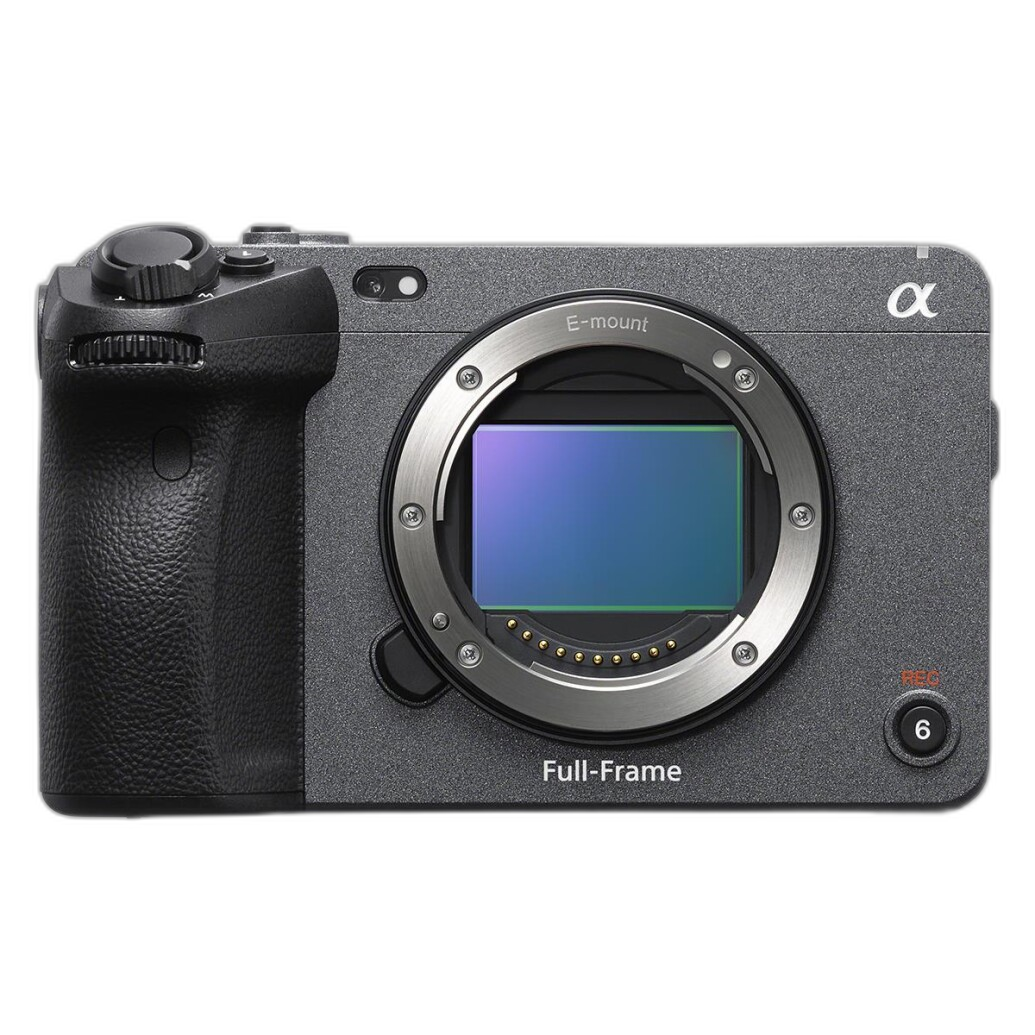
The Sony FX3 remains one of the most appealing full-frame cameras for solo filmmakers, documentary shooters, wedding filmmakers, and creators building a professional video kit around a compact body. It’s a major reason Sony continues to dominate many hybrid and video-first buying lists.
Why it stands out:
- Compact cinema-focused design for handheld and gimbal work
- Excellent fit for run-and-gun production
- Part of Sony’s wider Cinema Line, making future upgrades easy
- Ideal bridge between creator cameras and dedicated cinema systems
If you want one system that can start small and scale into more advanced production, Sony has a clear advantage here.
Sony FX6 Full-Frame Cinema Camera (Body Only)
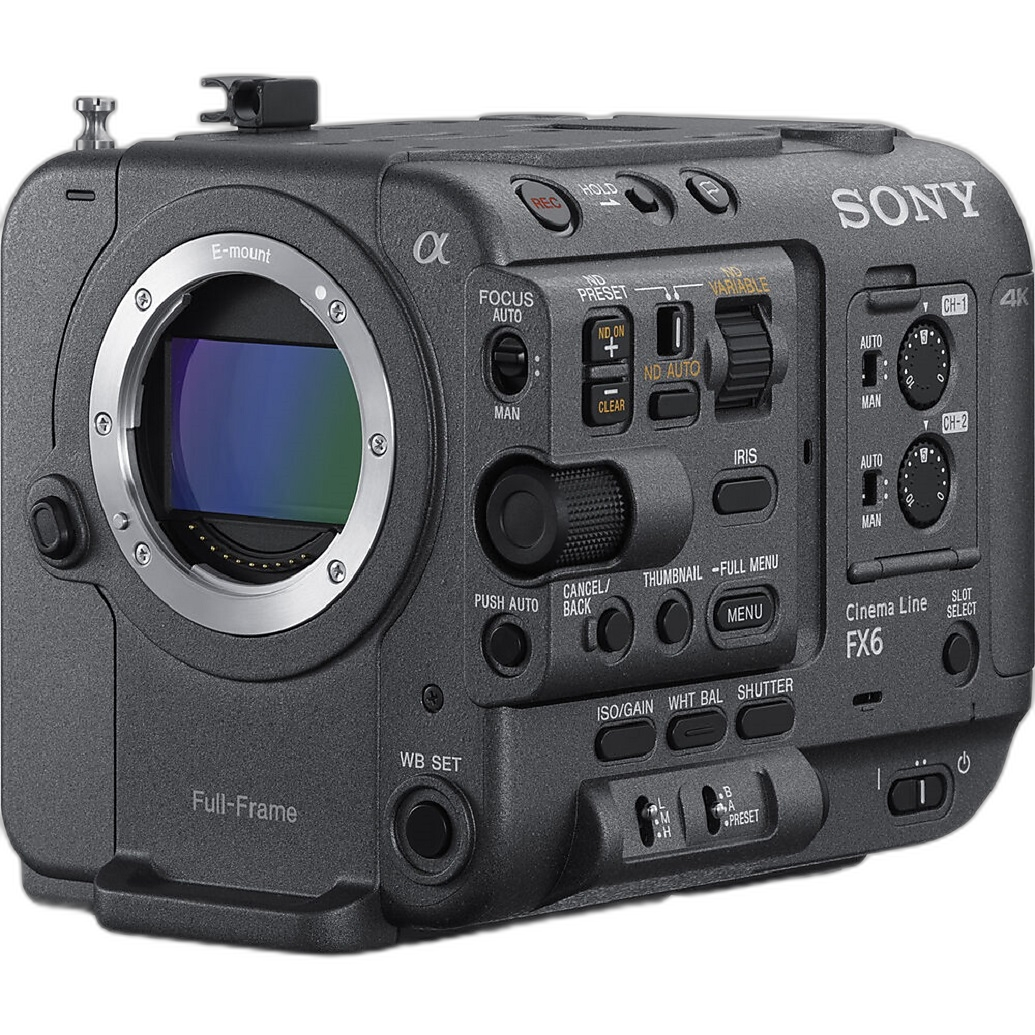
The Sony FX6 is where Sony’s ecosystem becomes especially compelling for serious filmmakers. It sits in a sweet spot for productions that need professional video tools, strong low-light capability, and a workflow-friendly cinema body without jumping all the way to larger systems.
Why it stands out:
- Excellent option for event filmmakers, documentary teams, and commercial production
- Professional cinema ergonomics in a relatively compact form
- Makes sense for buyers who want to grow within Sony’s Cinema Line
- Pairs naturally with other Sony bodies for multicam setups
For buyers thinking beyond a single camera and toward a broader production system, Sony is particularly hard to beat.
Sony PXW-FX9 XDCAM 6K Full-Frame Camera System (Body Only)
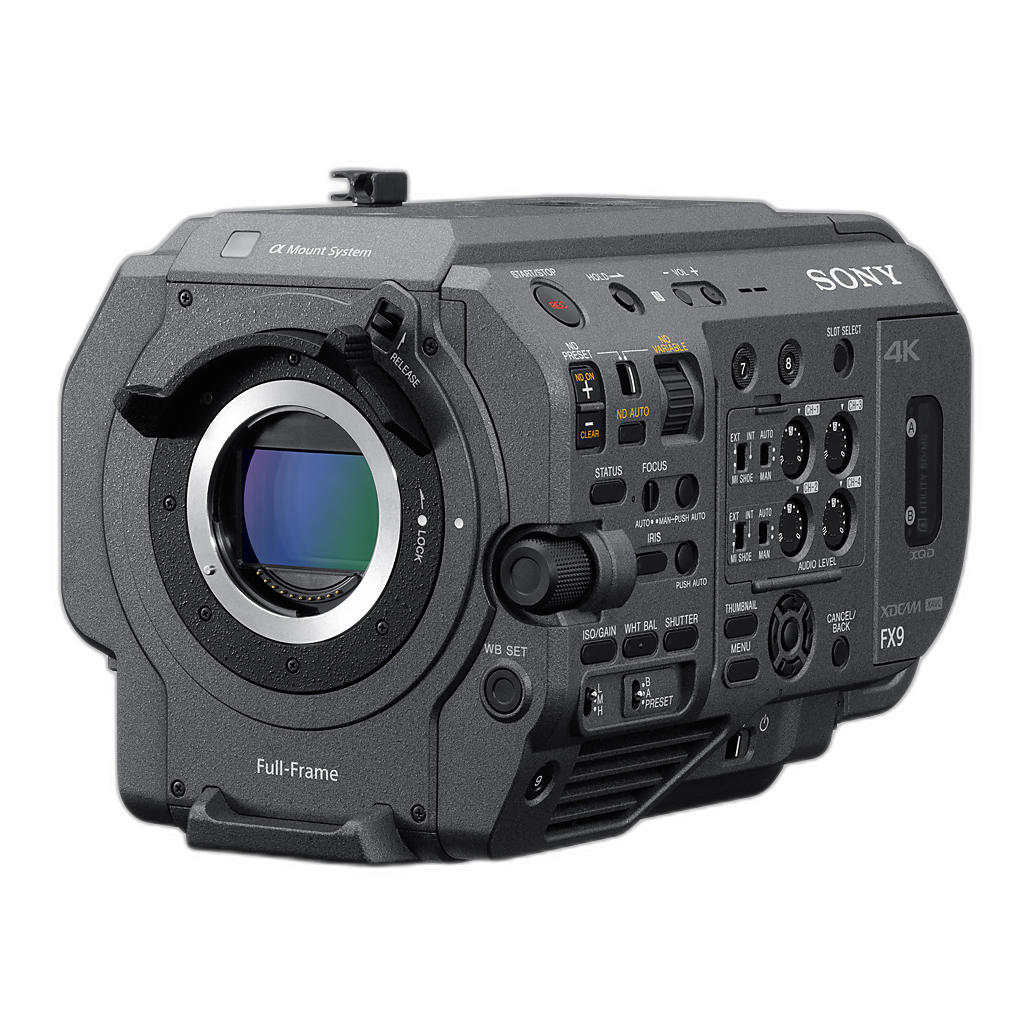
The Sony FX9 is a serious professional cinema choice for production companies, broadcasters, and advanced filmmakers who want a full-frame system built for higher-end workflows. It helps illustrate one of Sony’s biggest strengths: you can stay within one brand from mirrorless photography to true cinema production.
Why it stands out:
- Designed for professional video environments
- Strong upgrade path for established Sony users
- Excellent fit for documentary, commercial, and broadcast-adjacent production
- Reinforces Sony’s lead in end-to-end system depth
If your investment strategy includes future production growth, Sony’s top-end cinema bodies make the ecosystem especially convincing.
Canon EOS C400 6K Full-Frame Digital Cinema Camera (Canon RF)
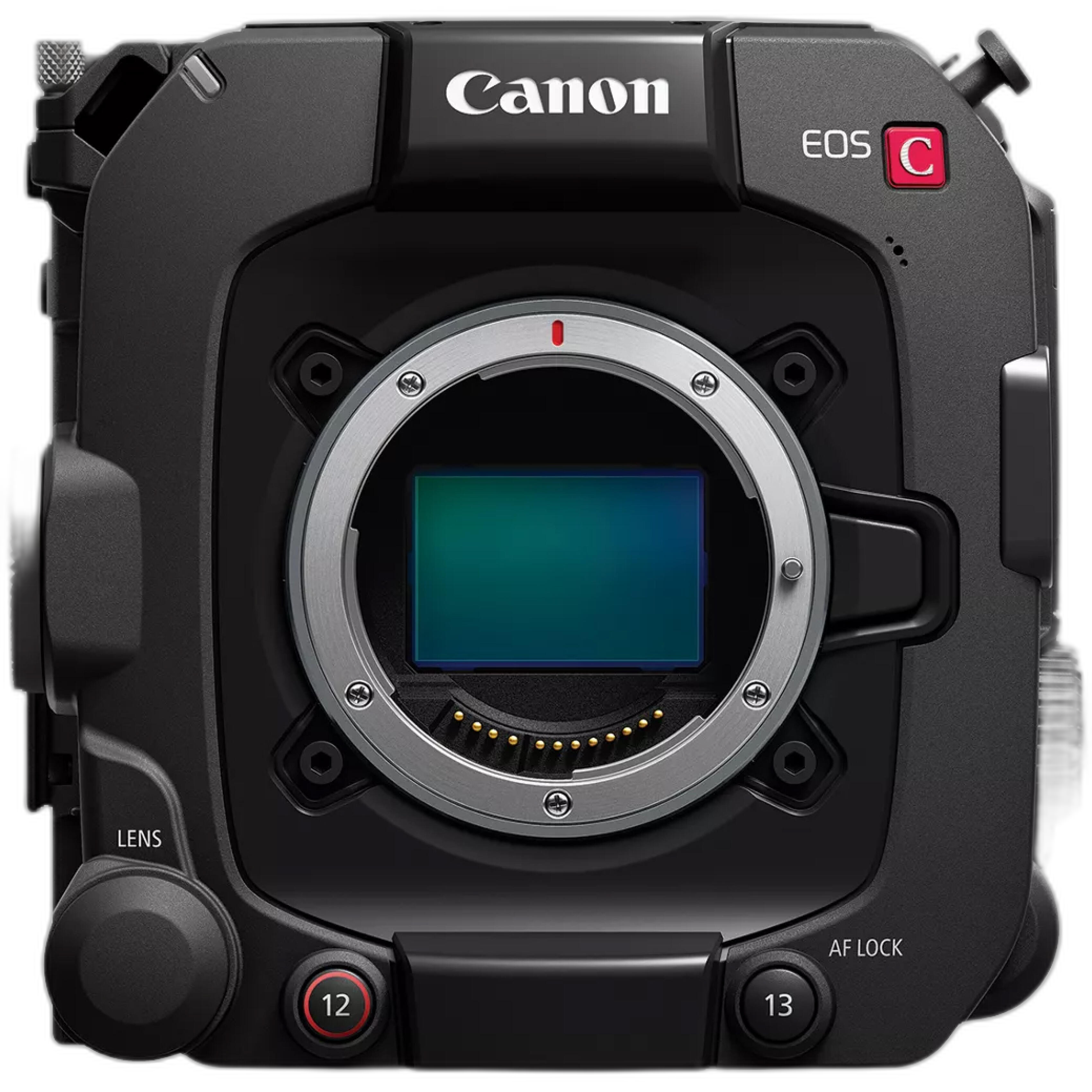
The Canon EOS C400 makes a strong case for Canon as a 2024 investment, especially if your priority is professional video. Canon’s RF-mount future looks increasingly attractive, and the C400 shows how serious Canon is about serving filmmakers who want full-frame performance and a modern cinema workflow.
Why it stands out:
- Compelling option for professional filmmakers invested in Canon color and workflow
- RF mount offers a modern platform for future Canon development
- Strong choice for commercial, documentary, and cinema-oriented production
- Appeals to users who want Canon’s handling and a more dedicated cinema path
For video-first buyers, Canon is absolutely worth considering in 2024, especially if the RF system already fits your lens plans.
Who Should Buy Sony?
Sony is the strongest recommendation for:
- Hybrid shooters who need both stills and serious video
- Creators who want the largest lens ecosystem and broad third-party support
- Filmmakers who may eventually step into cinema bodies like the FX3, FX6, or FX9
- Buyers who value autofocus performance and broad body selection
From the a7R V to the FX line, Sony offers a uniquely wide ladder of upgrades. That makes it one of the safest systems to buy into if you want flexibility over the next several years.
Who Should Buy Canon?
Canon makes the most sense for:
- Filmmakers who want a modern RF-mount cinema future
- Creators who prefer Canon ergonomics and color science
- Existing Canon users ready to move deeper into full-frame mirrorless and cinema
- Professionals who want a polished, video-forward system
The EOS C400 shows that Canon is not just catching up—it is actively building a compelling high-end full-frame ecosystem for filmmakers.
What About Nikon?
Nikon still deserves attention in any serious full-frame mirrorless discussion. In 2024, Nikon remains a very good choice for photographers who love Nikon ergonomics, image quality, and lens design. For many stills-first users, Nikon can be a rewarding long-term system.
That said, when buyers ask which system is the safest overall investment across photography, hybrid shooting, and cinema-style video growth, Sony often has the strongest total ecosystem argument. Canon is also increasingly persuasive thanks to RF development and cinema momentum. Nikon is competitive, but for users who want the broadest path from mirrorless body to deep video specialization, it may not feel as expansive as Sony’s current lineup.
Best Brand by Use Case
| Use Case | Best System Fit | Why |
|---|---|---|
| High-resolution photography | Sony | The a7R V is a standout for detail-heavy still imaging |
| Compact filmmaking | Sony | The FX3 is a favorite for solo creators and run-and-gun work |
| Professional cinema growth | Sony or Canon | Sony offers wider system depth; Canon offers a strong RF cinema path |
| Brand familiarity for longtime Canon users | Canon | Canon’s handling and RF roadmap are appealing |
| Traditional photographer experience | Nikon | Nikon remains strong for stills-focused shooters |
Final Verdict: Which Full-Frame Mirrorless System Is Worth Investing In?
For most buyers in 2024, Sony is the best overall full-frame mirrorless system investment. The reason is simple: breadth. Sony gives you high-resolution photography bodies, creator-friendly hybrid options, compact cinema tools, and advanced production cameras all within one mature ecosystem.
Canon is the best alternative for users who prefer Canon handling, want to build around RF mount, or see themselves leaning more heavily into professional video with cameras like the EOS C400.
Nikon is still a serious contender, especially for photographers, but if your decision is based on the broadest long-term flexibility across stills, hybrid, and cinema, Sony remains the safest pick for most people.
If you’re ready to choose the right full-frame system for your work, shop Sony and Canon mirrorless and cinema gear at Unique Photo to compare current bodies, lenses, and pro-video options with confidence.