Travel photography is all about balancing flexibility, image quality, and the reality of what you actually want to carry all day. If you have ever packed too heavy or found yourself constantly wishing for either more reach or a wider view, smart lens pairing matters just as much as your camera body. Using Lens Compare Beta-style thinking, the best Sony travel kits usually come down to pairing a versatile everyday lens with a second lens that fills a specific creative gap.
Below are practical travel-friendly Sony lens pairings based on different shooting styles, from lightweight city exploring to portrait-driven trips and more cinematic adventures.
Choose Your Travel Lens Pairing by Shooting Style
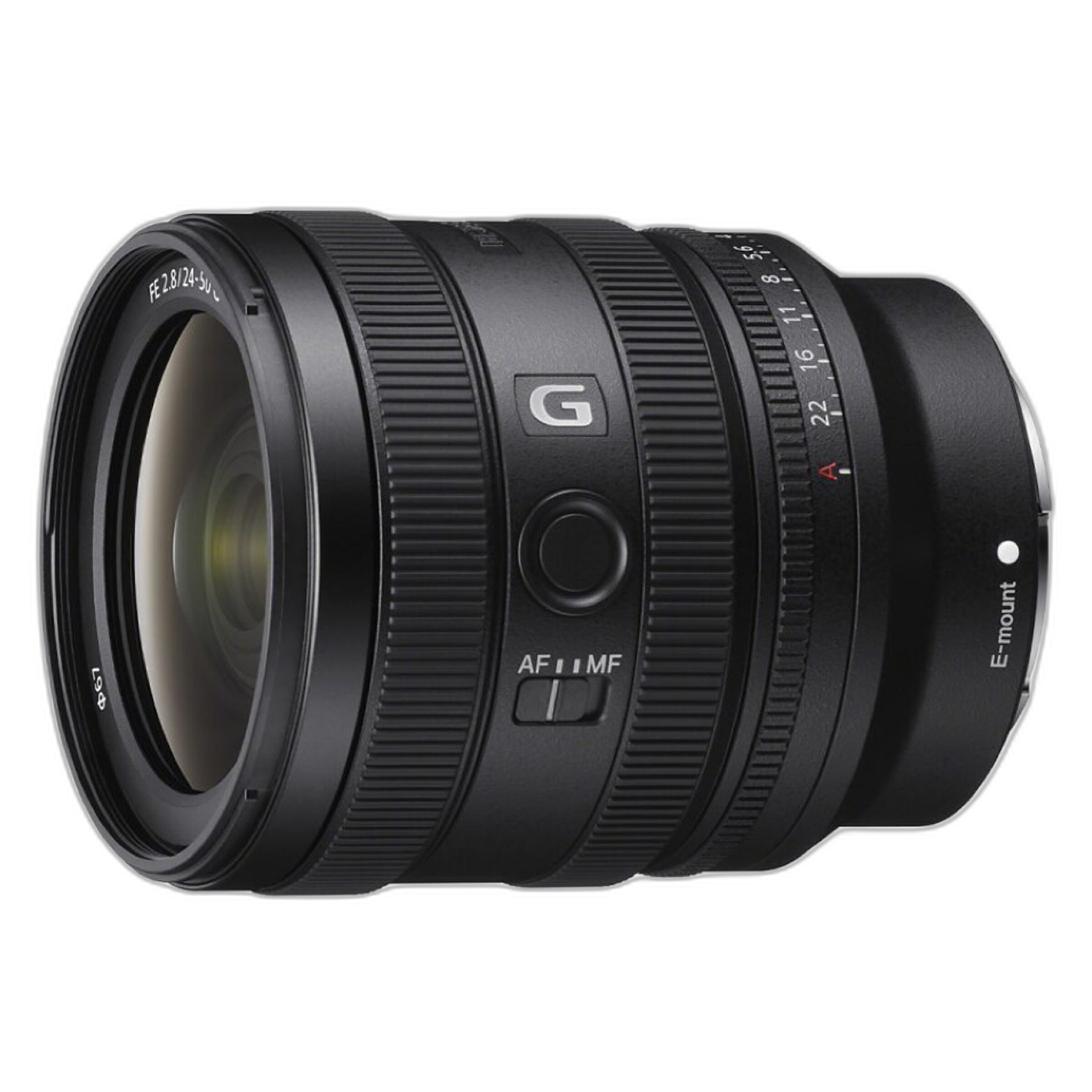
1. For the minimalist traveler: pair the Sony FE 24-50mm f/2.8 G with a fast normal prime
If your goal is to travel light without giving up professional-looking results, the Sony FE 24-50mm f/2.8 G Lens is one of the smartest starting points. This range covers a lot of real travel moments: street scenes at 24mm, environmental portraits around 35mm, and tighter food, architecture, or detail shots at 50mm. A compact zoom like this often wins in Lens Compare Beta-style evaluations because it delivers versatility in a relatively portable package.
To complement it, a lens like the Sigma 50mm f/1.4 EX DG HSM Standard Lens for Sony - Black makes sense if you want stronger subject separation for night scenes, cafés, portraits, or indoor travel moments where the brighter aperture can help. While there is focal length overlap, the pairing works because each lens serves a different purpose: the Sony zoom handles speed and convenience, while the Sigma 50mm becomes your creative low-light option.
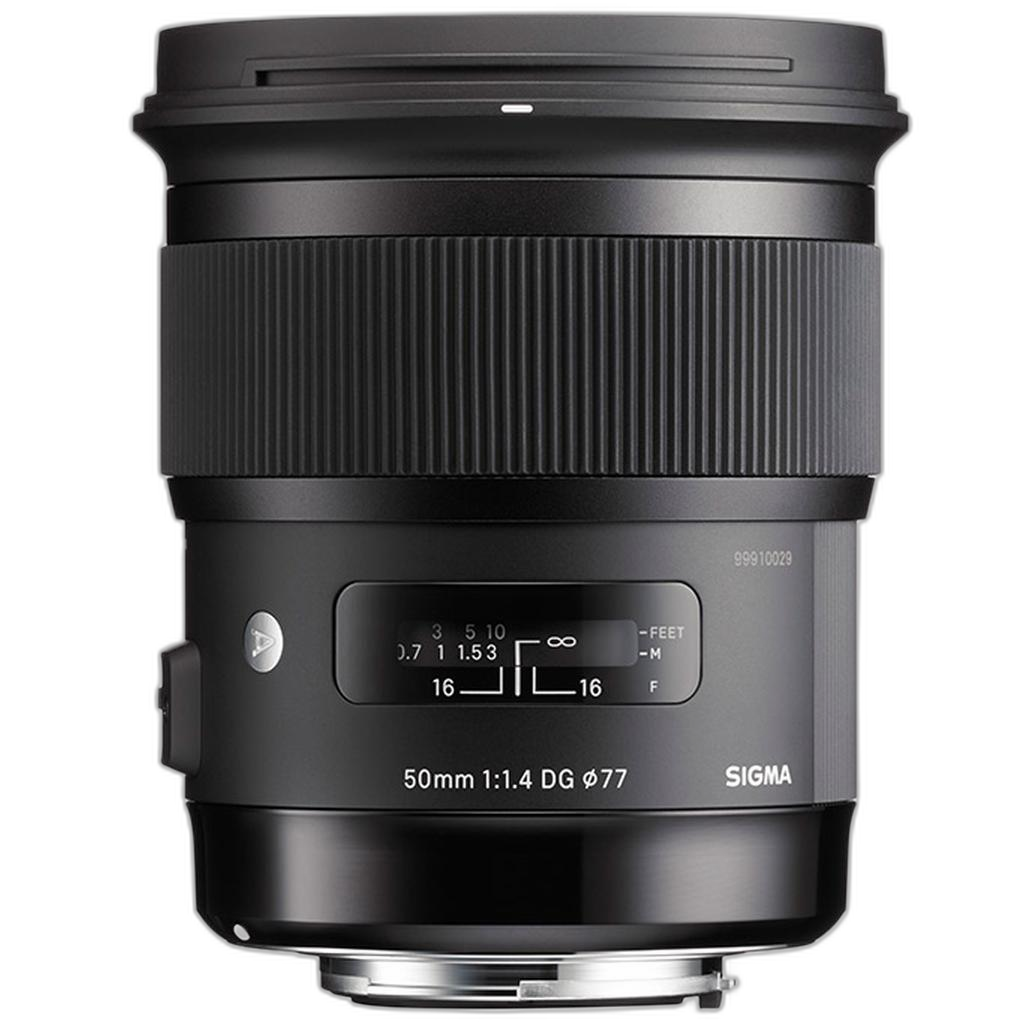
- Use the 24-50mm for walking tours, markets, and landscapes.
- Switch to the 50mm f/1.4 for portraits, evening street shots, and shallow depth of field.
- This pairing is ideal for travelers who want one zoom and one artistic prime.
2. For budget-conscious full-frame travel: pair the used Sony FE 24-50mm f/2.8 G with a specialty telephoto
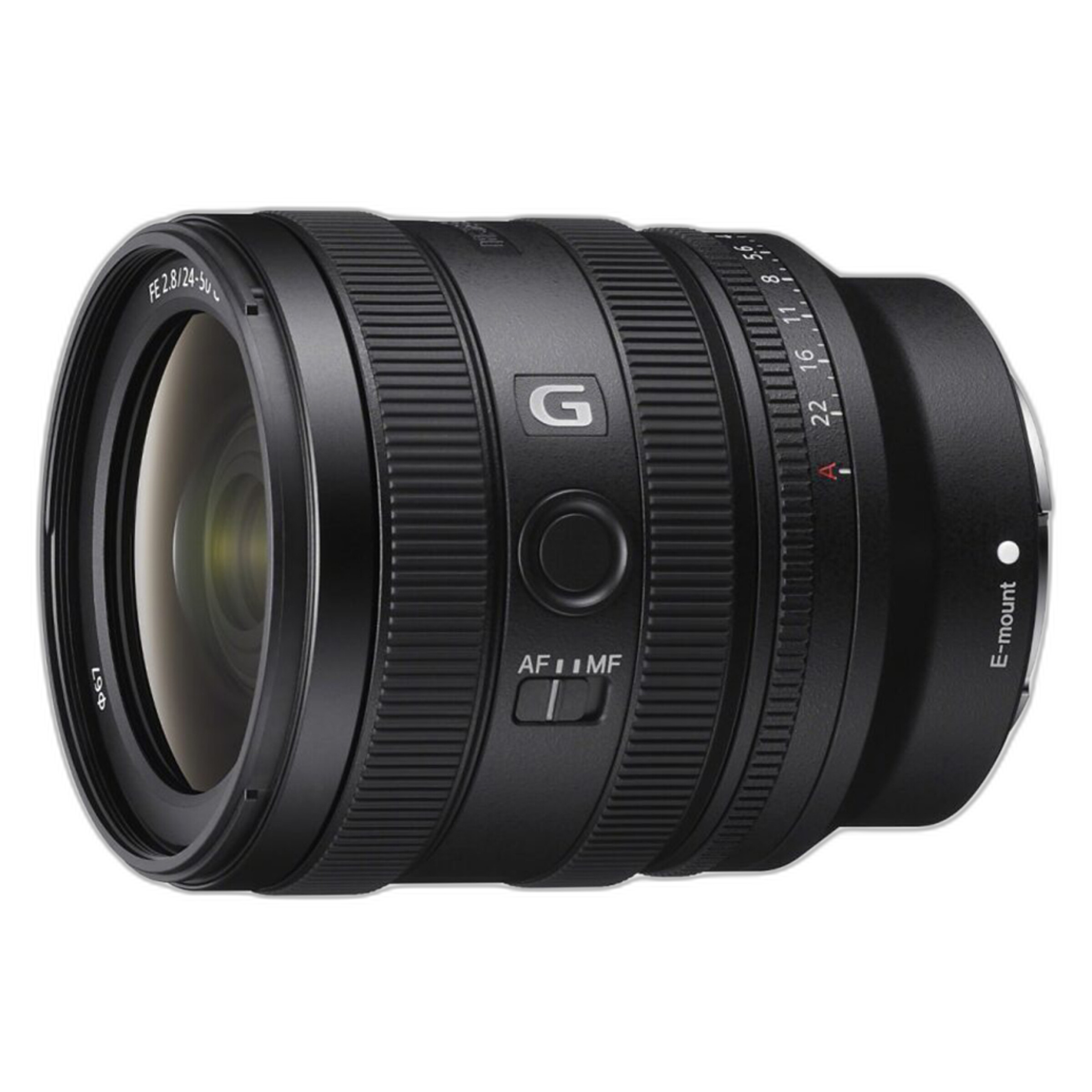
If you like the idea of a premium compact zoom but want to stretch your budget for a second lens, the Used Sony FE 24-50mm f/2.8 G Lens - Excellent is a smart way to build a more capable two-lens kit. Travel photographers often get the most value from putting their money into focal length coverage rather than duplicating the same role twice.
One compelling second lens is the Sigma 70-200mm f/2.8 DG DN OS Sports Lens (Sony E). On paper it is less minimalist, but for travel photographers visiting national parks, sporting events, mountain destinations, or cities with distant architectural details, the added reach can completely change what you can capture. Lens comparisons often make this obvious: a standard zoom is excellent for general scenes, but it simply cannot replace true telephoto compression and subject isolation.
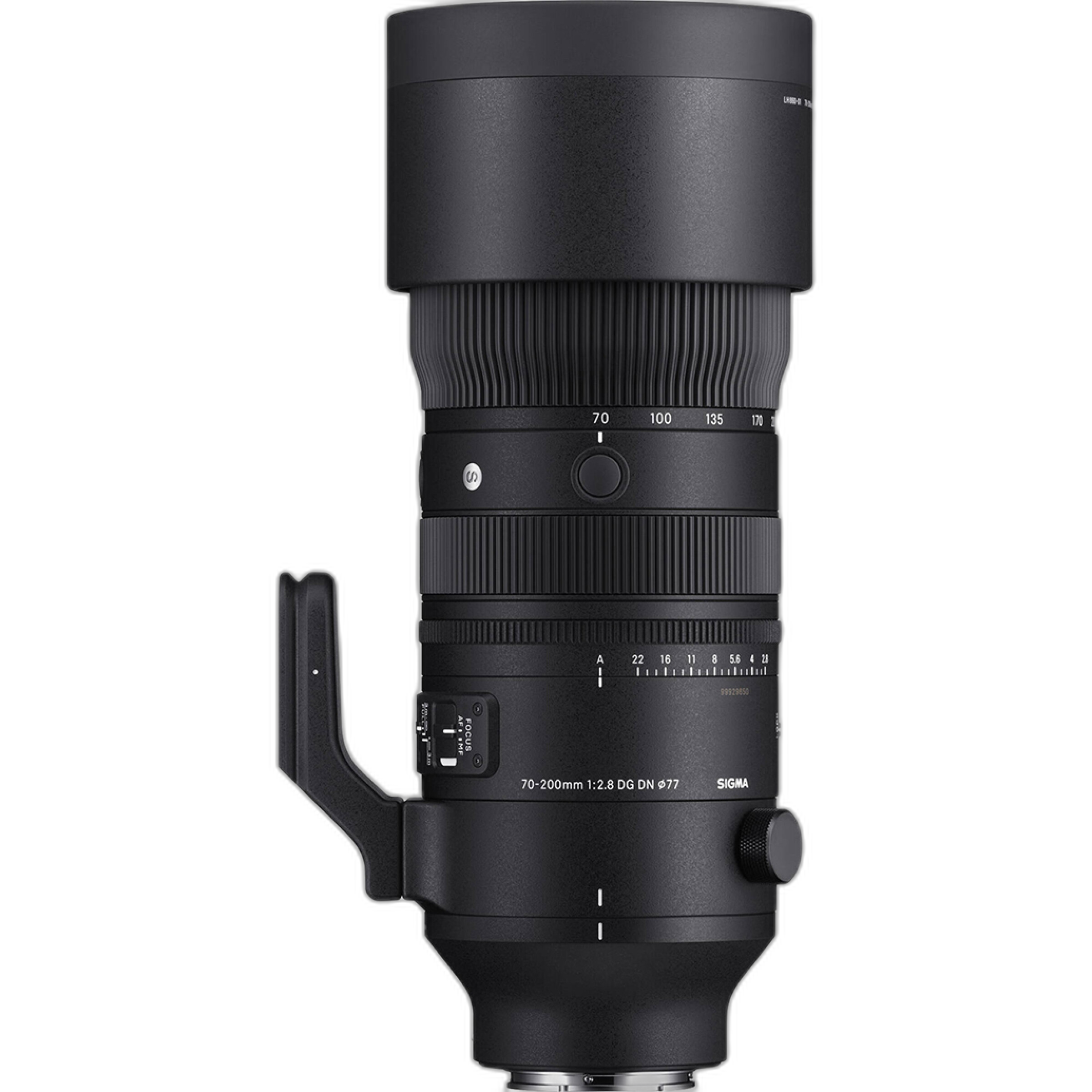
- Keep the 24-50mm mounted most of the day.
- Bring out the 70-200mm for wildlife, mountain layers, stadiums, and compressed cityscapes.
- This pairing suits travelers who do not mind carrying extra weight for dramatically expanded range.
3. For portrait-first travel photography: pair a standard zoom with the Sigma 135mm f/1.8 DG HSM Art
Some trips are really about photographing people: destination engagements, cultural portraits, fashion-in-the-city sessions, or travel storytelling with a refined portrait look. In that case, pairing the Sony FE 24-50mm f/2.8 G Lens with the Sigma 135mm f/1.8 DG HSM Art Lens for Sony E gives you a highly capable two-lens setup with clear role separation.
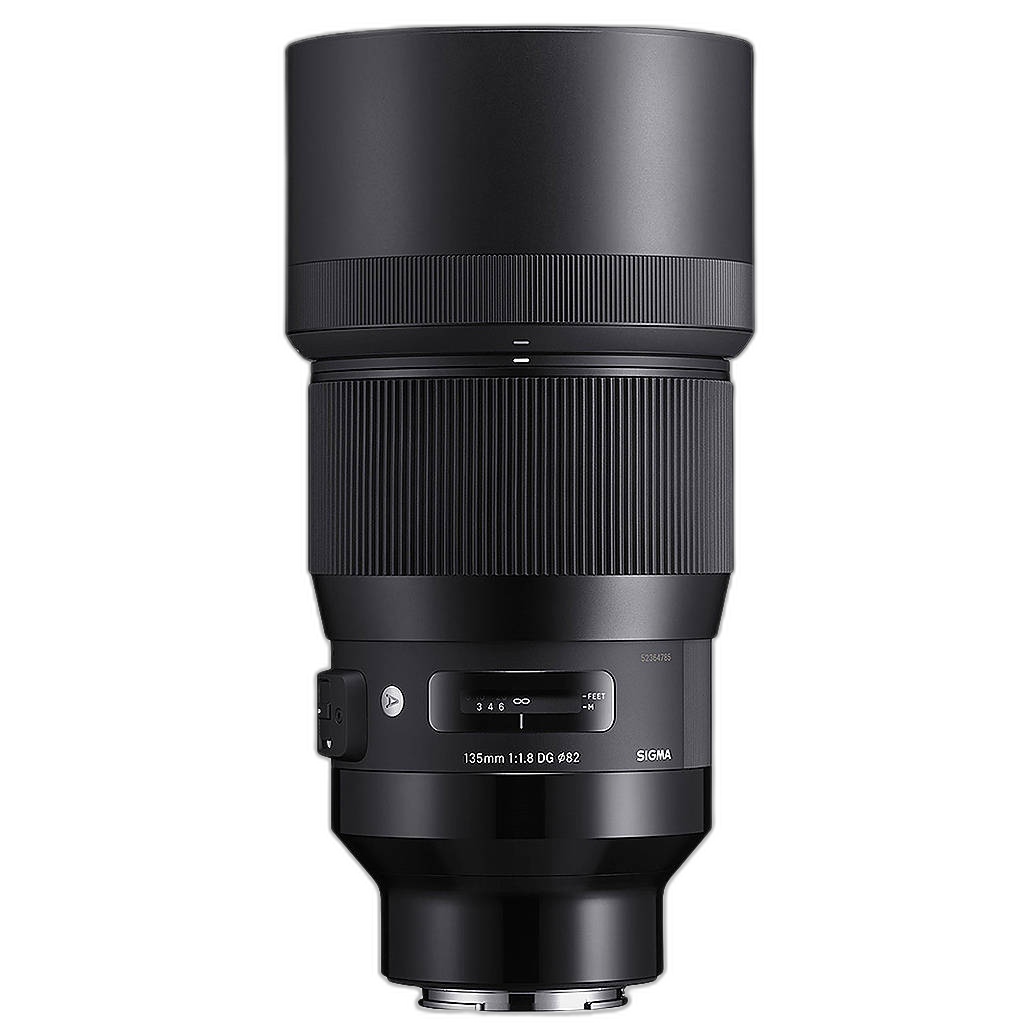
The 24-50mm handles travel essentials and scene-setting compositions, while the 135mm creates elegant compression and creamy background blur for portraits that stand apart from casual snapshots. Lens Compare Beta-type insights often highlight that longer fast primes produce a more distinct portrait rendering than a standard zoom can achieve, even if the zoom is sharp and bright.
- Use 24-35mm for environmental portraits and travel context.
- Use 50mm for natural-perspective candids.
- Use 135mm for polished portraits, details from a distance, and layered street compositions.
This is best for travelers who know portraits are a major goal and are willing to carry a dedicated specialty lens to get them.
4. For dramatic subject isolation: pair the Sony FE 24-50mm f/2.8 G with the used Sigma 105mm f/1.4 Art
If your travel style leans toward editorial, luxury, or ultra-shallow-depth-of-field imagery, the Used Sigma 105mm f/1.4 DG HSM Art Lens for Sony E - Excellent can be a standout companion to the Sony FE 24-50mm f/2.8 G Lens. This is not the lightest travel setup, but it is one of the most visually distinctive.
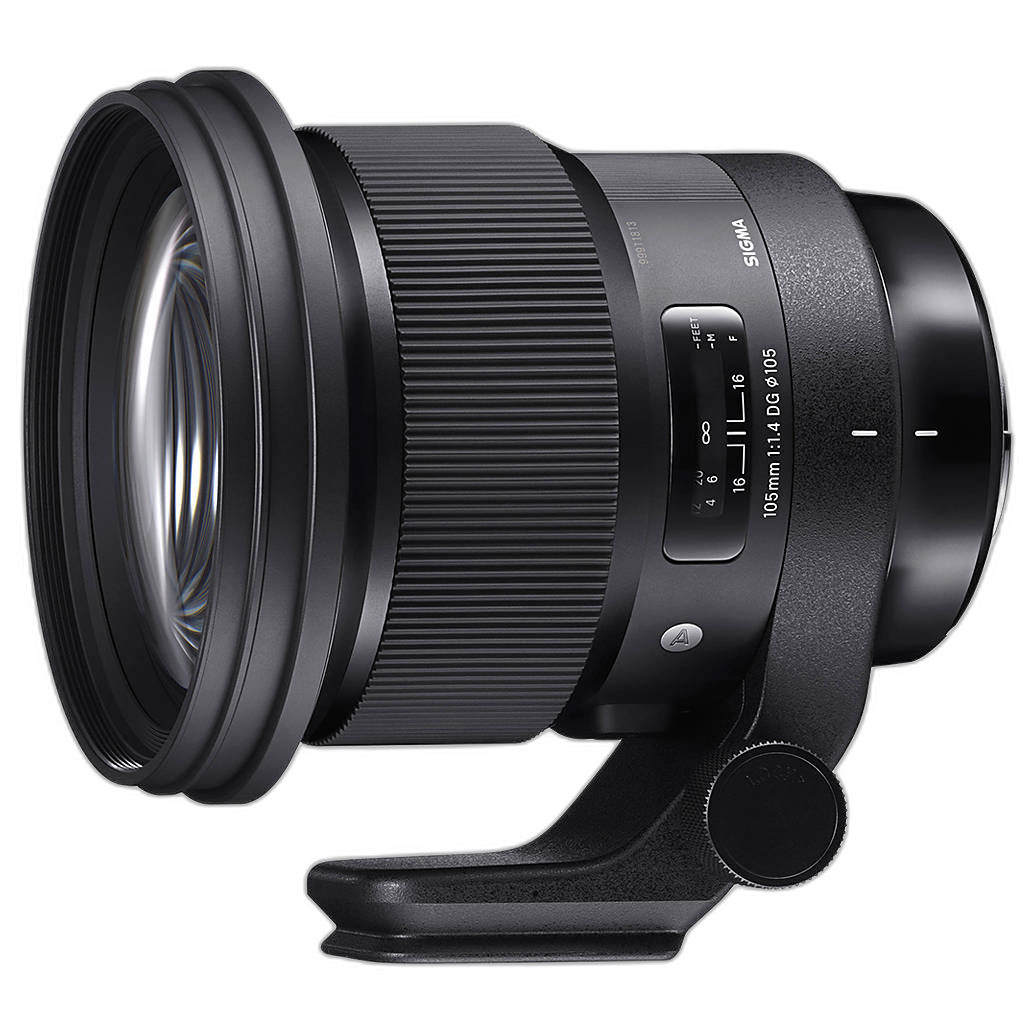
When you compare lenses based on look rather than just range, the 105mm f/1.4 earns its place by creating separation and rendering that a travel zoom simply cannot mimic. Think destination portrait sessions at golden hour, elegant detail shots, or isolating a subject in a busy urban scene.
- Bring the 24-50mm for flexibility during transit and sightseeing.
- Use the 105mm when the destination itself becomes a portrait backdrop.
- This pairing favors image style over portability, but the payoff can be huge.
5. For APS-C hybrid shooters: pair the Sony 18-110mm f/4 G OSS with a cinematic lens strategy
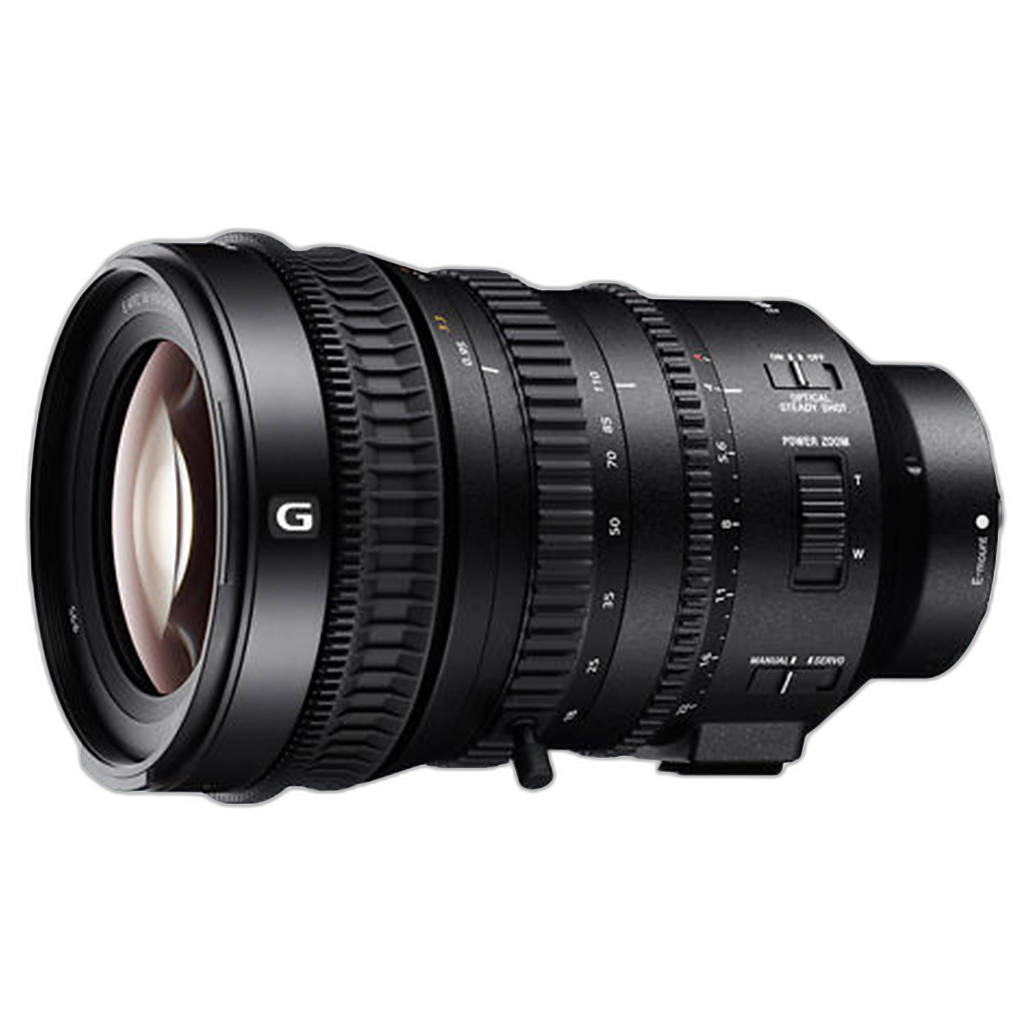
Not every travel creator is shooting stills only. If your travel workflow includes video, documentary clips, interviews, and behind-the-scenes storytelling on an APS-C or Super35 Sony body, the Sony 18-110mm f/4 G OSS APS C / Super35 E-Mount Power Zoom Lens is a highly practical anchor lens. The wide-to-tele range, internal power zoom design, and stabilized all-in-one utility can simplify travel production dramatically.
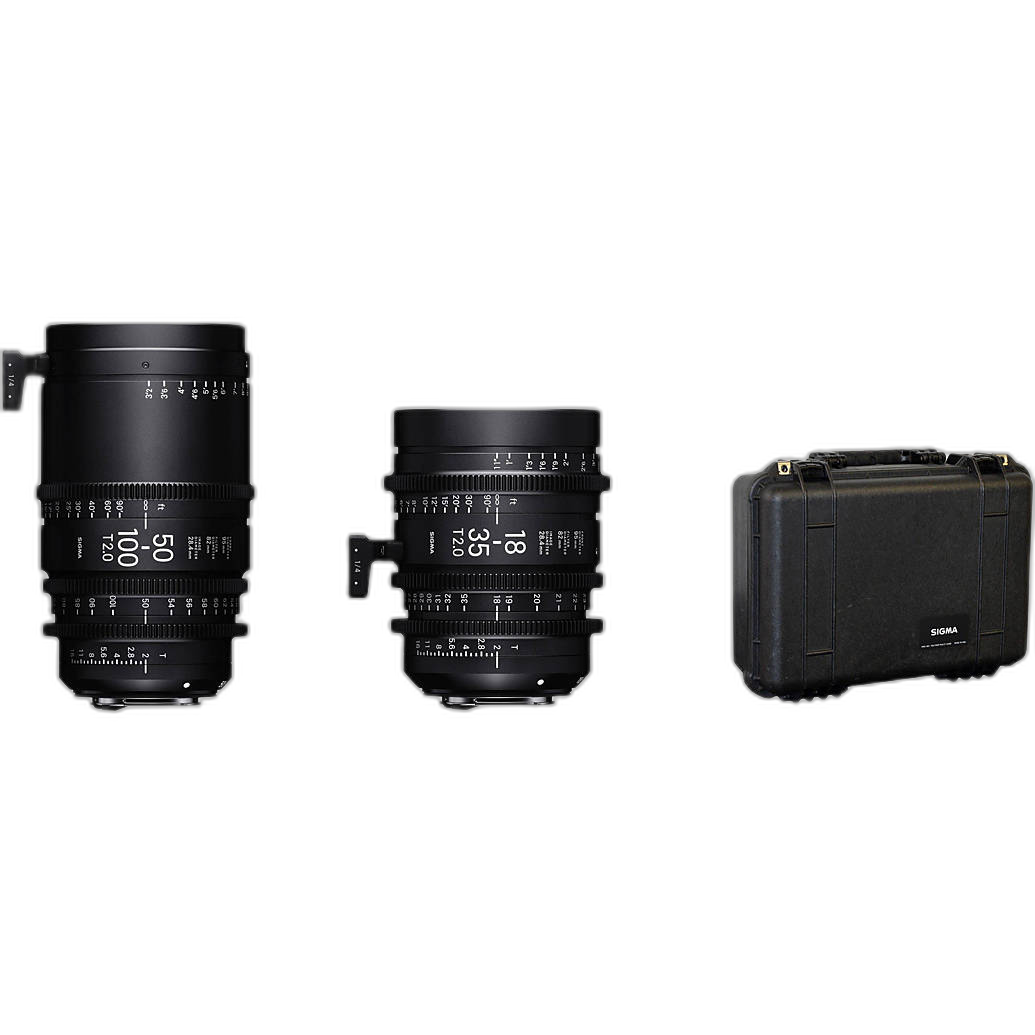
To build on that, the Sigma 18-35mm T2 and 50-100mm T2 Fully Luminous Lenses with Case (Sony E) make sense for creators who want a more cinematic look for selected scenes. The Sony lens covers run-and-gun practicality, while the Sigma cine set helps when you have time to stage visuals with a more controlled, filmic aesthetic.
- Use the Sony 18-110mm for travel documentaries, tours, and unpredictable moments.
- Switch to the Sigma cine lenses for hero shots, interviews, or stylized sequences.
- This pairing is ideal for hybrid travelers who care as much about motion as stills.
6. Let lens overlap be intentional, not accidental
One of the biggest lessons from comparing lenses side by side is that overlap is not always bad. Pairing the Sony FE 24-50mm f/2.8 G with the Sigma 50mm f/1.4 overlaps at 50mm, but each lens still has a distinct job. The same goes for a zoom plus a 105mm or 135mm portrait lens. What matters is whether the second lens changes what you can create, not just the numbers on the barrel.
Ask yourself:
- Does the second lens improve low-light shooting?
- Does it add reach I genuinely need?
- Does it create a look my main lens cannot?
- Am I comfortable carrying both all day?
If the answer is yes to at least one major creative need, the pairing is probably justified.
7. Match your destination to your lens pair
The best travel pairing also depends on where you are going.
- City trips: Sony FE 24-50mm f/2.8 G + Sigma 50mm f/1.4
- Portrait-focused vacations: Sony FE 24-50mm f/2.8 G + Sigma 135mm f/1.8
- Scenic and wildlife travel: Used Sony FE 24-50mm f/2.8 G + Sigma 70-200mm f/2.8 DG DN OS Sports
- Luxury/editorial travel imagery: Sony FE 24-50mm f/2.8 G + Used Sigma 105mm f/1.4 Art
- APS-C video travel: Sony 18-110mm f/4 G OSS + Sigma cine lens set
When you think in pairings rather than individual lenses, it becomes easier to build a kit that feels purposeful instead of overpacked.
Final Thoughts
The best Sony travel lens pairing is the one that supports how you actually shoot on the road. For many photographers, a compact standard zoom like the Sony FE 24-50mm f/2.8 G is the natural starting point, then a second lens adds either speed, reach, or a more specialized look. If your trips revolve around portraits, telephoto primes like the Sigma 135mm f/1.8 or Used Sigma 105mm f/1.4 Art can be worth every ounce. If versatility matters most, adding a telephoto zoom or a video-focused option may be the smarter move.
Explore the right Sony-compatible travel lenses for your next adventure at Unique Photo, and build a kit that helps you travel lighter, shoot smarter, and come home with images you are excited to share.