When building or upgrading a camera kit, one of the most common questions photographers and filmmakers ask is: should I spend more on lenses or camera bodies first? The short answer is that for most creators, lenses usually deliver the better long-term investment. Still, the right choice depends on what you shoot, how often you upgrade, and where your current gear is holding you back.
At Unique Photo, we talk to beginners, enthusiasts, and working professionals every day who are trying to stretch a budget without limiting their creative growth. If you are deciding between a new lens and a new camera body, this guide will help you understand where your money will have the biggest impact.
Should you buy lenses or a camera body first?
If you already own a reasonably capable camera, buying a better lens first often makes more sense. A quality lens can improve sharpness, low-light performance, subject separation, color rendition, and overall image character more noticeably than a modest body upgrade.
Camera bodies evolve quickly. New models bring better autofocus, improved video features, faster burst rates, and more advanced sensors. But lenses tend to stay relevant for much longer. A great lens can move with you across multiple generations of cameras, making it one of the smartest places to invest early.
That said, there are important exceptions. If your current camera body is preventing you from doing the work you need to do, then the body may need to come first.
Why lenses are often the better long-term investment
When people compare lenses vs. bodies, lenses usually win on longevity and image impact. Here is why:
- Lenses last longer: A good lens can stay in your kit for many years, even as you replace bodies.
- Image quality starts with glass: Contrast, rendering, sharpness, and flare control are heavily influenced by the lens.
- Faster apertures expand your options: Better lenses help in low light and create a more professional look with shallow depth of field.
- Specialized focal lengths change how you shoot: Wide, telephoto, macro, fisheye, and cine lenses all unlock new creative possibilities.
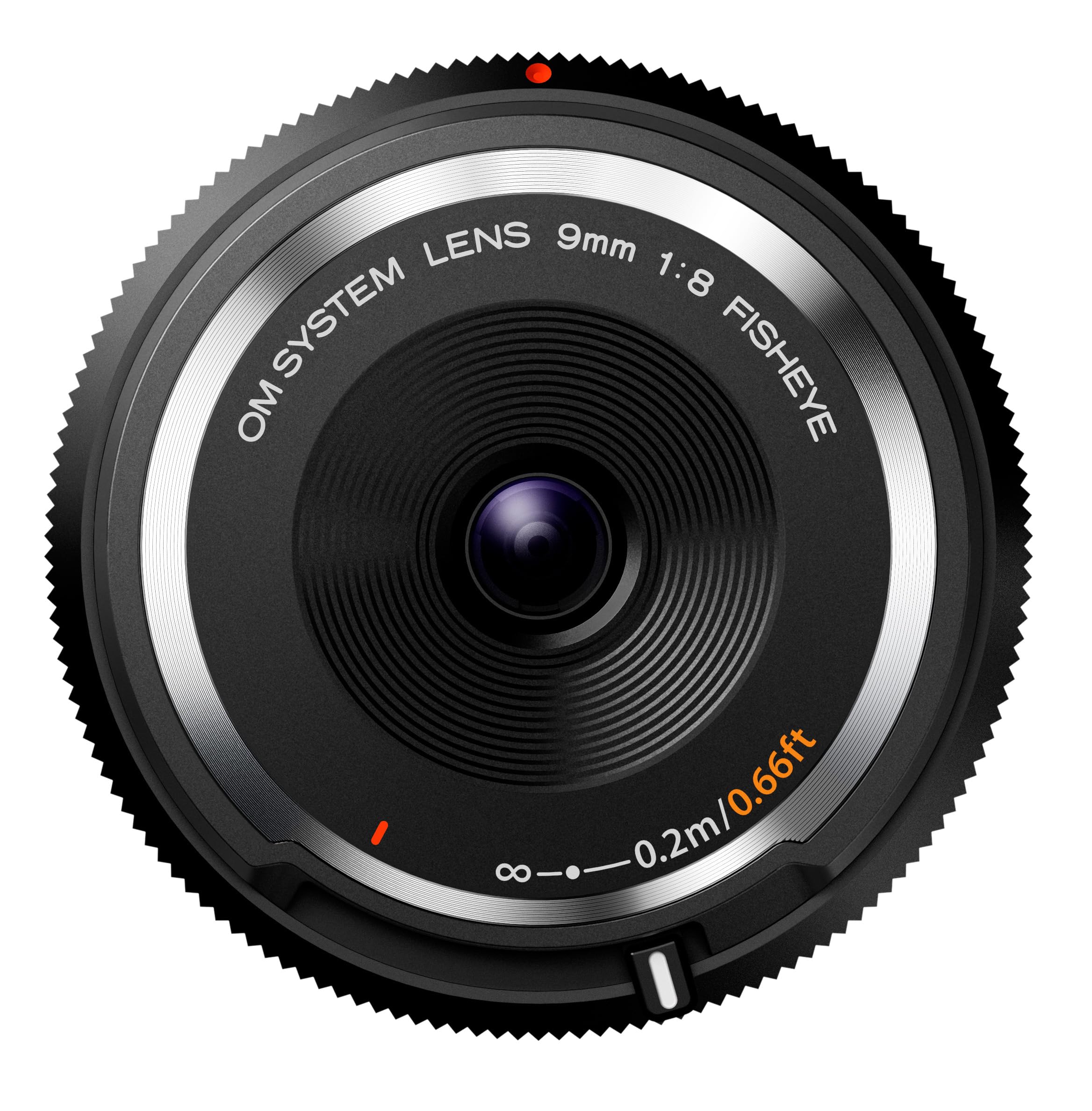
For example, a unique lens can dramatically change what your current camera is capable of. Even a compact creative option like the OM SYSTEM Fisheye Body Cap 9mm f/8 Lens can add a fresh visual style without requiring a full camera body replacement.
Likewise, filmmakers looking to step into more cinematic imagery often see a bigger visual jump from dedicated cine glass than from a small body refresh. Unique Photo carries professional lens options that fit different mounts and production needs.
When a new camera body is the smarter first purchase
Even though lenses are often the better investment, there are clear situations where buying a camera body first is the right move:
- Your current autofocus is unreliable: If you shoot sports, weddings, wildlife, or fast-moving subjects, modern autofocus can be a game changer.
- You need better low-light performance: A newer sensor may offer cleaner high ISO files and improved dynamic range.
- You need better video specs: Features like internal RAW, higher frame rates, better codecs, improved heat management, or professional monitoring tools may matter more than lens upgrades.
- Your body lacks stabilization or dual card slots: These features can directly affect how safely and efficiently you work.
- Your camera limits your workflow: Slow operation, poor battery life, outdated connectivity, or weak ergonomics may justify upgrading the body first.
If your current body is actively costing you shots, clients, or time, the body should take priority. In other words, invest where your biggest bottleneck is.
What improves image quality more: lenses or bodies?
For many users searching what improves image quality more, lenses or camera bodies, the answer is usually the lens. A better lens can produce a more obvious difference in resolution, bokeh, color, microcontrast, and subject isolation than moving between mid-generation camera bodies.
However, bodies matter more when your limitations are technical rather than optical. If you struggle with rolling shutter, limited dynamic range, inaccurate autofocus, or weak video performance, a body upgrade may create a larger real-world improvement.
Think of it this way:
- Lenses shape the look.
- Bodies shape the capability.
At Unique Photo, we often recommend evaluating your last 10 shoots. Were you unhappy with the look of your images, or were you frustrated by missed focus, noise, speed, or recording limits? Your answer usually tells you where to invest first.
Best investment for beginners: lens or body?
For beginners, the best investment is often a versatile, high-quality lens rather than chasing the newest body. Many entry-level and midrange cameras are already very capable. Pairing one with better glass can dramatically elevate results while helping you learn composition, focal length choice, and depth of field control.
A lens-first strategy is especially smart if:
- You already own an interchangeable-lens camera
- You mostly shoot portraits, travel, landscapes, or everyday content
- You want better background blur or low-light performance
- You plan to keep growing within the same lens mount
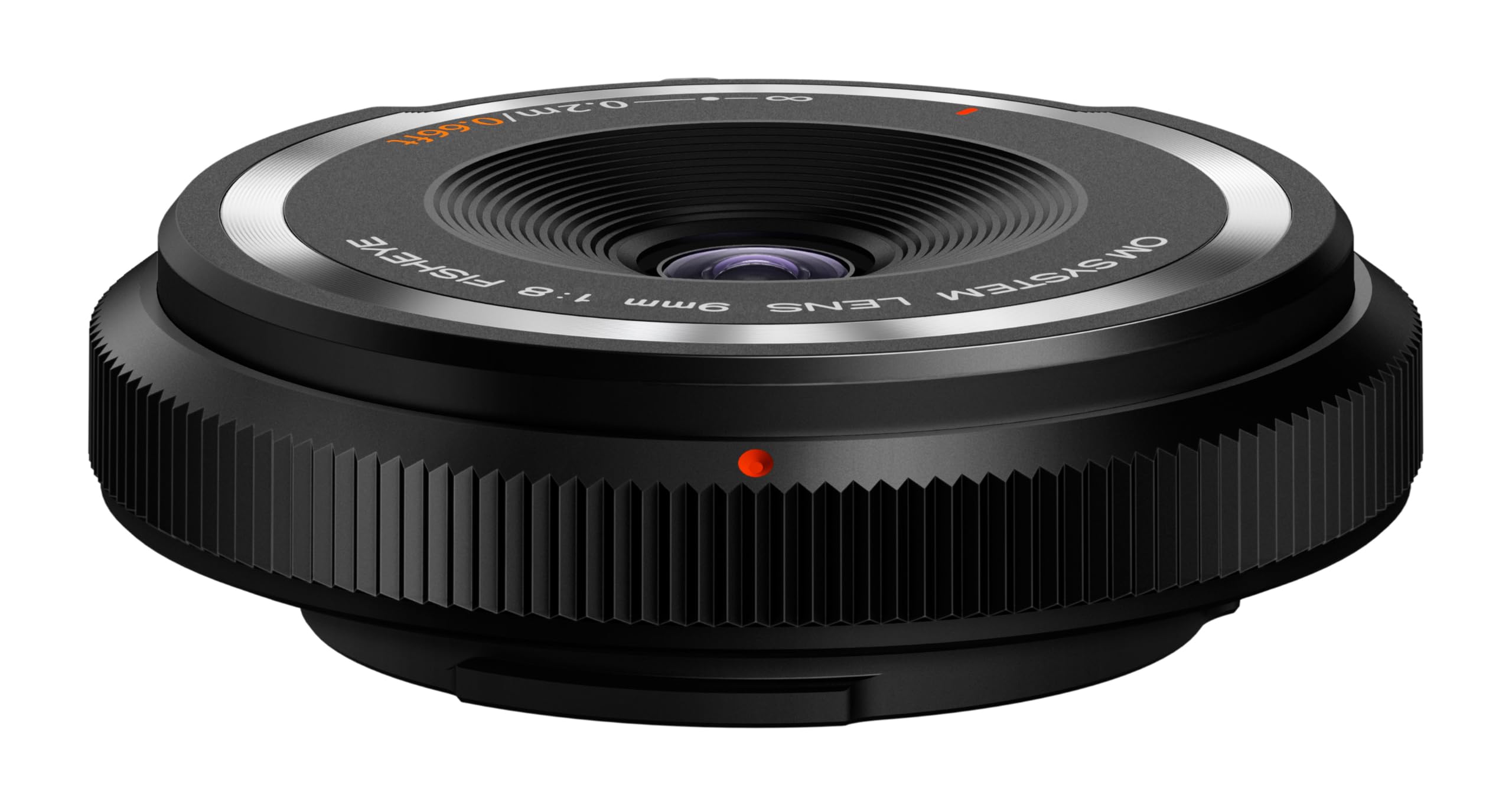
Beginners interested in creative experimentation can also benefit from adding an affordable specialty lens before replacing a body. A compact fisheye, for instance, encourages a completely different approach to framing and perspective.
For filmmakers, should you invest in cine lenses or a cinema body first?
Filmmakers face a slightly different version of the same question. If your camera already records the formats you need and offers acceptable monitoring, dynamic range, and workflow support, cine lenses can be an excellent first investment.
Dedicated cine lenses offer benefits such as:
- Consistent gearing for follow focus systems
- Smooth focus rotation
- More controlled manual operation
- Matched optical characteristics across a set
- T-stops for more precise exposure matching
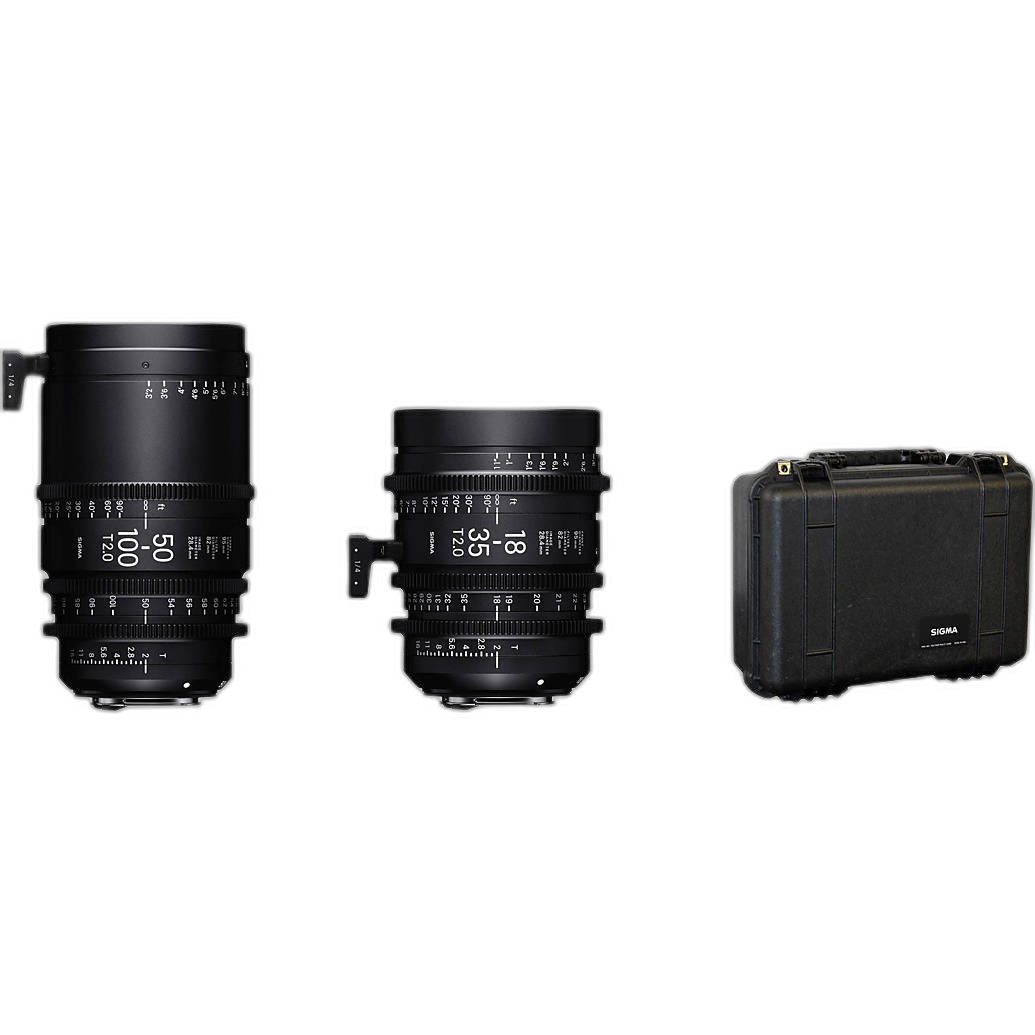
For example, the Sigma 18-35mm T2 and 50-100mm T2 lens combinations available at Unique Photo are strong options for creators building a more cinematic workflow on Canon EF or Sony E platforms.
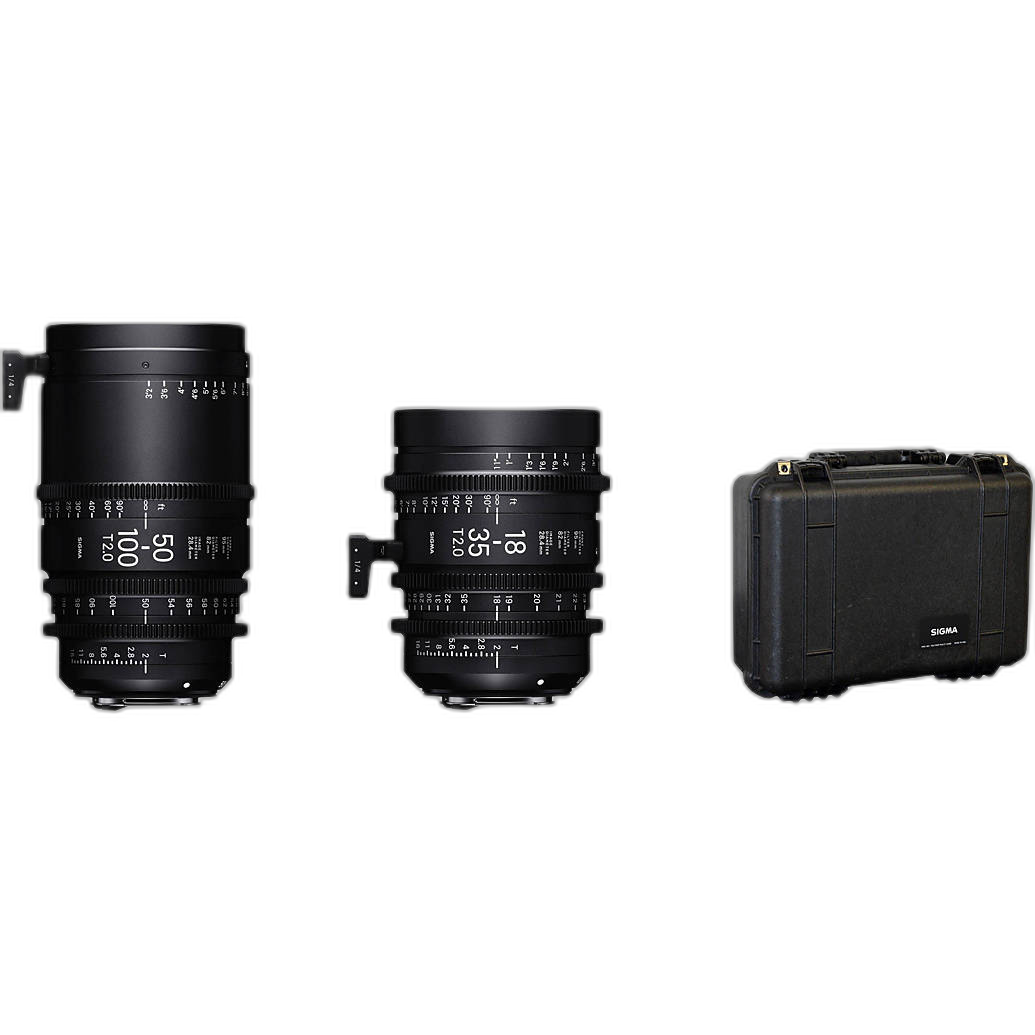
These kinds of lens sets can give your productions a more polished and consistent visual language, especially if manual focus control and repeatable operation matter in your work.
On the other hand, if your camera body lacks the recording tools or reliability your productions require, then a body-first approach may make more sense. Commercial shooters and production teams may also want to budget for protection plans and service support for higher-end systems, especially when uptime matters.
How budget affects the lens vs. body decision
Your budget should shape your upgrade path. Here is a simple way to think about it:
Small budget: Buy the lens that solves your biggest problem or adds the most versatility. This usually gives you the biggest visible improvement per dollar.
Midrange budget: Consider whether a body upgrade opens critical features you cannot work around. If not, put most of the budget into better glass.
Larger budget: Build a balanced system. A modern body paired with weak lenses leaves performance on the table, while great lenses on a severely outdated body can become frustrating.
One of the most practical strategies Unique Photo customers use is to buy a solid body first, then steadily improve lenses over time. Since lenses typically retain value and usability longer, they become the foundation of the system.
How to decide based on what you shoot
The best answer to lenses vs. camera bodies depends on your genre.
Portrait photography: Invest in lenses first. Fast primes and high-quality zooms often have the biggest impact.
Landscape photography: Lenses are usually the better first investment, especially for edge-to-edge sharpness and specialized focal lengths.
Sports and wildlife: Body upgrades can matter more because autofocus, burst speed, and subject tracking are critical.
Wedding and event photography: It depends on your pain points. Better low-light lenses help a lot, but modern autofocus and dual card slots may justify a body upgrade.
Video and cinema: If your camera already meets your format needs, lenses often come first. If not, upgrade the body.
Signs it is time to invest in lenses first
- Your photos feel flat or uninspiring
- You want better blur, low-light performance, or sharper results
- You keep hitting focal length limitations
- Your current body still performs reliably
- You want gear that will stay useful through future upgrades
Signs it is time to invest in a body first
- You miss shots because autofocus is too slow or inaccurate
- Your camera struggles in the lighting conditions you regularly face
- You need video features your current body does not offer
- Your workflow is slowed down by battery, media, overheating, or connectivity issues
- Your current camera is no longer dependable for paid work
The smartest upgrade path for most creators
For most photographers and filmmakers, the smartest approach is this: buy the best lens you can reasonably afford, unless your current body is clearly limiting your results or workflow.
This lens-first strategy helps you build a kit with longer-term value. It also makes future body upgrades more rewarding, because strong glass lets you get the most out of new sensors and new features.
Unique Photo is a great place to compare lenses and bodies side by side, especially if you are weighing long-term value against immediate performance gains. Whether you are experimenting with compact creative lenses or moving into professional cine glass, choosing upgrades based on actual shooting needs will always beat simply chasing the newest release.
Final thoughts: where should you invest your money first?
If you are still asking should I buy lenses or a new camera body first, remember this simple rule:
Invest in lenses for better look. Invest in bodies for better performance.
If your images need more character, better low-light ability, or new creative options, start with glass. If your camera is blocking your workflow, speed, or reliability, upgrade the body.
At Unique Photo, you can explore everything from creative specialty lenses to professional cinema options as your kit evolves. For internal linking opportunities, consider directing readers to related pages such as mirrorless lenses, cinema lenses, camera bodies, and used gear or trade-in options to help them build the right system for their budget.