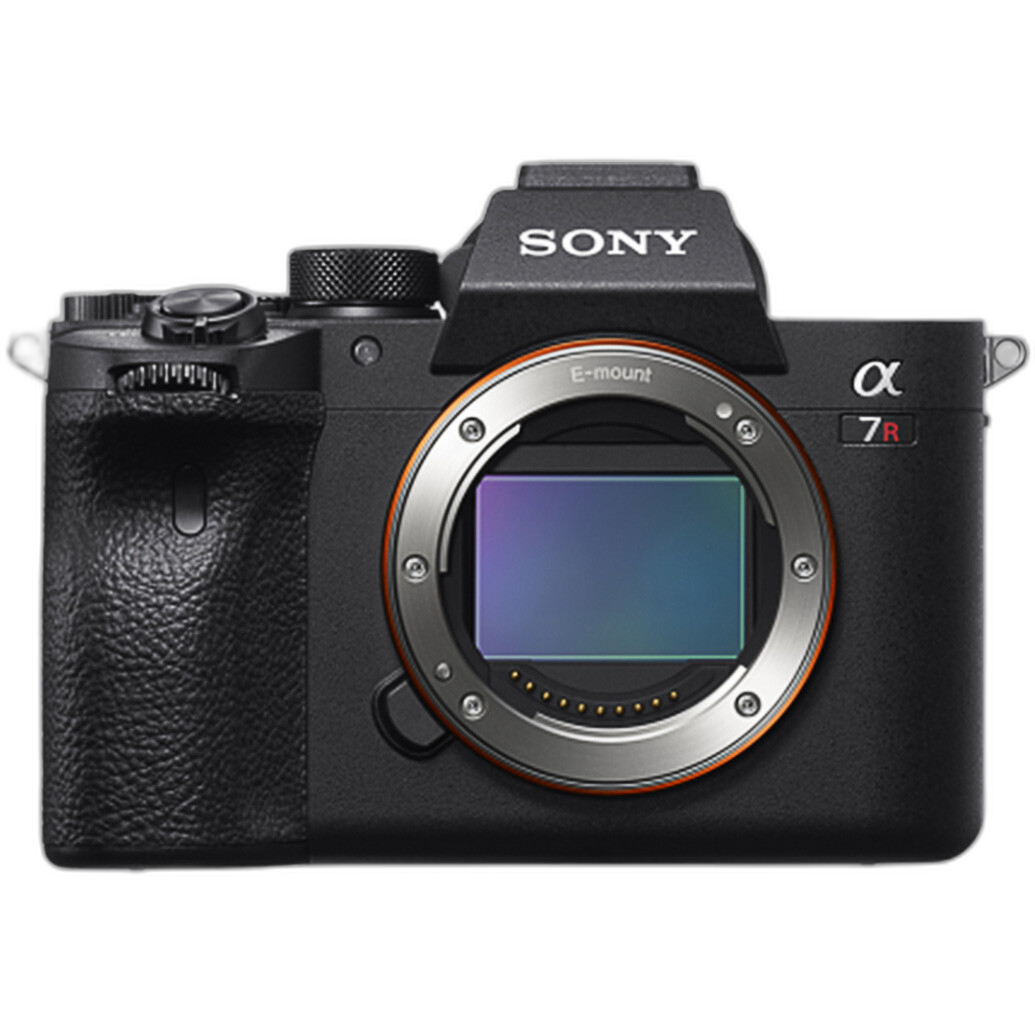
Sony’s July 2019 announcement of the a7R IV marked a major moment in the rapid evolution of full-frame mirrorless cameras. By introducing a 61-megapixel full-frame back-side illuminated sensor in the Alpha E-mount system, Sony pushed resolution to a level that, at the time, stood out not only within its own lineup but across the broader full-frame market. For photographers working in landscape, studio, commercial, architecture, and other detail-critical disciplines, the a7R IV immediately positioned itself as a camera designed around one clear promise: extraordinary resolving power in a relatively compact mirrorless body.
At launch, the Sony a7R IV arrived with a listed US price of $3,499, placing it squarely in the premium enthusiast and professional category. Yet the significance of the announcement went beyond price or headline megapixels. The a7R series had already established itself as Sony’s high-resolution branch of the Alpha family, and the fourth-generation model represented a clear statement about where Sony believed full-frame mirrorless was headed next: more detail, more flexibility, and a stronger challenge to long-established expectations in professional imaging.
A New Resolution Benchmark for the a7R Line
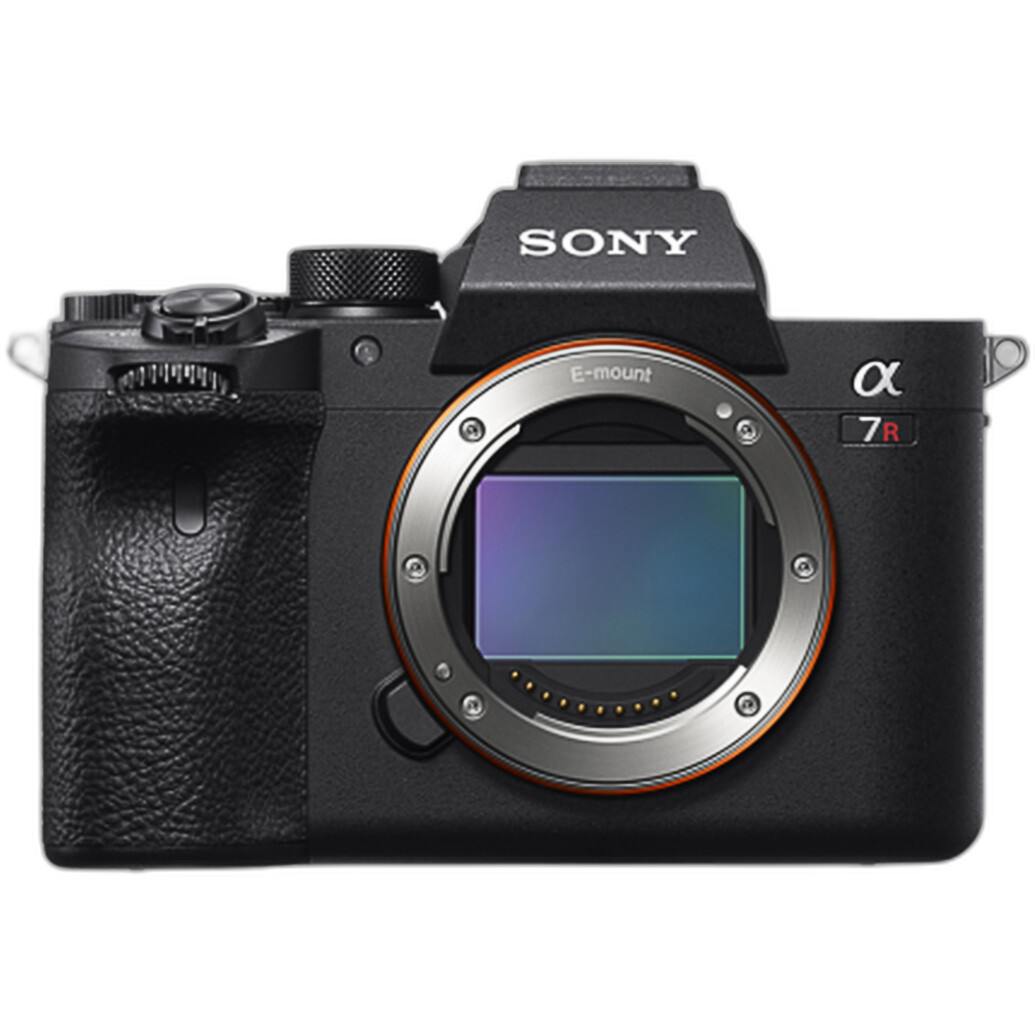
The defining feature of the Sony a7R IV is its 61MP full-frame BSI sensor. In 2019, that figure was impossible to ignore. The a7R line had always been associated with high-resolution capture, but the jump to 61 megapixels elevated the series into a new class. It gave photographers substantially more room for large-format printing, detailed retouching, and aggressive cropping while retaining image integrity.
That mattered for a wide range of working photographers. Landscape specialists could capture fine textures in foliage, rock, water, and distant detail. Commercial and product photographers gained more latitude for client-driven crops and layout changes. Portrait and editorial shooters who wanted the option to reframe in post without immediately sacrificing print-quality output saw practical value as well. Even beyond strictly professional use cases, the headline resolution itself served as a sign of how quickly mirrorless technology was maturing.
The inclusion of a back-side illuminated sensor design was equally important in the context of 2019. BSI technology had become one of the key ways manufacturers improved light gathering efficiency and overall image performance. For a sensor with this many pixels, it helped reassure photographers that Sony was not simply chasing numbers on a spec sheet, but aiming to balance resolution with modern sensor design.
Sony E-Mount and the Maturity of the Full-Frame Mirrorless System
The a7R IV was introduced as part of Sony’s full-frame Alpha E-mount ecosystem, and by mid-2019 that mount had become one of the strongest arguments in Sony’s favor. Earlier in the mirrorless era, some photographers had been cautious about lens selection and long-term system support. By the time the a7R IV arrived, Sony E-mount had developed into a broad platform with serious appeal for professionals and advanced amateurs alike.
That system maturity is central to understanding why the a7R IV announcement mattered. A 61MP sensor demands lenses capable of resolving fine detail consistently, and Sony’s position in the market had evolved to the point where the camera was not being launched into a limited or uncertain ecosystem. Instead, it entered a system that had become increasingly viable for photographers considering a move away from traditional DSLR platforms.
Historically, this period was a turning point in the camera industry. Full-frame mirrorless was no longer a niche alternative or a promising future concept. It was becoming the main arena for innovation, and Sony was one of the companies pushing that shift most aggressively. The a7R IV fit squarely into that larger story.
What the 61MP Sensor Meant in Practical Terms
Resolution figures can sound abstract until they are connected to real photographic workflows. In practical terms, a 61MP capture pipeline opened up significant creative and professional flexibility. Large prints were an obvious application, but they were far from the only one. Magazine, advertising, and commercial clients often request multiple crops from a single image. A camera like the a7R IV gave photographers more freedom to deliver those variations while maintaining strong file quality.
For travel and landscape work, the ability to crop into an image while preserving substantial detail can be especially valuable. It can reduce the pressure to carry every conceivable focal length or to commit to a single framing decision in the field. For studio photographers, more resolution can support product detail, texture rendition, and compositing workflows where clean edges and high file fidelity matter.
At the same time, the a7R IV’s announcement also reflected an ongoing conversation in photography: how much resolution is enough? Sony’s answer in 2019 was clear. For photographers who needed it, or simply wanted the option of extreme detail capture, the company was willing to push well beyond conventional expectations for a full-frame mirrorless body.
An Announcement That Signaled Sony’s Confidence
Camera announcements often reveal as much about a company’s strategic confidence as they do about any single product. The Sony a7R IV was one of those announcements. Rather than introducing an incremental update built around modest refinements, Sony led with a dramatic and easily understood headline specification: 61 megapixels. That number was not just a technical achievement. It was a marketing and positioning statement.
It suggested that Sony was confident enough in sensor development, image processing, and the E-mount platform to set a new expectation for what a high-resolution mirrorless camera could be. In 2019, as competition in the full-frame mirrorless space intensified, bold products helped define brand identity. The a7R IV reinforced Sony’s image as an innovator willing to move quickly and stake out territory before rivals could fully respond.
That confidence also aligned with the broader historical arc of the Alpha system. Sony had spent years building credibility among serious photographers, often through a mix of ambitious sensors, fast product cycles, and a willingness to challenge inherited categories from the DSLR era. The a7R IV was one of the clearest examples of that approach.
Who the a7R IV Was For at Launch
Although the a7R IV’s specification sheet made headlines, its intended audience was relatively easy to understand. This was not a camera aimed primarily at casual shooters or buyers looking for an entry-level full-frame experience. Instead, Sony positioned it for photographers who could benefit directly from the camera’s high-resolution output and the editing latitude that came with it.
Commercial photographers, fine-art printmakers, landscape specialists, studio shooters, and technically minded enthusiasts all stood to see immediate appeal. For those users, the launch price of $3,499 reflected a premium tool with premium ambitions. In that sense, the a7R IV followed the tradition of the a7R family while also raising the ceiling on what the series could represent.
It is also worth noting that the a7R IV arrived during a period when photographers were increasingly reevaluating their systems. Mirrorless bodies were no longer judged only as lighter alternatives to DSLRs; they were being judged as serious primary tools. Sony’s announcement gave would-be switchers one more reason to take the category seriously.
The a7R IV in Historical Perspective
Looking back, the Sony a7R IV stands as one of the defining full-frame mirrorless announcements of 2019. It captured the industry’s momentum toward higher-resolution sensors, system maturity, and mirrorless-first professional workflows. The combination of a 61MP full-frame BSI sensor, Sony E mount, and a launch price of $3,499 made it an unmistakably serious product aimed at photographers who valued image detail above all.
More broadly, the a7R IV helped illustrate how quickly the conversation had shifted. A few years earlier, full-frame mirrorless had still been proving itself. By mid-2019, Sony was announcing a camera that did not ask for compromise as its defining selling point. Instead, it offered a specification that was ambitious even by professional standards.
For photographers following the evolution of digital camera history, the a7R IV remains an important milestone in the development of high-resolution mirrorless imaging. And for those interested in exploring Sony cameras past and present, Unique Photo is a great place to buy gear, compare systems, and learn more about the tools that have shaped modern photography.