Sony A7C II vs Minolta MN26Z ProShot: What Enthusiasts and Pros Are Really Comparing
When photographers debate sensor size, image quality, lens flexibility, and real-world usability, they are usually weighing two very different approaches to making images. On one side is the used Sony Alpha A7C II, a full-frame interchangeable-lens mirrorless body aimed at serious enthusiasts and professionals. On the other is the Minolta MN26Z ProShot, a bridge camera designed for convenience with a built-in 26x zoom lens and a simpler all-in-one shooting experience.
This comparison matters because both can appeal to buyers who want reach, portability, and decent image-making capability, but they deliver those benefits in very different ways. If your decision centers on image quality, low-light performance, lens ecosystem, and long-term growth, the gap can be significant.
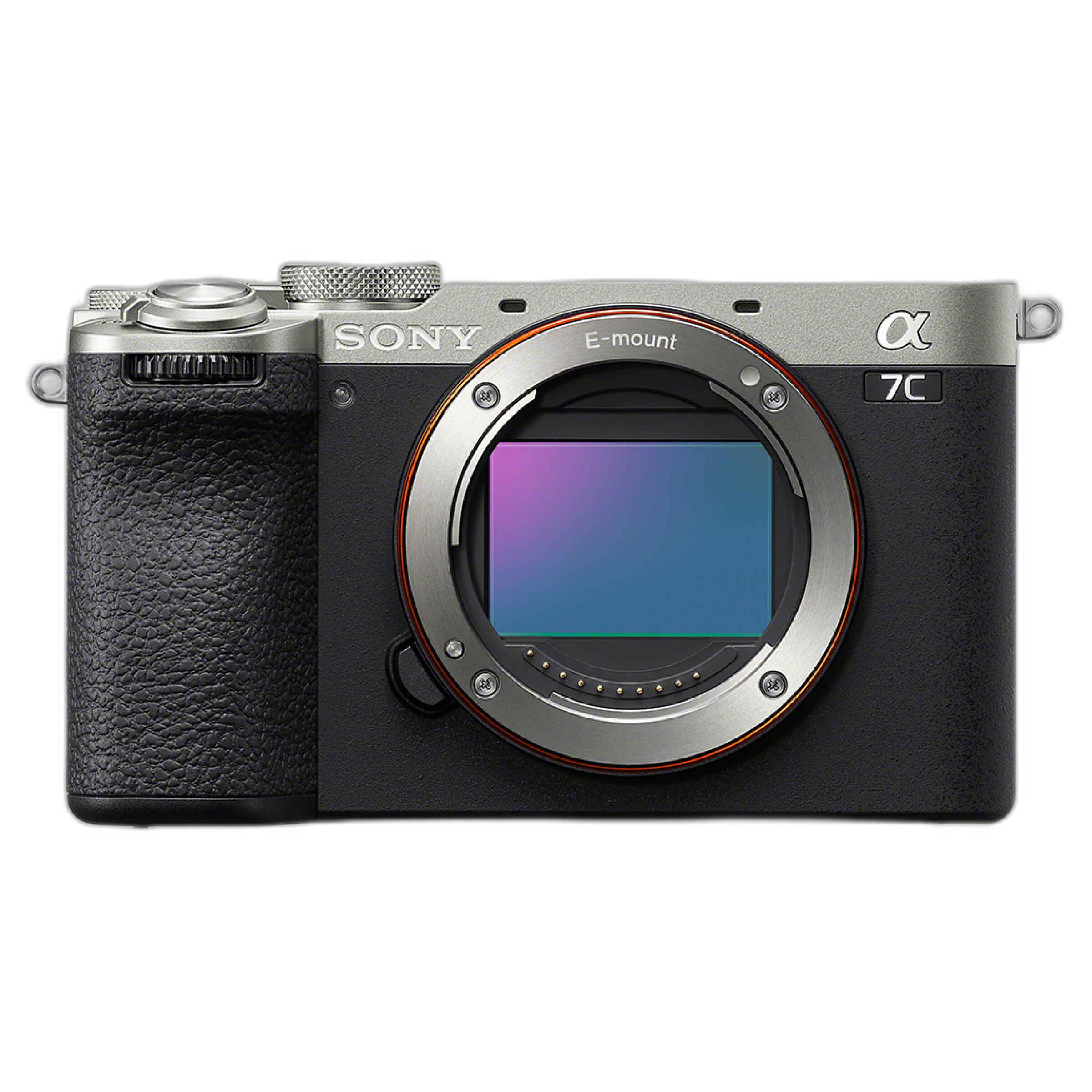

Side-by-Side Specs
| Feature | Sony Alpha A7C II (Used, Body Only) | Minolta MN26Z ProShot |
|---|---|---|
| Camera Type | Full-frame mirrorless interchangeable-lens camera | Bridge camera with fixed lens |
| Sensor Class | Full frame | Smaller sensor class than full frame |
| Resolution | Not listed here, but positioned as a high-performance enthusiast/pro body | 20 MP |
| Lens System | Interchangeable lenses | Built-in 26x optical zoom lens |
| Video | Advanced mirrorless video platform | 1080P Full HD |
| Portability | Compact for full frame, but requires lenses | All-in-one carry solution |
| Target User | Enthusiasts, hybrid creators, professionals | Casual shooters, travel users, convenience-focused buyers |
| System Expandability | Extensive Sony mirrorless lens ecosystem | No lens changes required or possible |
| Condition Note | Used, As Is, scratch on sensor | New-style consumer bridge option |
Category-by-Category Comparison
Sensor Size and Image Quality
This is the core of the discussion. The Sony A7C II belongs to the full-frame class, which gives it a fundamental advantage in image quality potential. A larger sensor generally means better dynamic range, stronger low-light performance, smoother tonal transitions, and more control over depth of field. For enthusiasts and pros, those qualities matter in portraits, events, landscapes, and editorial work.
The Minolta MN26Z ProShot, by contrast, is built around convenience. Its 20 MP output may be perfectly fine for casual sharing, daylight travel shots, and simple family photography, but it does not compete with a full-frame interchangeable-lens system when the light gets difficult or when maximum post-processing flexibility is required.
If your buying decision starts with sensor size, the Sony is in a completely different class. That said, this specific Sony listing is marked As Is with a scratch on the sensor, which is a major practical consideration. A larger sensor is an advantage only if the sensor condition supports the quality you expect.
Lens Compatibility and Creative Flexibility
The Sony A7C II wins decisively for photographers who want lens choice. Interchangeable-lens cameras let you build a kit around the way you shoot: fast primes for portraits, ultra-wides for architecture, telephotos for sports, or compact walkaround lenses for travel. That flexibility is one of the biggest reasons enthusiasts and working shooters invest in a mirrorless body.
The Minolta’s strength is the opposite: simplicity. Its integrated 26x optical zoom means you do not need to think about lens purchases, swaps, dust exposure, or carrying extra gear. For users who want broad focal-length coverage in one package, that convenience can be genuinely attractive.
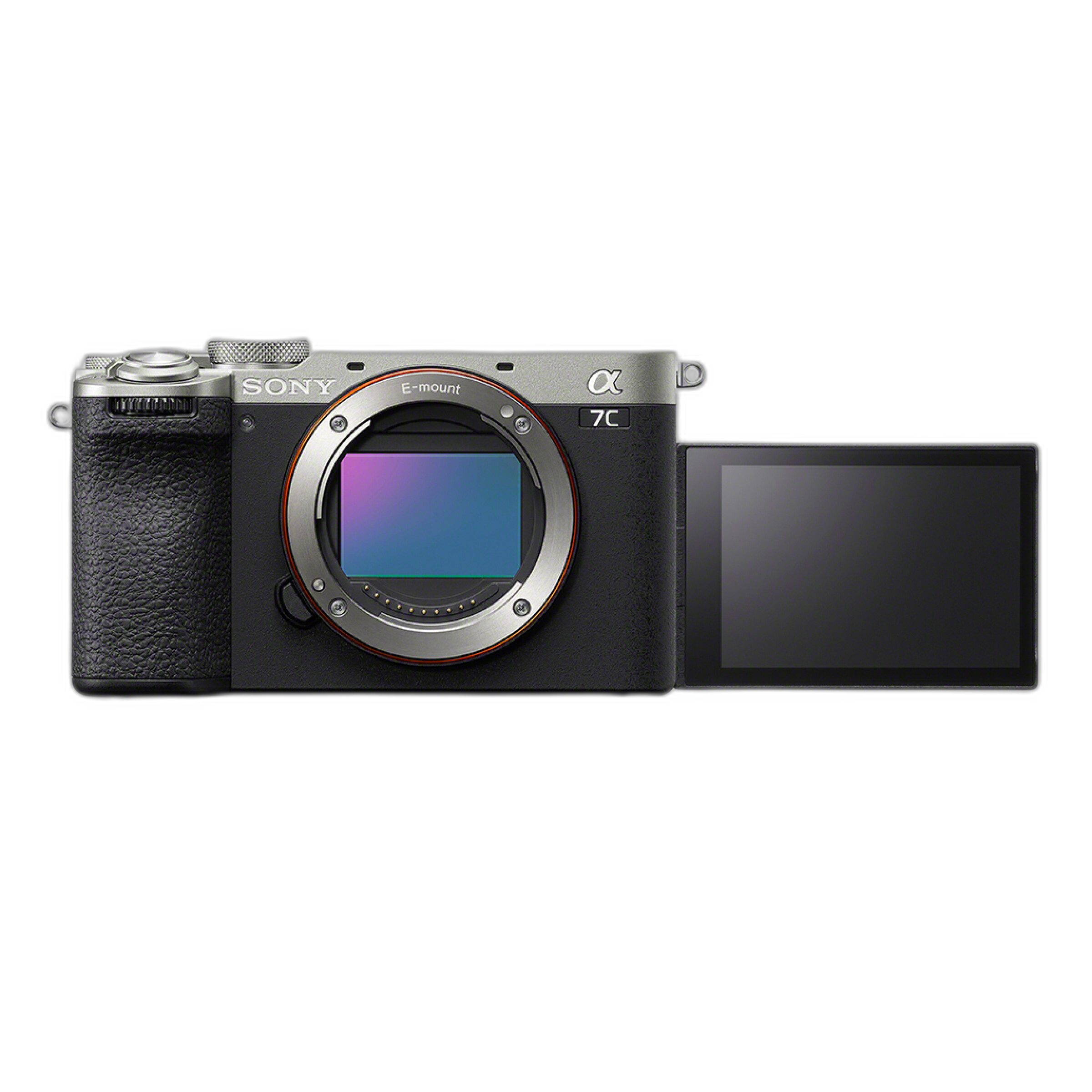
Still, for anyone serious about rendering style, sharpness options, subject isolation, or upgrading over time, the Sony system approach is far more capable.
Low-Light Performance
Low-light performance is where sensor size tends to become obvious in the real world. Full-frame bodies are generally better at controlling noise, preserving detail, and maintaining color quality at higher ISO settings. That matters for weddings, concerts, indoor events, street photography at night, and documentary work.
The Minolta bridge camera can work fine in good light, but as conditions get darker, smaller-sensor cameras usually face steeper compromises in noise reduction, shutter speed, and detail retention. If night shooting is part of your plan, the Sony platform is much more aligned with enthusiast and pro expectations.
For buyers specifically thinking about low-light learning and technique, educational tools can help too, but hardware still sets the baseline.
Zoom Range vs System Quality
The Minolta’s biggest selling point is practical reach. A 26x optical zoom gives you broad framing options without investing in multiple lenses. For vacations, sightseeing, casual wildlife viewing, or family use, that can be very appealing. It is a grab-and-go solution.
The Sony body-only listing, however, assumes you are choosing your own lens strategy. That means a higher upfront investment and more planning, but also far better control over image quality. A good telephoto on the Sony can outperform a superzoom-style camera in overall image rendering, autofocus behavior, low-light capability, and subject separation, though it will cost more and add bulk.
Professional Use and Workflow
For professional photography, the Sony A7C II is the more credible tool by a wide margin. Mirrorless full-frame systems fit into demanding workflows with RAW editing, lens specialization, multi-body ownership, and client delivery expectations. The Minolta is better understood as a convenience camera rather than a body for paid assignments or advanced hybrid production.
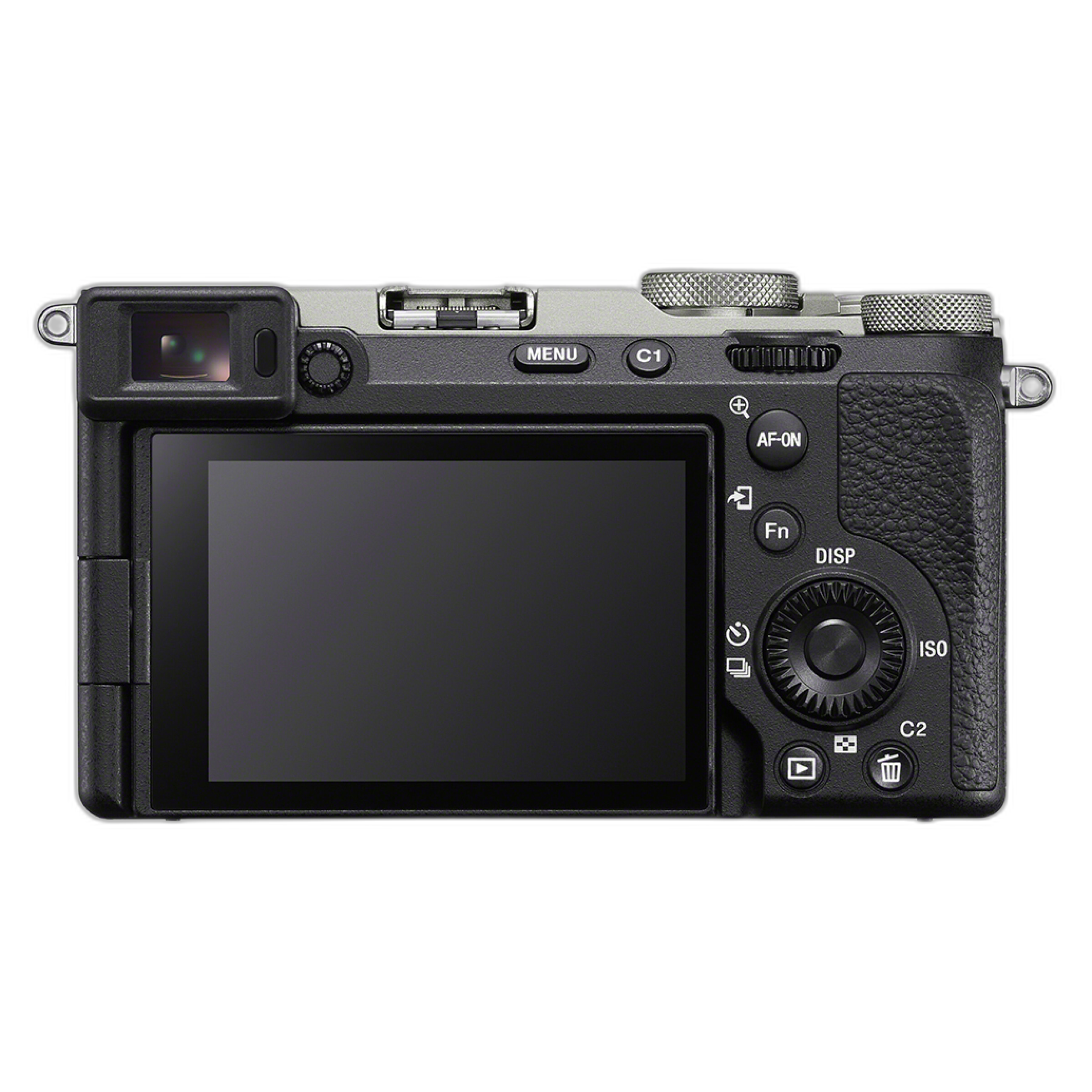
There is one important caveat: the Sony offered here is a used As Is unit with a scratch on the sensor. That condition issue can affect image integrity, especially at certain apertures or in uniform backgrounds. Professionals should evaluate such a purchase very carefully because repair or replacement costs may reduce the value proposition.
Portability and Everyday Practical Benefits
Bridge cameras remain popular because they keep everything in one unit. No extra lenses, no lens swapping, no sensor exposure during changes, and no deeper system buy-in. For travel and general convenience, the Minolta has an easy argument.
The Sony A7C II is relatively compact for a full-frame mirrorless camera, but the overall carry experience depends heavily on which lenses you pair with it. With a small prime it can still be a compact high-end setup, but with zoom lenses the kit grows quickly.
Maintenance and Ownership Considerations
Interchangeable-lens cameras require more care, especially around sensor cleanliness. Since the Sony listing already notes a scratch on the sensor, maintenance becomes part of the ownership conversation. Cleaners and sensor tools can help with dust and debris, though they cannot solve physical scratching.

The Minolta’s fixed-lens design simplifies some of that ownership burden because you are not regularly exposing the sensor area through lens changes.
Our Pick
Our Pick: Sony Alpha A7C II
If the conversation is truly about sensor size, image quality, lens compatibility, and long-term photographic benefits, the Sony A7C II is the stronger choice. It offers the full-frame foundation that enthusiasts and professionals usually want, plus access to a much broader creative lens ecosystem.
However, this specific listing comes with a serious warning: it is a used As Is camera with a scratch on the sensor. If you want the Sony for serious work, make sure the discount meaningfully offsets that condition issue. If you need a straightforward, budget-friendlier, all-in-one option and can accept lower image-quality potential, the Minolta MN26Z ProShot may be the more practical purchase.
Conclusion
For photographers debating full-frame image quality versus all-in-one convenience, this comparison really comes down to priorities. The Sony A7C II represents the enthusiast/pro path: larger sensor, better image potential, and lens-based system growth. The Minolta MN26Z ProShot represents simplicity: integrated zoom range, easier ownership, and immediate usability.
If your goal is the best photographic ceiling, the Sony platform wins. If your goal is convenience at a lower level of complexity, the Minolta makes more sense. For shoppers weighing these tradeoffs and exploring camera bodies, accessories, and used gear, Unique Photo is a strong place to compare your options and build the right kit.