Introduction: A Practical Lens Comparison Tool for Working Videographers
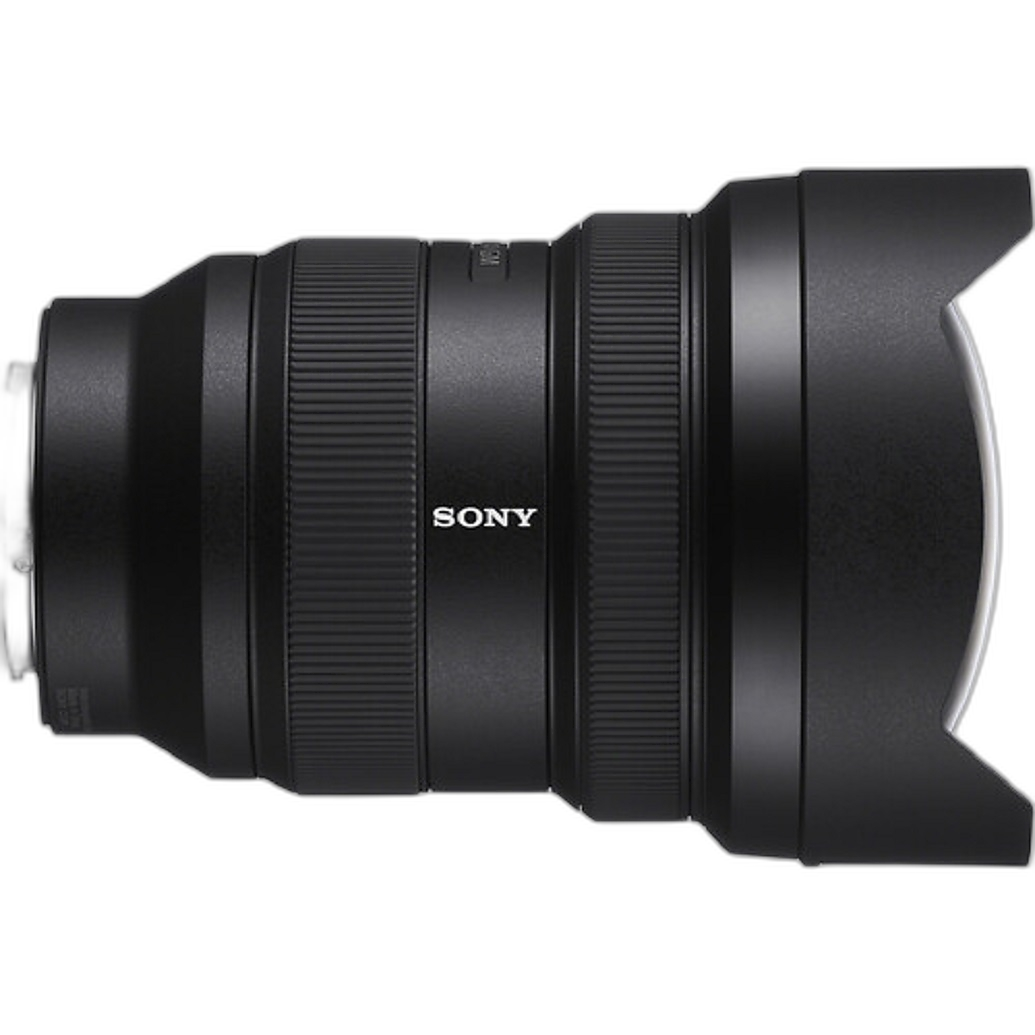
Sony’s Lens Compare Beta platform is the kind of tool videographers have been asking for: a more practical way to evaluate how lenses fit real-world shooting needs before committing to a purchase. Instead of comparing specs in isolation, filmmakers can use it to think through autofocus behavior, low-light potential, field of view, and whether a lens makes sense on a gimbal or handheld rig. For shooters building around Sony full-frame mirrorless bodies, two especially relevant options are the Sony FE 12-24mm f/2.8 GM Lens and the Sony FE 24-105mm f/4 G OSS Lens.
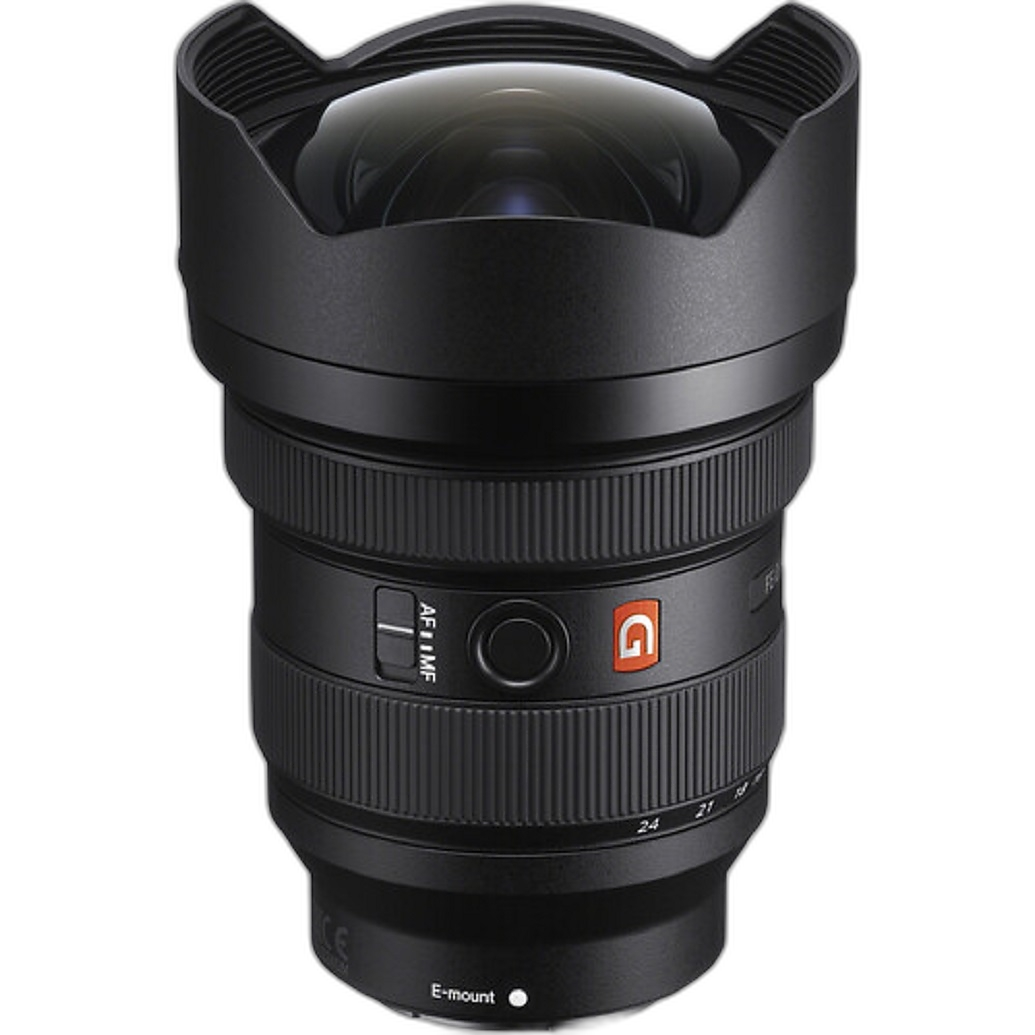
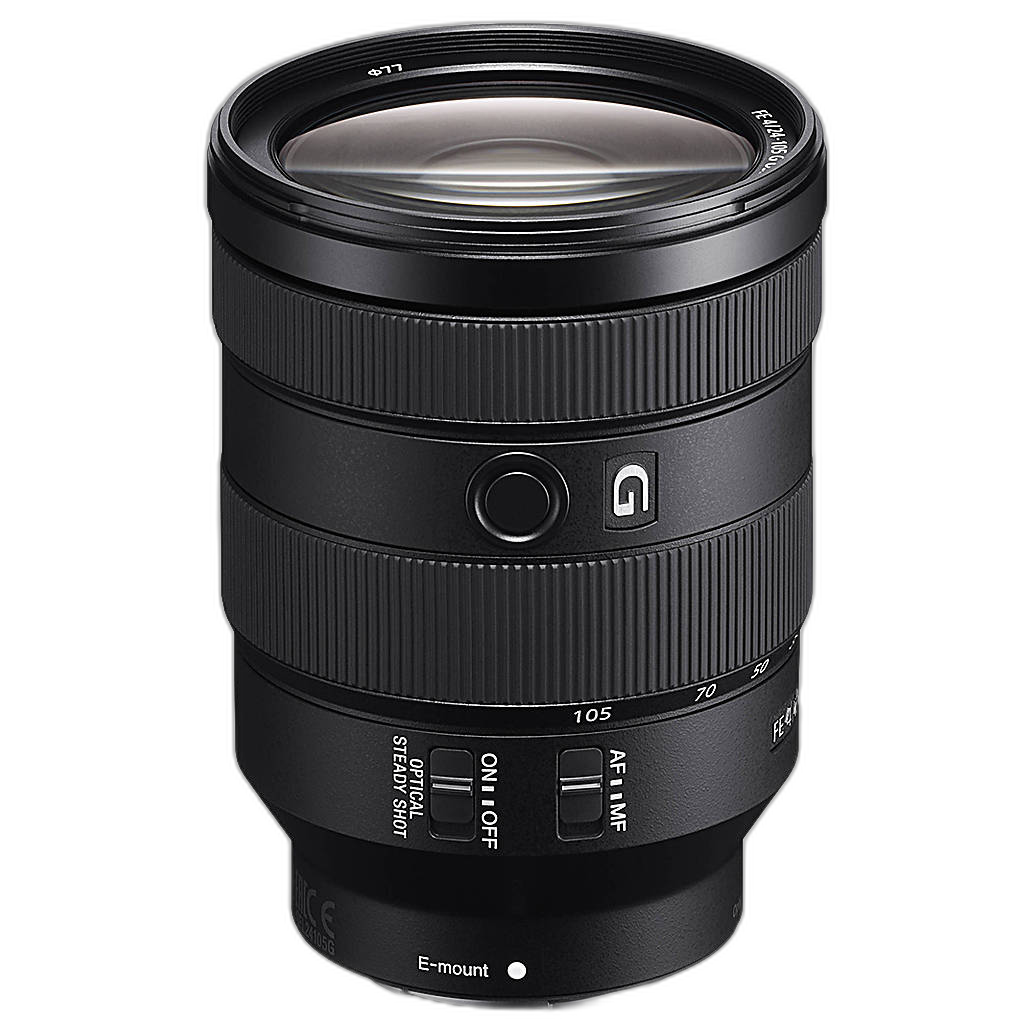
These two lenses serve very different video roles, and that’s exactly why they make such a useful case study for the Sony Lens Compare Beta experience. The 12-24mm f/2.8 GM is the premium ultra-wide choice for dramatic establishing shots, architecture, interiors, and active gimbal movement. The 24-105mm f/4 G OSS is the flexible all-in-one workhorse that many event filmmakers, documentary shooters, and run-and-gun creators rely on daily.
Videographers using the platform often share practical advice that goes beyond charts and marketing claims. The common pattern is clear: people compare autofocus confidence for tracking, evaluate low-light tradeoffs between aperture and stabilization, and swap anecdotal evidence about how each lens balances on gimbals. That makes this comparison especially valuable for buyers trying to choose the right lens at Unique Photo.
Product Positioning: Ultra-Wide Specialist vs Everyday Video Zoom
The Sony FE 12-24mm f/2.8 GM sits firmly in the high-end cinema-friendly hybrid category. It is designed for creators who need a fast ultra-wide zoom with premium optics and strong autofocus performance. In practical use, it appeals to real estate videographers, wedding shooters capturing packed dance floors, travel filmmakers, and creators who want an immersive perspective without stepping into fisheye territory.
The Sony FE 24-105mm f/4 G OSS, by contrast, is a lens that wins through versatility. It covers the focal range many videographers need most often, from moderate wide to short telephoto. It is the kind of lens that can stay mounted for an entire corporate interview day, documentary shoot, or event production. On Lens Compare Beta, this lens tends to stand out because users can immediately see how much ground it covers compared to carrying multiple primes or switching lenses mid-shoot.
Key Features and Real-World Video Performance
Sony FE 12-24mm f/2.8 GM: Autofocus Confidence for Dynamic Wide Shots
For videographers, autofocus on a wide lens can seem less critical than on a telephoto, but in practice it matters a lot when you are moving through space. The 12-24mm f/2.8 GM benefits from Sony’s premium lens design and is especially attractive to shooters using subject tracking on modern Alpha bodies. In Lens Compare Beta discussions, one recurring takeaway is that this lens makes active movement easier: face and eye tracking remain useful when walking backward in front of a subject, filming interiors, or making sweeping gimbal passes.
Anecdotally, wide-angle lenses often feel more forgiving in video autofocus because depth of field can help mask small focus transitions, but premium AF still matters when working at f/2.8 in closer compositions. Videographers comparing this lens on the platform often note that the confidence it inspires is part of the reason it is worth considering over slower ultra-wide alternatives.
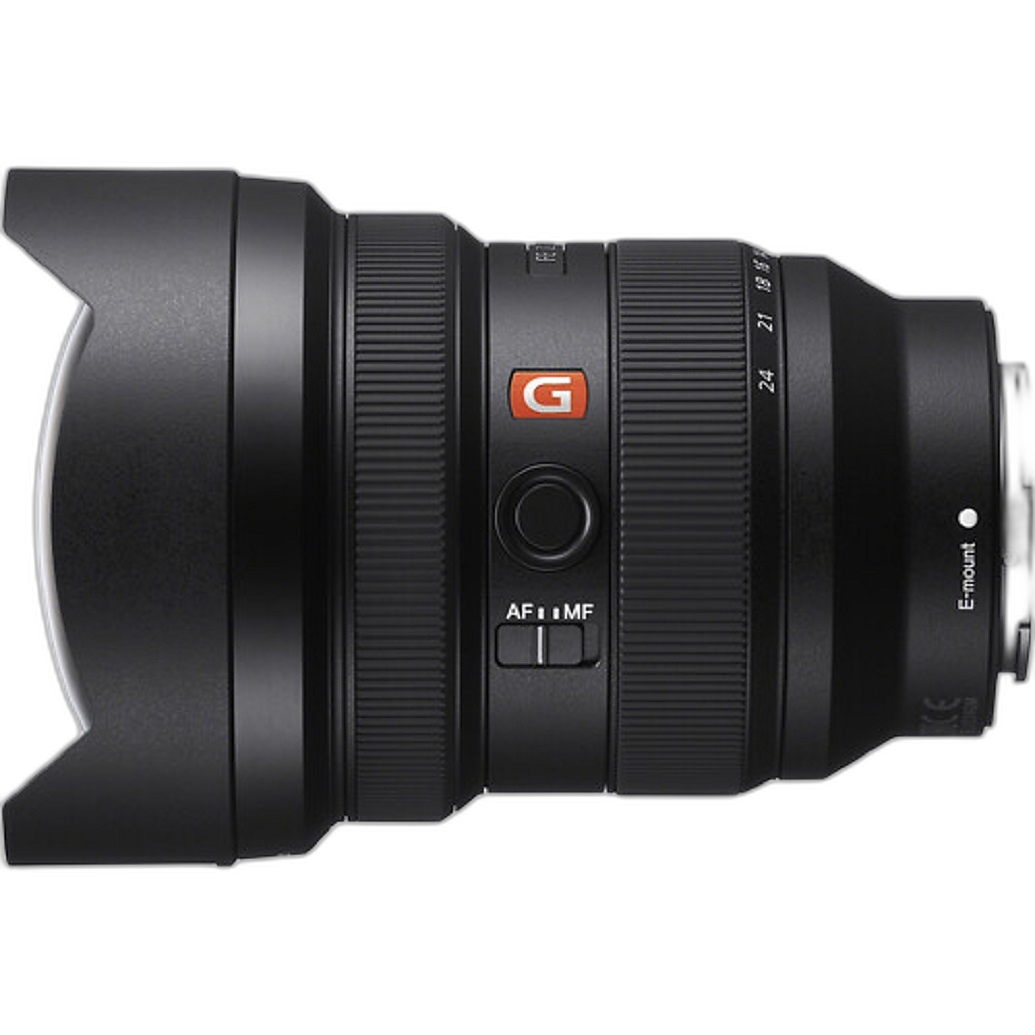
Sony FE 12-24mm f/2.8 GM: Better Low-Light Flexibility Than Most Ultra-Wides
The f/2.8 aperture is one of the biggest reasons this lens stands out in Sony’s system. In low-light event coverage, dim interiors, or pre-dawn travel shooting, the extra stop over an f/4 ultra-wide can make a meaningful difference. Lens Compare Beta is helpful here because it pushes videographers to think beyond focal length and ask whether the lens will hold up when ambient light drops and ISO needs to stay under control.
Users often share the practical point that with modern Sony sensors, an f/4 lens may still be usable in many situations, but f/2.8 gives more margin for cleaner footage and more flexible shutter-speed choices. For gimbal users shooting receptions, concerts, or nighttime city scenes, that added speed becomes a real advantage.
Sony FE 12-24mm f/2.8 GM: Excellent Gimbal Compatibility for Wide Cinematic Movement
Ultra-wide lenses are naturally friendly to gimbal work because they smooth out motion and reduce the appearance of shake. The 12-24mm f/2.8 GM is especially compelling for this style of shooting because it lets operators create energetic camera movement while maintaining a professional, immersive look. On Lens Compare Beta, this lens frequently emerges as the choice for creators who know they want dramatic movement and spacious framing.
In anecdotal use, videographers often mention that a lens in this class helps make balancing more forgiving than longer zooms, while the focal range gives enough flexibility to switch between expansive room shots and closer environmental views. If your workflow involves real estate tours, music videos, or action-forward travel sequences, this is where the 12-24mm GM becomes a standout.
Sony FE 24-105mm f/4 G OSS: A Run-and-Gun Autofocus Workhorse
The 24-105mm f/4 G OSS earns its reputation by being dependable in everyday production. Lens Compare Beta highlights that it spans a focal range that covers interviews, details, medium shots, and tighter documentary framing without changing lenses. For many videographers, that means less downtime, fewer lens swaps, and a much smoother production day.
Autofocus is one of the strongest reasons this lens remains popular. In real-world feedback, users often describe it as a trustworthy option for event coverage and solo operation, especially when one person is handling camera, audio, and lighting. While it may not have the headline appeal of a faster GM prime, it absolutely delivers where many professionals actually work: fast-paced assignments that reward consistency over specialization.
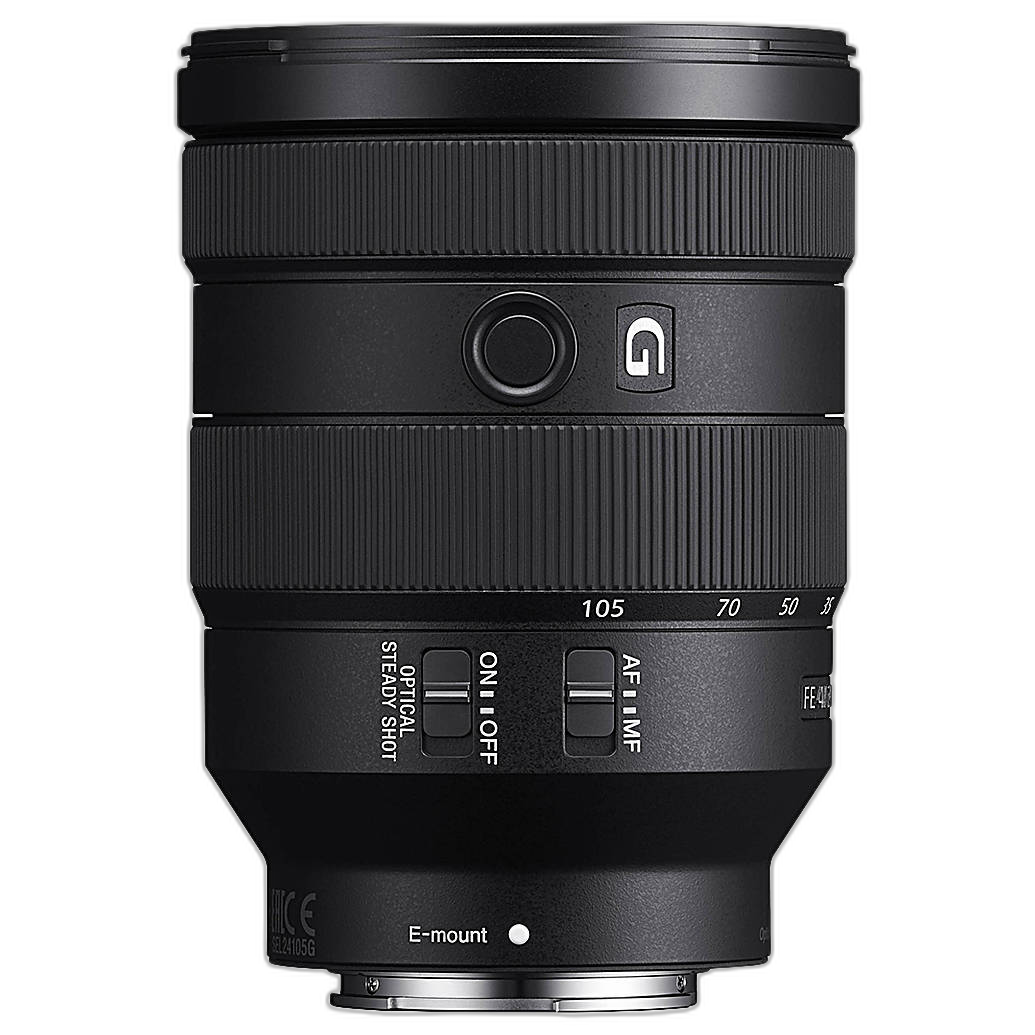
Sony FE 24-105mm f/4 G OSS: Stabilization and Low-Light Tradeoffs
One of the most useful things about Sony Lens Compare Beta is how it encourages a more nuanced low-light discussion. On paper, the 24-105mm f/4 G OSS gives up a stop to the 12-24mm f/2.8 GM. In practice, though, the built-in Optical SteadyShot changes the conversation for certain types of shooting. If you are filming static or slower-moving subjects, stabilization can help preserve smoother footage and reduce the need for extra support.
That said, videographers frequently point out the key tradeoff: stabilization helps with camera movement, not subject motion. For weddings, nightlife, or fast-moving handheld documentary coverage, f/4 can still feel limiting compared to faster glass. Still, on modern Sony bodies, many shooters find the lens highly usable in moderate low light, especially if the production value gained by its focal range outweighs the aperture compromise.
Sony FE 24-105mm f/4 G OSS: More Challenging on Gimbals, but Still Highly Practical
When users discuss this lens on Lens Compare Beta, gimbal balance is one of the most common real-world considerations. A 24-105mm zoom is naturally less gimbal-friendly than an ultra-wide because of its size, front weight, and broader usage range. Depending on the gimbal and camera body, balancing can take more effort, and zoom changes may alter handling expectations during a shoot.
Still, many videographers accept that compromise because the lens can replace multiple others in one package. Anecdotal evidence from working shooters often boils down to this: if the goal is maximum efficiency on a solo shoot, the 24-105mm makes sense; if the goal is the smoothest, most agile gimbal performance, the 12-24mm is usually the easier and more specialized choice.
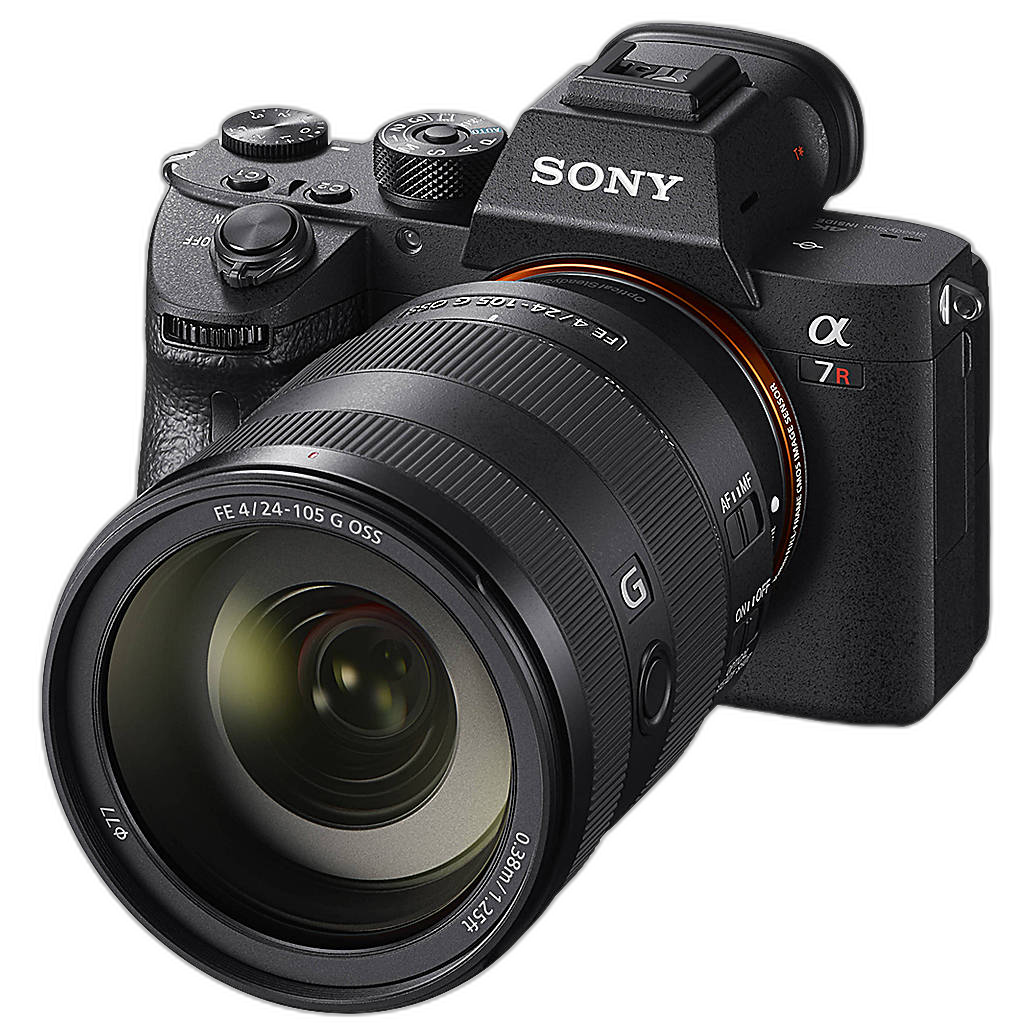
How Videographers Actually Use Sony Lens Compare Beta
The most valuable aspect of Sony Lens Compare Beta is that it supports decision-making from a working shooter’s perspective. Instead of just asking which lens is sharper, videographers compare use cases:
- For autofocus-heavy solo shooting: the 24-105mm f/4 G OSS often gets the nod for flexibility.
- For low-light wide-angle coverage: the 12-24mm f/2.8 GM offers a clear aperture advantage.
- For gimbal-focused cinematic movement: the 12-24mm GM is typically the more natural fit.
- For one-lens travel or documentary setups: the 24-105mm remains incredibly compelling.
What makes the platform useful is not that it gives a single answer, but that it helps clarify priorities. Community-style advice and anecdotal reports tend to reinforce what experienced videographers already know: the best lens is the one that fits the kind of production you do most often.
Pros and Cons
Sony FE 12-24mm f/2.8 GM Pros
- Fast f/2.8 aperture is excellent for low-light wide-angle video work
- Premium autofocus performance pairs well with Sony subject tracking
- Outstanding for gimbal shots, interiors, architecture, and establishing scenes
- Ultra-wide perspective creates dramatic, immersive footage
- High-end optical quality suitable for demanding professional use
Sony FE 12-24mm f/2.8 GM Cons
- Specialized focal range makes it less versatile as an everyday only lens
- Premium performance comes with a premium price
- Ultra-wide look may not suit interviews or more natural perspective work
Sony FE 24-105mm f/4 G OSS Pros
- Extremely versatile focal range for event, documentary, and corporate video
- Reliable autofocus performance for solo shooters and run-and-gun workflows
- Optical SteadyShot adds value for handheld and general-purpose use
- Can reduce lens changes and simplify production
- Strong all-around option for creators who need one dependable zoom
Sony FE 24-105mm f/4 G OSS Cons
- f/4 aperture is less ideal for demanding low-light subject motion
- Not as naturally suited to gimbal use as a wider, lighter-feeling lens
- Lacks the dramatic ultra-wide visual impact of the 12-24mm GM
Verdict: Which Lens Makes More Sense for Video?
If your primary goal is cinematic movement, dramatic perspective, strong low-light performance at wide focal lengths, and easier gimbal integration, the Sony FE 12-24mm f/2.8 GM Lens is the more exciting and more specialized video tool. It is the lens that stands out when Lens Compare Beta is used to prioritize immersive motion and premium wide-angle results.
If your work is centered around versatility, coverage, dependable autofocus, and reducing lens swaps during paid productions, the Sony FE 24-105mm f/4 G OSS Lens is the more practical everyday choice. For many videographers, especially those shooting events, documentary, corporate work, or travel, it may be the smarter first purchase.
Ultimately, Sony Lens Compare Beta works best as a decision aid, not a final verdict engine. The strongest practical advice coming from videographers is simple: choose the 12-24mm GM if your style depends on movement and space, and choose the 24-105mm G OSS if your work depends on flexibility and speed. Either way, both lenses are serious tools for Sony shooters, and Unique Photo is an excellent place to buy them when you are ready to build out your video kit.