Solo Videography FAQ: Essential Accessories for Interviews, Audio, and Run-and-Gun Kits
Shooting video alone means every accessory has to earn its place in your bag. When you are handling camera, audio, framing, and lighting by yourself, a streamlined kit can make interviews smoother, setup faster, and footage more consistent.
Below, our team at Unique Photo answers the most common questions solo creators ask when building a practical videography setup for interviews, handheld work, and compact productions.
What are the must-have accessories for filming interviews solo?
For a one-person interview setup, the essentials usually fall into four categories: stabilization, audio, monitoring, and basic light control. A stable support system is non-negotiable, because once you step in to adjust a mic or direct your subject, you need the frame to stay locked. Clean audio is just as important; viewers will forgive less-than-cinematic visuals faster than they will forgive bad sound. Monitoring tools, whether headphones or on-screen audio meters, help you catch issues before they ruin a take. Finally, simple accessories like filters or basic control over reflections can help keep image quality consistent.
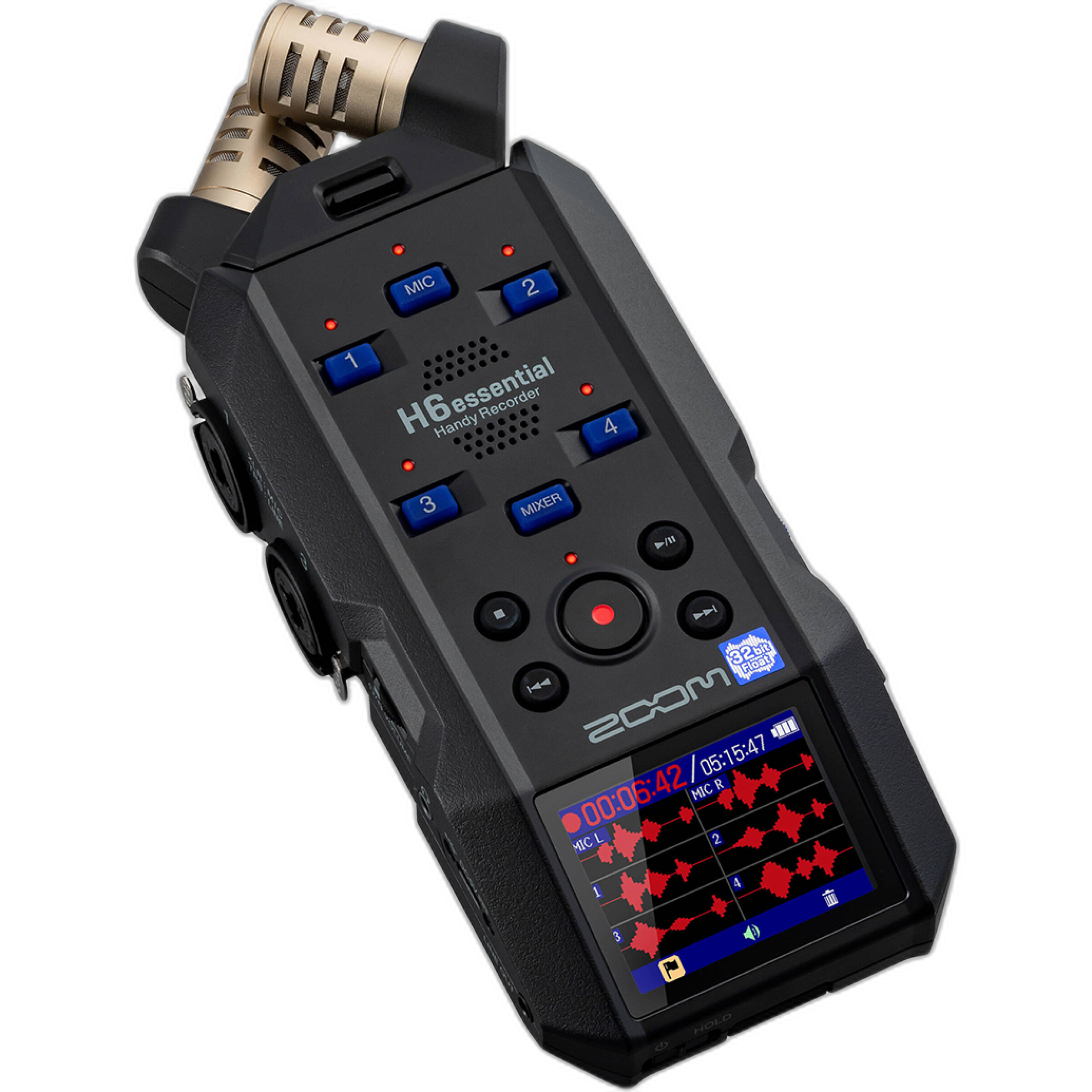
If audio is your top concern, a dedicated recorder like the Zoom H6Essential Series 6-Track 32-Bit Float Handheld Recorder is especially useful for solo operators. It gives you flexibility for interviews, backup recording, and more forgiving capture in unpredictable environments.
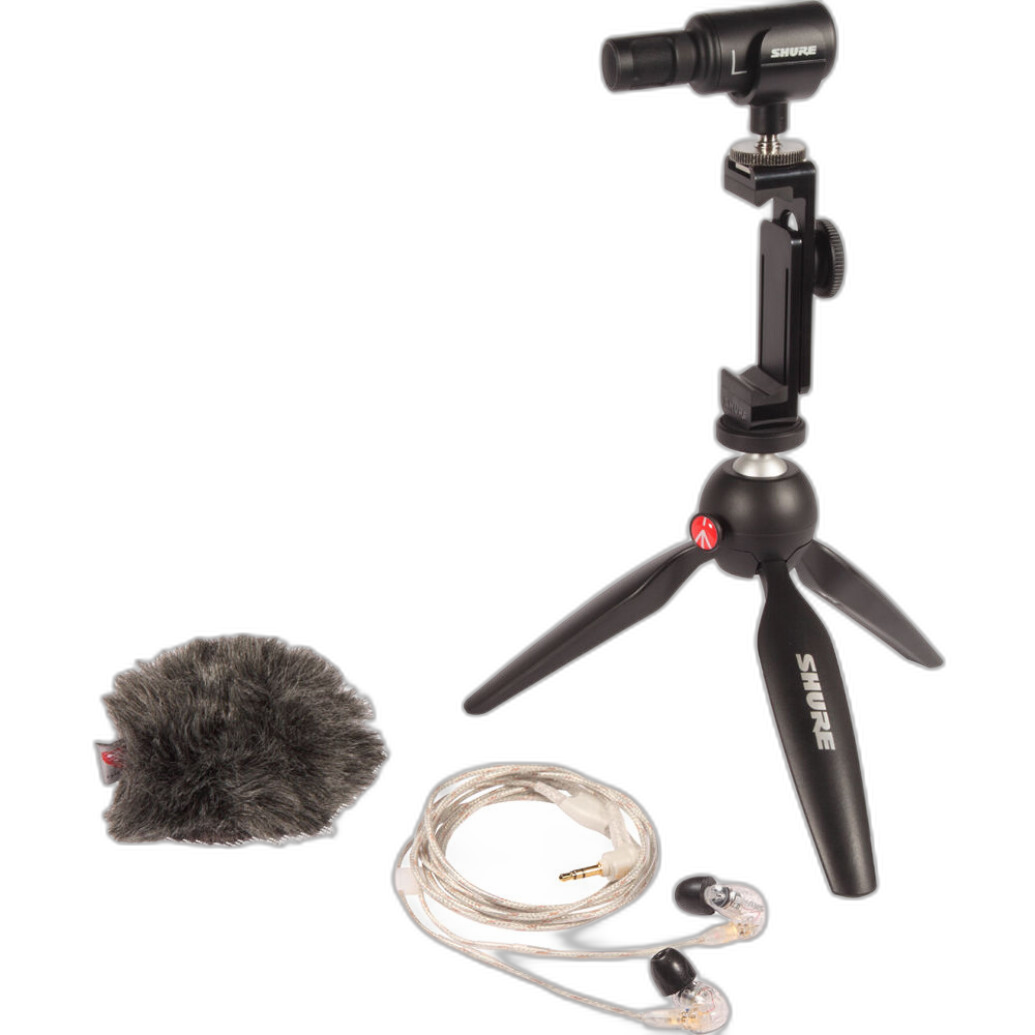
If you are building a small mobile audio kit around a phone or compact camera, the Shure MV88+ SE215-CL Portable Videography Bundle can also simplify solo production by combining portable microphone tools with monitoring-friendly accessories.
What matters most in a compact tripod for solo video work?
A compact tripod should be fast to deploy, stable enough for your camera and lens combination, and easy to adjust without slowing down production. For solo interviews, leg locks and head adjustments should be intuitive enough to operate while you are also managing talent and audio. Height range matters too: a tripod that can quickly get to seated eye level is often more valuable than one that is merely lightweight.
Reliability is usually more important than extreme portability. A shaky tripod creates distracting micro-movements that undermine interview footage, especially with longer lenses. If you are filming in offices, homes, or event spaces, look for a tripod that balances travel-friendly size with enough rigidity to hold your composition. Many solo shooters also prefer systems that pack quickly, since teardown speed matters after a long day.
Are gimbals necessary for solo shooters, or is a tripod enough?
It depends on the kind of work you do most. For seated interviews, a tripod is the better first investment because it delivers repeatable framing and frees you up to focus on conversation and sound. For walk-and-talks, venue coverage, behind-the-scenes clips, or dynamic b-roll, a gimbal becomes far more valuable.
Solo operators should be realistic about workflow. A gimbal can create polished movement, but it also adds setup time, balancing time, and battery management. If your projects are mostly static interviews with occasional cutaway footage, start with dependable support and strong audio. If your style leans toward movement-heavy storytelling, then a compact gimbal can be worth the extra gear in your bag.
How do on-camera mics compare to lavaliers for single-person setups?
On-camera microphones are convenient and fast, which makes them attractive for solo shooters who need to stay mobile. They work well for ambient sound, quick documentary-style clips, and situations where you cannot wire a subject quickly. The tradeoff is distance: once the microphone is mounted on the camera, audio quality depends heavily on how far the subject is from the lens.
Lavaliers are usually the better choice for interviews because they place the microphone much closer to the speaker's mouth. That means more consistent dialogue, less room echo, and better intelligibility. For solo work, lavaliers can take a little more time to place and conceal, but that extra setup often pays off with cleaner sound and less repair work in editing.
A practical approach is to think of on-camera mics as convenient and lavaliers as interview-focused. If you want a compact solution for flexible solo production, the Shure MV88+ SE215-CL Portable Videography Bundle is a smart option for creators who value portability and monitoring in one package.
Why would a solo videographer use a dedicated audio recorder instead of recording straight into the camera?
Dedicated recorders give you more control, better input flexibility, and a safer workflow for interviews. A recorder can handle multiple microphones, provide cleaner preamps depending on the setup, and make it easier to capture backup audio. That matters when you do not have a second crew member listening for problems full-time.
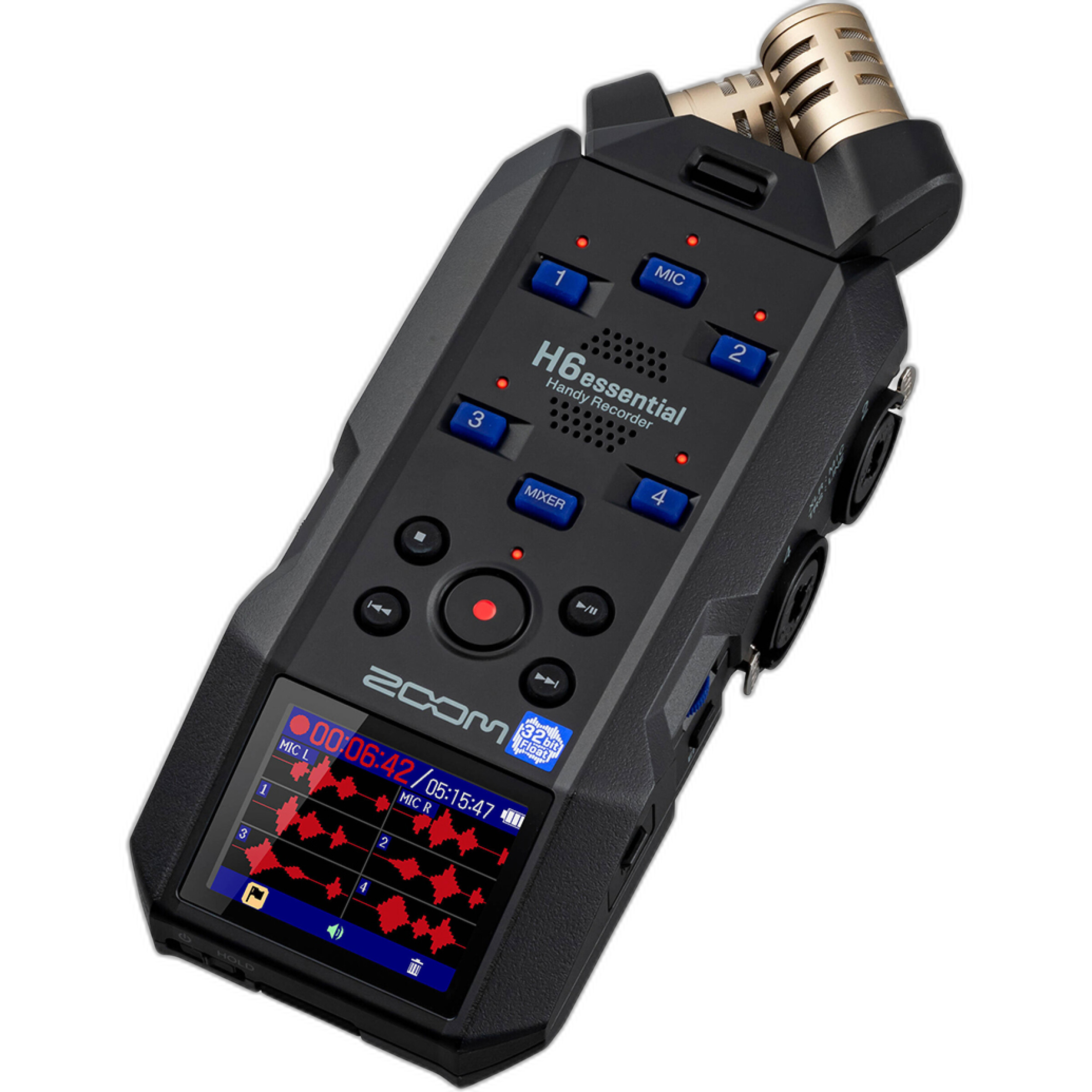
The Zoom H6Essential Series 6-Track 32-Bit Float Handheld Recorder is particularly appealing for solo shooters because 32-bit float recording offers extra protection against sudden volume spikes. In real-world interview environments, levels can change quickly when a subject laughs, raises their voice, or turns their head. A recorder with this kind of latitude can reduce stress during production and help preserve usable takes.
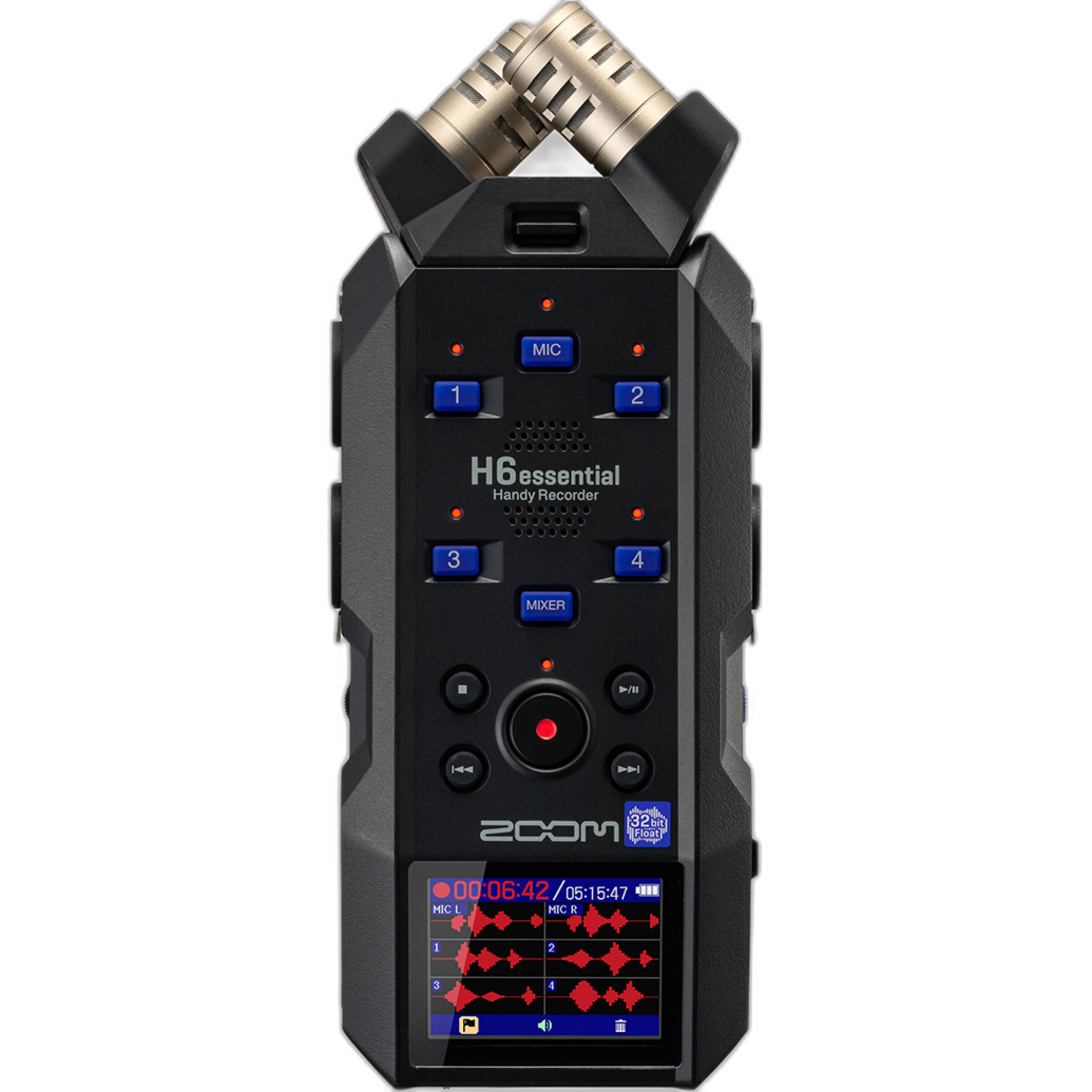
For creators capturing dialogue, room tone, and backup tracks at the same time, a dedicated recorder is often one of the best upgrades you can make.
What lighting accessories help most when you are shooting interviews alone?
Solo interview lighting should prioritize speed and consistency. Rather than building a complicated multi-light setup every time, many creators benefit most from a simple key light and careful placement relative to available room light. The real accessory advantage comes from reducing variables: keeping your subject separated from bright windows, minimizing harsh overheads, and using simple tools to control glare or reflections.
Filters can also help in certain situations, particularly when you are balancing exposure outdoors or dealing with reflective surfaces. Tiffen filter kits are useful additions for creators who want a compact way to manage image control in changing conditions. Even small tools like these can make solo shooting more predictable.
How can I keep my solo videography kit compact without sacrificing quality?
The key is choosing multi-purpose accessories. Instead of carrying duplicate tools, look for gear that solves more than one problem. A portable audio bundle that supports mobile creation, a field recorder that can serve as both primary and backup capture, and a support system that works for interviews and b-roll all help reduce clutter.
Compact kits also benefit from standardizing your workflow. Use the same mounting points, the same audio monitoring habits, and the same checklist at every shoot. Fewer variables means fewer mistakes. For many solo creators, a recorder like the Zoom H6Essential paired with a streamlined microphone solution such as the Shure MV88+ SE215-CL Portable Videography Bundle creates a practical foundation that is easier to manage than a pile of mismatched accessories.
What is the best way to improve my solo videography skills beyond just buying accessories?
Accessories help, but technique and workflow matter just as much. Learning how to place a microphone properly, frame an interview efficiently, and work quickly in real locations can save more time than any single gear purchase. That is why hands-on education is such a smart complement to building your kit.
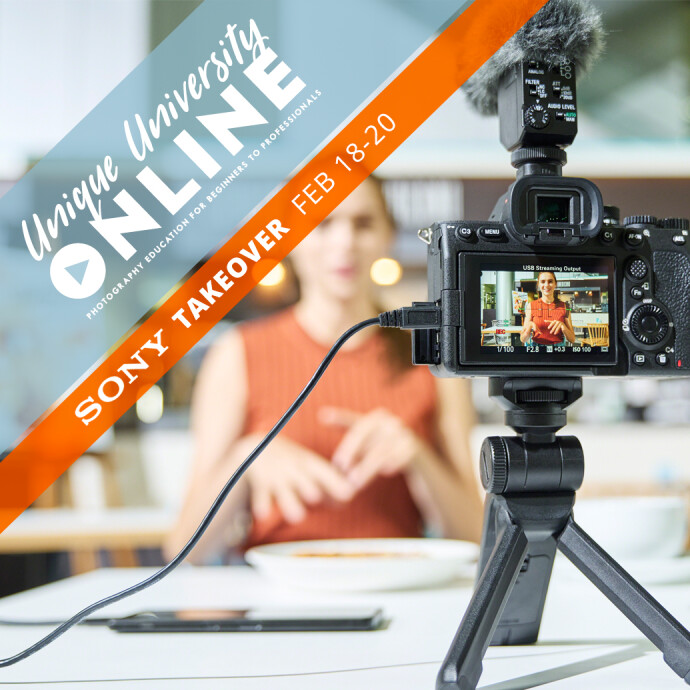
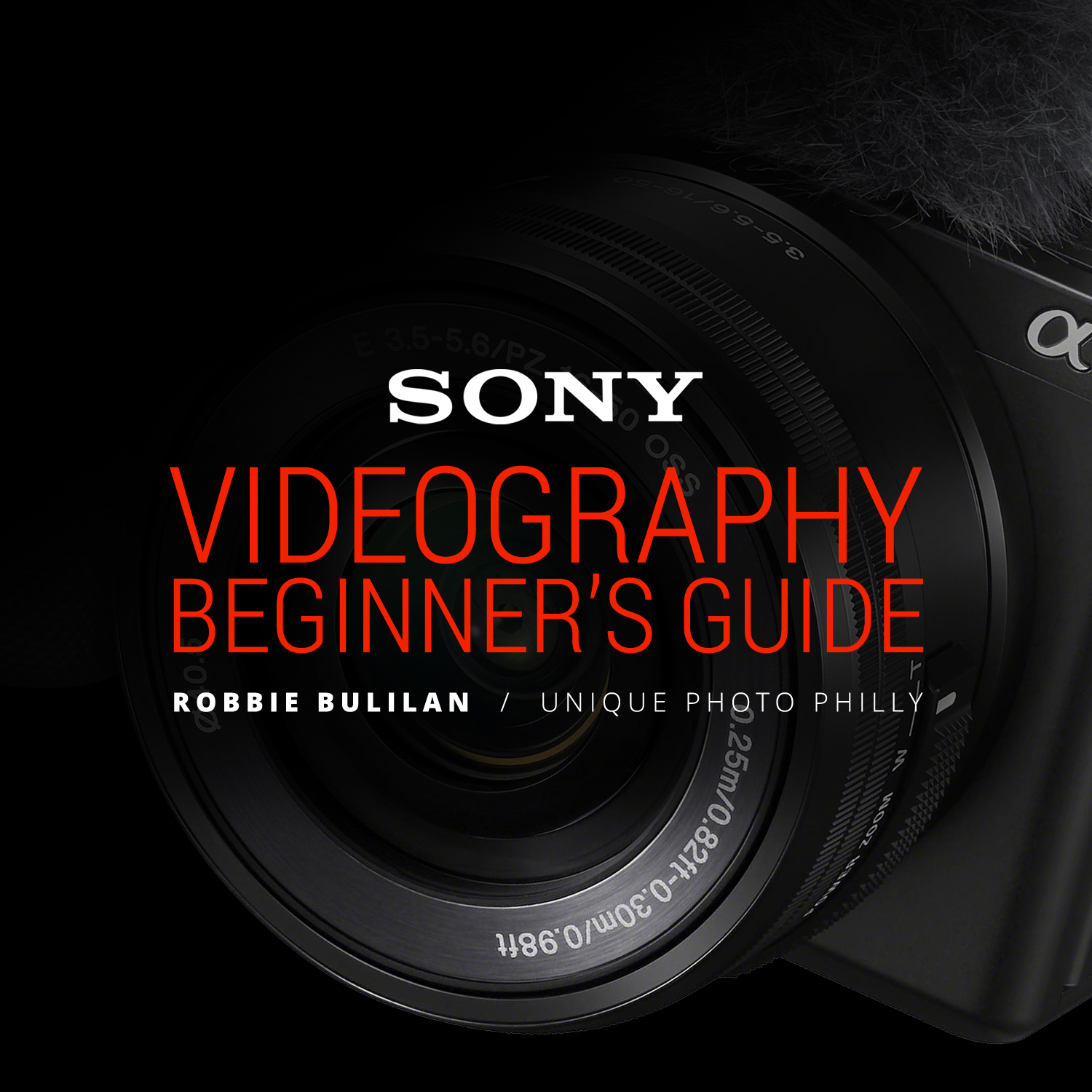
Unique Photo offers learning opportunities for creators who want to strengthen their fundamentals. Classes like UUOnline (Sony Takeover): Videography Basics with Sony and events like the Videography Beginners Guide with Sony can help solo shooters better understand setup, movement, audio, and production choices before their next job.
Are webcam and hybrid shooting accessories useful for solo video creators?
Yes, especially if your work includes remote interviews, livestreaming, online teaching, or content creation from a home studio. Hybrid creators often need gear that works both for recorded projects and live online sessions. Accessories designed for webcam-style setups can help simplify mounting, connectivity, and workflow when using a compatible camera as a streaming or conferencing tool.
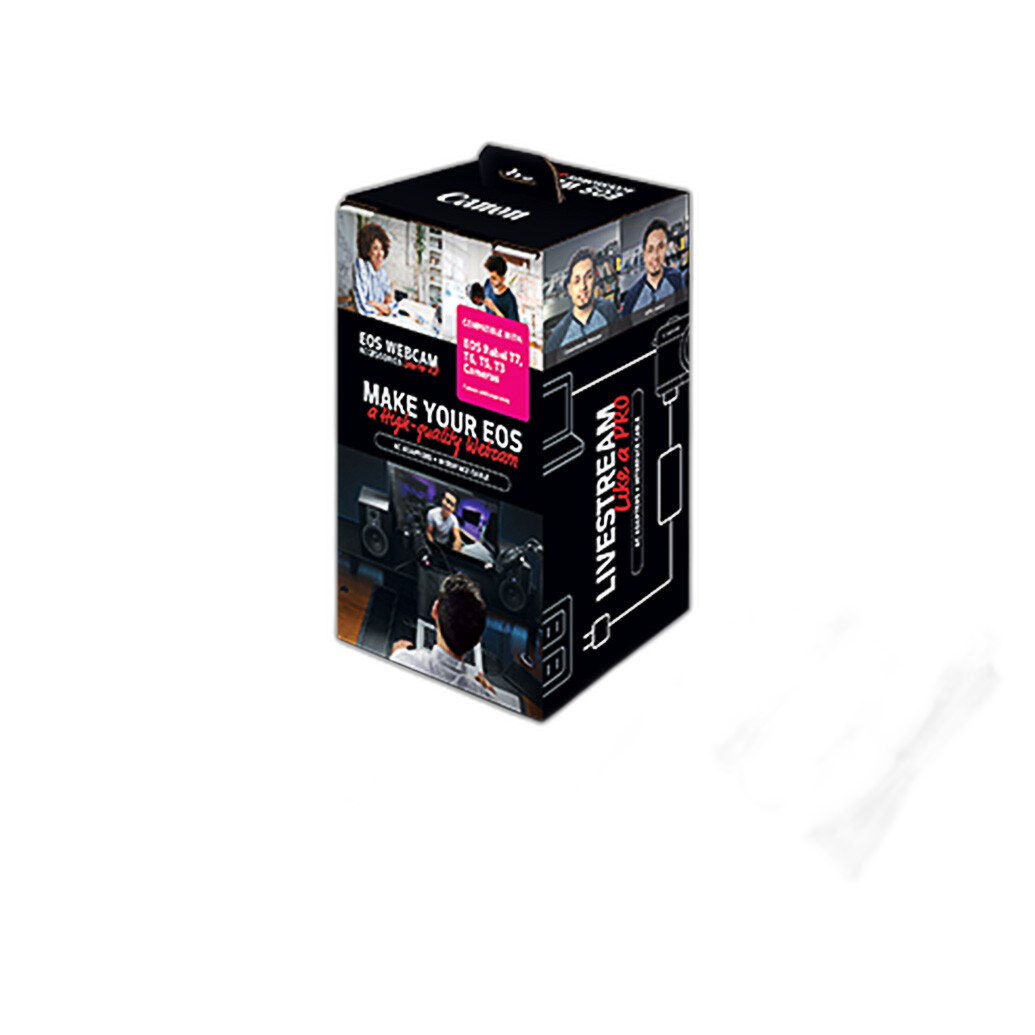
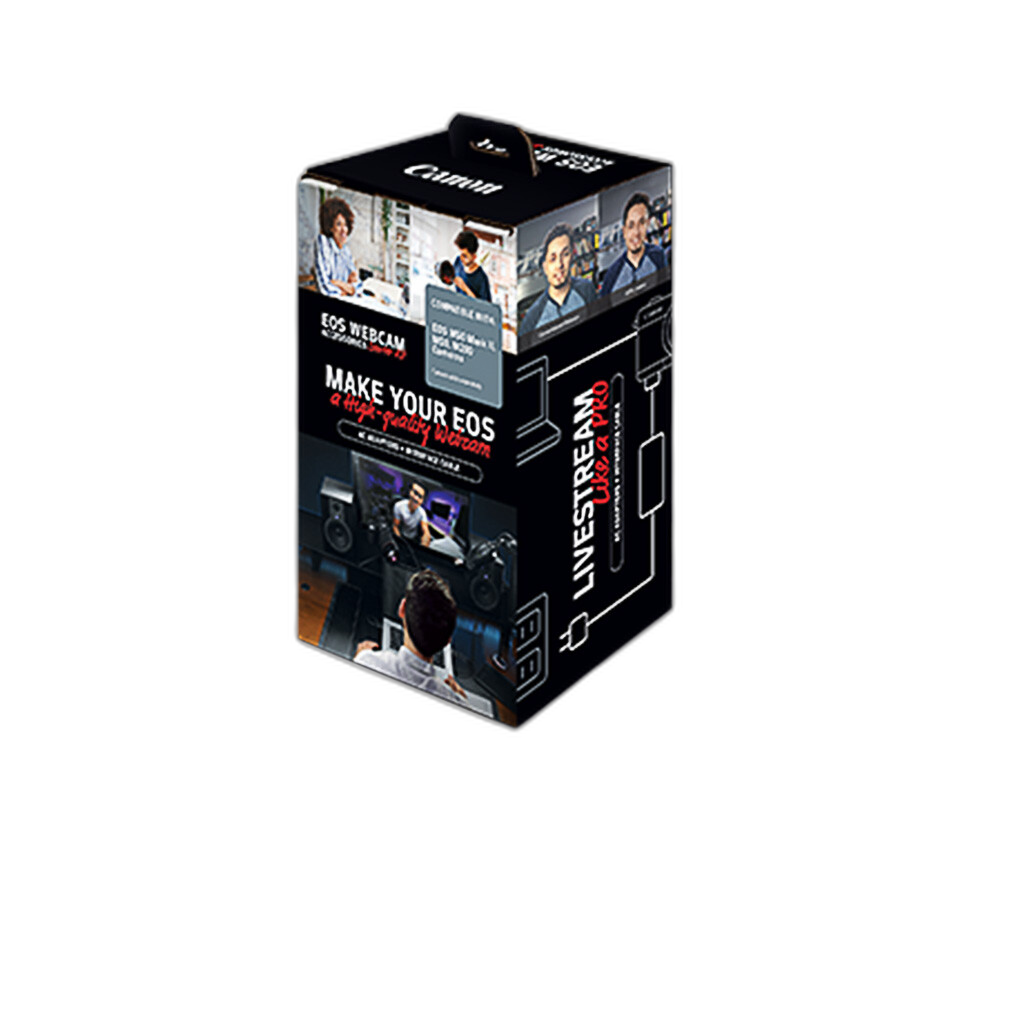
If you shoot with compatible Canon cameras, the Canon EOS Webcam Accessories Starter Kit for EOS Rebel Cameras or the Canon EOS Webcam Accessories Starter Kit for EOS M Cameras can be useful additions for creators who split time between field production and desktop-based video work.
For many solo videographers, the ideal kit is not just about filming on location. It is also about being ready for client calls, remote recordings, livestreams, and hybrid production workflows.
Building a better solo videography kit is all about reducing friction: stable support, dependable audio, and accessories that keep setup simple. If you are ready to upgrade your interview workflow or create a more efficient one-person video setup, shop with Unique Photo for expert gear guidance, classes, and accessories that help you shoot with confidence.