Budget Documentary Video Camera FAQ: What Features Matter Most?
Choosing a documentary camera on a budget is rarely about one spec alone. For real-world filmmaking, the best option is the one that balances image quality, stabilization, audio, reliability, and speed of operation for the way you actually shoot.
At Unique Photo, we often help filmmakers compare mirrorless-style priorities with professional camcorder features. If your documentary work includes interviews, handheld coverage, fast-changing events, and long recording sessions, understanding those tradeoffs can save you money and frustration.
What should I look for in a budget documentary camera first?
Start with the fundamentals: dependable recording, usable autofocus or manual control, good audio connectivity, stabilization strategy, and a lens setup that matches the pace of documentary work. Image quality matters, but a camera that is difficult to rig, hard to monitor, or awkward to capture clean audio with can slow down production more than a modest difference in codec or color depth.
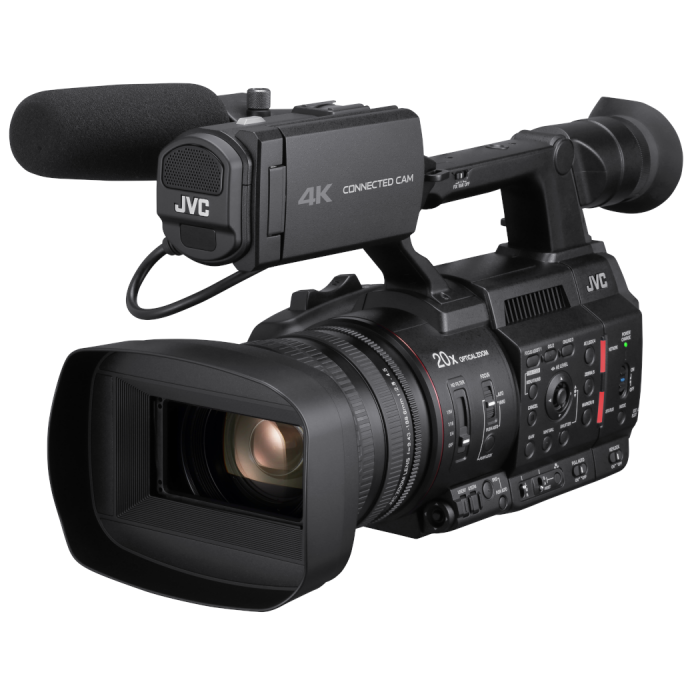
For many documentary shooters, a professional camcorder design is still one of the most practical choices because it combines a built-in zoom lens, long recording capability, physical controls, and pro video ergonomics. A model like the JVC GY-HC500U Handheld Connected Cam 1in 4K Professional Camcorder is especially appealing when you want an integrated package rather than building out a more complex rig.
What camera under $2000 offers the best image quality for documentaries?
In this price-sensitive category, the better question is often: what gives you the best usable image quality for your shooting style? Documentary filmmakers benefit from cameras that can deliver clean 4K or HD, handle mixed lighting, and maintain quality over long takes without overheating or requiring constant lens changes.
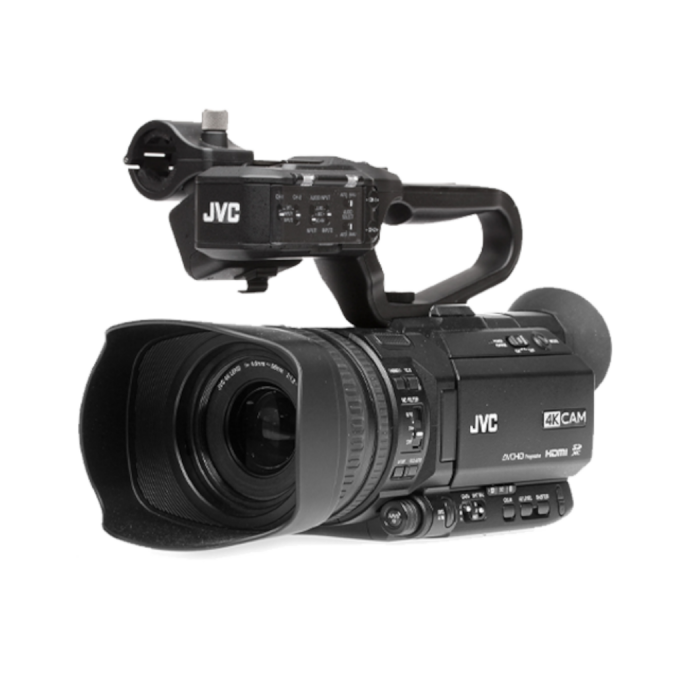
If your budget is tight, a compact pro camcorder can be a smarter value than chasing headline specs. The JVC GY-HM250SP Compact Handheld Camcorder with Integrated 12x Lens offers a practical all-in-one approach with a built-in lens and documentary-friendly handling. While some filmmakers focus only on sensor size or advanced recording formats, many real productions benefit more from a camera that is ready to work the moment you turn it on.
If you can stretch beyond entry-level options, stepping into a connected 4K camcorder platform can improve both image flexibility and workflow. That is where the JVC GY-HC500U stands out for filmmakers who want a more production-oriented tool.
How important is IBIS for handheld documentary shooting?
In-body image stabilization can be very helpful, especially for walk-and-talk footage, vérité shooting, and quick pickups without support gear. But IBIS is not the only path to stable handheld results. Camera balance, grip design, lens range, operator technique, and whether you can brace the camera against your body are just as important in documentary work.
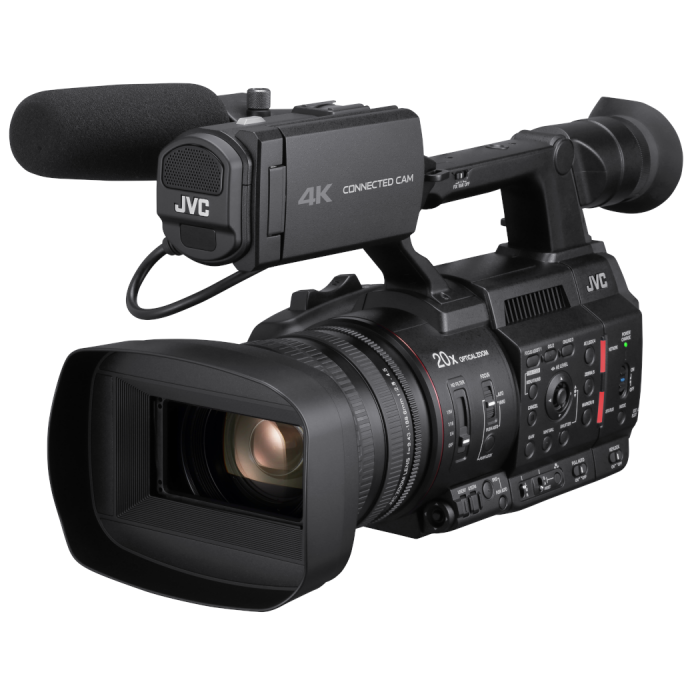
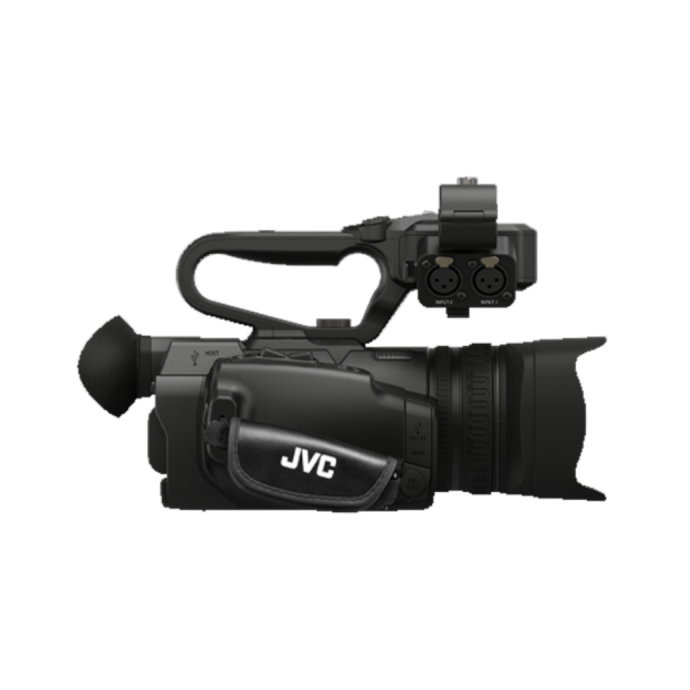
Handheld camcorders remain relevant because they are designed for stable operation over longer periods. Their shape, handgrip, top handle, and integrated lens often make them easier to control than smaller interchangeable-lens bodies. A camcorder such as the JVC GY-HC500MC Handheld 4K 20x Zoom Connected Camcorder is a strong example of a platform built around efficient handheld shooting.
If you frequently shoot while moving, IBIS is useful, but it should not outweigh overall handling and workflow. Many documentary filmmakers get better real-world results from a stable camcorder form factor than from relying on stabilization alone.
Should I prioritize audio inputs or 10-bit recording for interviews?
For interviews, clean audio usually matters more than the difference between basic and more advanced recording specs. Viewers will tolerate a slightly less flexible image more easily than distracting, noisy, or poorly recorded sound. If your interview setup involves lavaliers, boom microphones, or field mixers, dedicated audio inputs and manual audio controls should be near the top of your list.
That does not mean 10-bit recording is unimportant. If you plan to color grade heavily, match multiple cameras, or recover highlights and shadows in challenging lighting, richer recording formats offer a real advantage. But for many documentary interviews, especially in controlled lighting, professional audio connectivity delivers the most immediate production value.
This is one reason many filmmakers gravitate toward pro camcorders: they are designed around complete acquisition, not just sensor performance. Models in JVC's handheld connected camcorder family are appealing because they support the practical needs of interview production, from longer takes to more direct professional operation.
Are camcorders better than mirrorless cameras for documentaries?
They can be, depending on the assignment. Mirrorless cameras are popular for their compact size and cinematic image potential, but camcorders still offer major advantages for documentaries: power zoom lenses, faster setup, better run-and-gun ergonomics, extended recording, and simpler audio integration.
If your shooting day includes interviews, B-roll, events, and unpredictable coverage, a camcorder can reduce the need for extra cages, adapters, and lens swaps. The JVC GY-HC500U is a strong example of an all-in-one documentary camera that favors speed and reliability. For shooters covering community stories, field reporting, behind-the-scenes pieces, or institutional documentaries, that convenience can be more valuable than building out a hybrid camera body.
How much does low-light performance matter in documentary filmmaking?
Low-light performance is important, but it should be evaluated in context. Documentaries often involve available-light shooting, dim interiors, and fast-changing environments, so a camera that stays clean at higher sensitivities is useful. However, low-light ability should be balanced against lens flexibility, stabilization, autofocus behavior, and how quickly you can adapt on location.
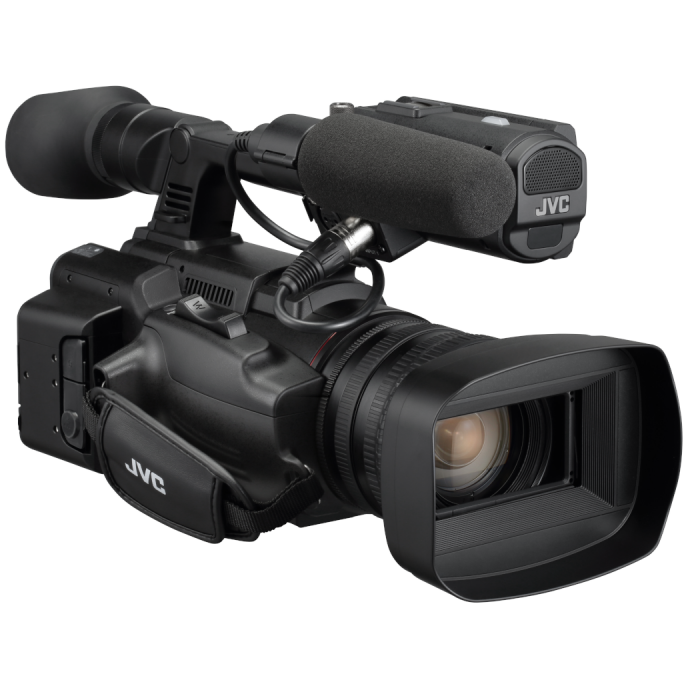
A one-inch class professional camcorder like the JVC GY-HC500U is attractive because it aims for a strong balance of image quality and operational speed. In documentary work, that balance can be more useful than choosing a camera solely because it performs better in extreme darkness on paper. The best camera is the one that keeps you shooting confidently in real environments.
When does a PTZ camera make sense for documentary production?
PTZ cameras are not a typical first choice for solo documentary roaming, but they can be excellent for multi-camera interviews, panel discussions, live documentary events, educational productions, and fixed-position coverage where you want remote operation. They are especially useful when you need unobtrusive capture or want to control cameras from a central position.
The JVC KY-PZ400N 4K NDI HX PTZ Remote Camera with 12x Optical Zoom is well suited to productions that blend documentary storytelling with live streaming or event capture. For HD workflows, the JVC KY-PZ200N HD NDI HX PTZ Remote Camera is another smart option when networked control and discreet placement matter.
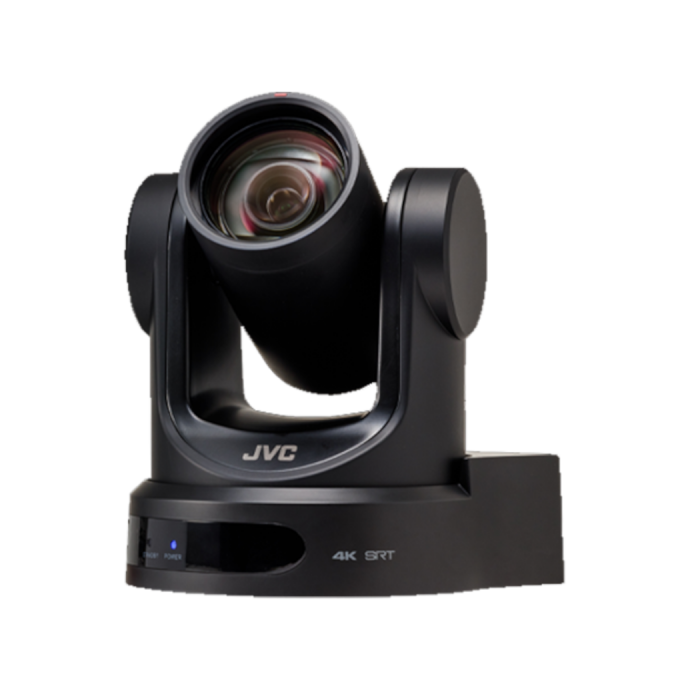
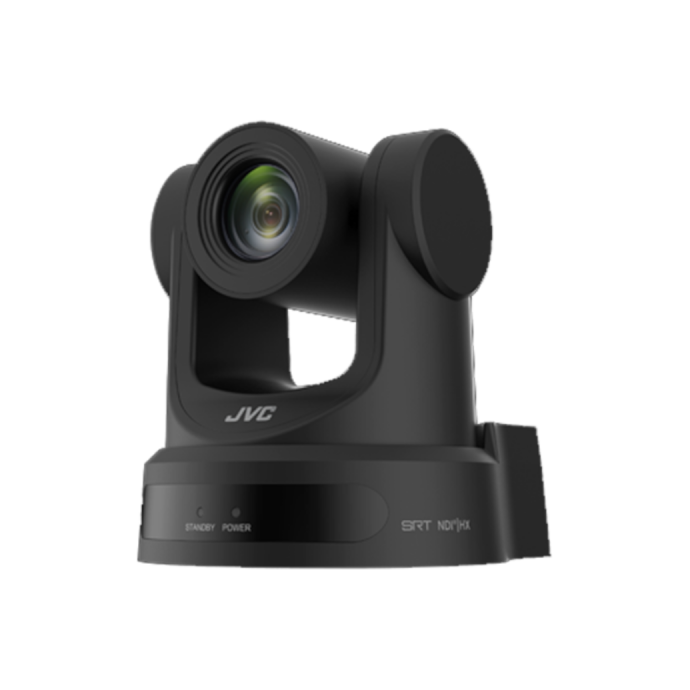
PTZ systems are particularly valuable for interview series, documentary talk formats, houses of worship storytelling, and nonprofit productions where a small crew needs to cover a lot efficiently.
Is a built-in zoom lens better than interchangeable lenses for docs?
For many documentary shooters, yes. A built-in zoom lens can be one of the biggest workflow advantages you can have. It lets you move from wide establishing shots to tighter interview framing or detail shots instantly, without stopping to swap lenses or expose your sensor in dusty or unpredictable environments.
That flexibility is a major reason compact and handheld camcorders remain strong documentary tools. The JVC GY-HM250SP and JVC GY-HC500 series both support the kind of quick focal length changes that documentary crews rely on when moments are happening only once.
What is the best type of camera for long-form interviews and extended recording?
For long interviews, lectures, testimonials, and documentary sit-downs, professional camcorders are often the safest choice. They are designed for sustained use, convenient power options, dependable controls, and a production workflow built around recording for longer periods without unnecessary interruptions.
If you want a dedicated interview camera with professional handling, the JVC GY-HC500U is an excellent fit. If your production also includes remote multi-camera operation, adding a PTZ model like the JVC KY-PZ200N can create a highly efficient interview setup with one fixed wide angle and one operated primary camera.
How should I choose between portability and professional features?
Think about the kind of documentary work you do most often. If you travel light, shoot solo, and need one camera that can move quickly from B-roll to interviews, a compact or handheld camcorder gives you a strong mix of portability and professional capability. If your productions involve planned interviews, live components, or multi-camera recording, stepping up to more specialized video tools can improve both quality and workflow.
The right answer is usually the camera that removes the most friction from your process. For some filmmakers that means a compact integrated-lens camcorder like the JVC GY-HM250SP. For others, it means a more advanced connected model such as the JVC GY-HC500U or even a PTZ solution for fixed-position coverage.
Documentary filmmaking rewards preparation, speed, and reliability as much as pure image specs. If you are comparing budget-friendly video cameras for interviews, handheld coverage, or long-form production, Unique Photo can help you find the best fit for your shooting style and workflow.