Canon RF vs Sony E-Mount for Hybrid Shooters: Frequently Asked Questions
Choosing between Canon RF and Sony E-mount is one of the biggest decisions hybrid creators face today. If you shoot both stills and video, the right system is not just about camera specs—it is about lens options, autofocus behavior, workflow, ergonomics, and how the system will support your work over time.
At Unique Photo, we help photographers and filmmakers compare systems based on real-world use. Below, we break down the most common questions about Canon RF and Sony E-mount for hybrid shooting so you can make a more confident choice.
1. Which ecosystem has the better lens selection for hybrid shooting?
For sheer breadth, Sony E-mount currently has one of the deepest lens lineups available for hybrid creators. That includes native Sony glass across ultra-wide, standard zoom, telephoto, portrait, and video-friendly focal lengths, plus broad third-party support. For creators who want maximum flexibility right now, that is a meaningful advantage.
Canon RF, however, has built a strong premium lens system with excellent optical quality, especially for photographers who want top-tier native performance. Canon RF lenses often appeal to shooters who prioritize color, rendering, and seamless integration with Canon bodies. The tradeoff is that lens selection can feel more curated and, in some categories, less expansive than Sony’s ecosystem.
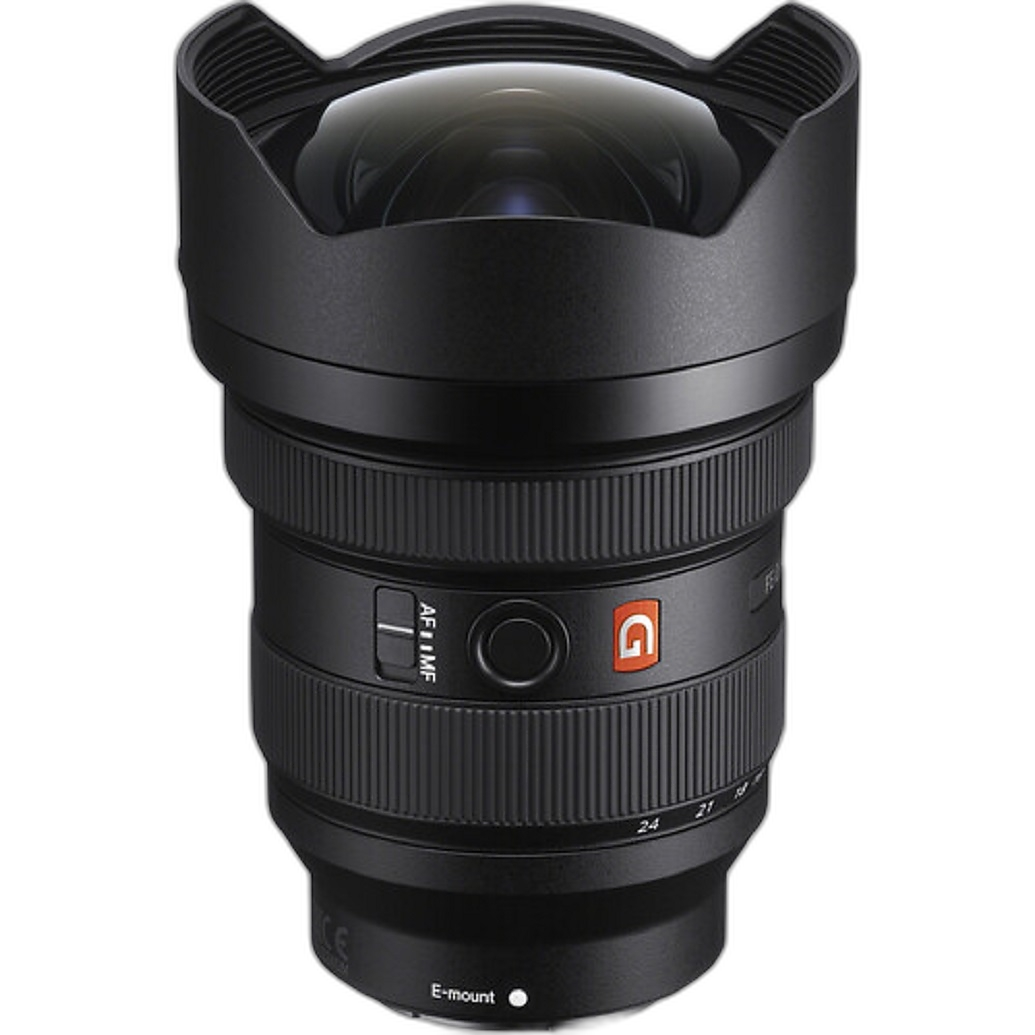
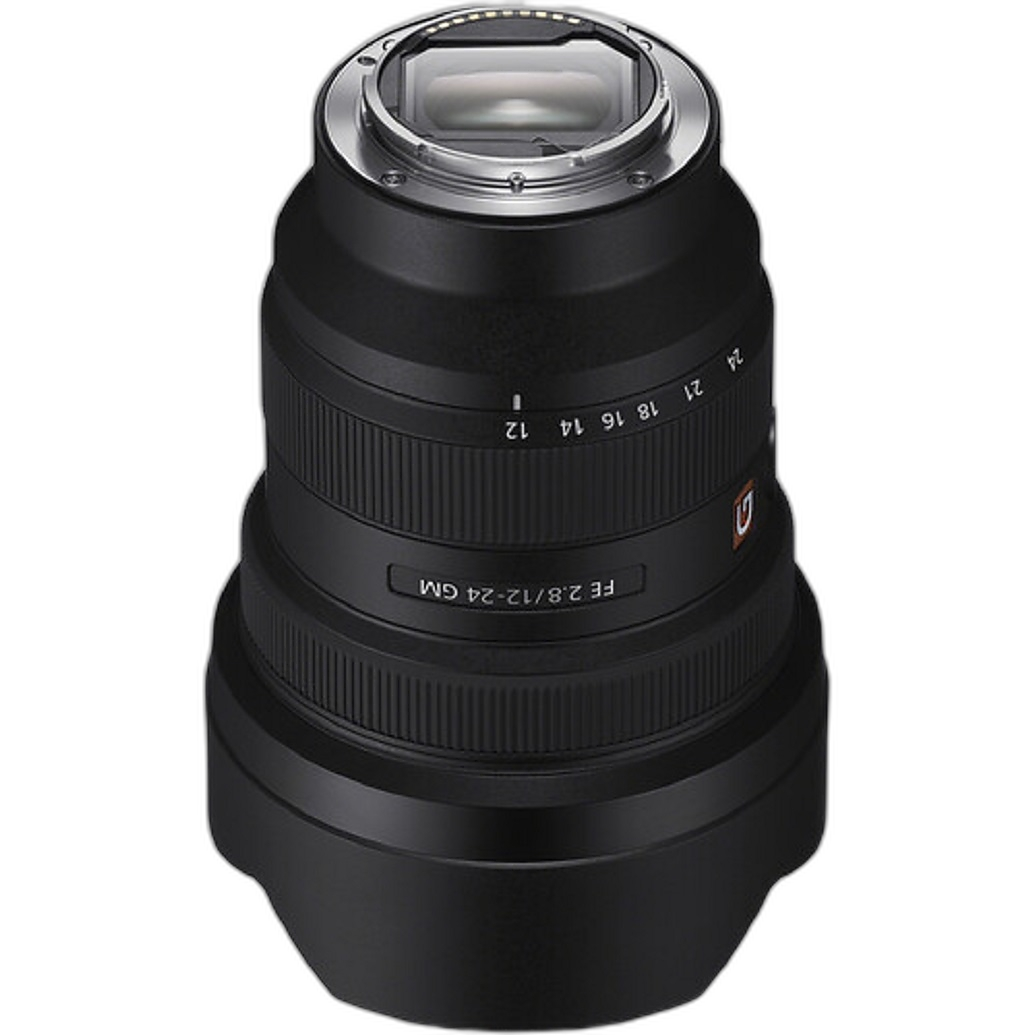
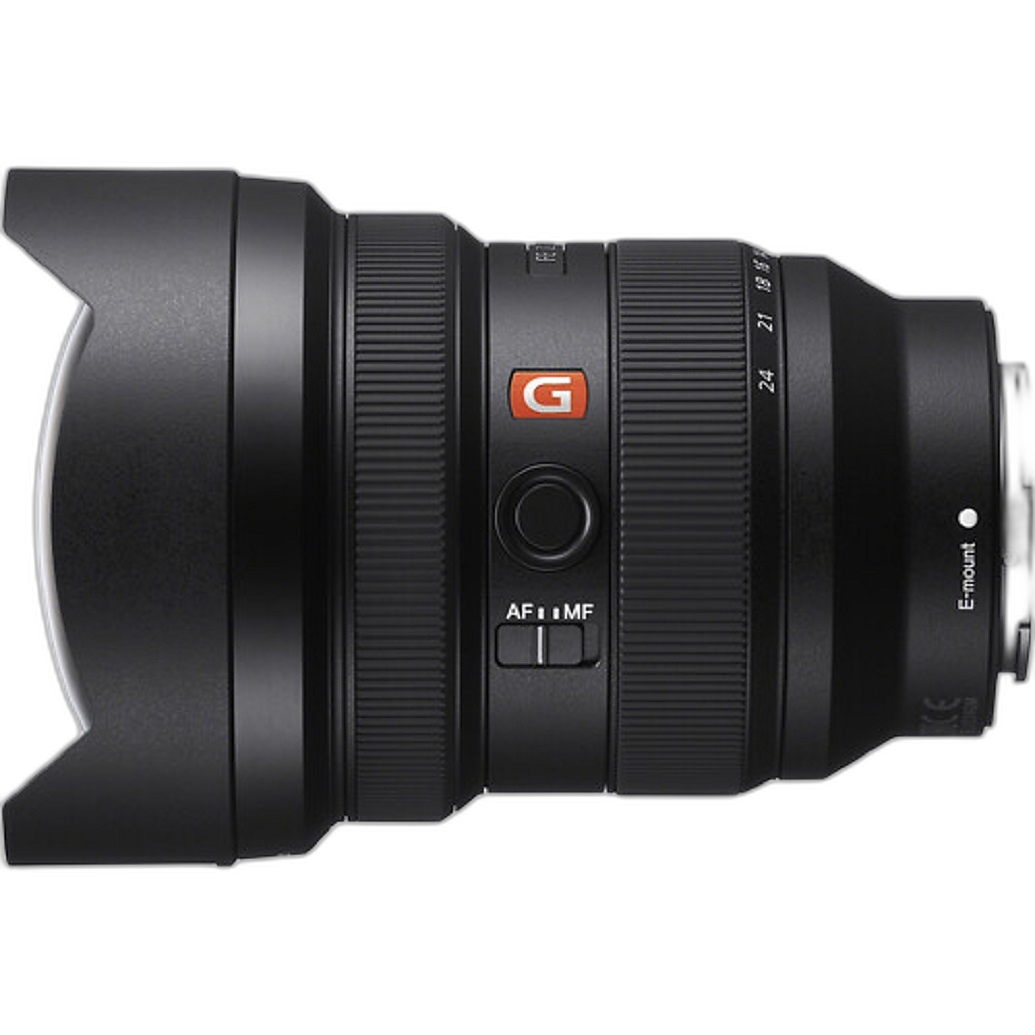
For example, Sony users looking for a premium wide option for architecture, real estate, landscapes, or dramatic establishing shots can consider the Sony FE 12-24mm f/2.8 GM Lens. It is a strong fit for both stills and video when you need a fast ultra-wide zoom.
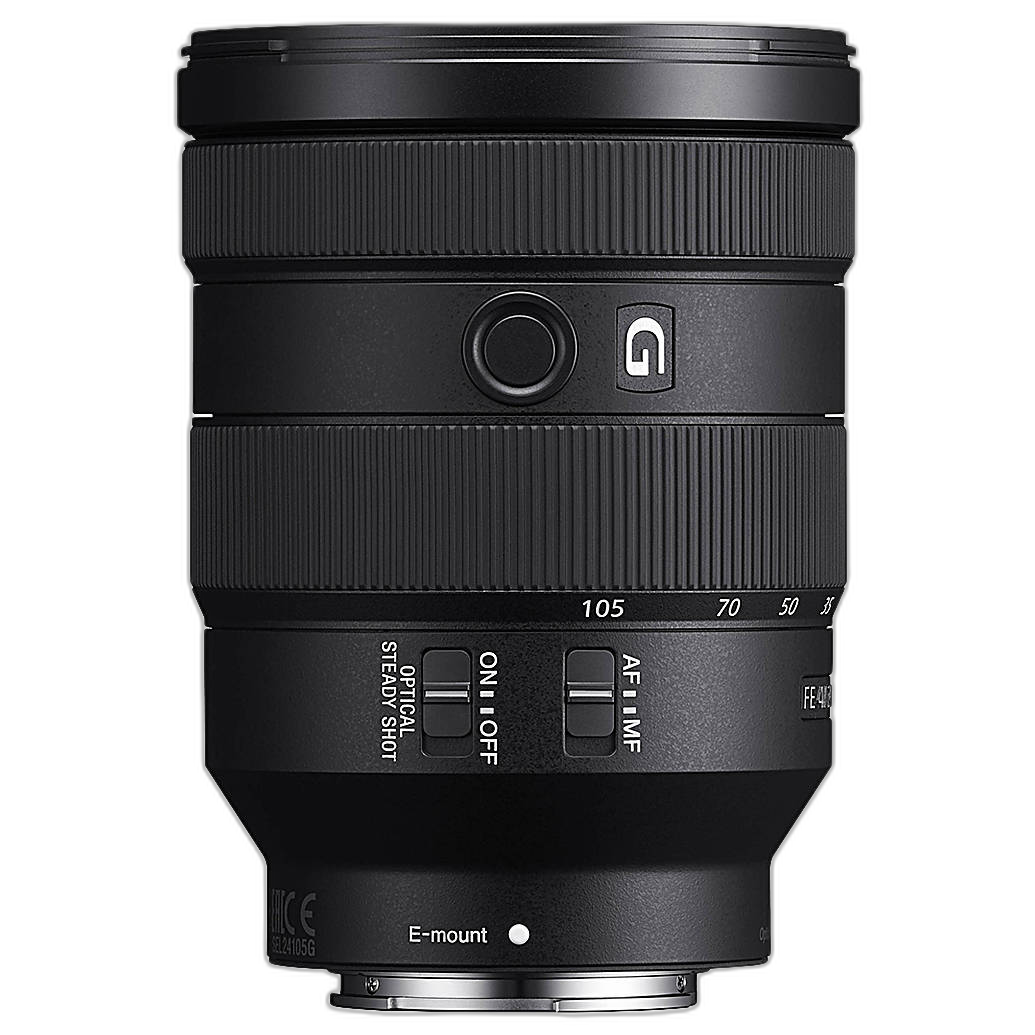
If your work calls for an all-around hybrid zoom, the Sony FE 24-105mm f/4 G OSS Lens is a practical option because it covers a useful range for events, interviews, travel, and general-purpose content creation.
In short: Sony often wins on total lens variety and ecosystem maturity, while Canon RF remains highly appealing if you prefer Canon’s native lens philosophy and body-lens integration.
2. Is Canon RF better for photographers who also shoot video?
Canon RF is often especially attractive to photographers first and videographers second. Many hybrid shooters appreciate Canon’s ergonomics, menu structure, color science, and straightforward handling for stills work. If your workflow leans heavily toward portraits, weddings, editorial, or commercial stills with high-quality video as a secondary priority, Canon RF can be a very satisfying system.
Canon also appeals to creators who want a polished user experience with strong autofocus and dependable image quality. For many users, the decision comes down to how the camera feels in hand and how intuitive it is to operate under pressure. That is something spec sheets alone do not capture.
If you are investing in Canon gear for the long term, protecting that purchase matters too. A service plan like Canon CarePAK PLUS can make sense for professionals and enthusiasts who want extra peace of mind on eligible gear.

3. Is Sony E-mount better for video-first hybrid creators?
For many video-first users, Sony E-mount is extremely compelling because the ecosystem is so mature. Sony bodies are often chosen for strong video feature sets, broad codec options, dependable subject tracking, and a lens lineup that supports everything from solo creator work to advanced productions.
Another major advantage is lens availability across price points and specialties. If you shoot gimbal work, vlogging, interviews, documentary pieces, travel content, or commercial video, Sony users have many native lens choices that fit those needs. A lens like the Sony FE 24-105mm f/4 G OSS is especially useful for hybrid shooters because it spans wide to short telephoto and includes stabilization, making it a versatile single-lens solution for many assignments.
That does not automatically mean Sony is the right choice for everyone, but if video is central to your work and you want the broadest lens roadmap, Sony E-mount deserves serious consideration.
4. How does autofocus compare between Canon RF and Sony for video?
Both Canon and Sony offer excellent autofocus for modern hybrid shooting, and either system can deliver strong results for interviews, events, documentary work, and solo production. The differences tend to show up in how each system behaves rather than whether it works at all.
Canon autofocus is often praised for looking smooth and natural in video. Many users like how transitions feel, especially for face and eye detection during people-focused work. That can make Canon particularly appealing for wedding filmmakers, portrait shooters, and creators who want autofocus that appears refined without much tweaking.
Sony autofocus is widely respected for speed, tenacity, and advanced subject recognition. It is especially strong when subjects move unpredictably or when you need dependable tracking in dynamic environments. For sports-adjacent content, events, or run-and-gun shooting, Sony’s autofocus can be a major strength.
The best choice depends on your shooting style. If you want natural-looking focus changes and a familiar photographic experience, Canon may feel more intuitive. If you need aggressive tracking performance and broad customization for video, Sony may have the edge.
5. Are overheating concerns still an issue with recent Canon RF and Sony bodies?
Overheating is a valid question for any hybrid camera system, but it should be evaluated in context. Recording format, frame rate, ambient temperature, clip length, and airflow all affect heat buildup. In other words, overheating is rarely just a brand issue—it is usually a use-case issue.
Recent bodies from both Canon and Sony have improved heat management compared to earlier generations. For typical hybrid shooting such as short clips, social content, interviews, event coverage, and mixed stills/video sessions, many users experience no meaningful problems. Extended 4K or higher-resolution recording, high frame rates, and hot environments remain the situations where heat is more likely to matter.
If your work depends on long-form uninterrupted video, it is smart to choose a body specifically designed for sustained recording and to build a practical shooting workflow around media swaps, external power, and downtime between takes. For most creators, the solution is less about brand loyalty and more about picking the right body for the kind of production you actually do.
6. Which system is better if I want one lens to handle most jobs?
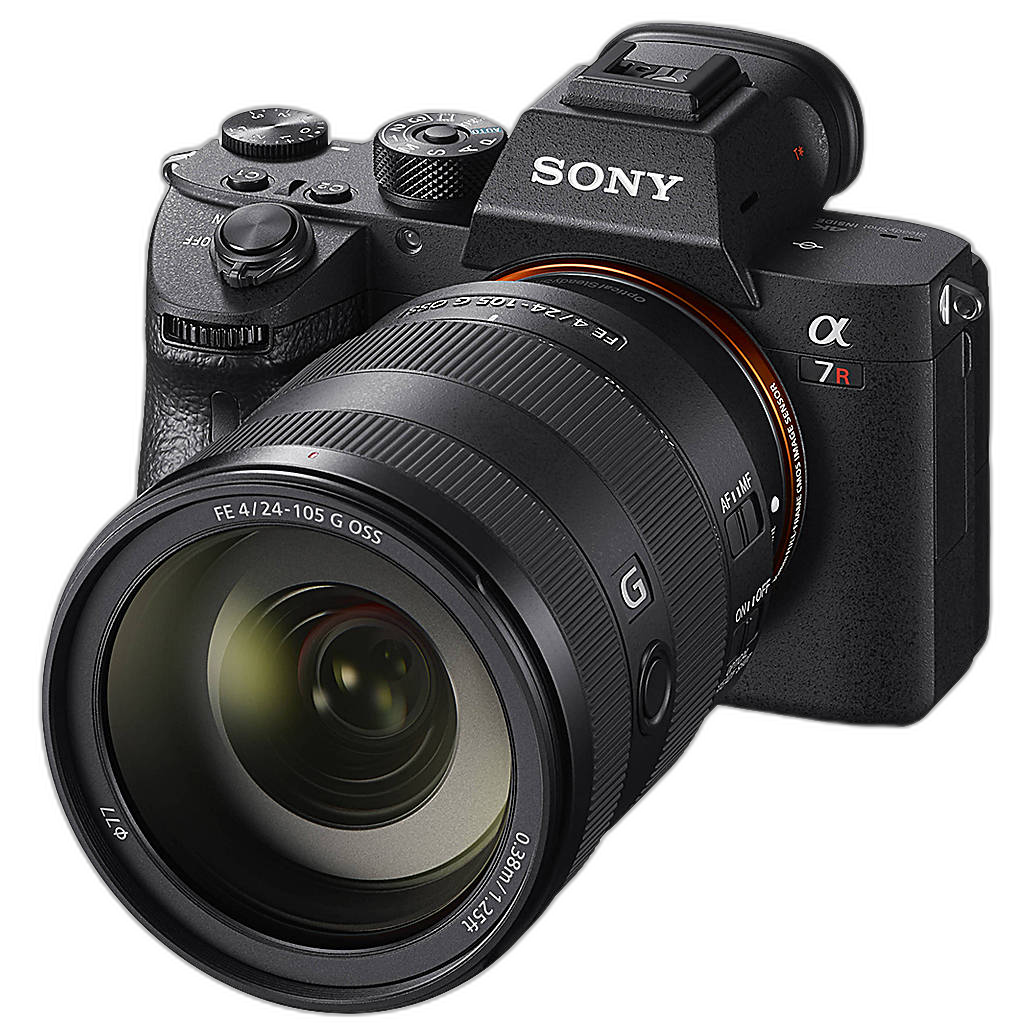
If you want a single-lens setup for hybrid work, look closely at a standard zoom with a practical focal range. Sony’s FE 24-105mm f/4 G OSS is a standout example because it covers wide environmental shots, normal perspectives, portraits, and detail framing in one package. For video, that range is useful for interviews, events, travel, corporate work, and documentary shooting. For stills, it is equally flexible.
Canon users often look for a similar do-it-all zoom strategy within RF, especially if they want to simplify their kit. The broader point is that hybrid shooters benefit from choosing a system where their most-used lens category is strong. If you rely on one lens for most assignments, the quality and practicality of that lens matter as much as the body itself.
7. Does Sony have an advantage in specialty lenses for creative video and stills?
Sony E-mount is particularly strong if you want to branch into specialty focal lengths. Ultra-wide options, compact primes, stabilized zooms, and premium pro lenses make it easier to tailor a kit for different styles of work. That can be a big benefit for creators who shoot a mix of real estate, travel, events, commercial work, and cinematic video.
The Sony FE 12-24mm f/2.8 GM Lens is a great example of a lens that expands creative possibilities. It can deliver dramatic perspective for interiors and landscapes, and it is equally useful for handheld or gimbal-based video where a wide field of view helps smooth movement and establish a sense of place.
Canon RF also has compelling high-end native glass, but Sony’s overall ecosystem depth gives hybrid shooters more ways to fine-tune a kit around niche needs.
8. Should I switch systems, or stay with the brand I already own?
If you already own a meaningful collection of lenses, accessories, batteries, or support gear, staying within your current system is often the most cost-effective choice. A complete switch can improve certain parts of your workflow, but it also introduces expense and friction. In many cases, upgrading within your existing ecosystem is the smarter move.
That said, if your current setup consistently limits your video features, lens choices, autofocus confidence, or production efficiency, a switch may be justified. The key is to identify whether your pain points come from your current body, your lens lineup, or simply your workflow.
At Unique Photo, we often recommend evaluating your most common assignments first. If you mostly shoot portraits, weddings, and branded content, Canon RF may align beautifully with your priorities. If you need broader lens selection, more specialized video options, and a mature video-first ecosystem, Sony E-mount may be the better fit.
9. What is the bottom line for hybrid shooters choosing Canon RF vs Sony E-mount?
Canon RF is an excellent choice for hybrid photographers who value ergonomics, strong stills performance, pleasing color, and polished autofocus behavior for people-focused work. Sony E-mount stands out for creators who want a deep lens ecosystem, robust video-oriented flexibility, and strong subject tracking across a wide range of shooting scenarios.
Neither system is universally better—only better for your needs. If possible, handle both in person, think carefully about the lenses you will actually buy, and choose the system that makes your everyday shooting easier and more productive.
If you are ready to build or upgrade your hybrid kit, Unique Photo can help you compare lenses, accessories, and protection options with expert guidance. Explore our selection online or visit us to find the Canon or Sony setup that fits the way you shoot.