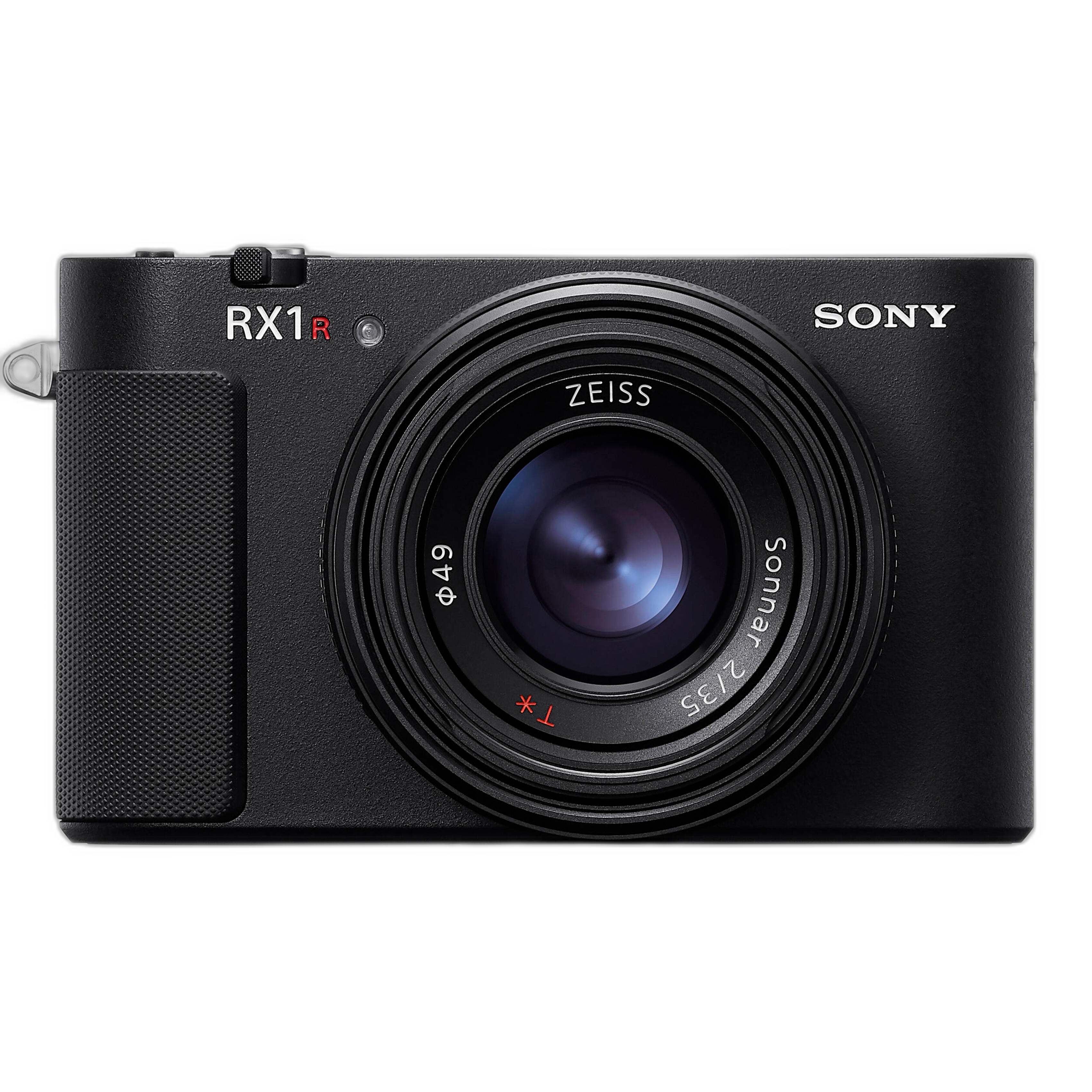
Introduction: Why Compare Sigma, Tamron, and Sony?
If you shoot on Sony E-mount, you’re spoiled for choice. Sigma, Tamron, and Sony each offer deep lineups that can transform how you work—whether you’re a hybrid creator, traveling photographer, or a wedding pro chasing perfection. Below, we distill real-world observations from hands-on shooting and customer feedback to help you pick the right lens brand for your needs.
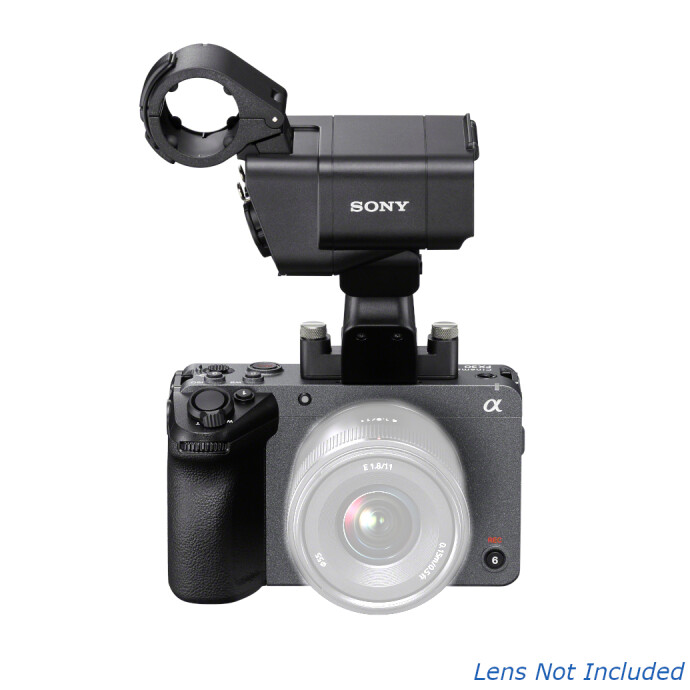
Pairing E-mount lenses with Sony bodies like the FX30 is common for hybrid creators.
Side-by-Side: Typical Lens Traits and Specs
| Category | Sigma (Art/Contemporary) | Tamron (Di III, G/G2) | Sony (G/GM) |
|---|---|---|---|
| Native Mount Support (Sony E) | Yes (DG DN series) | Yes (Di III series) | Yes (FE/E) |
| Autofocus Consistency | Very good; improves on newer DN designs | Very good; snappy on VXD/ RXD motors | Excellent; best integration with Sony bodies |
| AF Motor Types | Varies; stepping/linear on newer DN | RXD/VXD (fast, quiet) | XD Linear/Direct Drive SSM |
| In-Lens Stabilization (OSS/VC) | Selective (more on telephotos) | Common on telephoto/utility zooms (VC) | Selective (OSS on certain lenses) |
| Focus Breathing Control (Video) | Moderate to good on newer DN | Very good on recent designs | Excellent on GM II; supported by camera breathing compensation |
| Typical Weight | Heavier for Art; moderate for Contemporary | Generally lighter/compact | Varies; GM often moderate with robust build |
| Build & Sealing | Premium feel; good sealing on many | Robust polycarbonate; good sealing | Pro-grade build; extensive sealing on GM |
| Optical Look | High sharpness; rich contrast; smooth bokeh (Art) | Balanced sharpness/contrast; practical corrections | Flagship sharpness, minimal aberrations; refined bokeh |
| Typical Price Range* | ~$300–$1,100 | ~$400–$1,300 | ~$500–$2,300 |
| Warranty (USA)** | ~4-year limited | ~6-year limited | ~1-year limited |
| Standout Strength | Optical excellence per dollar (Art) | Value + portability for hybrid work | Ultimate AF + integration + pro reliability |
*Typical street pricing varies by model and promos. **Warranty terms vary by region and registration—confirm current policy with Unique Photo.
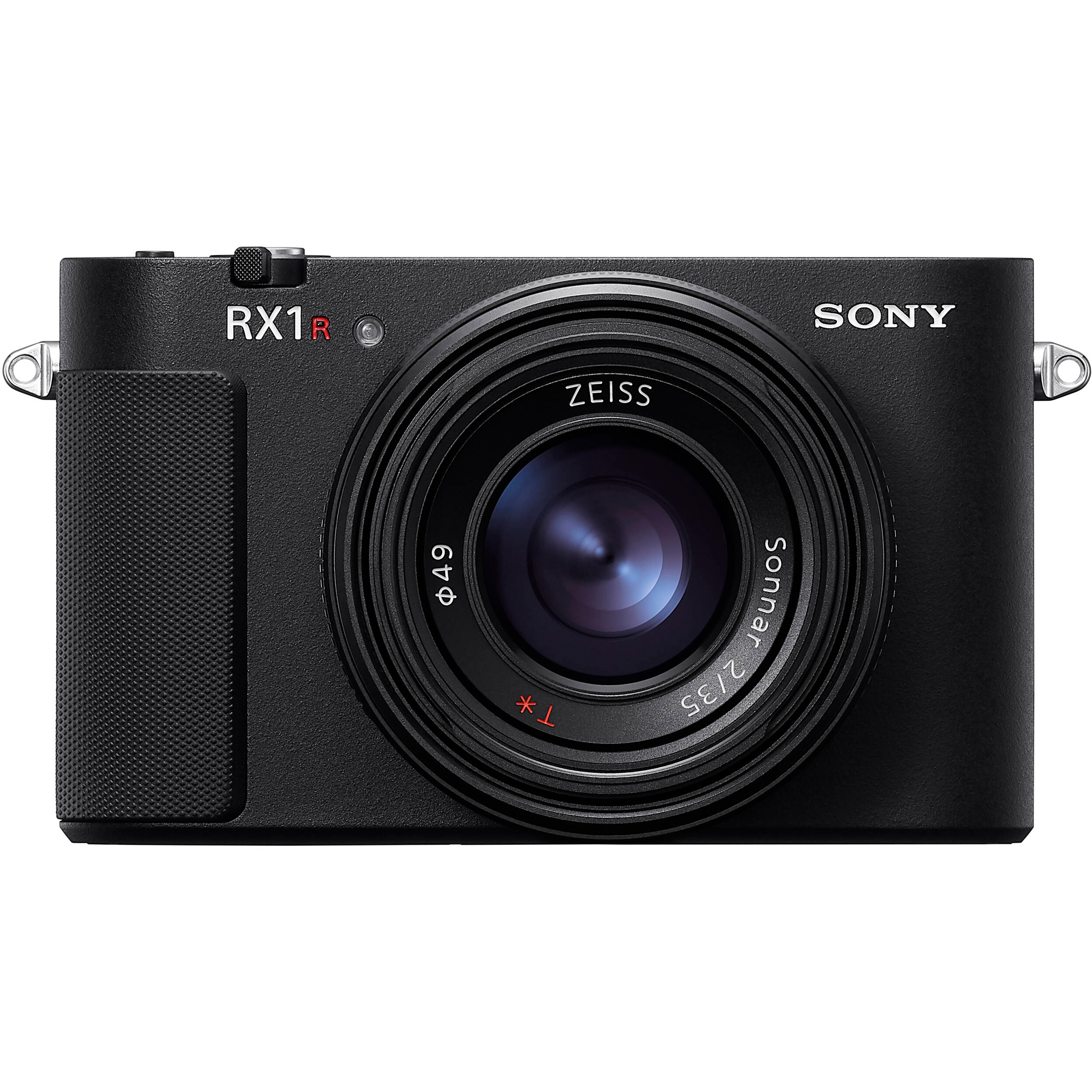
Sony’s optical pedigree sets high expectations for G and GM lenses.
Real-World Analysis
Autofocus: Speed, Stickiness, and Confidence
For fast action and face/eye tracking, Sony-native G/GM lenses consistently deliver the most confident AF. Tamron’s VXD/RXD motors are impressively quick and quiet—excellent for weddings, events, and video gimbal work. Sigma’s newer DN lenses have closed the gap substantially; they’re reliable for most scenarios, and face/eye AF performs very well on modern Sony bodies.
Optical Performance: Sharpness, Bokeh, and Corrections
Sigma’s Art primes and fast zooms are renowned for razor-sharp centers and strong edge performance, often rivaling flagship lenses at lower prices. Tamron prioritizes practical corrections—good sharpness across the frame and well-controlled aberrations—with bokeh that’s pleasant if not always class-leading. Sony GM glass tends to combine excellent sharpness with refined bokeh and minimal color fringing, offering the most consistent all-around optical results.
Video Features: Breathing, Stabilization, and Control
For video creators, Sony’s recent GM II lenses often show minimal focus breathing, and many bodies can apply Focus Breathing Compensation with Sony lenses. Tamron’s newer designs handle breathing well and frequently add in-lens stabilization (VC), which pairs nicely with IBIS for steadier handheld. Sigma’s DN lenses are increasingly video-friendly, with smoother AF transitions and reduced breathing compared to earlier generations.
Build, Weight, and Handling
If you value premium heft and a solid feel, Sigma Art stands out. Tamron leans lighter and more compact—ideal for travel kits and long gimbal days. Sony GM/G lenses balance robust construction with thoughtful ergonomics and custom buttons; sealing is excellent for outdoor pros.
System Integration and Reliability
Sony lenses integrate deepest with Sony bodies—AF behavior, stabilization, and firmware features tend to be most seamless. Tamron and Sigma are strong third-party options; modern firmware updates and broad compatibility ensure dependable performance on current E-mount cameras.
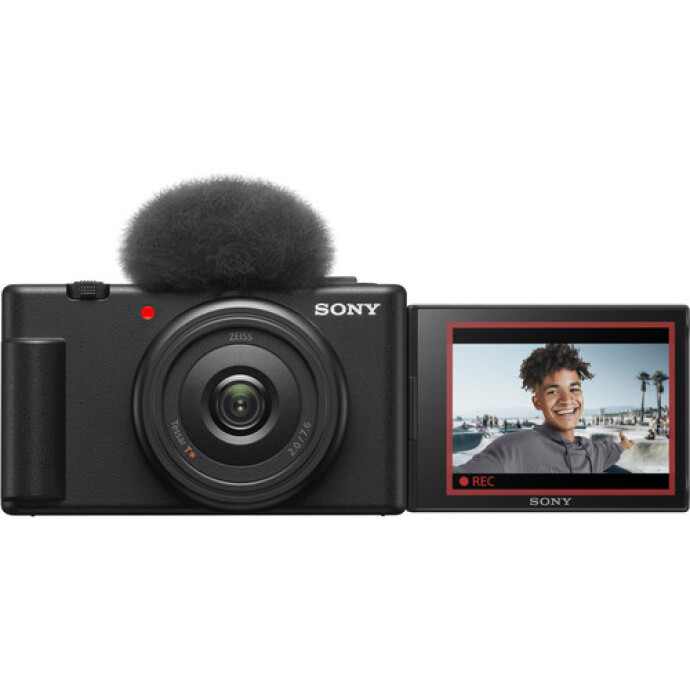
Creators coming from compact systems often move to E-mount zooms and primes for flexibility.
Recommendations by Use Case
Travel & Everyday Hybrid
- Tamron: Best balance of size, weight, and performance. Great walk-around zooms and telephotos that won’t break your back or budget.
- Sigma: Contemporary series offers compact primes with impressive sharpness.
- Sony: G series is a safe bet for reliable AF and weather sealing on the go.
Portraits & Weddings
- Sony GM: If you’re paid to nail the shot, GM keeps AF sticky and rendering refined.
- Sigma Art: Stunning detail and bokeh for stills; fantastic value for portrait shooters.
- Tamron: Versatile zooms with fast AF—excellent for dynamic wedding timelines.
Action, Wildlife & Sports
- Sony GM + OSS/IBIS: Top-tier AF tracking and durability under pressure.
- Tamron: Lightweight telephotos with VC make handheld shooting easier.
- Sigma: Telephoto primes/zooms deliver crisp results when you need reach.
Video & Content Creation
- Sony GM II: Minimal breathing and smooth AF transitions; ideal for pro video.
- Tamron: Compact zooms with useful stabilization for run-and-gun.
- Sigma DN: Strong optical quality and increasingly cine-friendly behavior.
Our Pick
Best overall for most hybrid creators: Tamron. Tamron’s modern E-mount lineup hits the sweet spot of price, portability, and performance. If you shoot a mix of photo and video and value light weight with fast AF, Tamron is the easiest recommendation. For professionals prioritizing maximum AF reliability and refined rendering, Sony GM remains the benchmark. If optical excellence per dollar is your priority, Sigma Art is a standout.
Conclusion: Try Before You Buy at Unique Photo
Choosing between Sigma, Tamron, and Sony comes down to your workflow and priorities—AF confidence, optical character, weight, and budget. Visit Unique Photo online or in-store to compare options side by side, get expert advice, and take advantage of trade-ins, financing, and hands-on demos so you leave with the lens that’s right for you.