If you’ve been researching the Sigma 24-70mm f/2.8 Art, chances are you want one lens that can handle a huge range of real-world photography: portraits, events, travel, street shooting, landscapes, and even light commercial work. This guide is for photographers who have seen the praise around Sigma’s fast standard zooms and want practical buying advice based on the kinds of hands-on experiences photographers actually discuss—sharpness, autofocus behavior, handling, everyday usability, and how this class of lens compares to other standard zoom options.
Because the Sigma 24-70mm f/2.8 Art itself is not included in the current product list, we’re taking a smart buyer’s approach: using closely related standard zoom alternatives and useful Sigma accessories available from Unique Photo to help you decide what type of setup best fits your needs. We’ll also cover common usage tips and troubleshooting points that often come up with fast standard zooms in this category.
Why Photographers Like the 24-70mm f/2.8 Class
The appeal of a 24-70mm f/2.8 lens is easy to understand. It covers wide-to-short-telephoto focal lengths, keeps a bright constant aperture throughout the zoom range, and is flexible enough to stay on the camera all day. In hands-on use, photographers typically choose this type of lens when they need:
- Versatility: environmental portraits at 24-35mm, classic normal framing around 50mm, and tighter portraits at 70mm
- Low-light performance: f/2.8 helps indoors, at events, and during golden hour
- Background separation: more subject isolation than slower kit zooms
- Professional workflow: fewer lens changes during fast-moving shoots
For many shooters, the Sigma 24-70mm f/2.8 Art enters the conversation because it promises strong image quality and pro-style performance at a compelling value compared to some first-party options.
What Photographers Often Notice in Hands-On Use
When photographers discuss standard zooms like the Sigma 24-70mm f/2.8 Art, several real-world observations come up repeatedly:
- Sharpness is usually a major selling point. Fast Sigma lenses are often chosen by photographers who want crisp detail across much of the frame, especially for portraits, weddings, and editorial work.
- Weight matters over a full day. A 24-70mm f/2.8 is extremely useful, but it’s rarely a tiny lens. If you shoot long events or travel frequently, size and balance may influence whether you prefer a faster f/2.8 zoom or a lighter f/4 alternative.
- Autofocus performance depends on camera body and shooting conditions. In good light, modern standard zooms tend to perform very well. In lower light, accuracy can vary based on subject contrast, firmware, and camera system.
- Technique still matters. Even with a great lens, photographers often improve results by increasing shutter speed at the long end, stopping down slightly for edge sharpness, and checking AF calibration where applicable.
Usage Tips for Getting the Best Results
If you’re considering a Sigma 24-70mm f/2.8 Art or a similar standard zoom, these practical tips can improve your experience right away:
- Use faster shutter speeds than you think you need. At 70mm, slight movement can soften images, especially on high-resolution cameras.
- For portraits, try 50-70mm at f/2.8. This range often gives flattering perspective and pleasing background blur.
- For landscapes, stop down to f/5.6-f/8. You’ll usually gain more edge-to-edge consistency.
- Check your filter size before buying accessories. Standard zooms in this class often use larger filters than compact lenses.
- Update firmware when possible. If autofocus seems inconsistent, compatibility updates can make a real difference.
- Watch for front-heavy balance. On smaller mirrorless bodies, adding a grip can improve comfort during extended shooting.
Common Issues and Troubleshooting for Standard Zooms
Photographers comparing the Sigma 24-70mm f/2.8 Art often ask about everyday issues. Here’s how to think through the most common ones:
- Soft images wide open: First rule out motion blur or missed focus. Test on a tripod with a static subject before assuming the lens is at fault.
- AF inconsistency: Try a higher-contrast subject, better lighting, and the latest firmware. On DSLR systems, fine AF adjustment may help.
- Dust concerns: Zoom lenses move air as they zoom. Good handling, proper storage, and lens caps help minimize contamination risk.
- Flare or contrast loss: Clean the front element and use a quality filter only when necessary. Shooting angles into bright light can affect any zoom.
- Heavy carry weight: If portability is your top priority, consider whether a lighter f/4 zoom better fits your style.
Top Alternatives and Related Picks at Unique Photo
Since the Sigma 24-70mm f/2.8 Art is not among the available products here, these options represent the closest relevant alternatives and supporting accessories for shoppers exploring this category.
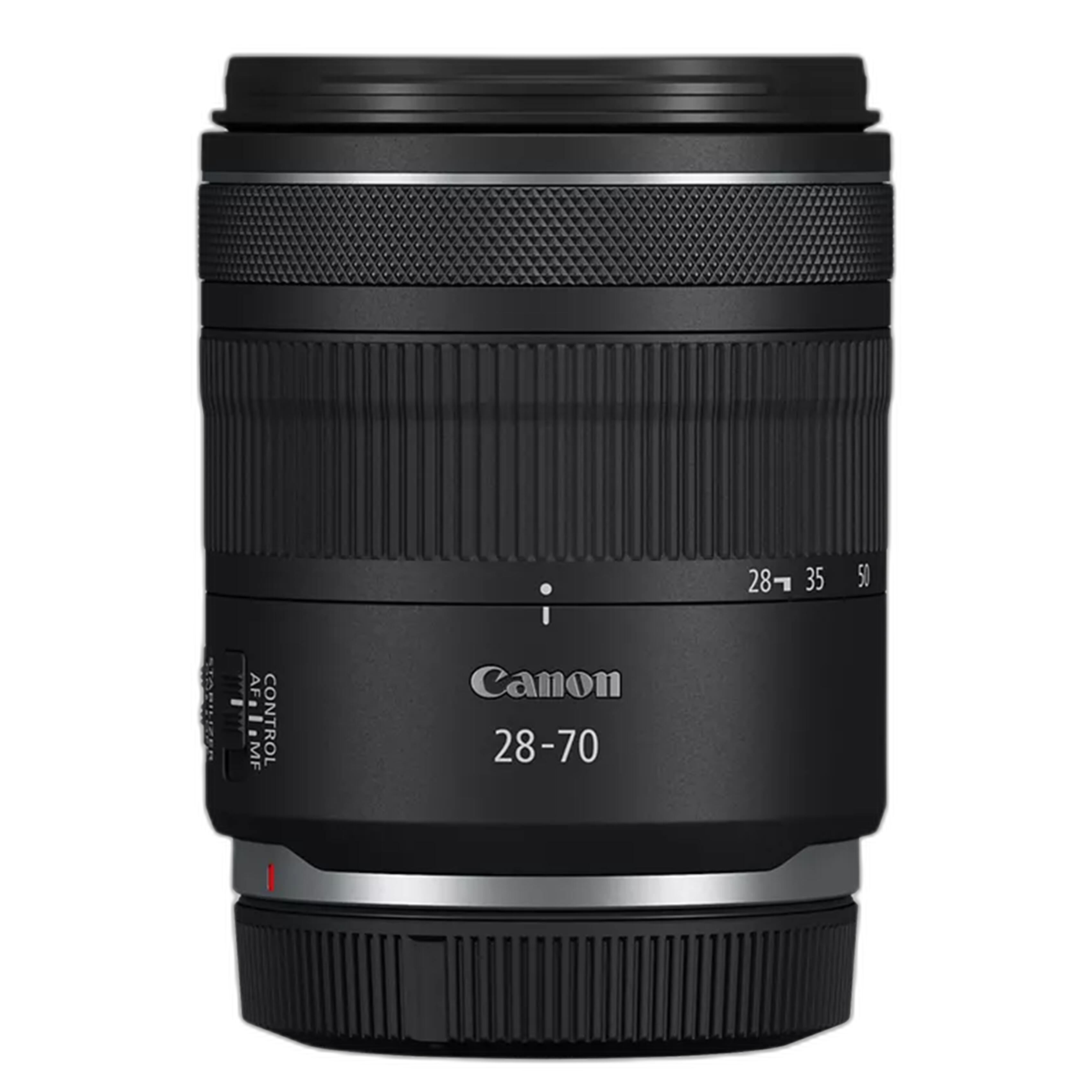
Our Pick: Used Canon RF 28-70mm F2.8 IS STM Lens - Excellent
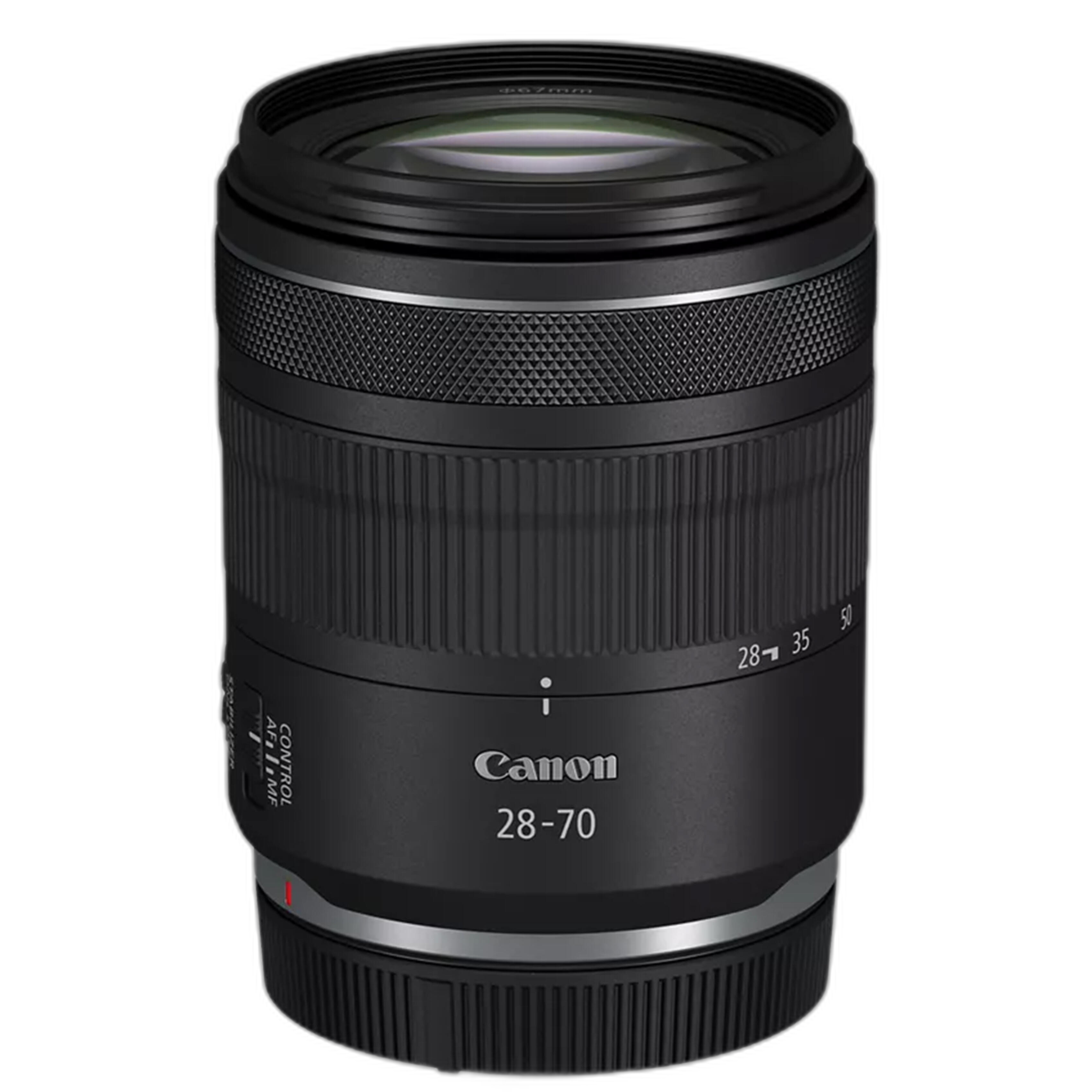
Why it stands out: For photographers wanting a fast standard zoom experience with excellent versatility, this Canon RF 28-70mm f/2.8 option is the strongest direct fit among the currently available products. It delivers the bright f/2.8 aperture photographers look for when comparing lenses in the Sigma 24-70mm Art class, while adding image stabilization for even greater everyday flexibility.
Best for: Canon RF shooters who want an event-ready, portrait-friendly standard zoom without stepping down to an f/4 lens.
What photographers will like:
- Useful 28-70mm range for portraits, street, travel, and general use
- Constant f/2.8 aperture for low light and subject separation
- Image stabilization adds practical handheld confidence
- Excellent condition used gear can represent strong value
Considerations: It starts at 28mm rather than 24mm, which may matter for architecture, interiors, and some landscape work.
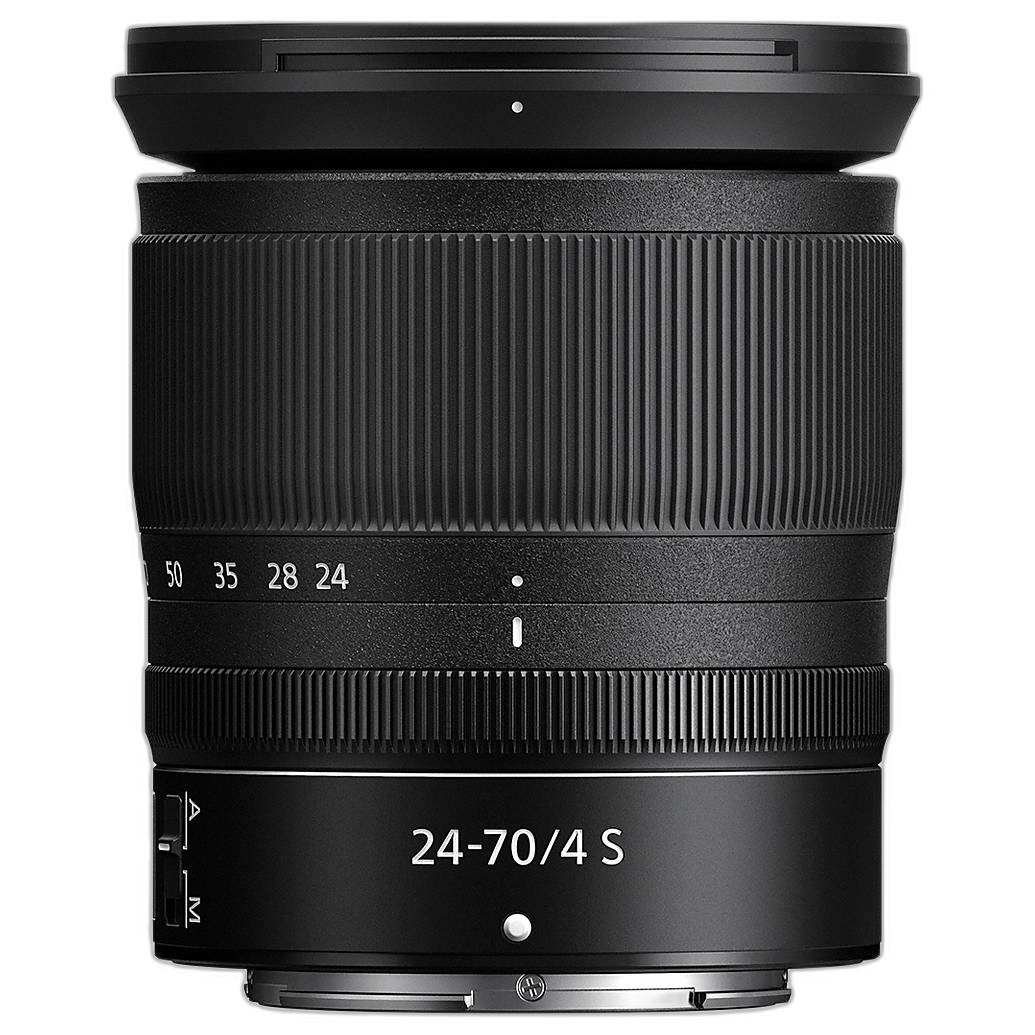
Nikon NIKKOR Z 24-70mm f/4 S Lens
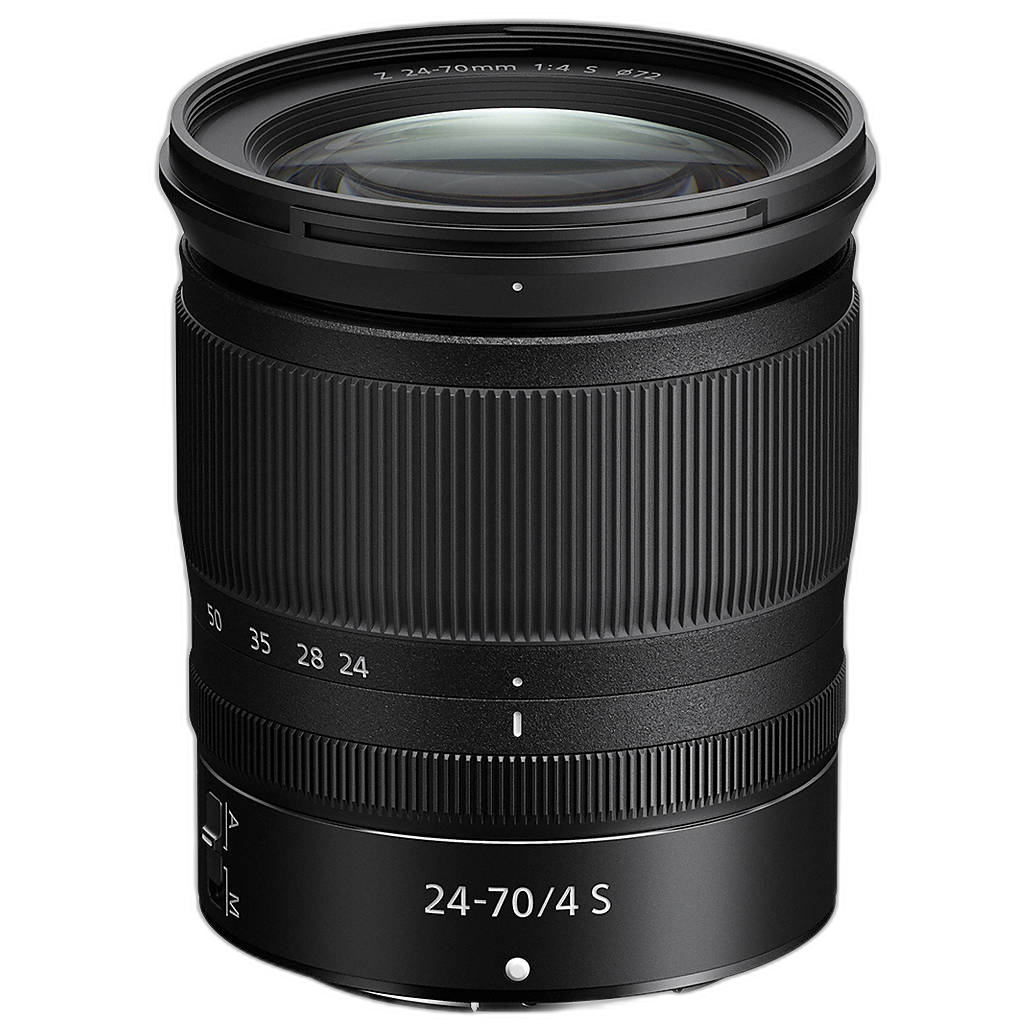
This lens is ideal for photographers who love the range and convenience of a standard zoom but don’t absolutely need f/2.8. In many hands-on comparisons, the real debate is not just Sigma versus another brand—it’s whether you truly need a fast professional zoom or would be happier with something lighter and easier to carry.
Best for: Nikon Z photographers who prioritize portability, sharpness, and everyday usability.
What photographers will like:
- True 24-70mm coverage
- Lighter carry than many f/2.8 zooms
- S-series optics have a strong reputation for image quality
- Excellent travel and walkaround option
Considerations: f/4 won’t deliver the same low-light flexibility or subject separation as an f/2.8 zoom.
Used Sigma 28mm f/1.8 EX DG for Canon EF - Good
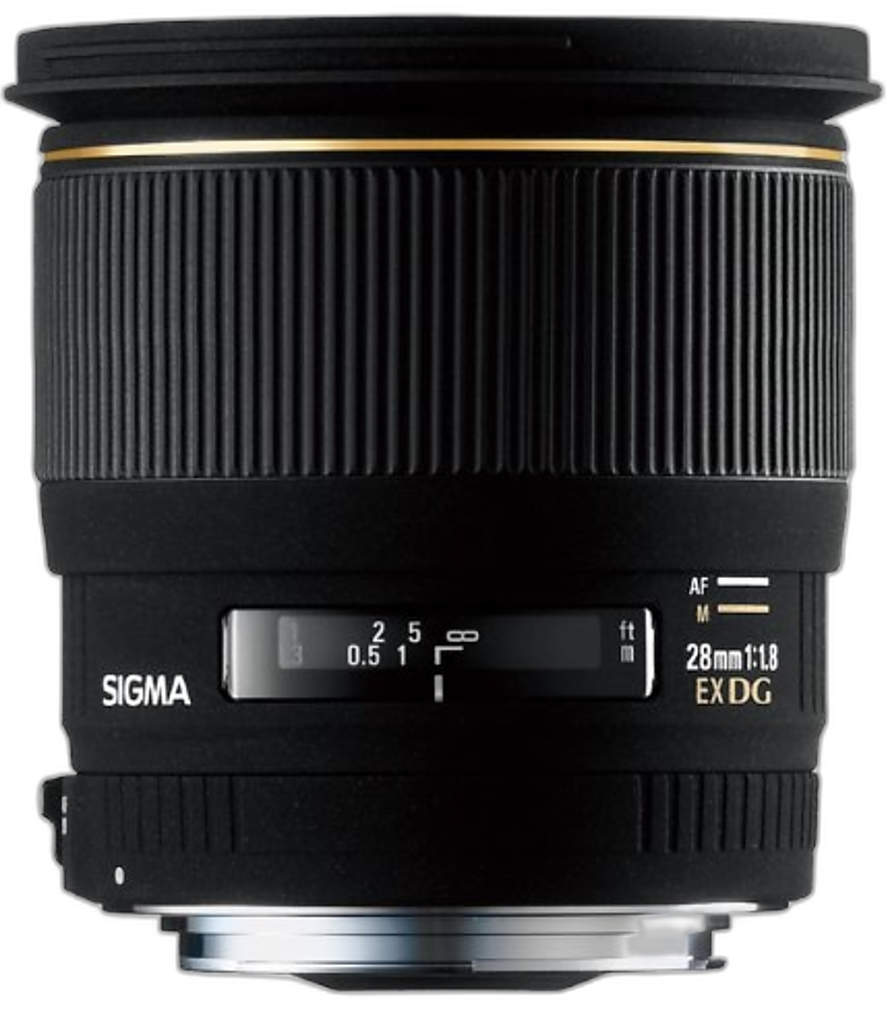
While not a zoom, this used Sigma prime makes sense for photographers who are interested in Sigma rendering and want a low-cost way to add speed to their setup. In practice, some photographers considering a 24-70mm f/2.8 discover that what they really need is better low-light performance at one frequently used focal length.
Best for: Canon EF shooters who want an affordable fast wide/normal prime for available-light work.
What photographers will like:
- Bright f/1.8 aperture
- Useful documentary and environmental portrait focal length
- Potentially excellent value in used condition
- A simple complement to slower zooms
Considerations: You lose the flexibility of a zoom, so this is best as a specialist or budget-friendly companion lens.
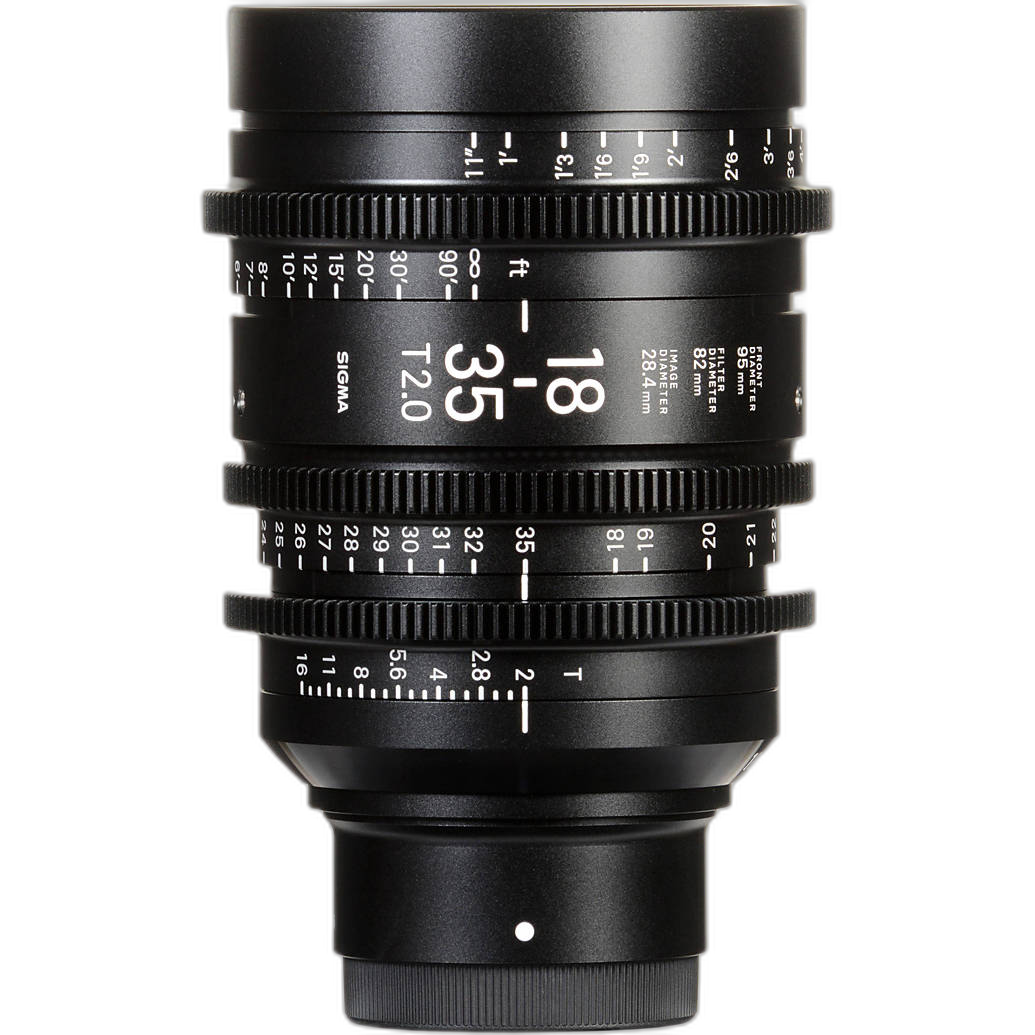
Sigma 18-35mm T2 Fully Luminous High-Speed Zoom Lens (Canon EF)
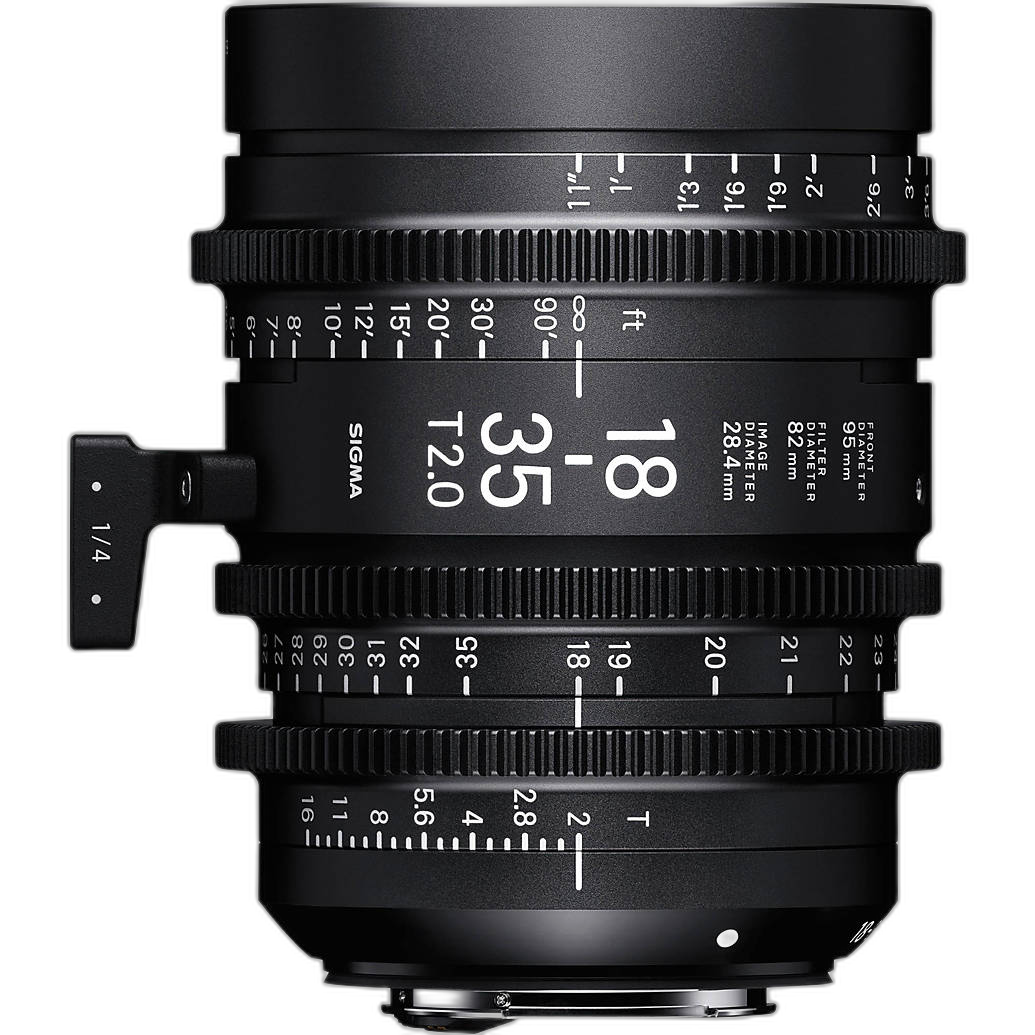
This is a cine lens, so it’s not a direct substitute for the Sigma 24-70mm f/2.8 Art. Still, it’s relevant for hybrid shooters and filmmakers who appreciate Sigma’s reputation for fast, high-quality zoom designs and want a more cinema-oriented tool.
Best for: Video creators and cinema users working in Canon EF mount.
What photographers and filmmakers will like:
- Extremely fast T2 performance
- Cinema-oriented handling
- Strong choice for controlled production environments
Considerations: This is a specialty lens for video work, not a standard stills walkaround replacement.
Useful Accessories for Everyday Lens Care
Sigma AFI9D0 86mm WR Circular Polarizer Filter
If your lens uses an 86mm front thread, a circular polarizer can help reduce reflections, deepen skies, and improve contrast in outdoor work. This is especially useful for landscape, automotive, and travel photographers.
Sigma LCR-SA II Rear Lens Cap for Sigma Mount
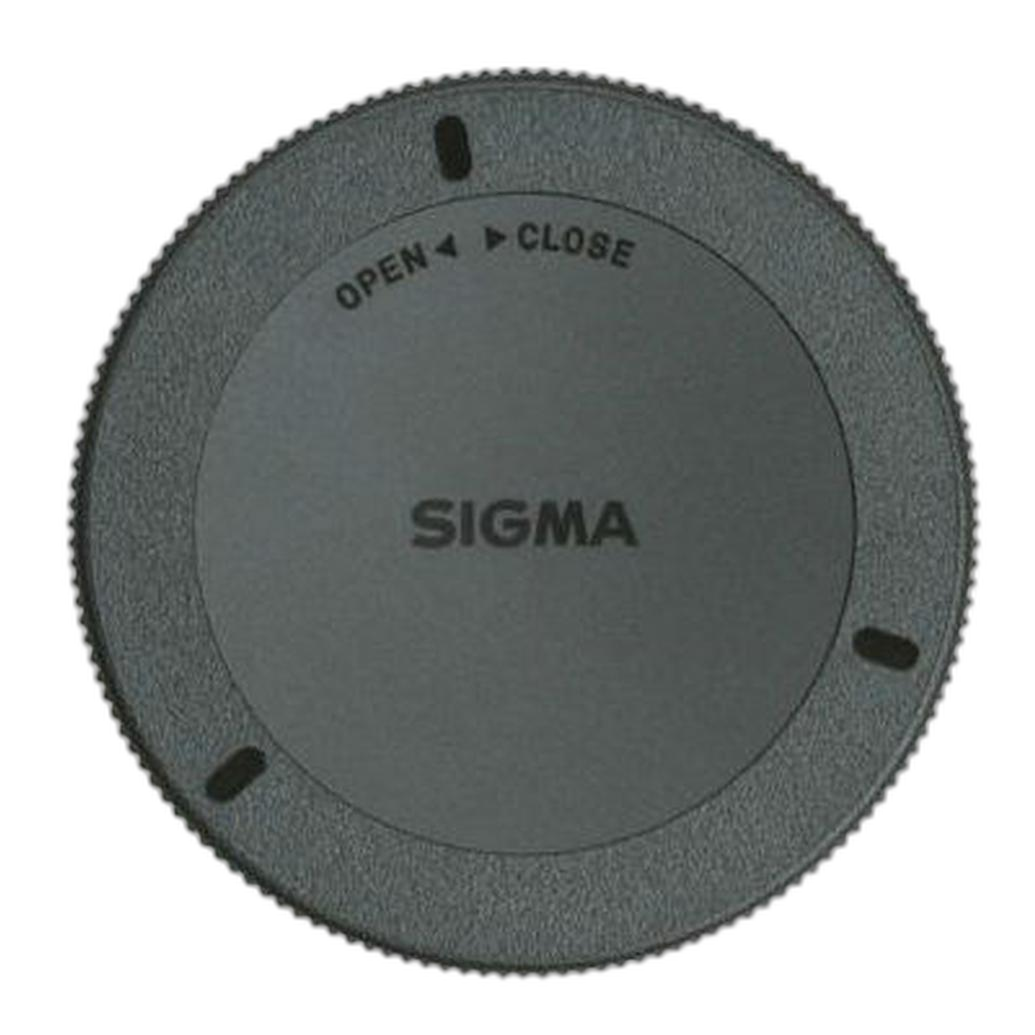
A simple but important replacement if you store multiple lenses or buy used gear and want to keep mounts protected.
Sigma LCF-52 III 52mm Front Lens Cap
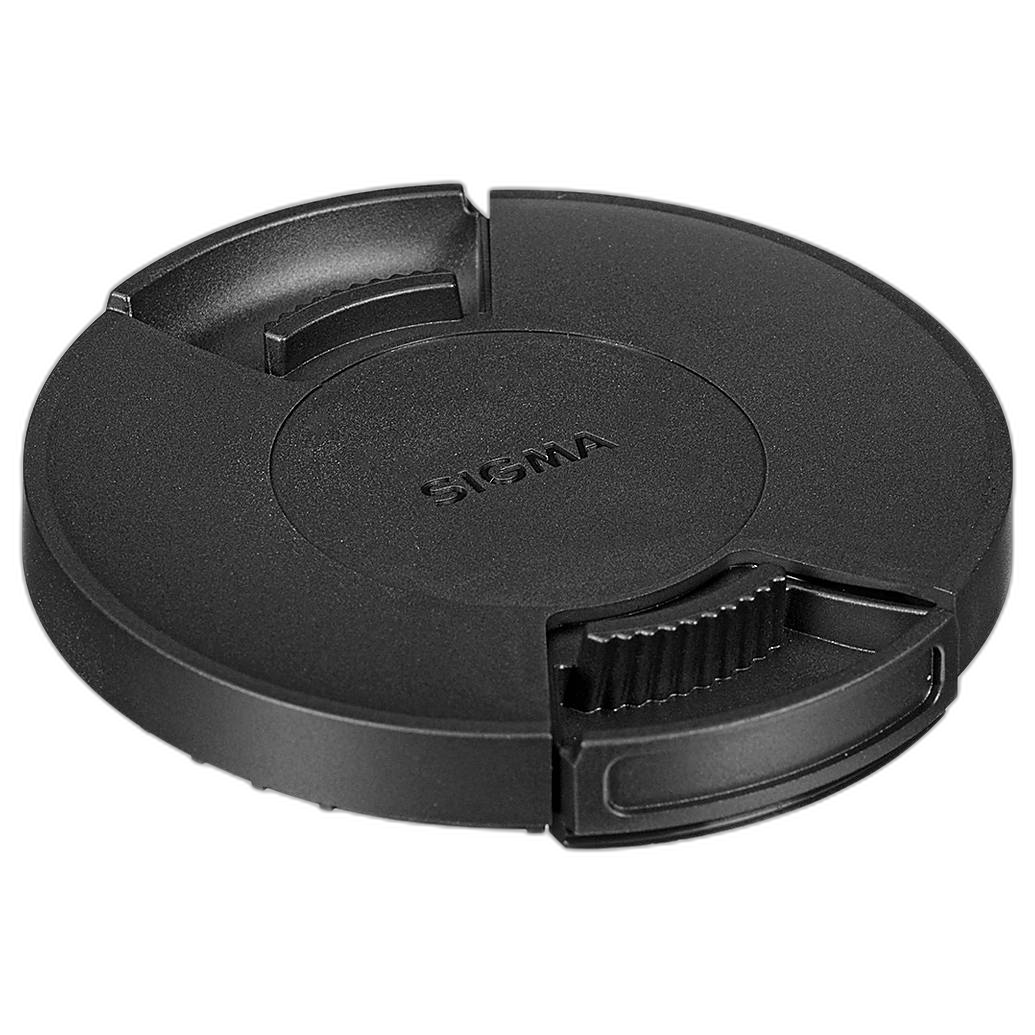
Front caps are easy to overlook until one goes missing. Keeping a spare helps protect glass and preserve resale value.
Comparison Table
| Product | Type | Key Strength | Best For | Main Tradeoff |
|---|---|---|---|---|
| Used Canon RF 28-70mm F2.8 IS STM Lens - Excellent | Fast standard zoom | f/2.8 plus stabilization | Canon RF general-purpose and event shooters | Starts at 28mm, not 24mm |
| Nikon NIKKOR Z 24-70mm f/4 S Lens | Standard zoom | Lighter, highly practical 24-70mm option | Nikon Z travel and everyday photographers | Slower f/4 aperture |
| Used Sigma 28mm f/1.8 EX DG for Canon EF - Good | Prime lens | Bright low-light performance at a fixed focal length | Budget-conscious Canon EF shooters | No zoom flexibility |
| Sigma 18-35mm T2 Fully Luminous High-Speed Zoom Lens (Canon EF) | Cine zoom | Fast cinema-oriented design | Filmmakers and hybrid creators | Specialized use case |
Should You Buy a Sigma 24-70mm f/2.8 Art-Type Lens?
If your shooting regularly includes portraits, weddings, events, commercial sessions, or indoor available-light work, the 24-70mm f/2.8 category remains one of the smartest lens investments you can make. Photographers consistently value this class of lens because it balances speed, image quality, and flexibility better than almost anything else.
On the other hand, if you mostly shoot travel, landscapes in good light, or casual everyday subjects, a lighter f/4 standard zoom may actually be the better long-term fit. The best choice isn’t always the fastest lens—it’s the one you’ll actually want to carry and use.
Final Recommendation
For shoppers exploring the Sigma 24-70mm f/2.8 Art conversation, the Used Canon RF 28-70mm F2.8 IS STM Lens - Excellent is the clearest current recommendation from this product set thanks to its bright aperture, versatile focal range, and practical stabilization. Nikon Z users looking for a lighter everyday alternative should strongly consider the Nikon NIKKOR Z 24-70mm f/4 S Lens. And if budget or low-light specialization matters more than zoom flexibility, the Used Sigma 28mm f/1.8 EX DG for Canon EF - Good is a compelling supplemental option.
Whichever direction you choose, Unique Photo is a great place to shop for lenses, used gear, and accessories that match your shooting style.