Is the Canon R8 the Best Value Full-Frame Mirrorless Camera?
The Canon EOS R8 has quickly become a popular option for photographers and hybrid creators who want full-frame image quality without stepping into a heavier, more expensive camera body. If you're comparing price, autofocus performance, video capability, and overall portability, the R8 stands out as one of the most compelling values in Canon's mirrorless lineup.
At Unique Photo, we often see shoppers weighing the R8 against older DSLRs, APS-C mirrorless models, and more advanced full-frame bodies. The right answer depends on how you shoot, what lenses you already own, and whether you want the lightest possible kit or room to grow into a more robust system.
Why do so many photographers consider the Canon R8 a strong value?
The Canon R8 delivers many of the features photographers want most from a modern full-frame camera: excellent autofocus, strong low-light performance, impressive subject detection, and very capable video tools. For many users, that combination matters more than having a larger body, dual card slots, or in-body image stabilization. In practical use, the R8 gives you access to full-frame depth of field, better high-ISO image quality than most smaller-sensor options, and Canon's latest autofocus technology in a relatively affordable package.
Value is not just about the lowest price. It's about how much real-world performance you get for your investment. If your priority is image quality and autofocus over pro-body build features, the R8 is easy to recommend.
Who is the Canon R8 best for?
The R8 is especially well suited to enthusiasts moving up from APS-C, travelers who want full-frame without bulk, portrait photographers who want shallow depth of field, and content creators who need strong stills and video from one camera. It is also a smart choice for anyone entering the Canon RF system who wants modern performance without jumping immediately to a higher-priced body.
It can also work well for photographers with older Canon glass who are considering an upgrade path. For example, some shoppers still own classic Canon lenses and enjoy experimenting with older optics. If you like the look of vintage lenses, a lens such as the Used Canon FD 50mm f/1.8 Lens can be part of a creative manual-focus setup when used with the proper adapter.
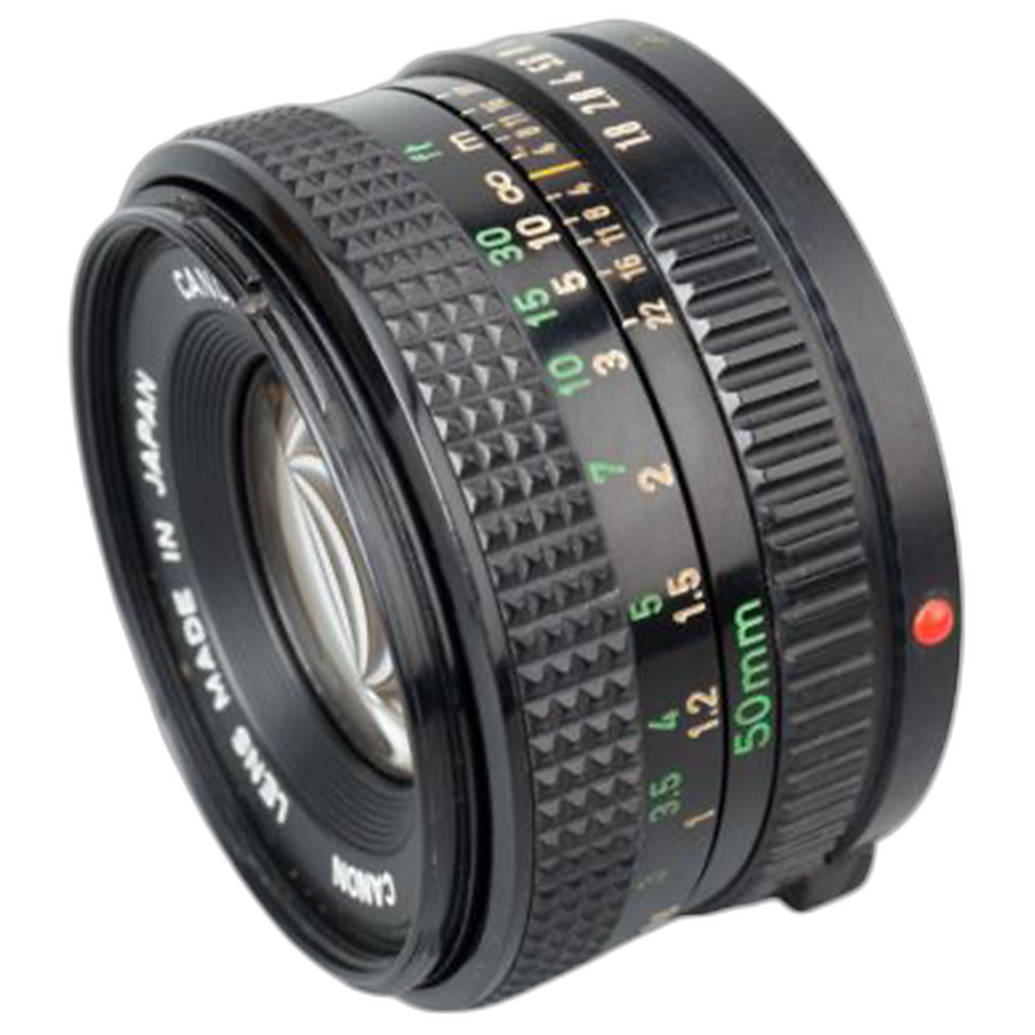
That kind of flexibility can increase the R8's value for photographers who enjoy blending modern autofocus performance with legacy lens character.
How does the Canon R8 compare with APS-C mirrorless cameras on value?
APS-C cameras often win on initial kit price, and they can be a better fit if your budget needs to cover multiple lenses right away. However, the R8 makes a compelling case if your goal is full-frame image quality from the start. You gain cleaner results at higher ISO settings, wider native field of view with full-frame lenses, and more control over background blur for portraits and lifestyle work.
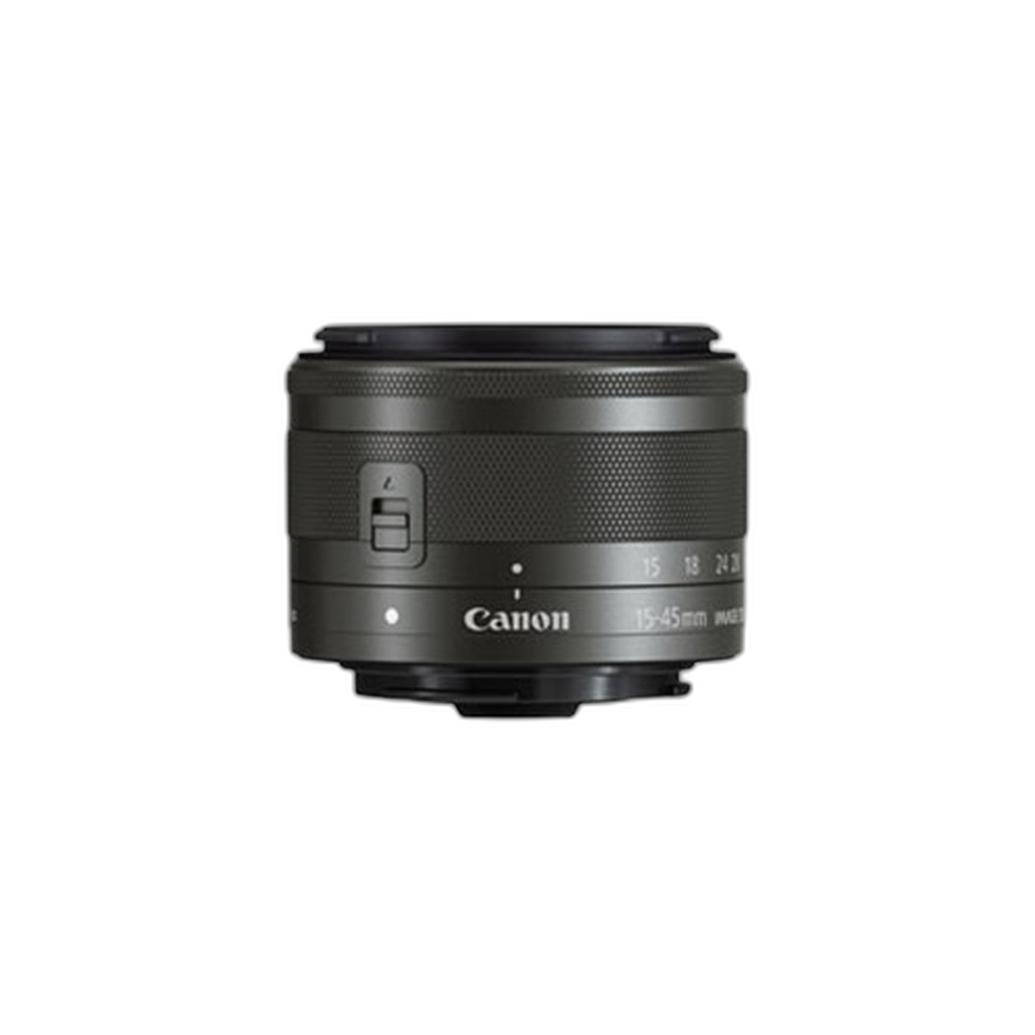
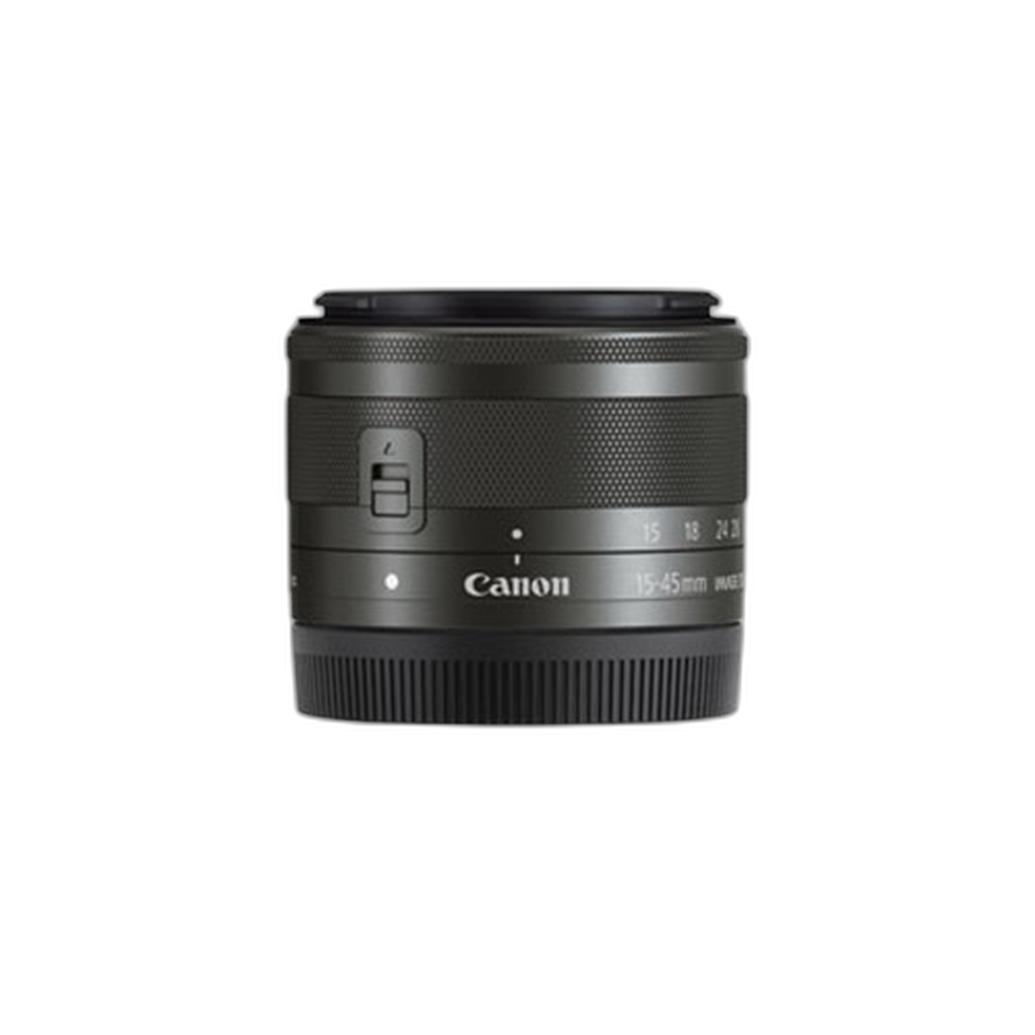
That said, APS-C systems can still be practical for lightweight shooting. For example, compact lenses such as the Used Canon EF-M 15-45mm f/3.5-6.3 IS STM show why smaller systems remain attractive for casual travel and everyday photography.
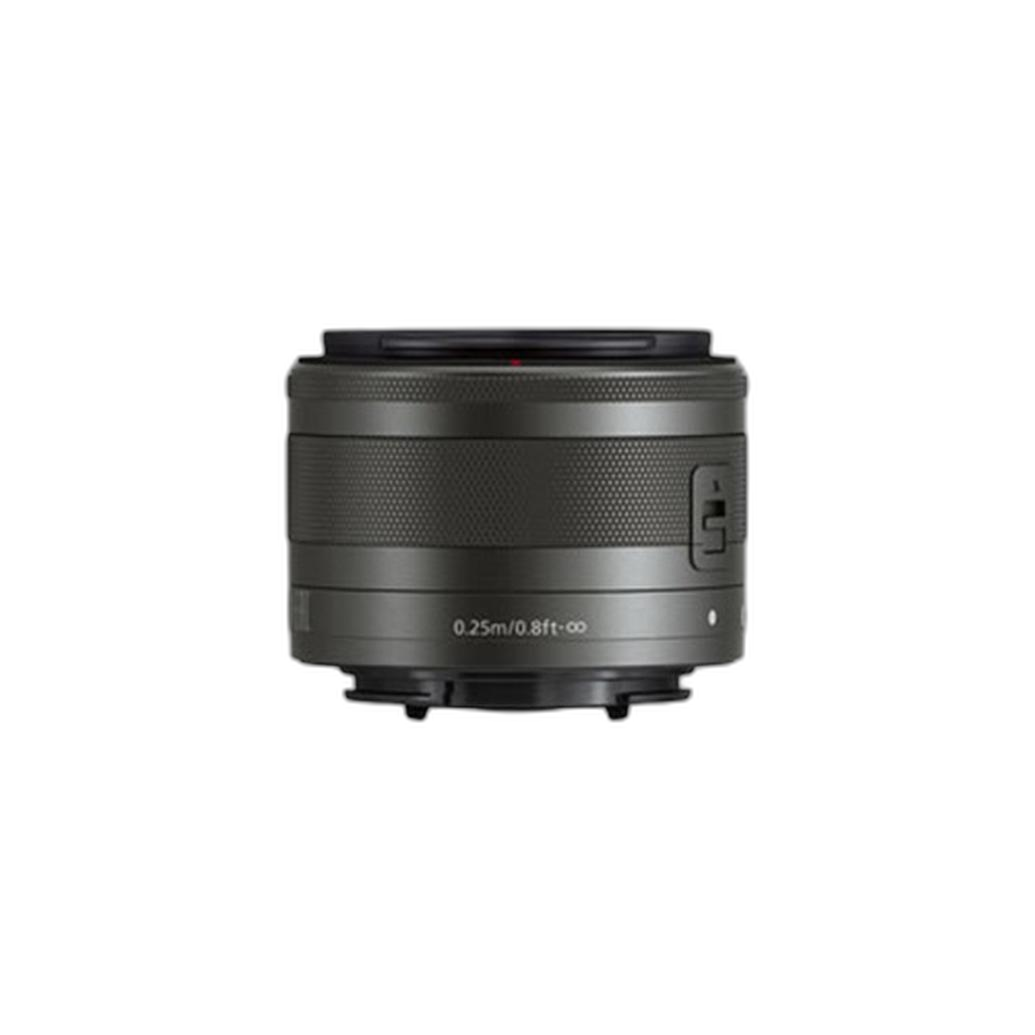
If you're deciding strictly on long-term image quality and autofocus capability, the R8 often feels like the better value. If you're deciding based on total starter-kit cost, APS-C may still have the edge.
Are there any tradeoffs that keep the R8 from being the best choice for everyone?
Yes. The R8 is a value-oriented full-frame camera, but it is not designed as a high-end pro body. Some photographers will want features it does not include, such as in-body image stabilization, a larger battery, dual memory card slots, or a more substantial grip for long sessions with larger lenses. If you regularly shoot weddings, high-volume events, or demanding commercial assignments, those omissions may matter enough to justify moving up to a different model.
Still, for many photographers, those tradeoffs are acceptable because the core performance is so strong. If your priorities are autofocus, image quality, and portability, the R8 stays highly competitive.
Is the Canon R8 a good choice for video creators?
For many hybrid shooters, yes. The R8 offers very attractive video capability for the price, making it a practical choice for interviews, social content, travel clips, behind-the-scenes work, and creator-focused production. Its autofocus system is a major advantage for solo shooters who need reliable subject tracking. Full-frame also helps deliver a more cinematic look with easier subject separation.
The main consideration is support gear and shooting style. If you often work handheld, lenses with stabilization or a gimbal may be especially helpful since the body itself does not include in-body stabilization. If your work is more tripod-based or controlled, the R8 can be an excellent value in a hybrid workflow.
What lenses make the Canon R8 feel like a better value?
A camera becomes a real value when the lens pairing matches your shooting style. The R8 shines most when paired with lightweight RF lenses that keep the system compact, but it can also be a fun platform for adapted Canon lenses if you already own older glass. That makes it appealing for photographers transitioning from legacy Canon systems.
For creative experimentation, some shooters enjoy working with manual-focus vintage lenses. The Used Canon FD 50mm f/1.8 Lens is a classic example of an affordable lens that can deliver a distinctive rendering style when adapted properly.
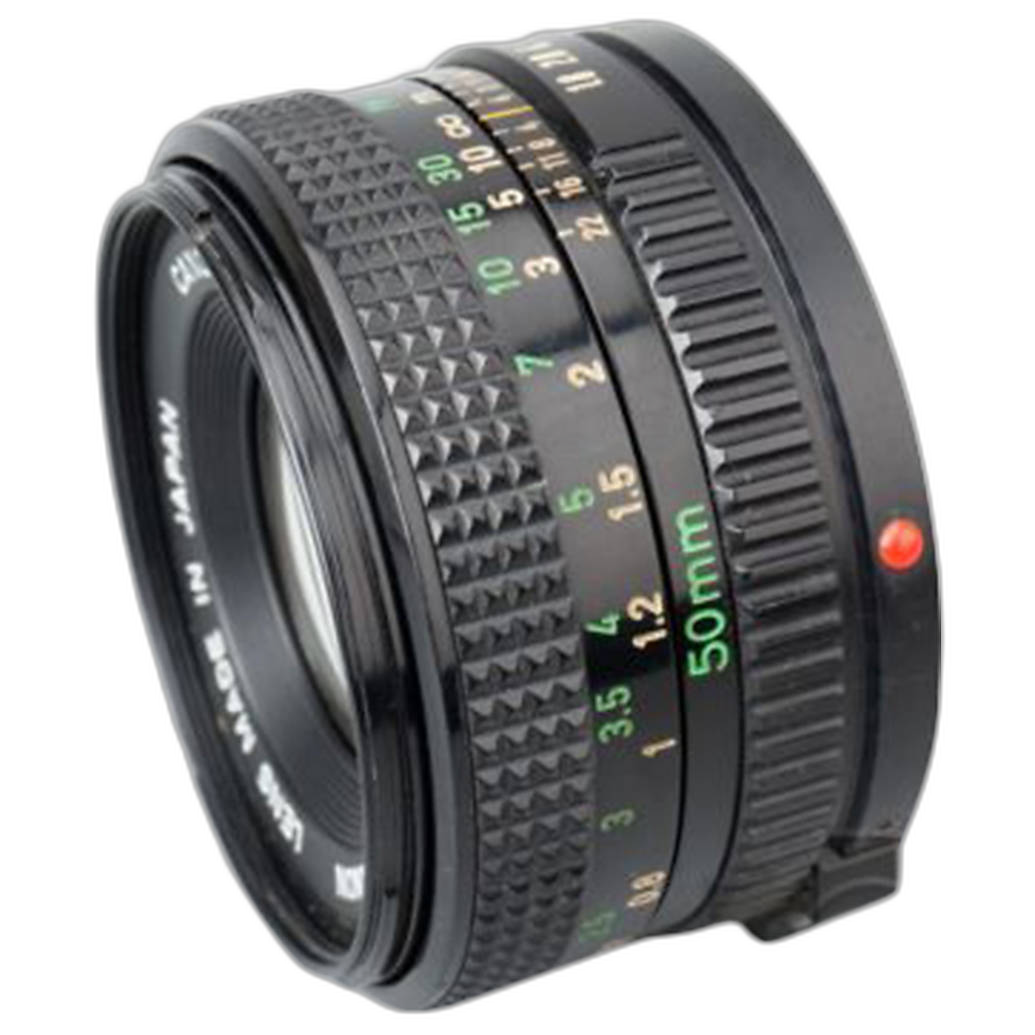
By contrast, users coming from older compact Canon mirrorless systems may already appreciate small, travel-friendly zooms like the Used Canon EF-M 15-45mm f/3.5-6.3 IS STM. While it is not an RF lens, it highlights the kind of portability many shoppers want to preserve when moving into a full-frame setup.
Does the Canon R8 make sense as an upgrade from an older Canon DSLR or mirrorless body?
In many cases, absolutely. If you're using an older Canon DSLR or an earlier-generation mirrorless camera, the R8 can feel like a major leap in autofocus intelligence, face and eye detection, and overall shooting responsiveness. That upgrade can have more impact on your keeper rate than a simple megapixel increase.
It is particularly appealing for users who want to modernize their setup while staying in the Canon ecosystem. If you also want added peace of mind when investing in Canon gear, protection plans can be worth considering. A Canon CarePAK option can help safeguard your purchase strategy, especially if you travel frequently or rely on your gear regularly.
That kind of support can add practical value beyond the camera body itself.
What kind of photographer should skip the R8 and buy something else?
If you need a more rugged body for heavy professional use, longer battery life for all-day events, or advanced stabilization for handheld shooting with non-stabilized lenses, you may be better served by stepping up to a more feature-rich camera. Likewise, if your budget is tight enough that lenses are a bigger priority than the body, a less expensive APS-C setup may create a more complete system faster.
The R8 is best viewed as a performance-first value, not an everything-included value. It offers excellent image-making tools, but not every premium body feature.
So, is the Canon R8 the best value full-frame mirrorless camera right now?
For many photographers, yes. The Canon R8 hits a sweet spot where full-frame image quality, modern autofocus, strong video capability, and a relatively approachable price all come together in one compact camera. It is not the perfect solution for every user, but it is one of the most balanced options for photographers who want maximum performance per dollar in the Canon system.
If you're ready to compare Canon cameras, explore lenses, or build out a complete mirrorless kit, Unique Photo can help you choose the setup that fits your shooting style and budget. Browse our Canon gear, used equipment, and accessories to find the right path into full-frame photography.